

Building a garden sounds simple enough. Just dig some holes, drop in plants, and watch them grow, right? Not quite.
The truth is, most plants struggle because they’re fighting with poor soil from day one. They might look okay at first, but soon they stop growing or even die off.
Soil quality makes all the difference. Good topsoil can turn a struggling garden into something that actually thrives.
This blog explains what topsoil really is and shows practical ways to use it for better results in any garden or lawn.
What is Topsoil?
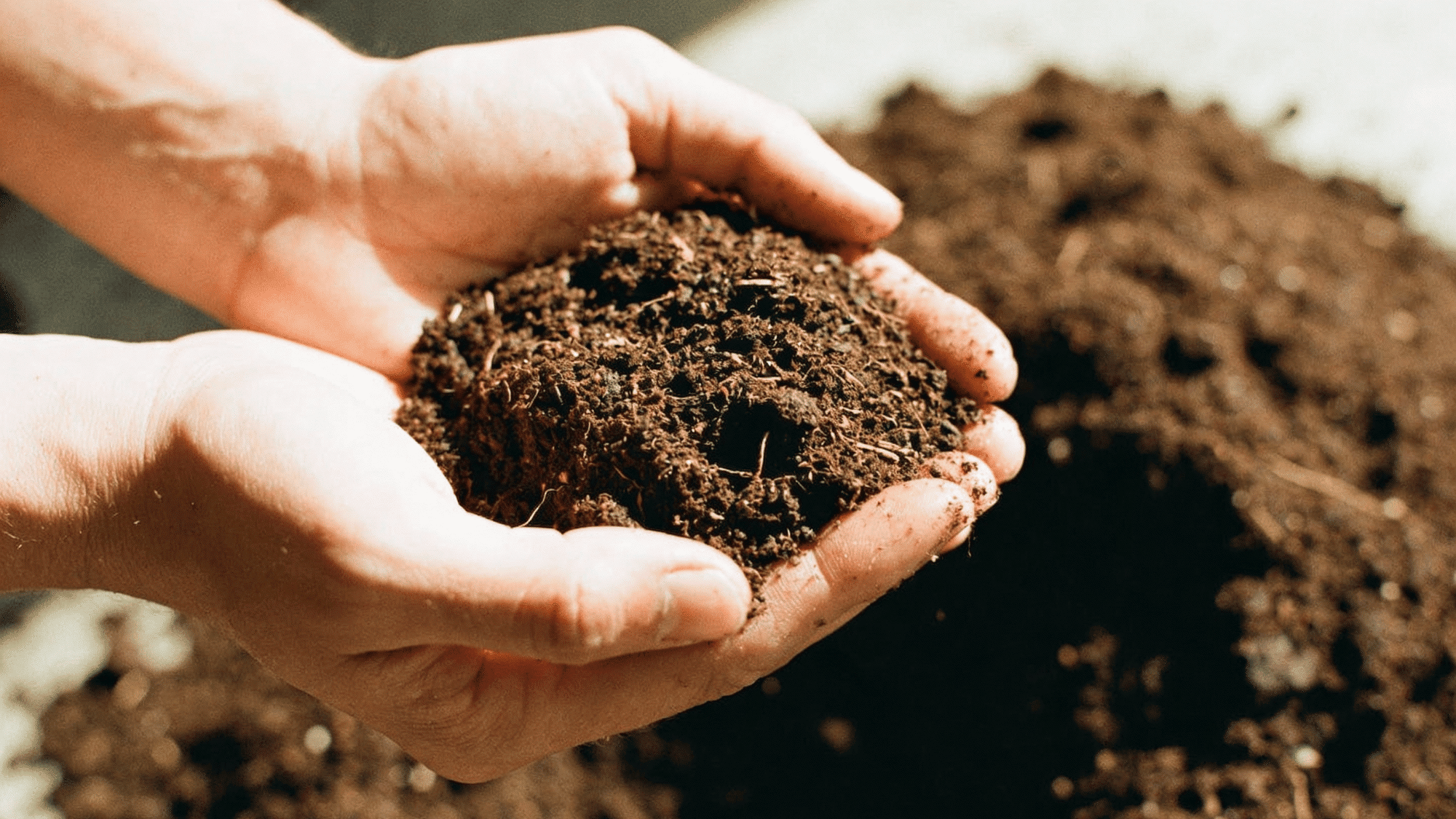
Topsoil is the uppermost layer of earth, typically measuring 2 to 8 inches deep.
It’s darker and richer than the dirt beneath because it contains organic matter like decomposed leaves, plant roots, and helpful microorganisms.
This layer holds most of the nutrients plants need to grow strong and healthy.
Think of topsoil as nature’s feeding ground. It’s where seeds sprout, roots spread, and beneficial bacteria do their work. The quality varies widely depending on location.
Some topsoil is sandy and drains fast. Other types are clay-heavy and hold water longer. The best kind has a balanced mix that supports plant life without getting too compact or too loose.
Types of Topsoil: Screened vs Blended for Your Project

Not all topsoil works the same way. Different types suit different projects, so knowing the options helps make better choices for specific needs.
1. Screened Topsoil
This type gets filtered through a mesh screen to remove rocks, roots, sticks, and large debris. The screening process creates a uniform texture that’s easy to spread and work with.
It’s ideal for general gardening, filling low spots in lawns, or creating smooth, even surfaces. Most hardware stores stock screened topsoil because it’s versatile and clean.
2. Unscreened Topsoil
Raw topsoil that hasn’t been filtered or processed. It often contains rocks, roots, and chunks of clay mixed in.
This makes it cheaper but harder to use for delicate projects.
Unscreened works fine for large-scale landscaping or filling deep holes where texture doesn’t matter much. Just expect to pick out debris by hand.
3. Blended Topsoil
A custom mix combining topsoil with compost, sand, or other amendments to improve quality.
The blend creates better drainage, adds nutrients, and adjusts pH levels for specific plants. Garden centers often create signature blends for vegetables, flowers, or lawns.
It costs more but delivers better results for picky plants that need precise conditions.
4. Sandy Topsoil
Topsoil with higher sand content drains water quickly and feels gritty to the touch. It works well in areas with heavy clay soil that holds too much moisture.
Sandy topsoil prevents root rot and helps oxygen reach plant roots faster.
However, it needs more frequent watering and fertilizing since nutrients wash away quickly than other types.
5. Clay-Based Topsoil
Contains more clay particles, making it dense and moisture-retentive. This type holds nutrients well and stays put even during heavy rain.
It’s good for slopes or areas prone to erosion. The downside? Clay-based topsoil compacts easily and can suffocate roots if not mixed with organic matter to improve airflow and drainage.
Topsoil Properties and Characteristics Explained
Quality topsoil shares certain traits that make it valuable for gardening. These characteristics determine how well plants will grow in it.
- Dark brown or black color indicates high organic matter content and good nutrient levels.
- A crumbly texture that holds shape when squeezed but breaks apart easily allows roots to spread.
- Earthy smell suggests healthy microorganisms and decomposed organic material are present.
- Good drainage lets water soak through without pooling or running off too quickly.
- pH level between 6.0 and 7.0 provides the slightly acidic to neutral range most plants prefer.
- Rich in nutrients like nitrogen, phosphorus, and potassium feeds plants throughout the growing season.
What is Top Soil Used For? Top Gardening and Landscaping Applications
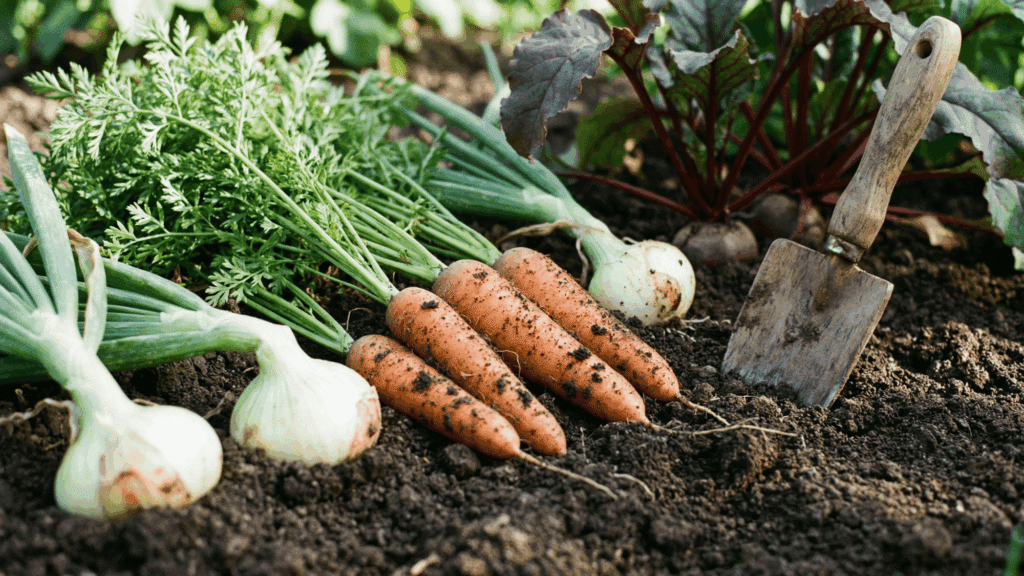
Topsoil serves many purposes beyond basic gardening. From lawns to raised beds, it solves common outdoor problems and helps plants thrive better.
1. Building Raised Garden Beds
Raised beds need quality topsoil to give vegetables and flowers the best growing conditions.
Filling these beds with fresh topsoil creates proper drainage and provides nutrients from the start. Most gardeners mix topsoil with compost for even better results.
The raised structure keeps roots from sitting in waterlogged ground while the topsoil feeds plants throughout the season.
2. Leveling Lawns and Filling Low Spots
Uneven yards create drainage problems and make mowing difficult.
Spreading topsoil over dips and holes brings the ground back to level. It fills in areas where grass won’t grow due to poor soil quality underneath.
After adding topsoil, new grass seed takes root faster and creates a uniform lawn that looks cleaner and drains water properly.
3. Starting New Lawns from Scratch
Fresh topsoil gives grass seed the foundation it needs to establish strong roots. Laying 4 to 6 inches of quality topsoil over bare ground creates an ideal growing environment.
The loose texture lets roots spread easily while holding enough moisture for germination. New lawns started with good topsoil grow thicker and healthier than those planted in poor native soil.
4. Improving Existing Garden Soil
Old garden beds lose nutrients over time as plants use them up.
Adding a layer of fresh topsoil on top brings back fertility and improves texture. Mixing it into existing soil helps break up compacted areas and adds organic matter.
This simple refresh can revive tired gardens without replacing all the dirt underneath.
5. Repairing Eroded Areas
Rain and wind wash away soil from slopes, paths, and exposed areas. Topsoil fills these eroded spots and prevents further damage.
Packing it down firmly helps stabilize the ground while giving plants a place to take root. Once vegetation grows in, the topsoil stays put and protects against future erosion problems.
6. Planting Trees and Shrubs
Trees and shrubs need nutrient-rich soil around their roots to establish properly.
Mixing topsoil into the planting hole gives new plants a better start than native dirt alone. It improves drainage around roots and provides food during those critical first months.
Healthy topsoil reduces transplant shock and helps woody plants survive harsh conditions.
7. Topdressing Lawns
Spreading a thin layer of topsoil over existing grass improves soil quality without killing the lawn. This topdressing technique fills small dips, adds nutrients, and encourages thicker growth.
The topsoil works its way down to the root level over time. Regular topdressing keeps lawns healthy and reduces the need for chemical fertilizers.
Topsoil vs Garden Soil: Key Differences for Better Results
These two soil types look similar but serve different purposes. Understanding what sets them apart helps choose the right one for each project.
| Aspect | Topsoil | Garden Soil |
|---|---|---|
| Composition | Natural surface layer with minerals and some organic matter | Topsoil mixed with compost, peat moss, and fertilizers |
| Nutrient Level | Moderate nutrients, varies by source | Enriched with added nutrients for heavy-feeding plants |
| Primary Use | Filling, leveling, and base layer for large projects | Direct planting in beds, containers, and vegetable gardens |
| Texture | Can be dense or loose, depending on the type | Lighter, fluffier texture designed for root growth |
| Price | Less expensive per cubic yard | Costs more due to amendments and processing |
| Drainage | Variable, depends on sand and clay content | Engineered for proper drainage and aeration |
| Best For | Lawns, grading, topdressing, filling low spots | Flower beds, vegetable gardens, raised beds, containers |
Common Topsoil Mistakes and How to Fix Them
Even experienced gardeners make errors when working with topsoil. Avoiding these common problems saves time, money, and prevents poor plant growth.
- Buying low-quality topsoil full of weeds and debris: Always inspect samples before purchasing bulk loads and choose screened options.
- Adding topsoil without testing existing soil pH: Test both soils first to ensure compatibility and avoid creating nutrient lockout problems.
- Piling topsoil too deep around tree trunks: Keep soil away from bark to prevent rot; maintain the original soil line.
- Spreading topsoil over compacted ground without loosening it first: Break up hard soil underneath so roots can penetrate both layers easily.
- Using topsoil alone in containers without drainage amendments: Mix in perlite or sand to prevent waterlogging in pots and planters.
Wrapping Up
Topsoil might seem like just dirt, but it’s really the foundation of successful gardening and landscaping.
Getting the right type for each project makes a real difference in how plants perform. Screened works for lawns, blended feeds hungry vegetables, and clay-based holds slopes in place.
The key is matching soil to purpose. Test what’s already there, avoid common mistakes like buying cheap fill dirt, and don’t skip the prep work.
Good topsoil costs more upfront but saves money on replanting and fertilizers later. Gardens that start with quality soil simply grow better and need less fussing over time.