

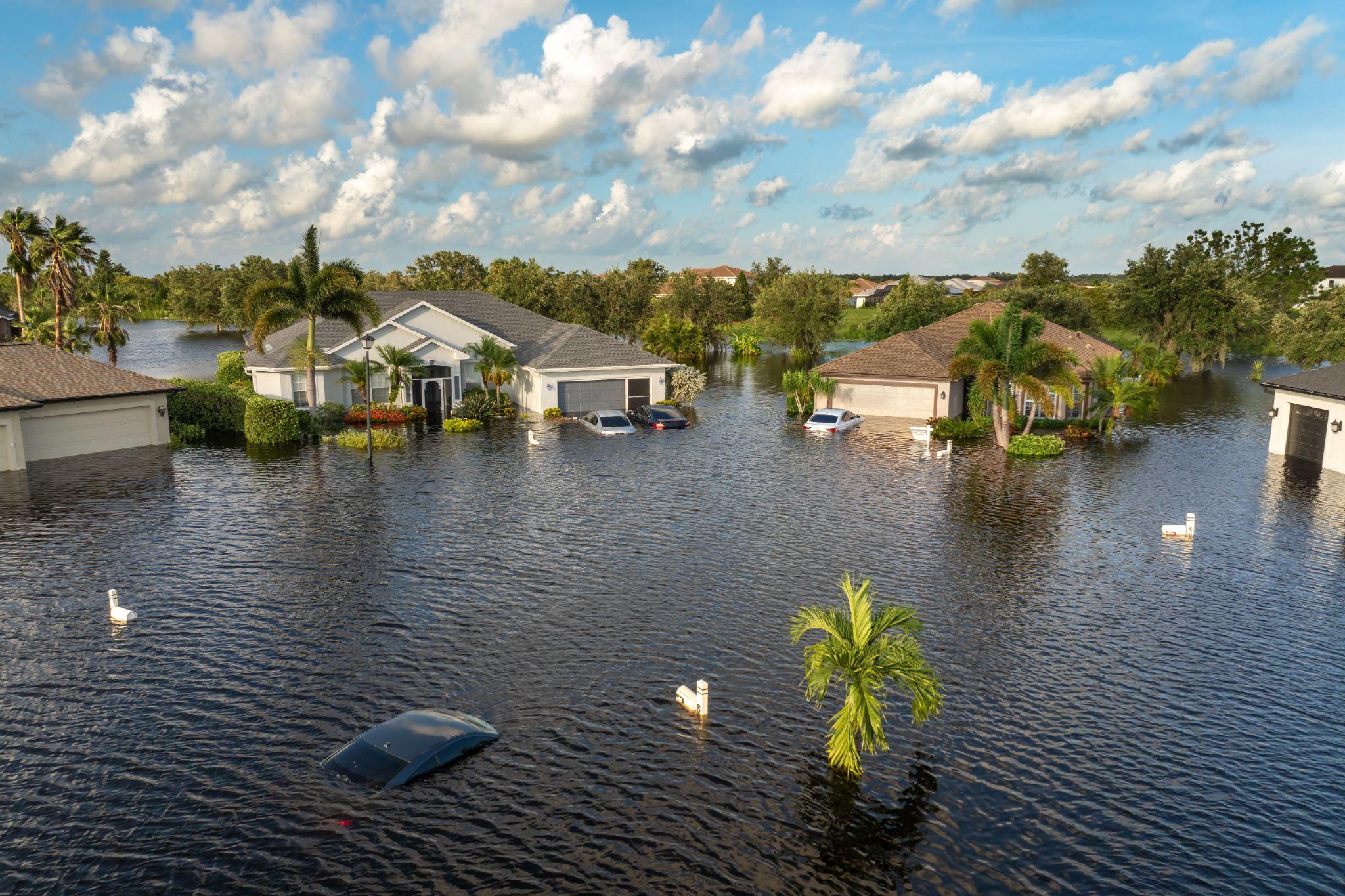
A flooded basement is every homeowner’s nightmare. Whether it’s caused by heavy rainfall, a burst pipe, or drainage failure. Beyond the mess, flooding can compromise your home’s safety, threaten structural integrity, and contaminate your air with contaminants that’s dangerous for your health.
With over 10 years of experience in post-flooding dehumidification, AlorAir is here to help you speed up cleanup and prevent future issues. This guide walks you through the immediate s to take, what to avoid, and how to safely restore your basement.
1. Prioritize safety
After discovering a flooded basement, your first instinct might be to start cleaning right away. However, before grabbing a mop or plugging in equipment, it’s essential to pause and make safety your top priority. Flooded spaces can pose serious risks: electrical hazards, structural instability, and contaminated water are just a few of the dangers that aren’t always visible at first glance. Taking the right precautions early on can protect you, your family, and your home from further harm.
- Turn off electricity and gas to the affected area if it’s safe to do so. If there’s any doubt, call a licensed professional.
- Avoid direct contact with standing water as it might be contaminated with leaked chemicals and wastes, or electrically charged. Wear protective equipment such as rainboots, gloves, and masks.
- When it is safe to enter, check for structural damage immediately. When unsure, have foundation and structural elements, the condition of walls, floor slabs, footings, beams, and framing professionally assessed to ensure long-term safety.
- Document everything thoroughly with photos and videos. This is vital for insurance claims and repair records.
2. Begin Water Removal and Drying
Once it’s safe to enter, begin removing water carefully and gradually. Draining a flooded basement too quickly can cause pressure imbalances that may lead to structural damage, including collapsing walls.
- Use submersible pumps or wet vacuums for initial water removal.
- Speed up the drying process with industrial air movers, like AlorAir GE4000HTC Air Mover Blower Fan, that offers 4000 CFM airflow and 4 adjustable angles, removing surface moisture, allowing the dehumidifier to more effectively capture damp air and remove excess water in various applications, resulting in drier air.
- Open windows (if the the outside weather is dry enough) or use fans to improve air circulation.
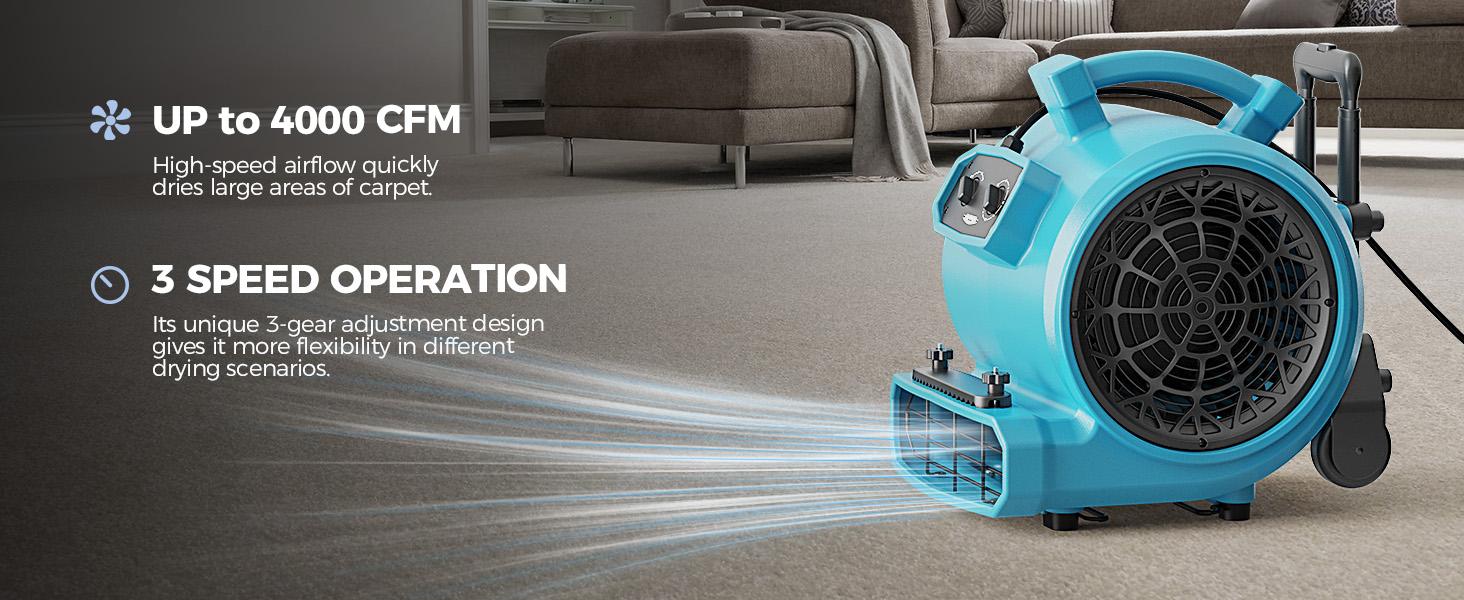
AlorAir GE4000HTC Air Mover Blower Fan (Photo source: AlorAir)
3. Control Moisture and Prevent Mold Growth
Floods don’t just saturate surfaces, they spike humidity, creating the perfect environment for mold and mildew. It is crucial to reduce the humidity to below 50% RH within 24 hours; otherwise, mold spores will enter an active reproduction phase.
- Deploy a commercial-grade dehumidifier that is compact, efficient, and designed or crawl spaces and basements to bring humidity levels down. An example of such dehumidifier is AlorAir Storm LGR Extreme— a compact unit built for demanding environments. Using LGR (Low Grain Refrigerant) technology, it excels at rapid moisture removal in high-humidity conditions (operating effectively between 25–80% RH), making it especially suitable for flood recovery or use in large damp spaces. With a capacity of 180 PPD and coverage of up to 2,300 sq. ft., it quickly brings humidity under control and helps prevent mold growth.
- Remove and discard water-damaged materials like soaked baseboards, drywall, carpet, or insulation, as they can quickly develop mold.
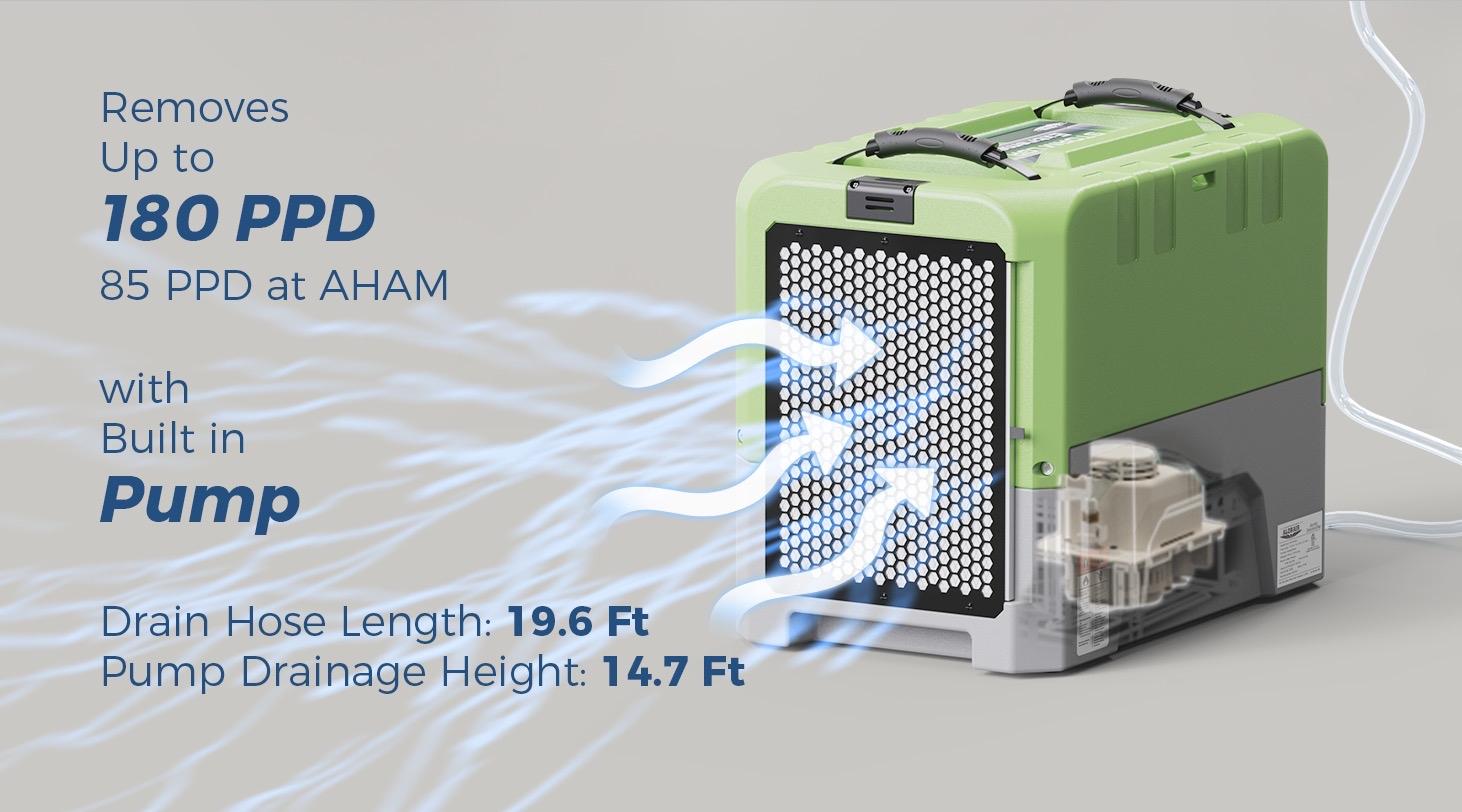
AlorAir Storm LGR Extreme (Photo source: AlorAir)
4. Air quality matters, too
Even after the water is gone, the air can still contain mold spores, bacteria, and unpleasant odors. These airborne contaminants are stirred up during evaporation and pose ongoing health risks.
- Use a HEPA-grade air scrubber or filtration system to purify indoor air and reduce health risks.
- Ensure thorough ventilation. If needed, use ozone generators to eliminate odors, but only when the area is unoccupied and safety instructions are followed.
- If sewage or black water is involved, or if you spot plenty of mold already forming in your house, call a professional remediation service. Attempting to clean them on your own can be unsafe and ineffective.
What NOT TO DO during flood recovery
Even with the best intentions, certain miss can make recovery harder, or even dangerous. Here’s what to avoid:
- Don’t ignore hidden water damage. Moisture often seeps behind walls, beneath floors, and into crawl spaces like basements. If left unchecked, it can lead to mold growth, wood rot, and structural weakening over time. Contact professional help to use moisture meters and thermal imaging when possible to identify trouble spots.
- Don’t start vacuuming or plugging in fans without checking for structural damage or hidden hazards like mold. Rushing in can do more harm than good.
- Don’t assume all drying equipment is designed for post-flood restoration. Standard household appliances often lack the power to properly mitigate the extreme level of moisture after floods. Instead, consider professional-grade solutions like AlorAir’s Storm 80X dehumidifier or AlorAir’s GE4000HTC blower fan.
- Don’t delay cleanup. Mold can begin developing within 24 to 48 hours of water exposure. Waiting too long increases health risks caused by mold and also the cleanup costs.
- Don’t skip proper air purification. Just because it looks dry doesn’t mean it’s safe. Flooded environments often harbor airborne contaminants, which linger long after visible water is gone. A HEPA air scrubber from AlorAir helps eliminate mold spores, bacteria, and odors before they spread.
According to Letitia James, Brand Manager at AlorAir, there are three key principles to keep in mind during post-flood recovery:
- Safety first: never overlook structural integrity or indoor air quality, as both can be compromised by flooding.
- Take careful control of the moisture level, and look out for mold growth.
- Do not hesitate to consult professionals when needed and check with your insurance provider to ensure claims are properly filed.
“Recovering from a basement flood can feel overwhelming,” James adds. “But with the right plan, proper precautions, and professional-grade tools, you can restore your home efficiently and avoid long-term damage. Acting quickly and making informed decisions is the best way to protect both your home and your peace of mind.”