

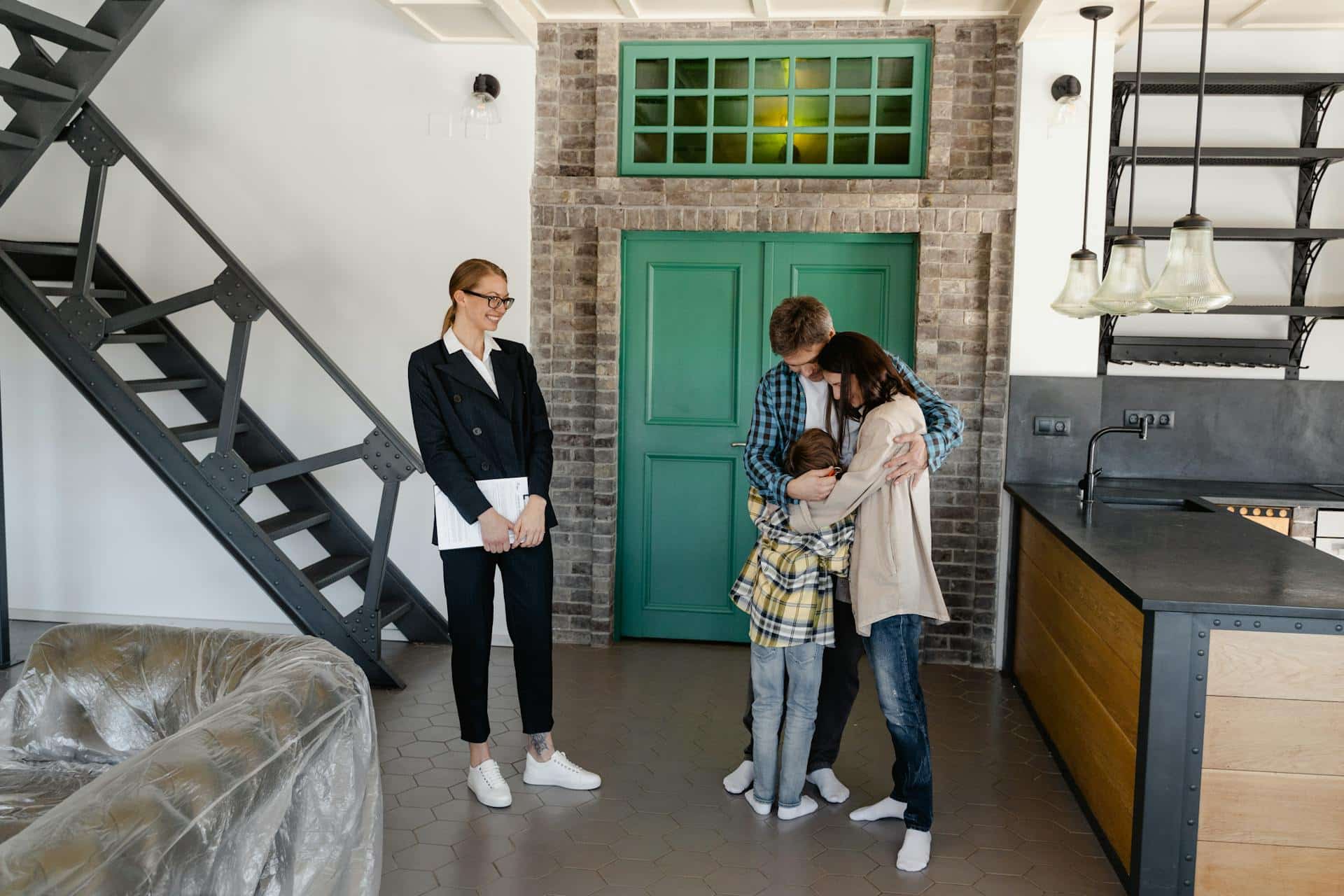
Creating the perfect family home takes more than finding a place and moving in. It requires careful planning, thoughtful decisions, and consistent effort from the very beginning. Every choice, from layout to location, plays a role in shaping a space where a family can grow, relax, and feel truly comfortable.
While cities like Waller, TX, offer a safe setting and a welcoming community atmosphere, a home that feels warm and functional depends on much more than the city itself. It depends on how well the home supports daily routines, future goals, and personal comfort. From selecting the right property to adding the final personal touches, each step matters.
This article walks families through that journey, offering guidance to help turn a house into a place that feels complete, practical, and truly lived in.
Choosing a Home That Fits Your Family’s Lifestyle
Lifestyle plays a major role in long-term comfort. While Waller, TX, offers friendly communities and a welcoming atmosphere, a good home must also reflect how your family lives day to day.
Some families need extra bedrooms for children or guests. Others want flexible spaces for remote work or hobbies. Storage, privacy, and outdoor access can matter just as much as location.
Exploring new construction in Waller TX gives families a chance to find homes designed with modern living in mind. Newer homes often provide spacious layouts, updated features, and designs that support both comfort and privacy. Choosing a home that fits your lifestyle helps avoid outgrowing the space too soon.
Budgeting Wisely for Today and Tomorrow
A realistic budget protects families from stress later on. It helps to look beyond the purchase price and consider long-term costs. Utilities, maintenance, and future upgrades all add up. Planning ahead allows families to enjoy their home without constant financial pressure. A smart budget also leaves room for changes, such as growing children or new needs.
When finances stay balanced, families can focus on enjoying their space rather than worrying about it. Thoughtful budgeting supports stability and peace of mind from the start.
Finding the Right Layout for Everyday Living
A home’s layout shapes daily life more than many realize. The way rooms connect affects how families move, gather, and relax. Open layouts often encourage shared moments, while separate rooms provide quiet and focus. Bedrooms placed away from living areas can improve rest.
Kitchens that connect to dining spaces make meals easier and more social. Choosing a layout that matches daily routines helps the home feel natural to live in. Good flow reduces frustration and supports comfort at every stage of family life.
Prioritizing Safety and Comfort Indoors
Safety and comfort form the foundation of a family-friendly home. Features such as secure entry points, proper lighting, and easy movement between rooms matter every day. Comfort also comes from good airflow, temperature control, and natural light.
These elements affect mood, health, and energy levels. Families with young children or older relatives benefit from thoughtful design choices that reduce risks. When a home feels safe and comfortable, everyone relaxes more easily. That sense of ease turns a house into a reliable place to unwind and recharge.
Making the Home Functional for Growing Families

Families change over time, and a home should be able to adapt without constant disruption. Children grow, routines shift, and new needs appear. Functional spaces help manage these changes with less stress.
Rooms that serve more than one purpose offer flexibility. A guest room can later become a study or hobby space. Storage plays a big role as well. When items have a place, daily life feels more organized and calm. A functional home supports growth instead of resisting it, which makes long-term living more enjoyable.
Adding Personal Style Without Overcomplicating Design
Personal style brings warmth and identity into a home, but it does not need to contribute to clutter. Simple choices often have the biggest impact. Colors, textures, and finishes can reflect personality while staying practical. Neutral foundations allow flexibility as tastes change.
Personal touches like artwork, family photos, or meaningful décor add character. When style choices feel intentional, the home remains comfortable and easy to maintain. A balanced approach keeps the space inviting while avoiding constant updates.
Creating Outdoor Spaces the Family Will Use
Outdoor areas become an extension of the home when designed with purpose. Families benefit most from spaces they can actually use, not just admire. A yard, patio, or deck should support relaxation, play, or shared meals. Safety and accessibility matter, especially for children and pets.
Shade, seating, and clear pathways make outdoor time more enjoyable. When outdoor spaces feel practical and welcoming, families spend more time together outside. These moments often become some of the most valued memories.
Handling Updates and Improvements Over Time
No home stays the same forever. Wear, changing needs, and new preferences lead to updates over time. Handling improvements gradually helps keep the process manageable. Prioritizing necessary updates first prevents larger issues later. Smaller projects, completed at a steady pace, reduce disruption and stress.
Planning upgrades also helps families stay within budget while still improving comfort. A thoughtful approach to updates allows the home to evolve naturally, rather than feeling like a constant project.
Turning a House Into a True Family Home
A house becomes a home through everyday living. Routines, traditions, and shared experiences give meaning to the space. Morning breakfasts, quiet evenings, and celebrations all shape how a home feels. Comfort grows as family members settle into their rhythms.
Over time, the home reflects the people who live there, not just through design, but through use. When a space supports connection and rest, it becomes a place families look forward to returning to each day.
A family home is never truly finished, and that is part of its value. It grows alongside the people who live in it, shaped by choices, changes, and shared time.
Each decision adds another layer to the story of the space. The effort invested along the way builds confidence and pride in the home. When families allow their homes to evolve with intention, the space remains supportive and meaningful. In the end, the perfect home is not defined by perfection, but by how well it supports the life unfolding inside it.