

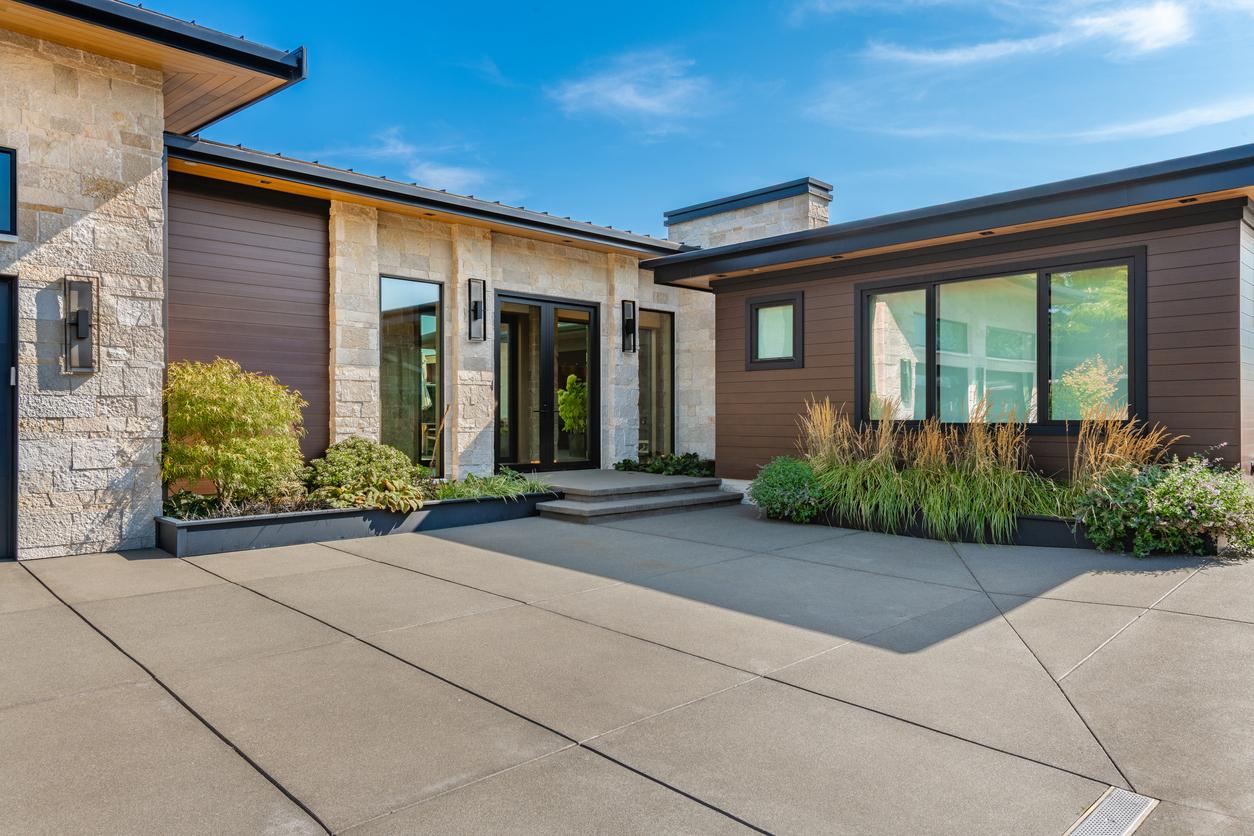
A well-installed driveway typically lasts 25 to 40 years, though many factors can shorten or extend this period. Hidden influences include freeze-thaw cycles in cold weather, poor soil preparation beneath the slab, heavy vehicle loads, and exposure to de-icing salts or chemicals.
Quality of the original work, regular sealing, and prompt crack repairs play big roles in longevity. Options like concrete pavers can offer alternatives with different durability traits.
Introduction
Picture pulling into your driveway after a long day. The surface feels solid under the tires, free of deep cracks or uneven spots. Yet over time, subtle issues creep in – small fissures appear, edges crumble, or sections sink slightly. Homeowners often wonder why some driveways hold up for decades while others falter much sooner. The lifespan of a concrete driveway Calgary residents experience hinges on more than just daily use.
Several overlooked elements determine how long the pavement endures. For instance, the mix strength and curing process during initial setup matter immensely. Homeowners who prioritize skilled concrete contractors from the start tend to see better outcomes. Calgary concrete services at resources like https://www.apexconcrete.ca/ highlight practical approaches to these foundational steps.
Environmental Conditions Influencing Pavement Longevity
Weather acts as one of the toughest tests for any outdoor concrete surface. Temperature swings, moisture levels, and seasonal patterns gradually break down even sturdy slabs over time. Cold climates bring particular challenges, while hot, humid zones create their own set of problems.
Freeze-thaw cycles rank among the most destructive forces. Water enters microscopic pores in the material. When temperatures drop, the water freezes and expands, creating internal pressure. Repeated cycles widen cracks and spall the top layer, leaving pitted areas that worsen quickly.
Common Climate-Related Stressors
- Prolonged exposure to freezing temperatures without adequate air entrainment in the mix
- Heavy rainfall or poor site drainage leading to standing water beneath the slab
- Intense ultraviolet rays causing surface scaling in arid regions
- Rapid temperature shifts between day and night in desert-like areas
Salt exposure accelerates deterioration in winter-prone regions. De-icing chemicals lower the freezing point of water, increasing the number of freeze-thaw events. These compounds also react chemically with the paste, weakening the overall structure from within.
Soil moisture fluctuations add another layer of strain. Expansive soils swell when wet and shrink when dry, creating uneven support under the pavement. Over months, this movement leads to cracking or settling in affected sections.
Regional Impact Comparison
|
Climate Type |
Primary Threat |
Typical Effect on Lifespan |
Mitigation Approach |
|---|---|---|---|
|
Cold with heavy snow |
Freeze-thaw and salt |
Reduces by 10–15 years |
Air-entrained mix, proper sealing |
|
Hot and humid |
Moisture infiltration |
Surface crazing, mould growth |
Good drainage, breathable sealers |
|
Arid with extremes |
Thermal expansion/contraction |
Pop-outs and scaling |
Expansion joints, shade cover |
|
Mild coastal |
Salt air corrosion |
Rebar rusting (if present) |
Epoxy-coated reinforcement |
Homeowners in variable climates often notice damage sooner than those in stable conditions. The key lies in recognizing local patterns early. Once environmental forces take hold, repairs grow more extensive and costly. Choosing materials and designs suited to the surroundings makes a noticeable difference right from the planning stage.
Quality Installation Techniques for Lasting Results
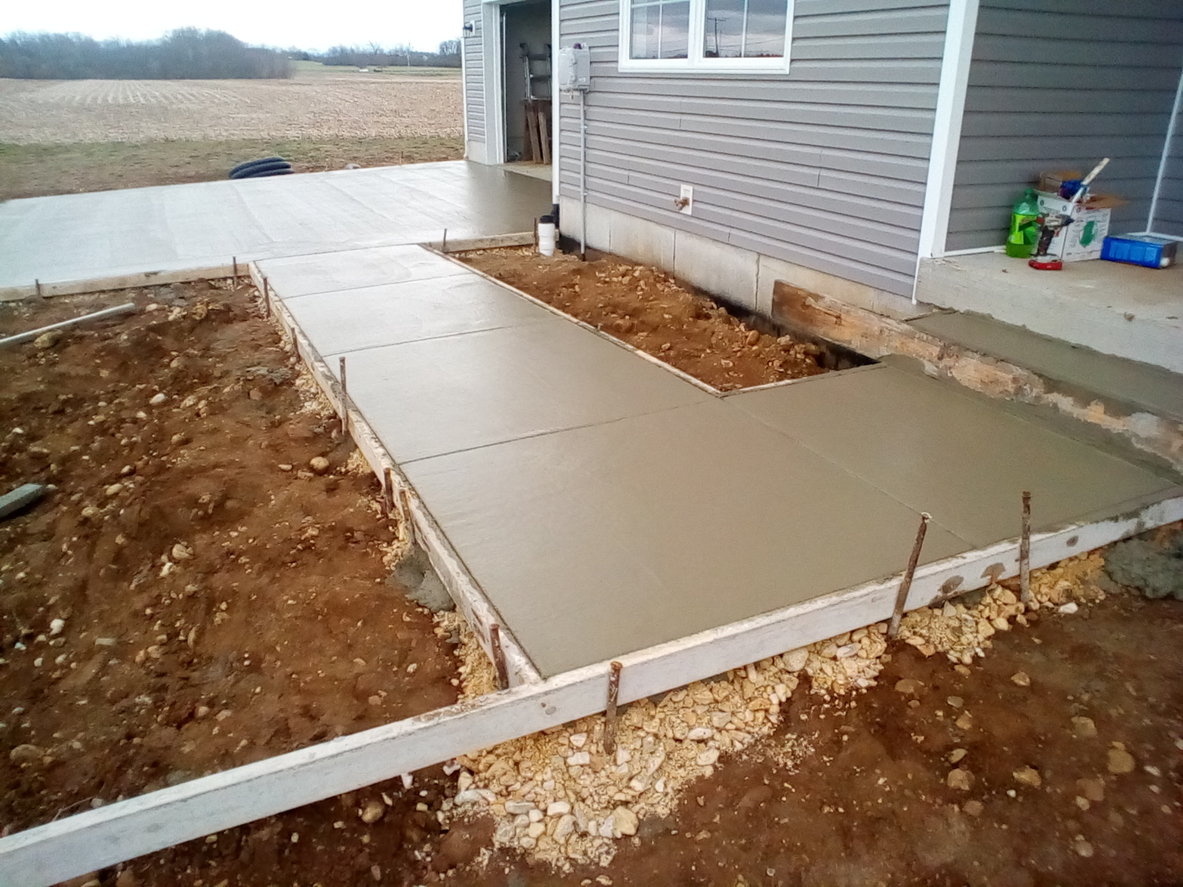
The foundation of a long-lasting driveway starts long before the concrete truck arrives. Proper site preparation and pouring methods separate surfaces that endure decades from those needing early replacement. Skilled execution during these early stages prevents many issues down the road.
Subbase work forms the backbone. Excavation removes organic material and unstable soil, replacing it with compacted gravel or crushed stone. This layer, often 6 to 12 inches deep, distributes weight evenly and allows water to drain away. Skipping thorough compaction leads to settling and voids under the slab.
Critical Steps in Professional Installation
- Deep excavation to stable subgrade
- Layered gravel placement with mechanical compaction
- Precise formwork and elevation for positive drainage
- Control joints placed at regular intervals to manage shrinkage
Mix design influences strength significantly. Adding air-entraining agents creates tiny bubbles that accommodate freezing water expansion. Fiber reinforcement or rebar further controls cracking. Pouring in suitable weather – avoiding extreme heat or cold – allows proper hydration without rapid drying.
Finishing techniques matter too. Troweling creates a dense top layer resistant to wear, while brooming adds traction. Curing follows immediately, often with wet coverings or compounds to retain moisture for at least seven days. Rushed curing weakens the outer skin, inviting scaling later.
Common Installation Shortfalls and Consequences
|
Mistake |
Immediate Sign |
Long-Term Impact |
|---|---|---|
|
Inadequate base depth for concrete work |
Soft spots during pour |
Uneven settling, cracks |
|
No control joints |
Random surface fissures |
Wide, uncontrolled cracking |
|
Poor curing practices |
Dusty surface after drying |
Premature scaling and spalling |
|
Incorrect slope |
Water pooling |
Erosion under slab, heaving |
An experienced driveway installation company consistently follows these protocols. Homeowners who opt for concrete driveway pavers sometimes choose them for easier repairs, though traditional slabs offer seamless appearance when installed correctly. Solid techniques lay the groundwork; daily habits then determine how well the pavement holds up.
Maintenance Habits That Shorten Driveway Life
Daily routines and upkeep choices quietly chip away at pavement integrity more than many realize. Neglect turns minor wear into major damage faster than expected. Simple oversights compound over seasons, reducing years off the surface’s service life.
Oil and fluid leaks from vehicles pose a persistent threat. Petroleum products soften the binder in the mix, leading to pitting and disintegration. Grease or transmission fluid spots left untreated eat deeper with each rain.
Habits to Reconsider
- Parking the same vehicle in one spot daily without moving it occasionally
- Using harsh cleaners or pressure washers at high settings
- Allowing leaves and organic debris to pile up and retain moisture
- Shoveling snow with metal blades that gouge the top layer
Chemical spills from lawn care add another risk. Fertilizers high in ammonium nitrate accelerate deterioration, while pesticides seep in and weaken bonds. Even runoff from nearby gardens carries compounds that etch the finish.
Crack management proves crucial. Small fissures invite water entry, worsening with freezes. Ignoring them allows vegetation roots to wedge in and expand gaps wider.
Impact of Common Maintenance Lapses
|
Habit |
Initial Damage |
Eventual Outcome |
|---|---|---|
|
No regular sealing |
Surface porosity increases |
Scaling and widespread spalling |
|
Abrasive de-icers applied |
Top layer etching |
Deep pitting, exposed aggregate |
|
Heavy equipment stored long-term |
Localized compression |
Sunken areas, structural cracks |
|
Infrequent sweeping/cleaning |
Dirt embeds in pores |
Staining and accelerated wear |
Homeowners who stay proactive avoid these pitfalls. Gentle washing, timely stain removal, and protective coatings preserve the original strength. Consistent care counters environmental and usage stresses discussed before. When upkeep falls short, even premium installations suffer prematurely.
Overlooked Threats from Landscaping and Chemicals
Elements around the driveway often escape notice until damage appears. Trees, shrubs, and lawn treatments interact with the pavement in subtle yet persistent ways. Roots seek moisture and gradually exert upward pressure, while chemical drift alters surface chemistry.
Large trees planted too close send roots under the slab. These thicken over time, lifting sections or creating humps. Even smaller ornamentals contribute if irrigation keeps soil saturated nearby.
Hidden Landscaping Risks
- Overwatering flower beds adjacent to the edge
- Mulch piles retaining moisture against the concrete
- Vines or ground cover climbing onto the surface
- Soil amendments raising or lowering grades unevenly
Chemical applications present another quiet hazard. Herbicides meant for weeds along borders sometimes splash or vaporize onto the pavement. Acidic formulas etch the finish, leaving dull patches prone to further breakdown.
Fertilizer overspray carries salts that mimic de-icing effects. Pool chemicals or automotive fluids washed toward the driveway during rain add corrosive loads.
Sources of Chemical Exposure and Effects
|
Source |
Common Compound |
Visible Damage |
Progression Timeline |
|---|---|---|---|
|
Lawn fertilizers |
Nitrogen salts |
Whitish efflorescence |
1–3 seasons |
|
Weed killers |
Glyphosate or acids |
Etched, rough texture |
Immediate to months |
|
Tree root barriers missing |
Natural expansion |
Raised cracks at edges |
5–10 years |
|
Nearby construction |
Lime or cement dust |
Accelerated surface weakening |
Within one year |
Homeowners who maintain clear borders and mindful planting distances sidestep many headaches. Concrete pavers can integrate better with landscaped areas due to flexibility, though careful planning benefits any style. Addressing these peripheral threats complements earlier care against traffic and weather. Vigilance here preserves the investment through decades of changing seasons.
Key Takeaways for Extending Concrete Driveway Longevity
Hidden factors – from harsh weather cycles and heavy traffic to landscaping oversights and skipped maintenance – often dictate how long a driveway truly lasts. Solid preparation, mindful usage, and regular care push surfaces toward the 40-year mark or beyond. Small habits like prompt sealing, spill cleanup, and drainage tweaks pay off immensely.
In the end, a concrete driveway Calgary homeowners rely on thrives when threats stay addressed early and consistently. Attention to these details keeps the pavement reliable and attractive for generations.