

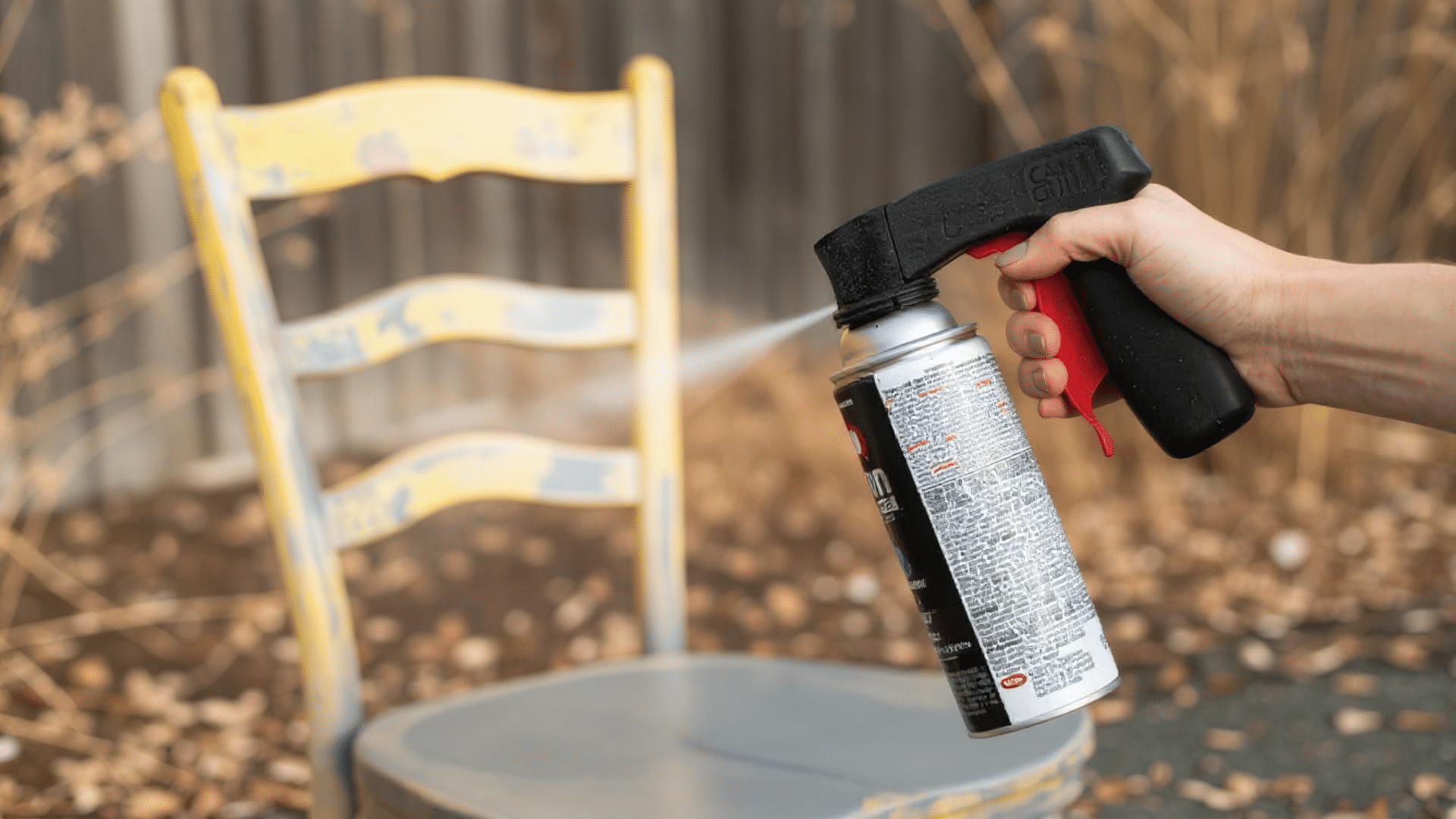
Spray paint is a quick way to give things a new look. People use it on furniture, walls, crafts, and even cars. It goes on fast and smooth, but drying takes time.
Many wonder how long they need to wait before touching or using the painted item. Some jobs need just one coat. Others need more.
Waiting for the right amount of time is key. It helps the paint stick better and look cleaner. If the paint is still wet or tacky, it can smudge or peel.
This blog will help you understand what affects drying time and how to know when spray paint is truly dry.
What Does “Dry” Mean in Spray Painting?
Spray paint goes through different stages as it dries. It may feel dry to the touch, but not be fully ready. There are four common stages of drying:
- Surface dry: The top layer feels dry, but the underneath is still soft.
- Touch dry: You can lightly touch it without leaving a mark, but pressing too hard will still damage it.
- Handle dry: You can pick it up or move it gently, but it’s still not fully set.
- Fully cured: The paint is completely dry and hardened. This can take hours or even days.
Knowing these stages helps prevent early handling, which can ruin your work.
How Long Does Spray Paint Take to Dry on Average?
Most spray paints dry to the touch in 10 to 30 minutes. They become safe to handle in 1 to 2 hours. Full curing can take up to 24 hours. But these are just average times. Many things can speed up or slow down the drying.
Here’s a general guide:
| Drying Stage | Time Range |
|---|---|
| Surface dry | 5–10 minutes |
| Touch dry | 15–30 minutes |
| Handle dry | 1–2 hours |
| Fully cured | 24–72 hours |
Keep reading to learn what changes these times.
Factors That Affect Spray Paint Dry Time
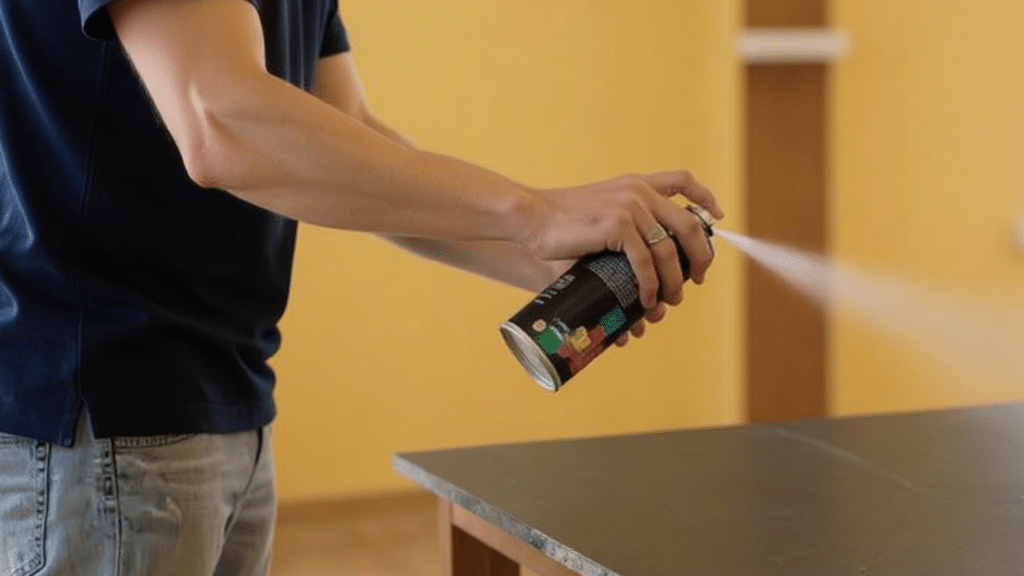
Drying time varies from job the job. Many factors can affect how quickly or slowly spray paint dries. Here are the top ones:
1. Type of Surface
Different surfaces hold paint differently.
- Metal: Dries quickly because it doesn’t absorb moisture.
- Plastic: Can dry quickly, but sometimes the paint doesn’t stick well.
- Wood: Slower to dry, especially if the surface is bare or rough.
- Glass: Can be tricky. Paint may dry fast, but chip off easily.
Each surface reacts in its own way. This affects both the dry time and how long it takes for spray paint to fully cure.
2. Type of Spray Paint
There are many kinds of spray paint. Each type has its own drying time.
- Acrylic: Dries fast, often within 15 minutes.
- Oil-based: Takes longer, often 6–8 hours or more to fully dry.
- Enamel: Hard and durable, but slow to dry.
- Lacquer: Dries quickly, but has strong fumes.
Always check the label. It often lists the drying time and other tips.
3. Temperature
Heat makes spray paint dry faster. Cold slows it down.
- Best temperature range: 65°F to 85°F (18°C to 29°C).
- Below 50°F (10°C), paint may remain sticky for hours.
- Above 90°F (32°C), paint may dry too quickly, leading to cracks or bubbles.
Keep your workspace warm, but not too hot.
4. Humidity
High moisture in the air can delay drying.
- Low humidity (under 50%) helps paint dry faster.
- High humidity (over 70%) slows drying and can cause a sticky feel.
If it’s very humid, wait for a drier day or use a fan to help air move.
5. Air Circulation
Good airflow helps spray paint dry faster. Open windows or use fans to move air across the painted surface. Avoid spraying in a closed space with no air movement.
6. Number of Coats
More layers take longer to dry.
- One thin coat may dry in 15–30 minutes.
- Thick or multiple coats can take hours.
Always let one coat dry before adding another. This helps prevent runs and smudges.
7. Paint Color and Finish
Dark colors may take slightly longer to dry. Some finishes, like gloss or satin, also dry more slowly than flat or matte finishes. While the difference isn’t huge, it still matters if you’re on a deadline.
Drying Times by Surface Type
Spray paint drying time depends heavily on the surface you’re painting. Below is a simple guide showing average drying times for common materials under normal indoor conditions (room temperature and low humidity):
| Surface | Touch Dry | Handle Dry | Fully Cured | Helpful Tip |
|---|---|---|---|---|
| Wood | 30–60 minutes | 1–2 hours | 24–48 hours | Sand and prime the surface for smoother results. |
| Metal | 10–30 minutes | 1 hour | 24 hours | Remove rust or oil before spraying. |
| Plastic | 15–30 minutes | 1–2 hours | 24–48 hours | Use spray paint designed for plastic. |
| Glass | 15–30 minutes | 2–3 hours | 48–72 hours | Don’t handle it too soon; glass can be tricky. |
How to Speed Up Spray Paint Dry Time
Need your spray paint to dry faster? Try these simple tips:
- Use Thin Coats: Spray in light, even layers. Thick coats trap moisture and take longer to dry. A few thin coats are better than one thick one.
- Work in a Warm Room: Paint dries best between 65°F and 85°F. If your space is too cold, use a heater to warm it up a bit.
- Improve Airflow: Use a fan to move air across the painted surface. Just make sure it’s not blowing dust or dirt onto the paint.
- Use Fast-Drying Paint: Some paints are made to dry faster. Look for “quick-dry” or “fast-drying” on the can.
- Avoid Humid Days: Wait for a clear, dry day if working outdoors. If indoors, use a dehumidifier or keep the windows open for air flow.
Does Spray Paint Dry Faster on Some Materials?
Yes. Here’s a quick comparison of drying speed:
| Material | Dries Faster or Slower |
|---|---|
| Metal | Faster |
| Plastic | Average |
| Wood | Slower |
| Glass | Slower |
Metal tends to be the fastest because it doesn’t soak up moisture. Wood is slower due to its pores.
How to Tell if Spray Paint is Dry
Not sure if the paint is dry yet? Try these checks:
- Touch test: Lightly press the surface with one finger. If it feels dry and doesn’t leave a mark, it’s touch-dry.
- Smell test: Fresh paint smell means it’s still drying. If the smell is gone, it’s likely cured.
- Color test: If the color looks flat and even, it’s drying well. Wet paint often looks shiny or patchy.
- Time test: Check the can. If it says “dry in 1 hour,” give it at least that much time.
Using Spray Paint Outdoors vs. Indoors
Spray painting can be done both outdoors and indoors, but each setting has its own pros and cons. Here’s a simple comparison to help you choose the best spot for your project:
| Outdoors | Indoors |
|---|---|
| Sunlight and airflow help spray paint dry faster. | Easier to control temperature and drying conditions. |
| Wind or dust can blow onto wet paint, ruining the look. | Needs good airflow; use fans or open windows. |
| Rain, dew, or high humidity can delay drying time. | Best done in a garage or workshop with drop cloths. |
| Ideal for large or messy projects with strong fumes. | Safer for small items, but always follow safety rules. |
Final Tips for Better Spray Paint Results
To get the best results from your spray painting project, follow these basic tips. They help avoid common mistakes and give you a smooth, even finish:
- Shake the can well before spraying to thoroughly mix the paint.
- Spray in even lines, not thick spots or blobs.
- Hold the can 10–12 inches away from the surface for best coverage.
- Let each coat dry fully before adding another to avoid smudging.
- Always read and follow the directions on the spray paint label.
These small steps can make a big difference in how your project turns out.
Wrapping Up
Spray paint can deliver fast, clean results, but drying time is crucial. Most spray paint dries to the touch in 15 to 30 minutes.
It may take 24 to 72 hours to fully cure, depending on the surface, air, and paint type. Thin coats, good airflow, and warm temperatures help speed things up.
Always read the label and be patient. Rushing can lead to smudges or peeling. Knowing the right drying time saves you time and gives better results.
Use this guide to plan your next paint job with confidence. Got questions or tips to share? Leave a comment or reach out, we’d love to hear from you!