

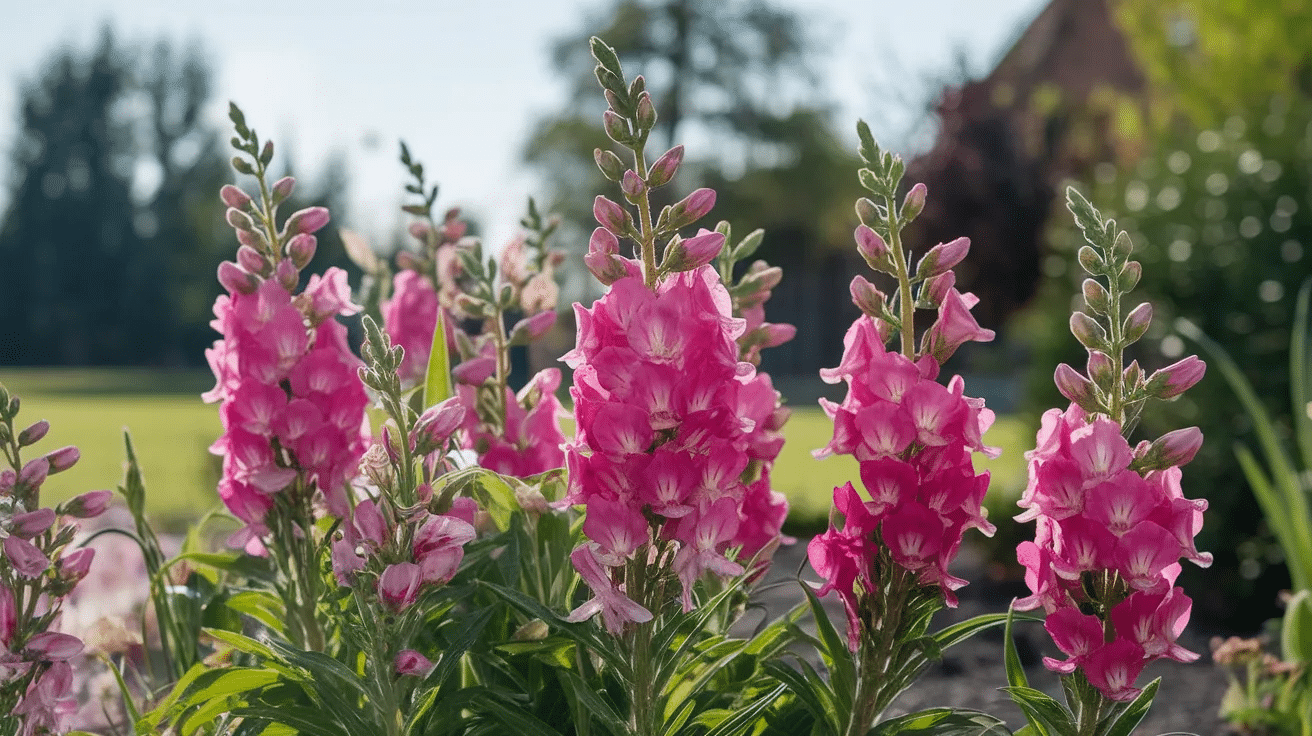
Snapdragons can be a real standout in the garden. Their tall stems and colorful blooms catch the eye right away.
Some look like they’re smiling or talking when touched; kids love that. But these flowers aren’t just fun to look at. They need the right care to keep blooming strong.
Sunlight is one thing that can make or break how well they grow. It’s not always clear how much is too much or too little.
Gardeners often wonder whether snapdragons prefer full sun all day or some shade. This blog breaks it down in a simple, step-by-step way.
What are Snapdragons?
Snapdragons are flowering plants known for their tall spikes and bright, tube-shaped blooms.
The flowers are often said to look like little dragon mouths that open and close when gently squeezed, hence the name “snapdragon.”
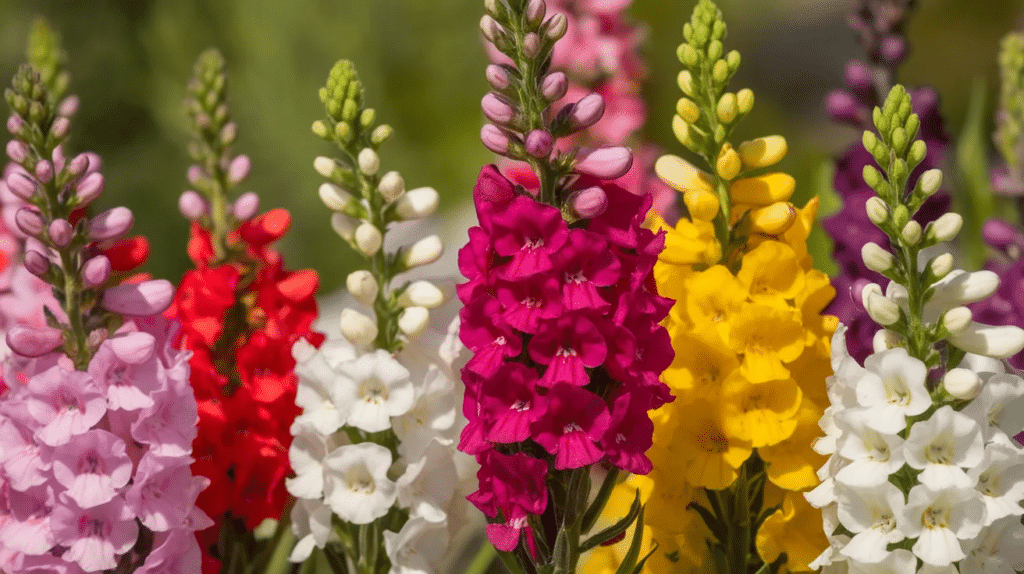
They are part of the Antirrhinum family and come in many colors, including pink, yellow, white, red, and orange.
They can be grown as annuals or perennials, depending on the climate. In colder places, snapdragons usually grow for one season. In warmer regions, they can come back year after year.
Do Snapdragons Like Full Sun?
Yes, snapdragons do like full sun. These flowers grow best when they get at least 6 to 8 hours of sunlight each day.
Full sun helps them produce strong stems, more blooms, and bright colors. Without enough sunlight, snapdragons may grow tall and weak, or they may not flower much at all.
If you’re asking, do snapdragons need full sun to survive?, the answer is yes for the best results.
They may still grow in partial sun, but the flowers might not be as full or bright. In short, snapdragons love the sun and do better when they get plenty of it.
Snapdragon Light Requirements
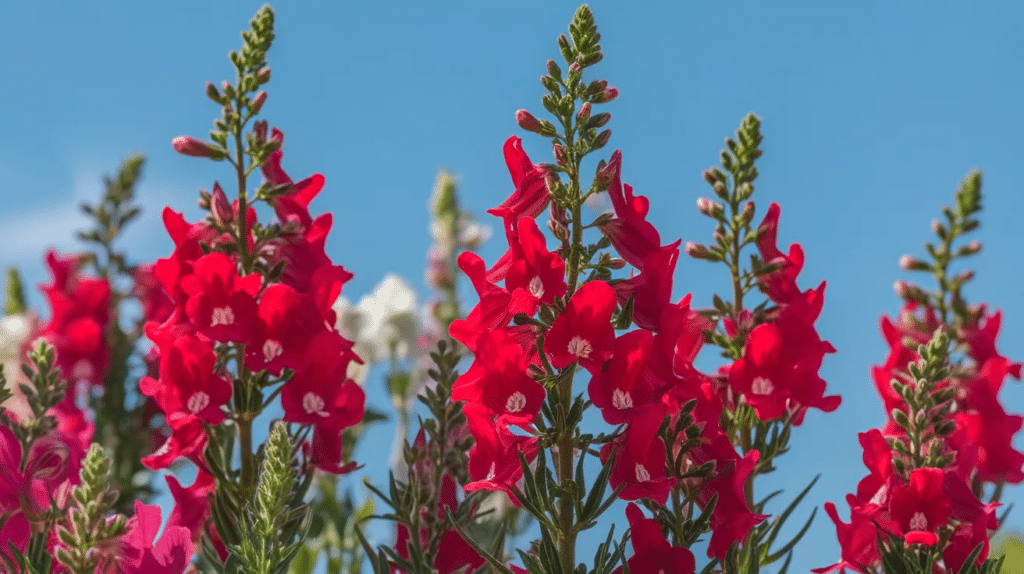
Understanding Snapdragon light requirements is key to growing healthy plants. Here’s a breakdown of what they need:
- Full Sun (6–8 hours daily): This is the best choice. It gives the plant enough energy to grow and bloom well. Most gardeners see the best results with full sun.
- Partial Sun (3–6 hours daily): Snapdragons can still grow in partial sun, but they may be smaller. Fewer flowers may appear, and the plant might lean or stretch toward the light.
- Shade (less than 3 hours of sun): Not a good choice. Snapdragons need light to bloom. In full shade, the plant may survive but will not thrive.
If you live in a very hot area, some light afternoon shade can help protect the plant from heat stress. But morning sun is a must.
Morning or Afternoon Sun: What’s Best?
Snapdragons enjoy sunlight, but the time of day can affect how they grow. Here’s a clear look at the differences between morning sun and afternoon sun:
| Sunlight Type | Benefits | Drawbacks |
|---|---|---|
| Morning Sun | – Gentle light helps plants wake up- Dries morning dew and prevents mold- Great for cooler climates | – May not be enough light if shaded later in the day |
| Afternoon Sun | – Stronger light encourages full blooms- Ideal in cooler regions with mild summers | – Can be too hot in warm climates- May cause wilting or dry soil |
For best results, give snapdragons full sun in the morning and light shade in the afternoon, especially in hot areas.
Can Snapdragons Grow in Shade?
Snapdragons do not grow well in full shade. These plants need sunlight to bloom and stay strong. Without enough light, they may:
- Grow tall and thin
- Have fewer blooms
- Get moldy or rot in damp soil
- Attract pests due to poor health
If your garden is shady, try placing snapdragons in containers. You can move the pots to sunnier spots during the day. This gives them a better chance to get the light they need.
Other Growing Conditions to Keep in Mind
Light is very important, but it’s not the only thing that helps snapdragons grow. Here are a few more things to watch for:
1. Soil Needs
Snapdragons grow best in well-drained soil. If the soil holds too much water, the roots can rot, and the plant may die. To improve the soil, add compost before planting.
Compost makes the soil richer and softer, helping the roots grow deep and strong. Avoid heavy clay soil or areas where water tends to pool. Loose, rich soil allows air and water to move freely around the roots.
2. Watering
Snapdragons need regular water, but not too much. The best time to water is when the top inch of soil feels dry to the touch. Water deeply so that the roots get a good drink, but make sure the soil drains well.
Overwatering can lead to root rot or other problems. It’s also best to water at the base of the plant rather than on the leaves. Wet leaves can lead to mold or disease, especially in warm, humid weather.
3. Spacing
Snapdragons need space to grow. When planting, space them about 6 to 12 inches apart. This gives each plant room to stretch out and allows air to flow between them.
Good airflow helps prevent fungus and keeps the plants dry after rain or watering. Crowded snapdragons are more likely to get sick or grow weak. By giving them enough room, you help them stay healthy and strong.
4. Feeding
Like most flowering plants, snapdragons benefit from feeding. Use a balanced flower fertilizer once a month during the growing season. This gives the plant the nutrients it needs to make lots of colorful blooms.
But don’t use too much nitrogen. Nitrogen helps leaves grow fast, but it can reduce the number of flowers. Look for a fertilizer labeled for flowers and follow the directions carefully for the best results.
Best Time of Year to Plant Snapdragons
Snapdragons grow best in cooler seasons. The timing depends on your local climate, but here’s a quick look at the best planting times:
| Season | When to Plant | What to Expect |
|---|---|---|
| Spring | Start seeds indoors 8–10 weeks before the last frost. Move plants outdoors once the soil warms. | Blooms in late spring to early summer. Full sun helps strong growth. |
| Fall (mild areas) | Plant snapdragons in late summer or early fall. | Blooms in fall and again in early spring if the weather stays mild. |
Even in cooler seasons, snapdragons still need full sun each day to bloom well and grow strong.
How to Tell if Snapdragons are Not Getting Enough Sun
It’s easy to miss the signs at first. But if your snapdragons are not getting enough light, they will show it. Look out for:
- Leggy stems: Long, thin stems that stretch toward the light
- Few flowers: Not many blooms or very small flowers
- Pale leaves: Leaves may lose their deep green color
- Droopy plants: Weak stems that fall over
If you see these signs, move the plant to a sunnier location if possible.
Best Places to Grow Snapdragons
Snapdragons grow best in full sun. Whether planted in the ground or in containers, the key is to give them enough light and space. Below are some of the best places to grow snapdragons successfully:
Garden Beds and Borders
Snapdragons do very well in garden beds or along borders. Choose spots that get direct sunlight for most of the day. Raised beds are also a great option since they usually provide better drainage and allow more control over soil quality.
Along Fences or Sunny Walls
Planting snapdragons next to fences or sunny walls can help protect them from strong winds while still giving them full sun. Make sure the fence or wall doesn’t cast too much shade during the day.
In Front of Taller Plants
Snapdragons can be planted in front of taller plants, as long as those plants don’t block the sunlight. Use this layering method to create depth in the garden without shading out the snapdragons.
Patios and Porches with Morning Sun
Snapdragons can thrive in containers on patios or porches that get good morning sun. Morning light is gentle and gives the plants a healthy start to the day. Just be sure they still get at least 6 hours of total sunlight.
Pots and Containers
Snapdragons grow well in pots as long as you use a high-quality potting mix. Place the pots where they will receive full sun. If possible, rotate the pots every few days so that all sides of the plant get equal light exposure. This helps the plant grow evenly and prevents leaning.
Do Snapdragons Reseed in Sunny Spots?
Yes, if left alone, snapdragons can reseed themselves. This is more likely to happen when:
- They grow in sunny, open spots
- Spent flowers are not deadheaded
- Soil is not disturbed too much
If you want more snapdragons next year, let some flowers go to seed and fall to the ground. Full sun helps seeds dry out and germinate better when the time is right.
Final Thoughts
Snapdragons are bright, fun flowers that grow best with the right care. One of the most important things they need is full sun.
At least 6 to 8 hours of sunlight each day helps them bloom well and stay strong. Without enough sun, they may grow weak or stop flowering.
But with good light, water, and soil, snapdragons can fill your garden with color for many weeks. They are a great pick for beds, borders, or pots; just make sure they get enough sun.
Want more easy garden tips like this? Check out our other plant care guides and grow with confidence.