

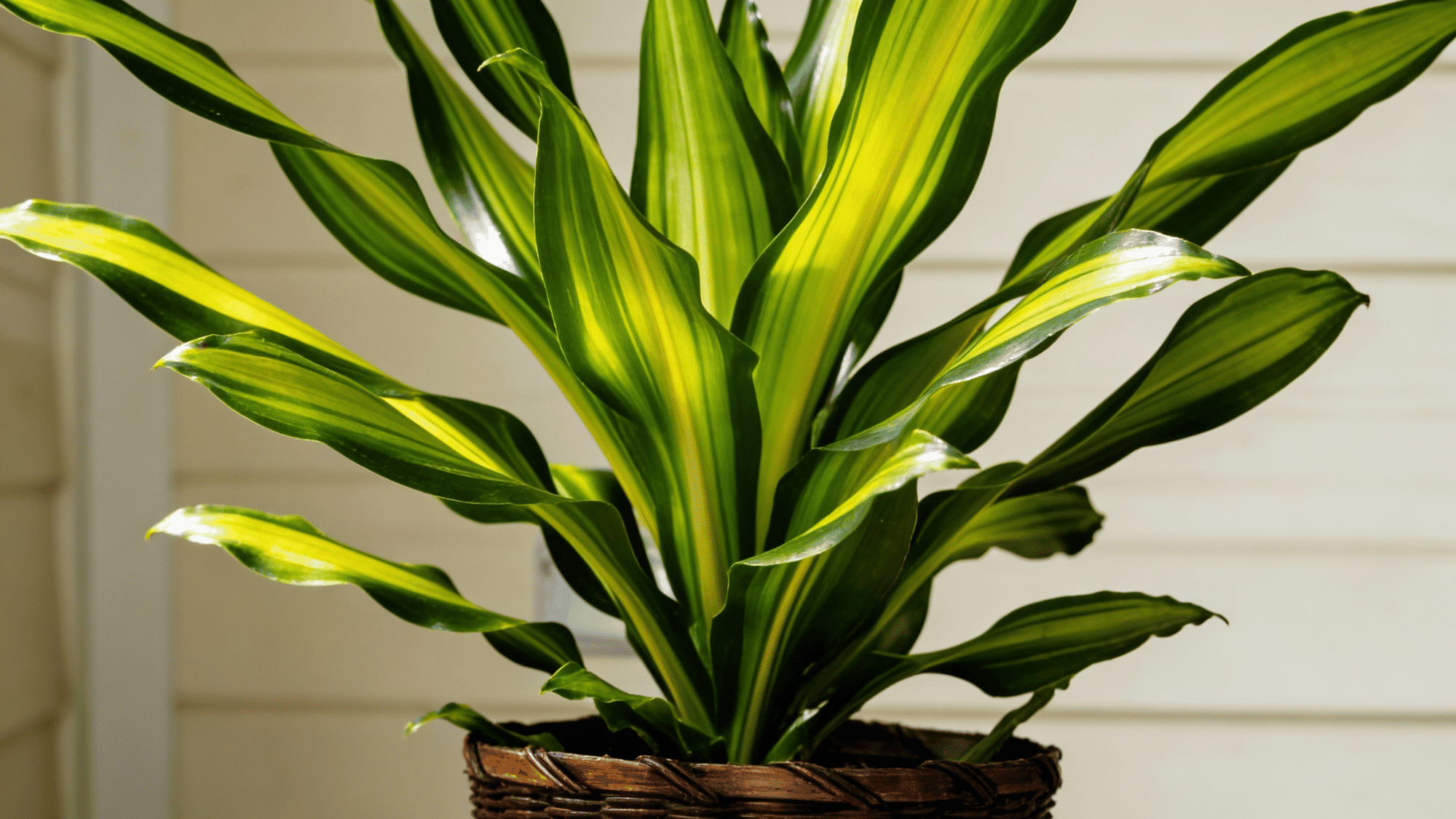
Corn plants bring a touch of the tropics indoors with their striking looks and forgiving nature. But even the easiest houseplants need some attention to truly thrive.
Many plant owners struggle with yellowing leaves, brown tips, or slow growth without understanding why. These common problems usually stem from a few simple mistakes that are easy to fix once you know what to look for.
Getting corn plant care right isn’t complicated, yet it makes all the difference between a plant that merely survives and one that flourishes. A few adjustments to watering, light, and feeding can transform a struggling plant into a showstopper that adds life to any room.
An Overview of Corn Plants
Corn plants, scientifically known as Dracaena fragrans, are popular indoor plants native to tropical Africa. They feature long, arching leaves and grow well in low to moderate light conditions.
| Key Detail | Information |
|---|---|
| Scientific Name | Dracaena fragrans |
| Common Names | Corn plant, cornstalk dracaena, mass cane |
| Origin | Tropical Africa |
| Growth Rate | Slow to moderate |
| Mature Height | 4-6 feet indoors, up to 15 feet outdoors |
| Light Requirements | Low to bright indirect light |
| Water Needs | Moderate; allow soil to dry between waterings |
| Toxicity | Toxic to cats and dogs |
Basic Requirements of Corn Plant Care Indoor
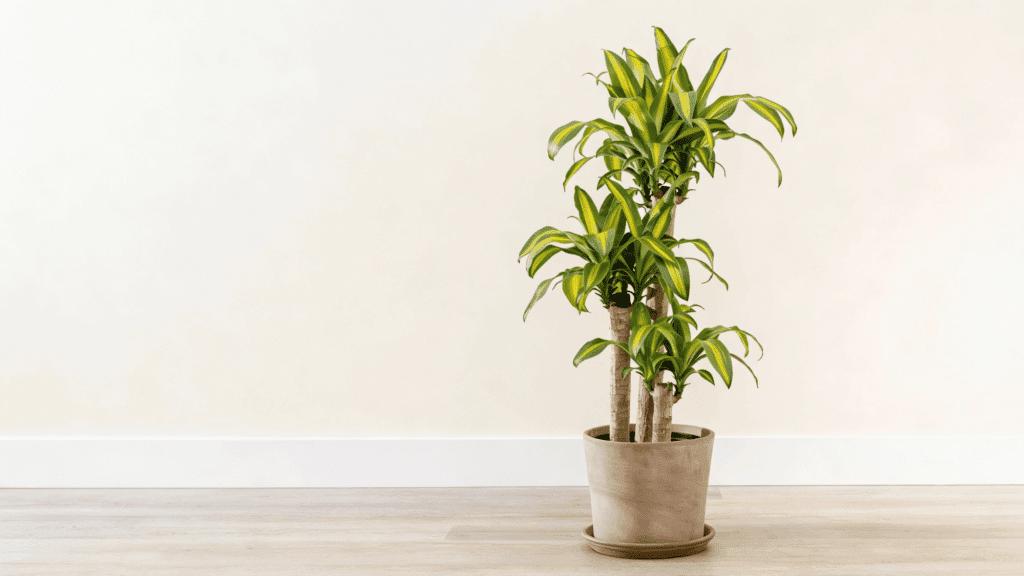
Meeting a corn plant’s basic needs creates the foundation for healthy growth. These six essential requirements work together to keep the plant thriving year-round.
1. Light
Corn plants adapt to various lighting conditions, making them perfect for different rooms. They prefer bright, indirect light but tolerate low light surprisingly well.
Direct sunlight burns the leaves, causing brown patches and fading. A spot near an east or north-facing window works beautifully.
Too little light slows growth and dulls leaf color. If leaves start stretching toward the light source, move the plant closer to a window for better results.
2. Water
Watering correctly prevents most corn plant problems. Let the top two inches of soil dry out before watering again.
Overwatering causes root rot, while underwatering leads to brown leaf tips. Use room-temperature water and pour until it drains from the bottom. Empty the saucer afterward to avoid soggy roots.
During winter, reduce watering frequency as growth slows. Tap water containing fluoride can damage leaves, so filtered water works better for sensitive plants.
3. Soil Mix
Well-draining soil keeps roots healthy and prevents waterlogging. A standard potting mix works fine, but adding perlite or sand improves drainage.
The soil should hold moisture without becoming compacted or muddy. A mixture of peat moss, pine bark, and perlite creates ideal conditions. Avoid heavy garden soil that stays wet too long.
Good drainage holes in the pot are just as important as the soil itself for proper root health.
4. Temperature
Corn plants prefer consistent warmth similar to their native tropical habitat. Keep temperatures between 60-75°F for optimal growth. They tolerate occasional dips to 50°F but suffer damage below that.
Avoid placing them near cold drafts, air conditioning vents, or heating registers. Sudden temperature swings stress the plant and cause leaf drop.
Room temperature stays fairly stable in most homes, making corn plants easy to accommodate without special adjustments throughout the year.
5. Humidity
Moderate humidity keeps corn plant leaves looking their best. They tolerate average household humidity around 40-50% but prefer slightly higher levels.
Dry air causes brown leaf tips and edges. Misting leaves occasionally helps, though it’s not essential. Placing the pot on a pebble tray filled with water increases humidity around the plant.
Keep corn plants away from heating vents that dry the air. Grouping plants together naturally raises humidity levels for all of them.
6. Fertilizers
Regular feeding supports steady growth and vibrant foliage. Use a balanced liquid fertilizer diluted to half strength every 4-6 weeks during spring and summer.
Stop fertilizing in fall and winter when growth naturally slows down. Overfertilizing causes salt buildup and burns leaf tips.
Yellowing lower leaves might indicate a nutrient deficiency. Flush the soil with water every few months to remove excess salts. Organic options like compost tea work well for those preferring natural feeding methods.
Choosing the Right Pot and Ensuring Proper Drainage
The right pot makes a significant difference in corn plant health. Size matters more than most people realize.
A pot that’s too large holds excess moisture and promotes root rot, while one that’s too small restricts growth and dries out quickly. Choose a container about 2 inches wider than the current root ball when repotting.
Drainage holes are non-negotiable for corn plants. Without them, water collects at the bottom and suffocates roots. Terra cotta pots breathe better than plastic, helping soil dry between waterings.
Ceramic pots with drainage work well, too, and add decorative appeal. Always use a saucer under the plant to protect floors, but empty it after watering so the roots don’t sit in standing water.
How to Prune a Corn Plant for a Fuller Shape
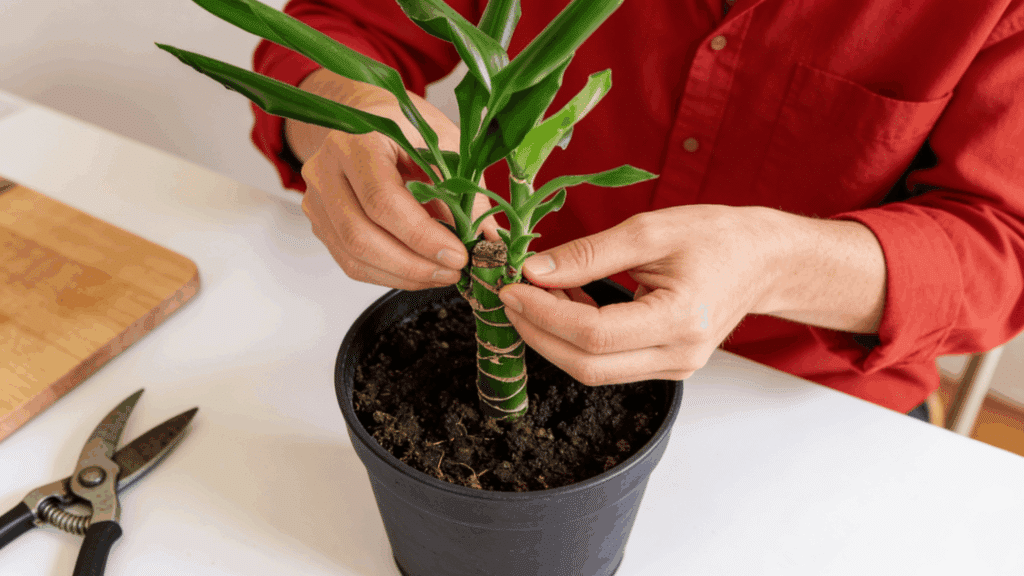
Pruning encourages bushier growth and removes damaged foliage. Strategic cuts stimulate new shoots, creating a fuller, more attractive plant over time.
- Use clean, sharp pruning shears or a knife sterilized with rubbing alcohol to prevent disease spread.
- Cut the main cane at the desired height, making a clean cut straight across the stem.
- Remove any yellow, brown, or damaged leaves by cutting them close to the base of the plant.
- Trim leggy or sparse stems back to promote new growth from lower nodes on the cane.
- Apply cinnamon or candle wax to large cut surfaces to seal them and prevent infection.
- Water the plant normally after pruning and expect new shoots to emerge within 4-6 weeks.
Corn Plant Growth Rate and What to Expect Indoors
Corn plants grow slowly to moderately indoors, adding several inches per year under ideal conditions.
Patience pays off with these plants since rapid growth isn’t their strong suit. Most indoor corn plants reach 4-6 feet tall over several years, though growth slows significantly in low light.
New leaves emerge from the center of the cane, unfurling gradually over weeks. Young plants grow faster than mature ones, which tend to focus energy on maintaining existing foliage.
Light levels directly impact growth speed; brighter conditions mean quicker development.
During the winter months, growth nearly stops as the plant enters dormancy. Don’t expect dramatic changes quickly, but consistent care produces steady results over time.
Common Corn Plant Problems and Solutions
Even with good care, corn plants face occasional issues. Recognizing symptoms early and addressing them quickly prevents minor problems from becoming serious plant damage.
- Brown leaf tips indicate low humidity, fluoride in tap water, or salt buildup: switch to filtered water and mist regularly.
- Yellow leaves signal overwatering or poor drainage: reduce watering frequency and check that drainage holes aren’t blocked.
- Drooping or wilting leaves mean the plant needs water immediately: soak the soil thoroughly and establish a consistent watering schedule.
- Pale or faded leaves suggest insufficient light: move the plant closer to a window or add a grow light.
- Pests such as spider mites or mealybugs appear as tiny spots or white, fuzzy patches: wipe leaves with soapy water or neem oil.
Conclusion
Caring for a corn plant doesn’t require a green thumb, just consistency and attention to its basic needs. Light, water, and proper drainage form the foundation, while occasional pruning and feeding keep growth strong.
Problems pop up from time to time, but they’re usually straightforward to fix once spotted early.
These forgiving plants reward minimal effort with years of lush foliage and tropical charm. Start with the basics covered here, observe how the plant responds, and adjust as needed.
Before long, that corn plant will become a thriving centerpiece that practically takes care of itself.