

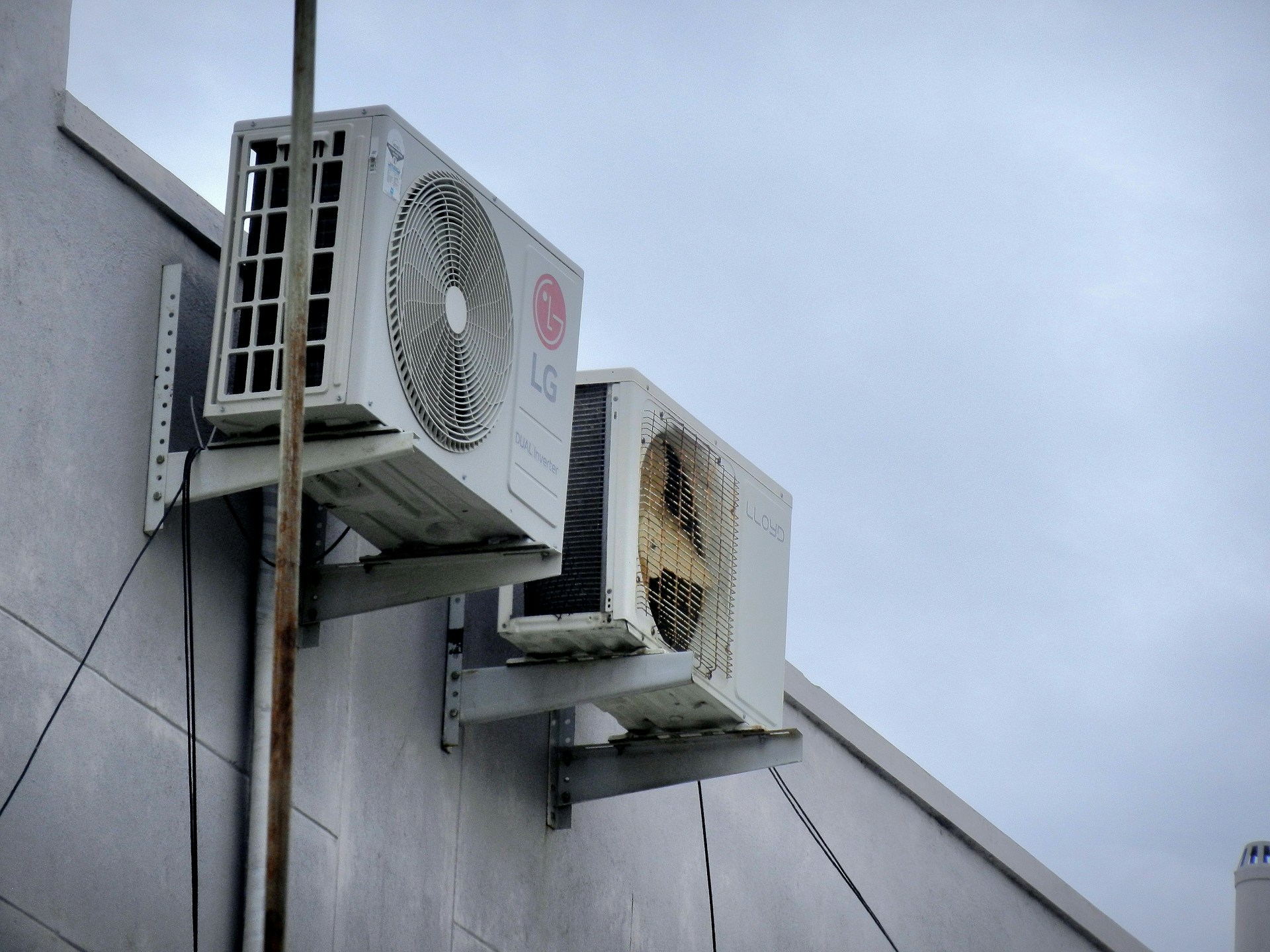
The middle of a heatwave is the worst possible time for an air conditioner to fail. When the temperature outside climbs, the indoor environment quickly becomes unbearable.
Most people are willing to tolerate a slight dip in performance or a small increase in their monthly utility bill, but there is a clear line between a minor mechanical hiccup and a full blown emergency.
Knowing when to call for emergency AC repair in San Diego can be the difference between a simple part replacement and a total system failure. If any of the following signs appear, it is time to stop waiting for a convenient opening on the calendar and seek professional assistance immediately.
1. The Smell of Burning or Ozone
An air conditioner is a complex mechanical and electrical system. Like any appliance that draws a significant amount of power, it can suffer from electrical malfunctions. If a strange, acrid smell starts coming from the vents or the outdoor unit, take it seriously. This often smells like burning plastic, sulfur, or ozone.
These odors usually indicate that wiring is melting, a motor is overheating, or a capacitor has failed. Continuing to run the system in this state is a fire hazard. If you smell something burning, turn the unit off at the thermostat and the breaker before calling a technician.
This is not a situation where you should wait and see if the smell goes away, as electrical fires can start inside the walls or within the unit itself without further warning. Ozone smells, in particular, often suggest a short circuit or an electrical arc that needs to be addressed before the entire control board is fried.
2. Metallic Screeching or Grinding Noises
Modern air conditioners are designed to operate relatively quietly. While you might hear the hum of the compressor or the rush of air through the ducts, you should never hear metal hitting metal.
A high pitched screeching sound often points to a high pressure buildup within the compressor or a failing fan motor bearing. A loud grinding noise usually suggests that the bearings in the motor have completely given out. If the unit continues to run while making these sounds, the friction will eventually destroy the internal components.
Turning the system off immediately can save the motor or the compressor, both of which are expensive to replace if they seize up entirely. It is much cheaper to replace a bearing than an entire motor assembly. Ignoring these sounds almost always results in a complete mechanical breakdown that happens at the most inconvenient time.
3. Short Cycling and Frequent Breaker Trips
If the air conditioner starts turning on and off every few minutes, it is experiencing a phenomenon known as short cycling. This puts an immense amount of strain on the compressor, which is the heart of the system. While short cycling can sometimes be caused by a clogged filter, it is often a sign of a more serious electrical issue or a refrigerant leak.
If the circuit breaker for the air conditioning unit trips, do not keep resetting it. A breaker trips because the system is pulling more electricity than the circuit can safely handle.
Forcing the system to stay on by repeatedly flipping the breaker back over can lead to an electrical fire or permanent damage to the unit’s sensitive control boards. This is a clear signal that a component is failing and drawing too much current. It is a safety feature that should never be bypassed or ignored.
4. Pooling Water or Refrigerant Leaks
Air conditioners naturally produce condensation, but that moisture is supposed to be managed by a drain pan and a condensate line. If you notice a large pool of water forming around the indoor unit, the drain system is likely backed up.
While water might seem harmless, it can quickly cause structural damage to floors and walls or lead to mold growth inside the home. Standing water can also short out electrical components located near the base of the furnace or air handler.
Worse than a water leak is a refrigerant leak. If you see a brightly colored or oily liquid near the lines, or if you hear a persistent hissing sound, the system has likely lost its coolant. Without refrigerant, the system cannot cool the air, and the compressor will eventually burn out from trying to compensate.
Refrigerant is a regulated substance that requires professional handling for both safety and environmental reasons. Low refrigerant levels also cause the coils to freeze, which further blocks airflow and can lead to a complete system lockdown.
5. No Airflow During Extreme Heat
Sometimes the unit sounds like it is running, but nothing is coming out of the vents. Or, perhaps the air blowing through the house is actually warm. In mild weather, this might be a reason to schedule a visit for later in the week. During a heatwave, however, a lack of airflow is a genuine emergency.
High indoor temperatures are more than just uncomfortable. They can be dangerous for pets, the elderly, and those with underlying health conditions. High humidity accompanying the heat can also damage sensitive electronics and wood furniture.
If the thermostat is set to cool but the house continues to get hotter, the system has failed. This could be due to a broken blower motor, a failed compressor, or frozen evaporator coils. A technician needs to diagnose the root cause before the heat inside the home reaches a critical level and impacts the safety of the occupants.
Why Speed Matters
The instinct to wait until Monday morning or until the next business day is understandable. No one wants to deal with an urgent repair. However, air conditioning problems are almost never self correcting. A small vibration today becomes a broken fan blade tomorrow. A minor refrigerant leak today becomes a dead compressor by the weekend.
Acting quickly protects the investment you have made in your home. Professional technicians can often stabilize a system and prevent a cascade of failures that would lead to a much larger bill.
More importantly, prompt action ensures that your living space remains a safe, cool sanctuary regardless of how high the temperature climbs outside. If the system is making noise, smelling strange, or failing to move air, the time to act is right now.