

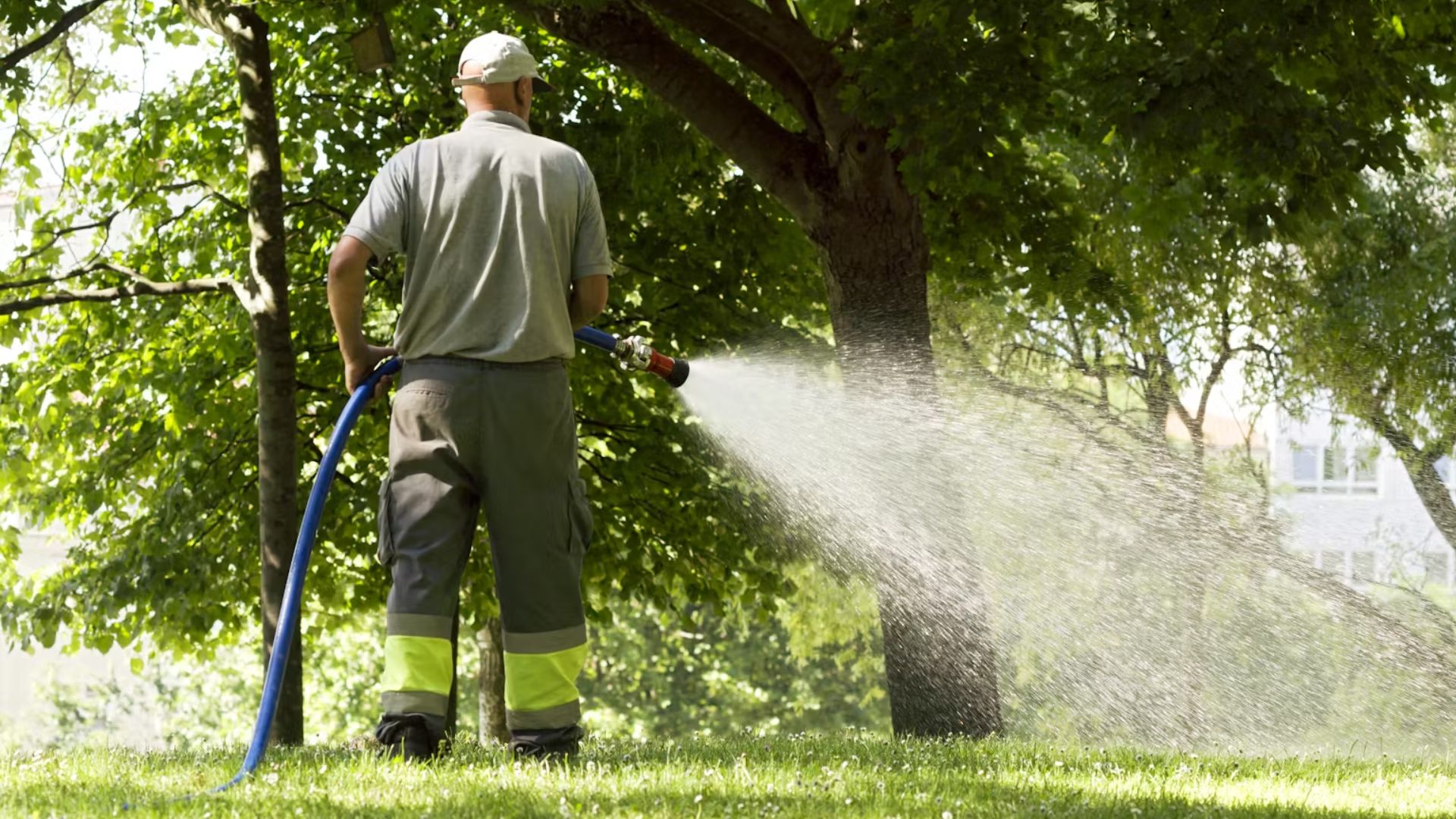
If you’re wondering when the best time to water your lawn is, you’re not alone. Many homeowners face the same question. Is it better to water in the early morning or evening?
Both have their benefits, but the right time can vary depending on factors like weather, grass type, and water conservation.
Here, I’ll break down the pros and cons of watering your lawn at different times of the day.
We’ll also look at advice from real homeowners who have tried both methods. If you’re aiming for a lush, green lawn or trying to conserve water, this blog will help you decide what works best for you.
So, if you’re ready to take your lawn care to the next level, keep reading for tips that could make a big difference in your results.
Let’s figure out the best time to water your lawn!
Why the Right Time to Water Matters
Watering your lawn at the right time is essential for keeping it healthy and vibrant. Whether you’re aiming for a lush, green yard or simply trying to conserve water, the timing of your watering routine can make a big difference.
When you water at the right time, your grass absorbs moisture more effectively, and you can reduce water waste due to evaporation.
Watering early in the morning allows the grass to soak in the water before the sun gets too hot, while evening watering can be an option to keep the lawn hydrated overnight.
However, both methods have their pros and cons. In this article, we’ll dive into the best times to water your lawn, comparing morning and evening watering.
Plus, we’ll share some tips from fellow homeowners to help you decide what works best for your lawn’s needs.
When is the Best Time to Water Your Lawn?
Both morning and evening watering have their own set of benefits and challenges. Understanding these can help you decide which method works best for your specific lawn needs.
Morning Watering: 5 A.M. – 9 A.M.
| Advantages | Challenges |
|---|---|
| Better absorption before the heat of the day. | Requires waking up early. |
| Lower evaporation compared to midday watering. | Morning dew may lead to unnecessary watering. |
| Grass dries during the day, reducing fungal growth. | Limited time window before the sun gets too strong. |
Evening Watering: 4 P.M. to 6 P.M.
| Advantages | Challenges |
|---|---|
| Cooler temperatures reduce quick evaporation. | Grass may stay wet overnight. |
| More convenient for people with busy mornings. | Higher risk of fungal diseases. |
| Flexible timing after daily activities. | Watering too late may limit absorption. |
Factors to Consider when Deciding the Best Time to Water
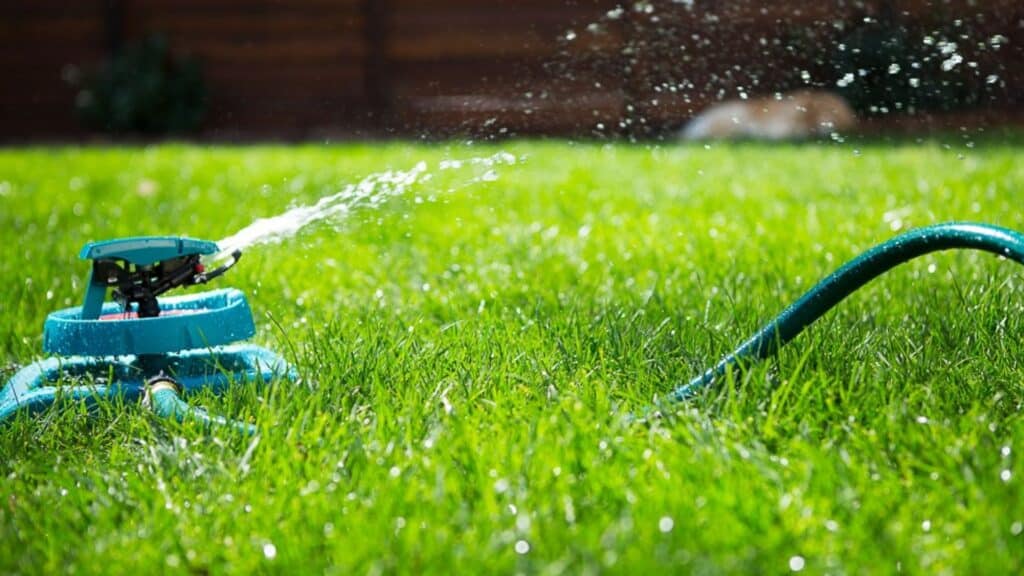
When deciding the best time to water your lawn, several key factors can influence your decision. Each lawn is unique, so it’s important to consider how these factors play into your watering schedule.
1. Temperature and Weather Conditions
The temperature plays a major role in how much water your lawn needs and when it should be watered.
On hot, dry days, early morning watering is ideal because it allows the water to be absorbed before the sun heats up, preventing rapid evaporation.
If you’re experiencing cooler, overcast days, watering in the evening might work just fine, as the moisture will stay on your grass longer without evaporating too quickly.
2. Grass Type
Different types of grass have different needs. For example, cool-season grasses like Kentucky bluegrass prefer being watered in the morning, as they thrive in cooler temperatures.
On the other hand, warm-season grasses such as Bermuda or Zoysia can handle evening watering better, as they’re more heat-tolerant and may not be as prone to fungal diseases when watered at night.
3. Soil Condition
Soil type plays a role in water retention. Sandy soils drain quickly and may need more frequent watering, while clay soils retain water longer.
If you have sandy soil, morning watering may be more effective, as the water will penetrate the soil before the heat of the day dries it up.
For heavier clay soils, evening watering might be a better option to prevent overwatering and allow the water to soak in gradually overnight.
4. Water Conservation
In many areas, water conservation is a big concern. Watering early in the morning or late in the evening can help reduce water waste by minimizing evaporation.
Many homeowners have found that watering at these times helps their lawns stay hydrated without using excessive water, especially in areas where drought conditions are common.
How Often Should You Water Grass
Watering your lawn the right way keeps it healthy, prevents disease, and supports strong roots, but the timing and amount depend on several key conditions.
- Most lawns need about 1 to 1.5 inches of water per week, including rainfall, delivered through deep watering once or twice each week.
- Water deeply and less often rather than frequently light watering, as this helps roots grow deeper, making grass stronger, drought-resistant, and less prone to disease.
- Adjust the watering schedule based on soil type, grass variety, and climate: sandy soil dries faster, while clay retains moisture longer and needs less frequent watering.
- During hot, dry periods, grass needs water to stay green; in cooler, rainy conditions, reduce watering to prevent soggy soil and root damage.
- Check if watering is needed by stepping on the grass: if it bounces back, it is fine; if it stays flat, your lawn needs water.
Using tools like a rain gauge or moisture meter helps accurately track water levels, ensuring your lawn gets the hydration it needs without wasting water or causing damage.
What Homeowners are Saying About Watering Times

Homeowners have different opinions on the best time to water their lawns, and their real-life experiences often provide useful insights.
Many homeowners recommend early-morning watering for their plants.
Similar advice appears in lawn care discussions on Reddit. In one discussion, several users suggested watering between 5 a.m. and 9 a.m., as cooler temperatures help water soak into the soil rather than evaporate.
However, not everyone follows the same routine. Few people still prefer evening watering due to busy schedules. They also mentioned watering earlier in the evening still works as long as the grass has some time to dry before night.
At the End
In the end, the best time to water your lawn depends on your unique lawn conditions, climate, and schedule. Even if you choose morning or evening watering, the key is consistency and paying attention to your lawn’s needs.
Experiment with different watering times and track how your lawn responds; it’s the best way to find what works for you. If you’re still unsure, start with the tips and advice shared in this blog, and adjust as you go.
Every lawn is different, and learning what makes yours thrive will lead to the healthiest, greenest results.
I’d love to hear what works best for your lawn! Share your experiences in the comments below, if you swear by morning watering or evening routines; your insights might just help others find their perfect watering schedule.