

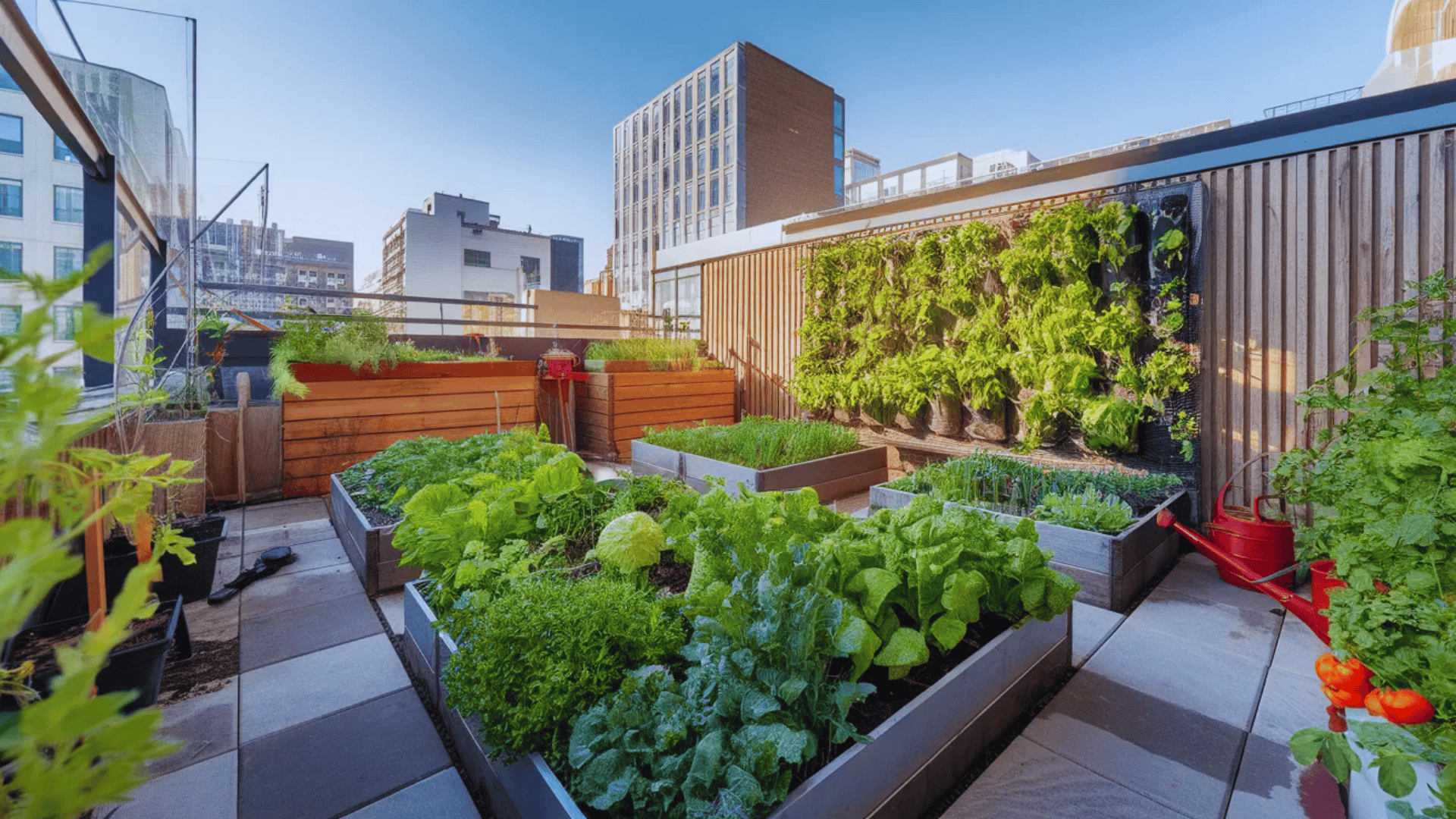
Living in a city usually means small spaces, no yard, and not much room to grow anything. I get it. For a long time, I thought gardening was something only people with big backyards could do. But that is not true.
Urban gardening lets you grow your own food and plants, no matter where you live. A balcony, a rooftop, a windowsill, or even a shared community plot can work.
Yes, city life comes with its challenges, like limited space, air pollution, and not always having ideal conditions. But none of that has to stop you.
In this guide, I share how to start your own urban garden, which plants work best in small spaces, and how to keep everything growing strong. Let’s get into it.
What is Urban Gardening?
Urban gardening is growing plants in a city or built-up area, using whatever space you have. That could be a balcony, a rooftop, a windowsill, or a shared plot in your neighbourhood.
It takes many forms. Container gardening lets you grow in pots and planters on any surface. Window boxes work well for herbs and small flowers.
Indoor setups use grow lights to make up for limited sunlight. Community gardens give you access to a proper plot, even if you live in a flat with no outdoor space at all.
More people are trying it these days. Food costs have gone up, and growing even a little of your own food helps. There’s also a real sense of satisfaction in it, and it’s good for your mental health too.
Start with what fits your space and go from there.
How to Start an Urban Garden From Scratch?
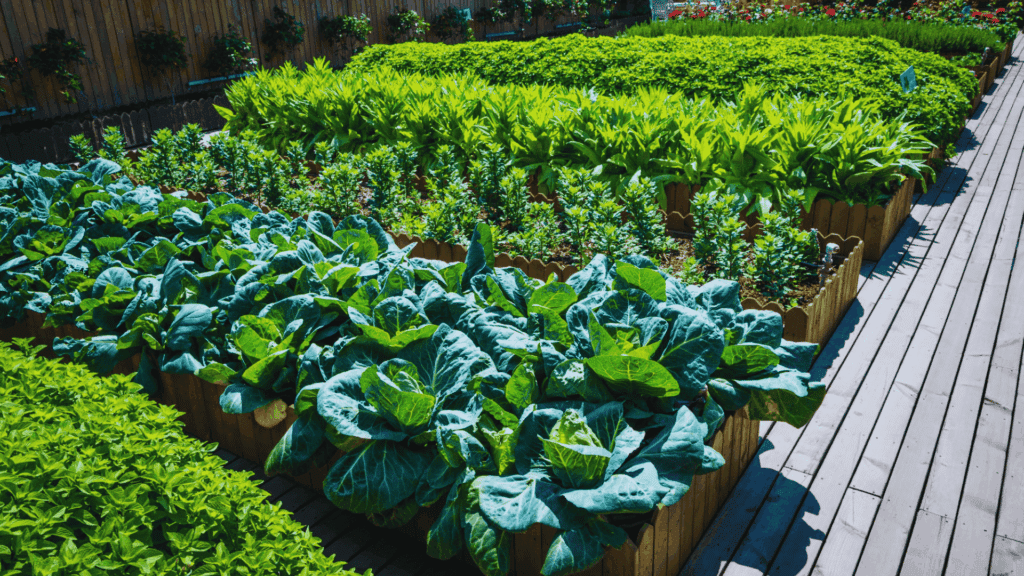
Choosing the right plants makes urban gardening a lot easier. These options work well in small spaces and don’t need much to get going.
1. Assess Your Space
Start by looking at what you actually have. Check how much natural light your space gets and how many hours of direct sun it receives each day.
Look at the surfaces available: a floor, a ledge, a wall, or a windowsill. Any of these can work. Even a single sunny windowsill gets enough light to grow herbs or salad leaves.
Knowing your space well before you spend any money saves a lot of guesswork later on.
2. Choose the Right Containers
Pots, grow bags, raised planter boxes, and repurposed tins or wooden crates all make practical containers for urban growing.
Size matters. Larger containers hold more soil, dry out more slowly, and give roots more room to grow. The one thing you cannot skip is drainage.
Every container needs holes at the bottom so excess water can escape. Without them, roots sit in water, and the plant will not survive. Check every container before you use it.
3. Choose Your Growing Medium
Garden soil dug up from the ground does not work well in containers. It compacts over time, drains poorly, and eventually suffocates roots.
A high-quality potting mix is the right choice: it is lighter, drains well, and holds just enough moisture between waterings.
If you want to give your plants a stronger start, mix in a little compost. It adds nutrients to the soil and supports healthy growth from day one.
The Best Plants to Grow in a City Garden
Choosing the right plants makes urban gardening a lot easier. These options work well in small spaces and don’t need much to get going.
| Category | Best Plants | Space & Light Needs | Why They Work |
| Herbs | Basil, mint, chives, parsley, cilantro | Small containers; windowsill, balcony ledge, or kitchen counter; 6 hours of sunlight daily | Easy to grow, take up very little room, and are genuinely useful for everyday cooking |
| Vegetables | Cherry tomatoes, lettuce, spinach, radishes, peppers | Containers or raised beds; 6–8 hours of full sun; south-facing balcony or rooftop works best | Compact and dwarf varieties are bred for small spaces; start with one or two to keep things manageable |
| Flowers and Pollinator Plants | Marigolds, nasturtiums, lavender | Pots; sunny spots with moderate watering; low maintenance | Attract bees and pollinators, support the health of nearby food plants, and marigolds deter pests naturally |
| Fruit | Strawberries, dwarf citrus (lemon, lime, mandarin) | Containers or hanging baskets; 6–8 hours of sun; dwarf citrus needs a slightly larger pot | Strawberries suit small pots and baskets; dwarf citrus grows well on a balcony and produces real fruit |
How to Keep Your Urban Garden Healthy All Season?
A little regular attention goes a long way. Most plants just need regular care. Stay on top of the basics, and you’ll avoid most problems before they start.
- Watering Consistently: Containers dry out much faster than in-ground beds, especially in warm weather. Check soil moisture daily and consider self-watering pots if your schedule gets busy.
- Feeding Your Plants: Nutrients in container soil deplete quickly with regular watering. Apply a balanced liquid fertilizer every two to four weeks throughout the growing season.
- Watching for Pests and Disease: Aphids, fungus gnats, and spider mites are the most common problems in urban gardens. Inspect your plants regularly and treat early with neem oil or insecticidal soap.
- Pruning and Deadheading: Removing dead leaves and spent flowers encourages new growth and keeps plants productive longer. A quick tidy-up once a week is all it takes.
- Rotating Your Containers: Moving pots around helps every plant get even light exposure, especially on balconies where one side may be shadier. It also reduces the risk of soil-borne disease building up in one spot.
Helpful Resources to Support Your Urban Garden
You don’t have to figure everything out on your own. There are plenty of good resources out there; you just need to know where to look.
| Resource Type | What to Look For | Examples |
| Community Garden Programs | Check if your city has a local garden program. Many offer free plots and basic tools, which is ideal if you don’t have outdoor space at home. | Hillsboro community gardens The People’s Garden |
| Extension Service Websites | Find your nearest university extension site. They offer free growing guides personalized to your local climate, which are much more useful than generic tips. | Penn State Extension Texas A&M AgriLife Extension |
| Beginner Books | Look for books on container or small-space gardening. The best ones are short, practical, and easy to follow, even if you’ve never grown anything before. | Field Guide to Urban Gardening The Old Farmer’s Almanac Vegetable Gardeners’ Handbook |
| YouTube and Podcasts | Search for channels on urban or balcony gardening. Watching someone else grow in a small space makes everything feel a lot more doable. | Urban Gardening The Joe Gardener Show |
| Seed Catalogs | Find catalogs that sell compact or patio plant varieties. They usually tell you exactly how much space each plant needs, which saves a lot of guesswork. | Rareseeds Johnny’s Selected Seeds |
Tips for Making the Most of a Small Space
A small space doesn’t mean limited results. With the right approach, you can grow more than you’d expect from even the tightest setup.
- Go Vertical: Use wall planters, hanging baskets, or a simple shelf to grow upward instead of outward. Beans and cucumbers do really well on a trellis.
- Stagger Your Planting: Don’t plant everything at once. Sow seeds a few weeks apart so you always have something ready to pick, especially with lettuce and radishes.
- Grow Plants That Help Each Other: Some plants grow better side by side. Basil and tomatoes are a good example, as basil helps keep pests away from the tomatoes.
- Pick Plants That Do Double Duty: Nasturtiums are edible and attract pollinators, too. One plant, two benefits, which is perfect for tight spaces.
- Use What You Already Have: Old tins, wooden crates, and colanders all work as planters. As long as water can drain out, almost any container will do.
Conclusion
You don’t need a big space to grow your own food. You just need to start.
This guide shares the basics: what to grow, how to care for your plants, and how to use a small space well. None of it requires special skills or a lot of money. It just takes a little time and some willingness to try.
Most people begin with one pot. A few herbs on a windowsill or a single tomato plant on a balcony. That’s enough. You figure out the rest as you go.
Urban gardening is one of those things that gets easier and more enjoyable the more you do it.
I’d love to hear from you. Leave a comment below, tell me what you’re growing, what you’d like to try, or ask anything you want.