

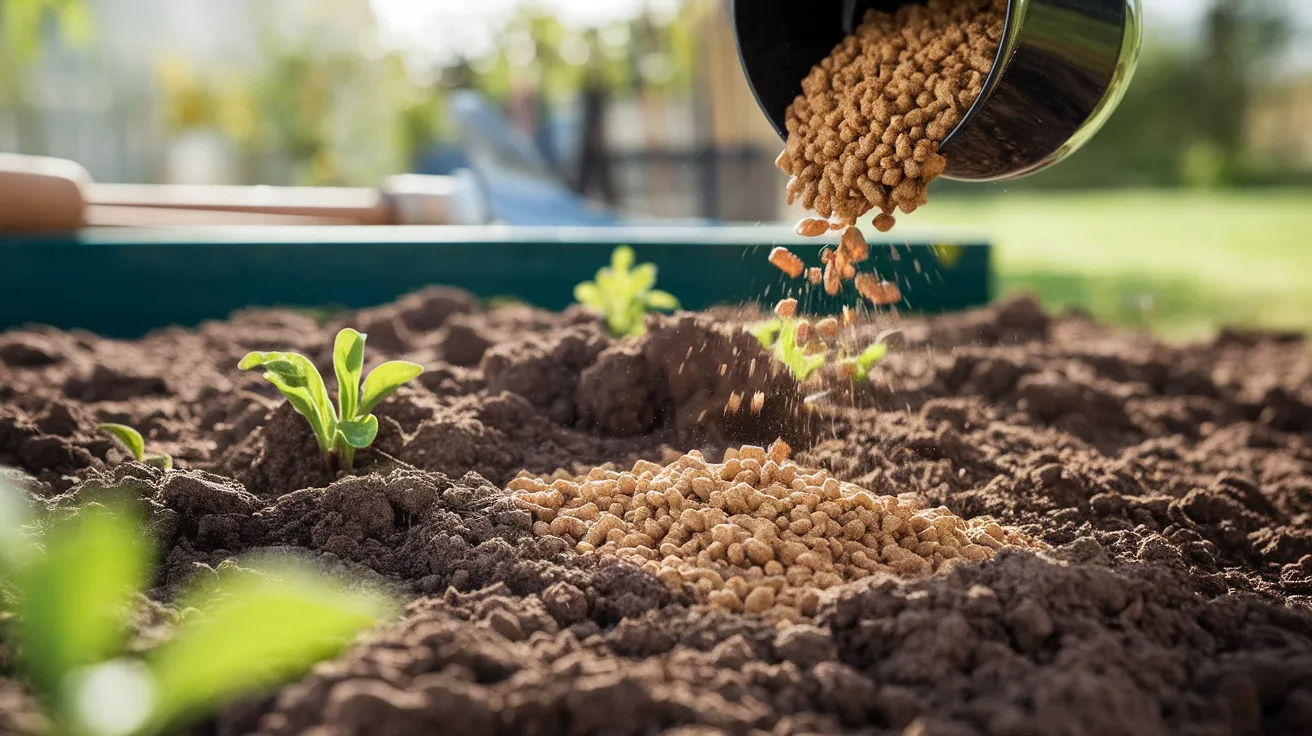
I once found an old bag of Fertilizer in my shed and wondered if it was still good to use. You may have asked the same thing while cleaning your garage or garden shelf.
Does Fertilizer go bad? It’s a simple question, but the answer depends on the type of Fertilizer and how it has been stored.
In this guide, I will help you understand how long Fertilizer can last and what affects its quality.
You’ll learn the shelf life of common fertilizer types, signs that Fertilizer may no longer work well, and simple storage tips that help it last longer.
By the end, you’ll know how to store Fertilizer the right way and whether the product you already have is still safe and useful for your garden. This can help you avoid waste and keep your plants growing strong.
Does Fertilizer Expire or Lose Effectiveness Over Time?
Fertilizer does not expire like food, but its effectiveness can change over time depending on storage conditions. Factors such as moisture, air, and temperature can slowly affect its quality.
When stored correctly in a dry and sealed container, many fertilizers can remain useful for years and still provide nutrients for healthy plant growth.
- Granular Fertilizers Last Longer: Dry granular fertilizers can remain usable for many years when stored away from moisture.
- Moisture Causes Clumping: Exposure to humidity can harden fertilizer granules, making them difficult to spread evenly.
- Liquid Fertilizers Have Shorter Shelf Life: Liquid formulas may separate or settle over time, which can reduce nutrient strength.
- Proper Storage Keeps Nutrients Stable: Keeping fertilizer sealed in cool, dry places helps maintain its nutrient quality.
- Older Fertilizer May Still Work: Even aged fertilizer can feed plants, though results may not be as strong.
Proper storage plays a major role in how long fertilizer stays effective, so keeping products sealed, dry, and protected from heat helps maintain quality.
How Long Does Fertilizer Last?
The shelf life of Fertilizer depends on the type of Fertilizer and how it is stored. In general, most fertilizers can last for several years if stored in the right conditions.
Proper storage plays a big role in maintaining the stability and effectiveness of nutrients.
Granular or dry fertilizers usually last the longest. When stored in a cool, dry place and sealed properly, they can remain usable for many years without losing much strength.
Liquid fertilizers tend to have a shorter shelf life. Over time, the nutrients in liquid formulas may settle or separate. In many cases, they stay effective for about 5 to 10 years if the container remains tightly closed.
Organic fertilizers may break down faster because they contain natural materials.
For best results, always store Fertilizer away from moisture, direct sunlight, and extreme heat. Proper storage helps maintain its quality and usefulness.
How Long Does Fertilizer Last in Soil?
Fertilizer does not stay active in soil forever. Its nutrients are slowly used by plants, absorbed by the soil, or washed away by rain and watering. How long Fertilizer lasts in soil depends on the type of fertilizer and soil conditions.
Quick-release fertilizers usually last 1 to 2 weeks because nutrients dissolve quickly and are taken up by plants. Slow-release fertilizers last longer, often two to six months, because they release nutrients gradually over time.
Organic fertilizers, such as compost or manure, can feed the soil for several months as they slowly break down and improve soil health.
Temperature, rainfall, soil type, and plant activity also affect how long Fertilizer remains effective. Regular feeding schedules help ensure plants continue receiving the nutrients they need for healthy growth.
Shelf Life of Different Types of Fertilizer
The shelf life of Fertilizer depends on the type you use. Some fertilizers remain effective for many years, while others may degrade sooner if not stored properly.
1. Granular Fertilizer
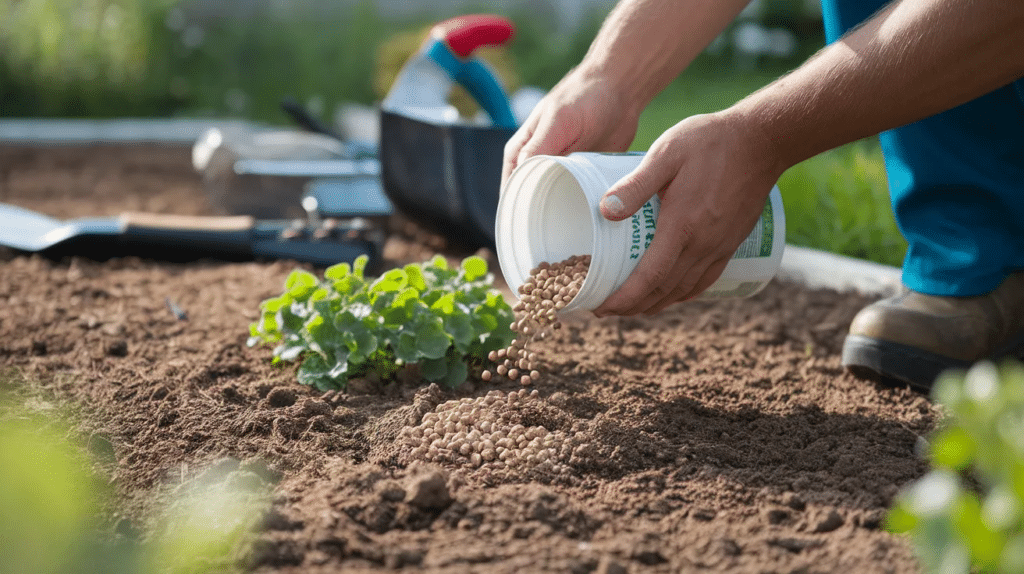
Granular Fertilizer is known for its long-lasting stability compared to many other fertilizer types. It is made of small, dry pellets that release nutrients when watered into the soil.
Because it contains very little moisture, it can stay effective for many years if stored correctly.
Keeping it in a sealed bag or container and placing it in a cool, dry area helps prevent clumping and nutrient loss. Even if the granules harden slightly, the nutrients are often still usable.
Approx Shelf Life: 5–10 years or longer if stored properly.
2. Liquid Fertilizer
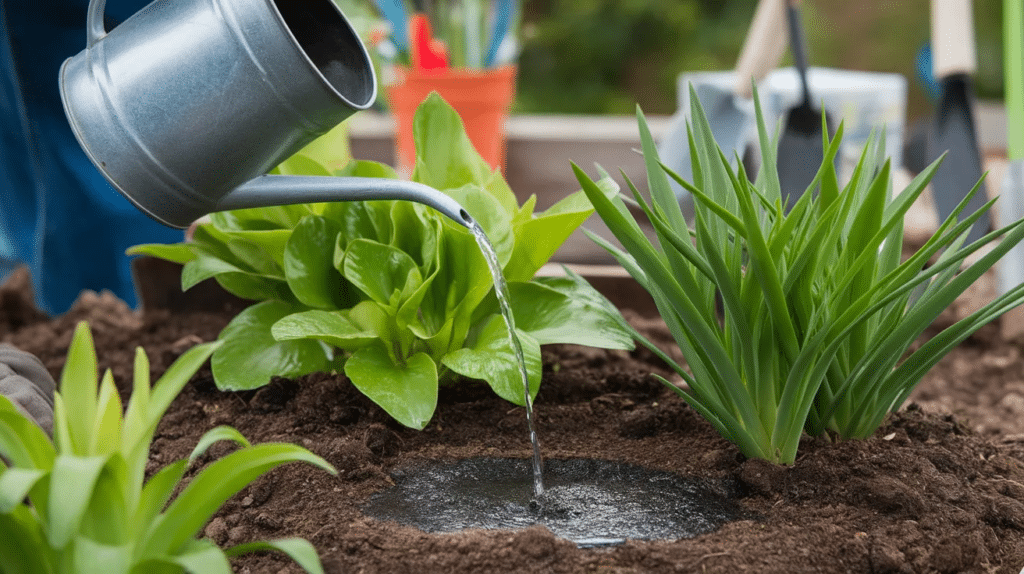
Liquid Fertilizer provides nutrients in a form plants can absorb quickly, making it popular for fast feeding. However, because it contains water and dissolved nutrients, it may not last as long as dry fertilizers.
Over time, the ingredients can settle, separate, or slightly change in strength.
In many cases, simply shaking the container can help re-mix the solution. Keeping the bottle tightly sealed and stored in a cool, dry place helps maintain its quality.
Approx Shelf Life: 5–10 years if stored properly.
3. Organic fertilizers
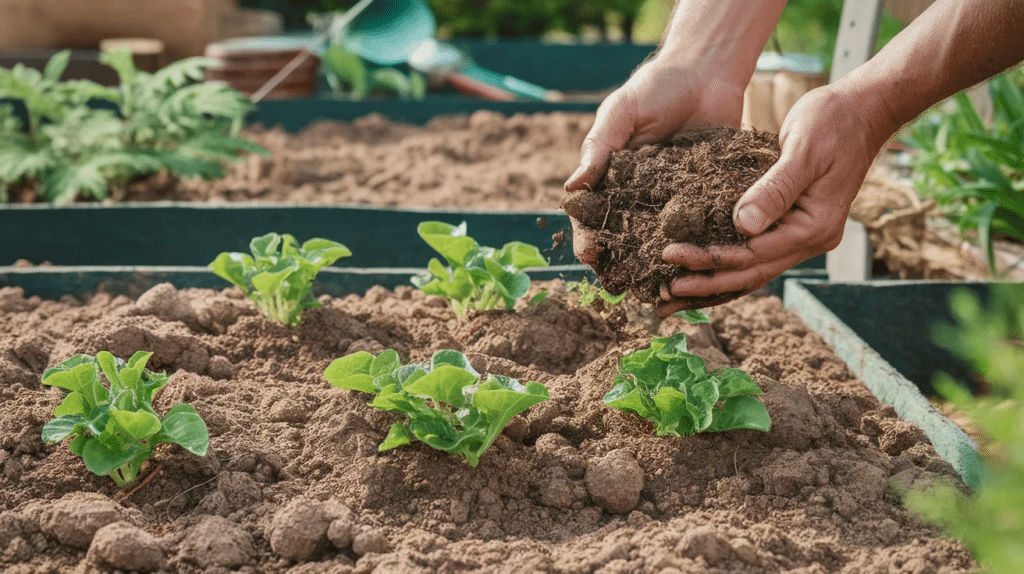
Organic fertilizers are made from natural materials such as compost, manure, bone meal, or plant-based ingredients. Because they contain organic matter, they can slowly break down over time, even during storage.
This means their quality may change more quickly than that of synthetic fertilizers.
If stored in a dry, sealed container, many organic fertilizers can remain usable for a long time. However, moisture and heat may cause them to degrade, develop odors, or attract pests.
Approx Shelf Life: About 1–5 years, depending on the product and storage conditions.
Tips to Extend the Shelf Life of Fertilizer
Proper storage and handling can help Fertilizer stay effective for a longer time and prevent it from losing its nutrients.
- Store fertilizer in a cool, dry place away from moisture and humidity.
- Keep the original bag or container tightly sealed after each use.
- Avoid storing Fertilizer in areas with direct sunlight or high heat.
- Use airtight containers if the original packaging becomes damaged.
- Keep Fertilizer off the ground to prevent moisture absorption.
- Do not mix different fertilizers during storage.
- Label containers clearly so you can track how long the Fertilizer has been stored.
Common Fertilizer Storage Mistakes to Avoid
Proper fertilizer storage helps maintain nutrient quality and prevents clumping, moisture damage, or nutrient loss, ensuring the product remains effective and easy to apply when needed.
| Storage Mistake | What Happens | How to Avoid It |
|---|---|---|
| Leaving Bags Open | Open bags allow moisture to enter, which can cause fertilizer to clump or harden. | Seal bags tightly after use or move the fertilizer to a sealed container. |
| Storing in Damp Areas | Damp places allow fertilizer to absorb moisture, which may cause clumping, hardening, and uneven nutrient distribution in soil. | Keep fertilizer in a cool, dry place such as a cabinet, shelf, or sealed bin. |
| Exposure to Direct Sunlight | Direct sunlight can raise the temperature and affect fertilizer quality, especially liquid types, which may break down or separate. | Store fertilizer in a shaded, cool place, away from sunlight. |
| Placing Fertilizer on the Floor | Floors, especially concrete, may retain moisture that can enter fertilizer bags, causing clumping or texture changes. | Place fertilizer on shelves, pallets, or raised platforms. |
| Mixing Different Fertilizers | Mixing fertilizers can alter nutrient balance and trigger reactions that affect quality. | Store each fertilizer type separately in labeled containers. |
At the End
By now, you know that Fertilizer does not always spoil quickly, but its quality can change over time. The key is understanding the type you have and how well it has been stored.
When Fertilizer is stored in a cool, dry place and sealed properly, it can remain usable for many years. A quick check for clumping, strange odor, or separation can also help you decide if it is still good to use.
Taking a few simple storage steps can help you protect your Fertilizer and get better results in your garden. It also saves money and reduces waste.
I’d love to hear from you. Have you ever found old Fertilizer and wondered if it was still usable? Share your experience or tips in the comments below so other readers can learn from you, too.