

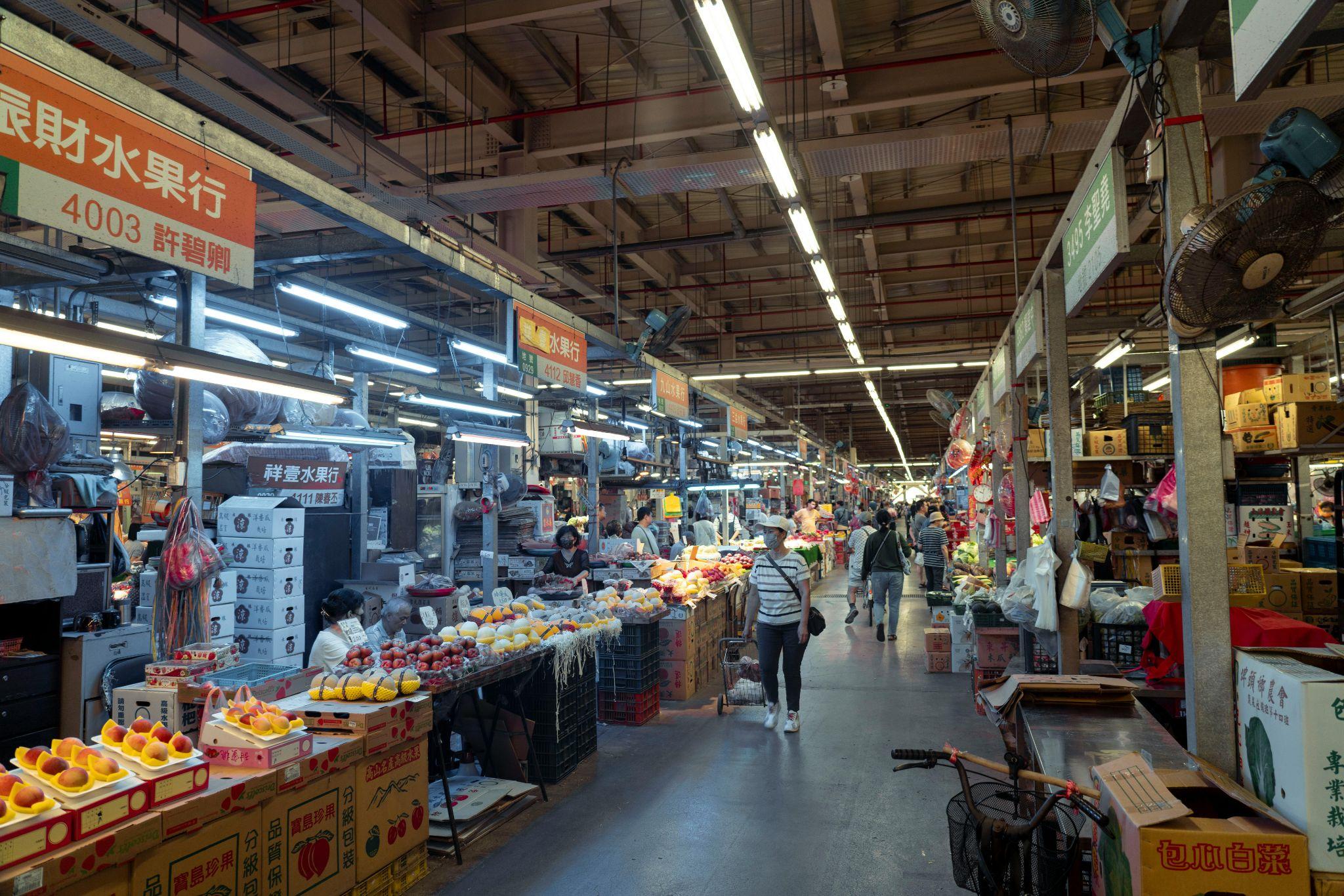
You step into a store. Something about it just feels right. The air smells good, the lighting is soft, and the music playing in the background somehow matches your mood. You were only going in for one thing, but now you want to browse every single aisle.
Sound familiar? That feeling is not an accident. Retailers work very hard to create it on purpose. This is called retail atmosphere or store design psychology. It is the science and art behind how a physical space makes you feel, behave, and ultimately spend money. Once you understand what is happening, you start noticing it everywhere.
Your Nose Knows More Than You Think
Scent is one of the most powerful tools in retail. Stores use a technique called scent marketing, where a signature fragrance is pumped through the ventilation system. Your brain connects smells directly to memory and emotion faster than any other sense. A warm vanilla smell feels cozy and safe. A fresh citrus scent feels energizing and clean.
Big brands like Abercrombie & Fitch, Westin Hotels, and even Singapore Airlines have signature scents that customers associate with their brand. Research shows that pleasant ambient scents can increase the time a shopper spends in a store and boost sales by a noticeable margin. So next time you linger in a store longer than expected, check what is floating through the air.
Lighting Does a Lot of Heavy Lifting
Good lighting in retail is not just about making products visible. It is about creating a mood. Warm, dim lighting makes a space feel intimate and luxurious. Bright white lighting feels energetic and honest. Grocery stores use cool blue lighting over seafood displays because it makes the products look fresher.
High-end fashion boutiques often use focused spotlights that make clothing look like artwork, highlighting the impact of lighting in shaping perception. This signals exclusivity without saying a word. Accent lighting on specific shelves or displays draws your eye exactly where the retailer wants it. You follow the light without realizing you are being guided.
Even the color temperature of bulbs matters. Warmer tones in changing rooms make skin look more flattering, which psychologically increases purchase confidence. Smart retailers know this and plan every fixture deliberately.
Music Sets the Whole Vibe
Background music influences how fast you shop and how much you enjoy it. Studies have shown that slow-tempo music makes shoppers move more slowly through a store and spend more money. Fast music speeds up movement and works better in fast-food restaurants where quick turnover matters.
The volume also plays a role. Loud music attracts younger shoppers and creates an exciting atmosphere. Quieter, more refined music signals a premium environment. A wine shop playing classical music sold more expensive bottles compared to when pop music was playing, according to a widely cited retail study.
Store Layout Is a Path You Did Not Choose
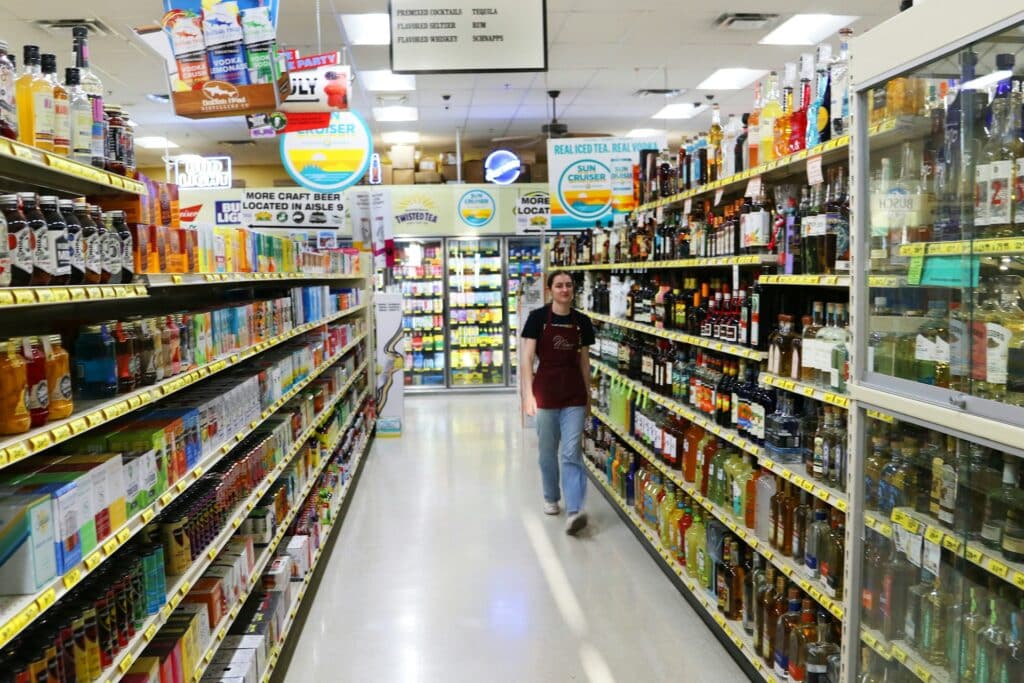
Interior design consultant Erin Morris points out that most shoppers do not realize how deliberately store layouts are designed to control movement. Grocery stores almost always put essentials like milk and bread at the back or far corners of the store. This forces you to walk past dozens of other products before reaching what you came for.
Retailers also use a concept called the decompression zone, which is the open area right at the entrance. This space allows you to slow down, adjust to the environment, and start shifting into browsing mode. Products placed too close to the entrance often get ignored because shoppers are still mentally transitioning from outside. Wide, open aisles feel welcoming and premium. Narrow crowded aisles create urgency and a bargain-hunting energy, which discount stores use deliberately. Every inch of floor space is a calculated decision.
Color Psychology Works on You Every Day
Colors trigger emotional responses before your conscious brain has time to process them. Red creates urgency and excitement, which is why it dominates sale signage and fast food logos. Blue builds trust and calm, which is why banks and healthcare brands lean on it heavily. Green signals health, nature, and sustainability.
Retailers choose wall colors, shelf colors, and even shopping bag colors with all of this in mind. A muted, earthy color palette tells your brain this is a natural, wholesome brand. Bright neon colors scream affordability and fun. Monochrome black and white whispers luxury.
Touch, Texture, and That Urge to Pick Things Up
Retail experts call it the endowment effect. Once you hold something, it starts to feel like yours. This is why stores encourage you to pick up, try, and touch products. Apple stores are built entirely around this idea. Every device is out, powered on, and ready to be handled. The more you interact with a product, the harder it is to put down.
Fabric texture in clothing stores, the weight of a perfume bottle, the feel of a leather bag, all of these tactile experiences build emotional attachment. Physical interaction with a product significantly increases the likelihood of purchase compared to just looking at it on a shelf behind glass.
Social Proof Is Everywhere You Look
Seeing other people browse, try things, and look happy in a store signals to your brain that this is a good place to be. Busy stores feel more trustworthy than empty ones. This is why flagship stores in prime city locations matter even in the age of online shopping. They create visible social proof of popularity.
Retailers also use staff positioning strategically. A staff member engaged in a friendly conversation near a display subconsciously lowers your guard and makes the area feel approachable. Signs that say best seller or customer favorite tap into the same instinct. If other people choose it, it feels safer to choose it too.
Understanding all of this does not make you immune to it. It just makes the whole experience more interesting. Next time you walk into a store and immediately feel at ease, take a second to look around. Notice the lighting, listen to the music, breathe in the air. Someone designed all of it with your psychology in mind, and honestly, it is pretty impressive when you see it for what it is.
Q1: Why do I feel like staying in a store longer than I planned?
Answer: That cozy feeling often comes from the store’s atmosphere, which is carefully crafted to make you feel comfortable and engaged. Factors like pleasant scents, soft lighting, and inviting music all play a role in encouraging you to linger and explore.
Q2: How do stores use scent to influence my shopping experience?
Answer: Stores employ scent marketing by pumping a signature fragrance through their ventilation systems.Since scents are closely linked to memory and emotion, a pleasant smell can make you feel more relaxed and inclined to spend more time (and money) in the store.
Q3: What role does music play in how I shop?
Answer: Background music sets the mood for your shopping experience. Slow-tempo music encourages you to browse leisurely and spend more, while fast music can speed up your shopping pace, making it ideal for quick-service environments like fast-food restaurants.
Q4: How do store layouts affect my shopping behavior?
Answer: Retailers design store layouts to strategically guide your movement. For instance, they often place essential items at the back to encourage you to walk past other products. The entrance area, known as the decompression zone, helps you adjust to the shopping environment and get into browsing mode.