
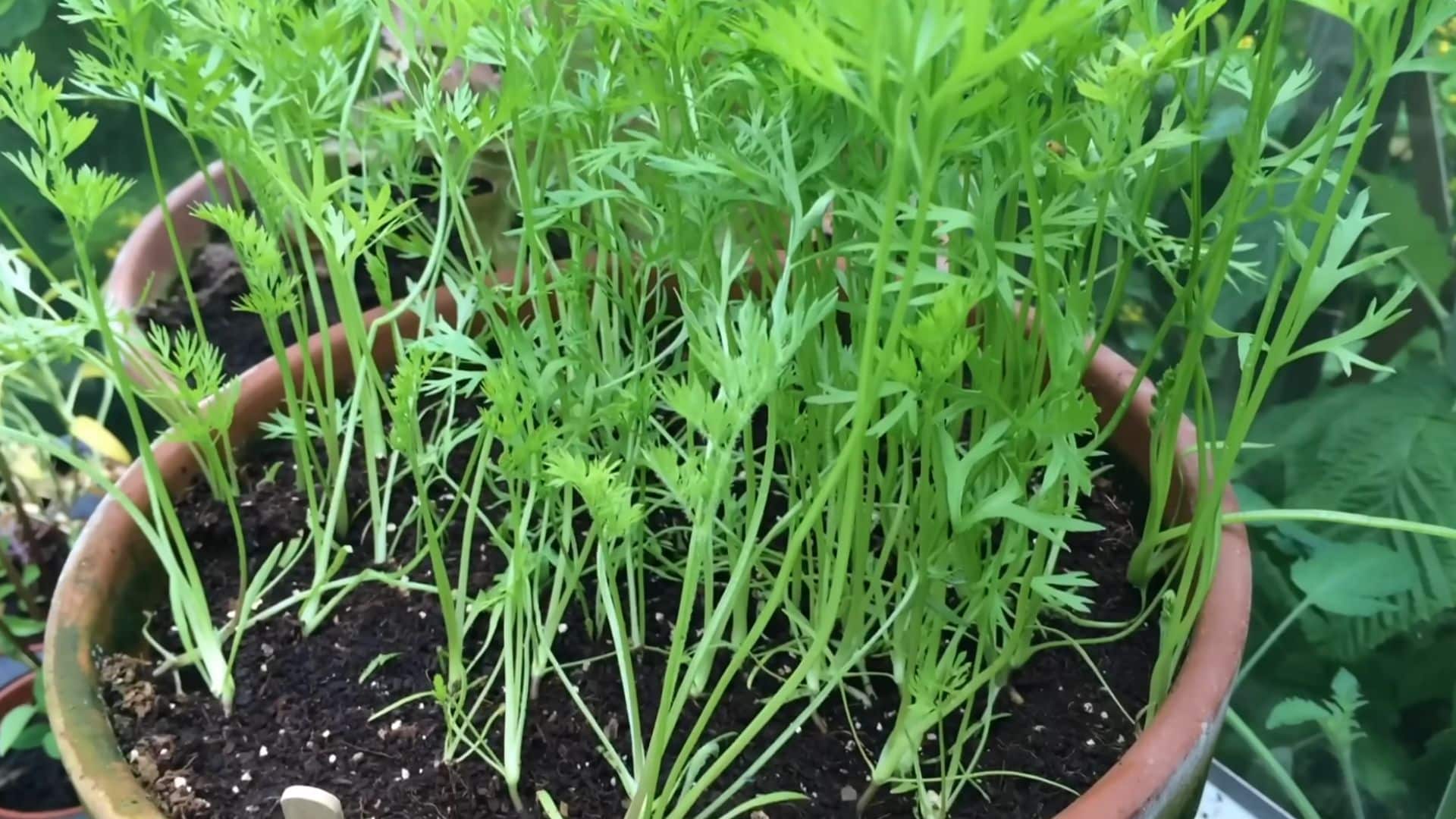
Starting a garden doesn’t have to be complicated, even if you have limited space or no prior experience. I’ve found that keeping things simple makes a big difference, especially in the beginning.
That’s where container vegetable gardening becomes a practical option.
You can grow fresh vegetables in small spaces like balconies, patios, or even near a sunny window without needing a full garden setup.
In this guide, I’ll walk you through clear, practical steps that work well for beginners. These are general methods you can follow without needing special tools or advanced skills.
You’ll also learn what to grow and how to care for your plants, so they grow well in containers.
By following these simple steps, you can start small, stay consistent, and build a container garden that fits your space and routine.
What Is Container Vegetable Gardening?
Container vegetable gardening is a simple and flexible way to grow fresh vegetables in pots, planters, or other containers, rather than in traditional garden beds.
It’s a great option for small spaces like balconies, patios, rooftops, or sunny windows. One of the biggest benefits is how easy it is to manage.
You have better control over soil quality, watering, and sunlight, which helps plants grow well.
It’s also beginner-friendly because you don’t need a lot of tools or experience to get started. You can begin with just a few containers and expand over time as you gain confidence.
This method makes growing your own vegetables simple, convenient, and enjoyable for anyone.
Why Start Container Gardening at Home?
Container gardening makes it easy to grow fresh vegetables even in small spaces. It’s affordable, simple to manage, and perfect for beginners who want better control over plant care.
- Perfect for Small Spaces: You don’t need a backyard. Small areas like windowsills or corners can grow herbs, lettuce, or peppers without taking up much room.
- Great for Balcony Living: Balconies can turn into mini gardens. Place pots along edges or walls to grow tomatoes, chilies, or greens with enough sunlight.
- Low-Cost to Begin: Start with basic supplies. You can reuse old buckets, tins, or containers instead of buying expensive pots, keeping costs very low.
- Better Control Over Soil: You choose the soil mix, which helps plants grow healthier and avoids problems caused by poor or dry soil.
- Easier Pest Management: Fewer pests compared to ground gardens. You can quickly spot issues and move containers away from affected areas when needed.
- Flexible and Easy to Move: Containers can be shifted easily. Move plants to sunny spots or protect them from rain, wind, or extreme heat when required.
How to Start Container Gardening?
Starting container vegetable gardening may feel overwhelming at first, but breaking it into simple steps makes it easy. Follow this clear process to set up a healthy and productive container garden.
Step 1: Choose the Right Container
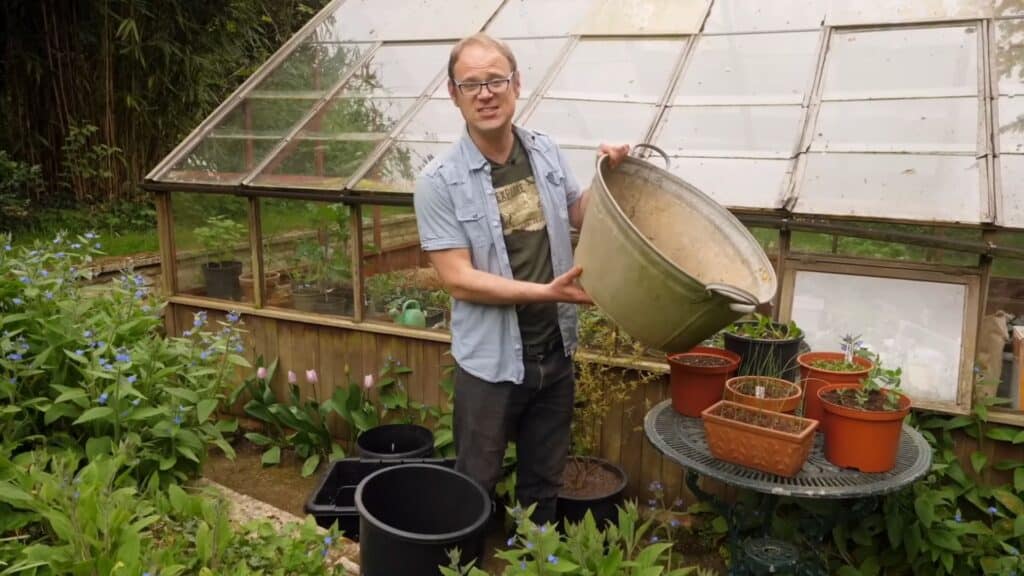
Pick a container that matches the size and depth your plants need to grow properly.
Larger vegetables like tomatoes or squash require deep, wide containers, while herbs or onions can grow in shallow ones.
Always check that the container has proper drainage holes at the bottom so excess water can escape easily.
You can use plastic pots, clay containers, grow bags, or even recycled buckets, as long as they are clean and safe for growing food.
Choosing the right container at the start helps prevent root problems later.
Step 2: Select a Good Potting Mix
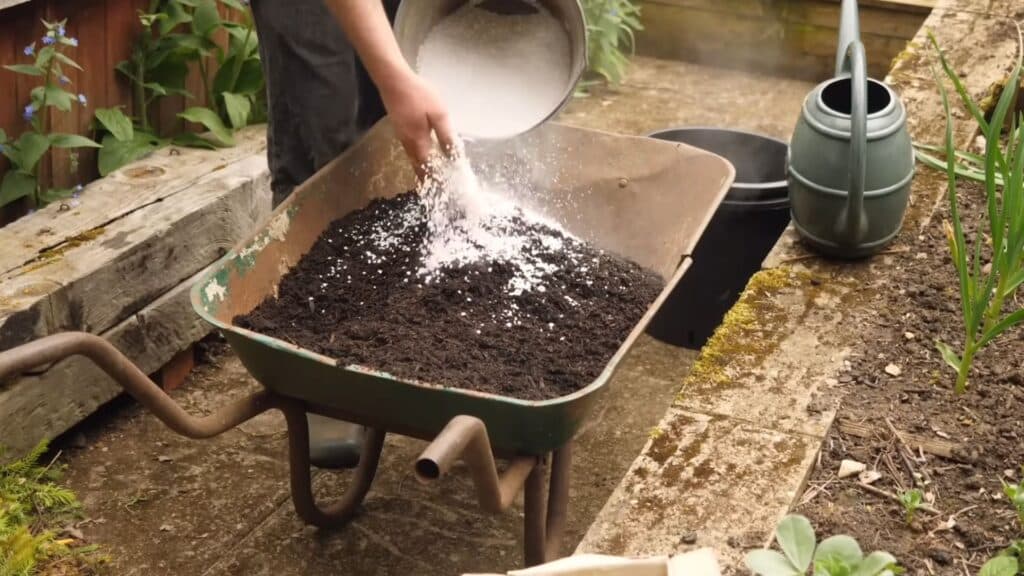
The soil you use plays a major role in plant health, so always go for a good-quality potting mix instead of regular garden soil.
A balanced mix should hold moisture while still allowing water to drain easily.
You can create your own by combining compost for nutrients, coir or bark for structure, and perlite to keep the mix light and airy.
This ensures roots get enough oxygen and do not become waterlogged.
Healthy soil supports steady growth and helps your vegetables produce better results over time.
Step 3: Prepare and Fill Your Containers
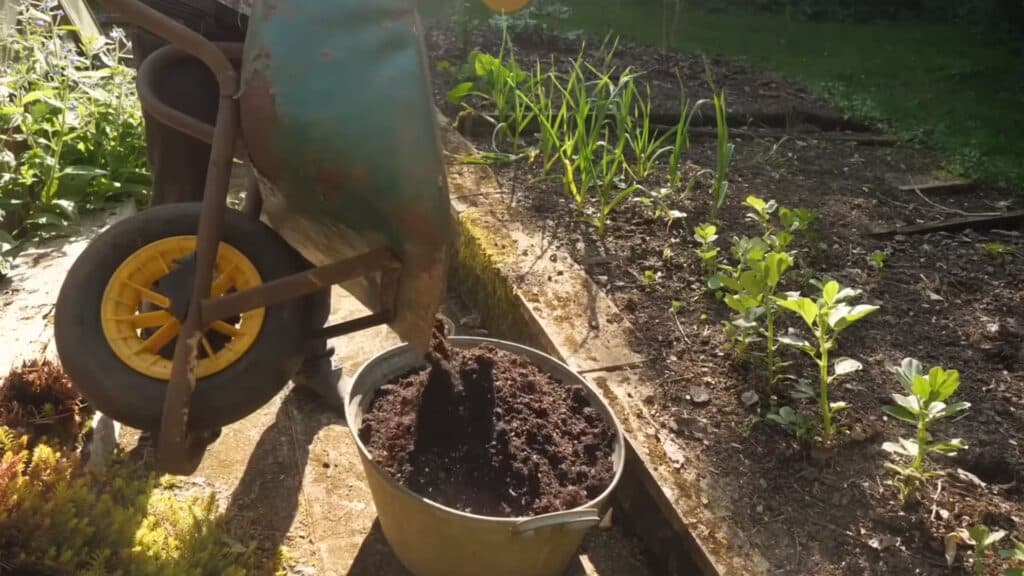
Once your soil is ready, fill your container properly without overpacking it.
Avoid adding stones or broken pieces at the bottom, as they do not improve drainage as commonly believed.
Instead, slightly raise your containers using small supports or pot feet so water can drain freely. Fill the container with your soil mix, leaving a little space at the top to make watering easier.
Proper preparation ensures that water flows well and roots have enough space to grow without restriction.
Step 4: Plant Your Vegetables Properly
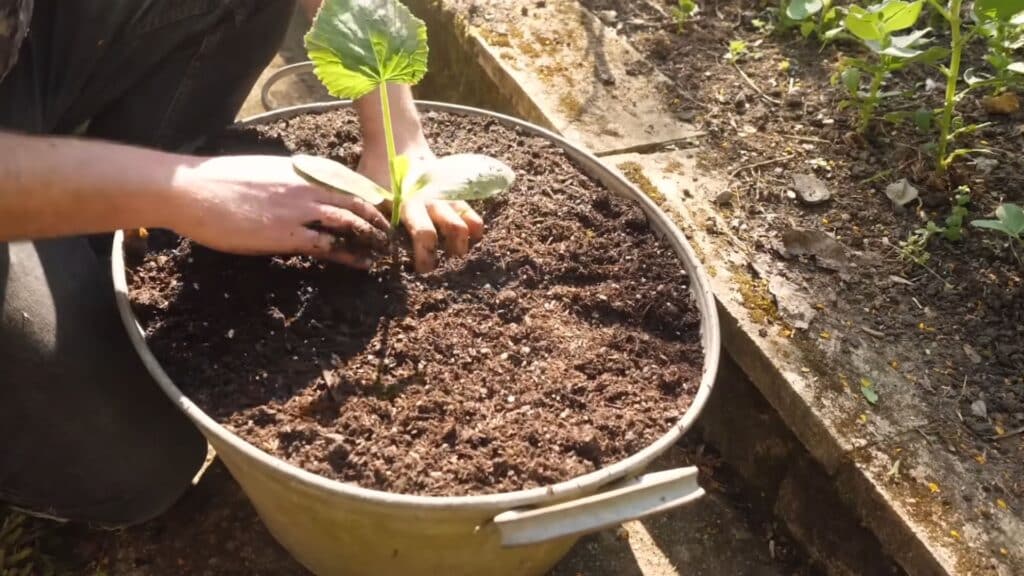
Carefully place your plants into the container based on how much space each one needs.
Leafy greens and root vegetables can grow closer together, while larger plants need more room to spread out.
You can either transplant young seedlings or sow seeds directly into the soil. Gently press the soil around the roots to secure the plant without compacting it too much.
Proper planting helps roots settle quickly and allows the plant to grow strong from the beginning.
Step 5: Add Support for Growing Plants
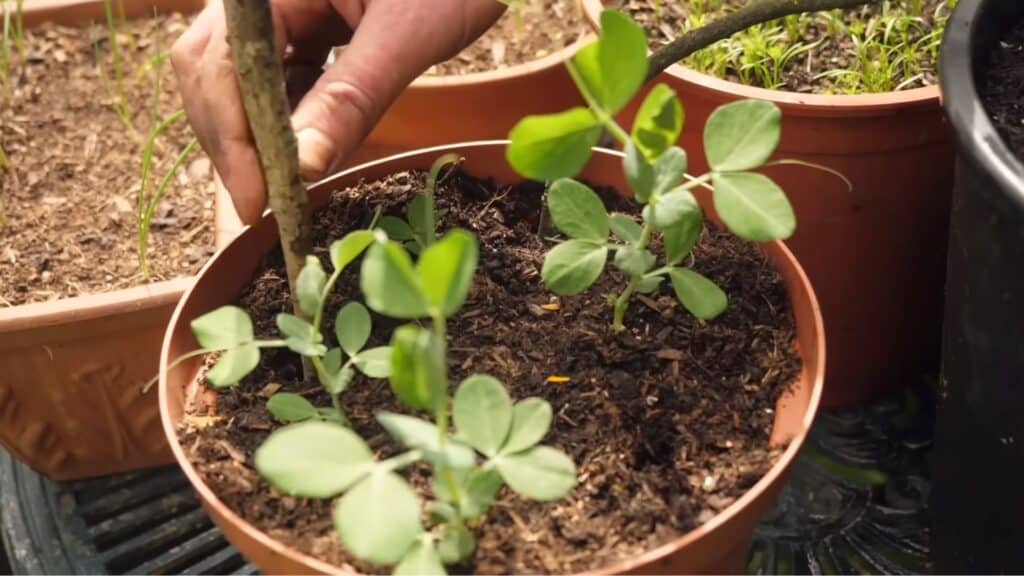
Some vegetables need support as they grow taller or start producing fruit.
Plants like tomatoes, beans, and peas benefit from stakes, cages, or small trellises. Adding support early helps guide the plant’s growth and prevents stems from bending or breaking later.
It also improves air circulation and makes harvesting easier.
Setting up support at the right time keeps your plants upright and healthy throughout the growing period.
Step 6: Water the Right Way
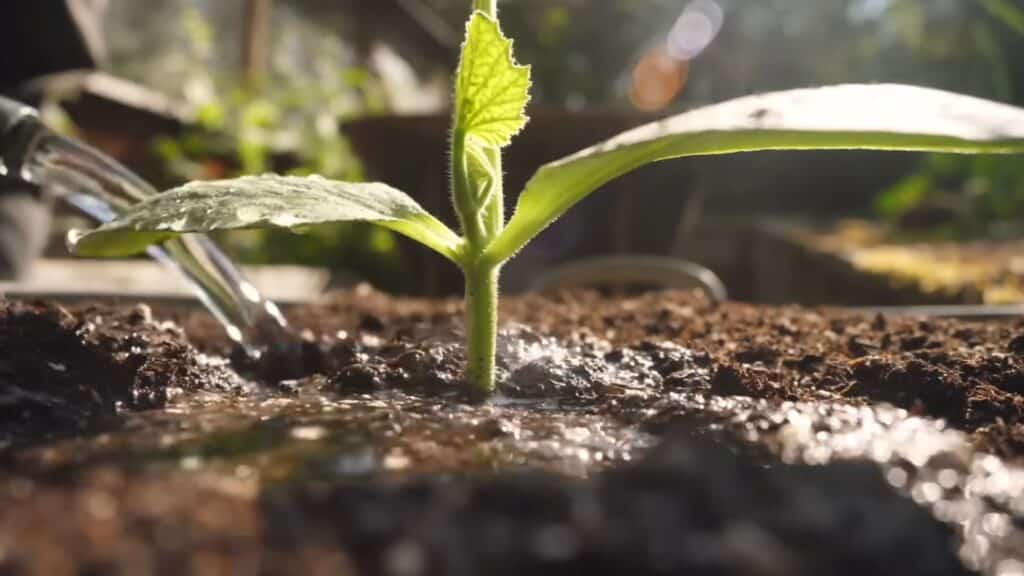
Watering is one of the most important parts of container gardening, but it needs to be done carefully and consistently.
Check moisture levels by touching the soil about an inch deep or lifting the container to feel its weight.
If the soil feels dry or the pot feels light, it’s time to water.
During hot or windy weather, plants may need watering daily or even twice a day. Always water slowly so it reaches the roots properly.
Avoid overwatering, as it can cause root rot and weak growth. Balanced watering keeps plants healthy and productive.
Step 7: Feed Plants for Better Growth
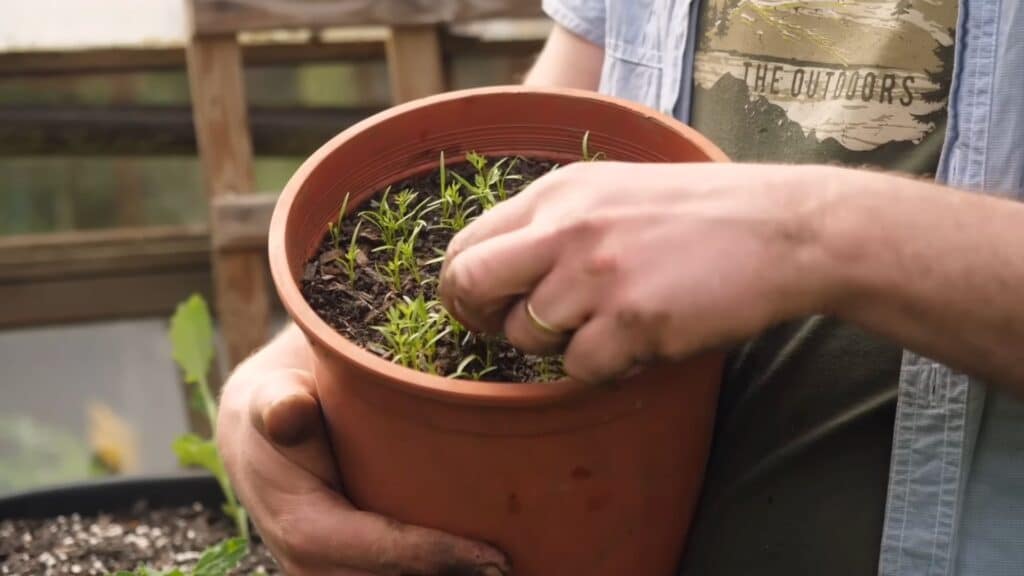
As your plants grow, they will gradually use up the nutrients available in the soil, especially in containers where space is limited.
To keep them healthy and productive, it’s important to add fertilizer regularly.
A liquid feed can be applied every two weeks for steady growth. Fruiting plants like tomatoes and strawberries need extra potassium once they start flowering and producing fruit.
Always follow the recommended amount to avoid overfeeding.
Give plants the right nutrients on time to help them grow strong and produce more.
Step 8: Monitor and Maintain Your Garden
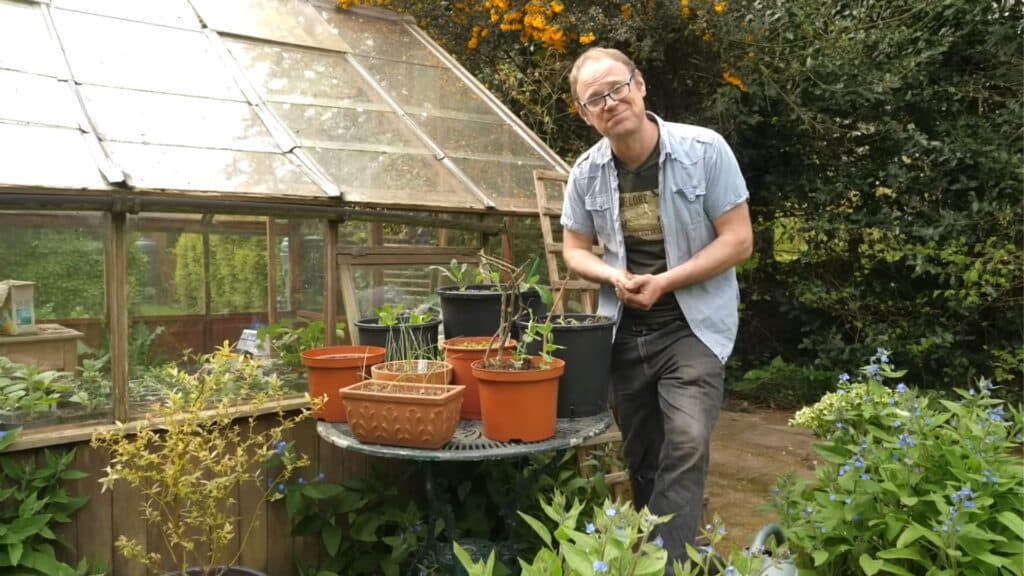
Regular care is key to keeping your container garden productive. Check your plants often for signs of pests, dryness, or poor growth.
Remove damaged leaves, adjust supports if needed, and move containers to get better sunlight. Small actions like these can make a big difference in plant health.
Maintaining consistency ensures your plants continue to grow well and give you a steady harvest over time.
This tutorial is based on a helpful video by GrowVeg. You can check out the original video on their YouTube channel here or watch it below.
What Are the Easiest Vegetables for Beginners?
Many beginner gardeners are surprised to learn that some vegetables grow faster in containers than in the ground. With the right care, you can harvest fresh produce in just a few weeks.
- Lettuce: Grows fast and can be harvested multiple times
- Spinach: Low maintenance and great for cooler weather
- Radishes: Ready to harvest in just a few weeks
- Green onions: Can regrow easily from kitchen scraps
- Tomatoes: Highly productive and beginner-friendly
- Basil: Quick-growing herb that thrives in containers
- Mint: Very hardy and easy to maintain
- Carrots: Grow well in deep containers with loose soil
- Beans: Fast-growing and need minimal care
Common Mistakes Beginners Should Avoid
Many beginners face simple mistakes that can slow plant growth or damage their container garden. Knowing these common issues early helps you avoid problems and grow healthier vegetables.
| Mistake | What Happens | How to Fix It |
|---|---|---|
| Overwatering | Roots may rot, and plants can die | Water only when the soil feels dry |
| Wrong Pot Size | Plants may not grow properly | Choose pot size based on plant type |
| Poor Drainage | Water collects and damages roots | Use pots with drainage holes |
| Too Much Fertilizer | Can burn roots and harm plant growth | Follow recommended feeding amounts |
Conclusion
Container gardening is one of the easiest ways I’ve found to start growing vegetables without needing a big space or complicated setup.
Once you understand the basics, choosing the right container, using good soil, watering properly, and feeding your plants, you’re already on the right track. What really helps is starting small and learning as you go.
Even a few pots can give you fresh herbs or vegetables, and that’s a great feeling.
Mistakes may happen, but they’re part of the process and help you improve over time. Follow these steps to build a simple, productive container garden that fits your space.
Now it’s your turn, pick a few plants, set up your containers, and start growing your own vegetables today.