

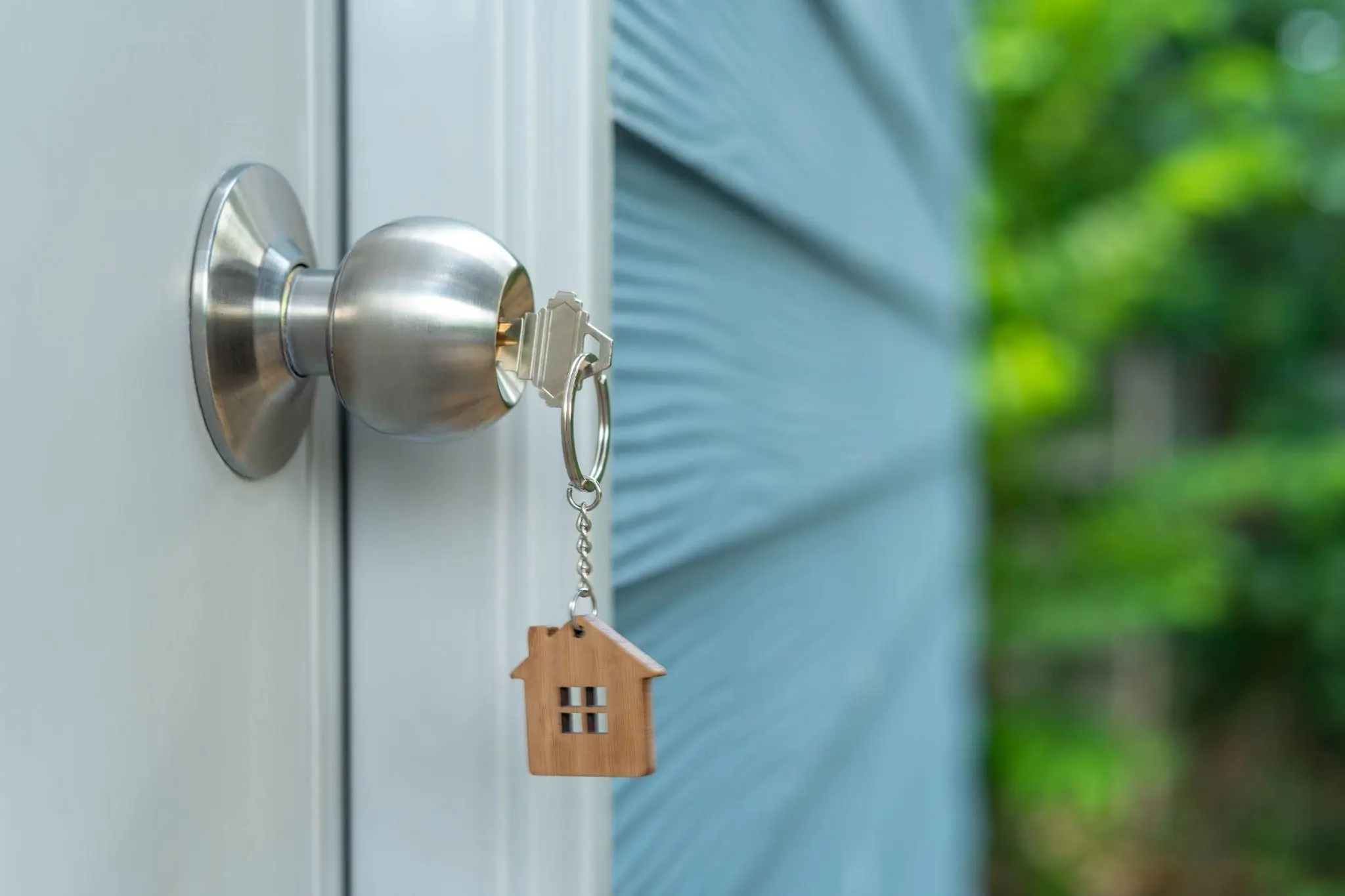
Many homeowners think about home security in big-picture terms. Alarm systems, cameras, smart doorbells, and so on. But the most-used entry points in your home could still be a door with a knob on it, and what’s behind that knob matters more than most people realize.
Knob locksets have been a staple of American homes for decades, and for good reason. They’re familiar, easy to operate, and when you pick the right one, they do a solid job of keeping your home secure and your household running smoothly.
Understanding What You’re Actually Buying
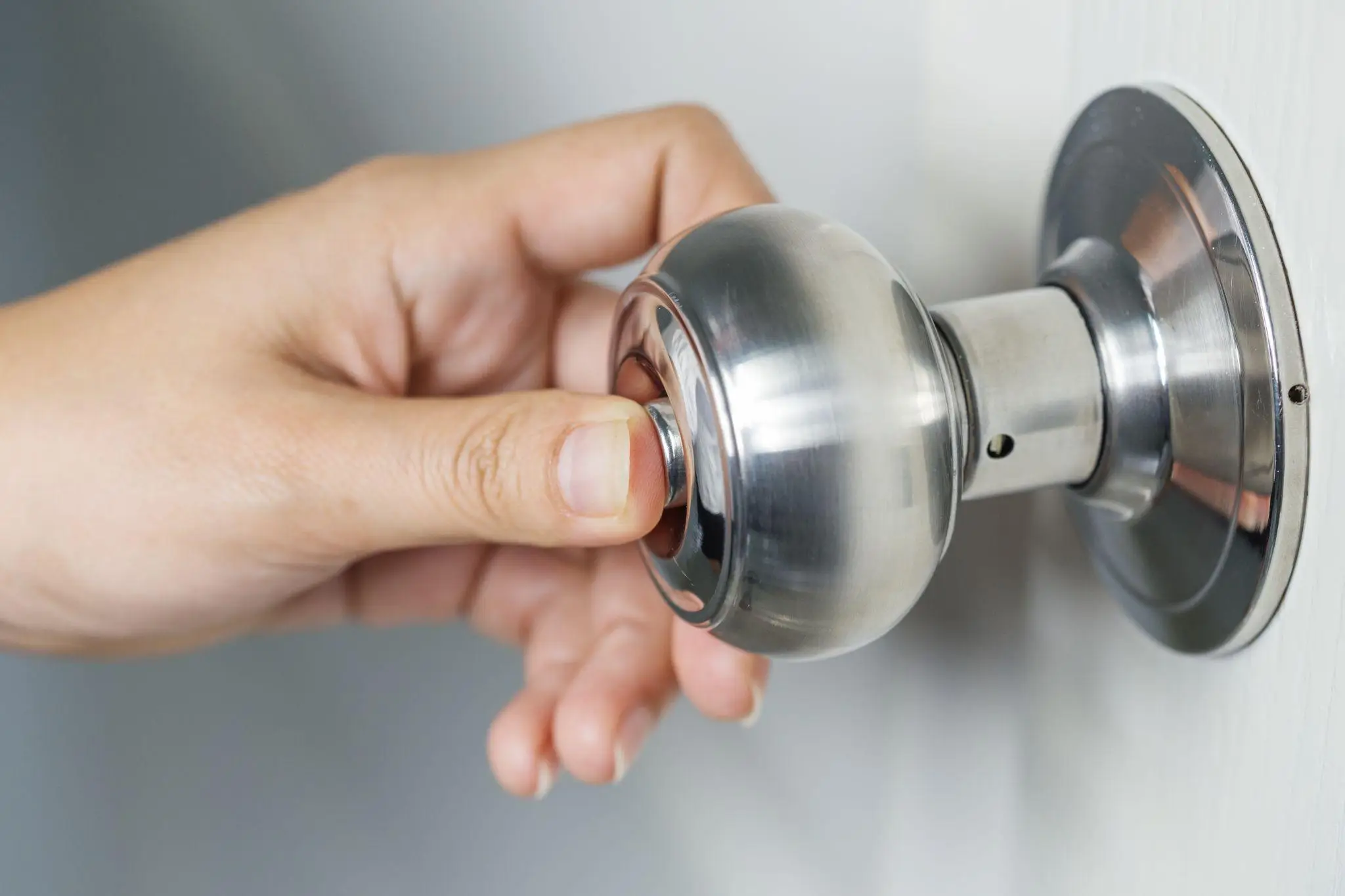
Not all knob locksets are the same, and the differences aren’t just cosmetic. The function of the lock determines where it belongs in your home.
A keyed entry lockset locks from the outside with a key and uses a turn-button or thumb-turn from the inside. This is typically used on exterior doors alongside a deadbolt or on doors where keyed access is needed. For example, a garage entry door, a basement door, or a side entrance.
A privacy lockset, on the other hand, locks from the inside and has an emergency release on the outside. Bedrooms and bathrooms are the obvious spots.
Then there are passage locksets, which turn freely without locking, perfect for hallways and closets where you just need the latch to hold the door closed.
Getting these functions right for each door in your home is actually a bigger security decision than most people treat it.
ANSI Grades
You’ll see ANSI/BHMA Grade ratings on most locksets. Grade 1, 2, or 3. Grade 1 is the toughest, typically used in commercial settings. Grade 2 is widely considered the residential sweet spot. It’s built to withstand the kind of daily use a busy household puts on a door while providing solid security performance.
Where Knob Locksets Fit in a Modern Security Setup
There’s a persistent myth that knob locks are inherently weak because the knob itself can theoretically be broken off. That’s partly true for old, low-grade hardware. But a properly installed Grade 2 keyed entry knob on an exterior door, paired with a deadbolt on your exterior entry, is a setup that security professionals have recommended for years.
The knob handles latching and quick locking. In addition, the deadbolt provides a reinforced bolt that resists forced entry. Use them together, and you have convenience and security without overcomplicating anything.
The Right Lock for Each Door
For your front door and exterior entries, a keyed entry knob paired with a single-cylinder deadbolt is the standard.
For interior doors where privacy matters, including a home office, a master bedroom, etc., a privacy lockset handles the job well. For bedrooms shared with kids or guest rooms, you want the emergency-release function that privacy locks include, so no one gets accidentally locked in.
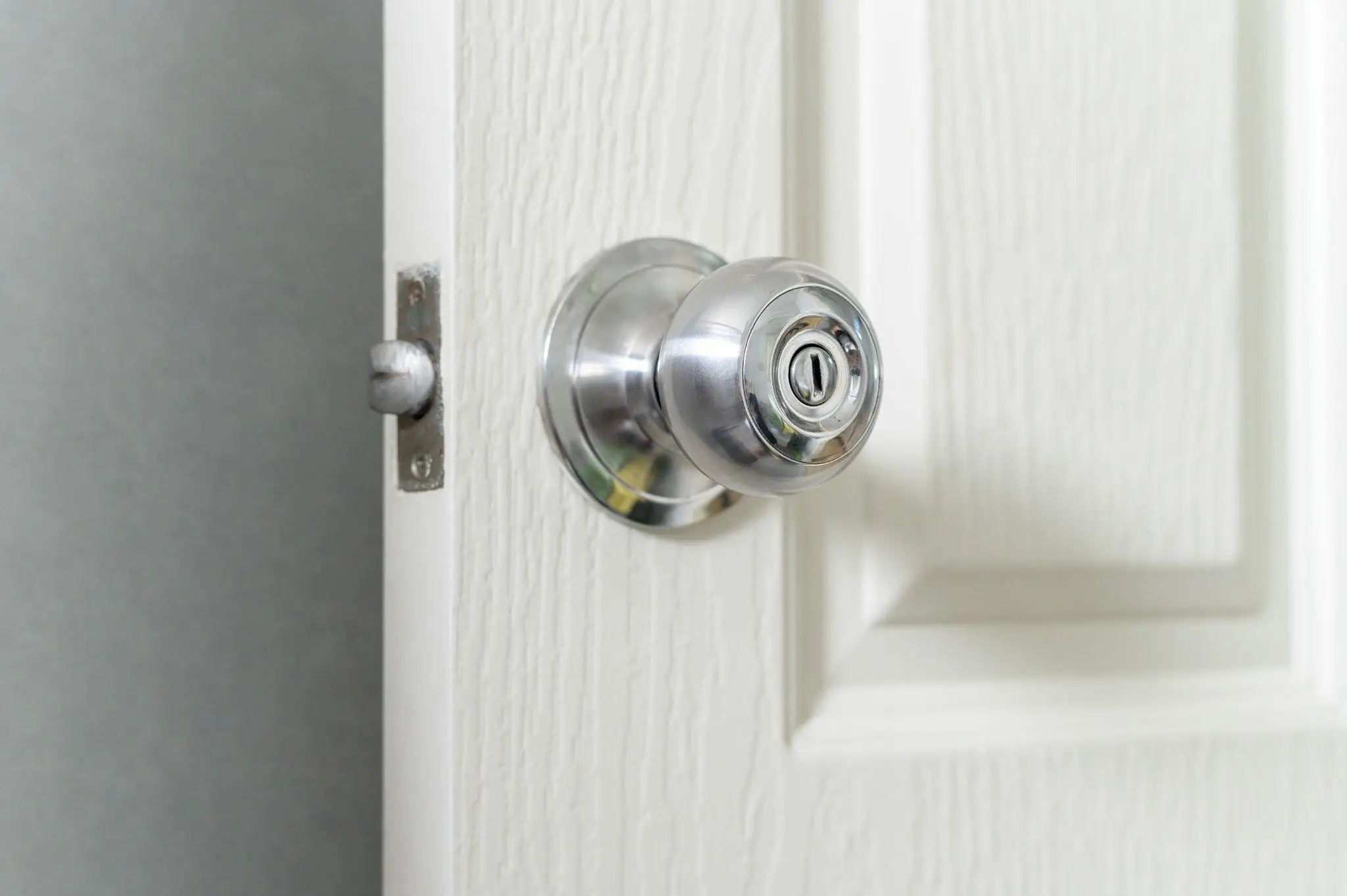
The Kwikset Pismo Keyed Entry Knob is great for entry doors. The SmartKey cylinder lets you rekey the lock yourself in about 15 seconds without a locksmith. It is genuinely useful if you move into a home, lose a key, or want to change who has access without replacing the whole lockset.
For a more traditional look that doesn’t sacrifice security, the Schlage F51A Plymouth Keyed Entry Knob is a strong pick. It’s grade 2 certified and uses the Schlage C keyway (one of the most widely compatible in the US).
Also, the Schlage FC21 Bowery Combined Passage-Privacy Knob is a smart solution for interior doors that require privacy.
Finish and Matching Hardware
This is where a lot of homeowners get confused. You pick a great lock, but it doesn’t match the hinges or the door handles already installed. That mismatch can make a space feel unfinished.
Spend some time before ordering knob locksets to take stock of the finishes already in your space. These could be satin nickel, matte black, antique brass, polished chrome, etc. Just try to stay consistent throughout a room or hallway.
Installation
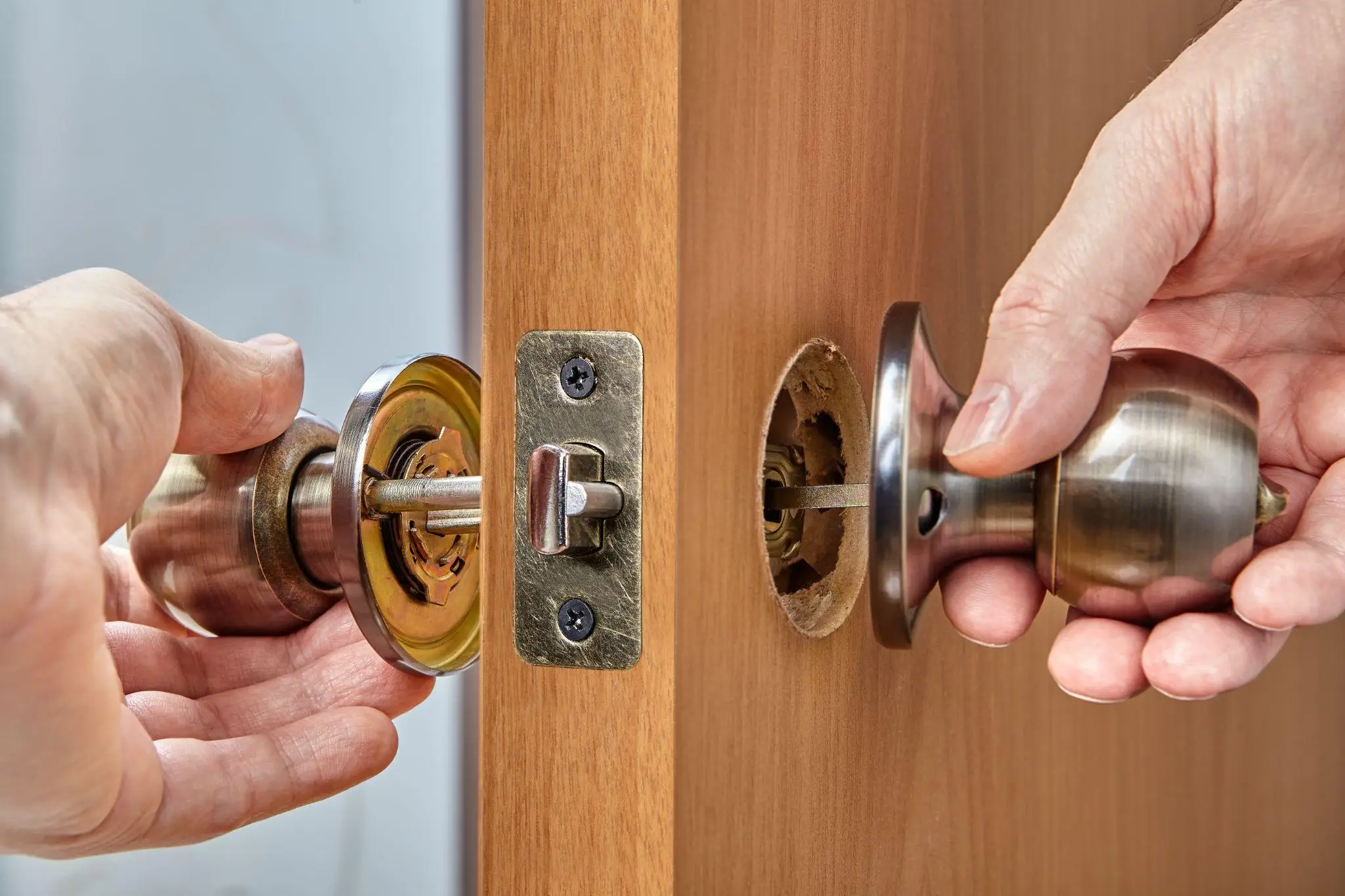
Most residential knob locksets are DIY-friendly. Standard U.S. door prep uses a 2-1/8″ face bore and either a 2-3/8″ or 2-3/4″ backset. Many locksets include an adjustable latch that fits both backsets, so precise measurement usually isn’t necessary before ordering.
Most installations only require a screwdriver if the door already has standard prep. If you’re replacing an existing knob, the process is even faster.
Final Words
Home security doesn’t have to be complicated or expensive to be effective. Getting the right knob locksets on the right doors and pairing them with a deadbolt on your main entry points covers the vast majority of what a well-secured home needs.