

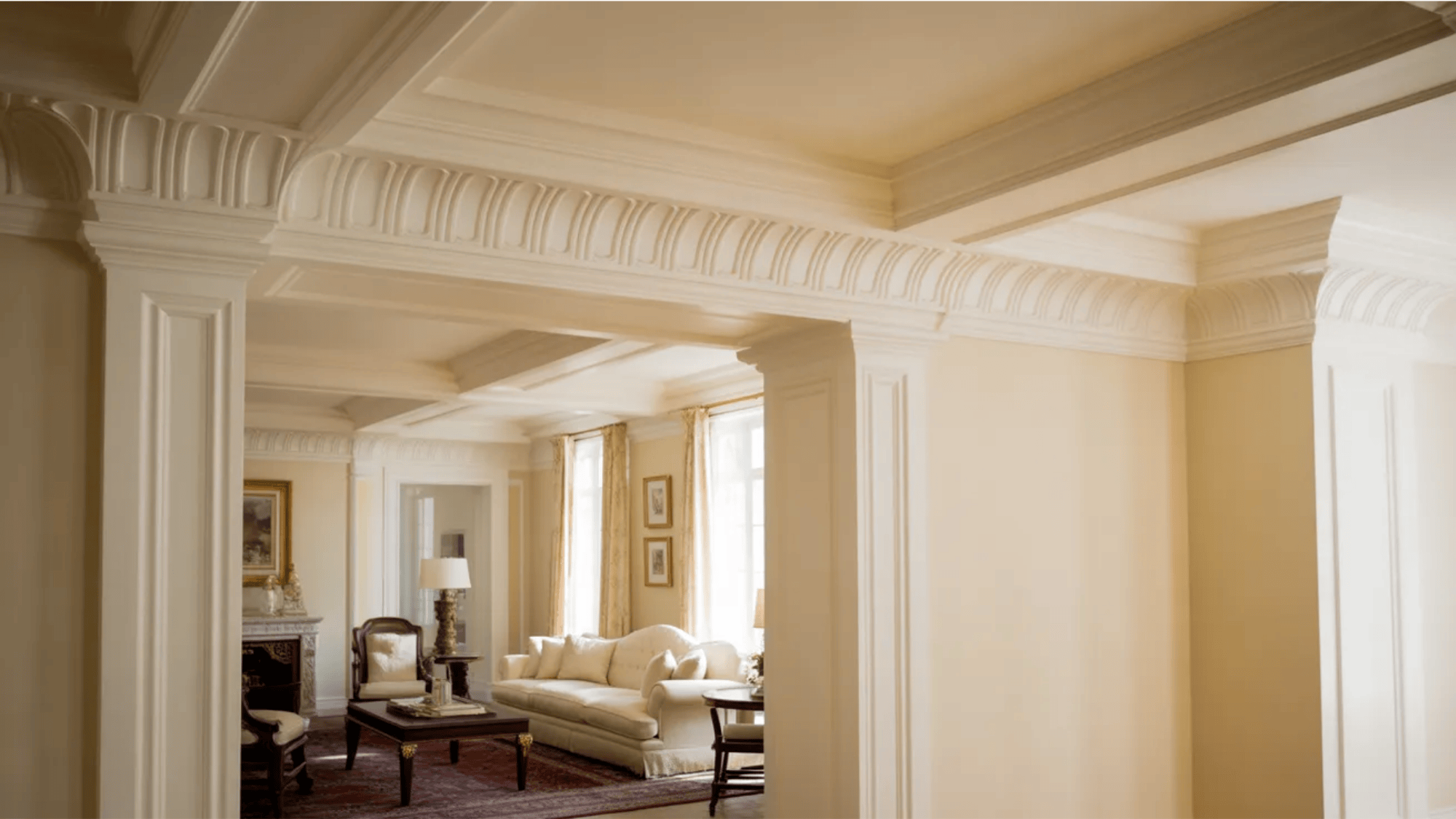
That plain gap where your wall meets the ceiling? It’s one of the most overlooked spots in any room. A little crown molding can transform the space, giving it a more refined, polished look.
I’ve seen it change a basic living room from forgettable to finished in a single afternoon, instantly making the space polished and classy with just a few simple design touches.
Even if your home is modern or more traditional, the right molding pulls everything together in a way that paint alone never can, adding a touch of sleekness and style.
Crown molding is a decorative trim installed at the joint where walls and ceilings meet. It adds structure, covers rough edges, and gives a room a more complete, polished feel.
In this blog, you’ll learn what crown molding is, the types available, how to choose the right one, and what installation entails. By the end, you’ll know exactly where to start.
What is Crown Molding?
Crown molding is a strip of trim that runs along the top of your walls, right where they meet the ceiling, adding visual interest and vibe.
It sits at an angle, bridging the gap between the two surfaces and giving the room a clean, polished, sleek finish that enhances the overall design.
It comes in all kinds of shapes, sizes, and materials. Wood, foam, MDF, there are options for every budget and every room.
The name ‘crown’ comes from the fact that it sits at the highest point of a room, like a crown on a wall, adding elegance and style.
It’s a small detail most people don’t notice right away, but they feel the difference. Rooms without it can look unfinished, while rooms with it feel more put together.
Purpose of Crown Molding in Home Design
Crown molding enhances a room’s visual appeal, adds elegance, and hides imperfections where the walls meet the ceiling.
- Aesthetic Appeal: Crown molding adds a polished, finished look to any room, drawing the eye upward and giving walls a clean, structured edge at the top.
- Historical Significance: Crown molding has been used in architecture for centuries, from ancient Greek and Roman buildings to modern homes, symbolizing quality craftsmanship.
- Functional Role: It covers gaps, cracks, and uneven lines where walls and ceilings meet, fixing minor flaws and enhancing the overall aesthetic without any major repair work.
- Adds Character to Any Room: Crown molding adds personality to a room. A thick, detailed profile works well in formal spaces, while a simple, flat design fits modern and casual rooms.
- Increases Perceived Home Value: Homes with crown molding tend to feel more complete and well-maintained to buyers, making it a small upgrade that can leave a strong first impression.
Types of Crown Molding
Explore various crown molding styles, from traditional, intricate profiles to sleek, modern designs, to suit your home’s unique look.
1. Traditional Crown Molding
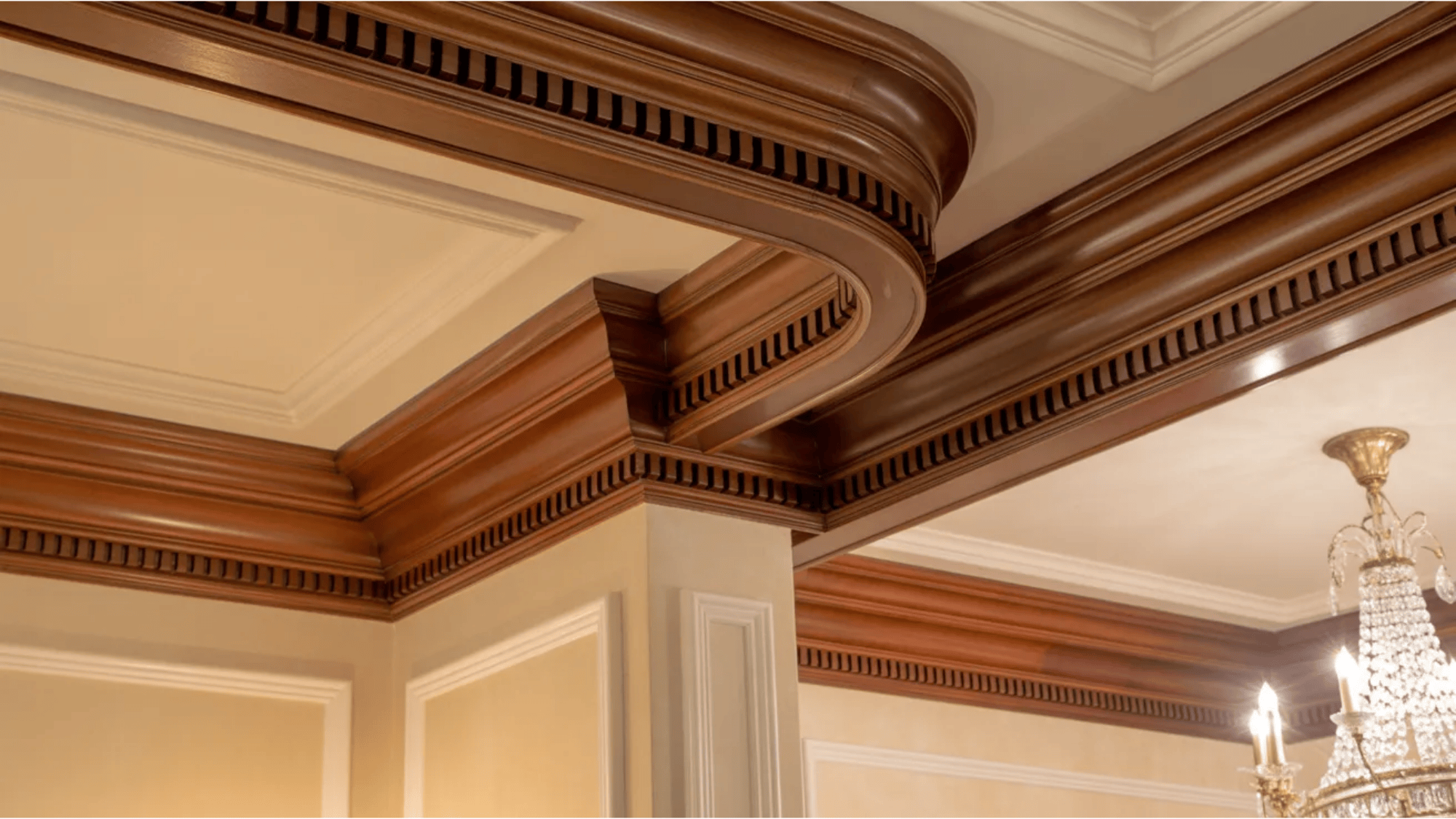
Traditional crown molding features detailed profiles with curves, layers, and decorative edges. It is a popular choice for formal spaces and older homes where rich detail matters.
Solid wood and plaster are the go-to materials, both holding fine detail exceptionally well. They allow clean, detailed designs that enhance the overall look.
MDF is a more affordable option with a smooth surface that is easy to paint. A friend used it in his home, and after painting, it looked just like real wood.
Best For:
- Formal Living Rooms
- Dining Rooms
- Classic Homes
2. Contemporary Crown Molding
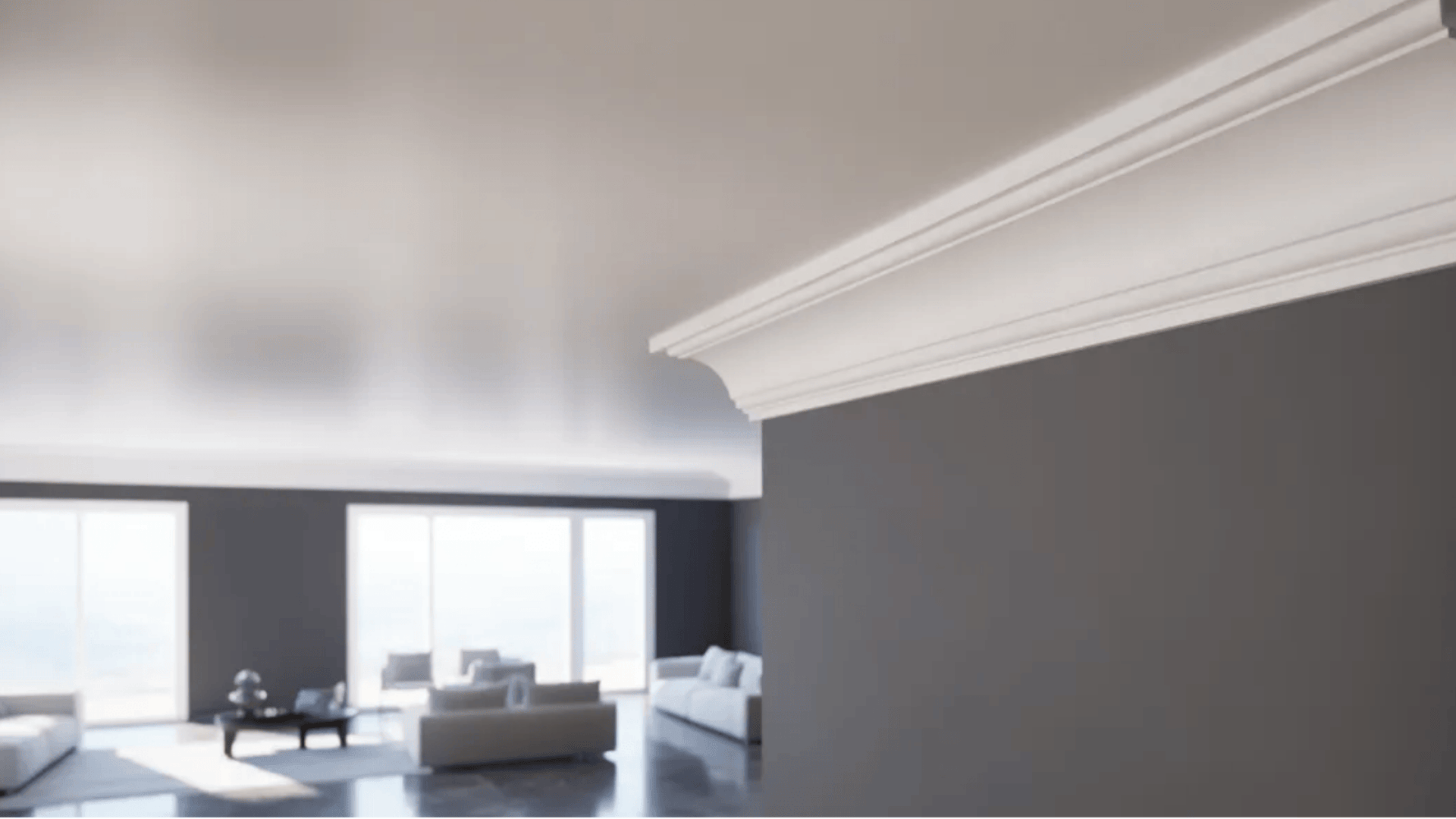
Contemporary crown molding keeps things simple. Clean lines, flat profiles, and minimal detail define this style, making it a natural fit for modern interiors.
It doesn’t compete with the room; it just completes it beautifully and naturally. MDF and medium-density polyurethane are the most popular material choices today.
They are easy to paint, hold their shape well over time, and match the clean look modern homes need. I used them in my own living room, and they fit the style perfectly.
Best For:
- Modern Homes
- Minimalist Interiors
- Open-Plan Spaces
3. Custom Crown Molding
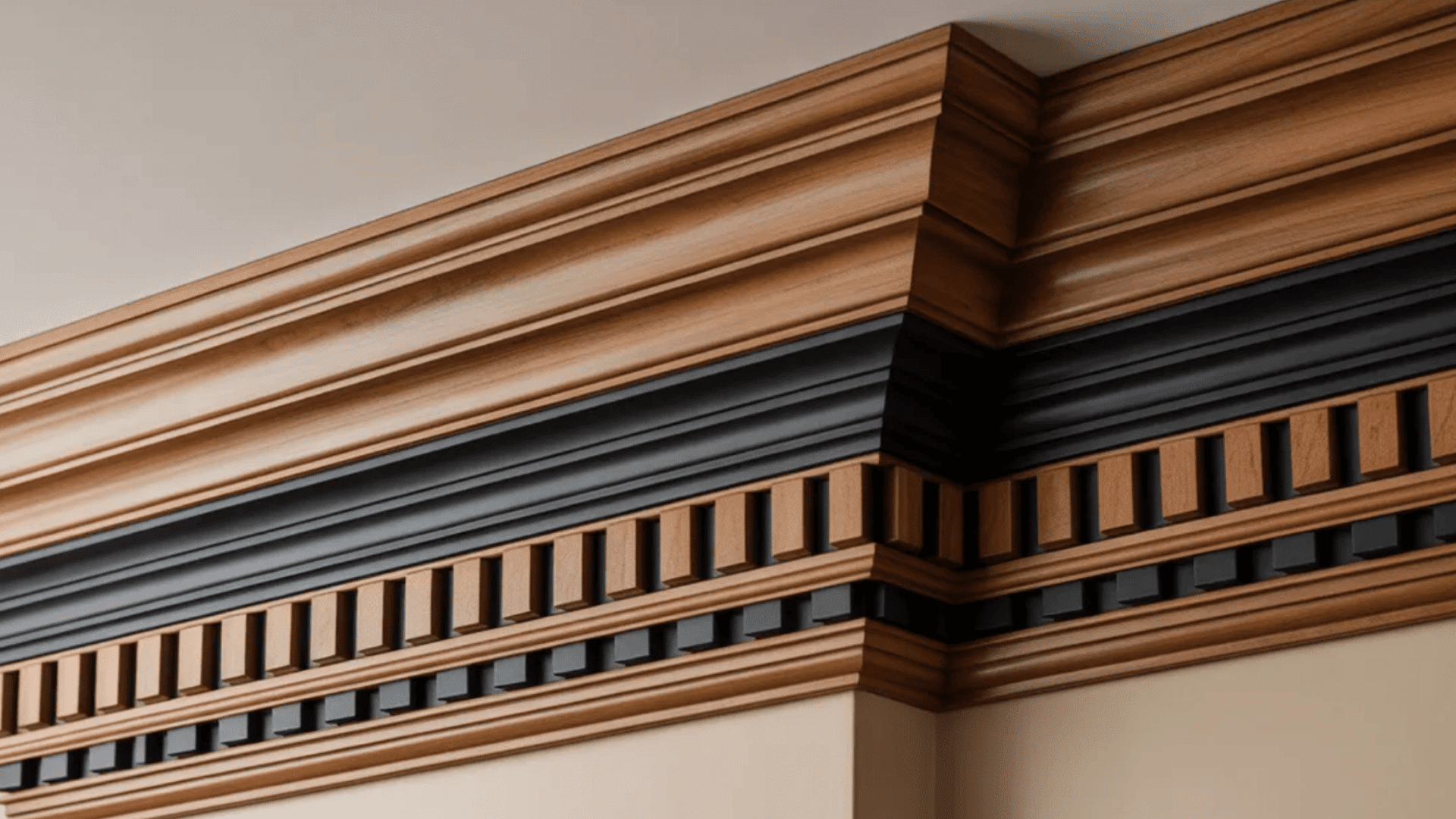
Custom crown molding lets homeowners go beyond standard profiles and reflect their personal style. You can choose your own dimensions, patterns, and materials to match your vision.
Options include intricate hand-carvings, layered builds with multiple profiles stacked together, or mixed materials combining wood and metal accents for added visual interest.
It is the best route when you want something that feels truly built for your space, rather than something pulled straight off a store shelf.
Best For:
- Luxury Homes
- Unique Spaces
- High-End Renovations
4. Flexible Crown Molding
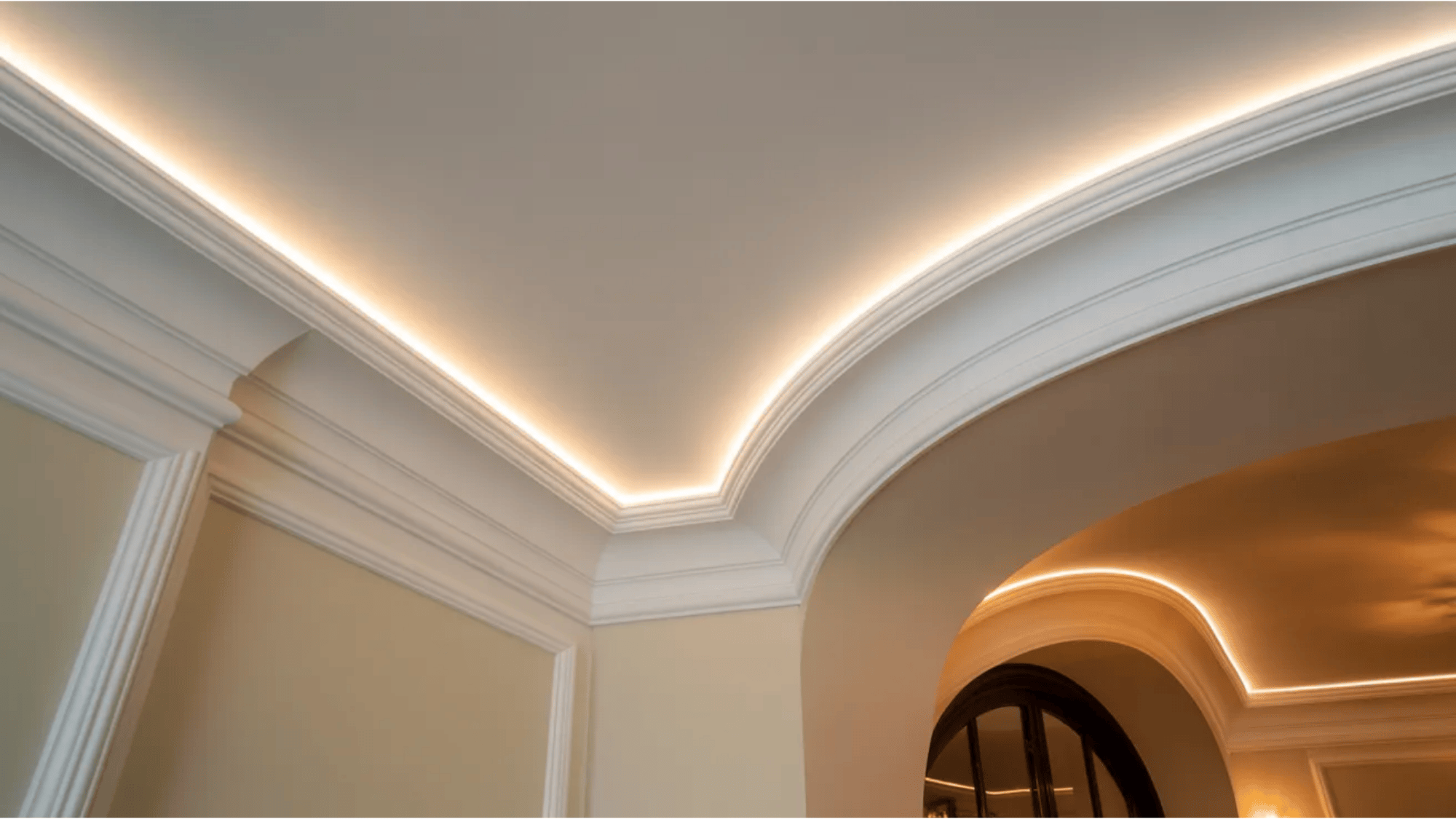
Flexible crown molding is made from bendable materials like PVC or rubber compounds. It is perfect for curved walls, arched ceilings, and rounded corners where rigid trim simply won’t fit.
Installation takes a bit more patience, but the result looks just as clean and finished as standard molding when done carefully by skilled installers.
It is a practical solution for rooms with non-standard architecture that would otherwise be difficult to trim effectively and neatly without custom adjustments.
Best For:
- Curved Walls
- Arched Ceilings
- Rounded Corners
5. Foam Crown Molding
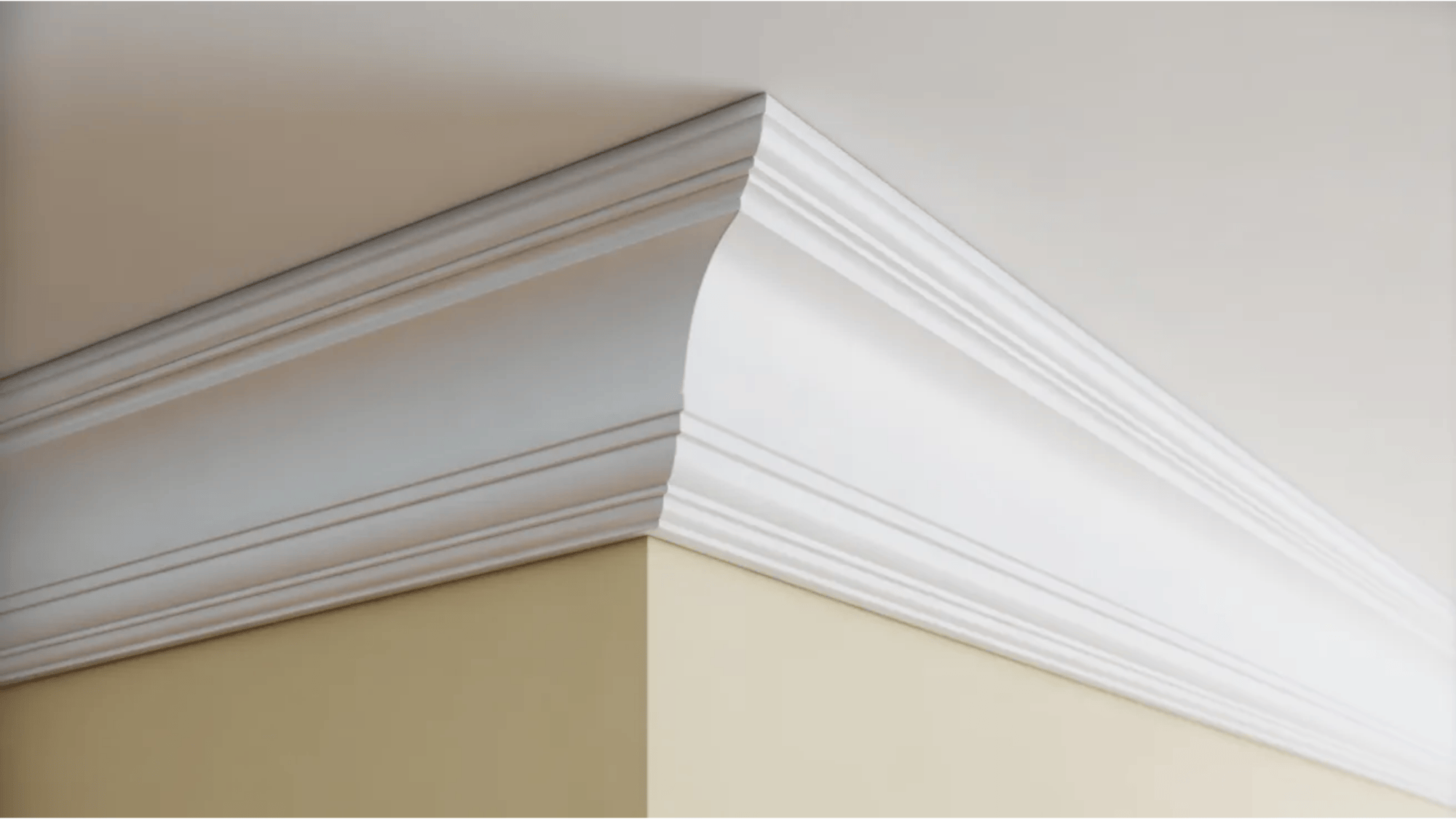
Foam crown molding is lightweight, affordable, and easy to install, making it perfect for DIY projects. Made from polyurethane or polystyrene foam, it comes pre-primed and ready to paint easily.
It won’t warp or crack with humidity changes the way wood sometimes can in damp or shifting environments over long periods indoors.
For budget-conscious homeowners who want a clean ceiling line, foam molding is a practical choice. I used it in a room in my home, and it gave the ceiling a neat, finished look.
Best For:
- DIY Projects
- Budget Renovations
- Humid Climates
6. Plaster Crown Molding
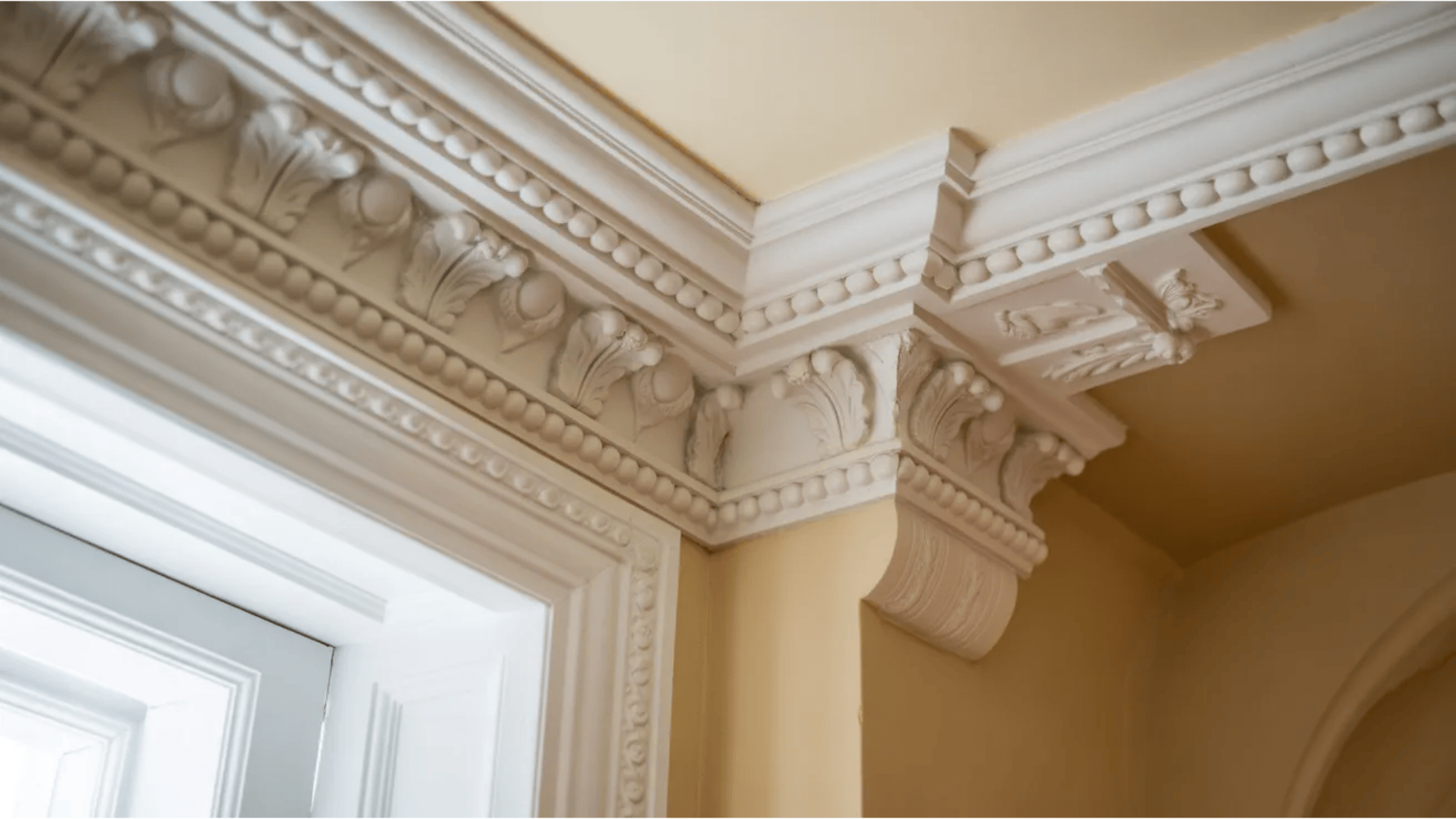
Plaster crown molding is one of the oldest types still in use today. It is heavy, durable, and capable of holding very fine decorative detail that other materials simply can’t match.
You’ll find it most often in older homes, historic buildings, and high-end renovations where traditional craftsmanship matters and timeless character is highly valued.
Installation is best left to professionals, given the weight and skill involved, but the finished result has a depth that’s hard to replicate with modern materials.
Best For:
- Historic Homes
- High-End Renovations
- Period Restorations
Choosing the Right Crown Molding for Your Home
Consider your room’s style, ceiling height, and existing décor to select the perfect crown molding that complements your space.
- Decorative Appeal: Crown molding adds a polished, finished look to any room, drawing the eye upward and giving walls a clean, structured edge at the top.
- Historical Significance: Crown molding has been used in architecture for centuries, from ancient Greek and Roman buildings to modern homes, symbolizing quality craftsmanship.
- Functional Role: It covers gaps, cracks, and uneven lines where walls and ceilings meet, fixing minor flaws and enhancing the overall aesthetic without any major repair work.
- Adds Character to Any Room: Crown molding adds personality to a room. A thick, detailed profile works well in formal spaces, while a simple, flat design fits modern and casual rooms.
- Increases Perceived Home Value: Homes with crown molding tend to feel more complete and well-maintained to buyers, making it a small upgrade that can leave a strong first impression.
Installation Tips
Measure accurately and make precise cuts for a seamless fit. Use a miter saw for clean angles and a level to ensure a straight, professional finish.
1. DIY vs Professional Installation
Simple, lightweight profiles like foam and MDF are manageable for confident DIYers, offering an affordable and easy-to-install option for most home projects.
But complex or heavy materials like wood and plaster are best left to a professional, as they require advanced tools and expertise for a precise, long-lasting finish.
One wrong cut or uneven line can affect the entire room, so knowing your limits before you start saves both time, money, and frustration in the long run.
2. Tools and Materials Needed for DIY Installation
You’ll need a miter saw for clean angle cuts, a level to keep everything straight, and construction adhesive to secure the molding in place, ensuring precision throughout the installation process.
Finishing nails, a nail gun, and caulk to fill gaps once everything is fixed are also essential for a secure, seamless installation that looks flawless and lasts longer.
Having the right tools before you start makes the whole process much smoother, saving you time and ensuring a professional, polished result with minimal effort.
3. Cost Factors
The final cost depends on several things: the material you choose, the size of the room, the complexity of the profile, and whether you hire a professional.
Foam and MDF are the most affordable options, while plaster and custom wood profiles are higher-end choices for more detailed finishes and timeless appeal.
Labor costs can quickly rise, especially in larger rooms with intricate molding that requires professional installation for a flawless, long-lasting result.
Benefits of Installing Crown Molding
Crown molding elevates a room’s aesthetic, adding elegance and sophistication while covering gaps and imperfections where walls meet the ceiling for a polished look.
| Benefit | Description |
|---|---|
| Increase Home Value | Crown molding adds elegance and sophistication, making a home more attractive to potential buyers and increasing its market value. It is often seen as a premium feature. |
| Long-Term Investment | When installed and maintained properly, crown molding can last for decades, making it a durable investment that won’t need frequent replacement. This ensures lasting value for homeowners. |
| Aesthetic Appeal | Crown molding elevates the visual appeal of a room, making it feel more finished and high-end, which is a major selling point for homebuyers. It enhances the overall design and flow of a space. |
| Customization Potential | Homeowners can select various styles, materials, and finishes to personalize their space, which can make the home stand out in the real estate market. Custom crown molding allows for a unique expression. |
| Protects Walls & Ceilings | It can help hide wall and ceiling imperfections, providing a cleaner look and preventing further damage from wear and tear in those areas. This adds to the longevity and integrity of the home’s structure. |
Wrapping Up
Crown molding is a simple yet effective way to boost your home’s value, adding a look, vibe, and sleekness that appeal to potential buyers.
Homes with crown molding often appear more refined, classy, and well-maintained, leaving a lasting, strong first impression that showcases quality and attention to detail.
This small upgrade can make a significant difference in the perceived value of a home, especially in competitive real estate markets where every detail matters.
Even if your home is traditional or modern, crown molding can improve the overall aesthetic, making it feel more complete, luxurious, and inviting to guests and buyers alike.
It’s a cost-effective way to invest in your home’s future, offering immediate visual benefits, increased appeal, enhanced style, improved ambiance, and long-term value.
Ready to change your space? Consider adding crown molding today and watch your home’s value rise!