

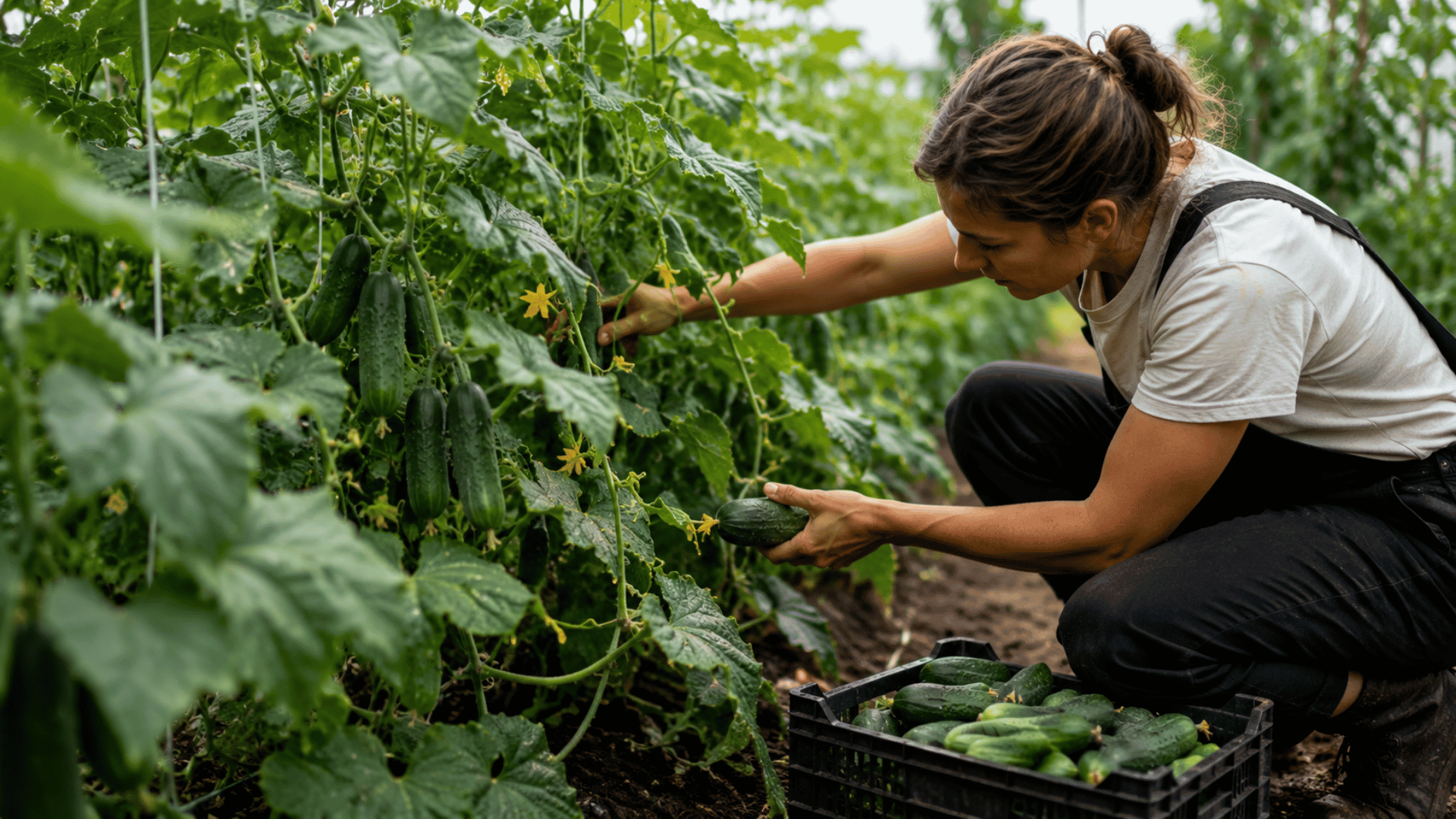
Grow your own cucumbers this summer to enjoy fresh vegetables at home. With the right care, they grow fast, produce plenty of fruit, and do not need complicated care to stay healthy.
I have been growing cucumbers for over a decade, and the single lesson that took me longest to learn was this: cucumbers reward consistency.
Consistent moisture, consistent warmth, consistent harvesting.
When one of those falls out of rhythm, the plant tells you quickly with yellowing leaves or bitter fruit.
The good news is that most of these problems are easy to fix with the right care. In this guide, you will know the best tips for growing healthy cucumber plants and getting bigger harvests at home.
About Cucumber Plant
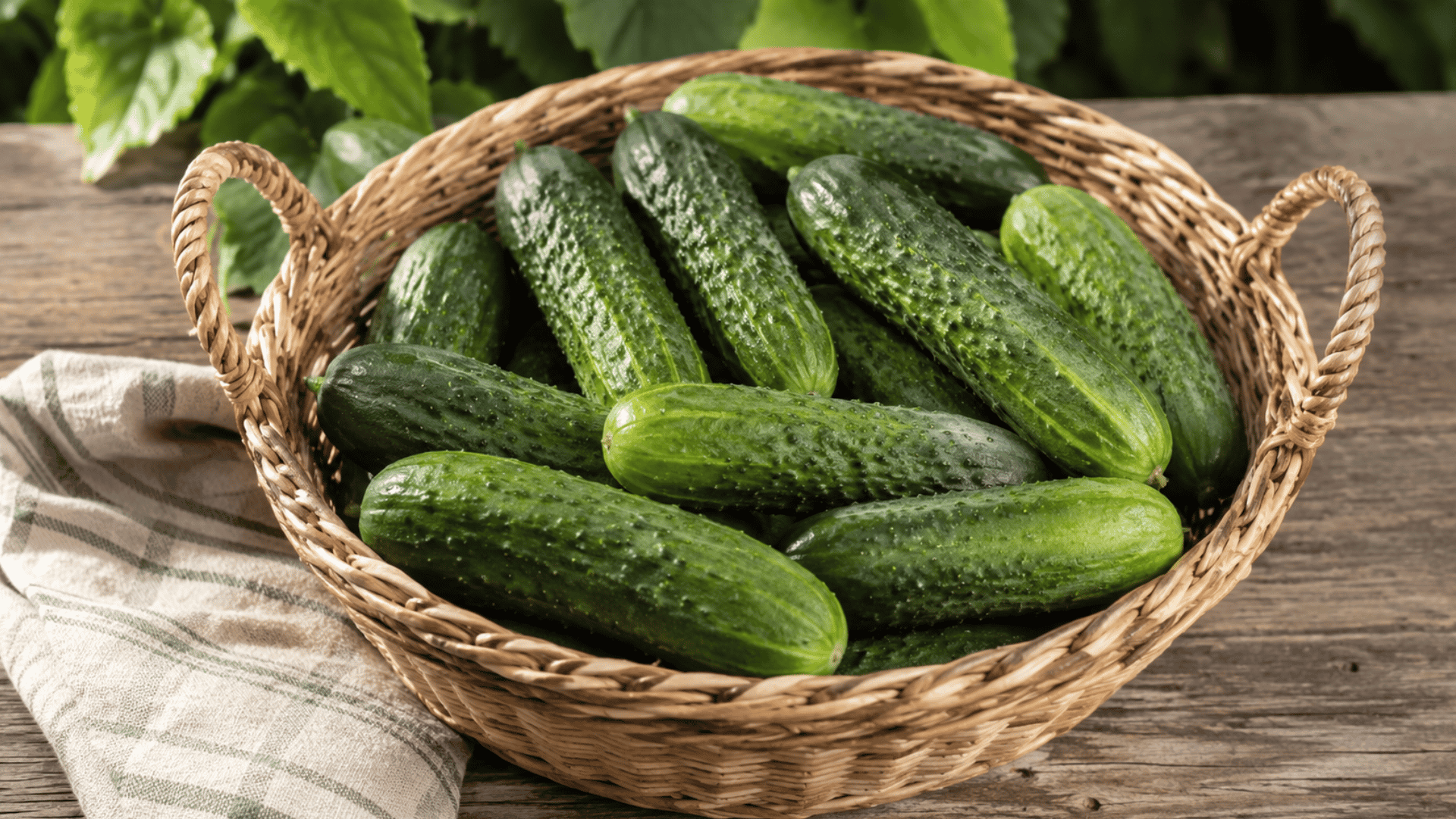
Cucumber plants (Cucumis sativus) are warm-season vines originally from South Asia and have been grown for more than 3000 years.
These fast-growing plants thrive in full sunlight, warm temperatures, healthy soil, and regular watering.
Most cucumber plants produce fresh cucumbers within 50 to 70 days after germination and grow well in garden beds, containers, or on trellises.
Cucumbers are mainly divided into slicing varieties for fresh eating and pickling varieties for preservation purposes.
Growing cucumbers on trellises also helps save space and improves airflow around the vines.
Cucumbers are commonly used in salads, sandwiches, pickles, juices, and snacks, and are also popular in homemade skin care treatments.
Their simple care requirements, quick growth, and high yields make cucumber plants ideal for beginner gardeners growing outdoors.
Popular Types of Cucumber Plants
Different cucumber varieties are grown across many regions based on climate, growing conditions, flavor, and their use for fresh eating or pickling.
| Variety Type | Main Features | Common Regions |
| Slicing Cucumbers | Long crisp cucumbers with smooth skin | United States, Canada, and Europe |
| Pickling Cucumbers | Short firm cucumbers with bumpy skin | United States, India, and Eastern Europe |
| Burpless Cucumbers | Thin-skinned cucumbers with fewer seeds | Europe, the United States, and greenhouse farms |
| Bush Cucumbers | Compact plants needing less space | North America and home gardens worldwide |
| English Cucumbers | Long, seedless cucumbers with mild flavor | Europe, Canada, and greenhouse regions |
| Persian Cucumbers | Small crunchy cucumbers with tender skin | Middle East, Mediterranean, and the United States |
| Lemon Cucumbers | Round yellow cucumbers with a sweet flavor | United States, Australia, and home gardens |
| Gherkin Cucumbers | Tiny crunchy cucumbers with rough skin | India, Europe, and tropical regions |
Signs of a Healthy Cucumber Plant
Healthy cucumber vines usually show several visible signs that indicate steady growth and good growing conditions throughout the season.
- Bright Green Leaves: Healthy cucumber plants have fresh, green leaves without yellow spots, browning, or curling edges.
- Strong and Thick Vines: Strong vines grow steadily and can easily climb supports without appearing weak or damaged.
- Steady New Growth: Healthy plants continue producing new leaves, flowers, and vine growth throughout the season.
- Plenty of Flowers: A healthy cucumber plant produces many flowers, which later turn into cucumbers.
- Healthy Soil Moisture: The soil should stay slightly moist but not soggy or completely dry.
- Pest-Free Leaves: Healthy plants show fewer signs of insect damage, fungal spots, or disease.
- Consistent Production: Healthy vines produce firm, fresh cucumbers regularly during the growing season.
How to Grow Cucumbers?
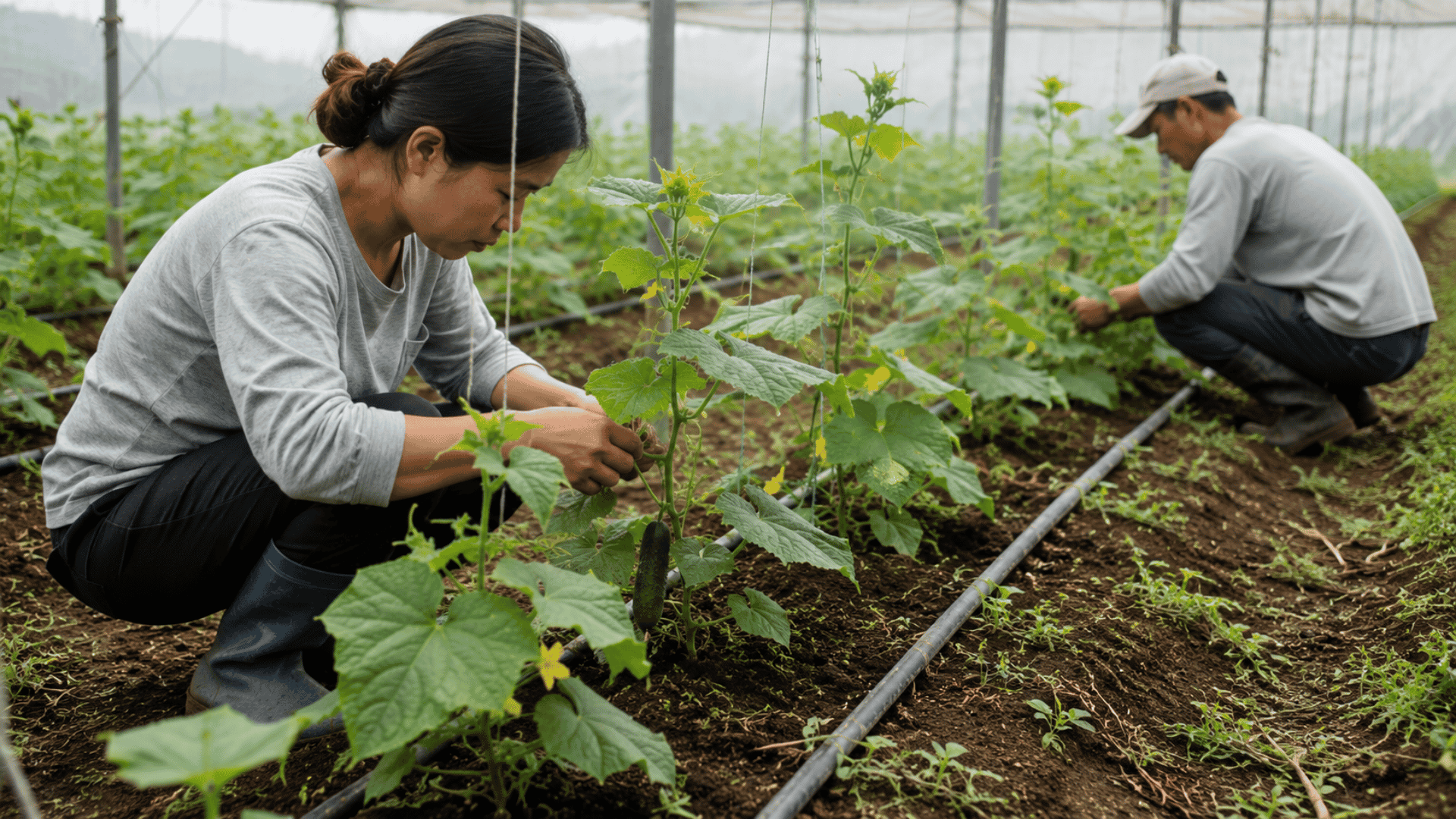
Growing cucumbers successfully starts with warm weather, healthy soil, and consistent care throughout the season.
1. Choose the Right Planting Location
Cucumber plants need 6 to 8 hours of direct sunlight daily and grow best in open sunny garden areas with proper airflow.
Overcrowded plants often develop powdery mildew because moisture stays trapped between the leaves.
South or west-facing garden beds usually provide the best sunlight conditions for healthy cucumber growth.
Moving cucumber plants to areas with better air circulation can reduce disease problems.
Avoid planting cucumbers in low shaded spots where damp soil and lingering moisture may weaken plant health and lower cucumber production.
2. Prepare Nutrient-Rich Soil
Cucumbers grow best in loose, well-draining soil with a pH between 6.0 and 6.8.
Adding compost or aged manure before planting improves soil texture, drainage, and nutrient levels for healthier cucumber growth.
Heavy clay soil should be improved with raised beds or materials like perlite to support better airflow and drainage.
Waterlogged soil can quickly damage cucumber roots and increase the risk of root rot, making proper drainage one of the most important parts of healthy cucumber plant care.
3. Plant Seeds at the Right Time
Cucumber seeds grow best when planted during warm weather after the danger of frost has fully passed.
Cold soil and low temperatures can slow seed germination and weaken young cucumber plants early in the season.
Most gardeners plant cucumber seeds directly into the garden because the roots do not always handle transplanting well.
Warm soil temperatures encourage faster sprouting, stronger root development, and healthier vine growth, which later helps support better cucumber production throughout the growing season.
4. Water Consistently
Cucumbers contain about 96 percent water, so regular watering is very important for healthy plant growth and cucumber production.
Cucumber plants usually need 1 to 2 inches of water per week, applied deeply and evenly into the soil.
Shallow watering may create weak surface roots that dry quickly during hot weather. Using drip lines or soaker hoses helps keep leaves dry and reduces the risk of fungal disease.
Watering early in the morning also gives roots enough time to absorb moisture before afternoon temperatures rise.
5. Use a Trellis or Plant Support
Supporting cucumber vines with a trellis cage or garden nethelps improve airflow, sunlight exposure, and overall plant health.
Lifting the vines off the ground also keeps cucumbers cleaner and reduces the risk of rot, pest damage, and fungal problems caused by excess moisture.
Vertical growing saves garden space and makes harvesting easier because cucumbers become more visible among the leaves.
Strong support systems also help prevent overcrowding while allowing the vines to spread and grow more naturally throughout the season.
Sunlight Requirements for Cucumber Plants
Cucumber plants grow best when they receive at least 6 to 8 hours of direct sunlight every day during the growing season.
Proper sunlight helps the vines grow stronger, supports healthy leaf development, and improves cucumber production.
Plants growing in sunny locations usually produce more flowers, healthier cucumbers, and better overall growth than those in shaded areas.
Warm sunlight also helps the soil stay at the right temperature for healthy root growth and steady cucumber development.
Without enough sunlight, cucumber plants may become weak, develop yellow leaves, and produce fewer cucumbers.
In very hot regions, light afternoon shade may help protect plants from heat stress during summer afternoons.
How Should You Feed Cucumber Plants?
Proper feeding helps cucumber plants grow healthier, produce better cucumbers, and avoid problems caused by too much or too little fertilizer
- Use Balanced Fertilizer: Balanced fertilizer provides important nutrients that support healthy cucumber growth, strong vines, and steady cucumber production during the season
- Avoid Overfeeding Plants: Too much fertilizer can damage cucumber roots, cause weak growth, and reduce healthy cucumber production throughout the growing season
- Feed During Growth Stages: Cucumber plants need proper nutrients during growth, flowering, and fruiting stages to support healthy leaves, flowers, and cucumber development
- Water After Feeding: Watering after feeding helps nutrients reach cucumber roots properly and prevents fertilizer buildup that may damage growing cucumber plants
- Choose Organic Feeding Options: Organic fertilizers improve soil quality, slowly release nutrients, and support healthier cucumber plants during long growing periods outdoors
Requirements to Grow Cucumbers
Cucumber plants grow best when a few basic conditions, like sunlight, soil moisture, and temperature, stay balanced throughout the growing season.
| Soil Requirements | Sunlight Requirements | Weather Conditions | Watering and Feeding |
| Rich, loose, and well-draining soil | 6 to 8 hours of direct sunlight daily | Between 70°F and 85°F | Deep watering |
| Slightly acidic to neutral (pH 6.0 to 6.8) | Proper sunlight | Cold weather can damage vines | Keep soil evenly moist |
| Compost or aged manure | Low sunlight can cause weak vines | Warm temperatures | Morning watering to reduce fungal diseases |
| Good drainage needed | Sunny locations suit best | No heavy rain and cold conditions | Avoid overfeeding |
Best Fertilizers to Grow Cucumbers
The right fertilizer provides essential nutrients that support healthy cucumber growth, strong vines, and better fruit production during the season.
- Compost: Compost improves soil health, naturally provides balanced nutrients, and helps cucumber plants grow stronger before planting season begins outdoors
- Fish Emulsion: Fish emulsion provides quick nutrients, supports leafy growth, and helps cucumber vines grow healthier during the early growing stage
- Worm Castings: Worm castings provide gentle nutrients, improve soil moisture retention, and support healthy cucumber plant growth throughout the growing season
- Bone Meal: Bone meal supports strong roots, healthy flowering, and better cucumber production when added before plants begin flowering stages
- Balanced NPK Fertilizer: Balanced NPK fertilizer supports healthy cucumber growth, strong vines, and steady cucumber production when applied every few weeks
- Seaweed Fertilizer: Seaweed fertilizer provides micronutrients, supports healthy cucumber development, and improves plant growth during the important flowering growth stage
- Aged Manure: Aged manure improves soil texture, adds long-lasting nutrients, and supports healthy cucumber growth before planting cucumber vines outdoors
- Kelp Meal: Kelp meal supports flowering, improves cucumber quality, and strengthens cucumber plants during flowering and fruiting stages throughout the season
Why Is Regular Cucumber Harvesting Important?
Harvesting cucumbers regularly helps cucumber plants continue producing fresh cucumbers throughout the growing season.
When cucumbers are picked on time, the plant allocates its energy to growing new flowers and fruits rather than supporting older cucumbers.
Regular harvesting also prevents cucumbers from becoming too large, bitter, or tough, which can affect their taste and texture.
Most cucumber varieties taste best when picked while they are still firm, evenly colored, and properly sized.
Leaving mature cucumbers on the vine for too long may slow future cucumber production and place extra stress on the plant.
During warm weather, cucumber plants grow quickly, so checking vines every day helps maintain steady harvesting.
Frequent harvesting also supports healthier vines, better airflow, and stronger cucumber growth throughout the entire outdoor growing season.
Signs of Pest and Disease Damage in Cucumber Plants
Cucumber plants may face several pest and disease problems during the growing season, especially in warm, humid garden conditions.
- Cucumber Beetles: Striped and spotted cucumber beetles damage leaves, spread bacterial wilt, and can quickly destroy cucumber plants without proper prevention methods
- Aphids: Aphids gather under leaves, produce honeydew, and may lead to mold problems that weaken cucumber plant growth over time
- Spider Mites: Spider mites thrive in hot, dry weather and damage cucumber leaves by feeding on plant moisture and nutrients regularly
- Powdery Mildew: Powdery mildew creates white powdery spots on cucumber leaves and spreads quickly in humid areas with poor airflow conditions
- Bacterial Wilt: Bacterial wilt spreads through cucumber beetles, causing sudden plant wilting and severe damage that cucumber plants usually cannot recover from
Common Cucumber Plant Problems and Fixes
Even healthy cucumber plants can face a few growing problems, but most issues become easier to manage once you know the common causes and simple fixes.
| Problem | Cause | How To Fix |
| Yellow Leaves | Overwatering or low nutrients | Improve drainage and fertilize |
| Powdery Mildew | Humid conditions | Improve airflow and remove affected leaves |
| Wilting Vines | Heat stress or underwatering | Water deeply and regularly |
| Pests on Leaves | Aphids or beetles | Use neem oil or insecticidal soap |
| Slow Growth | Poor soil or cold weather | Add compost and keep plants warm |
| Flowers Falling Off | Heat stress or poor pollination | Water evenly and attract pollinators |
| Bitter Cucumbers | Inconsistent watering | Maintain steady soil moisture |
| Root Rot | Poor drainage | Use well-draining soil |
Conclusion
Growing healthy cucumber vines does not have to feel difficult or confusing. Once you learn sunlight, watering, soil, feeding, and support basics, keeping cucumber plants healthy gets much easier.
The best part is that cucumbers grow quickly, so you can often see the results of good care in a short time.
Every garden grows differently, and learning what works best in your space is part of the experience.
Do not worry if your plants are not perfect right away because gardening always gets easier with practice.
I hope these tips help you grow healthier cucumber plants with more confidence this season. If you have your own cucumber growing tips or experiences, share them in the comments below.
Frequently Asked Questions
What Should Not Be Planted Next to Cucumbers?
Avoid planting cucumbers near potatoes, sage, fennel, or melons because they can attract pests and increase disease problems.
What Do Coffee Grounds Do for Cucumbers?
Coffee grounds add organic matter, improve soil texture, and provide small amounts of nitrogen that support healthy cucumber vine growth when used in moderation
Should the Flower Be Pulled Off the Cucumber Plant?
Do not remove cucumber flowers because they develop into fruit. Removing them can reduce cucumber production and slow healthy plant growth