


Most families recognize a turning point when regular check-ins no longer cover an older adult’s daily needs. Age-related changes can include slowed gait, weaker hand strength, medication mix-ups, urinary urgency, or reduced appetite.
Small problems then begin to affect hygiene, hydration, sleep, and household safety. Professional senior care brings informed assistance into familiar surroundings, which helps preserve routine, reduce preventable strain, and give relatives clearer insight into day-to-day health.
Safety at Home
Falls rarely happen without warning. Cluttered walkways, dim lighting, missed doses, and poor food intake often build risk over time. Many households researching senior home care sacramento are trying to lower injury risk while helping an aging parent remain in familiar rooms, close to treasured belongings, neighborhood ties, and ordinary routines.
Professional caregivers assist with bathing, monitor balance, and notice subtle changes before a minor problem becomes a fracture, infection, or emergency admission.
Health Changes
Later life can shift quickly, even after a stable month. Dizziness, constipation, nighttime waking, leg swelling, or new confusion may appear with little warning. Short family visits do not always reveal those early signs. Trained caregivers observe patterns across several days and report concerns promptly.
That broader view supports timely medical follow-up, clearer symptom history, and faster response before a manageable issue becomes a medical setback.
Relief for Relatives
Family members often balance employment, school schedules, appointments, and household obligations while supporting an older loved one. Stress may first appear as poor sleep, irritability, or mental fatigue.
Professional help eases the daily load by covering meals, mobility assistance, grooming, and errands. With those tasks shared, relatives can spend visits listening, talking, and offering comfort instead of hurrying through a list of unfinished duties.
Companionship Counts
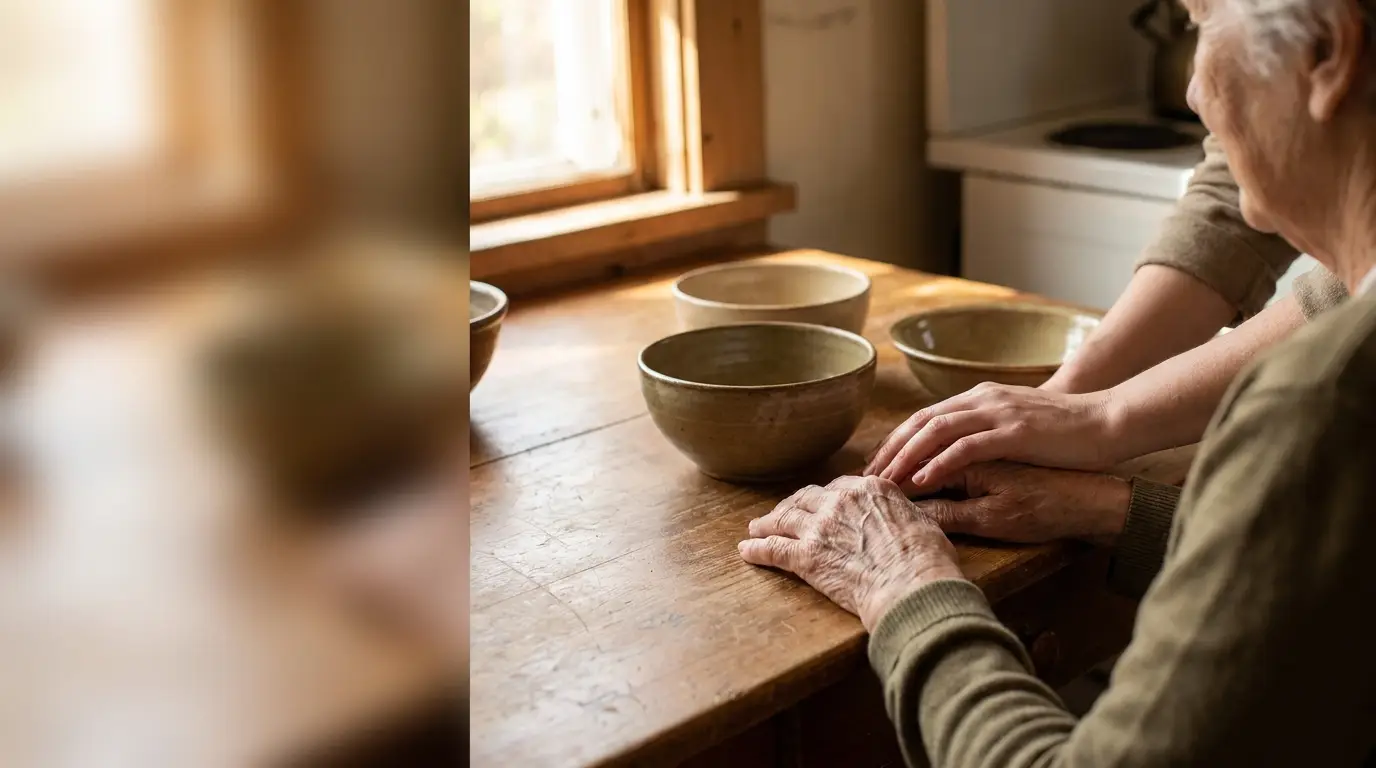
Isolation can change health in quiet ways. Appetite may fall, activity can drop, and mood often becomes flatter without regular social contact. A caregiver offers conversation, shared meals, walks, reading, or simple games that stimulate attention.
Those ordinary interactions add structure to long afternoons and reduce emotional withdrawal. Families frequently notice steadier routines, better engagement, and more interest in daily life once companionship is consistent.
Flexible Support
Care needs seldom remain fixed for long. A person may start with help after surgery, then need additional support for memory loss or reduced balance.
Professional care can begin with a few weekly visits and increase gradually. Some older adults need meal reminders and transportation. Others require hands-on help with dressing, transfers, toileting, or evening supervision. That measured approach protects independence while matching assistance to actual function.
Cost and Value
Households often compare home care with assisted living, rehabilitation stays, or repeated hospital use. Remaining at home can hold practical value because familiar surroundings support orientation, sleep, and emotional comfort.
A caregiver may reduce complications linked to skipped prescriptions, dehydration, poor nutrition, or unsafe movement. Preventing those problems matters medically and financially. Families often find that steady help lowers disruption while preserving a more stable daily rhythm.
Dignity and Routine
Older adults usually want privacy, choice, and control over ordinary habits. Professional care can support those preferences without taking away identity. A person may rise at a preferred hour, eat familiar foods, and stay connected with neighbors, worship, or local groups.
That continuity often reduces distress and supports emotional steadiness. It also allows relatives to respect lifelong routines instead of forcing major change after one difficult period.
Trust Builds Gradually
Very few families accept outside help after one conversation. Confidence usually develops through reliable arrival times, respectful communication, and careful attention to personal habits.
A thoughtful caregiver learns how breakfast is prepared, which sweater feels best, and what music settles evening restlessness. Such details carry weight. They reflect patience, observation, and genuine regard for the older adult’s physical comfort, emotional security, and sense of being known.
Conclusion
Professional senior care often becomes the preferred choice because it blends safety oversight, practical assistance, and human connection in the setting older adults know best.
Familiar surroundings can support orientation, preserve routine, and reduce unnecessary distress during periods of physical or cognitive change. Relatives gain clearer communication, fewer preventable crises, and more meaningful time with the person they love. For many families, that balance feels both compassionate and medically sensible.