

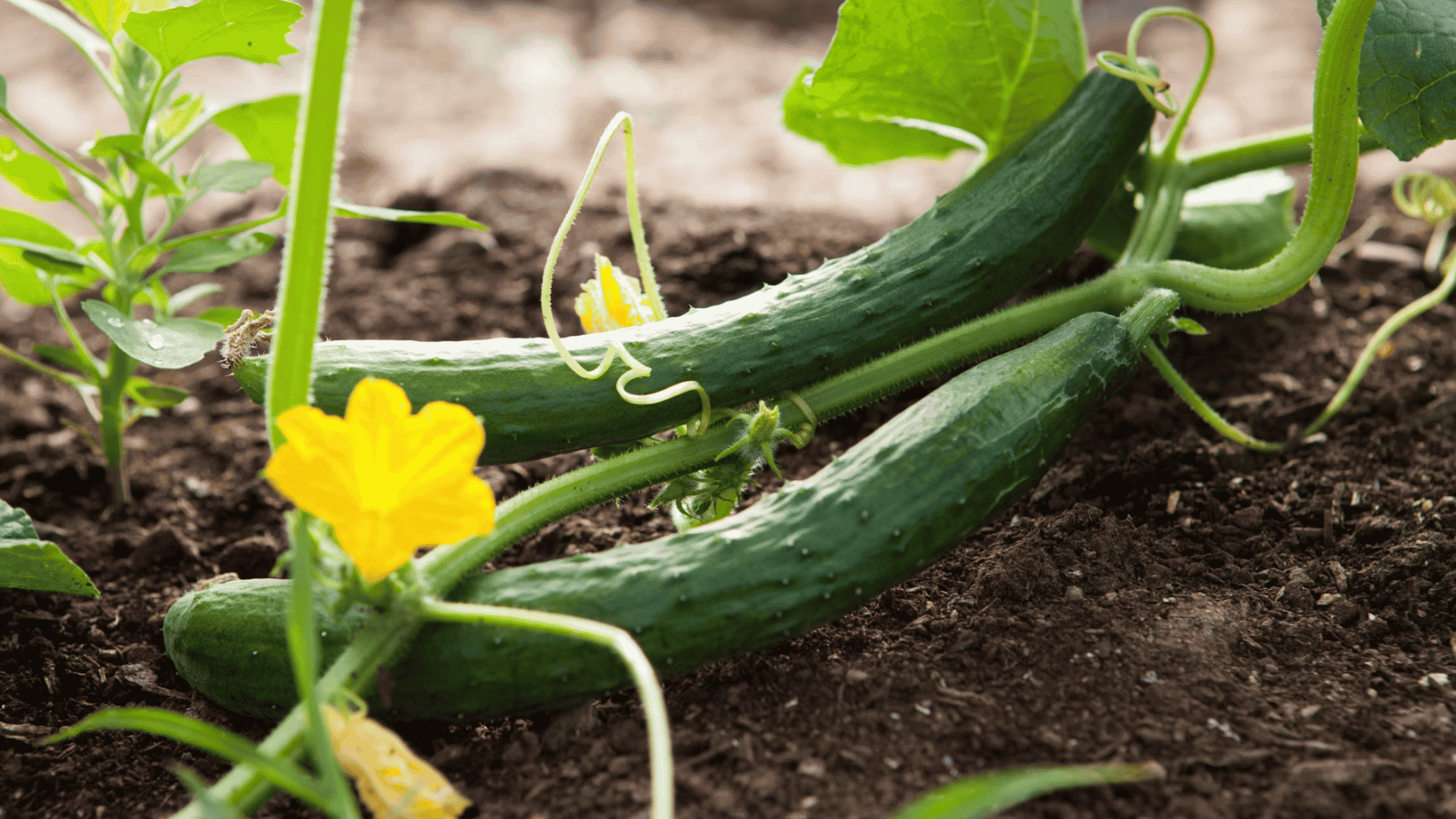
Have you ever picked a cucumber straight from the garden and noticed how fresh and crisp it tastes? Cucumbers are a popular summer vegetable that grows quickly and produces plenty of fruit throughout the season.
They are easy to grow in garden beds, raised beds, and containers, making them a favorite among home gardeners.
With the right growing conditions, a few plants can provide a steady supply of cucumbers for salads, sandwiches, and pickling.
They grow in warm weather, require regular watering, and benefit from a simple support system such as a trellis.
This guide explains how to grow cucumbers from seed to harvest, including when to plant them, where to grow them, how to care for the plants, and the best ways to harvest and store the fruit.
Quick Answer: How to Plant Cucumbers?
Plant cucumbers in a sunny location with well-draining soil after the last frost has passed. Mix compost into the soil before planting.
Sow seeds about 1 inch deep and space them according to the variety.
Water the soil well after planting and keep it consistently moist. Adding a trellis helps support climbing vines, improves air circulation, and makes harvesting easier.
Most cucumber seeds germinate within 7 to 10 days.
When Is the Best Time to Grow Cucumbers?
The best time to grow cucumbers is in late spring to early summer when the soil temperature reaches at least 60°F (15°C), and there is no risk of frost.
Cucumbers grow well in warm weather and grow best when daytime temperatures stay between 70°F and 85°F (21°C–29°C).
Cucumbers are warm-season vegetables that require plenty of sunlight and consistently warm conditions.
In most regions, seeds can be sown directly outdoors one to two weeks after the last frost date. Gardeners in cooler climates may start seeds indoors a few weeks earlier and transplant them once temperatures rise.
Planting during the right season helps ensure strong germination, vigorous vines, and a higher yield of crisp, flavorful cucumbers.
Regular watering, fertile soil, and full sun further support successful cucumber growth throughout the season.
What Are the Ideal Planting Conditions for Cucumbers?
Cucumbers grow best in warm, sunny conditions with nutrient-rich soil and consistent moisture. Providing the right planting environment helps ensure healthy vines, strong growth, and a productive harvest.
- Soil Type: Well-draining, fertile soil rich in organic matter is ideal for cucumber plants.
- Sunlight: Cucumbers need at least 6–8 hours of direct sunlight daily for optimal growth.
- Soil Temperature: Plant when soil temperatures are above 60°F (15°C), with 70–85°F (21–29°C) being ideal.
- Water Requirements: Keep the soil consistently moist but not waterlogged, providing about 1–2 inches of water per week.
- Spacing: Allow adequate spacing between plants to promote air circulation and reduce disease risks.
- pH Level: A soil pH between 6.0 and 7.0 supports healthy root development and nutrient absorption.
- Protection from Frost: Cucumbers are sensitive to cold and should only be planted after all danger of frost has passed.
Best Practices for Growing Cucumbers
Growing cucumbers is simple when you follow the right steps, from planting seeds to providing proper care and support.
1. Select the Best Cucumber Variety
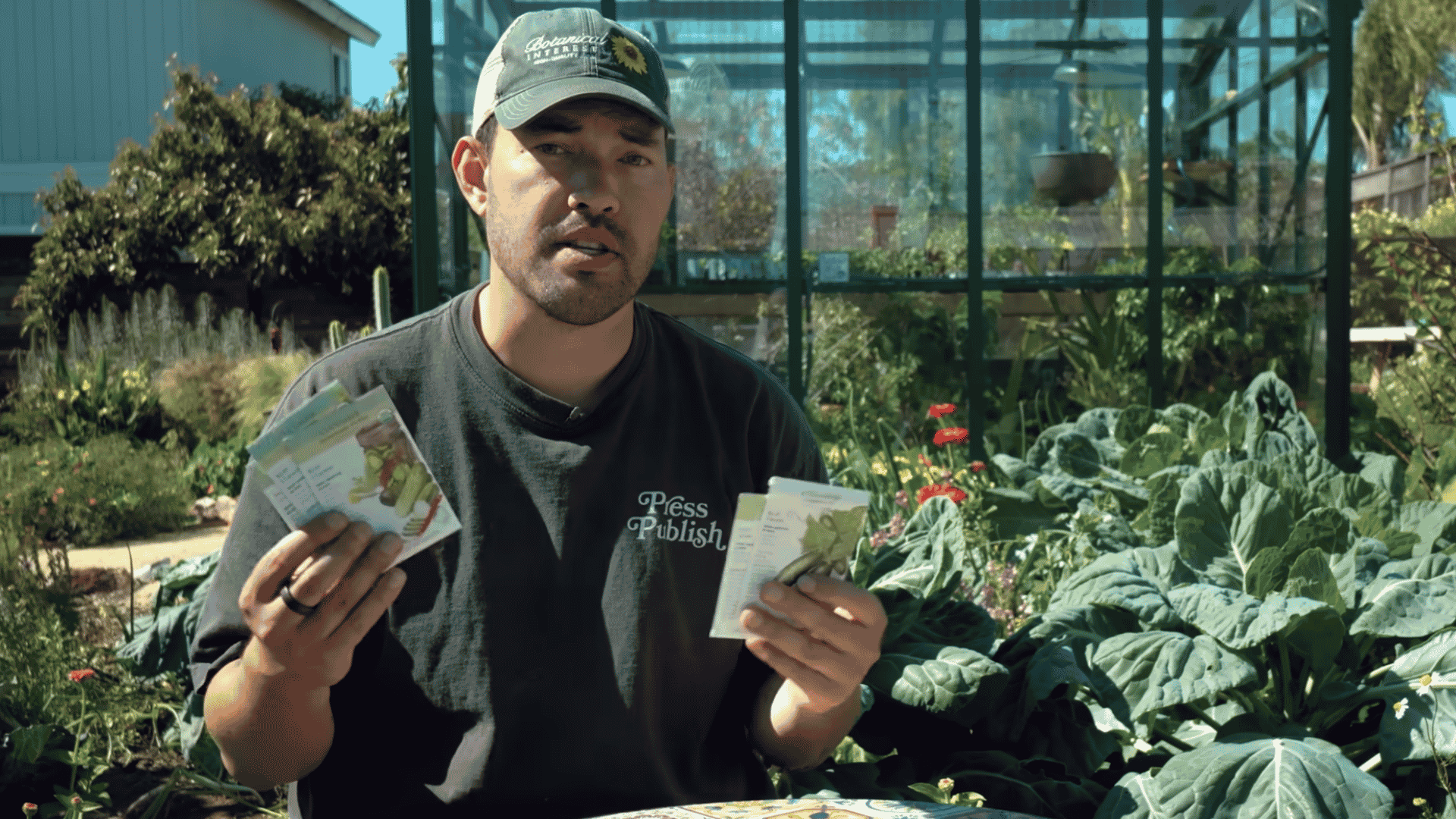
Before planting, it is important to choose a cucumber variety that fits the intended use. Slicing cucumbers are commonly used in salads, while pickling varieties are ideal for homemade pickles.
Specialty types such as Japanese cucumbers, lemon cucumbers, and gherkins offer different shapes and flavors.
Gardeners can also choose between vining plants that climb trellises and bush varieties that grow well in containers or small garden spaces.
2. Start Cucumber Seeds Indoors
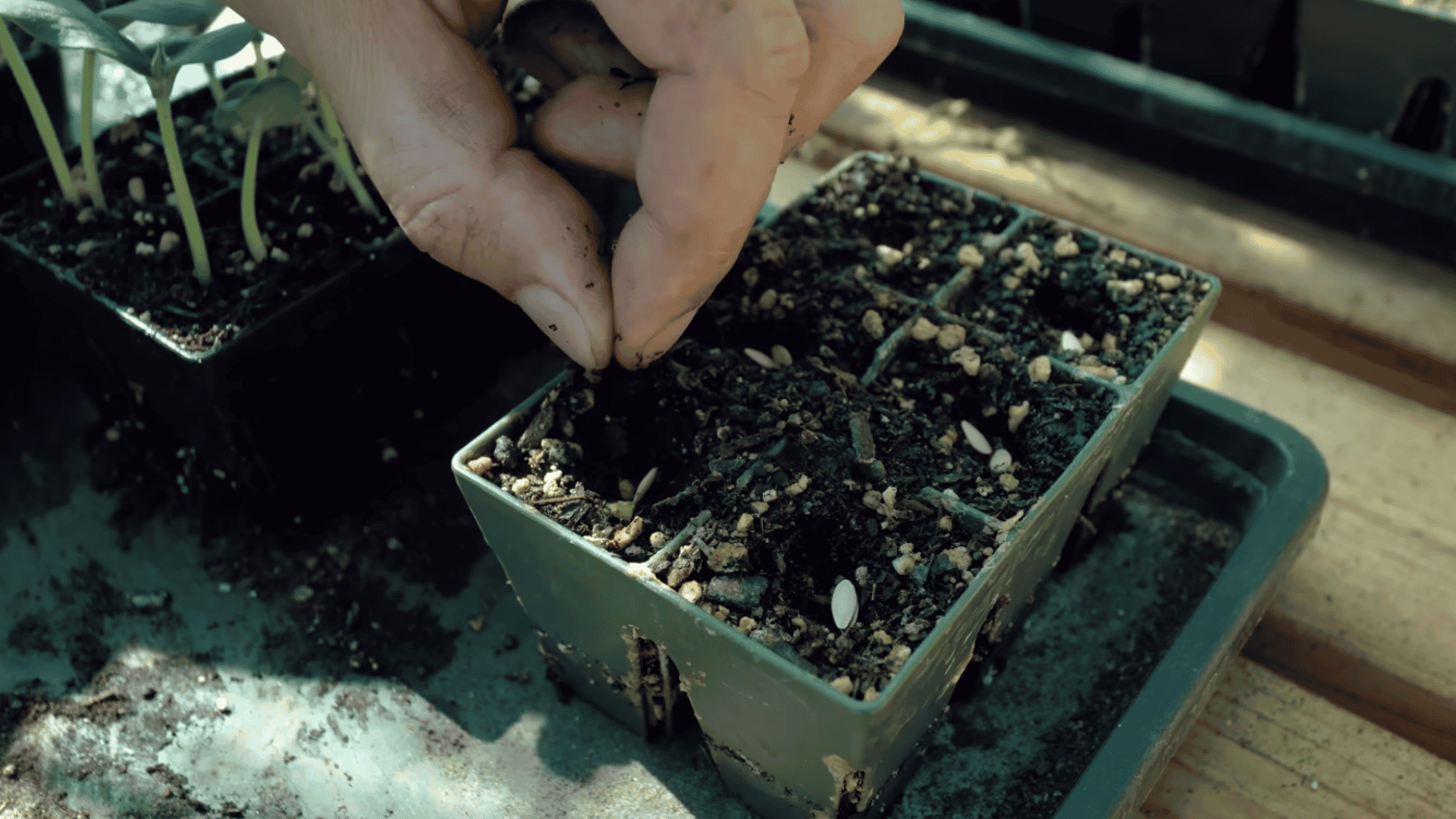
Cucumber seeds can be started indoors when outdoor temperatures are still too cool. Seeds should be planted in small containers with two seeds placed in each cell.
A shallow planting depth and warm growing conditions help encourage germination. Keeping the soil lightly moist is important during this stage.
Seedlings typically emerge within one to two weeks and develop quickly when provided with adequate warmth and light.
3. Prepare the Growing Area
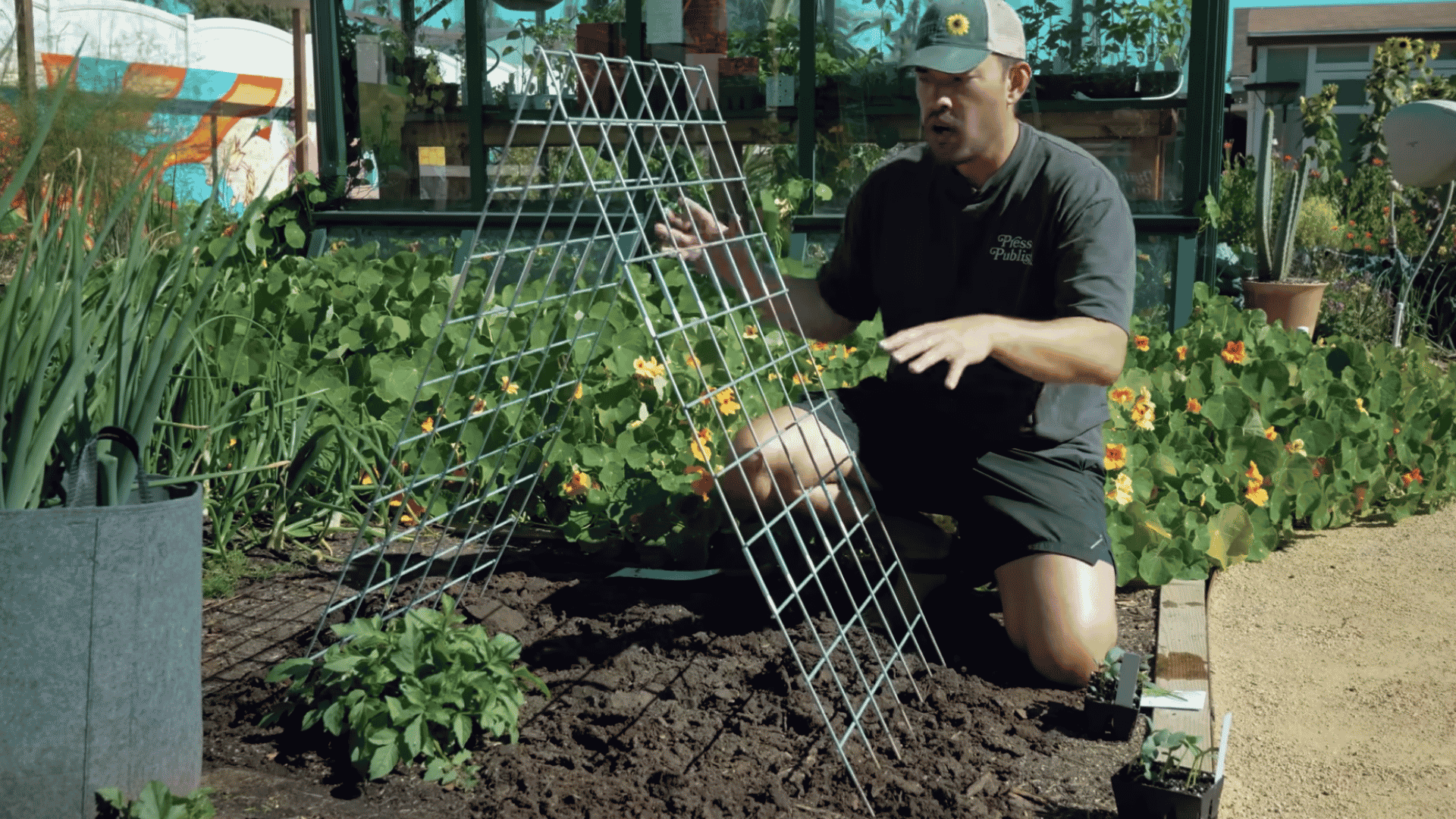
A suitable growing location should receive plenty of sunlight and have well-draining soil. Raised beds, garden plots, and large containers all work well for cucumbers.
Installing a trellis before planting helps support future growth and simplifies harvesting.
It also improves air circulation around the plants and reduces disease risks. An A-frame trellis is especially effective because it allows vines to climb while keeping the developing fruit accessible and off the ground.
This setup helps produce cleaner cucumbers, saves garden space, and makes routine plant care much easier throughout the growing season.
4. Plant Seedlings and Direct Sow Seeds
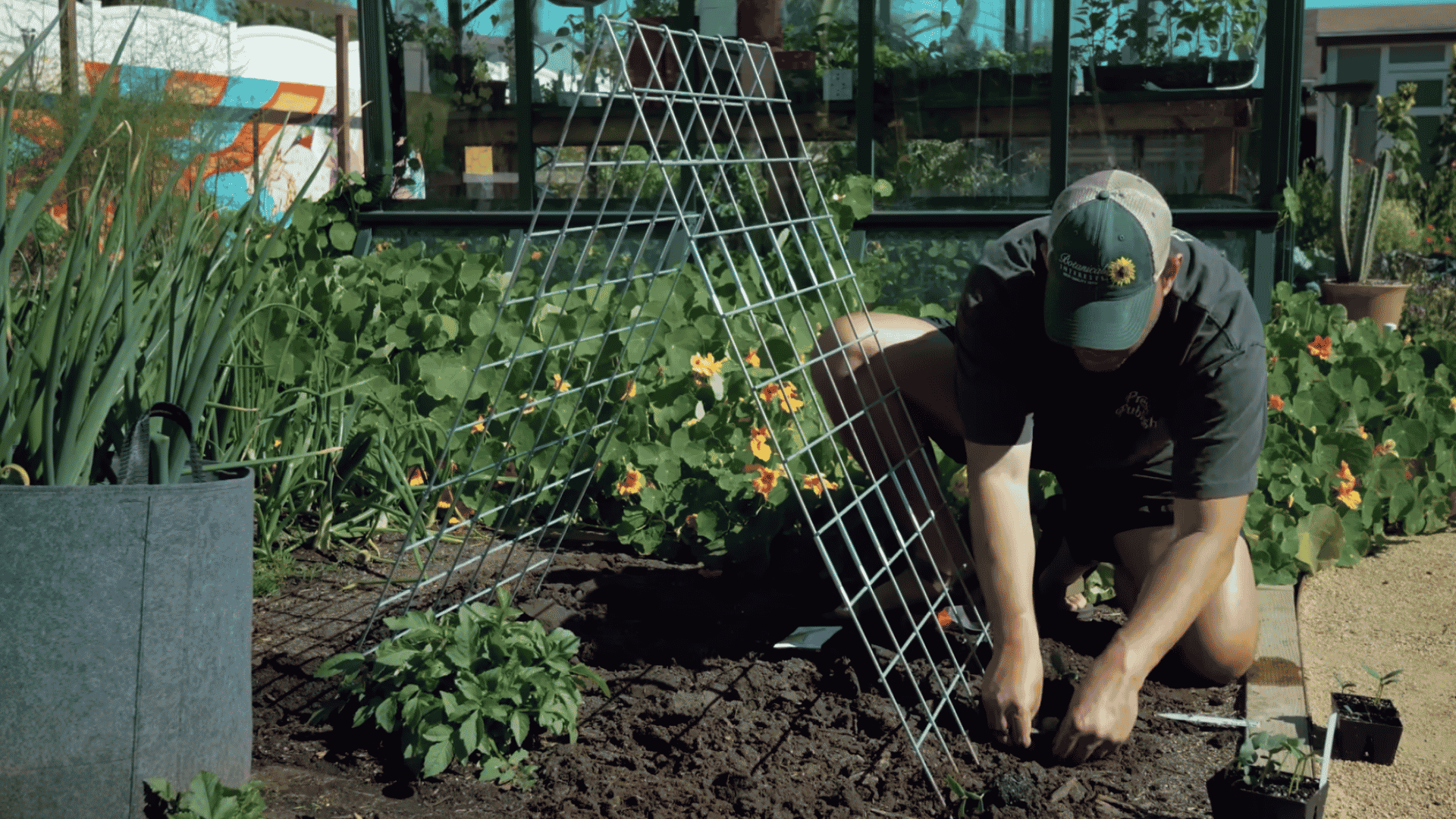
Once warm weather arrives, cucumber seedlings can be transplanted into the garden. Direct sowing seeds into the soil is another reliable option.
Plants should be spaced properly to allow good airflow and healthy growth.
Care should be taken when transplanting because cucumber roots are sensitive to disturbance. Both planting methods can produce healthy plants when growing conditions remain favorable.
5. Water Consistently During Growth

Cucumbers require steady moisture throughout the growing season. During periods of hot weather, leaves may temporarily wilt during the day, which is a normal response to heat.
However, plants should recover as temperatures cool. If wilting continues into the evening, additional watering may be necessary.
Consistent watering becomes especially important once flowers and fruit begin developing on the vines.
6. Compare Plant Growth and Development
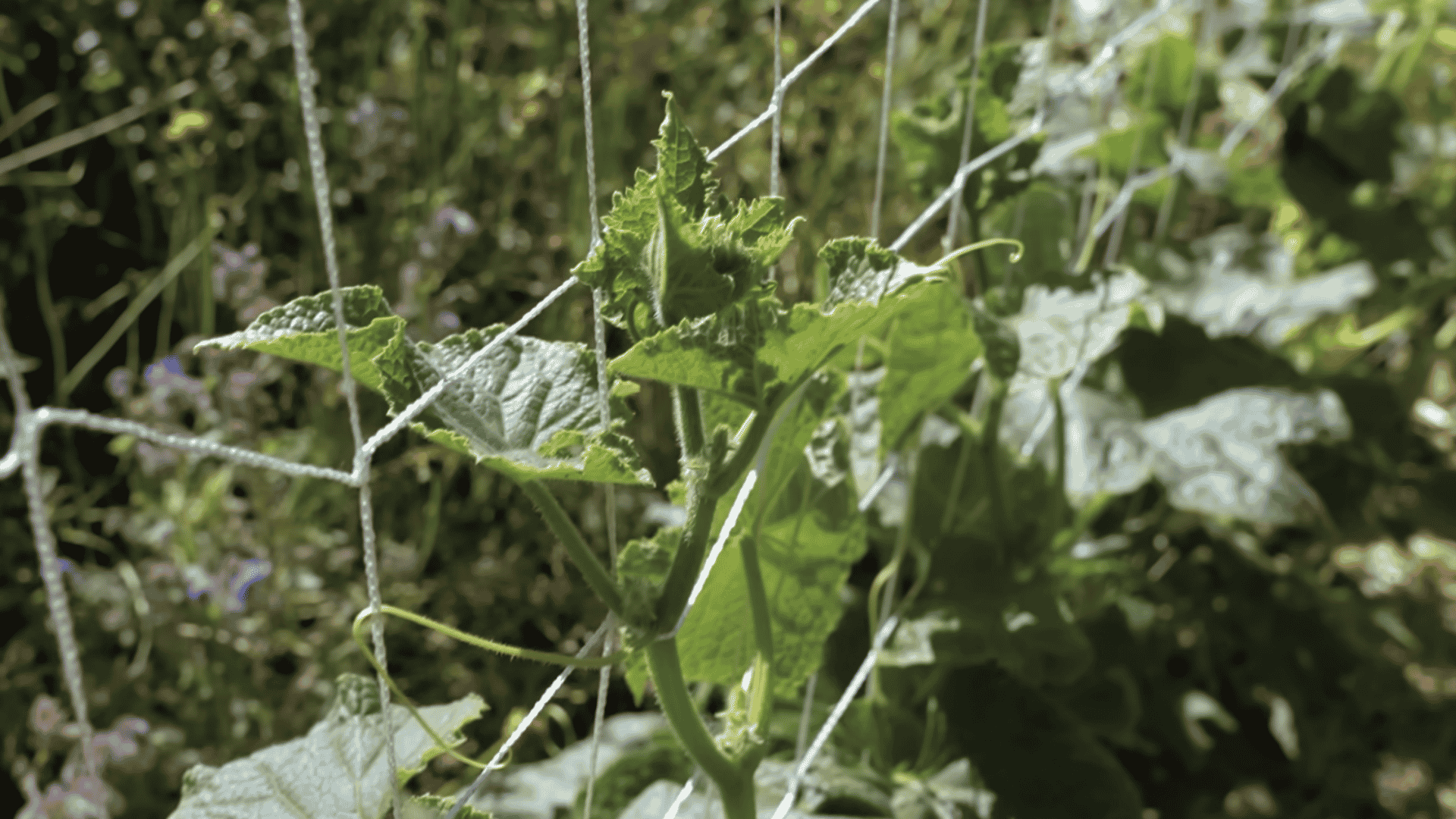
After several weeks, cucumber plants begin producing dense foliage and strong vines. Comparing transplanted seedlings with direct-sown plants can reveal differences in growth speed.
In some cases, transplants gain an early advantage. Healthy plants continue growing well when they receive enough water, sunlight, and nutrients.
Regular observation helps identify problems before they become serious.
Strong vines, healthy leaves, and steady climbing on the trellis are all signs of good development.
7. Prune Lower Growth for Better Airflow
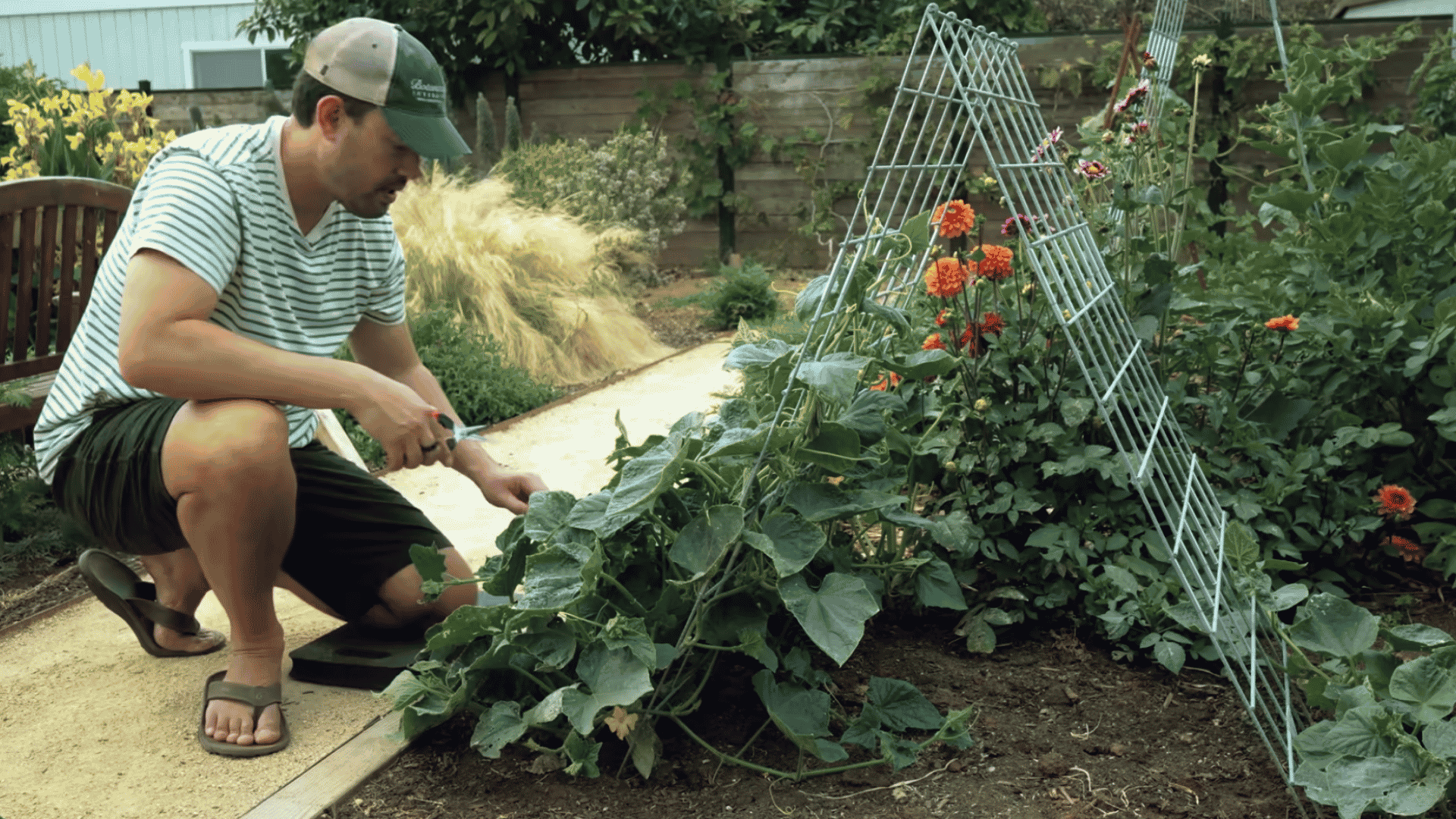
As cucumber plants expand, removing unnecessary lower growth can improve airflow around the vines. Light pruning reduces overcrowding and may help lower the risk of disease and pest issues.
Gardeners often remove weak shoots or stems that are unlikely to reach the trellis.
This maintenance step also helps direct the plant’s energy toward productive growth and fruit development.
8. Train Vines onto the Trellis
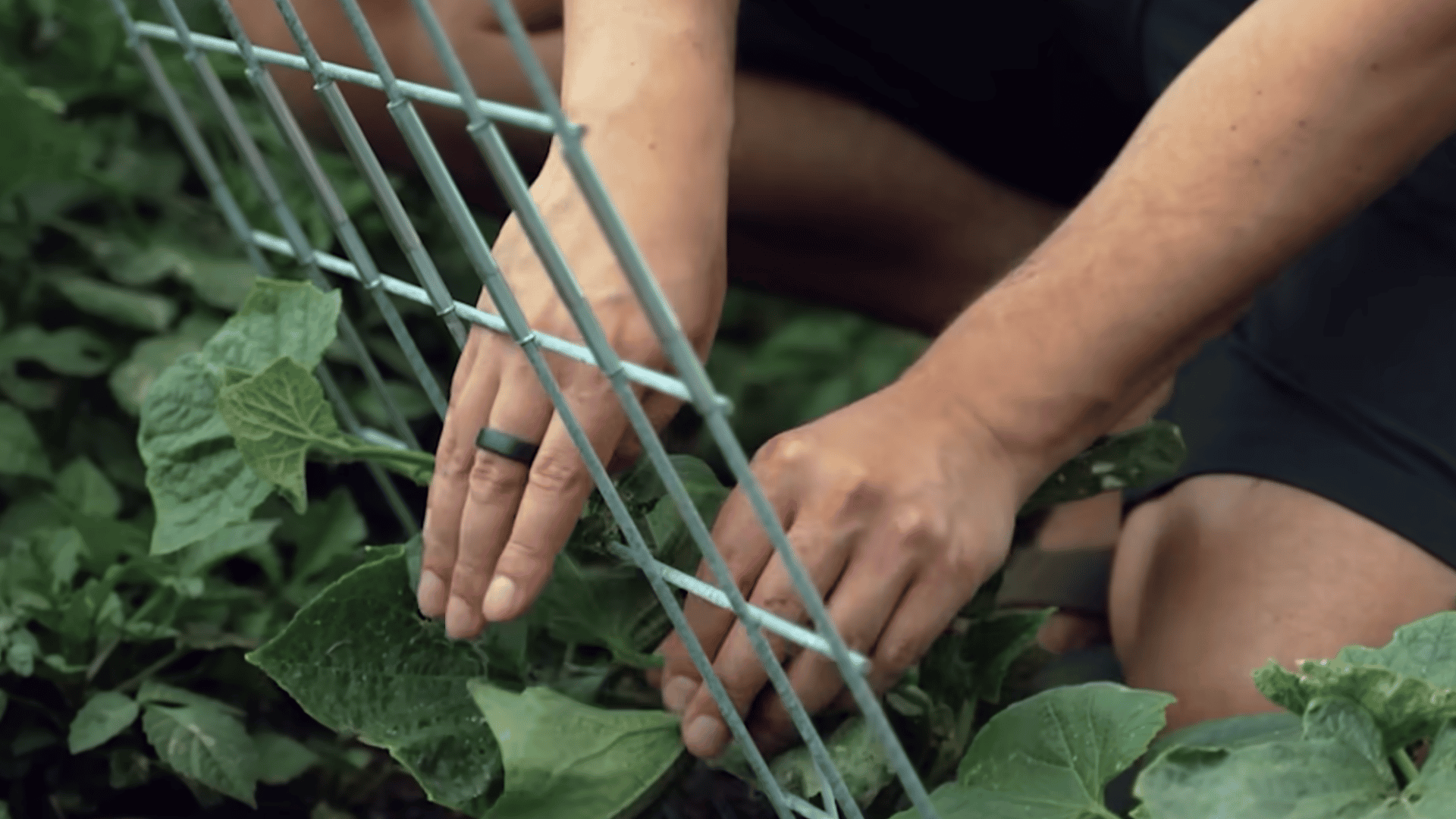
Young cucumber vines often need a little help when they start climbing a trellis. Gardeners can gently guide the stems through the trellis openings and position them in the right direction.
This encourages upward growth and helps the tendrils attach naturally. Once the tendrils secure themselves, the vines usually continue climbing without assistance.
Early training keeps the plants organized and prevents vines from spreading across the ground.
It also improves airflow around the leaves and makes harvesting cucumbers much easier later in the season.
9. Monitor Fruit Formation
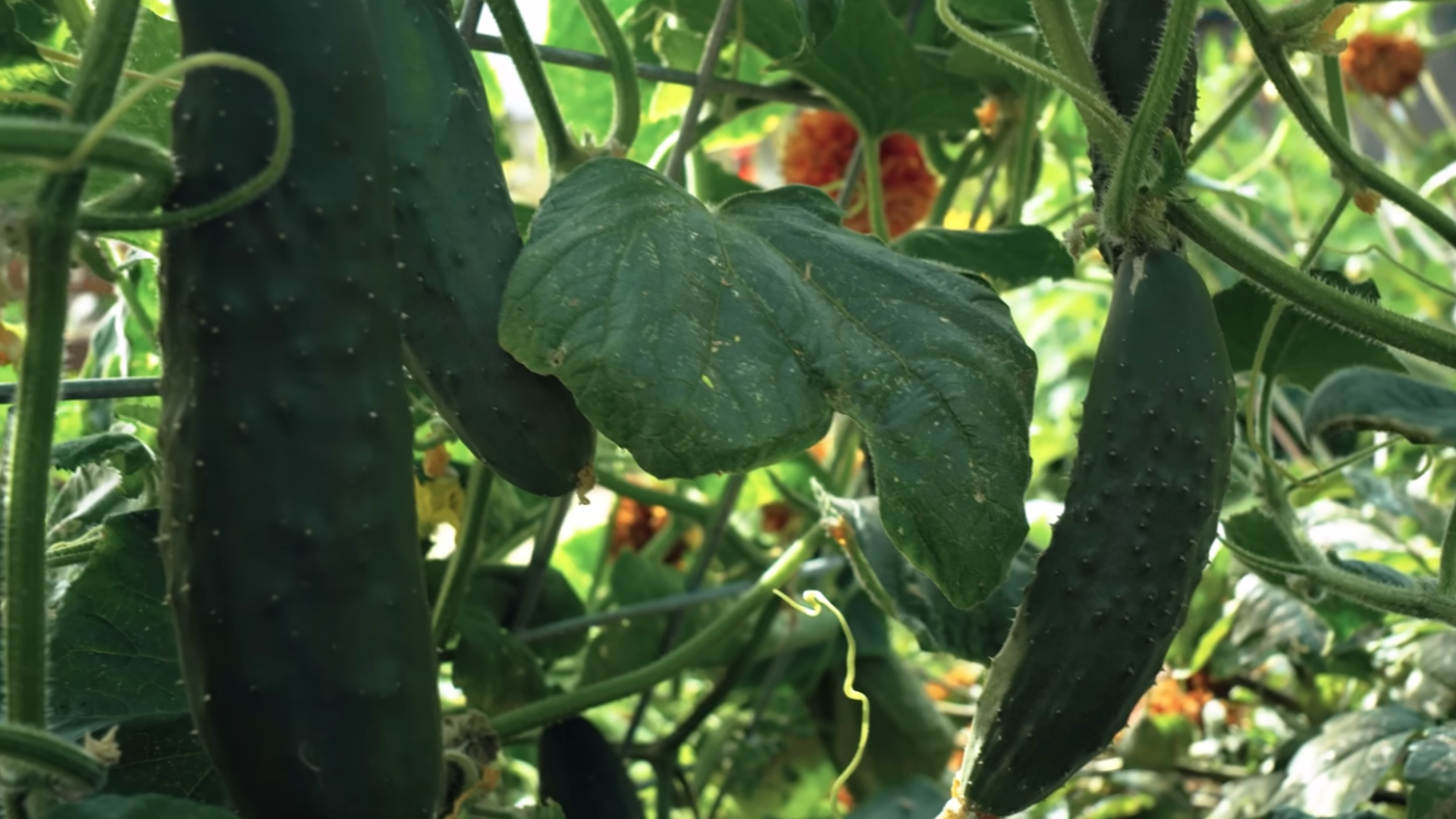
As vines mature, small cucumbers begin appearing along the stems. Trellised plants often produce hanging fruit that is easy to inspect and harvest.
Regular monitoring helps identify developing cucumbers and allows gardeners to address any growing issues quickly.
Healthy plants continue to produce fruit throughout the season, especially when they receive consistent watering and proper maintenance.
For a complete visual guide, watch the full tutorial on theEpic Gardening YouTube channel, where each step is shown in detail, from planting to harvest.
Choosing the Right Cucumber Variety
Choosing the right cucumber variety depends on how you plan to use the harvest and the space available in your garden.
| Cucumber Type | Description | Best Use | Growth Habit |
|---|---|---|---|
| Slicing Cucumbers | These cucumbers grow larger and usually have smooth skin with a mild flavor. | Fresh eating, salads, and sandwiches. | Available in both bush and vining varieties. |
| Pickling Cucumbers | Shorter and firmer than slicing types, with a crisp texture that holds up well during pickling. | Making pickles and preserving. | Available in both bush and vining varieties. |
| Bush Cucumbers | Compact plants that take up less space and do not spread far. | Small gardens, raised beds, and containers. | Bush growth habit. |
| Vining Cucumbers | Long vines that spread across the ground or climb supports such as trellises. | Larger gardens and high-yield production. | Vining growth habit. |
Where to Grow Cucumbers?
Growing cucumbers in the right location helps plants stay healthy and produce a larger harvest. These plants grow best in warm conditions with plenty of sunlight and well-draining soil.
- Garden Beds: Garden beds provide ample space for roots and vines, helping cucumber plants grow strong and produce abundant harvests.
- Raised Beds: Raised beds improve drainage and soil warmth, creating better growing conditions for healthy cucumber plant development.
- Containers: Containers work well for patios and small spaces, allowing cucumbers to thrive with proper watering and support.
- Sunlight Requirements: Cucumbers need six to eight hours of direct sunlight daily for healthy growth and maximum fruit production.
Why Rotate Cucumber Crops Every Season?
Rotating cucumber crops each growing season is one of the best ways to keep plants healthy and productive. When cucumbers grow in the same spot year after year, diseases can build up in the soil and infect new plants.
Moving them to a different bed helps reduce these problems and also disrupts the life cycle of cucumber pests, making it harder for them to survive.
Crop rotation also improves soil nutrient balance because different plants use and return nutrients in different ways.
As a result, cucumber plants often grow stronger and produce more fruit. Healthier soil and fewer pest issues can also reduce the need for pesticides and other treatments.
Crop rotation improves soil and drainage, helping roots grow well and boosting yields each season.
Tips for Harvesting Cucumbers
Harvesting cucumbers at the right time helps improve flavor, texture, and yield while encouraging plants to keep producing more fruit.
- Harvest at the Right Size: Pick cucumbers when they reach the recommended size for their variety. Overripe cucumbers often become bitter and develop large seeds.
- Check Plants Daily: Cucumbers grow quickly during warm weather. Daily harvesting helps you pick them at their best quality and prevents oversized fruit.
- Pick Small Cucumbers for Pickling: Harvest pickling cucumbers when they are 2 to 4 inches long. Smaller fruits stay crisp and work better for homemade pickles.
- Choose Firm Cucumbers for Fresh Eating: Select cucumbers that feel firm and have a bright green color. Avoid soft, yellow, or damaged fruits.
- Use Scissors or Pruners: Cut cucumbers from the vine instead of pulling them off. This prevents damage to the plant and nearby developing fruit.
Cucumber Care Tips
Cucumbers grow best when they receive consistent care throughout the season. Proper watering, feeding, and mulching help plants develop strong vines, healthy leaves, and high-quality fruit.
| Care Task | Tip | Benefits |
|---|---|---|
| Watering Tips | Provide 1–2 inches of water each week, watering deeply at the soil level. | Encourages strong root growth, reduces plant stress, and supports steady fruit production. |
| Fertilizing Tips | Mix compost into the soil before planting and apply a balanced fertilizer during flowering. | Supplies nutrients needed for healthy vines, abundant flowers, and better fruit development. |
| Mulching Tips | Spread 2–3 inches of organic mulch around plants, keeping it away from the stems. | Helps retain soil moisture, limits weed growth, and keeps soil temperatures more consistent. |
Best Way to Store Cucumbers
Proper storage helps cucumbers stay fresh, crisp, and flavorful longer while reducing waste and preserving their quality after harvest.
- Refrigerator Storage: Store cucumbers in the refrigerator’s crisper drawer. Keep them dry and place them in a loose plastic bag to help maintain freshness.
- Avoid Excess Moisture: Do not wash cucumbers before storing them. Extra moisture can accelerate spoilage and soften the skin.
- How Long They Last: Fresh cucumbers typically stay in good condition for about 7 to 10 days when stored properly in the refrigerator.
- Freezing Options: Slice cucumbers before freezing and store them in airtight containers. Frozen cucumbers work best in smoothies and cold dishes.
- Pickling for Long-Term Storage: Pickling is an effective way to preserve cucumbers for several months. Properly sealed pickles can last much longer than fresh cucumbers.
Common Cucumber Pests and Diseases
Cucumber plants can face several pest and disease problems during the growing season. Knowing the signs early helps protect plants and maintain healthy growth.
| Problem | Signs | Prevention/Treatment |
|---|---|---|
| Aphids | Small green, black, or yellow insects on leaves and stems. Leaves may curl, turn yellow, or become sticky. | Spray plants with water, use insecticidal soap, encourage ladybugs, and remove heavily affected leaves. |
| Cucumber Beetles | Yellow beetles with black spots or stripes. Holes in leaves, damaged flowers, and weakened plants. | Use row covers, remove weeds, hand-pick beetles, and apply neem oil if needed. |
| Spider Mites | Tiny pests that cause yellow spots on leaves. Fine webbing may appear under leaves. | Increase humidity, spray leaves with water, use insecticidal soap, and remove badly damaged foliage. |
| Powdery Mildew | White, powder-like coating on leaves and stems. Leaves may dry out and die. | Provide good air circulation, avoid overhead watering, and apply fungicides or neem oil when needed. |
| Downy Mildew | Yellow patches on upper leaf surfaces and gray or purple mold underneath leaves. | Water at the soil level, improve airflow, remove infected leaves, and use approved fungicides. |
| Bacterial Wilt | Sudden wilting of vines even when the soil is moist. Plants often die quickly. | Control cucumber beetles, remove infected plants immediately, and rotate crops each year. |
Common Mistakes to Avoid when growing cucumbers
Avoiding these common mistakes can help cucumber plants stay healthy and produce a larger, higher-quality harvest throughout the season.
- Planting Too Early: Planting cucumbers before the soil warms up can slow growth and damage young seedlings. Wait until frost danger has passed.
- Overwatering: Giving plants too much water can lead to root rot, yellow leaves, and disease problems. Keep the soil moist, not soggy.
- Underwatering: Dry soil can stress cucumber plants and cause bitter fruit. Water consistently, especially during hot and dry weather.
- Skipping a Trellis: Growing cucumbers without support allows vines to spread on the ground, increasing disease risks and reducing airflow.
- Harvesting Too Late: Leaving cucumbers on the vine too long can result in tough skin, large seeds, and lower future fruit production.
Conclusion
Growing cucumbers is easy when plants get the right care. A sunny spot, healthy soil, regular watering, and proper support help them grow strong and produce plenty of cucumbers.
Regular harvesting, pest checks, and avoiding common mistakes help keep vines healthy all season.
Whether growing cucumbers in garden beds, raised beds, or containers, following these basic steps can lead to a productive harvest.
Fresh cucumbers are great for salads, snacks, and pickles, making them a useful addition to any garden.
Ready to grow your own cucumbers? Gather your supplies, start planting, and enjoy a season filled with fresh, homegrown harvests.
Frequently Asked Questions
What Is the Secret to Growing Cucumbers?
The secret is providing full sun, rich soil, regular watering, and consistent care. Healthy growing conditions help cucumbers produce more fruit.
Which Month to Plant Cucumbers?
Plant cucumbers in spring after the last frost. In most areas, April through June offers ideal growing conditions.
How to Get a Cucumber to Grow Faster?
Use nutrient-rich soil, water deeply, apply fertilizer regularly, and provide plenty of sunlight to support faster growth and stronger plants.