

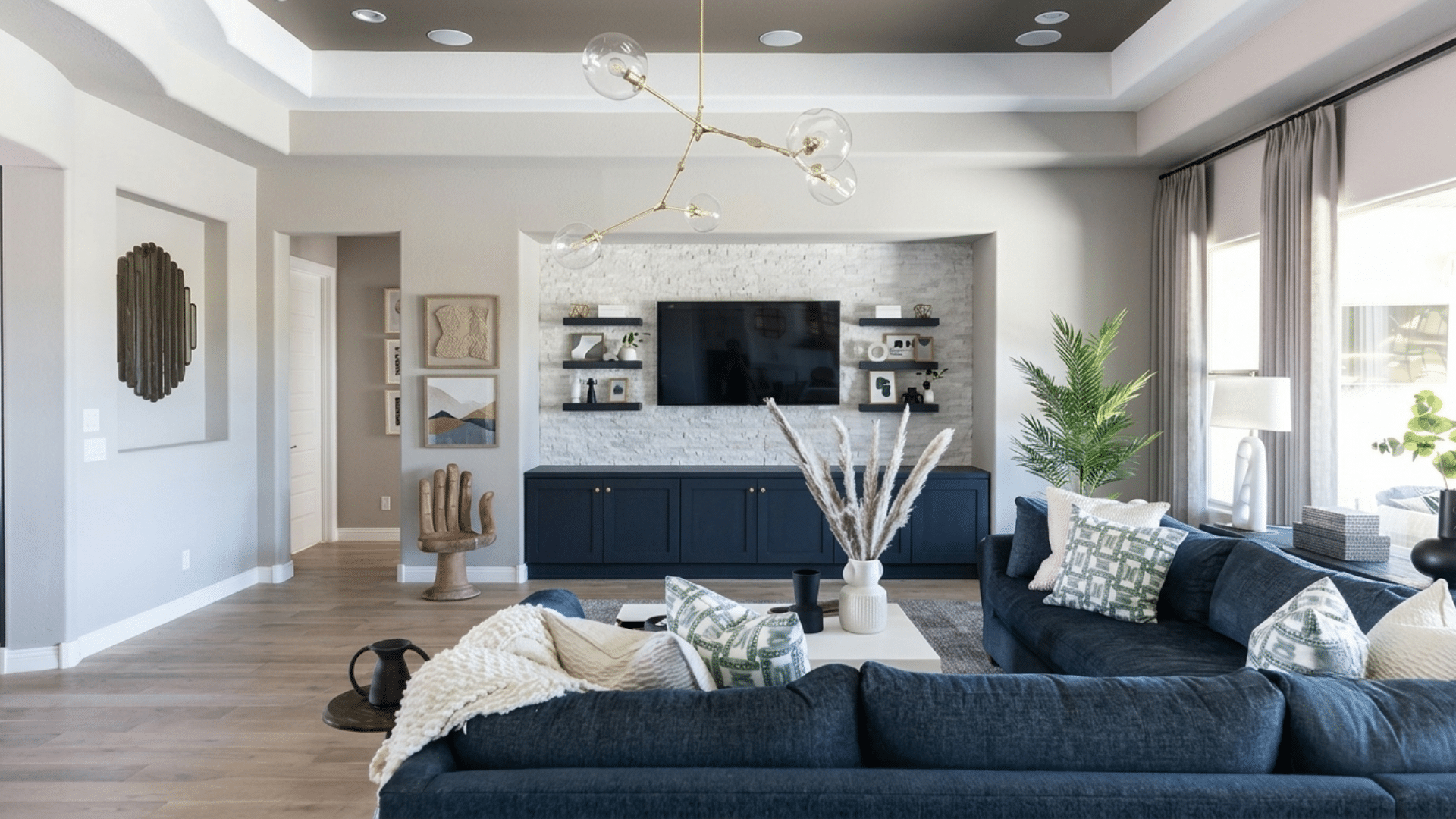
Many people use the terms family room and living room interchangeably, but they are not always the same. While both provide comfortable spaces to relax, entertain, and spend time together, each room has its own purpose, layout, and design style.
Understanding the differences can help you plan a home that better fits your lifestyle, whether you’re decorating a new house or updating your current space.
In this guide, you’ll learn what a living room is, how it differs from a family room, the unique features of each, and practical tips for choosing the right setup for your home.
Keep reading to create a space that is both functional and welcoming.
What Is a Family Room?
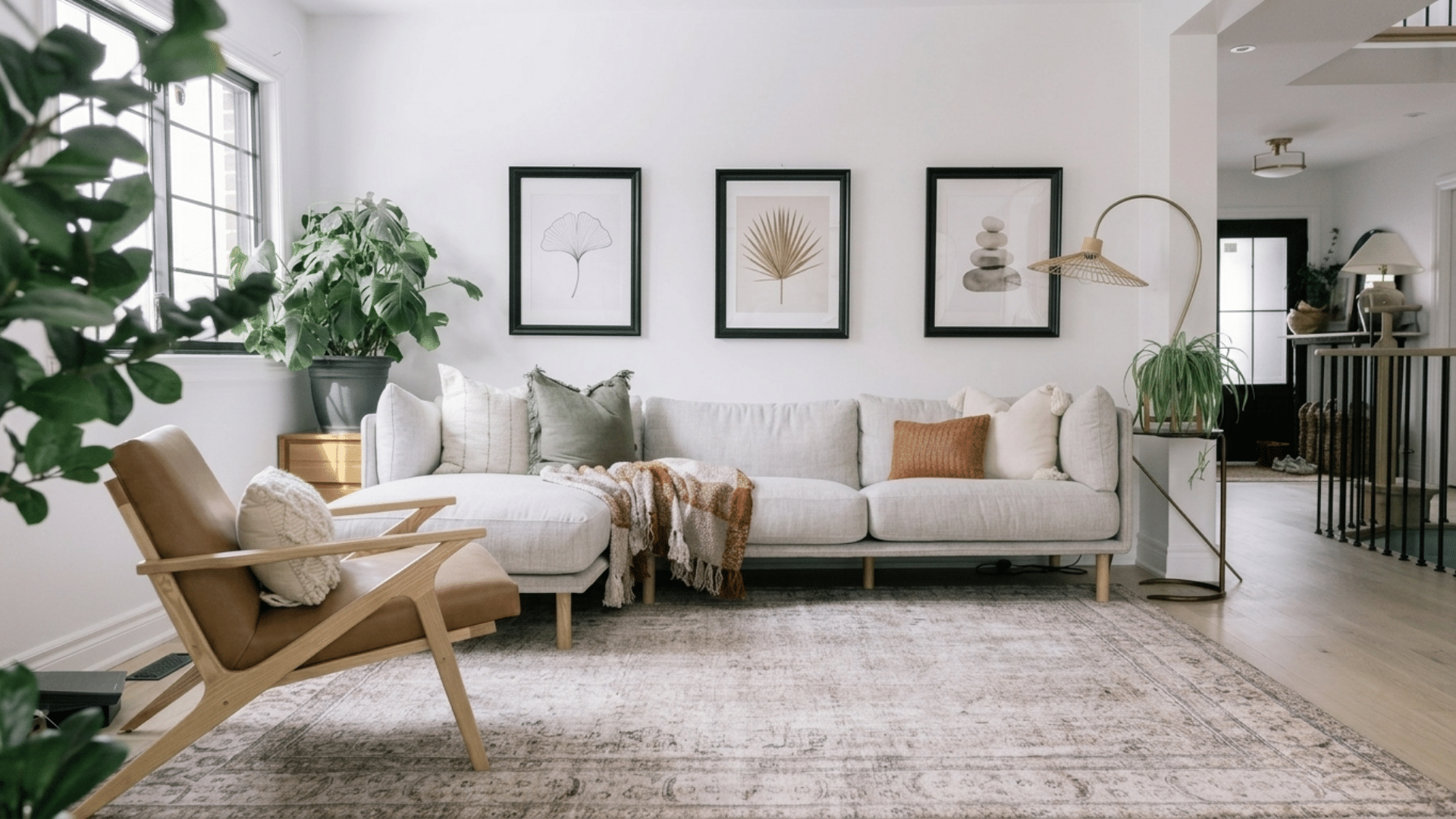
A family room is a casual living space designed for everyday comfort and shared activities.
It serves as the main gathering area where family members can relax, watch TV, play games, read, or simply spend time together.
Unlike a formal living room, a family room prioritizes function over appearance, making it ideal for daily use.
These rooms often include comfortable sofas, recliners, a television, storage solutions, and easy-to-maintain furnishings that can handle regular wear.
In many homes, the family room is located near the kitchen or dining area to encourage interaction throughout the day.
Whether hosting a movie night or enjoying a quiet evening, a family room provides a welcoming space that supports modern family life and everyday routines.
What Is a Living Room?
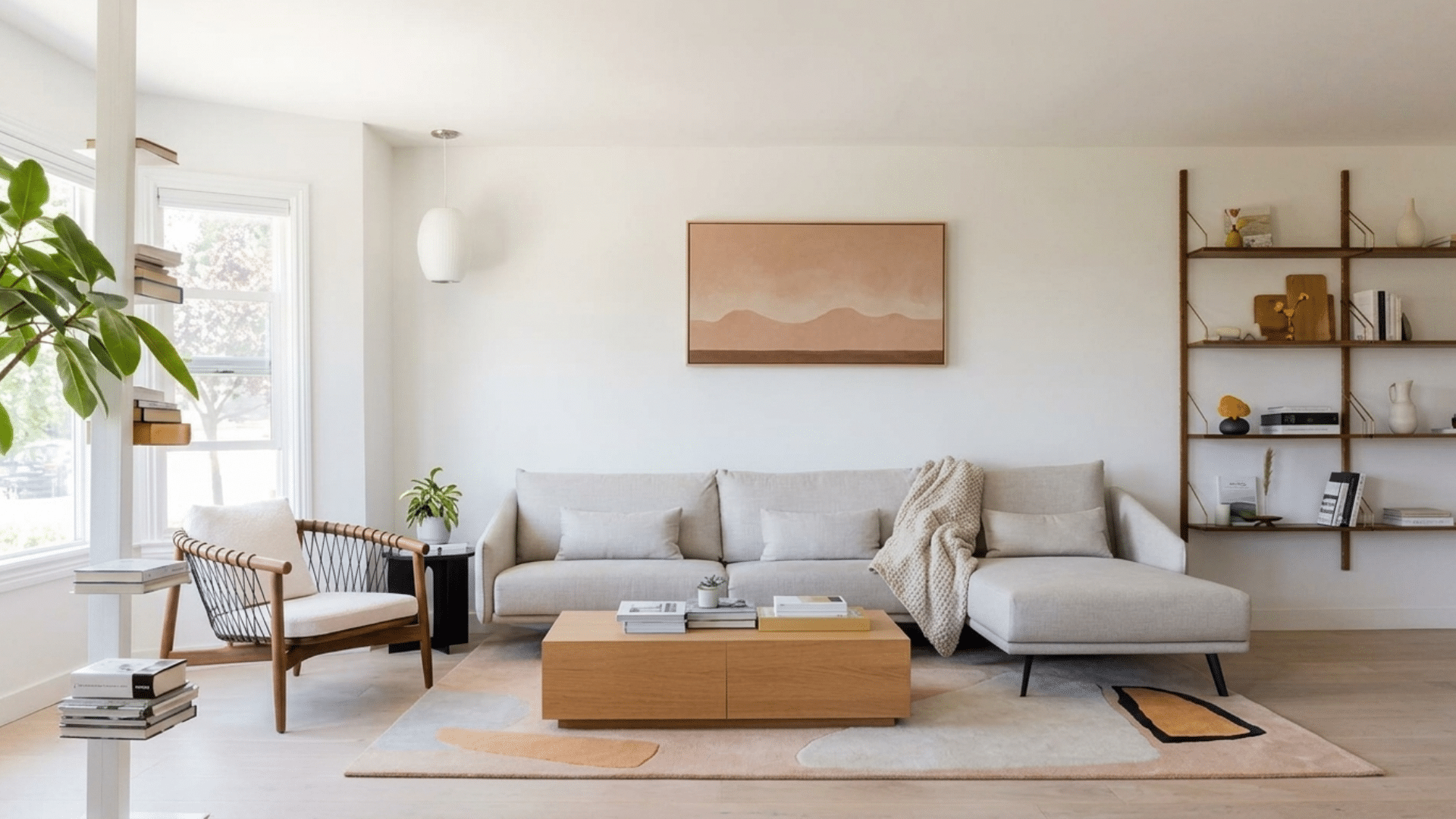
A living room is a central gathering space designed for relaxing, socializing, and welcoming guests.
Traditionally, it has been considered the more formal area of a home, used for entertaining visitors or hosting special occasions.
Today, many living rooms also serve as comfortable everyday spaces, depending on the home’s layout and lifestyle.
A typical living room includes a sofa, accent chairs, a coffee table, lighting, and decorative elements such as artwork, rugs, and plants.
It is often located near the main entrance, creating a welcoming first impression for visitors.
Whether used for conversations, reading, or quiet relaxation, a living room combines comfort, style, and functionality to suit a variety of needs.
Difference Between a Family Room vs Living Room
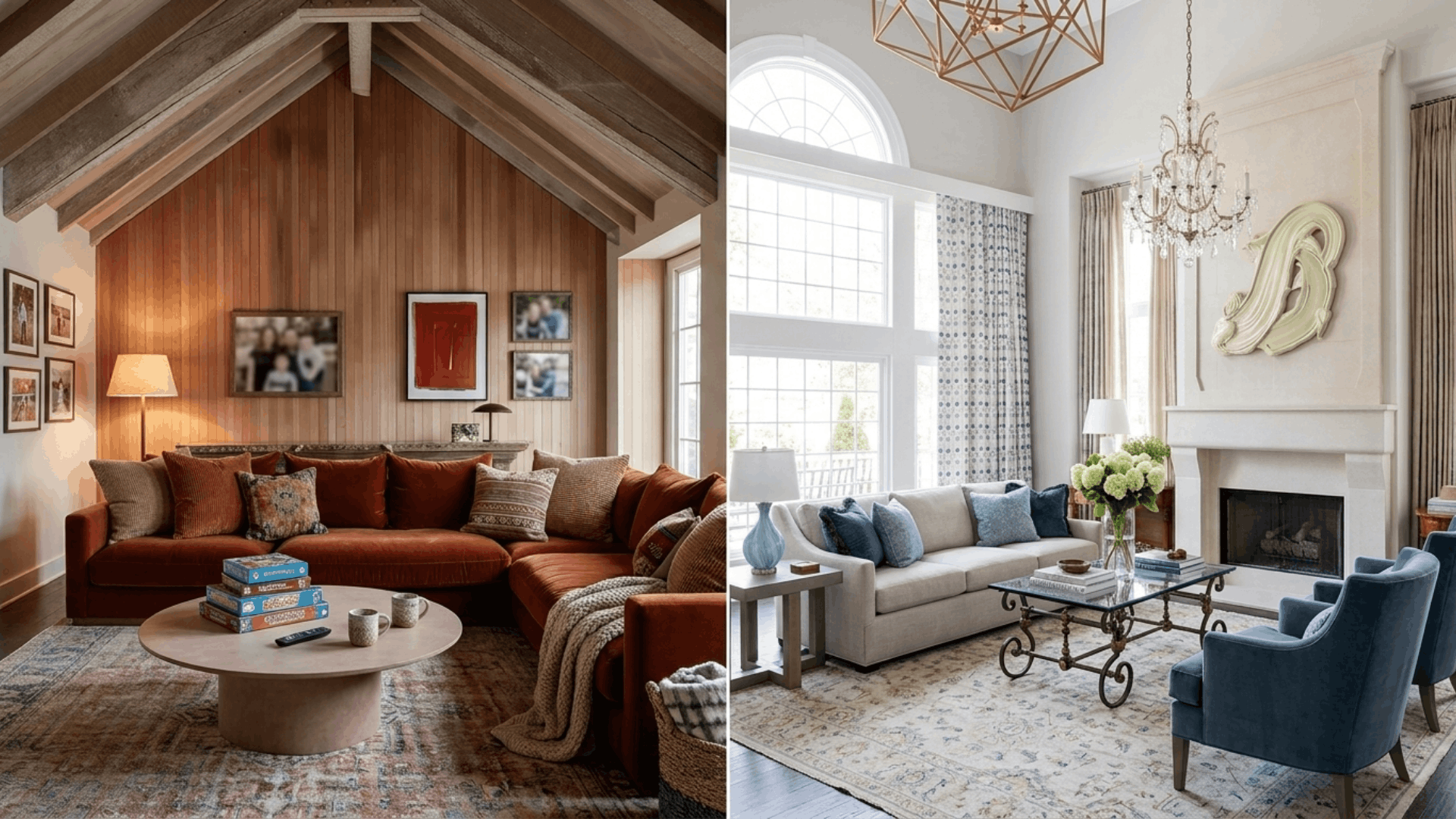
Although both spaces are designed for comfort and gathering, they serve different purposes within a home. Understanding these key differences makes it easier to plan layouts and create rooms that match your lifestyle.
1. Purpose and Everyday Use
The biggest difference between a family room and a living room is how they are used.
A family room is meant for everyday activities like watching television, playing games, helping with homework, or relaxing together.
A living room is traditionally reserved for entertaining guests, hosting conversations, or enjoying quieter moments.
While modern homes often use living rooms more casually, family rooms remain the preferred space for daily routines and shared family time.
2. Formality and Overall Atmosphere
Family rooms are designed with comfort and practicality in mind, creating a relaxed environment where everyone feels at ease.
Soft seating, durable materials, and personal touches are common features. Living rooms usually have a more polished appearance with coordinated furniture, decorative accents, and carefully chosen décor.
Although they do not have to be overly formal today, living rooms generally create a more refined first impression for visitors.
3. Furniture and Seating Style
Furniture choices reflect how each room is used. Family rooms often include large sectionals, reclining chairs, oversized sofas, and storage ottomans that encourage long periods of relaxation.
Living rooms usually feature matching sofas, accent chairs, elegant coffee tables, and decorative furnishings that prioritize appearance alongside comfort.
Since living rooms are often designed for entertaining, furniture placement typically encourages conversation rather than television viewing.
4. Entertainment and Technology
A family room is typically designed as the home’s main entertainment hub.
It often includes a large television, streaming devices, gaming consoles, speakers, and comfortable seating arranged for easy viewing.
Families use this space for movie nights, watching sports, playing video games, or enjoying music together. A living room, on the other hand, traditionally places less emphasis on technology.
While many modern living rooms do include a TV, the focal point is often a fireplace, artwork, large windows, or stylish furniture.
5. Location Within the Home
The placement of these rooms reflects their different functions.
A family room is usually located toward the back of the house or adjacent to the kitchen and dining area, making it easy for family members to move between cooking, eating, and relaxing throughout the day.
A living room is commonly positioned near the front entrance, where it creates a welcoming first impression for visitors.
Its location allows guests to be received without passing through the home’s more private living areas.
6. Design Style and Décor
The design approach for each room reflects its primary purpose. Family rooms prioritize comfort, durability, and practicality, making them ideal for everyday use.
Common features include plush sofas, washable fabrics, soft rugs, built-in storage, family photos, and cozy accessories that create a relaxed atmosphere.
Living rooms, in contrast, are often designed with a greater focus on style and presentation.
They may include coordinated furniture, statement lighting, decorative artwork, elegant window treatments, and carefully selected décor that enhances the room’s visual appeal.
7. Privacy and Usage
Family rooms are primarily intended for household members, making them the center of everyday family life.
They provide a comfortable setting where children and adults can unwind without worrying about maintaining a perfectly tidy appearance.
Living rooms are more commonly used when entertaining guests, celebrating special occasions, or holding conversations in a quieter environment.
As a result, they are often kept cleaner, more organized, and less cluttered than family rooms.
Purpose of a Living Room vs Family Room
Although both rooms provide space for gathering and relaxation, they are designed to support different activities. Comparing their intended purposes can help you decide how to use each room effectively.
| Aspect | Living Room | Family Room |
|---|---|---|
| Primary Purpose | Designed to welcome guests, host conversations, and provide a comfortable yet polished gathering space. | Created for everyday family life, relaxation, entertainment, and shared daily activities. |
| Who Uses It Most | Primarily visitors, extended family, and household members during social occasions. | Immediate family members who use the space throughout the day. |
| Daily Activities | Chatting with guests, reading, relaxing, enjoying coffee, or celebrating special occasions. | Watching TV, movie nights, gaming, homework, reading, and spending quality time together. |
| Entertainment Focus | May include music, conversation, or a decorative focal point such as a fireplace or artwork. | Commonly centered around a television, streaming devices, gaming consoles, and other entertainment systems. |
| Level of Formality | Usually more formal or semi-formal, with greater emphasis on presentation and décor. | Casual and welcoming, with comfort taking priority over appearance. |
| Furniture Style | Coordinated sofas, accent chairs, coffee tables, and decorative furnishings chosen for both comfort and style. | Large sectionals, recliners, ottomans, and durable furniture designed for frequent daily use. |
| Décor Approach | Elegant artwork, decorative lighting, stylish accessories, and carefully planned color schemes. | Cozy textiles, family photos, practical storage, and décor that supports everyday living. |
Mistakes to Avoid when Designing a Family or Living Room
A well-designed room should reflect how it will be used, not just how it looks. Avoiding these common mistakes can help you create a space that is comfortable, functional, and easy to enjoy every day.
- Using Both Rooms the Same Way: Giving the family room and living room identical layouts and furniture can make one space feel unnecessary. Assign each room a distinct purpose to maximize its value.
- Choosing Style Over Comfort: Attractive furniture is important, but it should also be comfortable enough for its intended use. Balance appearance with practicality when selecting seating and décor.
- Ignoring Room Size and Scale: Oversized furniture can overwhelm a small room, while pieces that are too small may leave a large space feeling empty. Choose furnishings that fit the room’s dimensions.
- Poor Furniture Placement: Placing furniture without considering conversation, movement, or focal points can make the room feel awkward. Arrange pieces to create a natural and functional layout.
- Overlooking Storage Needs: Everyday items can quickly create clutter if there is nowhere to store them. Include shelves, cabinets, or storage ottomans to keep the room neat and organized.
- Relying on a Single Light Source: One ceiling fixture rarely provides enough light for every activity. Layer overhead, task, and accent lighting to create a brighter and more comfortable space throughout the day.
Can a Home Have Both?
Yes, many homes have both a family room and a living room, especially larger or traditionally designed houses. Although they may seem similar, each space serves a different purpose.
A living room is often located near the main entrance and is used to welcome guests, host conversations, or celebrate special occasions.
A family room is usually positioned closer to the kitchen or dining area and is intended for everyday activities such as watching TV, relaxing, or spending time together.
Having both rooms allows homeowners to separate formal entertaining from daily living, reducing wear on decorative spaces.
If your home has enough square footage, maintaining both can improve functionality, flexibility, and overall comfort for everyone in the household.
Different Types of Living Rooms
Living rooms come in a variety of layouts and styles to suit different homes, lifestyles, and design preferences. Understanding these common types can help you create a space that is both functional and visually appealing.
- Formal Living Room: Designed primarily for entertaining guests, this type features elegant furniture, coordinated décor, and a polished appearance with minimal everyday clutter.
- Casual Living Room: Created for daily relaxation, a casual living room combines comfortable seating, practical furnishings, and a welcoming atmosphere suitable for the whole family.
- Open-Concept Living Room: This layout connects the living room with the kitchen or dining area, creating a spacious feel and making socializing easier during everyday activities.
- Multi-Functional Living Room: Ideal for modern homes, this space serves multiple purposes, such as a lounge, home office, reading nook, or entertainment area without sacrificing comfort.
- Small Apartment Living Room: Designed to maximize limited space, this type uses compact furniture, smart storage solutions, and light colors to make the room feel larger.
- Luxury Living Room: Featuring premium materials, statement lighting, designer furniture, and carefully selected décor, this style focuses on sophistication while maintaining comfort and functionality.
Which Adds More Value: the Family Room or the Living Room?
The value of a family room or living room depends on your home’s size, layout, and the needs of potential buyers. Each can improve a home’s appeal when designed to serve a clear purpose.
| Factor | Family Room | Living Room |
|---|---|---|
| Appeal to Homebuyers | Highly desirable for families who want a comfortable space for daily activities, entertainment, and relaxation. | Appeals to buyers who value a dedicated area for entertaining guests or creating a polished first impression. |
| Functionality | Offers excellent everyday usability by supporting movie nights, children’s activities, hobbies, and casual gatherings. | Provides a versatile space for conversations, reading, hosting visitors, or creating a quiet retreat. |
| Impact on Resale Value | Can increase buyer interest because many modern homeowners prioritize practical living spaces they will use every day. | Adds value it enhancing the home’s layout and creating an attractive, welcoming entrance for guests. |
| Suitability for Modern Homes | Fits well in open-concept layouts where the family room connects seamlessly with the kitchen and dining area. | Works best as a defined gathering space, especially in homes with a separate family room or formal entertaining area. |
| Best Choice for Different Home Sizes | A better investment for smaller homes where a single multifunctional space must handle several daily activities. | More beneficial in medium to large homes where there is enough space for a dedicated entertaining area. |
How to Decide Which Room Fits Your Lifestyle?
The right choice depends on how you use your home each day rather than following traditional room labels. Consider your family’s routines and entertaining habits before deciding which setup works best.
- Consider Your Daily Routine: If your household spends most evenings watching TV, playing games, or relaxing together, a family room will likely get the most use.
- Think About How Often You Entertain: If you regularly host guests, holidays, or formal gatherings, a living room offers a welcoming and stylish space for socializing.
- Evaluate Your Home’s Size: Smaller homes often benefit from a single multipurpose room, while larger homes can comfortably accommodate both a family room and a living room.
- Match the Room to Your Lifestyle: Families with children or pets usually appreciate the durability and comfort of a family room, while quieter households may prefer a living room.
- Decide What Features Matter Most: If entertainment systems and casual seating are priorities, choose a family room. If elegant décor and conversation areas matter more, a living room is a better fit.
- Plan for Future Needs: Consider how your lifestyle may change over time. A flexible room that can adapt to growing families, remote work, or entertaining can provide greater long-term value.
Conclusion
Understanding the differences between a family room and a living room makes it easier to design a home that fits your lifestyle and daily needs.
While a family room focuses on comfort and everyday activities, a living room is often better suited for entertaining guests and creating a welcoming first impression.
The best choice depends on available space, daily routines, and personal preferences.
Whether your home has one shared gathering area or two rooms, thoughtful planning can help you make the most of every square foot.
For more helpful home improvement and interior design tips, be sure to explore our other guides.
Frequently Asked Questions
Does a Family Room or Living Room Have a TV?
A family room usually has a TV because it’s designed for everyday entertainment. A living room may also include one, but many prioritize conversation, décor, or a fireplace instead.
What Is the Second Living Room Called?
A second living room is commonly called a family room, den, great room, sitting room, or lounge, depending on its purpose, layout, and regional terminology.
What Is the 2/3 Rule for Living Rooms?
The 2/3 rule suggests choosing a coffee table that’s about two-thirds the length of your sofa to create a balanced, functional, and visually pleasing living room layout.
What Constitutes a Family Room?
A family room is a casual, comfortable space designed for everyday use, typically featuring cozy seating, entertainment options, and enough room for household members to relax and spend time together.