

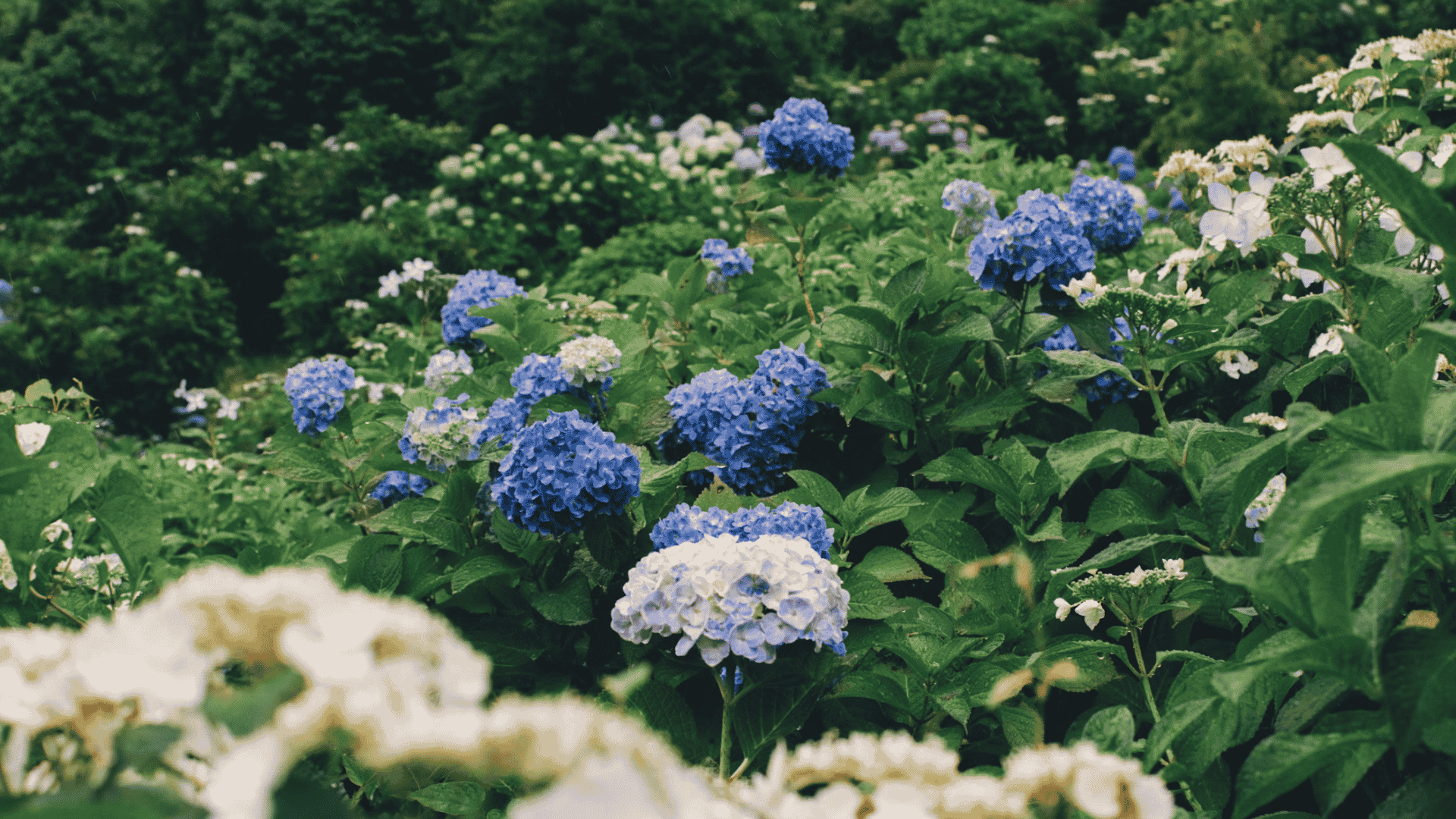
Hydrangeas are among the most popular flowering shrubs, but many gardeners hesitate to plant them because deer often browse their leaves, buds, and young stems.
There is no simple answer, as deer feeding habits depend on food availability, season, and the local deer population.
In areas with frequent deer activity or limited natural vegetation, even plants considered less appealing may be eaten.
Understanding these factors can help set realistic expectations before adding hydrangeas to a landscape. This blog explains how deer interact with hydrangeas and compares the deer resistance of different varieties.
It also shows how to identify browsing damage, protect plants, and choose shrubs that are generally more deer-resistant.
Quick Answer: Are Hydrangeas Deer Resistant?
No, hydrangeas are not truly deer-resistant or deer-proof. Deer may eat their leaves, stems, and flower buds, especially when food is scarce or plants have tender new growth.
Some hydrangea types may be browsed less than others, but none are completely safe from deer. Fencing, repellents, and deer-resistant companion shrubs can help reduce damage in gardens with regular deer activity.
The amount of damage often depends on local deer populations, seasonal food availability, and the location of your garden.
Choosing the right protection methods early in the growing season can help keep hydrangeas healthier and reduce repeated browsing
Why Do Deer Eat Hydrangeas?
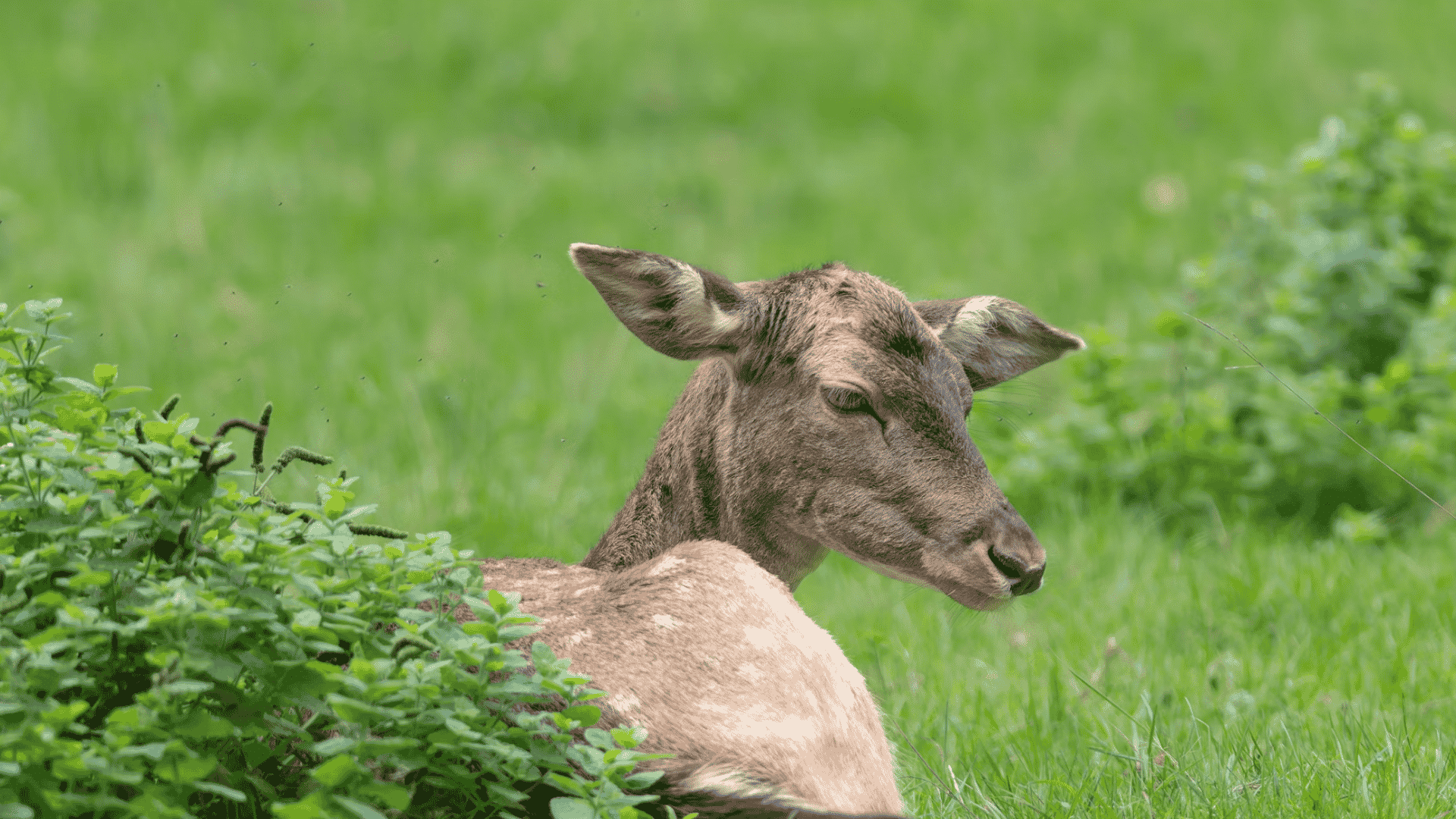
Deer do not target hydrangeas all the time, but they are likely to browse them when conditions make these shrubs an easy food source.
- Spring Growth: Fresh shoots, tender leaves, and new flower buds are soft, making hydrangeas more attractive to browsing deer.
- Early Summer: Deer may still feed on hydrangeas when plants are actively growing and flower buds are developing.
- Fall Food Shortages: As natural food becomes limited, deer may turn to ornamental shrubs they usually ignore.
- Winter Browsing: During colder months, deer may eat woody stems, buds, and remaining foliage when other food is scarce.
- Newly Planted Shrubs: Young hydrangeas are more vulnerable because their stems, leaves, and roots are still tender and not fully established.
Old Wood vs. New Wood: Why Does It Affect Deer Damage Recovery?
A hydrangea’s recovery after deer damage depends on whether it blooms on old wood or new wood. This affects how quickly the plant can produce flowers again.
| Type | Buds Form On | Recovery After Deer Damage |
|---|---|---|
| Old Wood Hydrangeas | Last year’s stems | If deer eat the buds or stems, the plant may regrow leaves but usually won’t bloom until the following season. |
| New Wood Hydrangeas | Current season’s new growth | Even after browsing, the plant can often produce new stems and bloom later in the same season. |
| Reblooming Hydrangeas | Both old and new wood | Early blooms may be lost, but the plant often produces another flush of flowers on new growth. |
Should Hydrangeas Be Planted in Deer-Prone Areas?
Yes, hydrangeas can be planted in deer-prone areas, but they require extra protection and realistic expectations.
Since hydrangeas are not deer-resistant, hungry deer may browse their leaves, stems, and flower buds, especially during spring or when natural food is limited.
Planting them close to the house or in fenced garden beds may help reduce browsing.
Using deer repellents, temporary fencing, and motion-activated sprinklers provides additional protection throughout the growing season.
For the best landscape results, pair hydrangeas with more reliable deer-resistant shrubs such as boxwood, juniper, or lilac. This combination allows gardeners to enjoy hydrangea blooms while lowering the overall risk of deer damage.
Deer Resistance by Hydrangea Type
No hydrangea variety is completely deer-resistant, but some are less attractive than others due to differences in foliage, texture, and growth habits.
| Hydrangea Variety | Deer Resistance | Notes |
|---|---|---|
| Bigleaf Hydrangea (Hydrangea macrophylla) | Low | Soft leaves, tender stems, and flower buds make this one of the most commonly browsed hydrangeas. |
| Oakleaf Hydrangea (Hydrangea quercifolia) | Moderate | Its thicker, rough-textured leaves may make it slightly less appealing, though deer may still browse new growth. |
| Panicle Hydrangea (Hydrangea paniculata) | Moderate | Often experiences less damage than bigleaf varieties but cannot be considered deer-proof. |
| Smooth Hydrangea (Hydrangea arborescens) | Low to Moderate | Fresh shoots and young foliage are attractive to deer, particularly during spring growth. |
| Climbing Hydrangea (Hydrangea anomala subsp. petiolaris) | Moderate | Mature plants may experience less browsing, but young vines remain vulnerable to deer. |
| Mountain Hydrangea (Hydrangea serrata) | Low | Tender foliage and compact growth can attract deer, especially when other food sources are limited. |
Signs Deer Are Eating Your Hydrangeas
Deer damage can look different from insect or disease problems because it often appears suddenly. Most signs show up on tender growth, buds, and reachable stems.
- Missing Flower Buds: Deer often eat flower buds before they open, which can leave the plant leafy but with fewer blooms.
- Ragged Torn Leaves: Deer do not make clean cuts, so leaves may look ripped, shredded, or uneven around the edges.
- Cleanly Stripped Stems: Stems may appear bare where deer have pulled off leaves, buds, or soft side shoots.
- Bite Marks on Young Shoots: Tender shoots may look clipped, bent, or partially chewed after deer feeding.
- Damage Between 3–6 Feet: Deer usually browse at standing height, so damage often appears above rabbit or ground-level feeding marks.
- Overnight Feeding Patterns: Fresh damage that appears overnight or early in the morning is a common sign of deer activity.
Best Deer-Resistant Alternatives to Hydrangeas
If deer regularly damage your hydrangeas, choosing shrubs that are less appealing to them can reduce browsing.
1. Boxwood
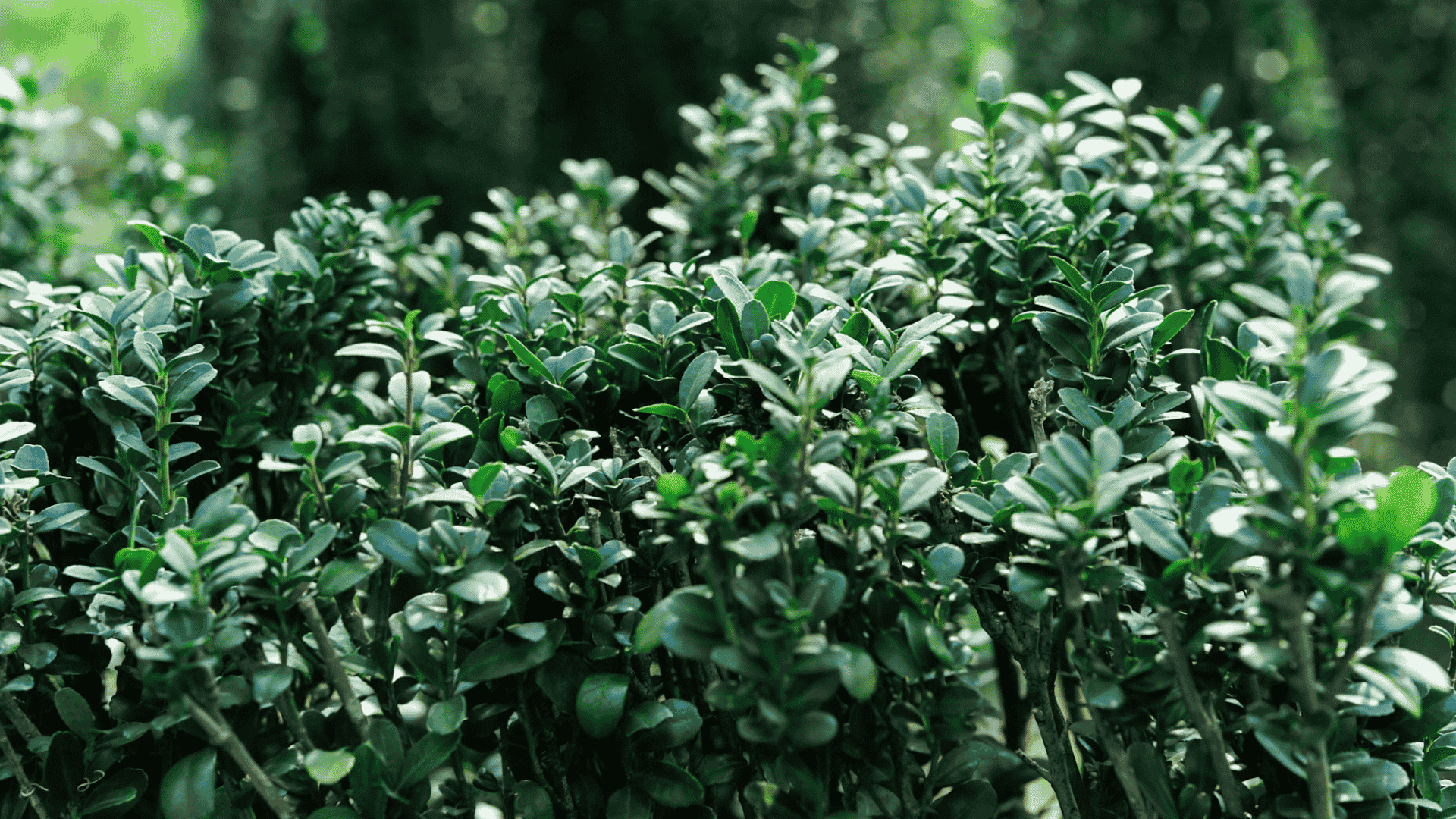
Boxwood is a dense evergreen shrub valued for its compact shape and glossy green foliage throughout the year.
It grows well in USDA Zones 5–9 and produces small, pale flowers in spring, though they are not especially showy.
Deer usually avoid boxwood because its leathery leaves contain compounds that make them less appealing to browse.
It works well as a hedge, border, or foundation planting and requires only occasional pruning to maintain its tidy appearance.
2. Bluebeard
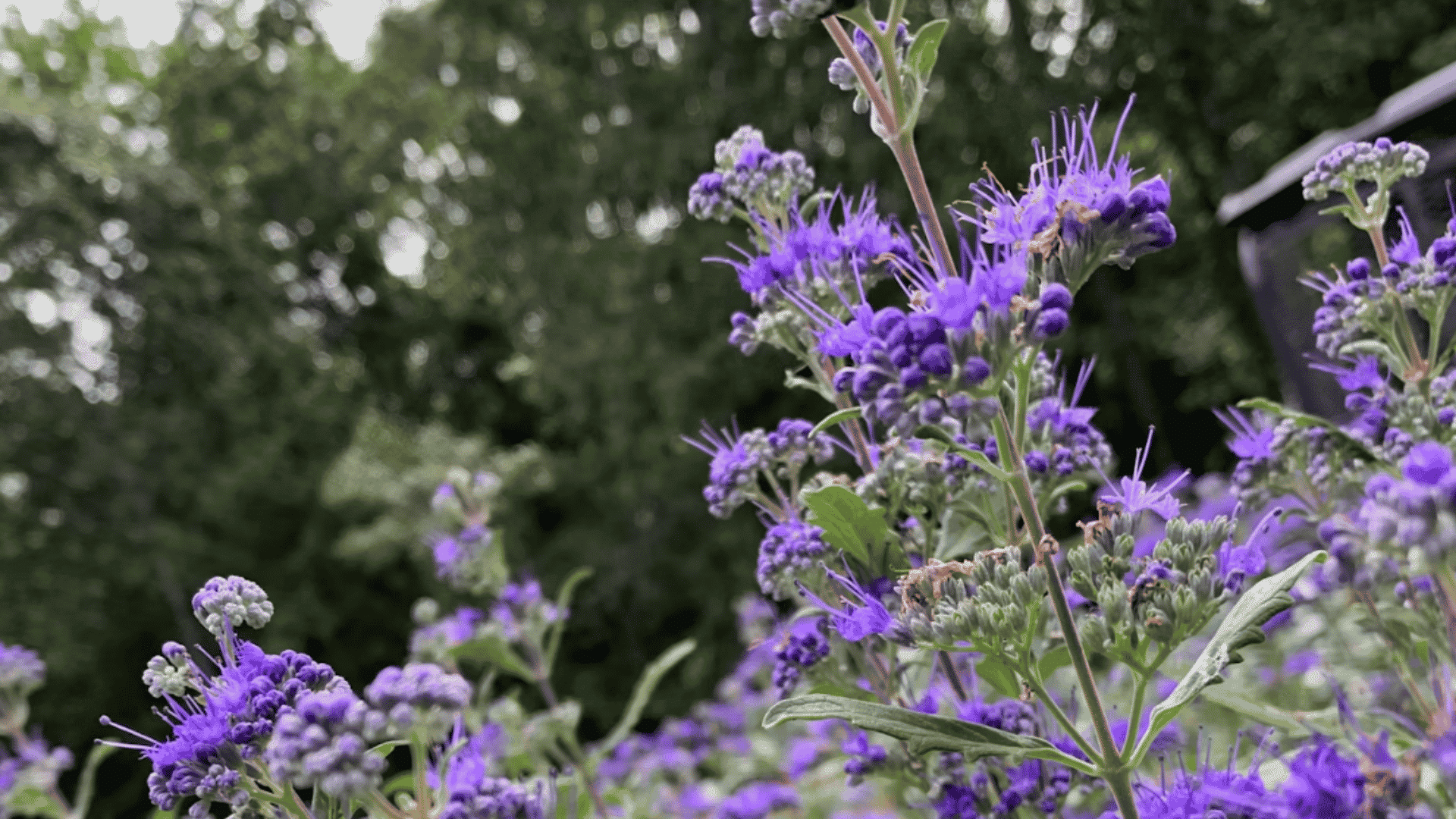
Bluebeard (Caryopteris) is a compact deciduous shrub with soft gray-green foliage and clusters of vivid blue flowers.
It grows best in USDA Zones 5–9 and blooms from late summer into early fall, providing color when many shrubs have finished flowering.
Deer generally avoid bluebeard because its aromatic leaves have a strong scent they dislike.
It grows well in full sun, attracts pollinators, and performs well in dry, well-drained garden beds.
3. Butterfly Bush
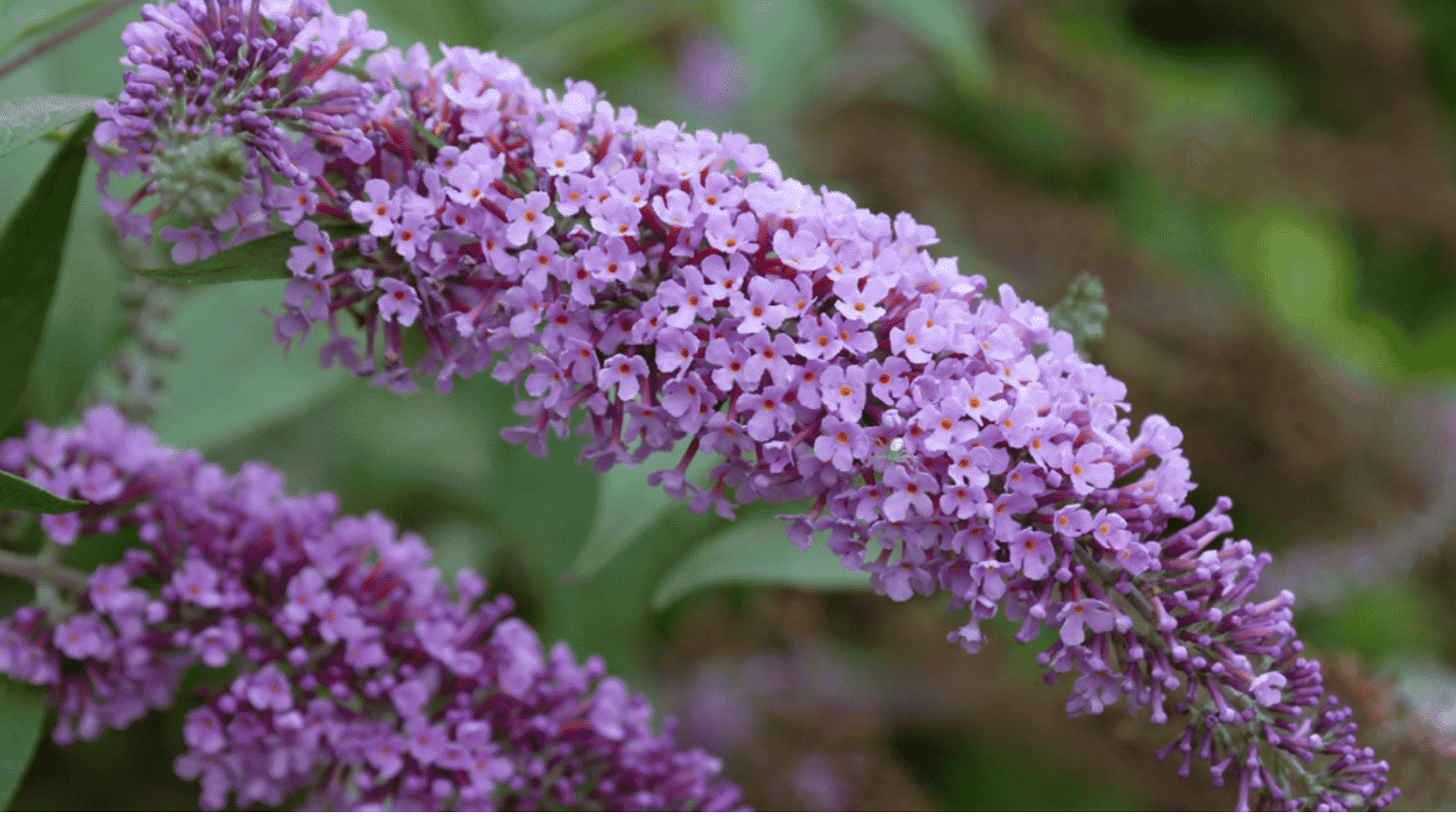
Butterfly bush is a fast-growing shrub known for its long flower spikes that attract butterflies, bees, and hummingbirds.
It grows in USDA Zones 5–9 and blooms from summer through early fall.
Deer usually leave butterfly bush alone because its fragrant foliage is less attractive than tender garden plants.
This shrub prefers full sun and well-drained soil, making it a colorful choice for borders, wildlife gardens, and mixed shrub plantings.
4. Spirea
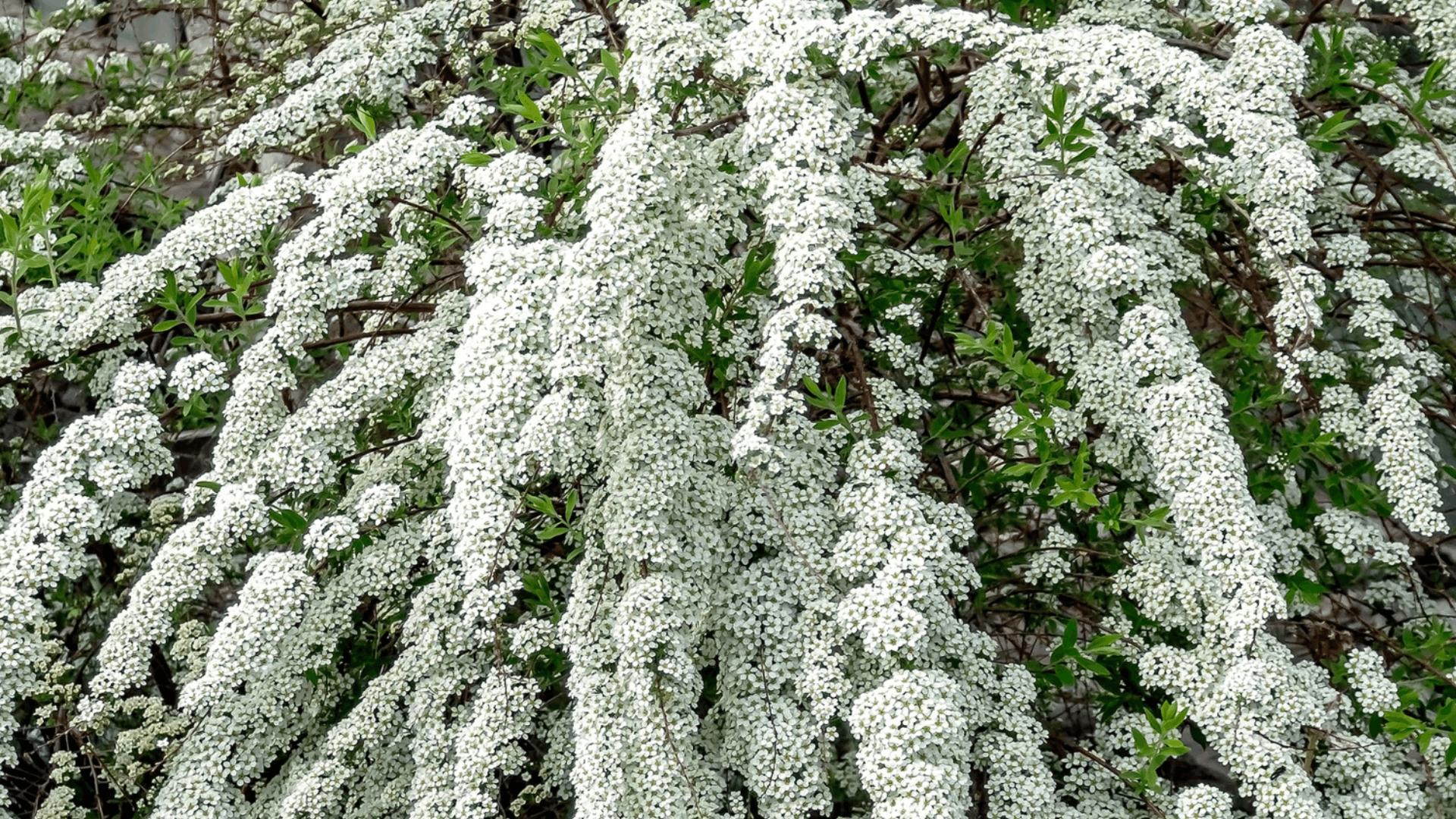
Spirea is a hardy flowering shrub that produces masses of white, pink, or red blooms on graceful arching branches.
It grows well in USDA Zones 3–8 and flowers during spring or summer, depending on the variety. Deer generally browse spirea less often because its stems and foliage are not among their favorite food sources.
It adapts easily to different soil types and fits beautifully into foundation plantings, borders, and cottage-style gardens.
5. Viburnum
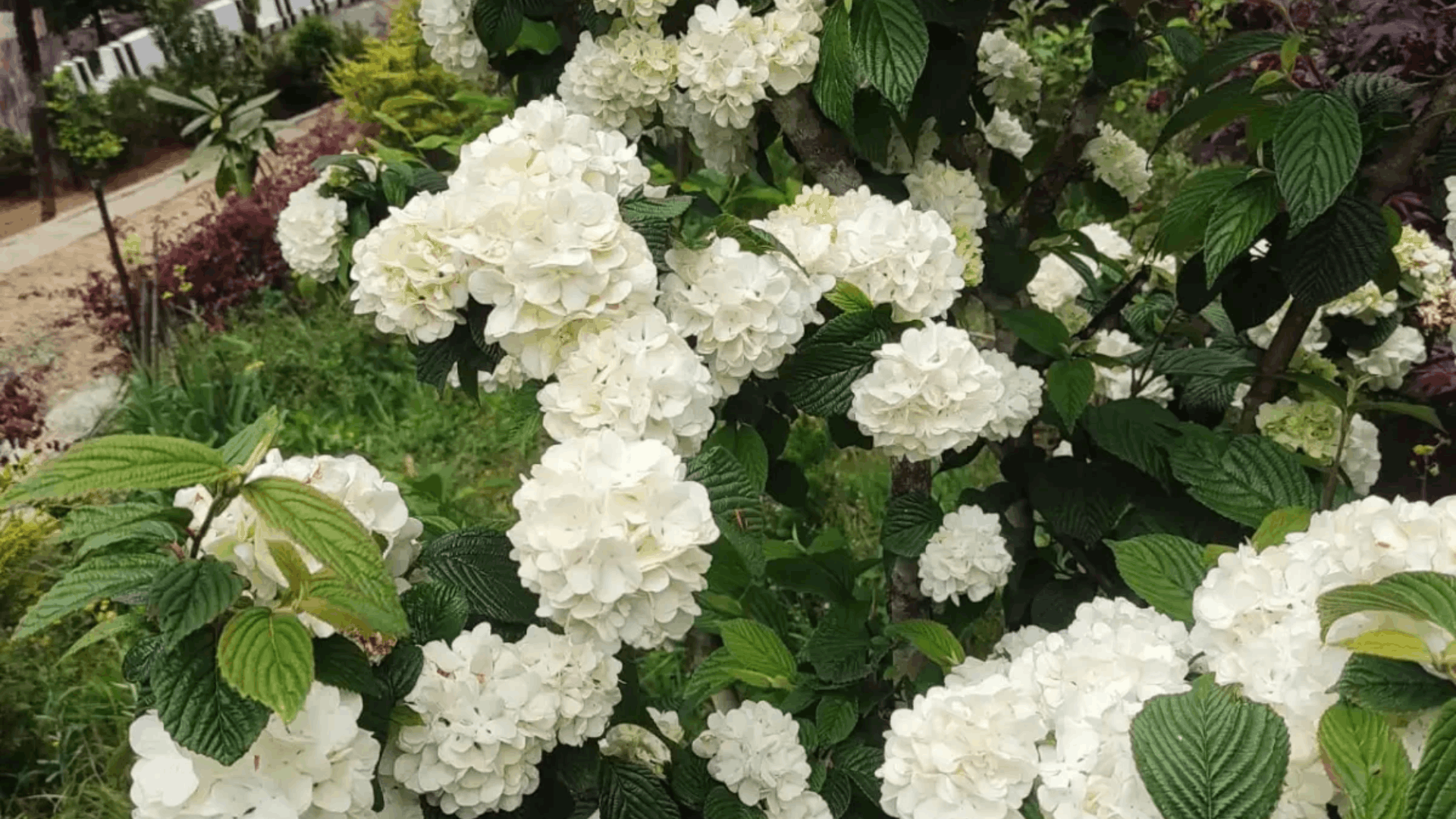
Viburnum is a versatile shrub appreciated for its spring flowers, colorful berries, and attractive fall foliage.
Most varieties grow successfully in USDA Zones 4–8 and bloom in spring with clusters of white or pale pink flowers.
Deer resistance varies by species, but many viburnums are browsed less often because of their coarse leaves and natural plant compounds.
They also provide seasonal interest and valuable food for birds once berries develop.
6. Deutzia
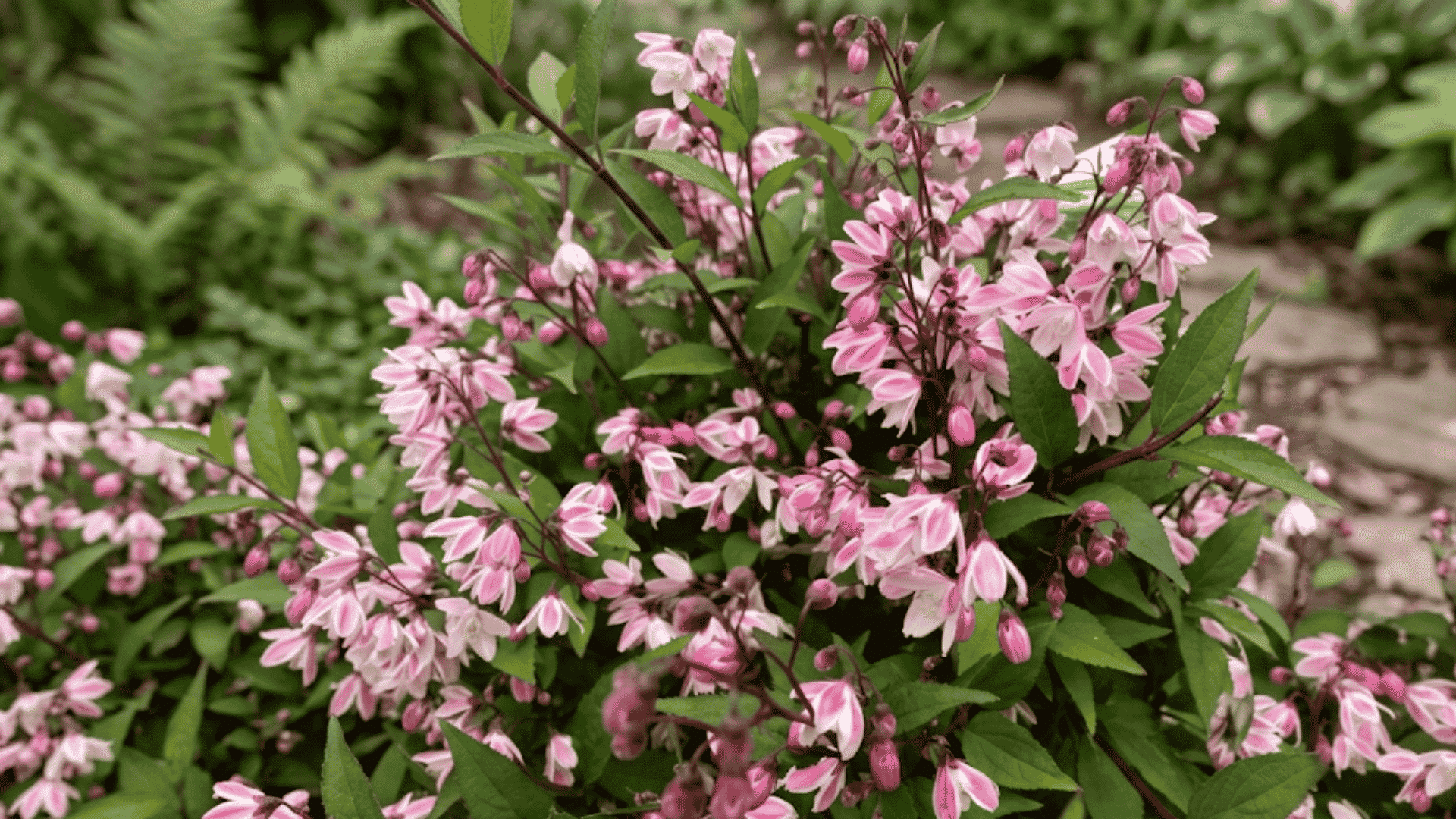
Deutzia is a graceful deciduous shrub covered with delicate white or pink flowers along its arching branches. It grows best in USDA Zones 5–8 and blooms from late spring to early summer.
Deer usually avoid deutzia because its foliage is less desirable than softer ornamental plants.
It performs well in full sun or partial shade and makes an attractive addition to mixed borders, flowering hedges, and informal landscape designs.
7. Forsythia
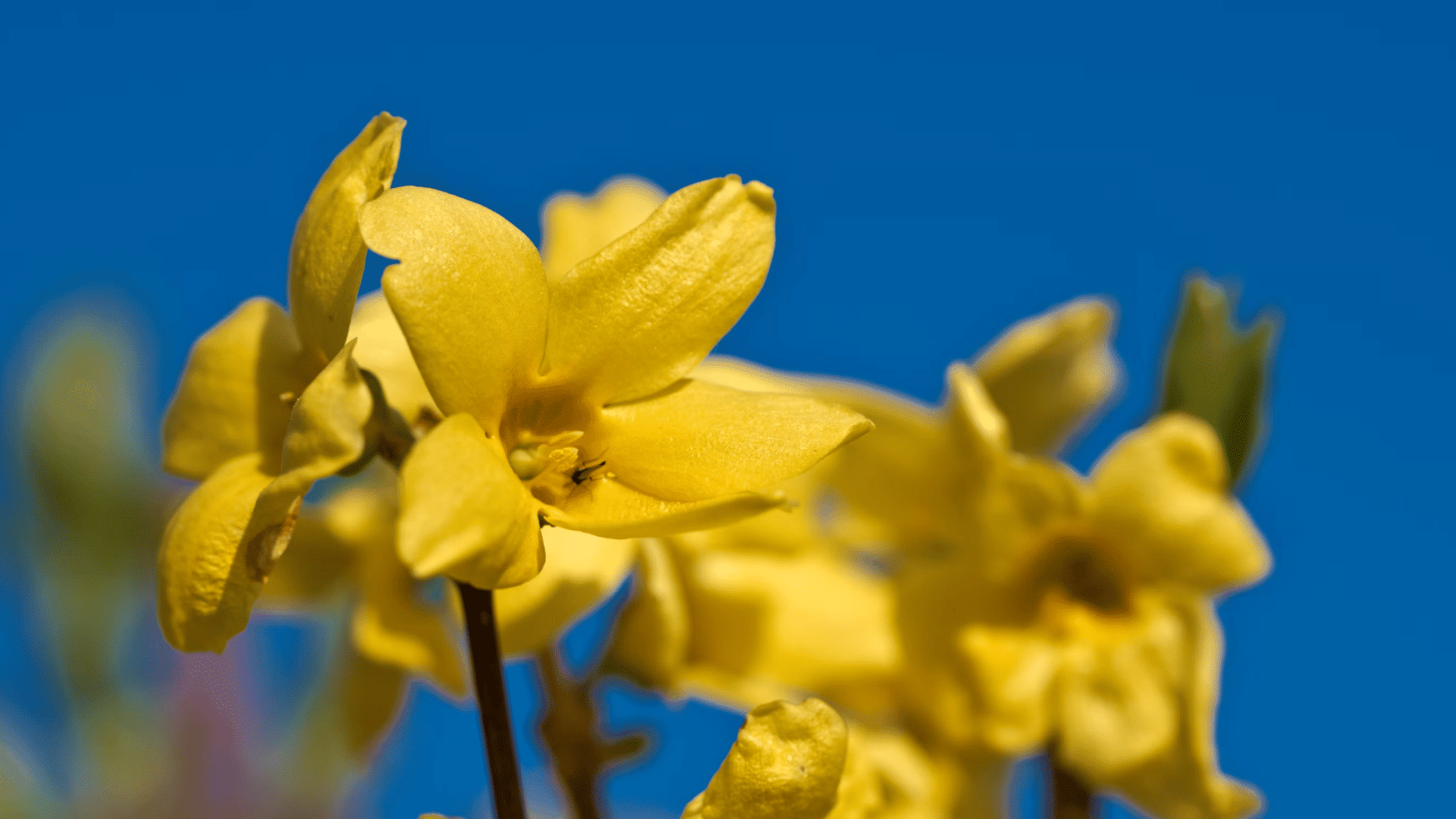
Forsythia is famous for its brilliant yellow flowers that appear before the leaves emerge each spring.
It grows well in USDA Zones 5–8 and blooms in early spring, adding one of the first bursts of color to the landscape.
Deer typically avoid forsythia because its woody stems and foliage are less attractive to browse. Its fast growth also makes it an excellent choice for hedges, screens, and flowering borders.
8. False Cypress
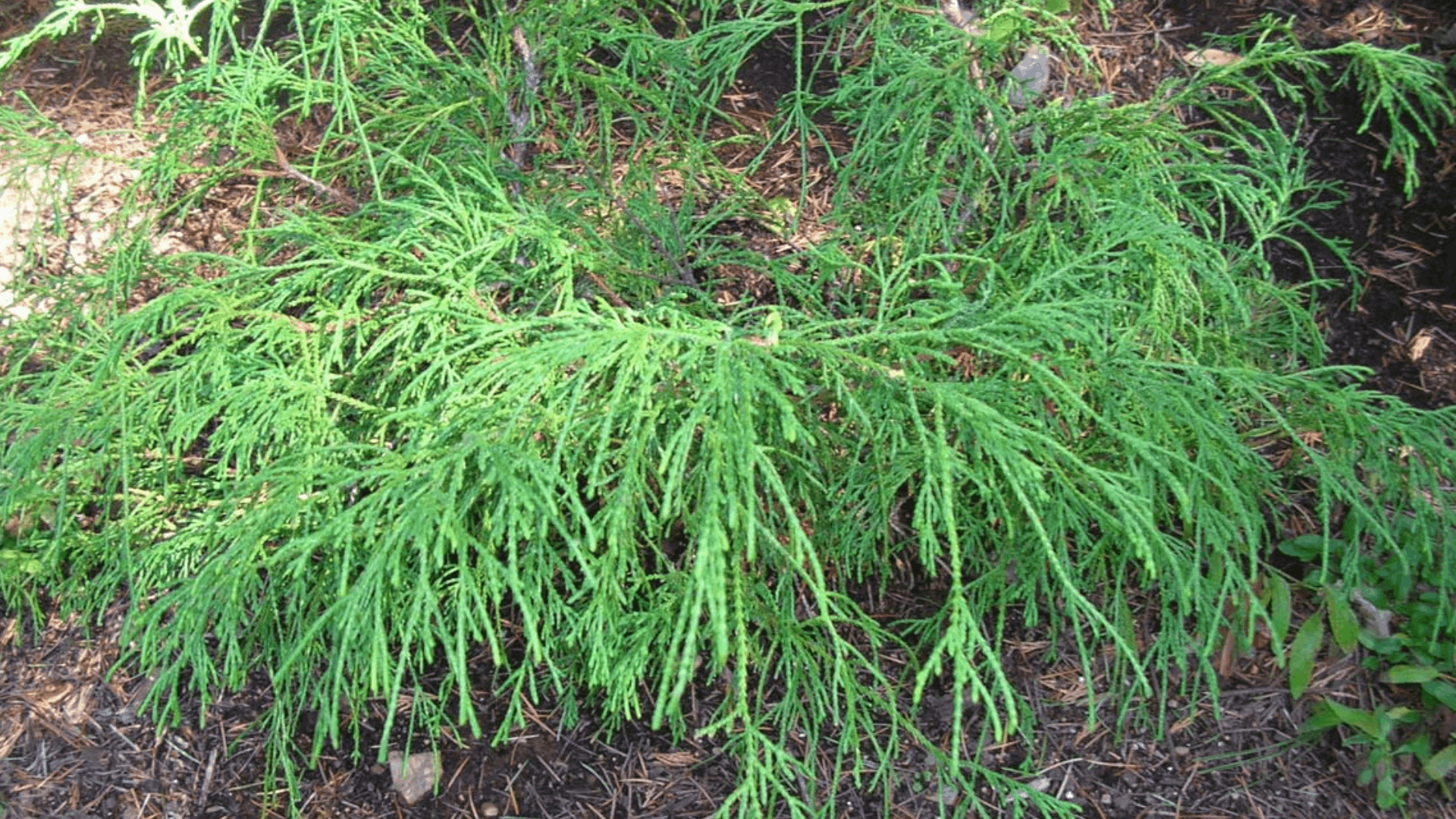
False cypress is an evergreen shrub grown mainly for its soft, feathery foliage that ranges from green to golden yellow.
It performs well in USDA Zones 4–8 and has no significant bloom season, as the foliage provides its main ornamental value.
Deer often avoid false cypress because of its aromatic evergreen needles and resinous scent.
It adds year-round texture and works well in foundation beds, rock gardens, and privacy plantings.
9. Juniper
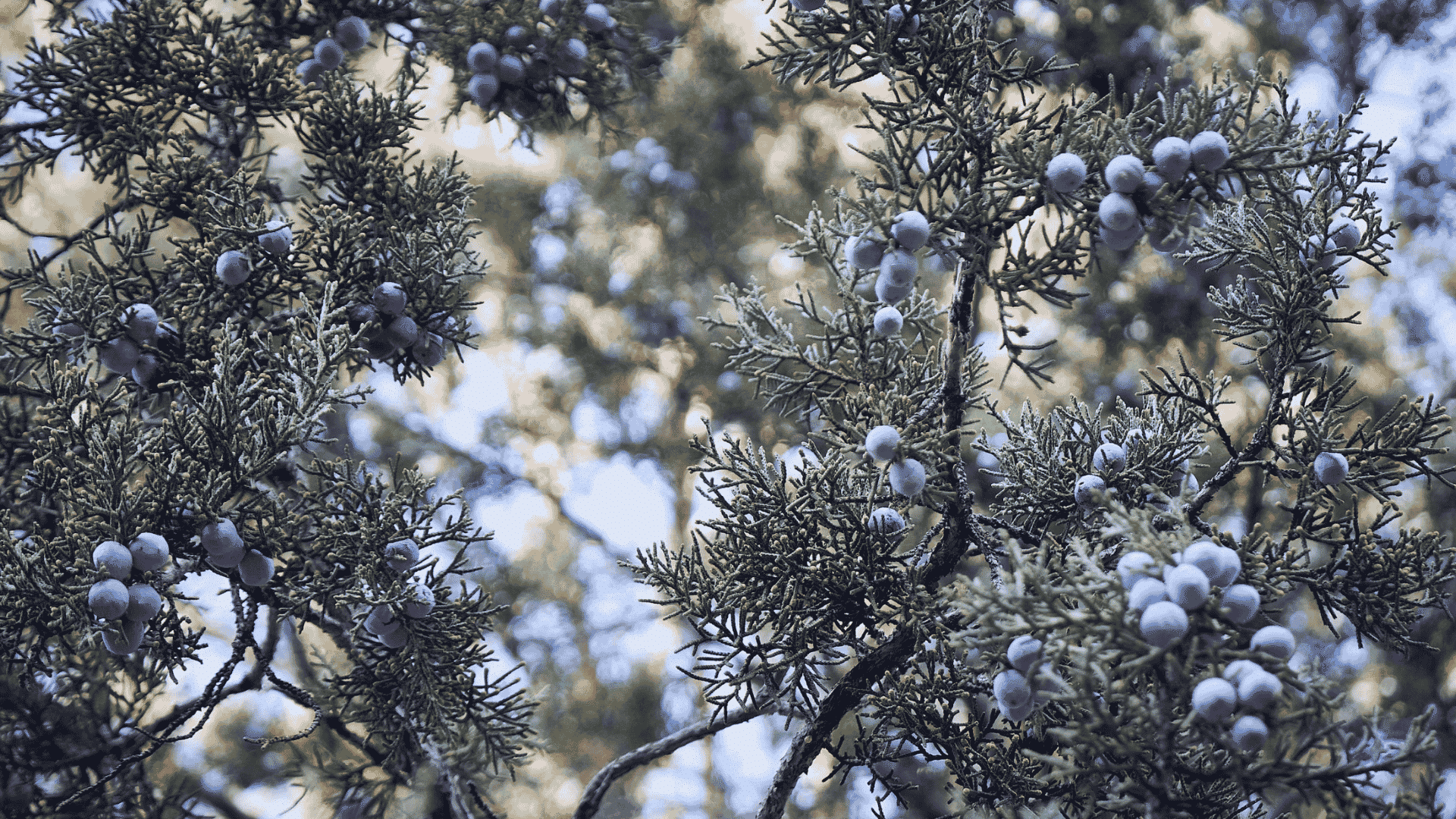
Juniper is a tough evergreen shrub available in upright, spreading, and ground-cover forms. It grows across USDA Zones 3–9 and produces small berry-like cones instead of noticeable flowers.
Deer rarely browse juniper because of its prickly foliage, strong aroma, and resin content.
It tolerates drought once established and is commonly planted on slopes, along walkways, or in low-maintenance landscapes where year-round greenery is desired.
10. Scotch Broom
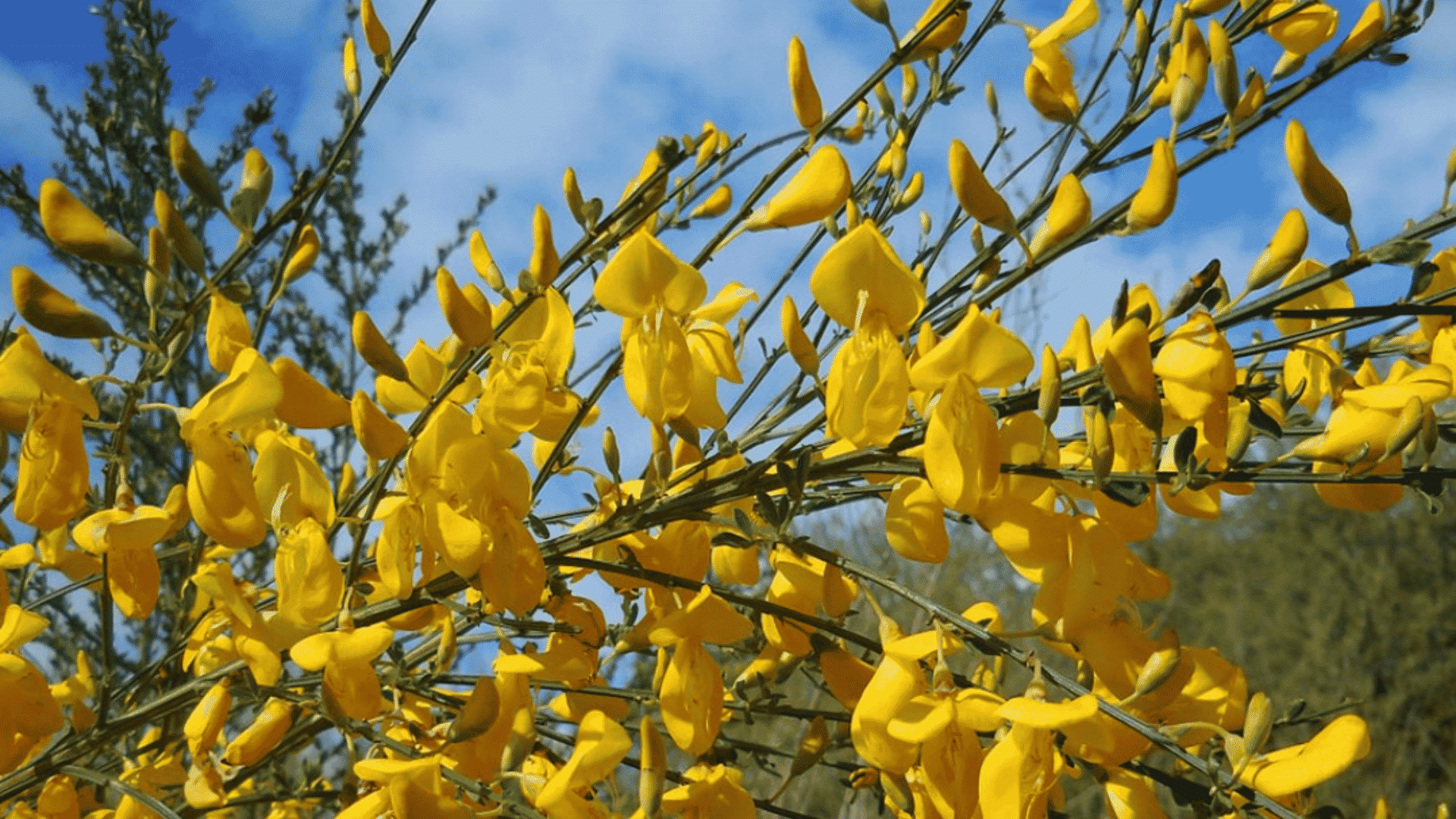
Scotch broom is a deciduous shrub with slender green stems and bright yellow, pea-shaped flowers. It grows best in USDA Zones 5–8 and blooms from late spring to early summer.
Deer generally avoid this shrub because its tough stems contain natural compounds that reduce its appeal.
Scotch broom thrives in full sun and well-drained soil, making it suitable for dry landscapes, banks, and erosion-prone areas.
11. Dogwood Shrubs
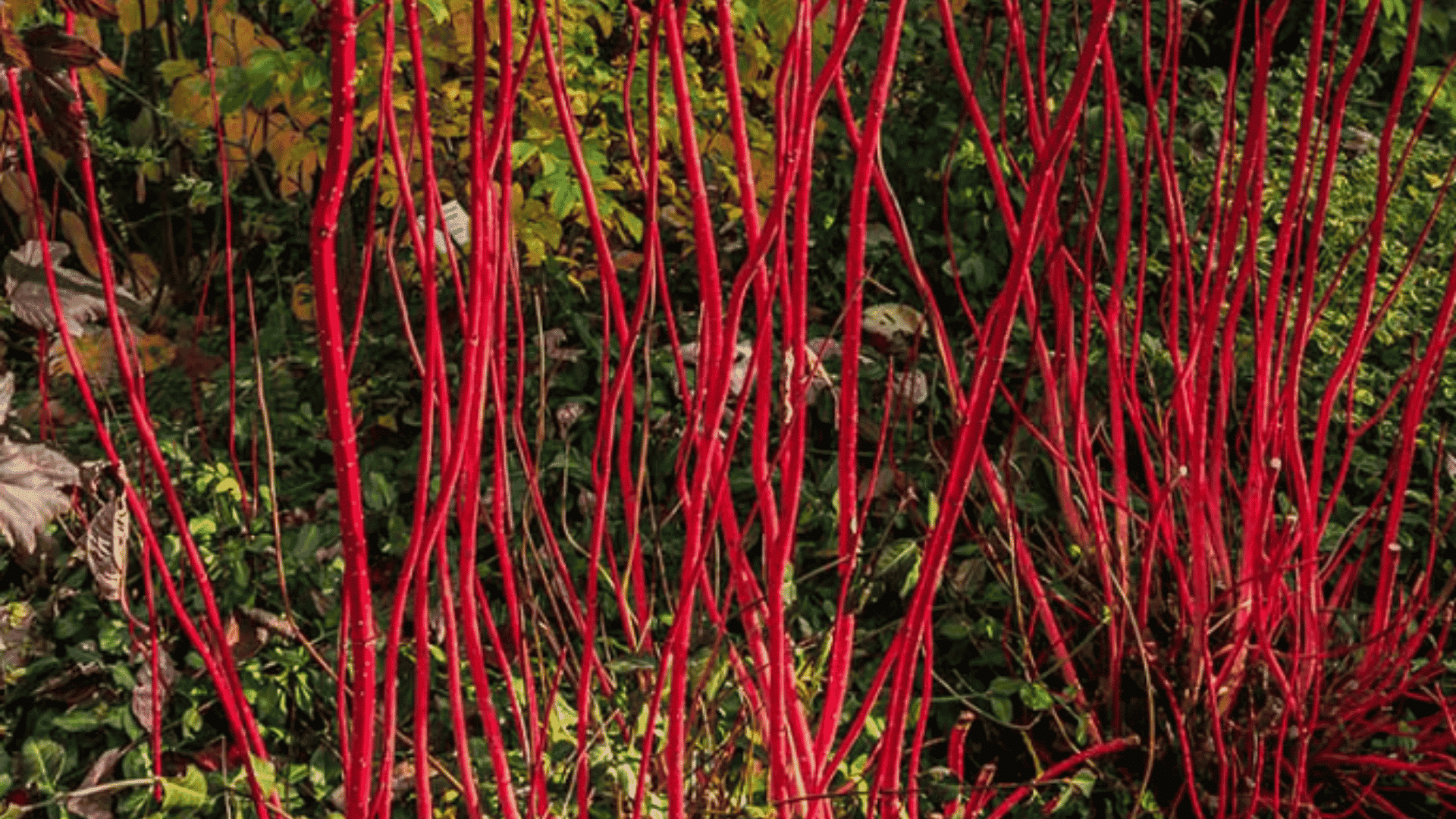
Dogwood shrubs offer white flower clusters, colorful berries, attractive foliage, and vibrant stems that brighten winter landscapes.
Most varieties grow well in USDA Zones 3–8 and bloom during late spring.
While deer may occasionally nibble young shoots, established shrubs are usually less attractive than hydrangeas.
Dogwood shrubs also support birds and pollinators, making them a practical choice for wildlife-friendly gardens and natural landscape designs.
12. Rose of Sharon
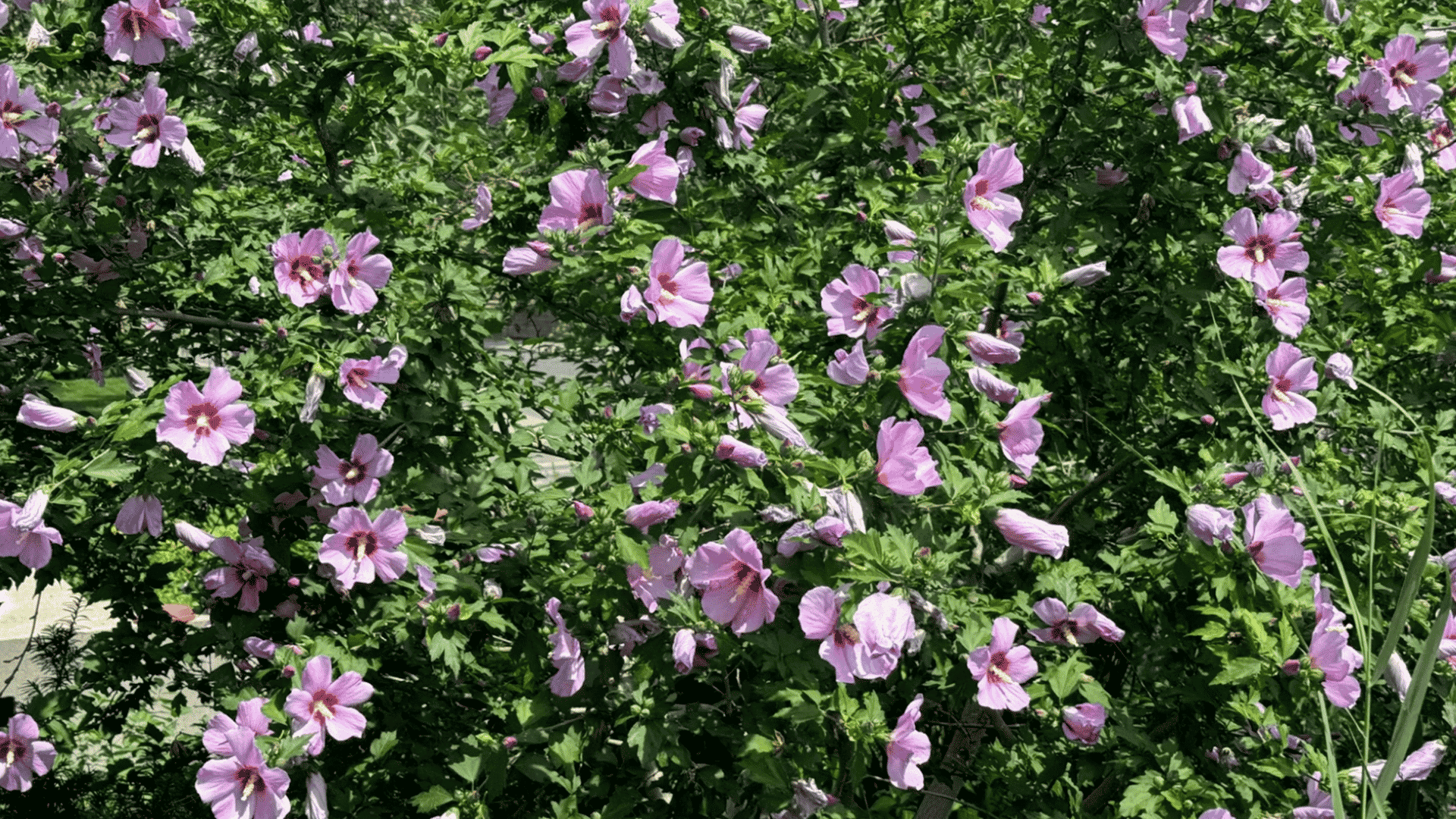
Rose of Sharon is a deciduous shrub that produces large hibiscus-like flowers in shades of white, pink, purple, and blue.
It grows in USDA Zones 5–9 and blooms from mid-summer through fall, offering long-lasting seasonal color.
Deer generally browse it less because mature leaves and woody stems are not highly appealing. It grows well in full sun and serves as an attractive hedge, specimen plant, or flowering screen.
13. Elderberry
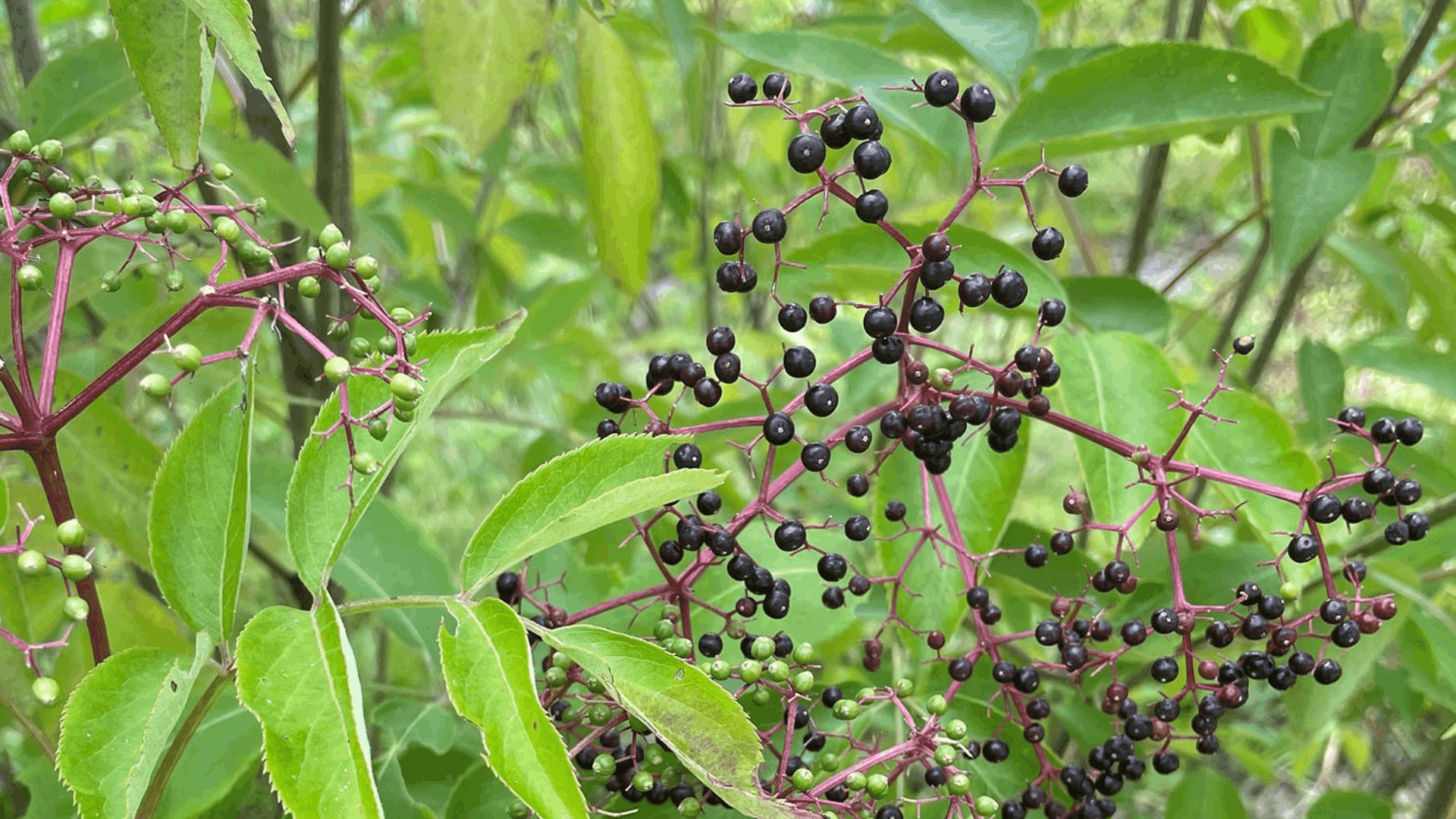
Elderberry is a vigorous shrub known for its flat clusters of creamy white flowers followed by dark purple berries.
It grows successfully in USDA Zones 3–9 and blooms from late spring to early summer. Deer usually browse elderberry less often than hydrangeas, especially once plants mature.
Besides adding ornamental value, elderberry attracts birds and pollinators while adapting well to a variety of growing conditions and garden settings.
14. Lilac
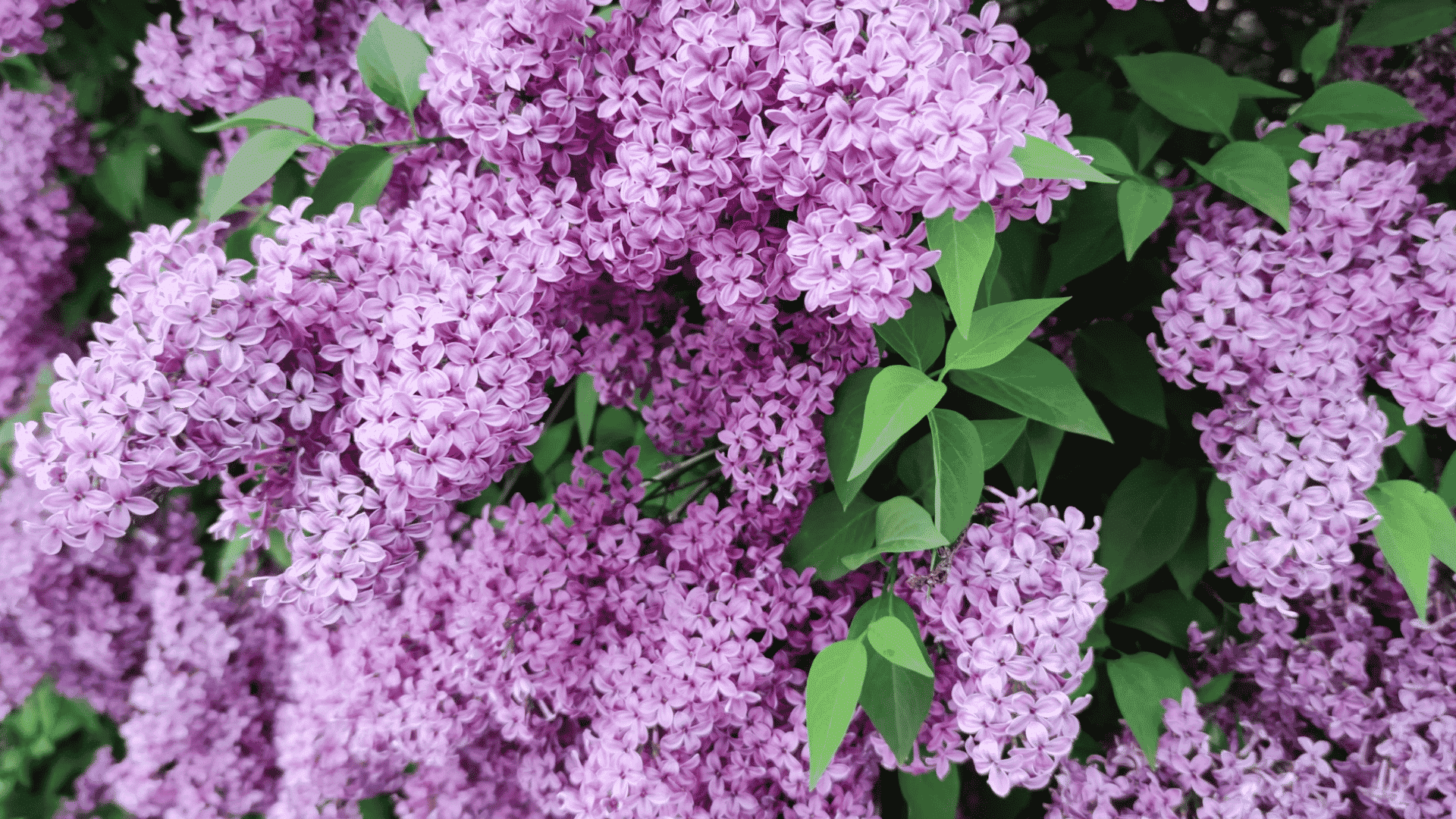
Lilac is a classic flowering shrub admired for its fragrant blooms that appear in shades of purple, pink, white, and lavender.
It grows best in USDA Zones 3–7 and flowers during mid to late spring.
Deer often avoid lilacs because of their strong fragrance and woody stems.
Lilacs perform best in full sun with good air circulation and provide reliable spring color while attracting butterflies and beneficial pollinators.
15. Weigela
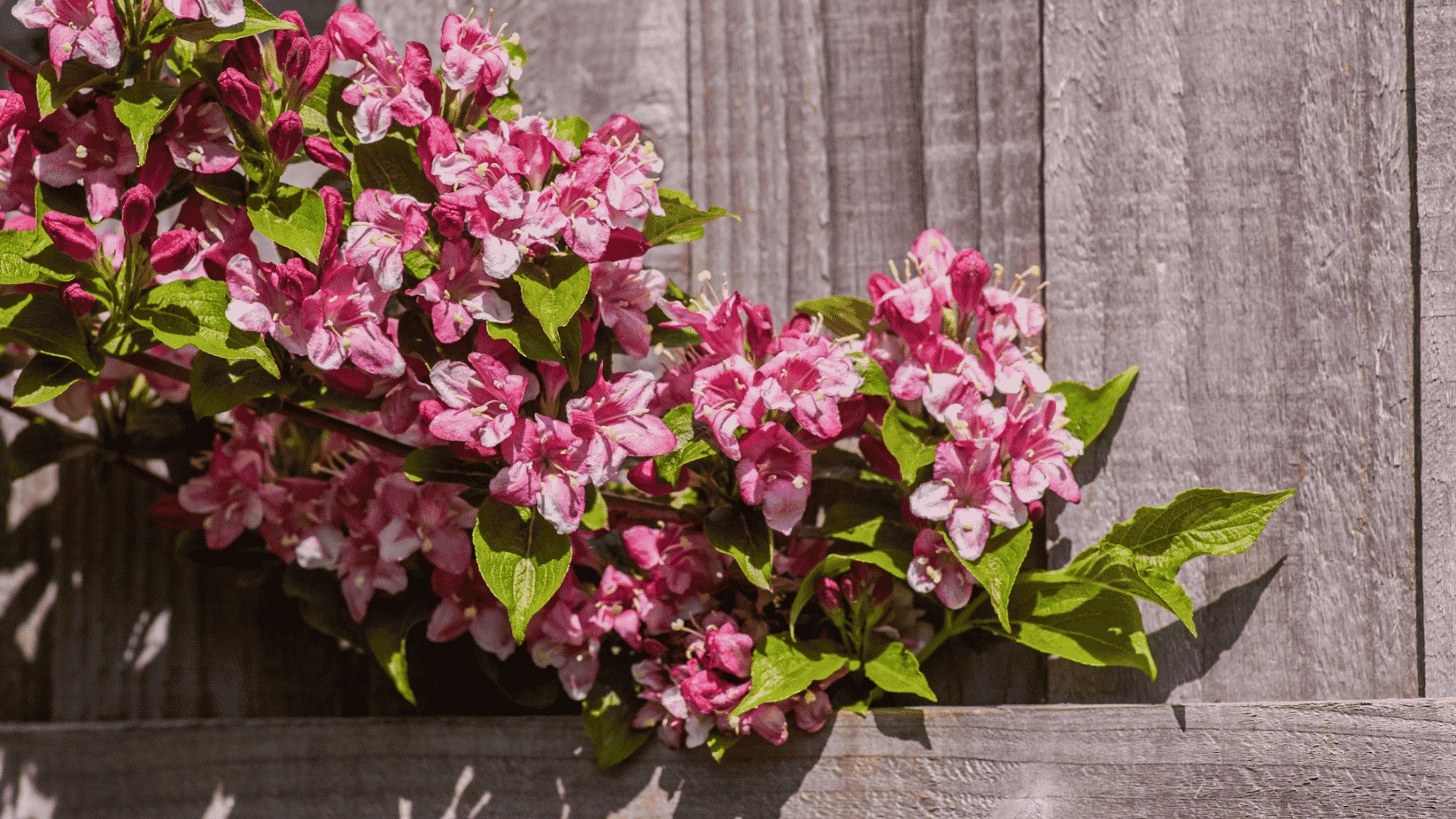
Weigela is a deciduous shrub with arching branches covered in trumpet-shaped flowers that attract hummingbirds and bees.
It grows well in USDA Zones 4–8 and blooms during late spring, with wide varieties flowering again later in summer.
Deer generally browse Weigela less frequently because its foliage is not especially appealing. It grows best in full sun and adds bright color to borders, foundation plantings, and mixed shrub gardens.
16. Potentilla
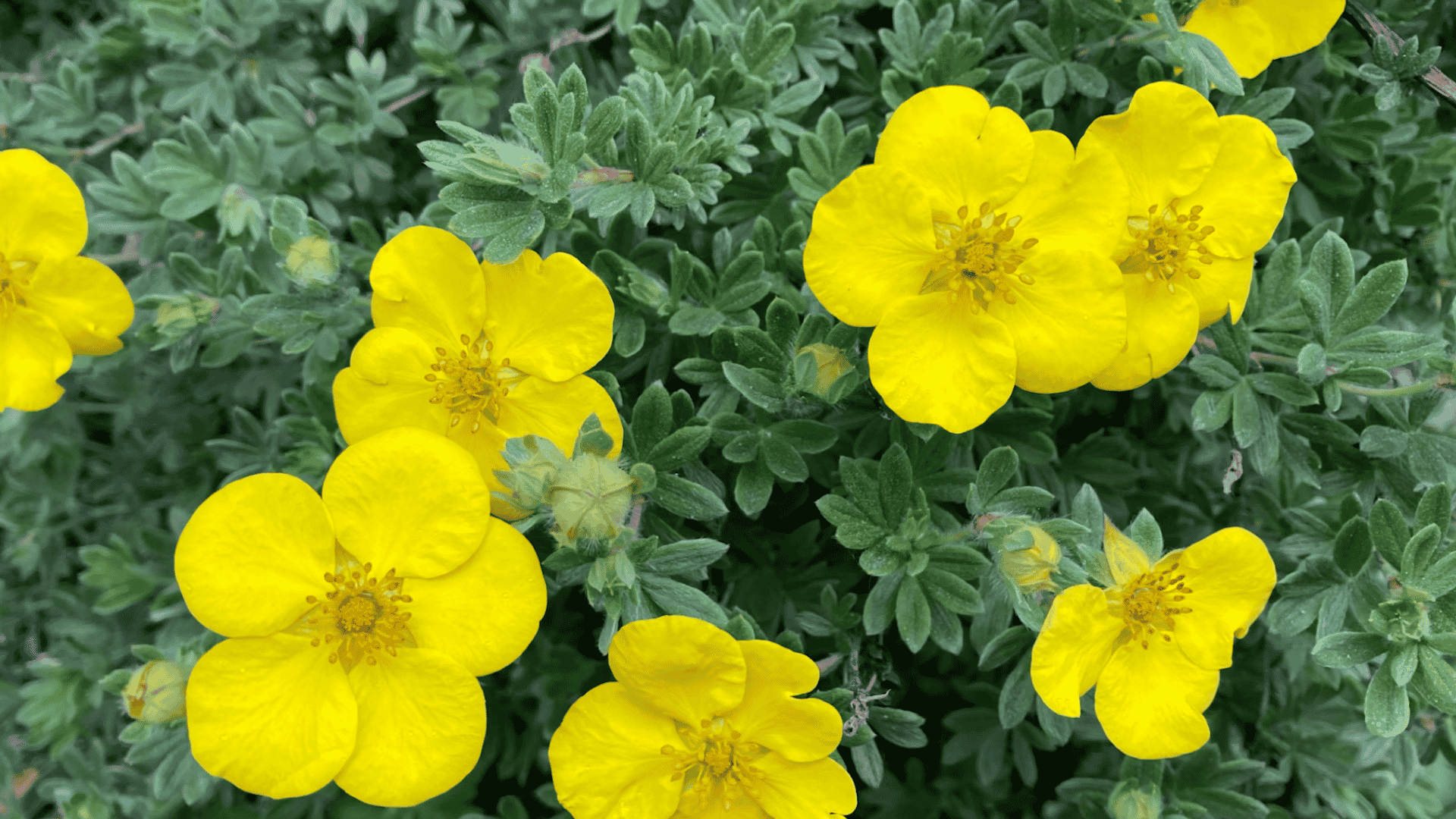
Potentilla is a compact flowering shrub that produces cheerful yellow, white, pink, or orange blooms over an extended season.
It thrives in USDA Zones 2–7 and flowers from late spring through fall.
Deer usually avoid potentilla because its foliage is less attractive than that of tender ornamental plants.
It tolerates poor soils, drought, and cold weather, making it a dependable choice for borders, mass plantings, and low-maintenance landscapes.
17. Coralberry
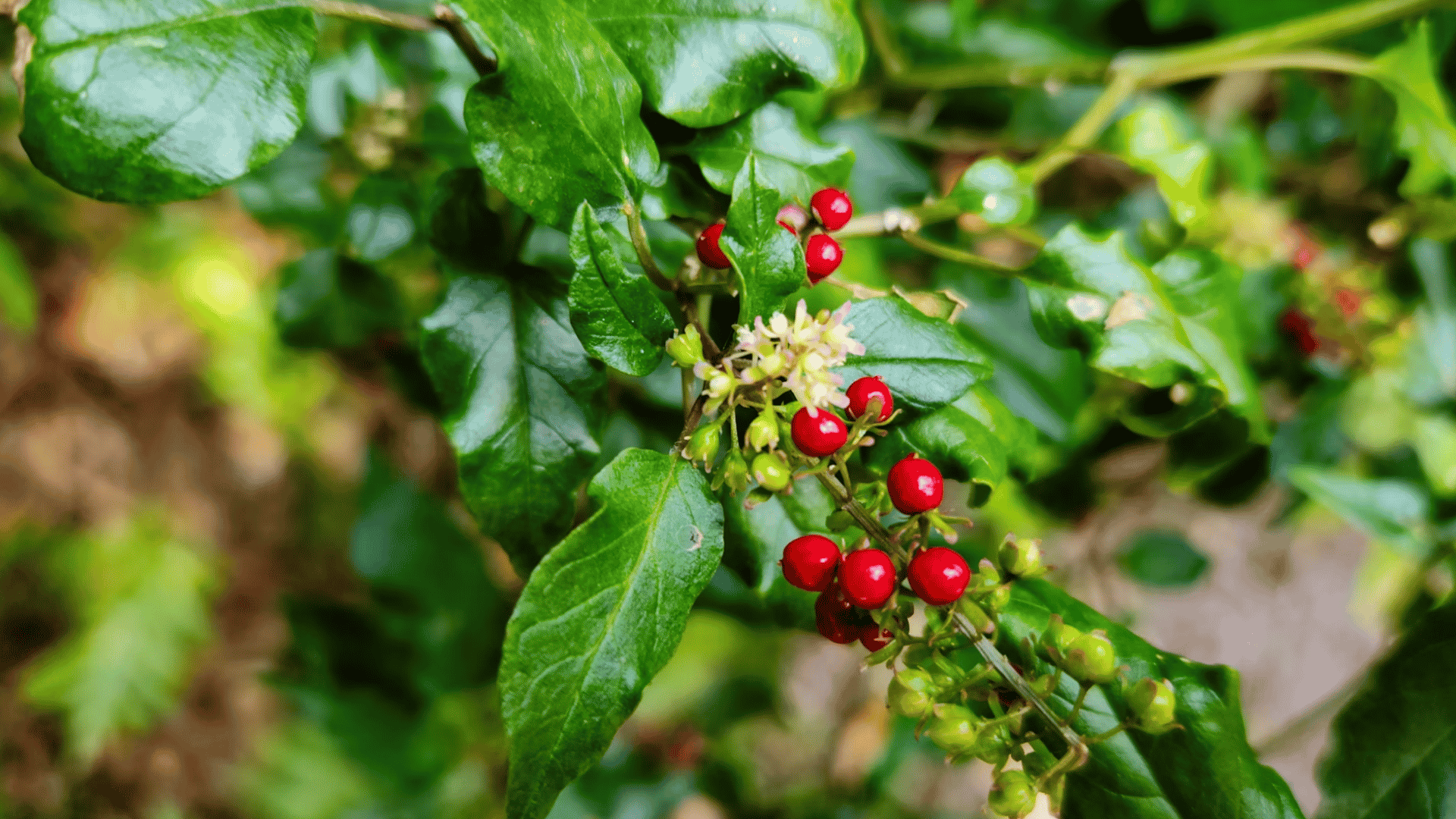
Coralberry is a small deciduous shrub best known for its bright pink berries that remain on the stems into winter. It grows well in USDA Zones 3–7 and produces small pink flowers during summer before the berries develop.
Deer generally avoid coralberry because its foliage is not a preferred food source.
This adaptable shrub spreads gradually and performs well in woodland gardens, borders, and naturalized landscape settings.
How to Protect Hydrangeas from Deer?
A few simple preventive measures can greatly reduce deer damage throughout the growing season.
- Install Protective Fencing: Surround hydrangeas with temporary mesh or wire fencing at least 6–8 feet tall to physically block deer from reaching plants.
- Use Deer Repellents Regularly: Apply commercial or homemade deer repellents every few weeks and after rainfall to maintain an effective scent and taste barrier.
- Plant Deer-Resistant Companions: Grow lavender, salvia, rosemary, or boxwood nearby to naturally make the surrounding garden less attractive to browsing deer.
- Protect Spring Growth: Cover shrubs with netting or plant cages when tender shoots and flower buds first emerge, since deer target fresh growth.
- Add Motion Deterrents: Install motion-activated sprinklers or lights that surprise deer and discourage them from repeatedly entering your garden at night while feeding.
- Avoid Excessive Nitrogen Fertilizer: Limit high-nitrogen fertilizers because they encourage soft, leafy growth that deer find more appealing than mature, tougher foliage.
Deer-Resistant Alternative Plants at a Glance
If you’re replacing hydrangeas, these shrubs offer attractive flowers or evergreen interest and are generally less appealing to deer.
| Plant | Deer Resistance | Flower Color | Sun Needs | USDA Zones |
|---|---|---|---|---|
| Boxwood | High | Creamy green (inconspicuous) | Full sun to partial shade | 5–9 |
| Bluebeard | High | Blue | Full sun | 5–9 |
| Butterfly Bush | Moderate to High | Purple, pink, white, blue | Full sun | 5–9 |
| Spirea | Moderate | White, pink, red | Full sun | 3–8 |
| Viburnum | Moderate | White, pale pink | Full sun to partial shade | 4–8 |
| Deutzia | Moderate | White, pink | Full sun to partial shade | 5–8 |
| Forsythia | Moderate | Yellow | Full sun to partial shade | 5–8 |
| False Cypress | High | No showy flowers | Full sun to partial shade | 4–8 |
| Juniper | High | No showy flowers | Full sun | 3–9 |
| Scotch Broom | High | Yellow | Full sun | 5–8 |
| Dogwood Shrubs | Moderate | White | Full sun to partial shade | 3–8 |
| Rose of Sharon | Moderate | White, pink, purple, blue | Full sun | 5–9 |
| Elderberry | Moderate | Creamy white | Full sun to partial shade | 3–9 |
| Lilac | High | Purple, pink, white, lavender | Full sun | 3–7 |
| Weigela | Moderate | Pink, red, white | Full sun | 4–8 |
| Potentilla | High | Yellow, white, pink, orange | Full sun | 2–7 |
| Coralberry | Moderate | Pink | Full sun to partial shade | 3–7 |
Common Mistakes when Trying to Keep Deer Away
Protecting hydrangeas works best when you plan before deer damage starts. These common mistakes can make shrubs more vulnerable to browsing.
- Assuming Hydrangeas Are Deer-Proof: Hydrangeas are not deer-proof. Deer may eat leaves, stems, and flower buds, especially when food is limited.
- Using Repellents Only Once: Deer repellents fade after rain, watering, and new growth. Reapply them regularly to keep protection active.
- Ignoring Seasonal Browsing: Deer browse more heavily in spring, fall, and winter. Extra protection is often needed during these high-risk seasons.
- Planting Hydrangeas Beside Deer Favorites: Avoid placing hydrangeas near hostas, daylilies, roses, or other plants deer commonly eat.
- Leaving Young Plants Unprotected: New hydrangeas have tender growth that deer find appealing. Use cages, netting, or fencing until plants establish.
- Waiting until Damage Appears: Once deer find your hydrangeas, they may return often. Start protection before browsing becomes a repeated problem.
Conclusion
Hydrangeas offer beautiful blooms and long-lasting landscape appeal, but they are only somewhat deer-resistant, not deer-proof.
Deer may ignore them in some gardens yet browse leaves, stems, and flower buds when food is scarce or new growth appears. Combining fencing, repellents, companion planting, and seasonal protection can greatly reduce damage.
If deer are a constant challenge, consider mixing hydrangeas with more dependable deer-resistant shrubs for a healthier, better-protected landscape.
Choose plants suited to your growing conditions and local wildlife to keep your garden attractive and easier to maintain year-round.
Frequently Asked Questions
Where Should Hydrangeas Not Be Planted?
Avoid planting hydrangeas in areas with frequent deer activity, poorly drained soil, deep shade, or harsh afternoon sun in hot climates.
Will Hydrangeas Grow Back If Eaten By Deer?
Yes, established hydrangeas often produce new growth after deer browsing. Severe or repeated damage may reduce flowering and slow recovery.
What Plant Do Deer Hate Most?
Lavender is among the plants deer avoid most because of its strong fragrance. Boxwood, rosemary, salvia, juniper, and Russian sage are also avoided.