

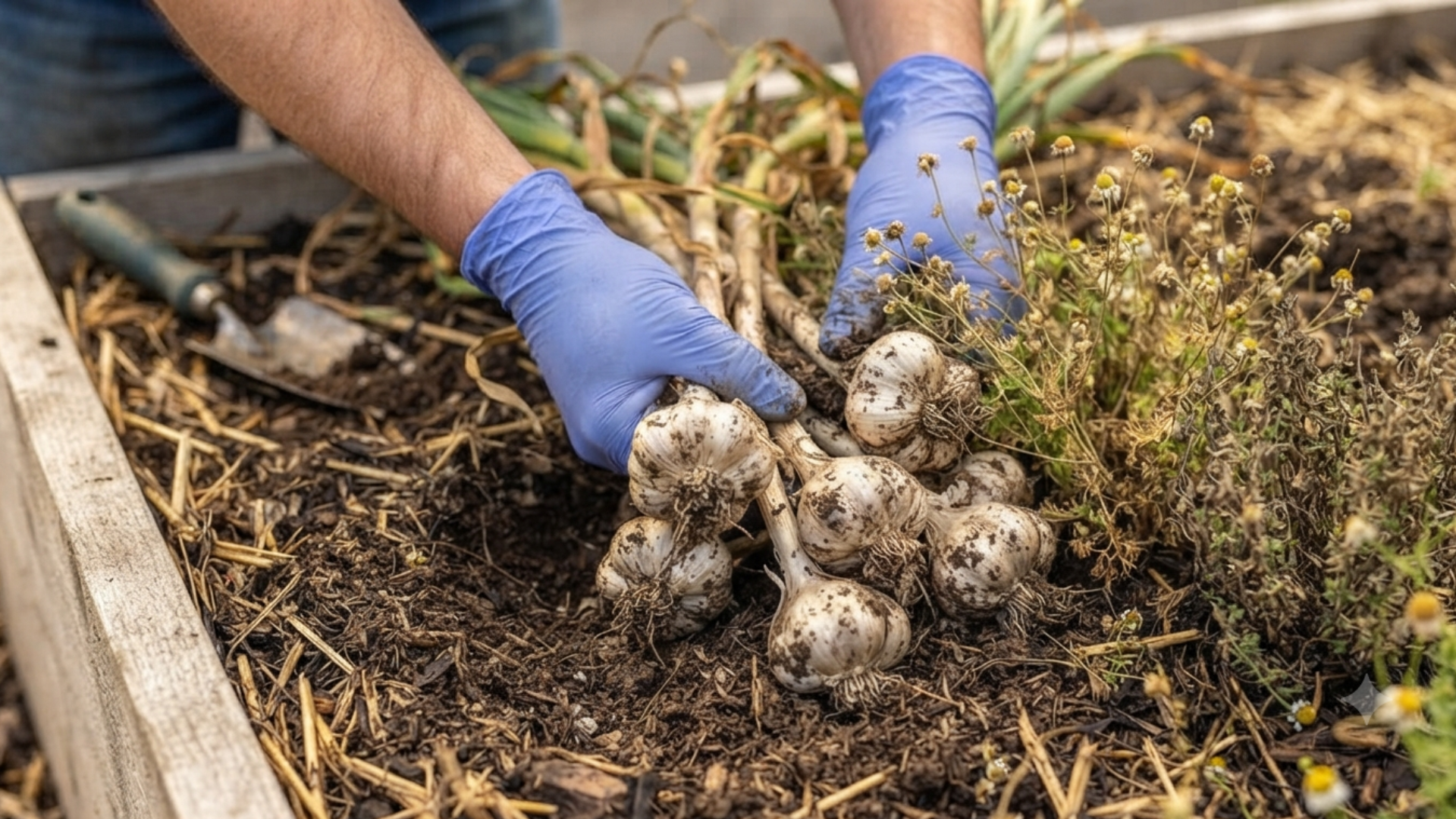
Many gardeners plant garlic for its flavor, but where you plant it can be just as important as how you grow it.
The right neighbors can help reduce pests, make better use of garden space, and support healthier plants, while the wrong ones may hold your garden back.
In this blog, I’ll share the best garlic companion plants, the plants you should avoid, and simple companion planting tips that are easy to put into practice.
By the end, you’ll know how to plan smarter plant pairings for a healthier, more productive garden.
Understanding Garlic Plants
Garlic, scientifically known as Allium sativum, belongs to the Amaryllidaceae family and is closely related to onions, leeks, shallots, and chives. It grows from individual cloves that form underground bulbs.
Garlic is often used in companion planting because it contains natural sulfur compounds, including allicin, which gives it a strong smell.
This scent may help discourage some garden pests. Since garlic grows upright with narrow leaves, it can fit well beside many vegetables, herbs, flowers, and fruit plants.
Why Does Companion Planting Work with Garlic?
Garlic is one of those plants I like to think of as a quiet helper in the garden. It is compact, easy to tuck into small spaces, and has a strong scent that many pests dislike.
- May help discourage pests: Garlic’s strong smell may help keep aphids, spider mites, cabbage worms, and other pests away from nearby plants.
- Saves garden space: Garlic grows upright and does not spread much, so you can fit it between larger vegetables or along the edges of garden beds.
- Works with similar crops: Garlic shares growing needs with many vegetables, including full sun, well-draining soil, and steady moisture.
- Adds variety to the garden: Mixing garlic with vegetables, herbs, and flowers can help create a balanced garden that feels more natural and easier to care for.
Best Garlic Companion Plants for a Healthier Garden
The right companion plants can help garlic fit naturally into almost any vegetable garden. Some may help reduce pest problems, while others simply grow well alongside garlic without competing for space or nutrients.
1. Carrots
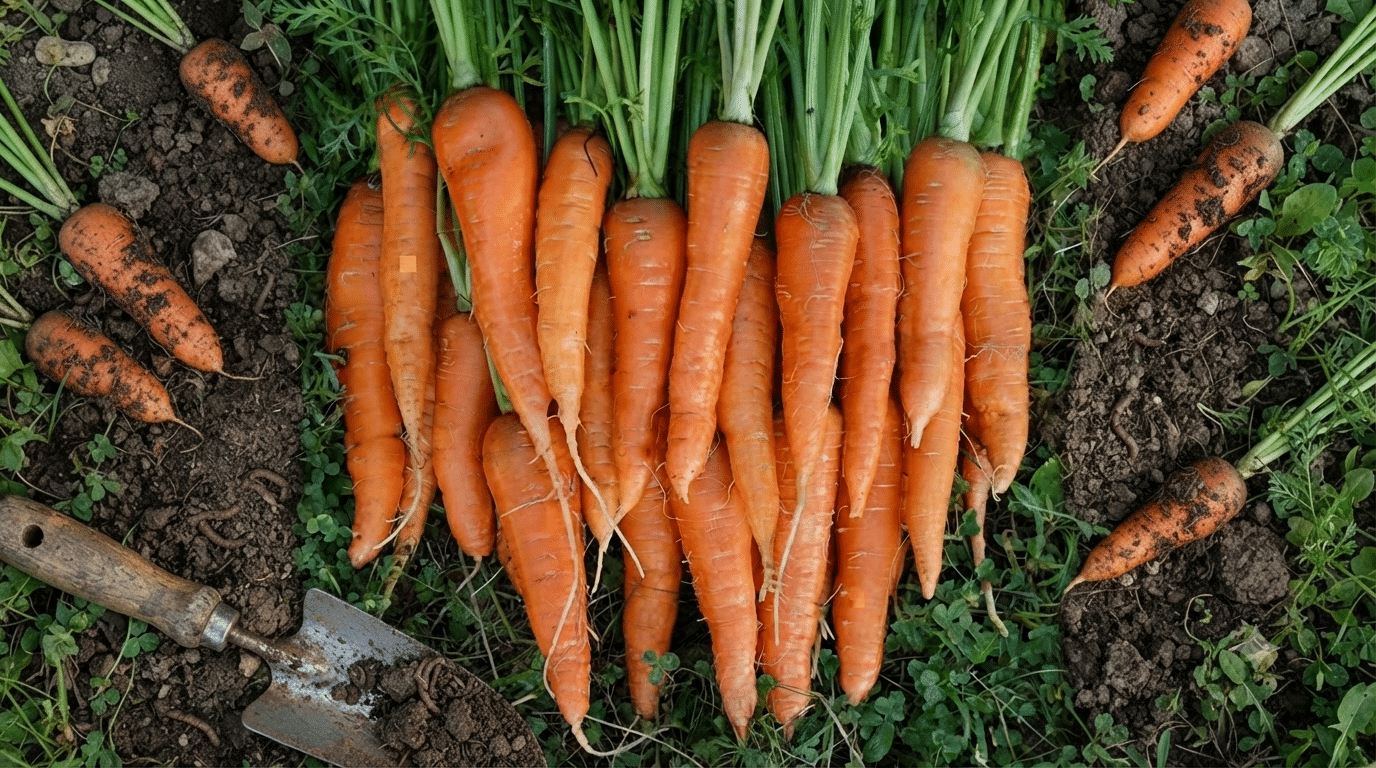
Carrots and garlic work well together because they grow in different ways without getting in each other’s path.
Carrots spend most of their time developing below the soil, while garlic grows upright with narrow leaves. This makes it easier for both plants to share the same space.
Some gardeners also plant garlic nearby because its scent may help discourage carrot flies.
It’s a simple combination that works especially well in raised beds and smaller vegetable gardens where every inch counts.
2. Beets
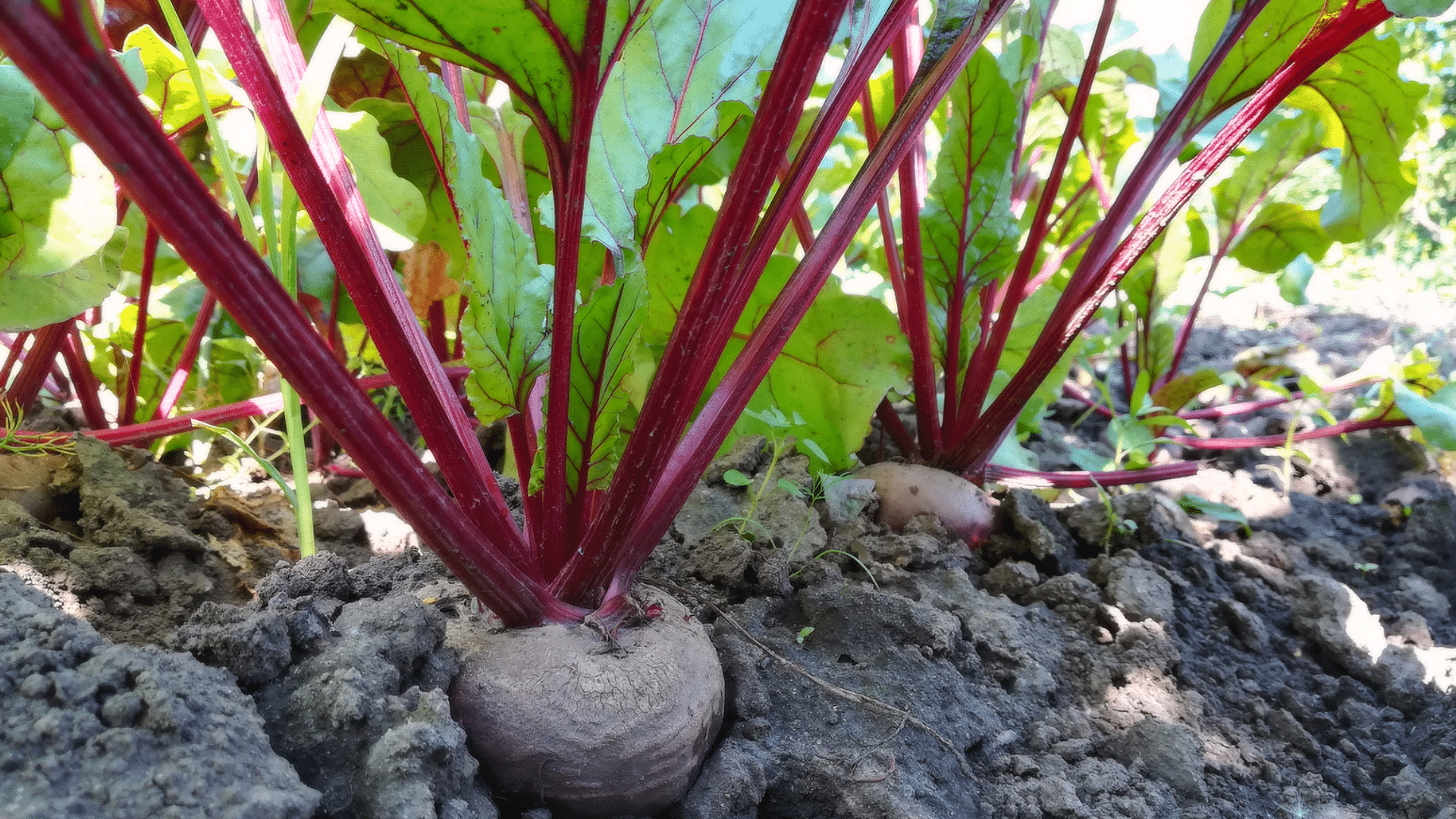
Beets are another easy companion for garlic because both plants enjoy similar growing conditions. Garlic grows vertically while beet leaves spread closer to the ground, allowing them to share a bed without feeling crowded.
Since neither plant is especially demanding, they’re a good match for beginner gardeners looking for reliable combinations.
Keep the soil evenly moist and give each plant enough room to develop, and you’ll have two useful crops growing side by side throughout the season.
3. Spinach
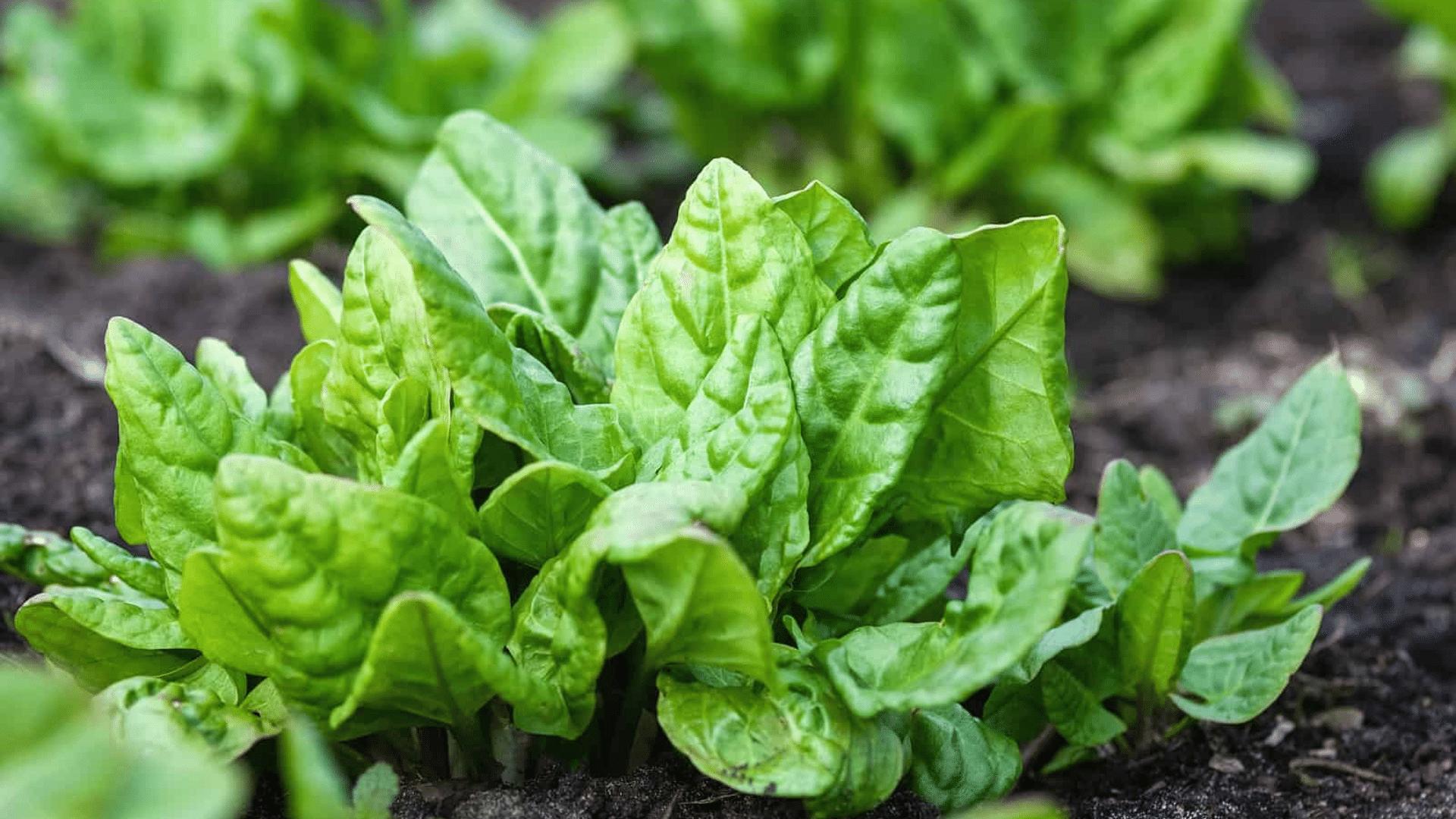
Spinach is a great choice if you want to get more from a small garden space. It grows quickly and stays low to the ground, while garlic takes much longer to mature.
In many cases, you’ll harvest your spinach before the garlic bulbs are ready, giving the remaining plants even more room to grow.
Since both crops prefer cool weather during much of the growing season, they fit together naturally in spring and fall gardens.
4. Lettuce
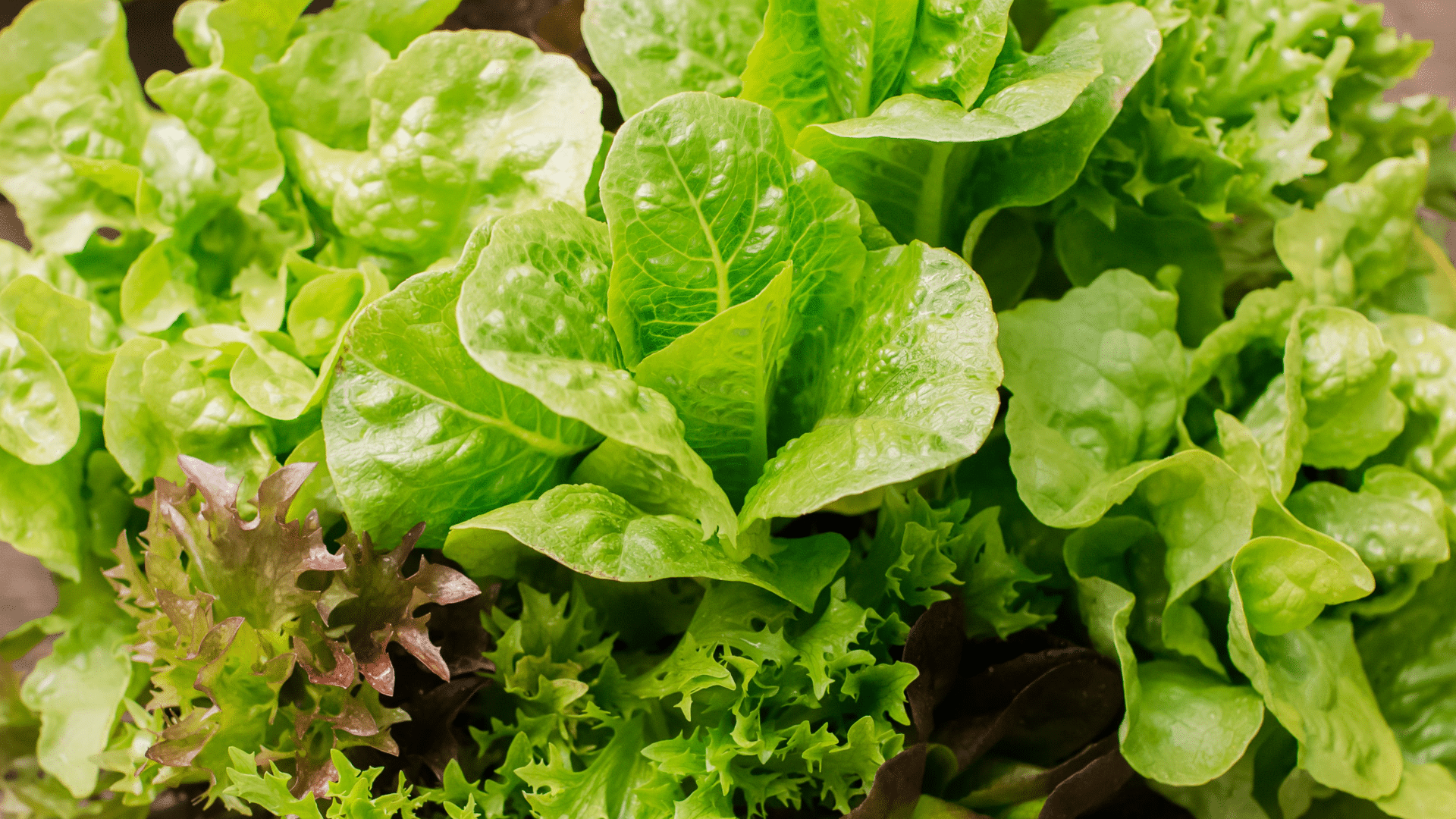
Lettuce and garlic are another pair that makes garden planning feel easy. Lettuce has shallow roots, while garlic grows deeper underground, so they don’t compete heavily for nutrients.
Because lettuce matures much faster, you’ll often harvest it long before it’s time to dig up your garlic bulbs. This lets you make better use of your planting space without overcrowding your garden.
It’s an especially handy combination for raised beds, containers, and smaller backyard gardens.
5. Kale
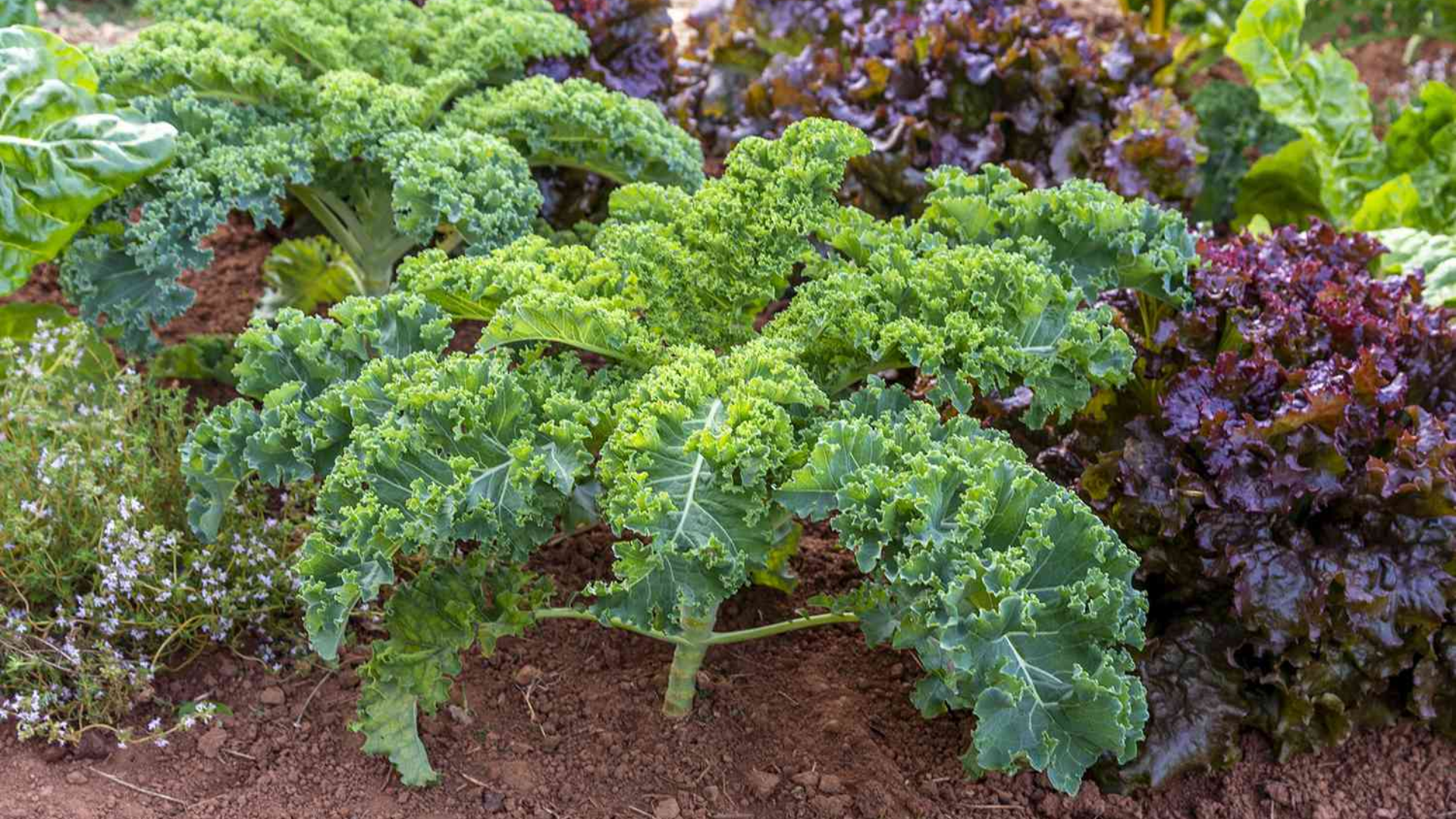
Kale and garlic make a great team because they enjoy many of the same growing conditions. Both prefer full sun and fertile, well-draining soil, so they’re easy to grow side by side.
Many gardeners also like this pairing because garlic’s strong scent may help discourage pests that are attracted to leafy greens, including aphids and cabbage worms.
Give each plant enough room to spread, and you’ll have a productive combination that’s easy to care for throughout the growing season.
6. Cabbage
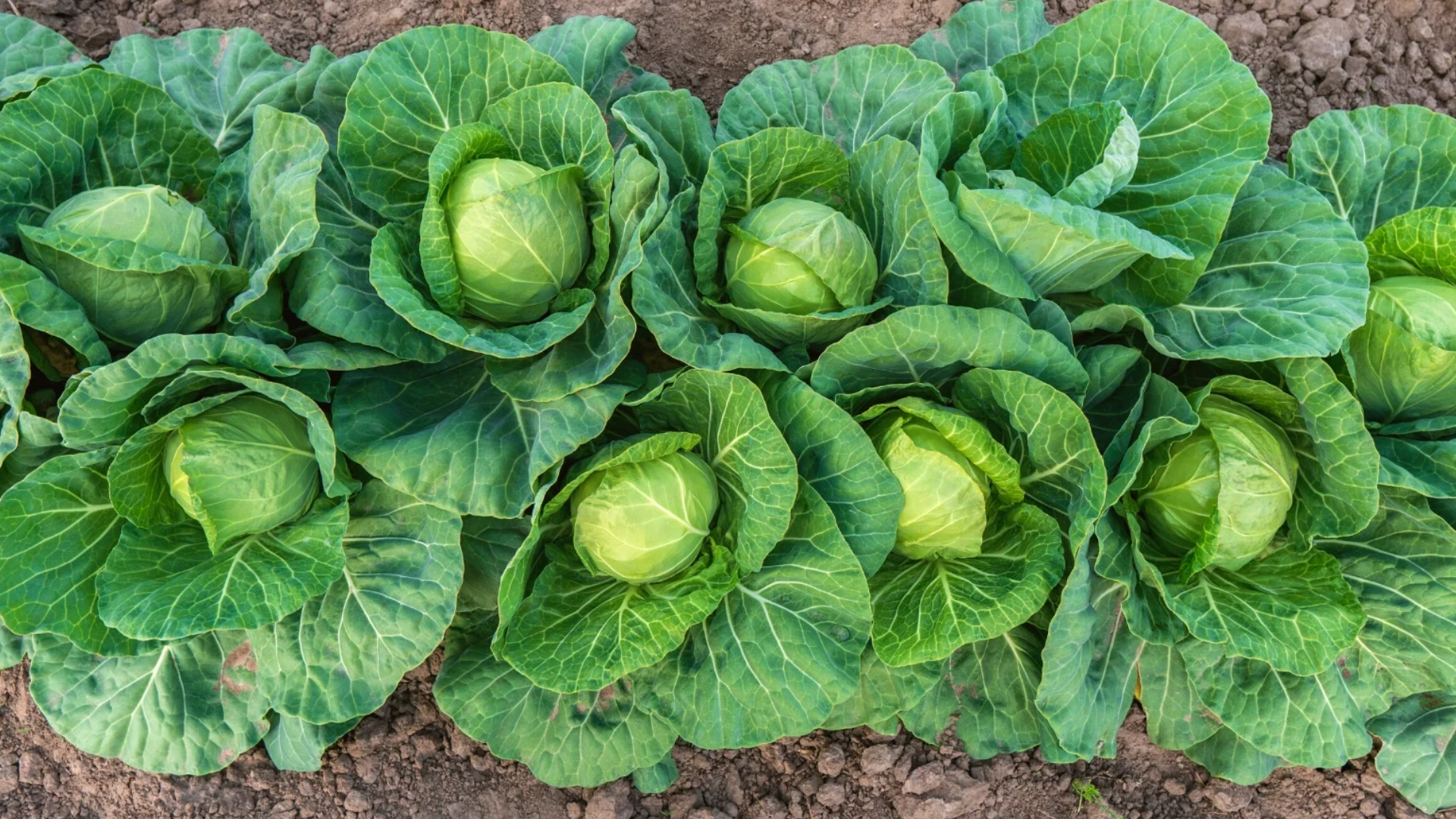
Cabbage is another cool-season vegetable that grows happily alongside garlic. Since cabbage can attract insects like cabbage loopers and worms, many gardeners plant garlic nearby as part of their natural pest management routine.
While garlic isn’t a guaranteed solution, it can be a helpful addition to a healthy garden.
Be sure to space cabbage plants properly because they grow much larger than garlic and need plenty of room to form healthy heads.
7. Broccoli
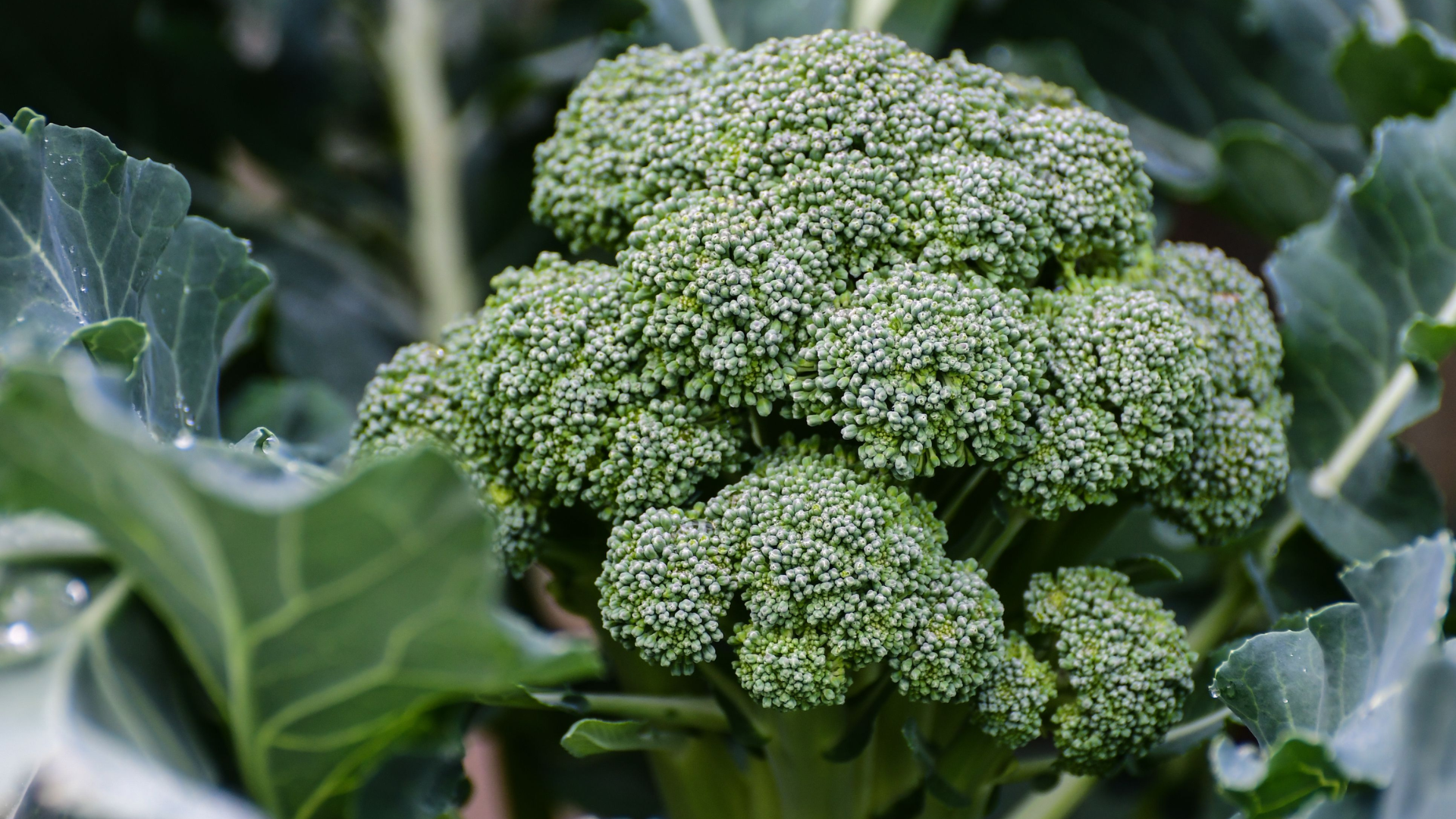
Broccoli and garlic are a practical pairing for gardeners growing cool-season crops. They enjoy similar sunlight and soil conditions, making it easy to care for both plants at the same time.
Garlic’s strong aroma may also help reduce visits from some insects that commonly feed on broccoli leaves.
Plant garlic around the edges of your broccoli patch or between plants with enough spacing to keep air moving freely and support healthy growth.
8. Peppers
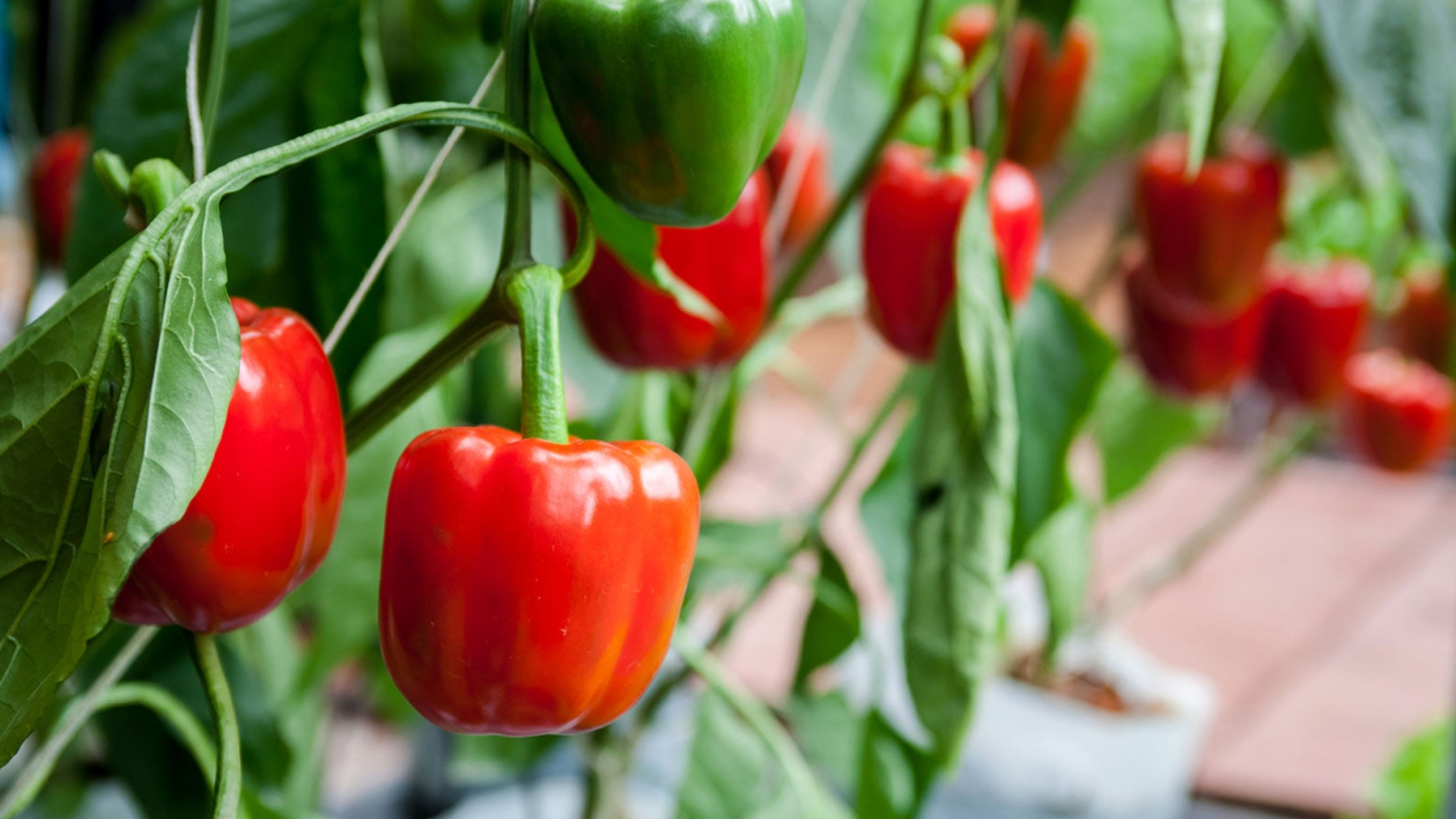
Whether you’re growing sweet bell peppers or spicy chili peppers, garlic makes a dependable garden companion. Both plants enjoy full sun and consistent watering, which makes caring for them much simpler.
Some gardeners also plant garlic nearby because its scent may help discourage aphids and other small insects that feed on pepper plants.
Leave enough space between plants so sunlight reaches every leaf and air can circulate freely.
9. Roses
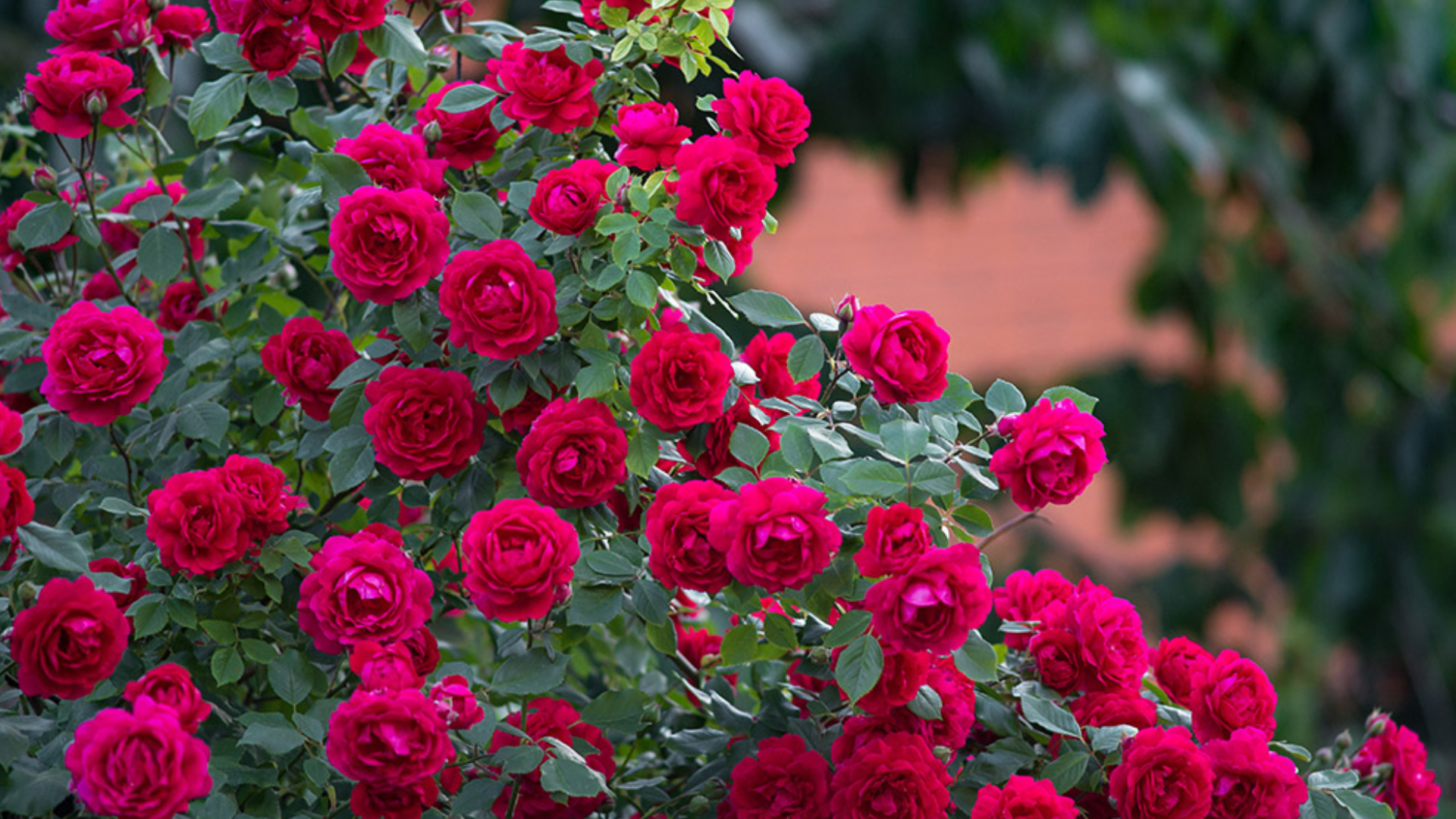
Garlic isn’t only useful in vegetable gardens. It also makes a wonderful companion for roses, which is why many gardeners tuck garlic bulbs around the base of their rose bushes.
Garlic’s scent may help discourage aphids, one of the most common pests that feed on roses.
As an added bonus, the tall green leaves blend naturally into flower beds, giving you a planting combination that’s both attractive and practical.
10. Chamomile
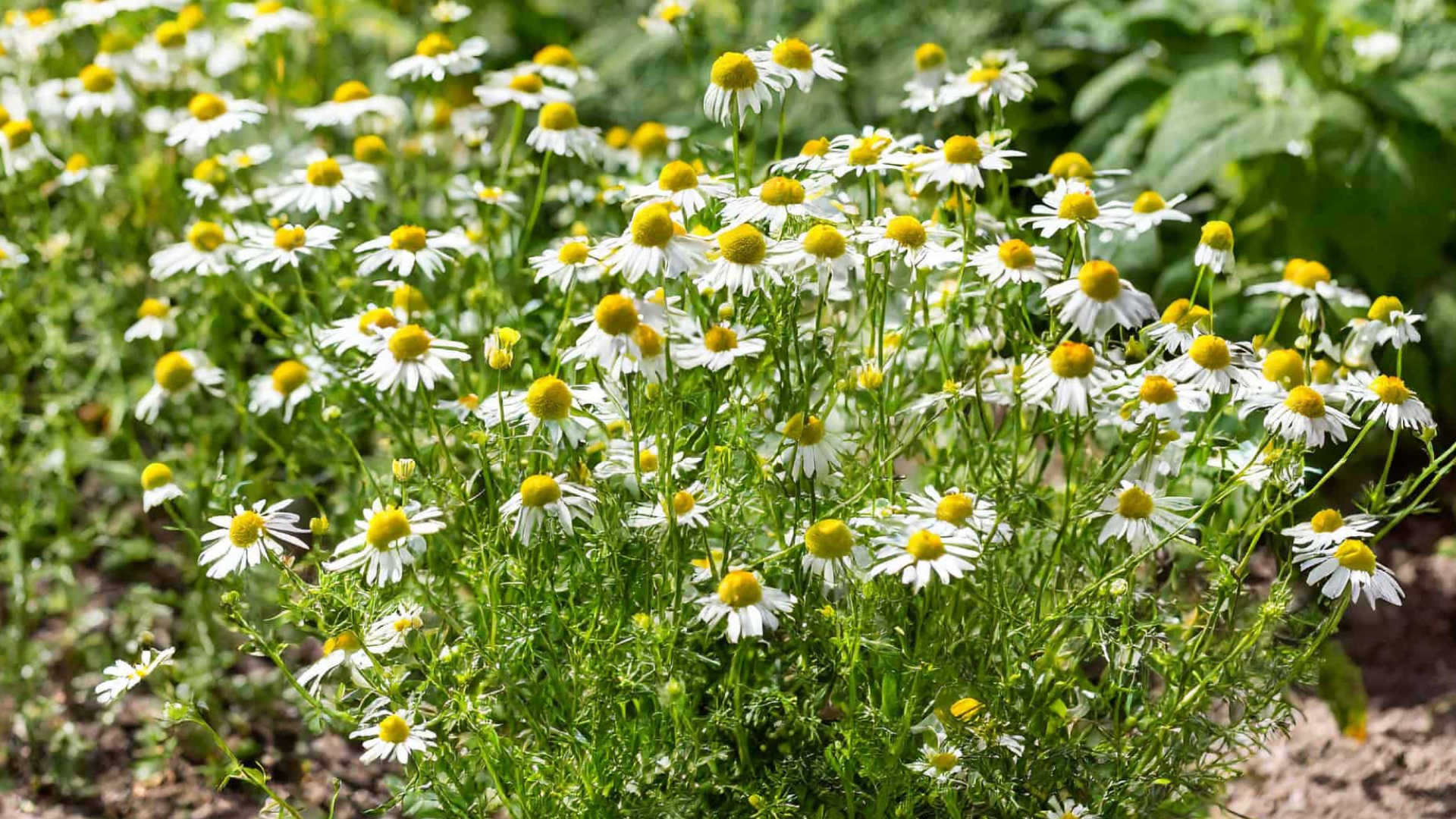
Chamomile may look delicate, but it’s a hardworking addition to a companion garden. Its flowers attract bees, hoverflies, and other helpful insects that visit nearby plants during the growing season.
Since chamomile stays fairly compact, it won’t compete heavily with garlic for space or nutrients.
If you enjoy mixing flowers with vegetables, this pairing adds a natural, cottage-garden feel while bringing more pollinators into your garden.
11. Strawberries
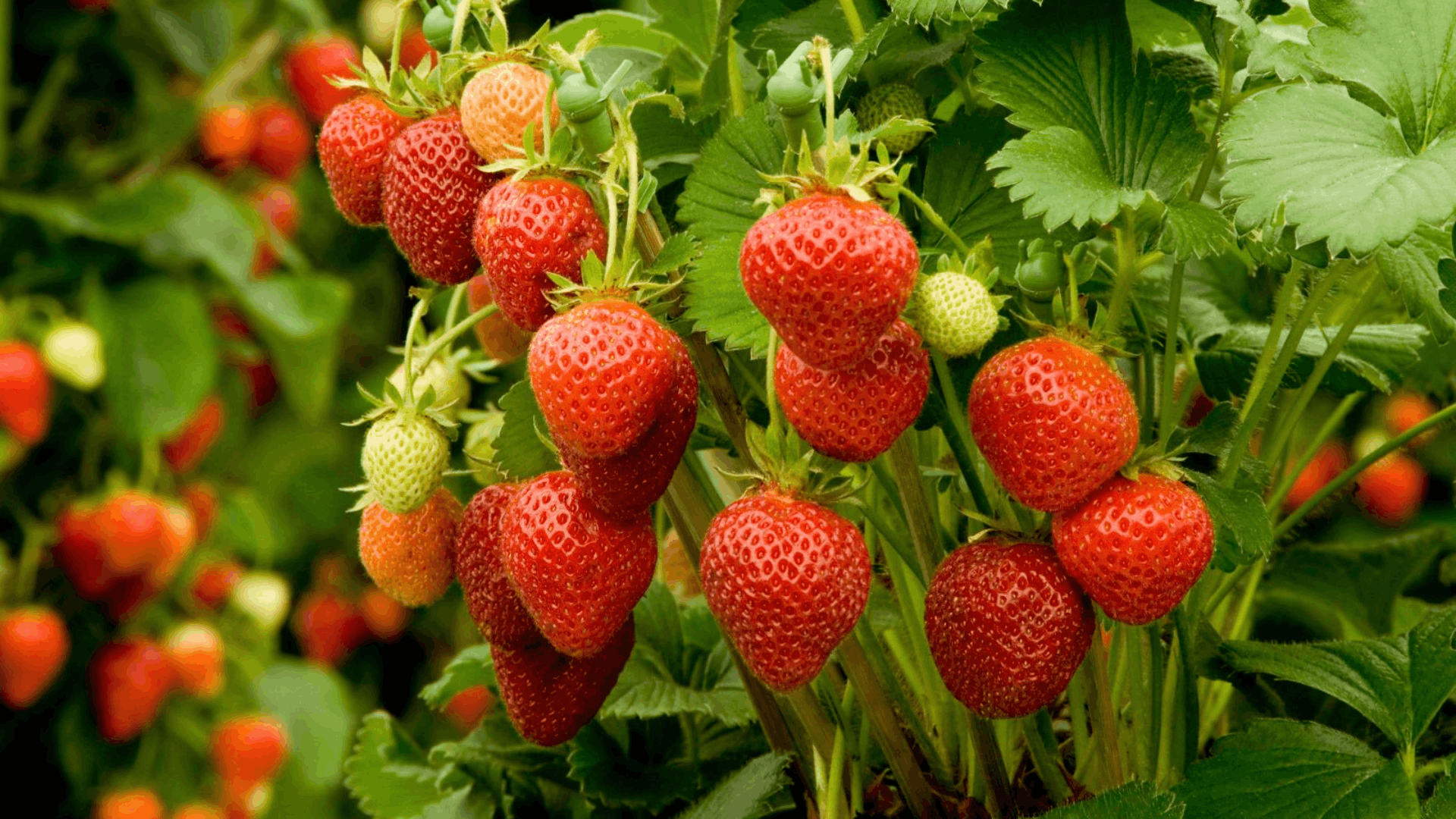
Garlic and strawberries can share the same growing space surprisingly well. Garlic grows upright while strawberry plants spread across the soil, allowing both crops to use the area differently.
Many gardeners also believe garlic’s scent may help discourage certain pests that are attracted to strawberries.
Give each strawberry plant enough room to spread its runners, and you’ll have a productive pairing that works well in garden beds and raised planters alike.
Add a few common companion-planting conflicts while keeping the advice practical and accurate.
How to Plant Garlic Companion Plants?
Follow these steps to plant garlic companion plants correctly and create a healthier, more productive garden.
- Select the Right Planting Site: Choose a sunny location with loose, well-drained, fertile soil.
- Choose Compatible Companion Plants: Plant garlic near tomatoes, peppers, carrots, lettuce, spinach, strawberries, roses, and fruit trees.
- Space Plants Correctly: Place garlic cloves 4 to 6 inches apart, leaving room for companion plants to mature.
- Avoid Incompatible Plants: Keep garlic away from beans, peas, asparagus, and sage to prevent poor growth.
- Water and Mulch Regularly: Keep the soil evenly moist and add mulch to reduce weeds and retain moisture.
- Rotate Planting Areas Each Season: Move garlic to a new spot each season to reduce pest and soil-borne disease pressure.
Which Plants Should You Avoid Growing With Garlic?
Garlic grows well with many vegetables, herbs, and flowers, but it is not an ideal companion for every plant. Some crops have different growing requirements, while others compete for nutrients or are more likely to share pests and diseases with garlic.
| Plant to Avoid | Why You Should Avoid It |
|---|---|
| Beans and peas | Garlic may slow their growth. Since beans and peas have different growing habits, give them their own space in the garden. |
| Asparagus | Asparagus stays in the ground for years, while garlic must be dug up at harvest. This can disturb established asparagus roots. |
| Sage | Sage prefers drier soil once established, while garlic needs more consistent moisture during its growing season. |
| Onions, shallots, leeks, and chives | These are alliums like garlic, so planting them together can increase the spread of shared pests and diseases. |
| Fennel | Fennel is known to grow poorly with many vegetables because it can compete for space and may affect the growth of nearby plants. |
| Alfalfa | Garlic may slow the growth of alfalfa, making the two a poor combination in vegetable gardens or mixed planting areas. |
| Large spreading squash | Pumpkins and winter squash can spread over garlic, reducing sunlight and air circulation around the plants. |
| Crowded root vegetables | Root crops planted too closely with garlic may compete for nutrients and underground space, resulting in smaller harvests. |
Tips for Growing Garlic with the Right Plants
Choosing compatible companion plants is only part of the process. Following a few simple growing practices can help garlic stay healthy and allow nearby plants to grow well together.
- Choose the right location: Grow garlic in a sunny spot with well-draining soil so the bulbs can develop properly.
- Pair plants with similar needs: Plant garlic near crops that like the same sunlight and watering conditions.
- Give plants enough space: Leave room between garlic and nearby plants so air can move freely and roots do not compete too much.
- Add herbs and flowers: Mix in plants like marigolds or chamomile to add variety and attract helpful pollinators.
- Rotate garlic each year: Move garlic to a different garden spot each season to help reduce pest and disease problems.
Can Garlic Help Keep Garden Pests Away?
Yes, garlic may help keep some garden pests away, but it is not a complete pest control solution.
Its strong smell can discourage certain insects, although the results vary depending on the pest, growing conditions, and garden layout.
Gardeners often plant garlic near crops that attract aphids, spider mites, cabbage worms, and Japanese beetles.
Garlic may also make the garden less inviting to pests when planted in borders, raised beds, or between vulnerable crops.
For the best results, use garlic as part of a broader companion planting strategy.
Pair it with other helpful plants, attract beneficial insects, rotate crops each season, and keep your garden clean to support healthier plant growth.
Common Garlic Companion Planting Mistakes to Avoid
Even the best plant pairings can fall short if a few basic gardening practices are overlooked. Avoiding these common mistakes will help your garlic grow well.
- Planting garlic too close to other crops: Garlic bulbs need enough room to grow. Crowded plants compete for sunlight, water, and nutrients while reducing airflow.
- Growing garlic next to poor companions: Keep beans, peas, asparagus, and other alliums away from garlic to avoid competition and shared pests and diseases.
- Ignoring sunlight requirements: Garlic needs full sun to produce healthy bulbs. Planting it in shady areas can lead to smaller harvests.
- Overwatering the soil: Garlic prefers evenly moist but well-draining soil. Too much water can increase the risk of bulb rot and fungal diseases.
- Skipping crop rotation: Planting garlic in the same spot every year allows pests and diseases to build up in the soil. Rotating crops helps keep your garden healthier.
Conclusion
Choosing the rightgarlic companion plants is one of the easiest ways to build a healthier, more productive garden.
A few thoughtful pairings can help make better use of your space, support stronger plant growth, and reduce common gardening challenges.
Whether you’re planting a small raised bed or a larger vegetable garden, these companion planting tips can help you get started with confidence. As you plan your next planting season, use this list to create combinations that work well together.
For more practical gardening tips and planting ideas, read my other garden guides and keep your garden growing strong year after year.
Frequently Asked Questions
Does Epsom Salt Help Garlic Grow?
Not usually. Garlic grows best in nutrient-rich soil, and most gardens already contain enough magnesium. Only use Epsom salt if a soil test shows a magnesium deficiency.
What Makes Garlic Grow Better?
Garlic grows best in full sun, loose, well-draining soil, regular watering, and fertile soil rich in organic matter. Choosing good garlic companion plants can also support healthier growth.
What Is the 10 Minute Rule for Garlic?
The 10-minute rule suggests letting chopped or crushed garlic sit for about 10 minutes before cooking. This gives beneficial compounds like allicin time to develop before heat breaks them down.
How Many Years Does It Take to Grow Garlic?
Garlic usually takes 8 to 9 months to grow from planting to harvest. In most parts of the US, it’s planted in the fall and harvested the following summer.