

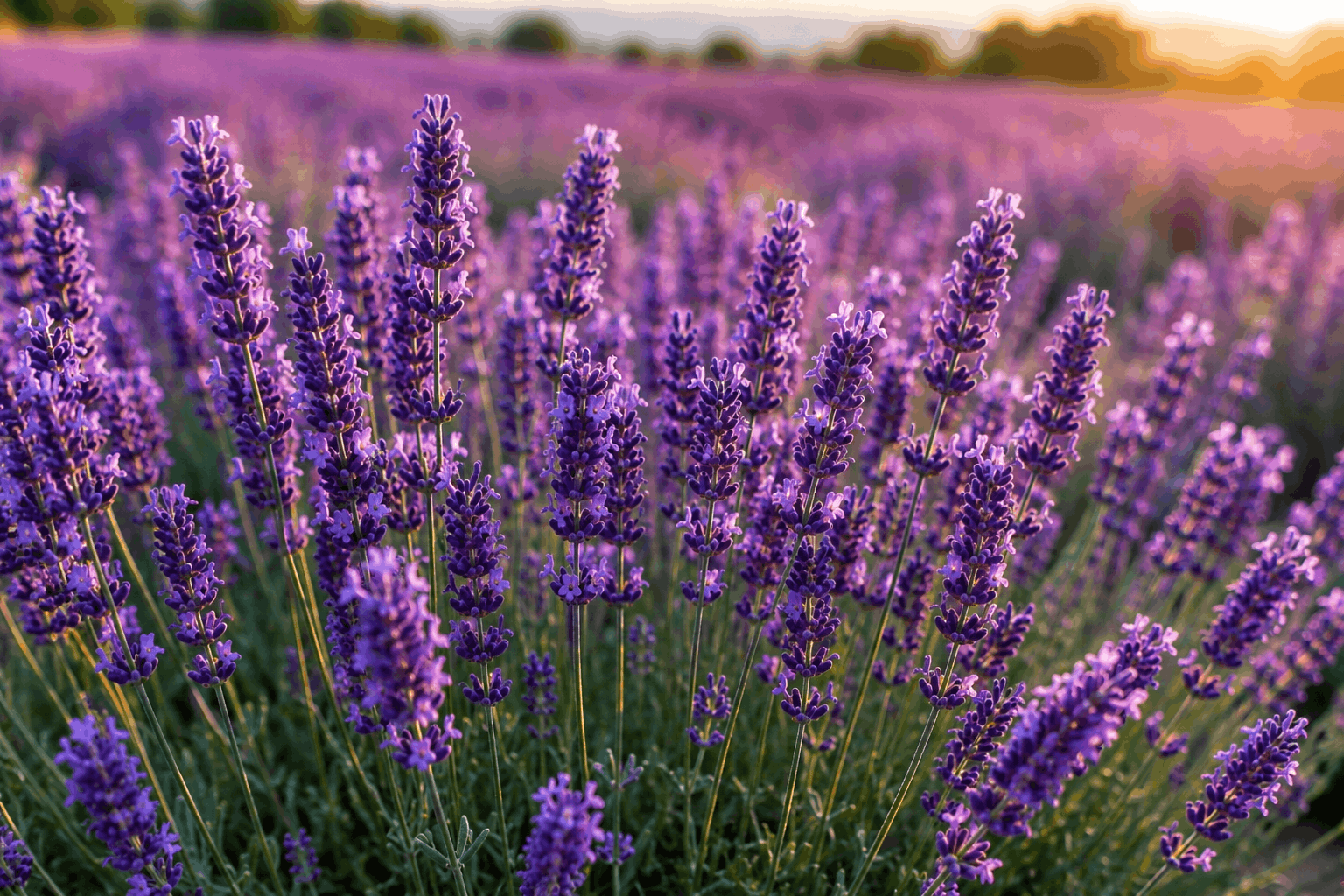
Lavender is a popular garden plant because of its pleasant fragrance, easy care, and colorful blooms. Many gardeners wonder if lavender comes back every year after winter or if it needs to be replanted each season.
Lavender is a perennial plant, meaning it can return year after year when grown in suitable conditions.
Its growth and survival depend on factors like the variety, climate, soil quality, and winter care.
This article explains why lavender returns, how long lavender plants can live, and the simple steps that can help your plant grow back healthy each spring.
Quick Answer: Does Lavender Come Back Every Year?
Yes, lavender can come back every year because it is a perennial plant that can survive for many growing seasons.
Lavender returns when its roots stay healthy through winter, and the plant receives the right growing conditions.
Most varieties need full sun, dry soil, and good drainage to survive. Some types handle cold winters better than others, so your local climate and lavender variety play a big role.
If the plant looks brown after winter, wait before removing it because new growth may appear once temperatures rise.
Factors that Affect Lavender Returning Every Year
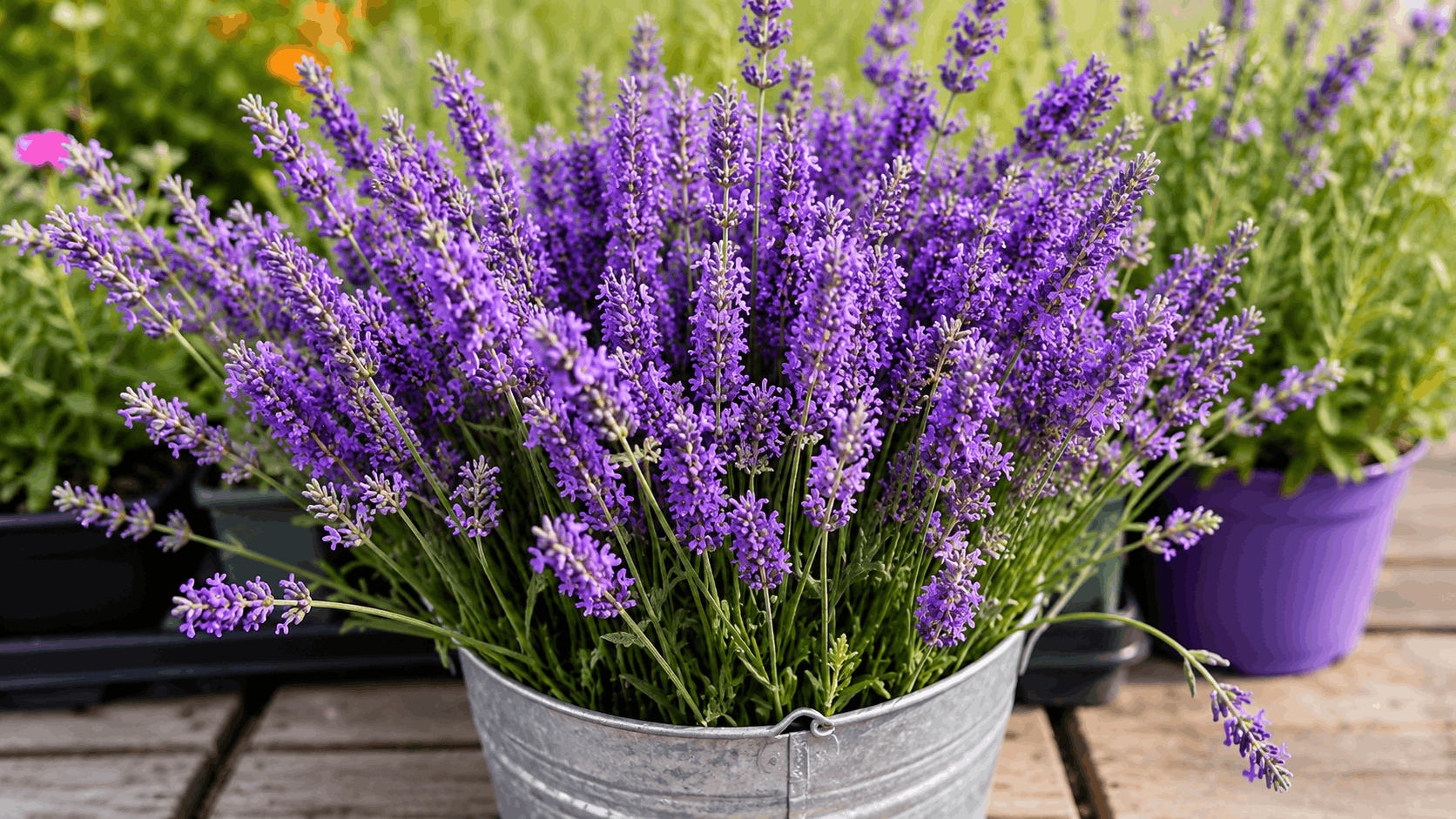
Several growing conditions can determine if lavender survives winter and produces new growth each spring. Choosing the right variety and matching the plant to your local climate can improve its chances of returning.
1. Lavender Variety and Cold Tolerance
The type of lavender you grow plays a major role in how well it survives each year. English lavender is one of the most cold-tolerant varieties and can often return after harsh winters.
French and Spanish lavender usually prefer warmer climates and may struggle with freezing temperatures.
Choosing a variety that matches your area’s weather conditions can help the plant survive seasonal changes and continue growing for many years.
Checking the plant’s cold tolerance before buying can prevent winter damage.
2. Climate and Winter Temperature
Lavender grows best in regions with dry conditions and moderate winters.
Extremely cold temperatures, heavy snow, or long periods of wet weather can damage the roots and reduce the chance of spring regrowth.
Plants in colder areas may need extra protection, such as a layer of mulch around the base.
Checking your local growing zone before planting can help you choose a lavender type that can handle your winter conditions and return more reliably each year.
3. Soil Drainage and Moisture Levels
Lavender needs soil that drains quickly because its roots do not tolerate sitting in water. Wet soil, especially during winter, can cause root damage and prevent the plant from returning in spring.
Sandy or loose soil is often better for lavender than heavy clay soil.
Watering only when needed and avoiding areas where water collects can help keep the roots healthy throughout the year.
Adding organic material or planting in raised areas can also improve drainage.
4. Sunlight Exposure and Growing Location
Lavender needs plenty of sunlight to stay healthy and grow well.
A location that receives several hours of direct sun each day helps the plant build energy for future seasons.
Areas with poor airflow or too much shade can lead to weak growth and moisture problems. Planting lavender in an open, sunny spot gives it better conditions to return after winter.
A suitable location also helps reduce the risk of fungal problems caused by excess moisture.
5. Pruning and Seasonal Care
Proper pruning helps lavender maintain healthy growth, but cutting it at the wrong time can affect the plant’s ability to recover.
Light pruning after flowering can help maintain its shape and prevent excessive woody growth.
Avoid cutting deep into old, bare stems because lavender may not produce new growth from those areas.
Regular care throughout the year helps the plant stay strong for the next growing season and improves its chances of returning after winter.
6. Lavender Lifespan and Years of Growth
Lavender can live for many years when it receives the right care and growing conditions.
Most healthy lavender plants last around 10 to 15 years, although some varieties may live longer in suitable climates.
The plant’s lifespan depends on factors like sunlight, soil drainage, watering habits, and winter conditions. Older lavender plants may become woody and produce fewer flowers over time.
Replacing aging plants or taking cuttings from healthy growth can help maintain lavender in your garden for future seasons.
7. Plant Age and Overall Health
The age and condition of a lavender plant can affect how well it returns each year. Young plants often recover quickly once established, while older plants may become woody and produce fewer new stems.
A healthy plant with strong roots, proper spacing, and regular care has a better chance of returning after winter.
Replacing very old or declining plants may sometimes be necessary for continued growth.
Monitoring changes in the plant can help you decide when extra care or replacement is needed.
Why Is Lavender Considered a Perennial Plant?
Lavender is considered a perennial plant because it can survive for multiple growing seasons rather than completing its life cycle in a single year.
Once established, healthy lavender plants can produce new stems and flowers each spring.
During colder months, the above-ground growth may slow down or look dry, but the roots can remain alive and support new growth when warmer weather returns.
The ability of lavender to come back depends on choosing the right variety and providing proper sunlight, drainage, and care.
With suitable conditions, lavender can remain a long-lasting part of your garden for many years.
Common Reasons Lavender Does Not Come Back
Lavender is generally a hardy plant, but certain growing problems can prevent it from returning after winter. Most issues happen when the plant is exposed to conditions that damage its roots or weaken its overall health.
- Poor Drainage: Lavender roots can rot when they sit in wet soil for long periods, especially during colder months.
- Wrong Variety: Some lavender types are not suited for cold climates and may not survive harsh winters.
- Overwatering: Excessive moisture can weaken the plant and increase the risk of dieback.
- Insufficient Sunlight: Lavender needs plenty of direct sunlight to grow well.
- Improper Pruning: Cutting into old woody stems can limit new growth and damage the plant.
- Severe Winter Conditions: Frost, freezing temperatures, and excess moisture can affect lavender survival.
Lavender Care by Season
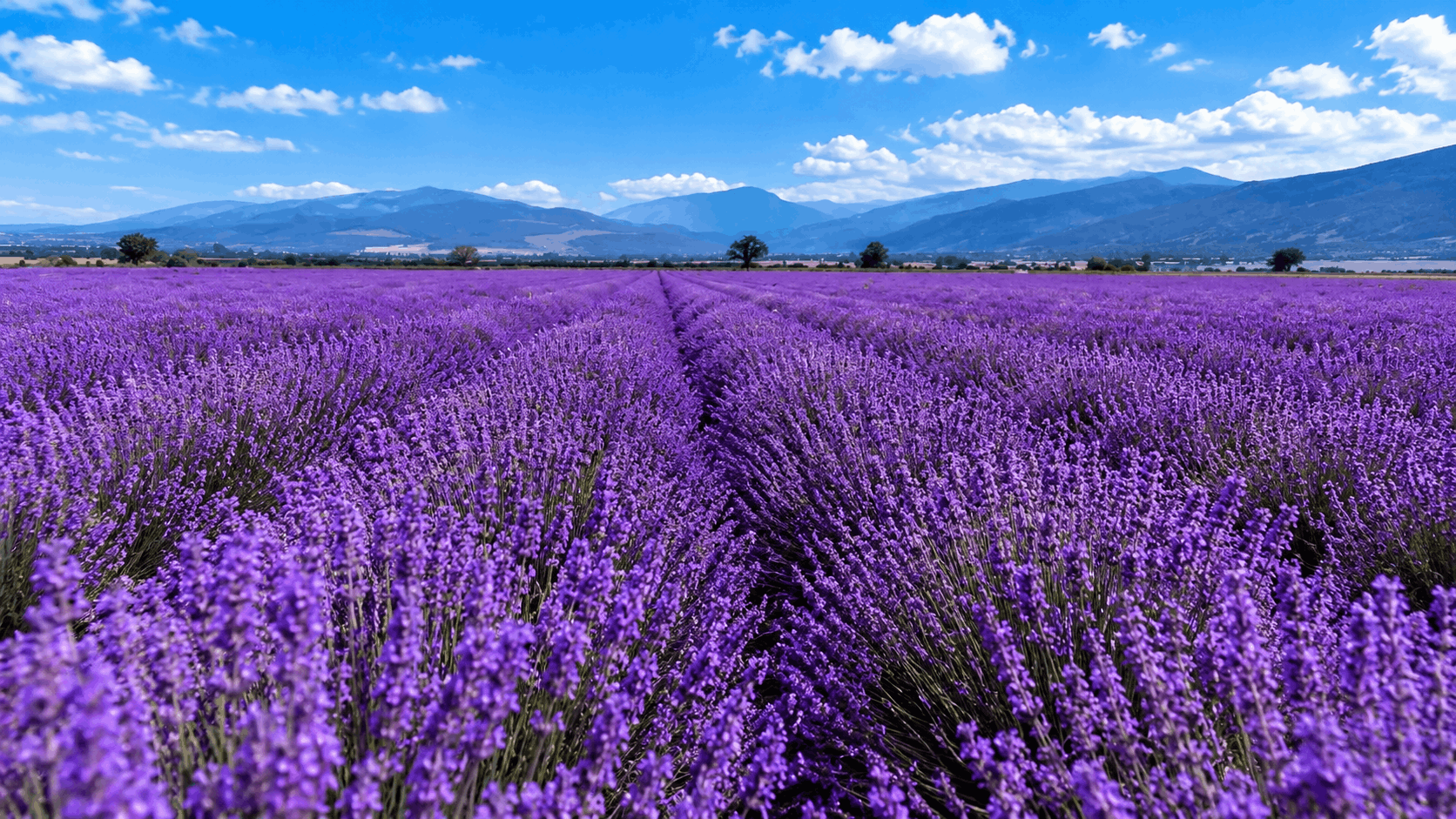
Giving lavender the right care throughout the year can improve its chances of surviving winter and producing fresh growth each spring.
1. Choose the Right Growing Location
Lavender grows best in a sunny area that receives several hours of direct sunlight each day. Choose a location with good airflow and avoid planting it in low spots where water collects.
A proper planting area helps prevent root problems and gives lavender better conditions to survive seasonal changes.
The right location also supports stronger stems, better flowering, and healthier growth when the plant resumes growth after winter.
2. Water Lavender Properly
Lavender prefers drier soil and does not need frequent watering once it is established. Water deeply when the soil becomes dry, but allow the ground to dry between watering sessions.
Too much moisture can damage the roots and make it harder for the plant to survive colder months. ‘
Adjust watering based on rainfall, soil type, and climate to keep the plant healthy without creating overly wet conditions around the roots.
3. Prune at the Correct Time
Pruning lavender at the right time helps maintain its shape and encourages healthy growth. Remove faded flowers and lightly trim green stems after blooming to keep the plant neat.
Avoid cutting into old, woody sections, as lavender may not produce new growth from those areas.
Proper pruning also prevents the plant from becoming too crowded and helps maintain a stronger structure for future growing seasons.
4. Prepare Lavender for Winter
Preparing lavender before winter can help protect the plant from cold damage. Reduce watering as temperatures drop and make sure the soil drains well before freezing weather arrives.
In colder regions, adding light protection around the base may help reduce stress from harsh conditions.
Avoid heavy pruning before winter because exposed stems can be more vulnerable to cold temperatures and moisture problems.
5. Improve Soil Drainage
Good drainage is one of the most important needs for lavender plants.
Heavy or waterlogged soil can cause root problems, especially during winter when evaporation is slower.
Adding materials that improve drainage or planting lavender in raised areas can help excess water move away from the roots.
Dry, well-draining soil creates better conditions for lavender to survive seasonal changes and return with new growth.
6. Protect Older Lavender Plants
Older lavender plants may become woody and produce fewer flowers over time.
Check the plant each spring for signs of new growth before deciding whether it needs replacement.
Removing dead sections, maintaining proper care, and taking cuttings from healthy plants can help continue lavender growth in your garden.
Older plants may need more attention to remain productive and return successfully each year.
7. Choose the Right Lavender Variety
Choosing a lavender variety that matches your climate can make a big difference in yearly regrowth. English lavender is known for better cold tolerance, while some other varieties prefer warmer conditions.
Before planting, consider your local temperatures and winter conditions.
A variety suited to your area is more likely to survive seasonal changes and return with healthy growth each spring.
How to Tell If Lavender Is Still Alive After Winter?
Lavender can appear dry and damaged after winter, but the plant may still be alive below the surface. Before removing it, check for signs that show the roots and stems are recovering.
| Sign to Check | What It Means |
|---|---|
| Green shoots near the base | The plant is producing new growth and has likely survived winter |
| Flexible stems | Living branches often bend slightly instead of snapping easily |
| Firm stems and roots | Healthy roots and branches suggest the plant may recover |
| New leaves in spring | Fresh growth shows the lavender is returning |
Lavender Growth and Seasonal Changes
Lavender changes throughout the year as it moves between active growth, flowering, and winter rest. Understanding these stages can help you know what is normal and when to expect your plant to return.
- Spring Growth: New leaves and shoots usually appear as temperatures rise. This is the time to check for surviving growth after winter and remove only dead branches.
- Summer Blooming: Lavender reaches its main growing period during warmer months. Flowers develop, and the plant focuses on healthy stems and leaves when it receives enough sunlight.
- Fall Changes: Growth starts slowing as temperatures drop. The plant begins preparing for colder months, so avoid heavy pruning during this time.
- Winter Rest: Lavender enters dormancy in colder weather. The plant may look dry above the soil, but healthy roots can remain alive until spring growth resumes.
Lavender Care Do’s and Don’ts
Proper care can help lavender stay healthy and return each year. Following a few simple habits can prevent common problems and support stronger growth through every season.
| Do’s | Don’ts |
|---|---|
| Choose a location with ample direct sunlight for optimal growth. | Too much moisture can damage lavender roots. |
| Fast-draining soil helps prevent root problems. | Lavender prefers drier conditions between waterings. |
| Remove spent flowers and lightly shape the plant when needed. | Lavender may not regrow from bare wood. |
| Match the lavender type to your local climate. | Extreme cold and wet weather can harm the plant. |
When Does Lavender Start Growing Again?
Lavender follows a seasonal pattern, so new growth may not appear immediately after winter.
The timing depends on the variety, local temperatures, and how the plant handled the colder months. In most areas, lavender begins to show fresh growth in spring, when the weather warms.
Some plants may recover quickly, while others take more time to produce new leaves and stems.
Waiting for warmer conditions before making changes can help you avoid removing a healthy plant too early.
Checking the base of the plant for new shoots is a simple way to track recovery.
Lavender Myths vs Facts
Many gardeners have questions about whether lavender returns each year, especially after seeing dry stems in winter.
| Myth | Fact |
|---|---|
| Lavender dies when it looks brown after winter | Lavender can look dry during colder months but may still produce new growth in spring. |
| All lavender varieties survive cold winters | Different types have varying cold tolerances, and some require warmer conditions. |
| More water helps lavender grow better | Lavender prefers well-draining soil and can suffer when the roots stay wet. |
| Lavender needs to be replanted every year | Most lavender varieties are perennials and can return for many years with proper care. |
| Cutting lavender back heavily improves growth | Heavy pruning of old woody stems can damage the plant and limit regrowth. |
Conclusion
Lavender can come back every year because it is a perennial plant that can continue growing for many seasons with the right care.
Its return depends on the variety, climate, soil drainage, sunlight, and winter conditions. A dry-looking plant after winter does not always mean it has died, so giving it time in spring can help you spot new growth.
Choosing a suitable lavender type and maintaining proper growing conditions can help your plant stay healthy for years.
Follow these care tips to give your lavender the best chance of returning each season and enjoy its blooms year after year.
Frequently Asked Questions
Does Lavender Grow Back After Being Cut Down?
Lavender can grow back after light pruning, but cutting it too far into old woody stems may prevent new growth. Trim only the green parts to keep the plant healthy.
How Do You Prepare Lavender for Winter?
Prepare lavender for winter by reducing watering, improving drainage, and protecting the base from extreme cold. Avoid heavy pruning before freezing temperatures arrive.
Does Lavender Spread or Come Back on Its Own?
Lavender does not usually spread aggressively or reseed easily. A healthy, established plant returns from its roots and produces new growth each year.
Can Lavender Survive a Freeze?
Some lavender varieties can survive freezing temperatures, especially English lavender. Less cold-tolerant types may need protection in areas with harsh winters.
Why Is My Lavender Turning Brown After Winter?
Lavender may turn brown after winter due to cold damage, excess moisture, or natural dormancy. Wait for warmer weather before deciding if the plant is dead.