

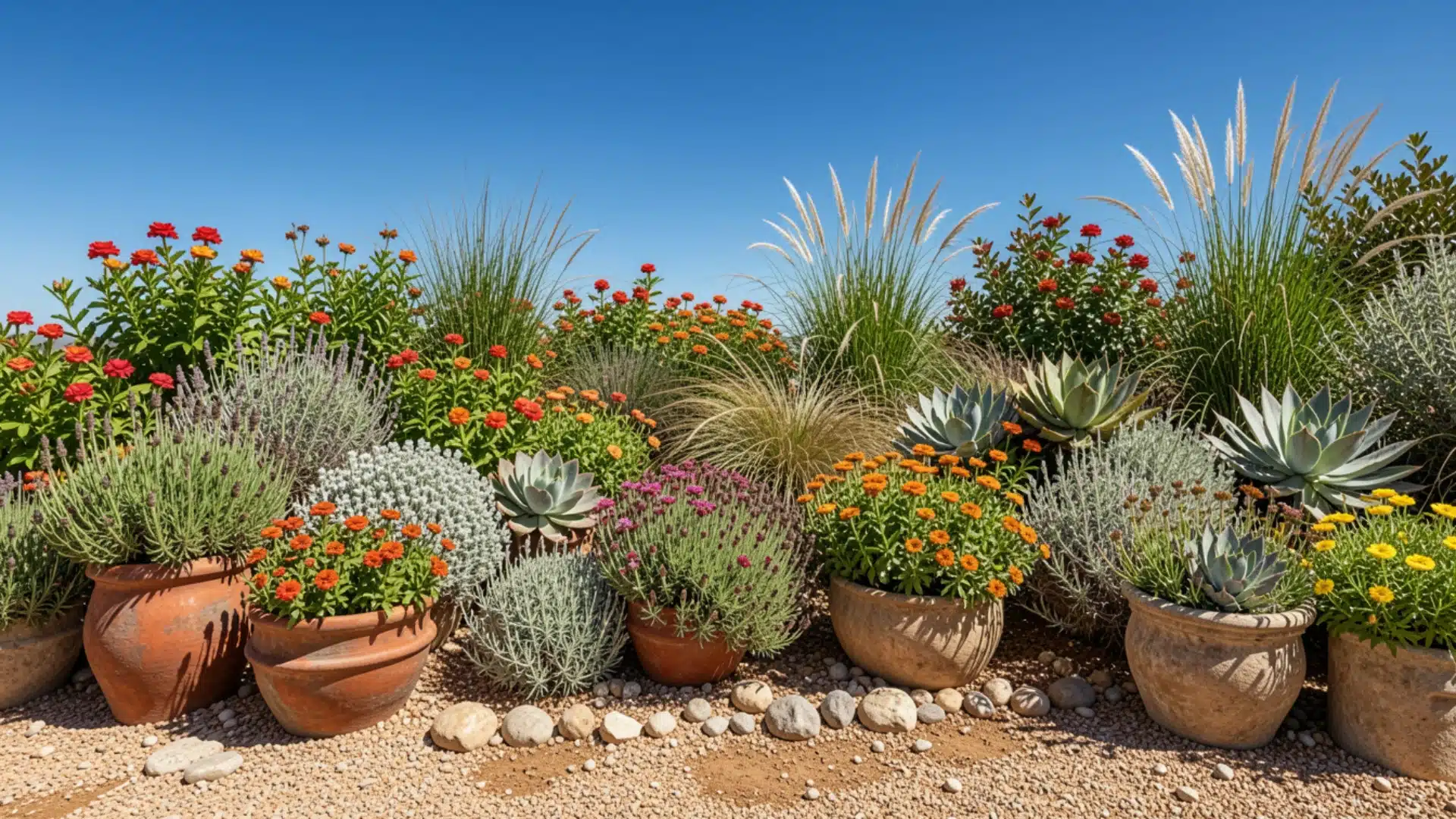
Every summer, I see the same pattern: flower beds bursting with early spring flower varieties look fresh in spring, then start fading as the heat settles in. The problem is often not poor care, but choosing plants that were never built for intense sunlight.
Plants that like full sun and heat can keep flowering, hold their shape, and bring color to spaces where delicate varieties struggle. Still, some need dry soil, while others perform better with steady moisture and occasional support.
I have learned that matching the plant to the soil, climate, and watering routine matters more than picking the toughest-looking option.
Ahead, you will see dependable flowers, shrubs, succulents, and practical ways to help them stay healthy through the hottest part of summer.
Which Plants Grow Best in Full Sun and Heat?
Lantana, Moss Rose, Coneflower, Marigold, Bougainvillea, Agave, and Sedum are dependable plants for full sun and intense summer heat. I like them because they keep their color, shape, or flowers when many plants begin to fade. Each one performs best with at least six hours of direct sunlight daily.
One thing I learned is that heat tolerance does not always mean drought tolerance. Bougainvillea can manage with little water once its roots are established, while hibiscus handles high temperatures but still needs consistent moisture around the roots.
That is why I never choose a plant based on heat resistance alone. I also check the soil, drainage, local climate, and watering routine. When those conditions match the plant’s natural needs, it stays healthier, requires less attention, and gives the garden a much better chance of looking good all summer for me.
Flowering Plants That Like Full Sun and Heat
Some flowers seem to enjoy summer heat as much as I do. Lantana, moss rose, coneflower, marigold, hibiscus, and Mexican sunflower can keep beds colorful when temperatures rise.
Their success still depends on proper watering, drainage, and space, since even heat-loving plants struggle when their roots remain wet for too long.
1. Lantana
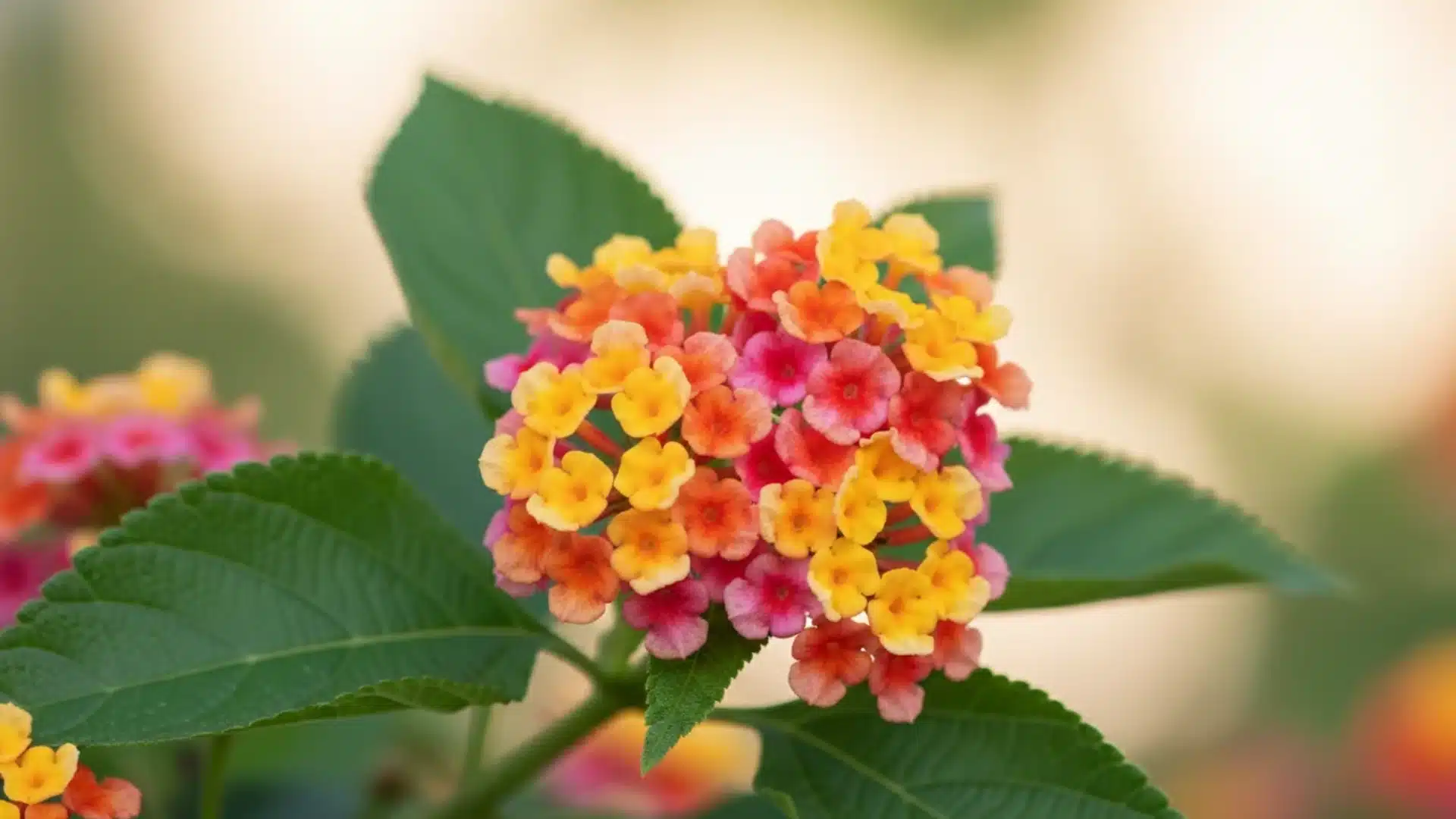
Lantana brings steady color to exposed beds and handles long stretches of summer heat with little fuss. Once established, it flowers freely and needs less attention than many bedding plants.
Give it full sun and let the soil dry slightly between waterings. Constant moisture can trigger mildew, weak growth, and root problems.
In warmer regions, lantana may spread beyond its space, much like some structural shrubs I’ve grown, covered in these flowering shrub garden. Check local planting rules, then prune regularly to keep nearby flowers from being crowded, weakened, heavily shaded, or overwhelmed.
2. Moss Rose
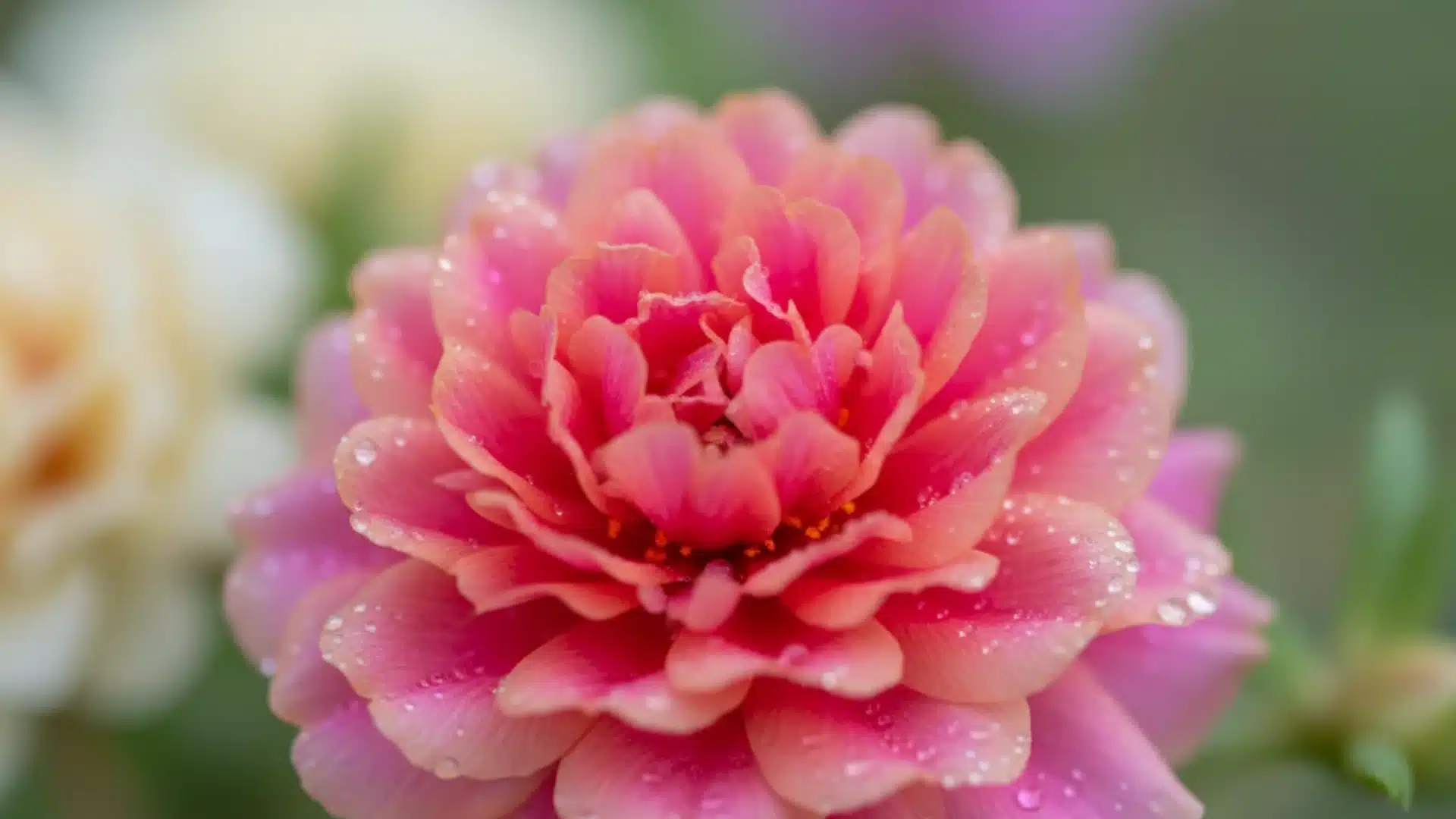
Moss rose stays compact, bright, and dependable in places where heat and dry soil make other flowers struggle. Its fleshy leaves hold moisture, helping it survive missed waterings.
Plant it in fast-draining soil along pathways, rock beds, or container edges. Heavy ground traps moisture and can quickly rot the roots.
I like using it where space is tight because it spreads low without hiding taller plants. Give it strong sunlight, then water only when the soil feels completely dry again.
3. Coneflower
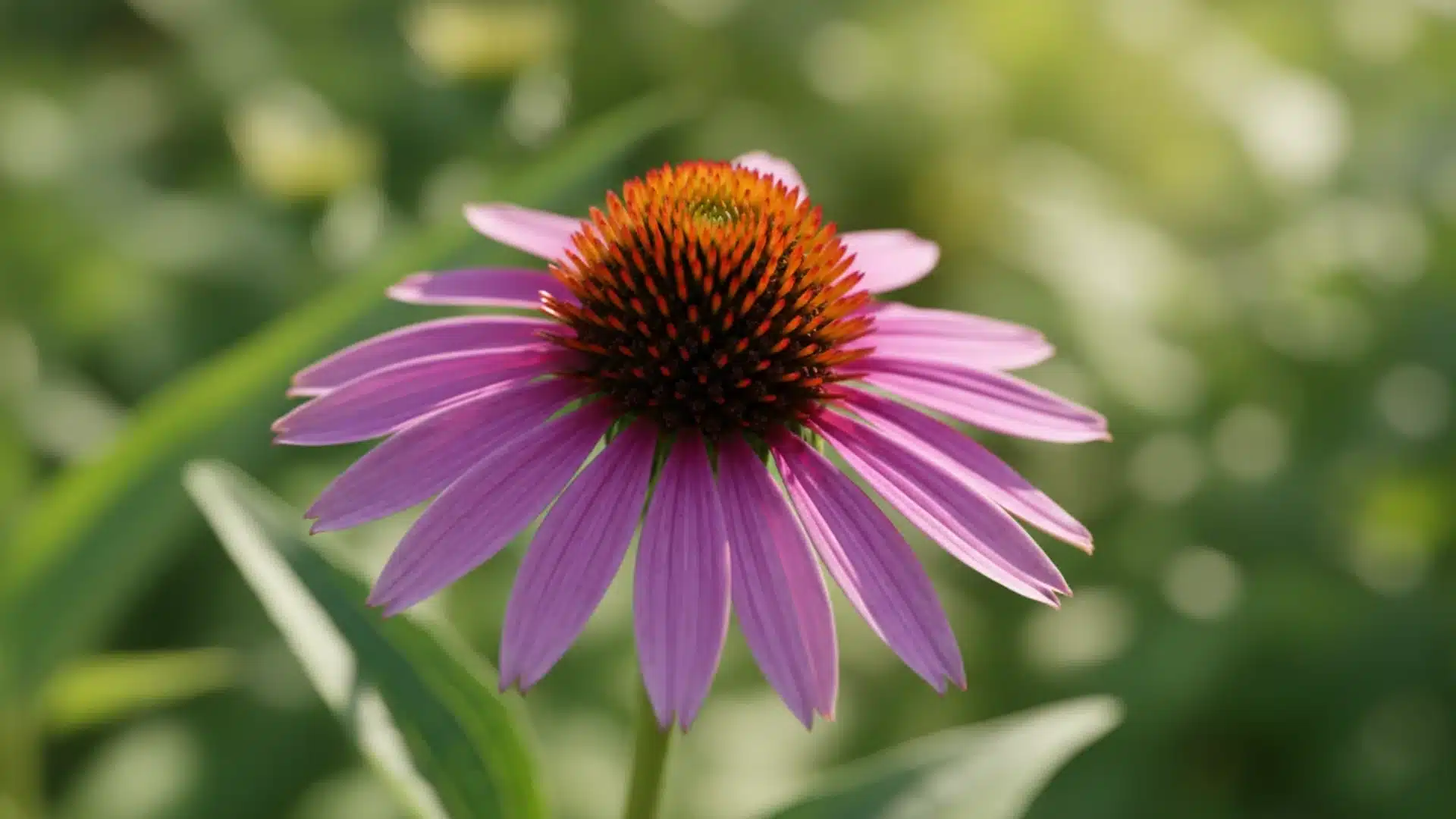
Coneflower needs a little patience during its first season, but the effort pays off once deep roots develop. After establishment, it handles heat and returns reliably each year.
Provide well-drained soil and steady watering while the plant settles in. Reduce moisture later, since standing water around the crown can cause rot.
Leave enough room between plants for airflow and natural spreading. I find mature coneflowers need far less care, yet still produce strong blooms through difficult summer weather each year.
4. Marigold
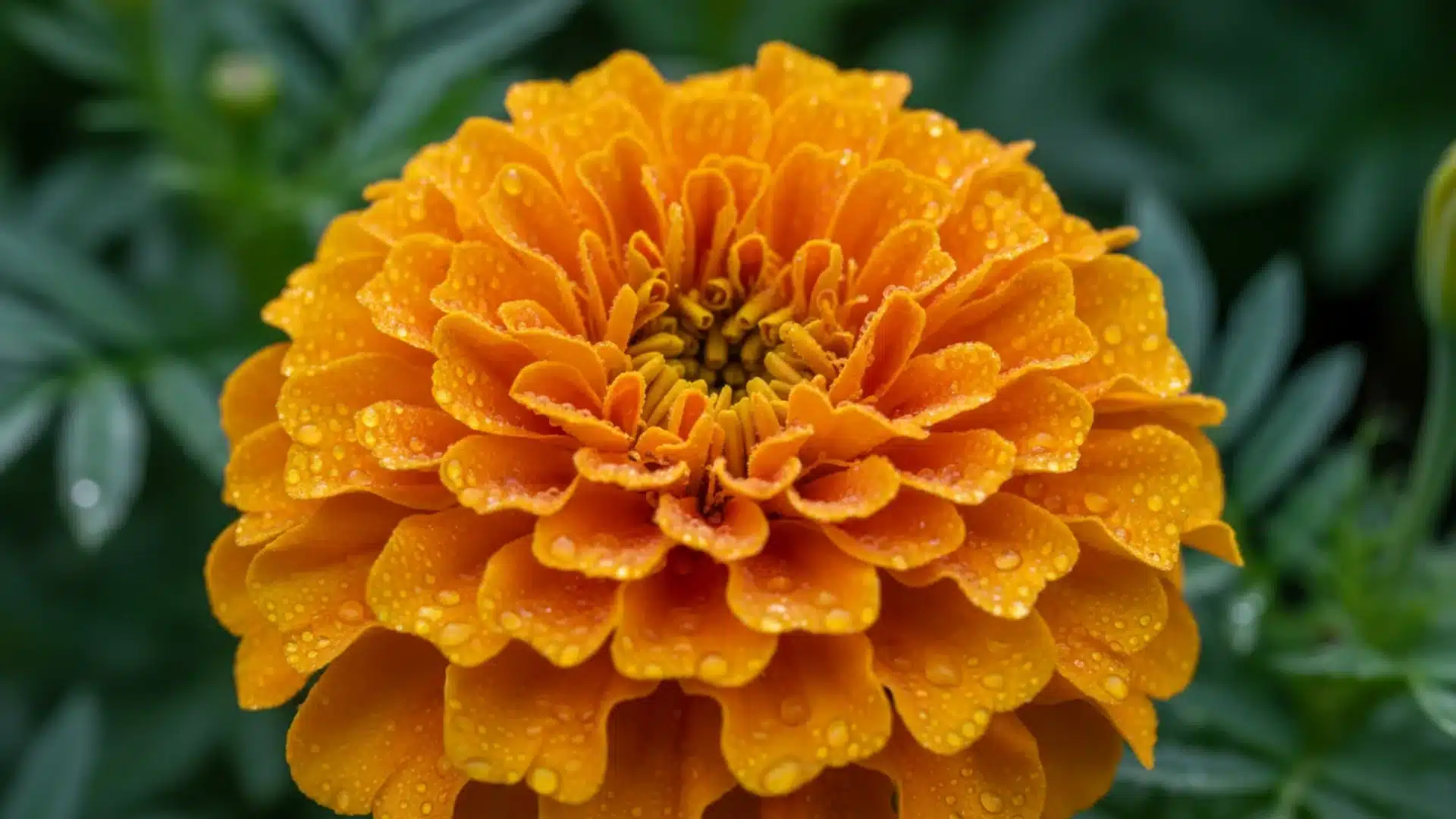
Marigold grows quickly, blooms heavily, and tolerates warm weather without demanding a complicated routine. It is often a reliable starting point for new gardeners.
Water moderately and let the soil surface dry before adding more, whether marigolds are planted in beds or tucked into containers. Constant dampness can cause yellow leaves, soft growth, and root rot.
Because marigold is an annual, it usually lasts one growing season. I prefer checking the soil by hand instead of following a fixed schedule, especially during humid spells or rainy summer weeks outdoors.
5. Hibiscus
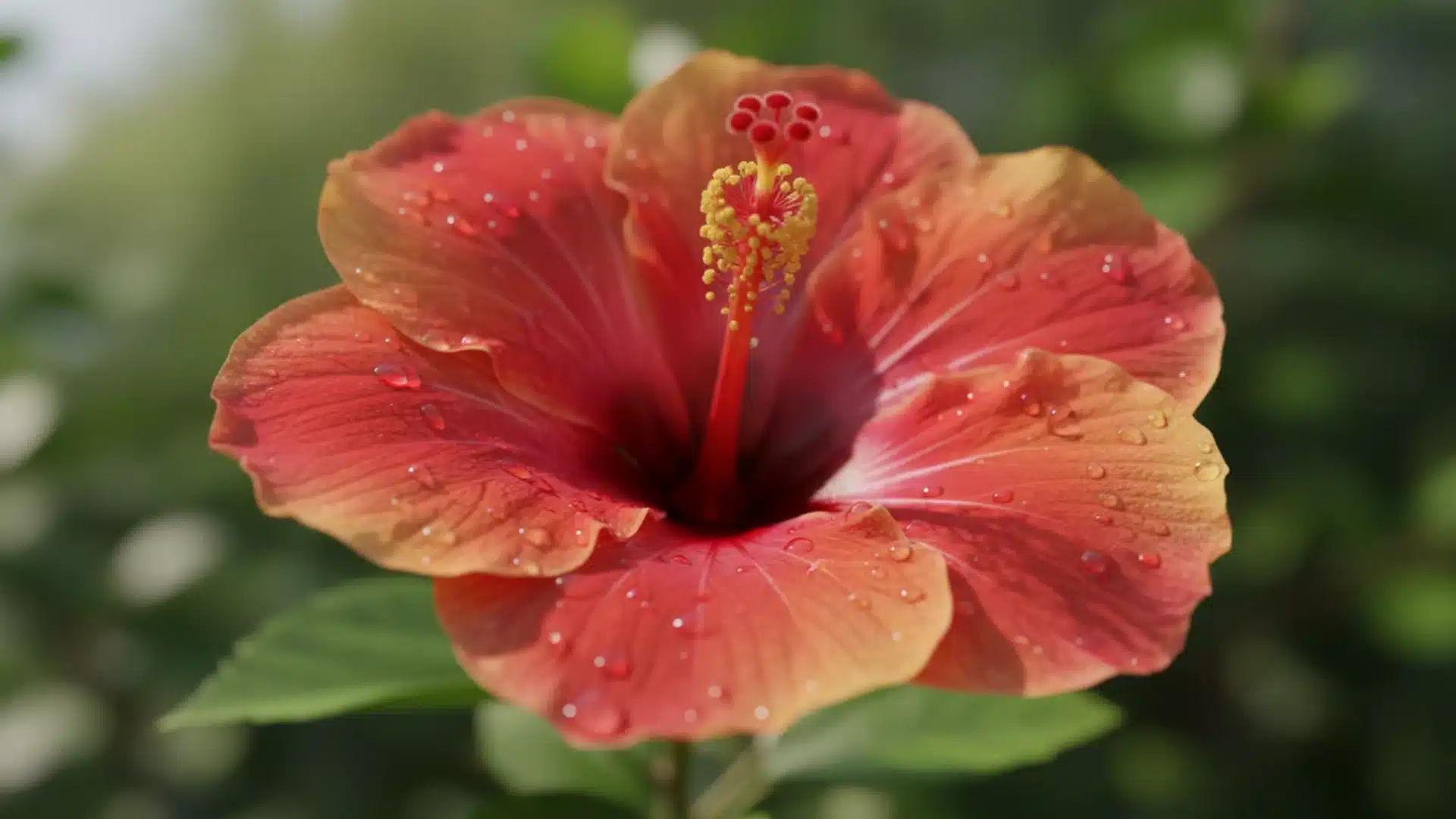
Hibiscus brings large, colorful flowers to patios, borders, and warm garden spaces. It tolerates high temperatures, but it needs more moisture than many heat-loving plants.
Keep the soil evenly moist, especially when hibiscus grows in a container. Pots dry quickly during heat waves, and missed waterings can cause wilting or bud drop.
I check container plants daily when temperatures climb. Regular moisture supports fuller flowering, while dry roots often lead to fewer blooms and stressed, drooping, tired, faded garden leaves.
6. Mexican sunflower
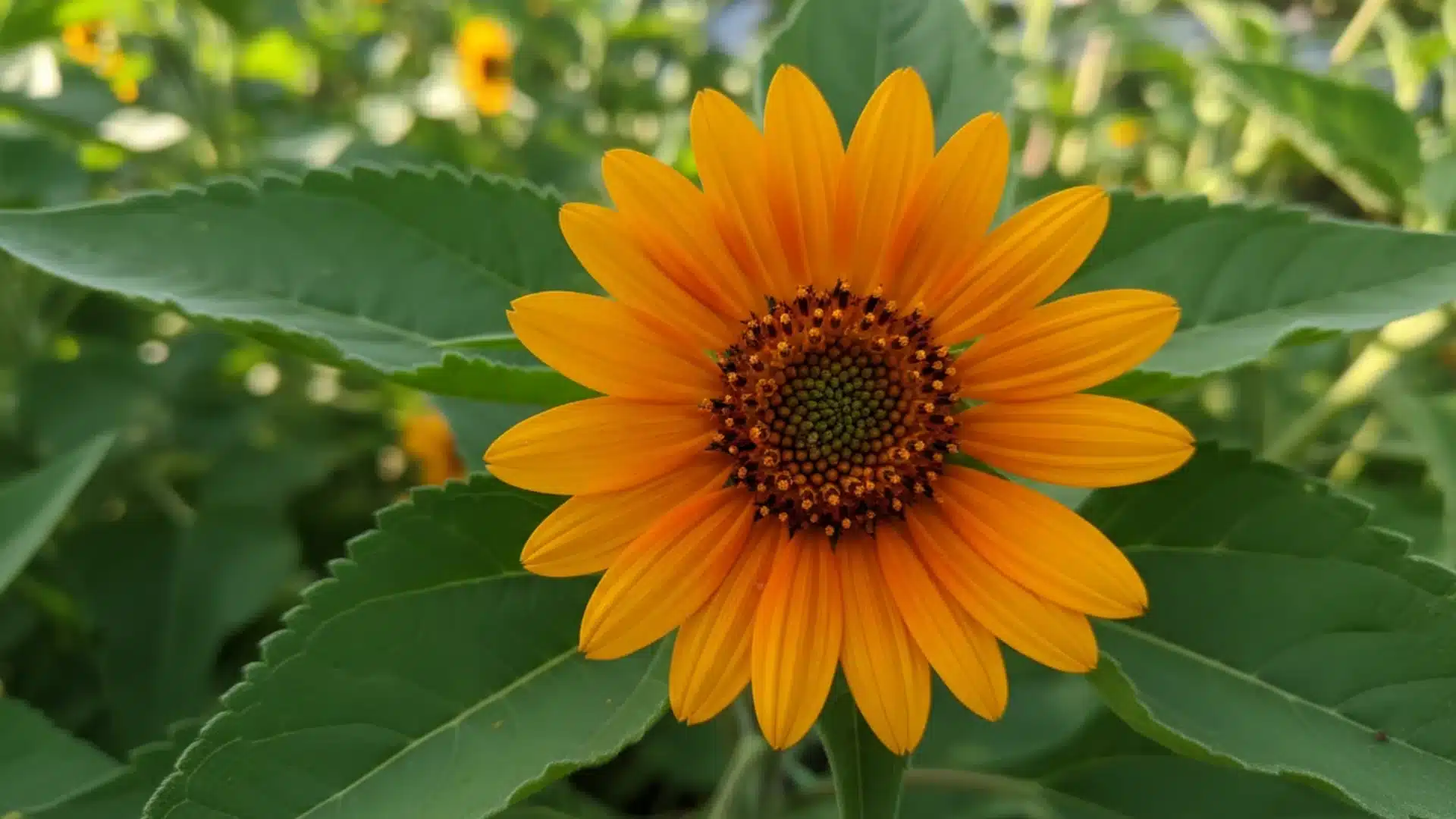
Mexican sunflower grows rapidly and can reach about six feet within one season. Its orange blooms attract bees, butterflies, and other pollinators throughout summer.
Choose a large sunny bed with enough width for branching. Small containers restrict growth, while crowded placement can lead to leaning stems and poor airflow.
I give taller plants support when needed, especially in windy spots. With open space and direct light, Mexican sunflower keeps producing color until cooler weather or the first hard frost arrives.
Tough Plants for Hot, Sunny Garden Spaces
Flowers aren’t the only answer for a scorched, exposed spot. Shrubs, succulents, and ground covers give your garden lasting structure without constant replanting.
These plants manage heat differently. Some store water in thick leaves. Others send roots deep to find moisture underground.
A few tropical shrubs even tolerate humidity that would rot a typical succulent overnight. Drainage matters more than temperature for most of these, especially agave and sedum.
7. Bougainvillea
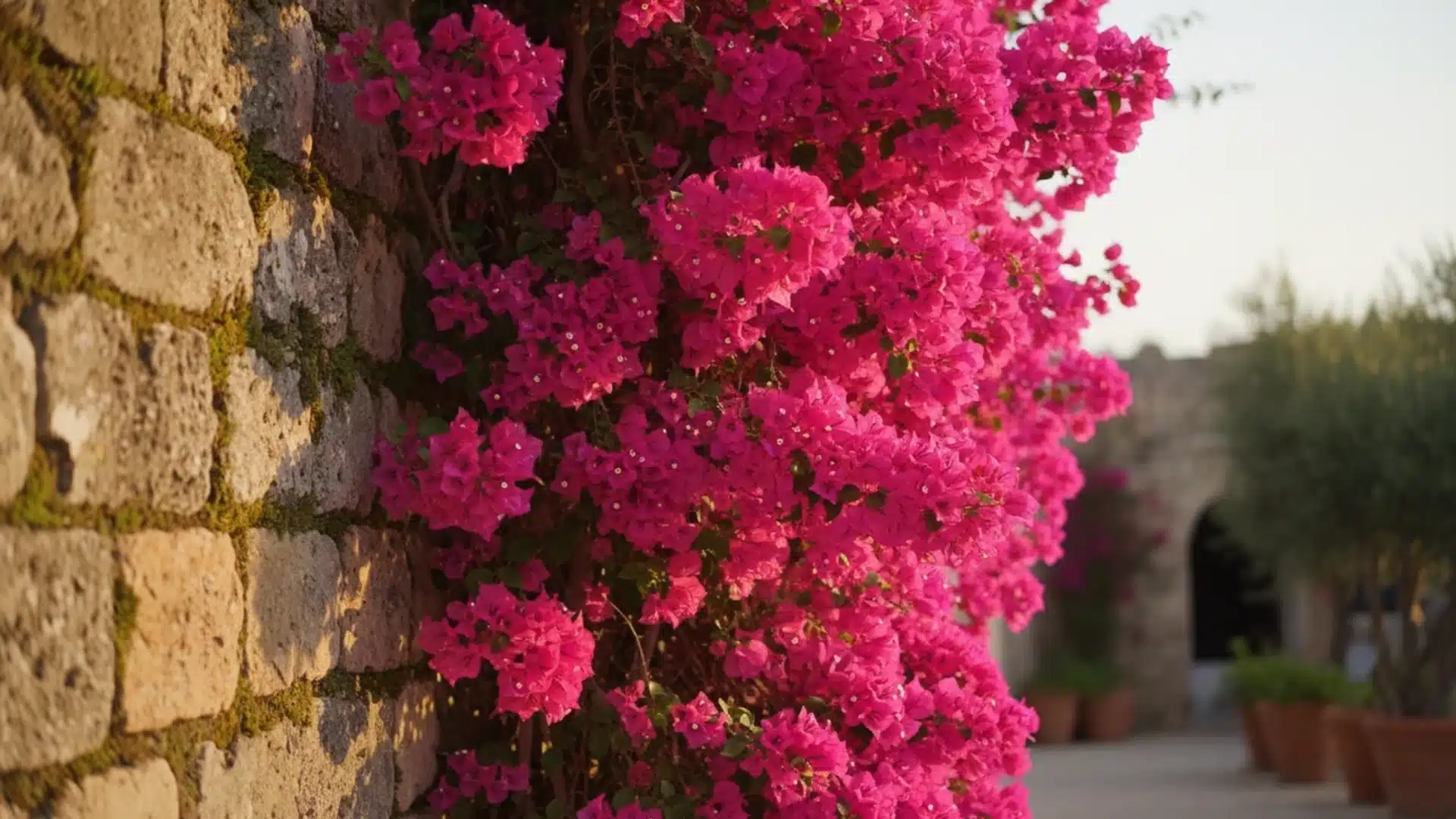
Bougainvillea adds vivid color to warm walls, fences, and patios. Its papery bracts stay bright through intense sunlight and long periods of summer heat.
Place it in full sun and water deeply, then allow the soil to dry. Frequent shallow watering can weaken growth and reduce flowering.
Give the branches room to spread, and wear gloves during pruning because the stems are thorny. I also protect container plants from frost, since cold temperatures can quickly damage tender new spring growth.
8. Agave
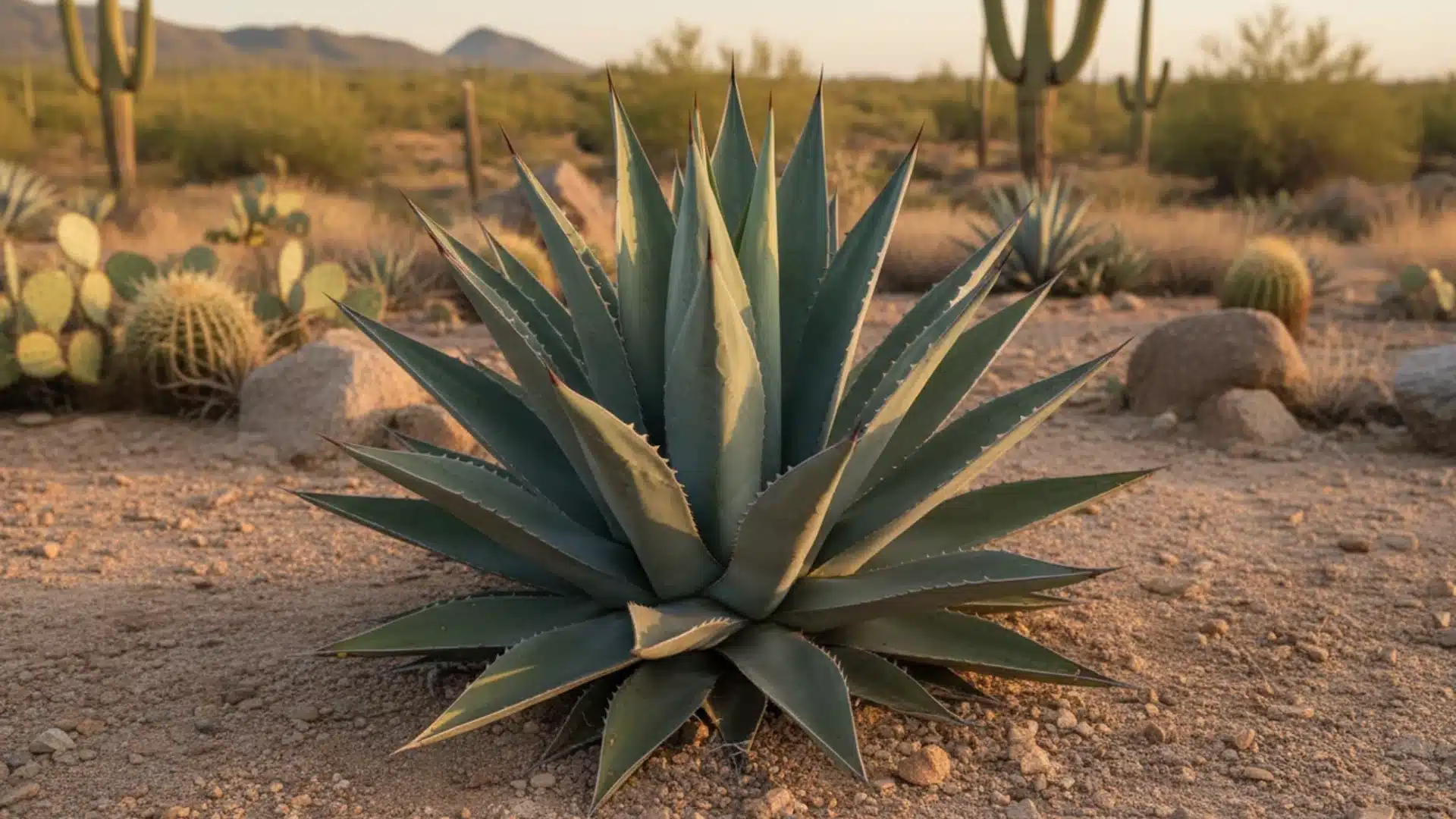
Agave survives long dry periods by storing water inside thick, structured leaves. It usually performs better with limited attention than with frequent care.
Plant it in gritty, fast-draining soil and water only after the ground dries fully. Moisture collecting near the base can cause rapid root decline.
I use agave in gravel beds and sunny containers where drainage is easy to control. During humid weather, I reduce watering even further because excess moisture causes more trouble than temporary soil dryness.
9. Stonecrop
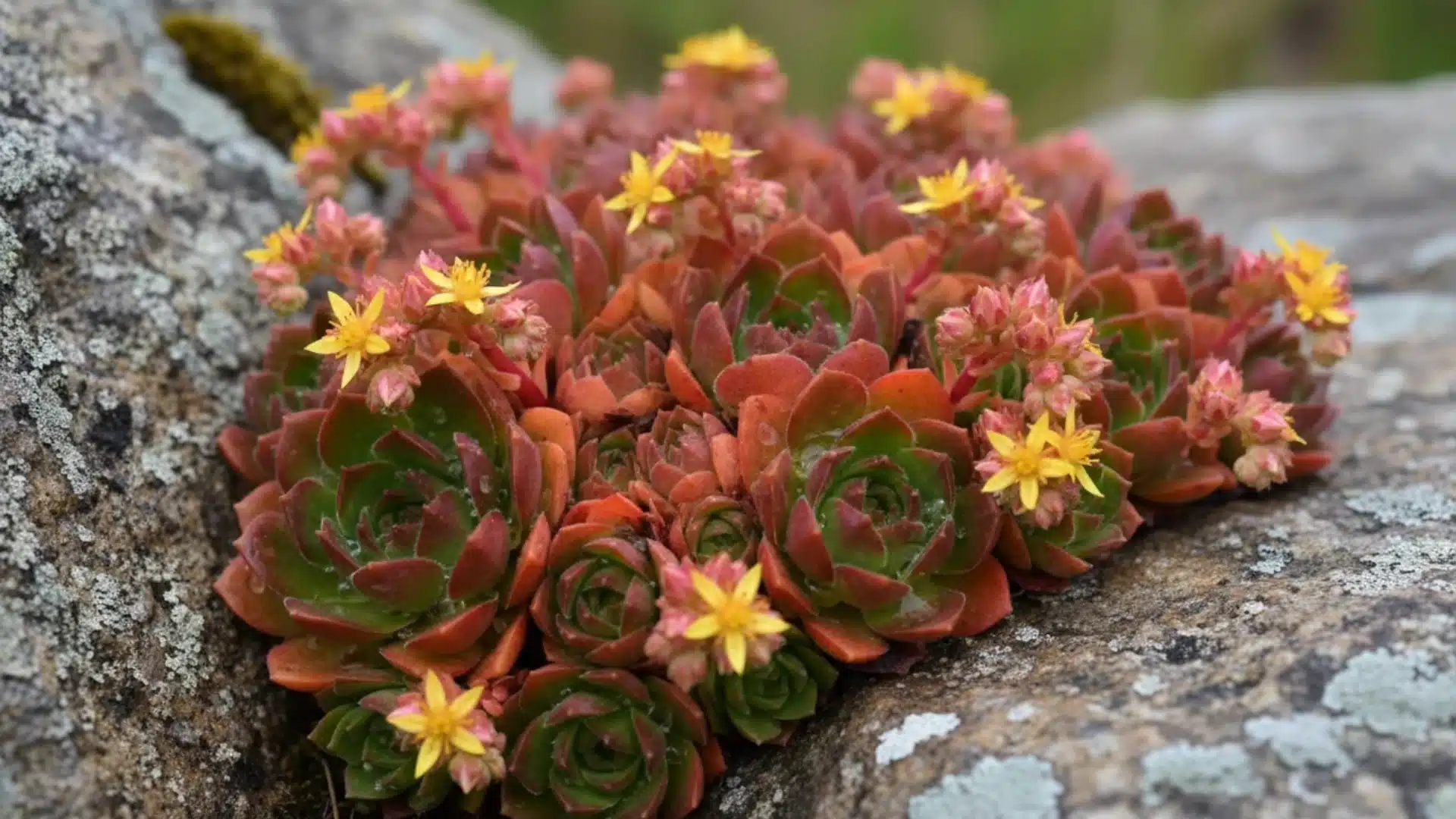
Stonecrop, also called sedum, comes in low-spreading and upright forms. Both types add texture and structure to dry, sunny planting areas.
Give it lean, well-drained soil and direct sunlight. Constant dampness around the roots can weaken growth, cause rot, and shorten the plant’s life.
I use spreading varieties between stones and along paths, while upright forms add height to borders. Once established, both need little water and usually stay dependable through hot, dry summer weather with very little extra attention.
10. Ice Plant
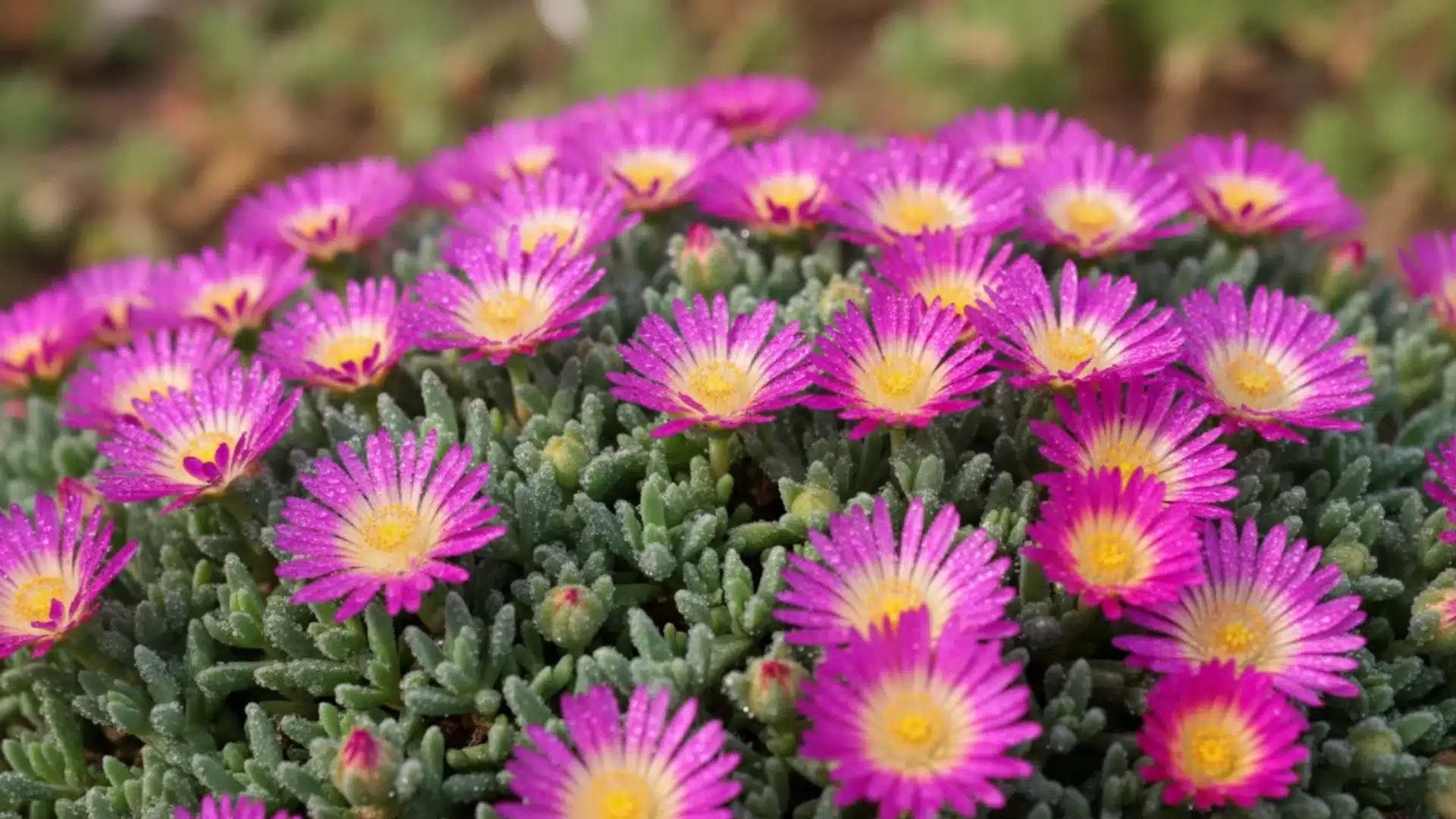
Ice plant spreads across rocky slopes, dry beds, and exposed ground where many plants struggle. Its low growth creates bright, dense coverage with minimal care.
Choose a sunny, well-drained spot and water lightly after establishment. Wet soil can damage the roots, even during very hot weather.
I trim runners when they move beyond the intended area. Avoid planting it beside delicate ground covers, since mature growth can spread quickly and compete for light, water, and available garden space nearby too.
11. Firebush
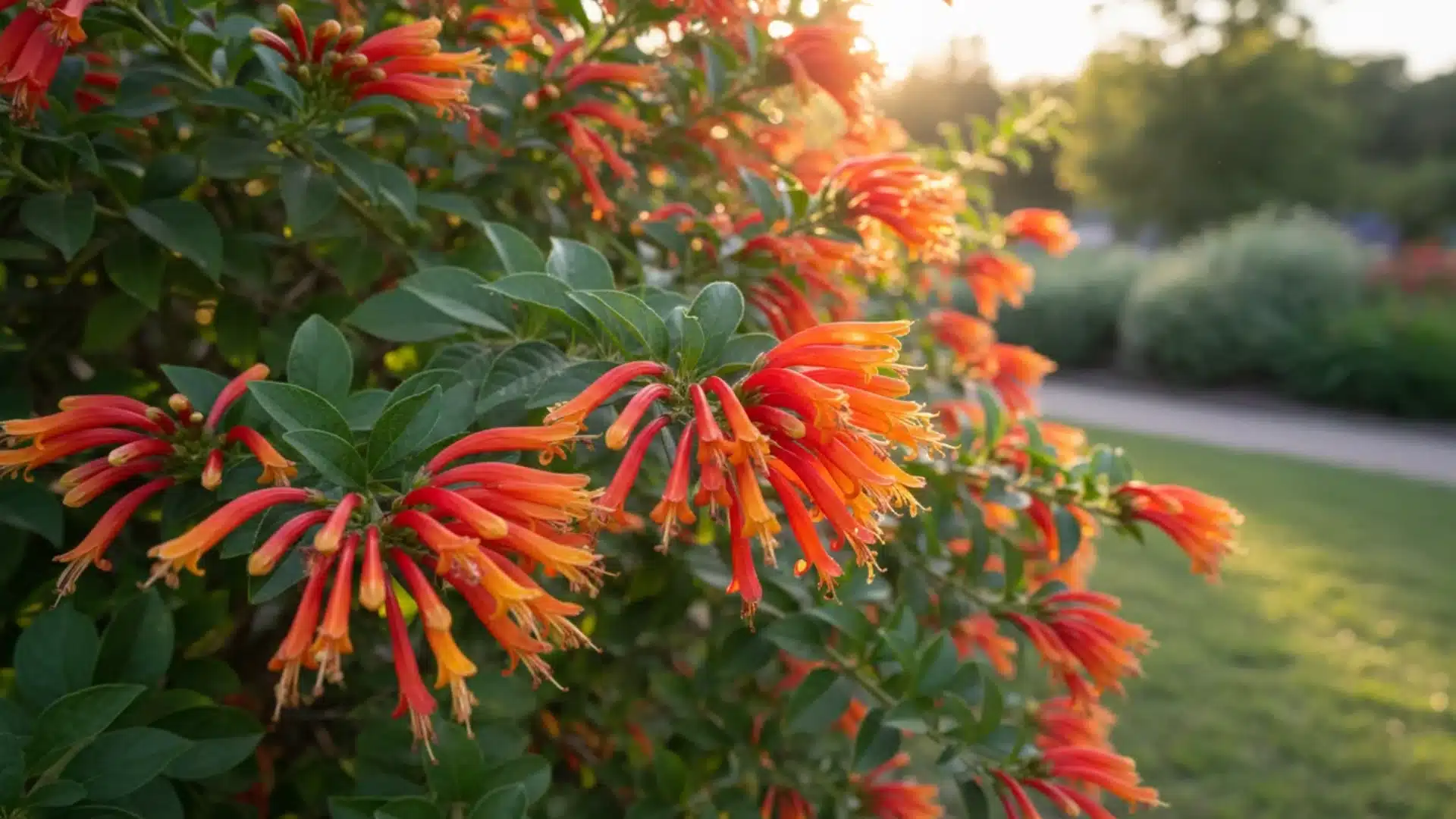
Firebush thrives in hot, humid climates and produces red-orange flowers through summer. Hummingbirds often visit the blooms, adding movement to warm garden spaces.
Give it plenty of room because mature plants may reach six feet or more. Tight placement creates constant pruning and restricts its natural shape.
I place firebush in wide beds where branches can spread freely. It handles humidity well, but frost can damage stems and leaves, so colder regions may need reliable winter frost protection outdoors nearby.
12. Golden Thryallis
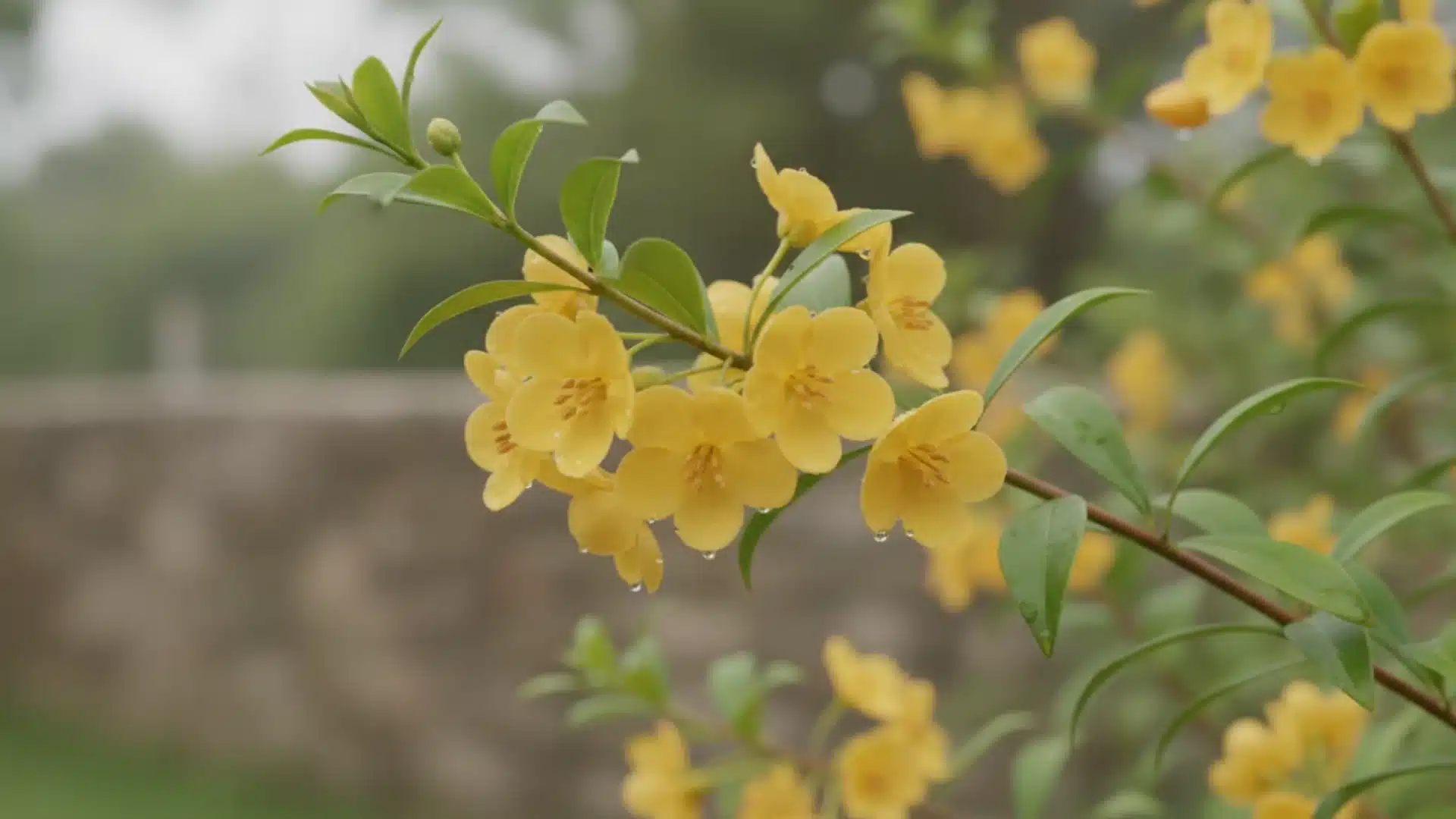
Golden thryallis adds clusters of yellow flowers to sunny borders, foundation beds, and compact hedges. It responds well to gentle shaping and warm conditions.
Provide strong sunlight and moderate moisture without leaving the roots soggy. Too much shade reduces flowering, while waterlogged soil can cause decline.
I trim lightly after a bloom cycle to keep the plant tidy. Heavy pruning can delay the next flush, so small, regular cuts usually maintain a better shape and fuller, longer flower display overall.
Together, these plants can add color, structure, and reliable coverage to sunny spaces without demanding constant care.
How Do You Choose the Right Heat-Tolerant Plant?
Before choosing from the table, look beyond sunlight and consider how your garden actually behaves. Climate type, root space, drainage, and water access often matter more than a generic heat-tolerant label.
Two yards can receive the same sun yet produce very different results because soil temperature, overnight humidity, and reflected heat change plant stress.
Even a tough plant may fail in compacted soil, a dark container, or beside a hot wall, so match each option to its growing conditions carefully.
| Factor | What to Consider |
|---|---|
| Climate and growing zone | Your zone affects whether a plant returns yearly or lasts one season. Hibiscus and firebush prefer hot, humid regions, while agave and lavender suit dry climates. Coneflower handles colder winters better, so always check local hardiness before planting. |
| Dry heat versus humid heat | Dry heat removes moisture quickly, favoring deep-rooted plants and succulents. Humid heat traps moisture around foliage and raises fungal risks. I match plants to the type of heat, not temperature alone. |
| Pots versus garden beds | Containers heat up and dry out faster than garden soil. Choose larger, light-colored pots and compact varieties. Plants in beds usually need less frequent watering because their roots stay cooler. |
| Soil drainage and water access | Agave and sedum need fast drainage, while hibiscus prefers evenly moist soil. Heat tolerance does not always mean drought tolerance. |
Always check each plant’s drainage and watering needs instead of assuming heat tolerance makes it suitable for every sunny location.
What Care Do Full-Sun Plants Need During Extreme Heat?
Heat-loving plants still need extra attention while their roots are developing. I focus on a few simple habits during the first months, then reduce care once each plant settles in.
- Water Carefully: Soak new plants deeply until roots spread beyond the original root ball. After that, check the soil a couple of inches down and water only when it feels dry.
- Protect the Roots: Add two to three inches of mulch to reduce heat and moisture loss. Keep it away from agave, sedum, and other rot-sensitive crowns.
- Adjust Container Placement: Move pots away from hot walls, concrete, and pavement when reflected heat becomes too intense.
- Watch for Stress: Midday drooping is often temporary. Crispy edges, dry stems, falling flowers, or wilting that remains the next morning usually signals a real problem.
A little attention early on helps these plants handle heat with far less care later.
Conclusion
A sunny, heat-heavy yard becomes easier to manage once every plant is placed where it can perform naturally. The right combination of sunlight, drainage, soil, and watering can make the difference between constant replacement and a garden that keeps looking alive.
Plants that like full sun and heat are not all cared for the same way, so let each plant’s natural habits shape your routine. Drought-tolerant varieties need restraint, while flowering plants may need deeper watering during long dry spells.
Start small, watch how each choice responds during the hottest weeks, and adjust before adding more. Which plant are you planning to grow first? Share your pick in the comments and tell us what conditions are like in your yard.
Frequently Asked Questions
What are the best plants for full hot sun?
Lantana, moss rose, marigolds, coneflowers, bougainvillea, agave, sedum, and ice plant are dependable choices for hot, sunny locations. The strongest option depends on whether the area has dry or humid heat, how quickly the soil drains, and whether the plant will grow in a pot or garden bed.
Which plants can handle direct sunlight all day?
Moss rose, lantana, bougainvillea, agave, sedum, Mexican sunflower, and many marigolds can handle sunlight for most of the day. Plants in containers may still need more frequent watering, since pots heat quickly and hold less moisture than garden soil.
What full-sun plants grow well in pots?
Moss rose, lantana, marigolds, compact hibiscus, sedum, and dwarf bougainvillea grow well in sunny containers. Choose a pot with drainage holes and enough room for the mature root system. Light-colored containers can reduce root damage where afternoon temperatures run extremely high.
Are heat-tolerant plants also drought-tolerant?
Not always. Agave, moss rose, sedum, and established bougainvillea tolerate both heat and limited water. Hibiscus and some tropical flowering plants handle high temperatures but still need regular moisture. Check each plant’s water needs separately instead of assuming heat tolerance covers everything.