

| What This Covers | Plant life cycles, soil and feeding, garden tasks, and plant ID terms |
| Best For | New gardeners reading plant labels, seed packets, or extension guides |
| Terms Explained | 25+, organized into three connected groups |
| Skill Level Needed | None, built for first-time gardeners |
| Where You’ll See These Terms | Nursery tags, seed packets, USDA zone maps, extension office guides |
Garden language is the working vocabulary gardeners use to describe how plants grow, what soil needs, and what to do with your hands to keep both healthy.
I’ve spent two decades walking clients through plant tags at nurseries, and the same three or four terms trip people up every time, not because the words are complicated, but because nobody explains how they connect to each other.
That’s the real problem with most glossaries: they hand you a list of definitions with no structure. Garden language isn’t a list. It’s three connected vocabularies: what a plant does over its lifetime, what the soil beneath it needs, and what actions you take to care for it.
Once you see which bucket a new term falls into, it stops feeling like a foreign language and starts feeling like something you already half-know.
What Does Garden Language Mean?
Garden language is the practical vocabulary used to explain how plants grow, what conditions they need, and how gardeners care for them.
Some terms describe a plant’s life cycle, while others refer to soil, light, moisture, tools, or routine jobs. Scientific horticultural vocabulary can include detailed botanical language, but everyday gardening words are usually more direct.
Thinking of these terms as connected groups makes them easier to understand. A word may tell you what the plant is doing, describe the conditions around it, or name an action needed to keep it healthy.
The Language of Plant Life Cycles
Every plant tag you’ll ever read starts with a life cycle term, because it’s the single most useful thing a label can tell you: will this plant still be here next year?
Annuals, Biennials, and Perennials
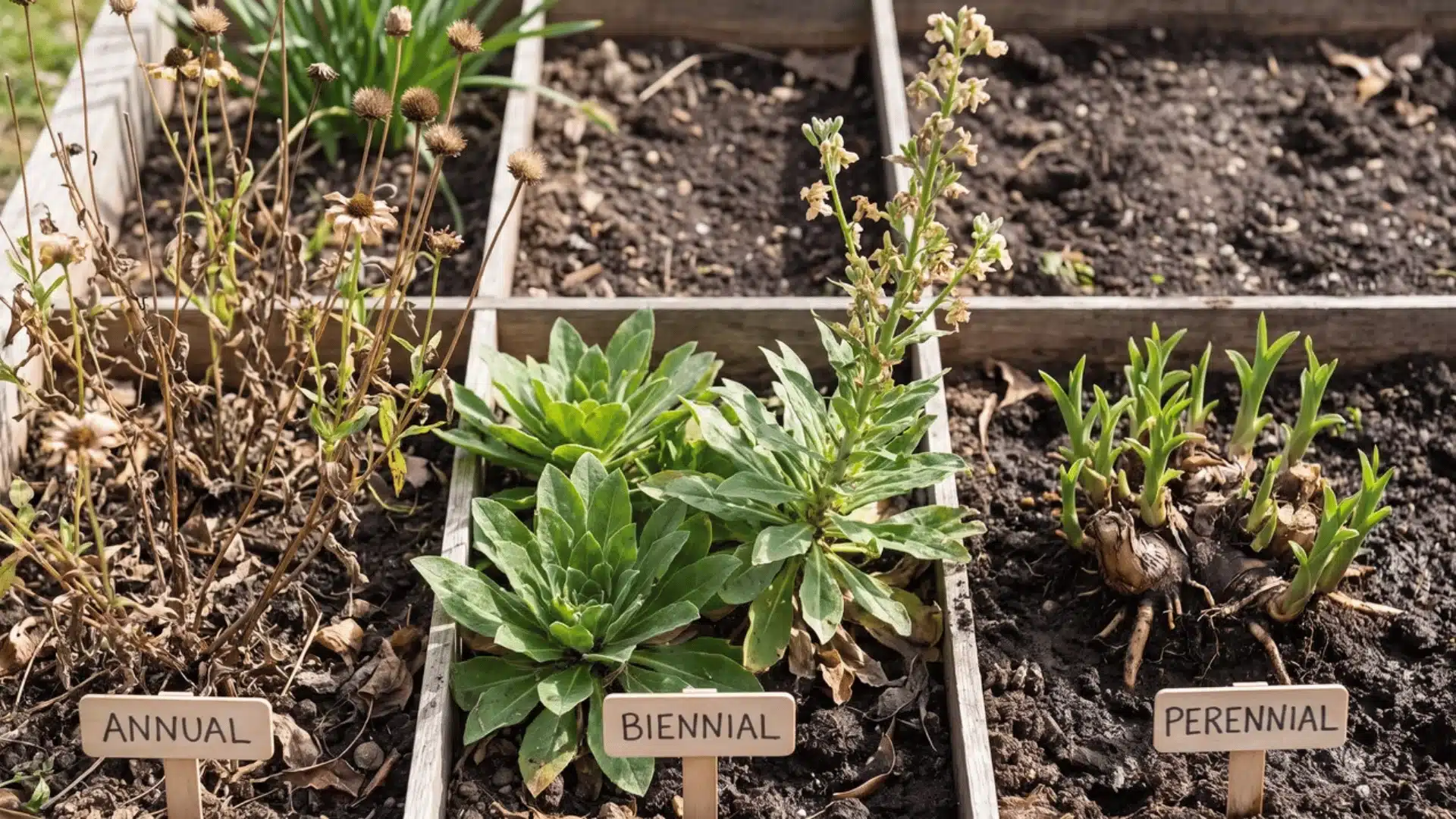
An annual completes its entire life, from germination to seed production, in a single growing season, then dies.
A biennial spreads that same process across two seasons, growing foliage the first year, then flowering, seeding, and dying in the second.
A perennial returns for three or more years, often dying back above ground in winter while its root system survives underground.
Knowing which category a plant falls into is what tells you whether to budget for replanting every spring or simply wait for the same plant to come back.
How Hardiness Changes the Life Cycle Label
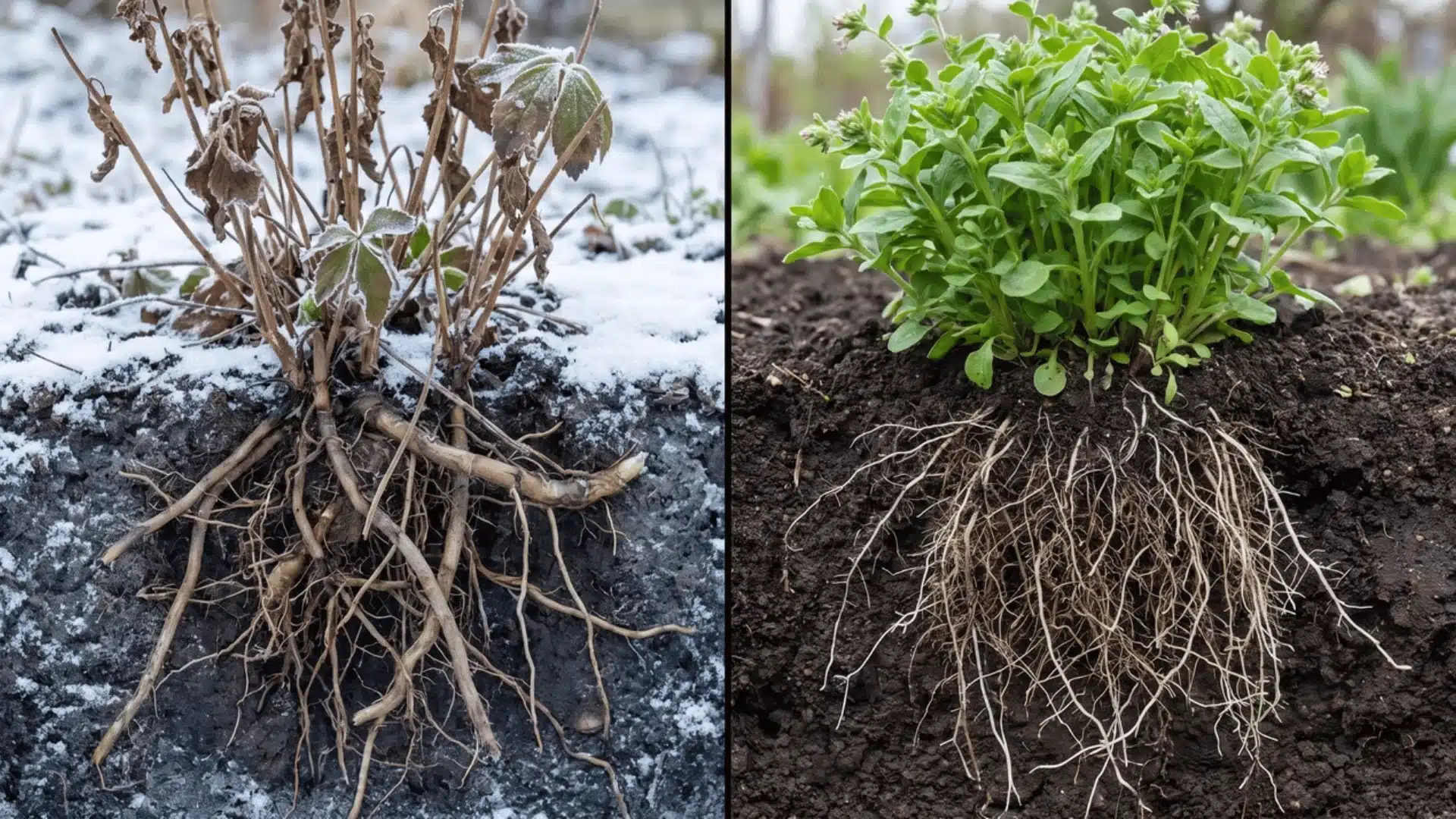
Here’s where most beginner guides stop short, and where I’ve watched a lot of gardeners get burned: a plant’s life cycle label isn’t fixed. It depends on where you’re growing it.
A salvia that behaves as a true perennial in USDA Zone 9 may only survive one winter in Zone 5, which makes it function as an annual in that garden no matter what the tag says. The term that bridges this gap is hardiness, a measure of how much cold a plant can tolerate before it dies.
The USDA Plant Hardiness Zone Map splits North America into 13 zones based on average annual minimum winter temperature, and matching a plant’s hardiness rating to your zone is what actually determines whether “perennial” holds true in your yard.
Reading a Plant Label the Way I Do
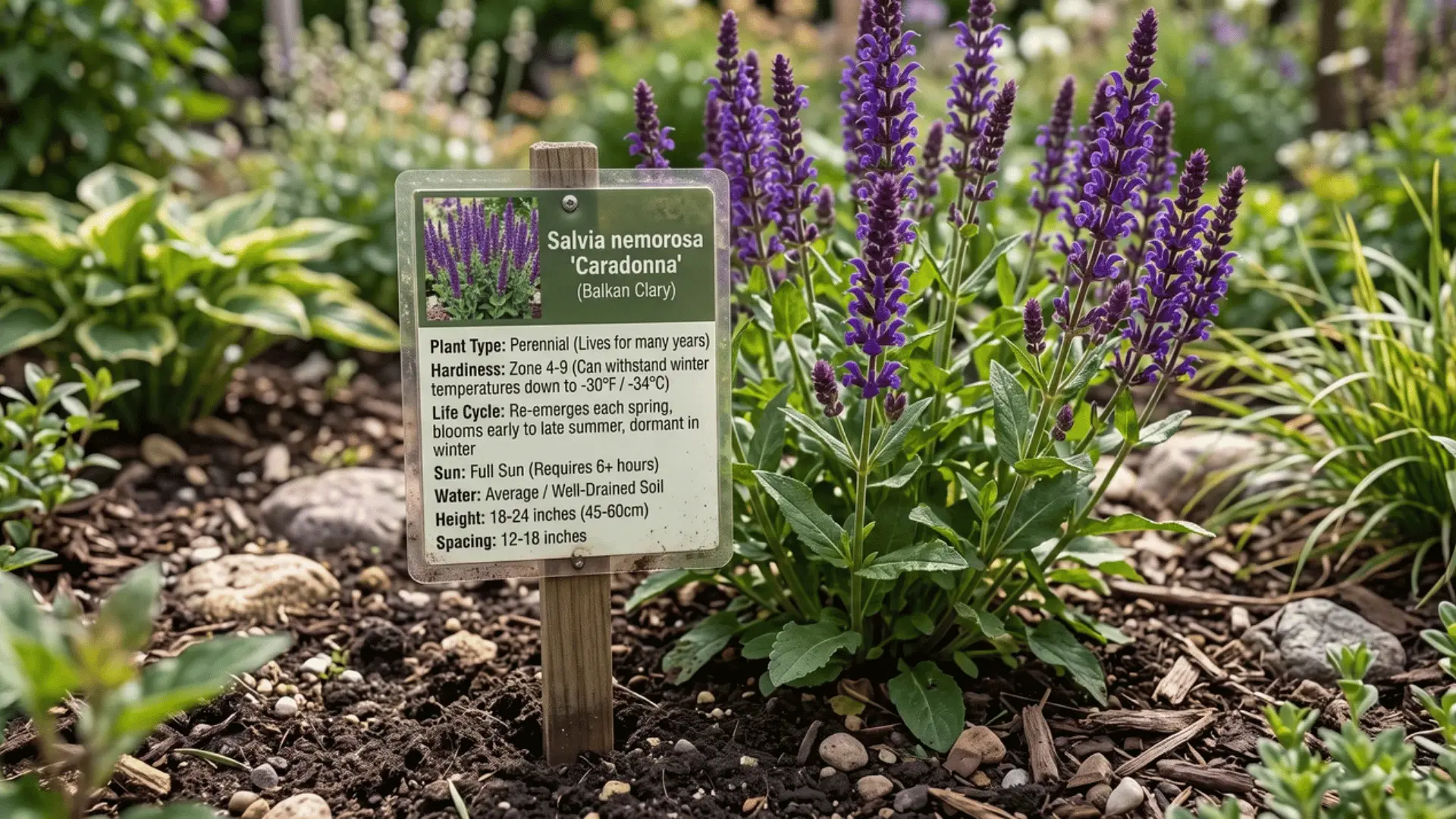
Most people scan a plant label for one thing: will it survive here? But the label is answering two separate questions that only make sense together. The life cycle term tells you how long the plant is built to live. The hardiness rating tells you whether your climate will let it reach that lifespan.
A tag that says “perennial, Zones 4-8” is telling you something specific: this plant can live for years, but only within that temperature range. If you garden in Zone 3, that same plant will behave like an annual regardless of what the front of the label promises.
I check both numbers before a plant ever goes in my cart, and it’s saved me from replacing “perennials” more times than I can count.
| Note: You can find your USDA Hardiness Zone by ZIP code on the USDA’s official Plant Hardiness Zone Map. Always cross-check a plant’s zone range against your own before assuming a “perennial” will return next spring. |
The Language of Soil and Growing Conditions
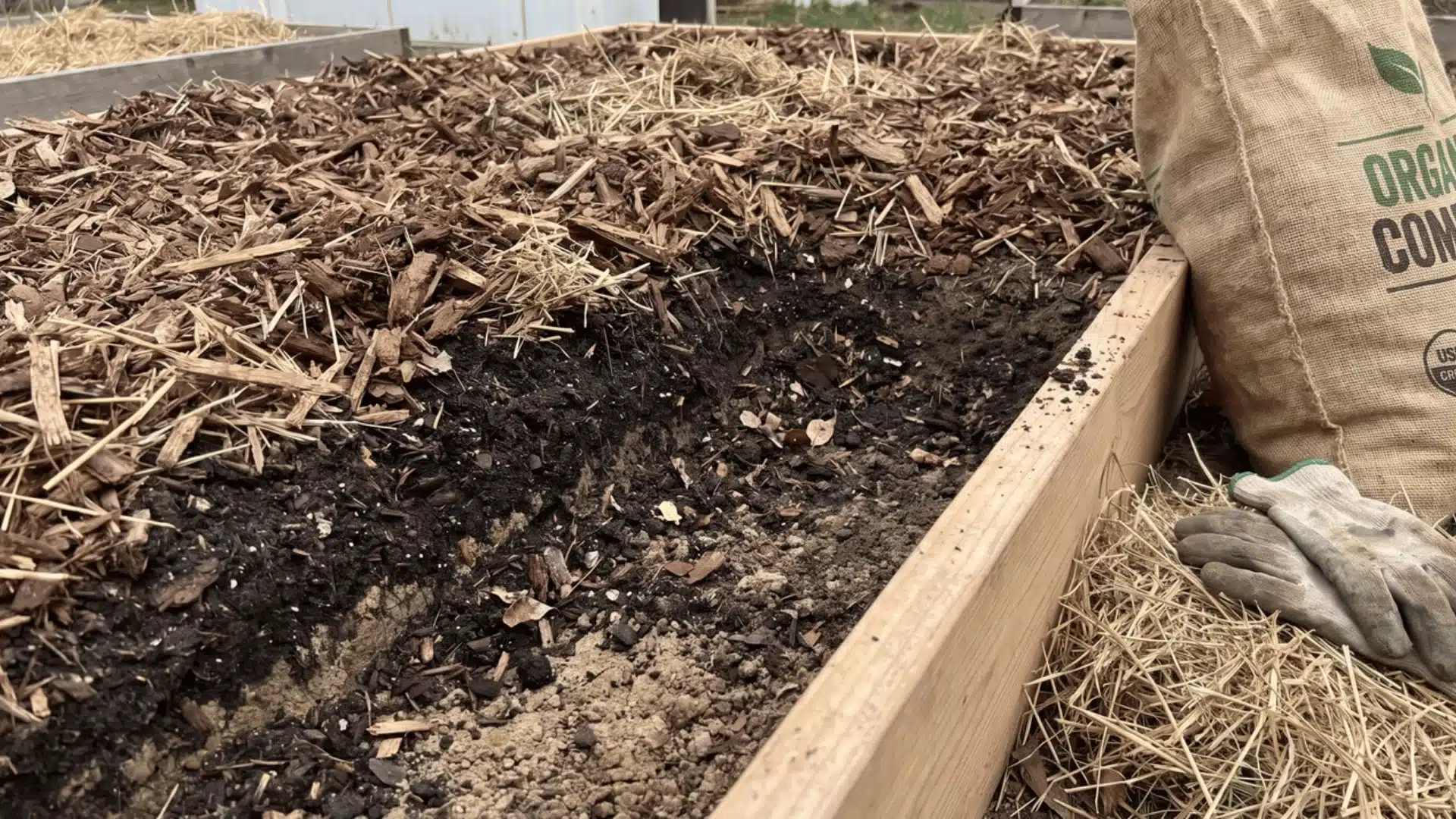
Before a plant goes in the ground, the ground itself needs translating. Soil vocabulary is where I see the most mixing up of terms that describe genuinely different things.
Compost, Mulch, and Amendment: Not the Same Word
Compost is decayed organic matter- food scraps, leaves, grass clippings- broken down into a dark, crumbly material that gets worked into soil to improve its structure and nutrient content.
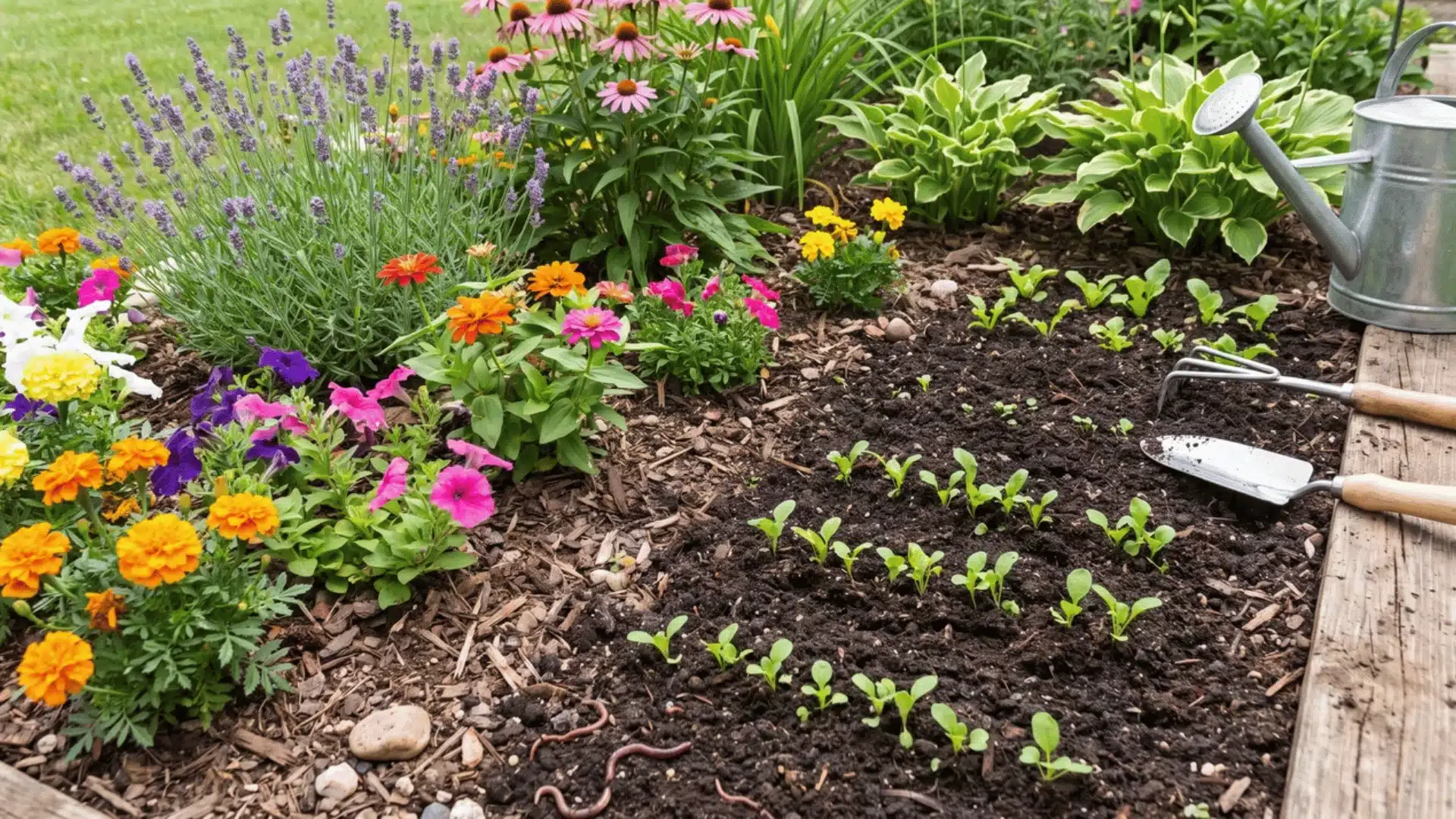
Mulch goes on top of the soil instead, forming a protective layer that holds in moisture, blocks weed germination, and moderates soil temperature as it slowly breaks down.
An amendment is the broader category both fall under: anything added to soil to change its structure or fertility, whether or not it adds nutrients directly.
If you’re building a new bed from scratch, understanding this distinction matters before you ever break ground — I always recommend starting with a solid raised garden bed layout, since it gives you full control over which amendments go in versus which stay on top.
pH, N-P-K, and What Your Soil Test Is Actually Telling You
pH measures how acidic or alkaline your soil is on a 0-14 scale. Most vegetables and ornamentals grow best in a range of 6.0 to 7.0, slightly acidic to neutral, because that’s the window where plants can actually absorb the nutrients already present in the soil.
Push much below 6.0 or above 7.5 and even a well-fed plant starts struggling to take up iron, phosphorus, and other essentials.
The three numbers on a fertilizer bag, the N-P-K ratio, stand for nitrogen, phosphorus, and potassium, the primary nutrients plants need for leafy growth, root and flower development, and overall plant function, respectively.
A bag labeled 10-10-10 delivers those three nutrients in equal parts; a lawn fertilizer weighted toward nitrogen might read closer to 20-5-10.
Humus, Topdressing, and Leaching
Humus is the fully decomposed, stable organic material left after compost finishes breaking down; it’s what gives rich garden soil its dark color and crumbly texture, and it’s worth understanding how humus actually forms in soil if you’re trying to build long-term fertility rather than just feed one season’s crop.
Topdressing means spreading a thin layer of compost or fertilizer over existing soil rather than digging it in.
Leaching is the loss of nutrients as water washes them down past the root zone, which is why heavy rain or overwatering can undo a fertilizing schedule fast.
For gardeners trying to reduce how often they need to feed and amend at all, shifting toward sustainable gardening practices like composting on-site tends to cut both cost and leaching over a full season.
The Language of Garden Tasks and Tools
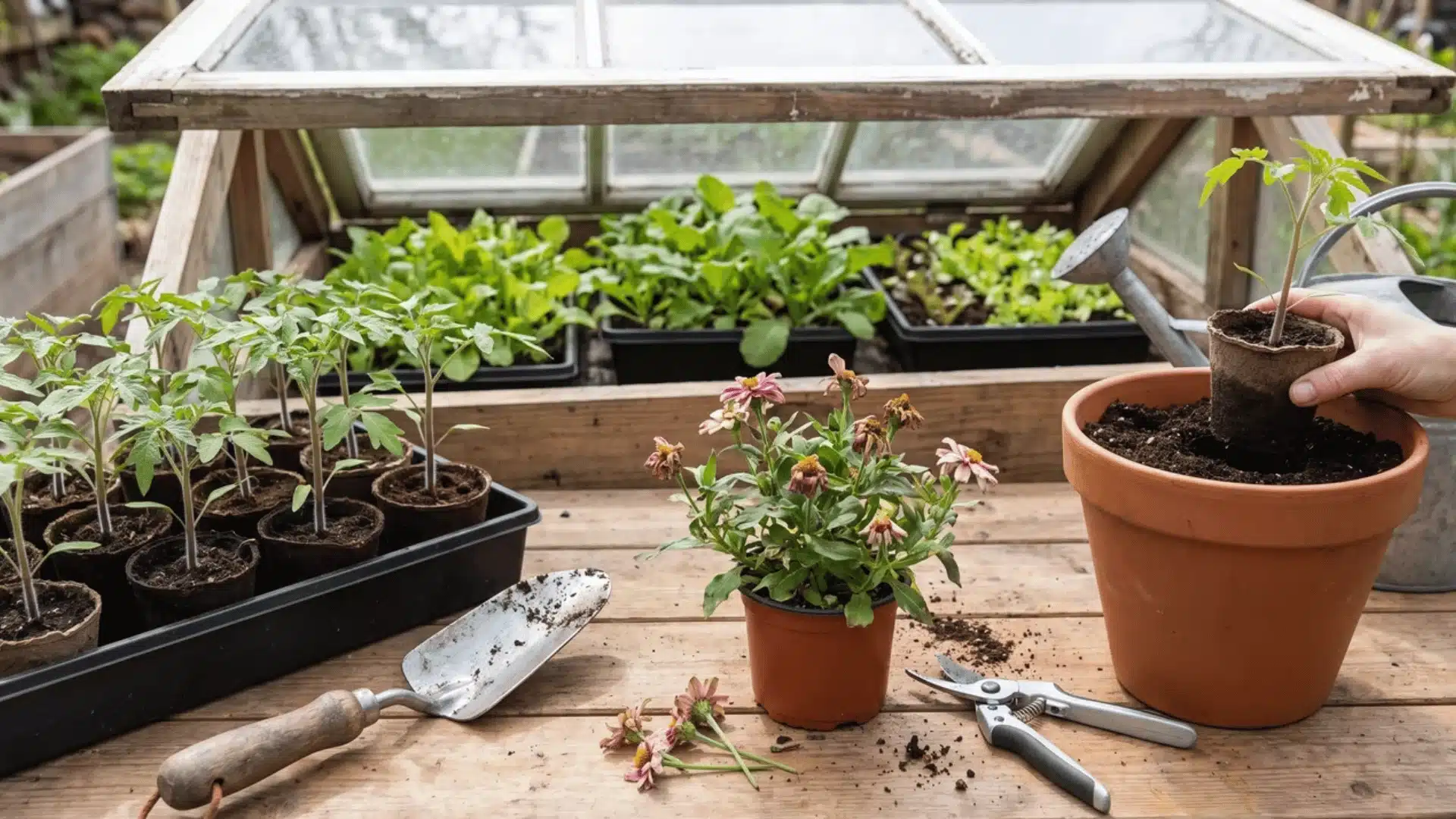
This is the vocabulary of what you actually do with your hands, and it splits into two types: tools you use, and practices you perform.
- Deadheading: removing spent flowers to redirect the plant’s energy into new blooms instead of seed production. Most flowering perennials will rebloom faster if deadheaded every 7 to 10 days during peak season.
- Germination: the moment a seed absorbs moisture and begins to sprout. Most vegetable seeds germinate fastest in soil between 65°F and 75°F; if nothing has sprouted after two to three weeks in that range, the seed, moisture, or depth is usually the problem.
- Hardening off: gradually exposing indoor-started seedlings to outdoor sun, wind, and temperature swings over 7 to 14 days before transplanting, so the shock doesn’t stunt or kill them.
- Thinning: removing some seedlings from a crowded row so the remaining plants have enough space, often down to one seedling every 2 to 4 inches depending on the crop.
- Pinching: removing a stem’s growing tip by hand to force bushier, fuller growth instead of one tall, leggy stalk.
- Pruning vs. trimming: pruning is deliberate, structural cutting meant to shape a plant or remove dead wood; trimming is lighter, more general tidying with less long-term impact on the plant’s shape.
A trowel or hand fork is a tool; deadheading and hardening off are practices performed with that tool. Once you separate the two categories, instructions that once sounded vague, like “harden off before transplanting,” turn into a specific, timed action.
| Tip: Skipping the hardening-off window is the single most common mistake I see with indoor-started seedlings. Even two days of direct exposure without a transition period can scorch leaves that were never toughened up for full sun. |
Odd Garden Terms That Confuse New Gardeners
Every few years a term shows up that sounds alarming and means something completely ordinary. These are the ones I get asked about most.
- Bolting: when a plant, often lettuce or spinach, suddenly shoots up a flower stalk and goes to seed early, usually triggered by temperatures above 75°F. Once a plant bolts, its leaves typically turn bitter and its productive life is over for the season.
- Leggy: describes a plant that has grown tall and thin with long bare stretches between leaves, almost always a sign of too little light.
- Volunteer: a plant that grows on its own from a seed you didn’t plant, often dropped the previous season or carried in by birds.
- Suckers: extra shoots that grow from a plant’s base or along its stems, pulling energy away from main growth. This shows up constantly with tomatoes, where knowing whether to remove suckers on tomato plants depends entirely on whether you’re growing a determinate or indeterminate variety.
- Bare-root: a dormant plant, usually a shrub, rose, or tree, sold without soil around its roots and meant to be planted quickly after purchase.
How These Three Vocabularies Work Together
None of this is one long list of unrelated words. It’s three connected groups, and every unfamiliar term you’ll ever run into fits into one of them:
- Life cycle terms tell you how long a plant is built to live and whether it will return next year.
- Soil terms explain what’s happening beneath the surface and what you’re adding to it.
- Task terms describe the specific actions you take to keep a plant healthy through its life cycle.
When you hit a word you don’t recognize on a nursery tag or in a planting guide, ask which of these three buckets it belongs to.
A word about bees and rebloom timing, for instance, usually points back to life cycle and task terms together, which is exactly the overlap you’ll see if you’re choosing pollinator-friendly perennials and need to know both their bloom season and their deadheading schedule.
Final Verdict: Learning Garden Language
Understanding garden language makes plant labels, seed packets, and care instructions far easier to use. Instead of memorizing unrelated definitions, connect each word to plant growth, growing conditions, health, or a practical task.
I often use gardening terms as clues rather than rigid rules because climate, soil, and individual plants can produce different results. I also check several details together before deciding what a plant needs.
Keep the quick-reference list nearby while shopping, sowing, or caring for plants. A clear understanding of the words helps turn short instructions into confident, appropriate action.
Frequently Asked Questions
What Is the Difference Between an Annual and A Perennial?
An annual completes its full life cycle in one growing season. It germinates, flowers, seeds, and dies within a single year. A perennial returns each spring from surviving roots. The practical difference is simple: annuals need replanting every year, perennials do not.
What Does “Organic” Mean in Gardening?
Organic describes materials derived from living matter rather than synthetic chemicals. It applies separately to soil, fertilisers, and pest control. Calling something organic describes where it came from, not how well it performs. Always check what the term is being applied to before assuming it means the same thing twice.
What Is Mulch and Why Do Gardeners Use It?
Mulch is a layer of material placed on top of soil around plants. It holds moisture in, suppresses weeds by blocking light, and improves soil structure as it breaks down over time. It goes on top of the soil, not into it. That distinction matters when you’re also working with compost.
What Is Germination?
Germination is the process by which a seed activates and begins to grow into a seedling. It requires moisture, warmth, and sometimes light. Gardeners treat it as a diagnostic signal. If germination doesn’t happen within the expected window, one of those three conditions is usually the cause.