

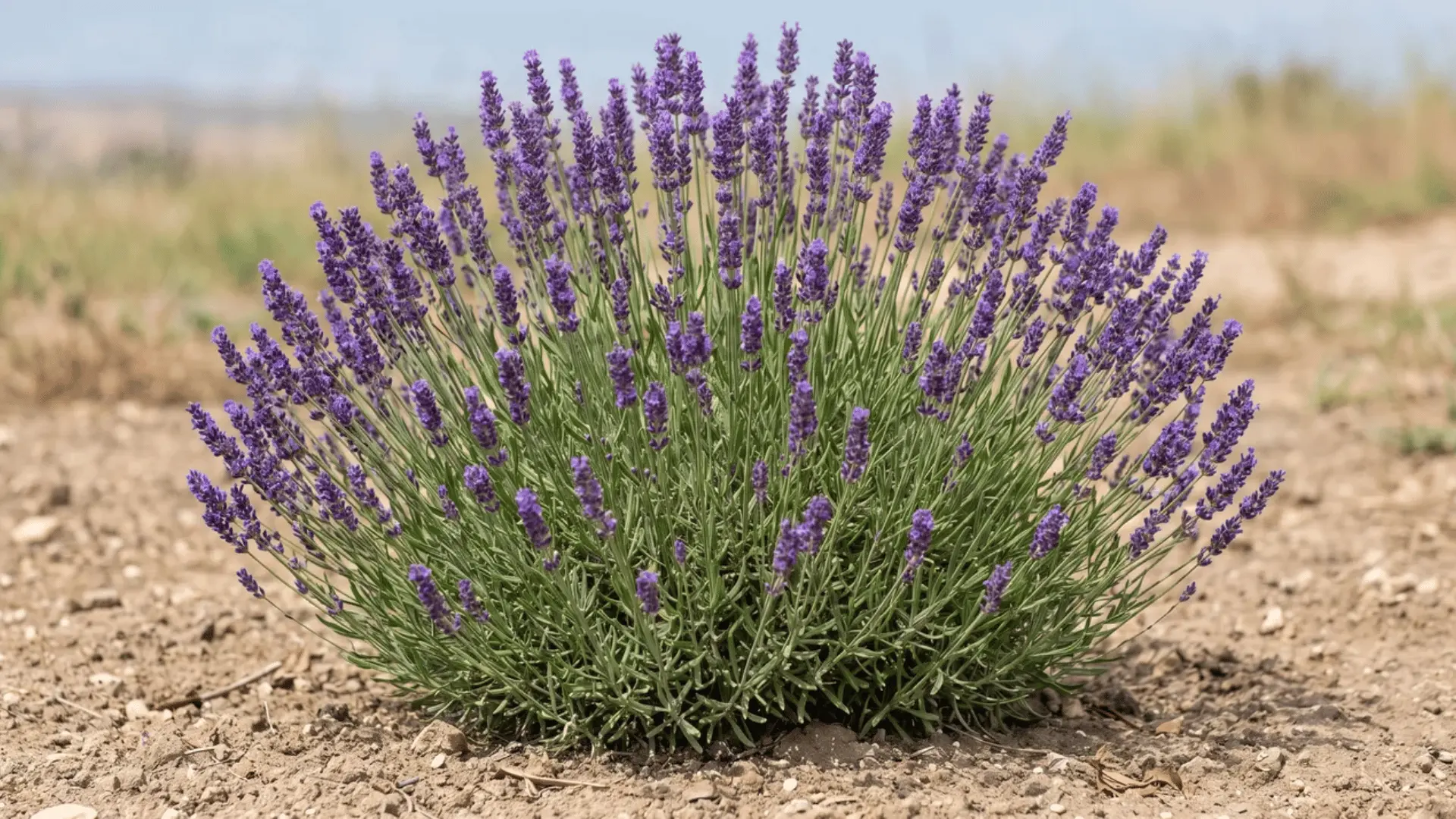
Lavender looks easy to grow, but small care mistakes can quickly lead to yellow leaves, weak flowering, woody growth, or root problems. The good news is that most of these issues are preventable once you understand what the plant actually needs.
Good lavender plant care starts with plenty of sunlight, fast-draining soil, careful watering, and regular pruning. You also need to adjust your routine slightly for containers, indoor plants, seasonal weather, and different lavender varieties.
I prefer to watch the soil, foliage, and growth rather than follow a fixed schedule. With the right conditions and a few simple habits, you can keep lavender healthier, fuller, and more productive for years.
Lavender Plant Care at a Glance
Lavender is a sun-loving perennial shrub known for fragrant flowers, silvery-green foliage, and relatively low maintenance needs. Most problems begin when the plant receives too much water, too little sunlight, or poor drainage.
The basic care requirements are straightforward. Give lavender at least six to eight hours of direct sunlight, plant it in loose, fast-draining soil, and let the root zone dry between waterings. Established plants usually tolerate dry conditions better than constantly wet soil.
Lavender also performs best without heavy feeding. Too much fertilizer can encourage leafy growth instead of flowers. Regular pruning helps the plant stay compact and slows the development of bare, woody centers.
| Care Requirement | Best Condition |
|---|---|
| Scientific name | Lavandula |
| Family | Lamiaceae |
| Plant type | Woody perennial shrub |
| Sunlight | 6–8+ hours of full sun |
| Soil | Lean, loose, fast-draining soil |
| Soil pH | Usually neutral to slightly alkaline |
| Watering | Deep but infrequent |
| Fertilizer | Minimal |
| Pruning | Regular light pruning |
| Bloom period | Usually late spring through summer |
| Airflow | Open spacing with good circulation |
These conditions matter more than following a strict calendar. When lavender receives enough sun and its roots stay relatively dry, care becomes much easier.
When and Where to Plant Lavender
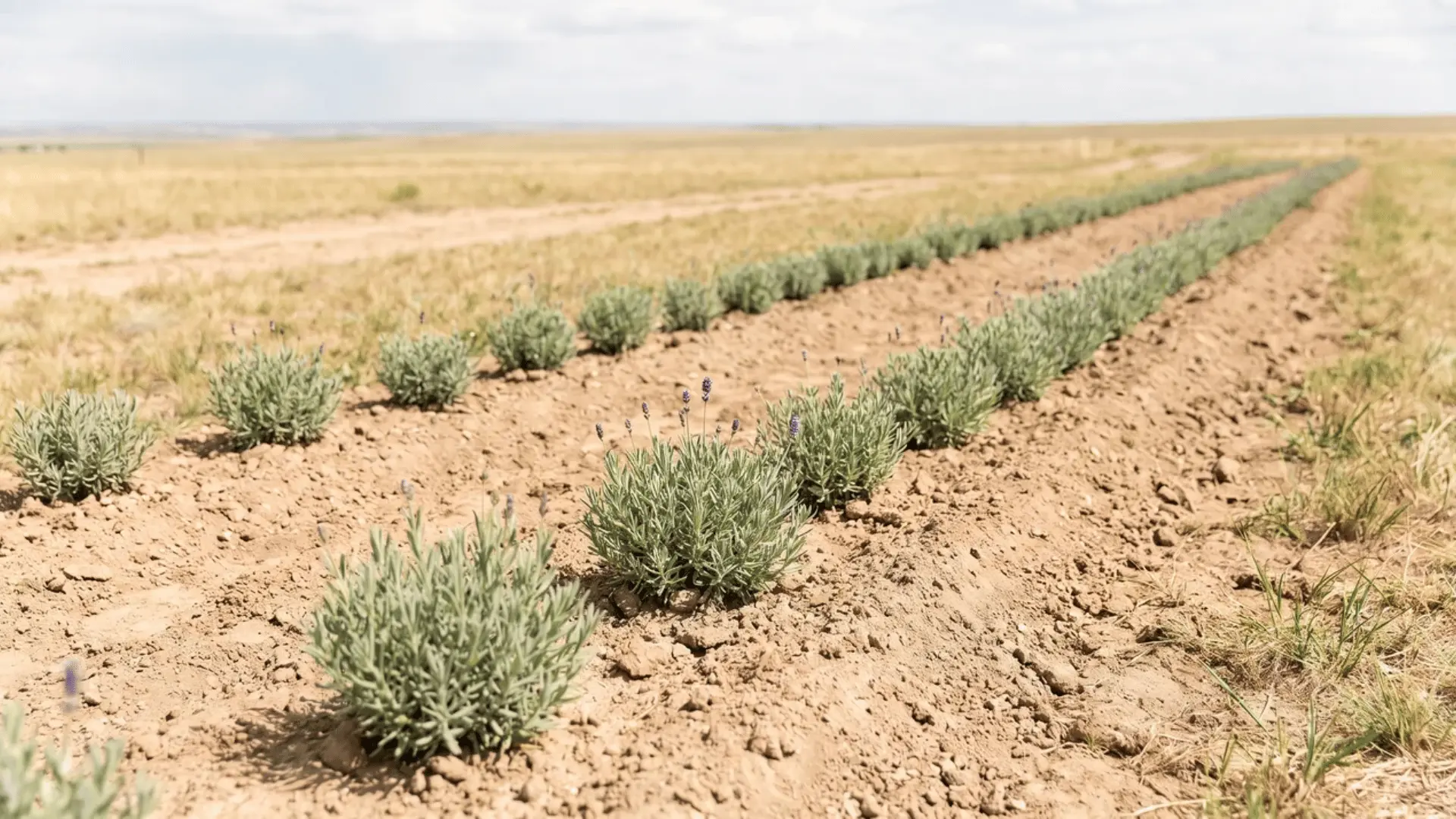
Spring is usually the safest time to plant lavender, especially in areas with cold winters. Wait until the danger of severe frost has passed and the soil has begun to warm.
Gardeners in mild climates may also plant in fall, as long as the roots have enough time to establish before cold or very wet weather arrives.
Location matters just as much as timing. Choose an open area that receives at least six to eight hours of direct sunlight each day. Avoid spots shaded by trees, fences, buildings, or taller plants.
Good airflow is also important. Crowded, humid locations keep moisture around the foliage and can increase the chance of fungal problems.
Avoid low areas where rainwater collects. If the soil remains wet for long periods, consider building a raised bed, mound, or another well-drained planting location instead.
How to Plant Lavender Correctly
Planting lavender correctly starts with keeping the crown dry, giving roots enough space, and making sure excess water can drain away quickly.
- Position the crown correctly: Set the lavender crown level with or slightly above the surrounding soil. Planting too deeply can trap moisture and increase the risk of rot.
- Dig a wide planting hole: Make the hole about twice as wide as the root ball but no deeper. This gives roots room to spread without sinking the plant too low.
- Loosen crowded roots: Gently separate tightly circling roots before planting. This encourages them to grow outward into the surrounding soil instead of continuing around the root ball.
- Backfill carefully: Return soil around the roots and press it lightly to remove large air pockets. Avoid compacting the soil heavily because lavender needs good drainage.
- Water after planting: Water thoroughly once the plant is in place to settle the soil around the roots, then allow any excess moisture to drain away.
- Keep mulch away from the crown: Avoid thick, moisture-retaining mulch around the stem base. Gravel or another dry surface material can work better in damp conditions.
- Use drainage-friendly containers: For potted lavender, choose a container with drainage holes and a loose, fast-draining potting mix rather than ordinary garden soil.
These steps help lavender establish strong roots without holding excess moisture around the crown, giving the plant a healthier start in beds or containers.
Lavender Sunlight, Temperature, and Spacing
Lavender needs strong sunlight for compact growth and reliable flowering. Aim for at least six to eight hours of direct sun every day.
Plants growing in too much shade often develop long, weak stems and fewer blooms. Lower light can also keep the soil wet longer after watering or rain.
Most lavender varieties also benefit from generous spacing. Depending on mature size, plants may need roughly two to three feet between them. Large lavandin varieties can require even more room.
Good spacing allows air to circulate through the foliage and helps moisture evaporate more quickly.
Lavender generally handles summer heat well once established, but winter tolerance depends on the species. English lavender is usually more cold-hardy, while French and Spanish types perform better in milder climates.
Best Soil and Drainage for Lavender
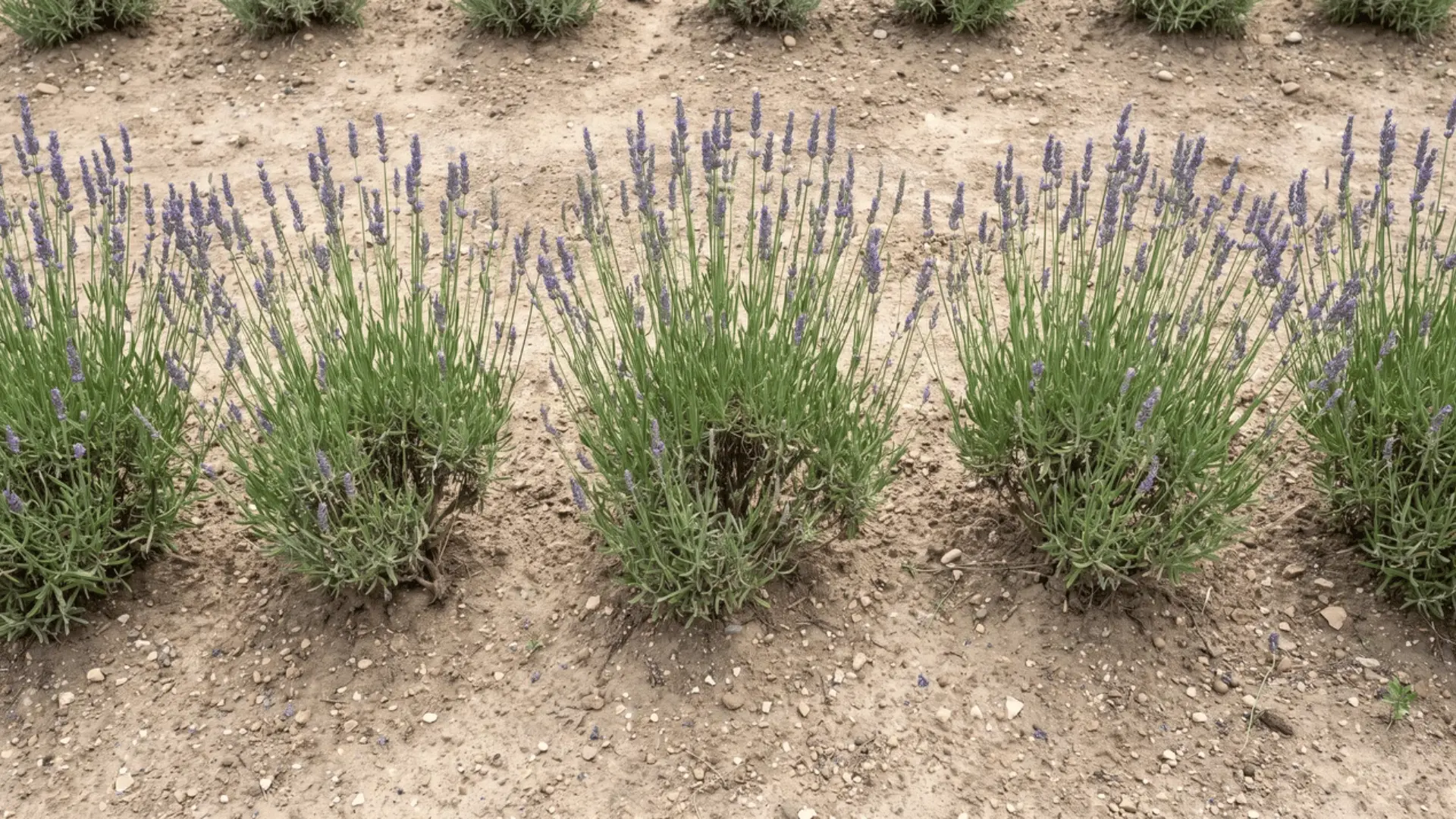
Lavender prefers lean, loose soil that releases water quickly. Sandy, gravelly, or gritty conditions often suit the plant better than rich, moisture-retaining garden soil.
Neutral to slightly alkaline soil is commonly preferred, although exact pH needs can vary by variety and local growing conditions.
Drainage should be your main priority. Heavy soil that remains wet around the roots can cause far more trouble than soil that is relatively dry or low in nutrients.
If you have dense clay, avoid assuming that adding a small amount of sand will automatically solve the problem. A raised bed, mound, slope, or properly prepared planting area is often a more dependable way to improve drainage.
For potted lavender, use a fast-draining container mix rather than ordinary garden soil, since garden and potting soil differences affect how quickly moisture drains away.
How Often to Water Lavender
Lavender prefers deep, occasional watering rather than frequent shallow watering.
Newly planted lavender needs closer attention while the root system becomes established. Check the soil regularly during the first growing season and water when it has dried enough.
Established plants are much more drought-tolerant. Let the soil dry between waterings instead of following a fixed schedule, such as watering every few days.
Weather, soil type, plant size, rainfall, and container size all affect how quickly moisture disappears, and smart timing for garden watering can reduce how much is lost to evaporation.
Signs of excessive water can include yellow foliage, soft growth, drooping despite wet soil, dark stems, or browning near the base.
A plant that is genuinely too dry may have very dry soil, wilted leaves, curled foliage, or crisp edges.
Always check the soil before adding more water because both wet and dry roots can cause a lavender plant to droop.
Fertilizing Lavender Without Overfeeding
Lavender generally performs better in lean soil and rarely needs heavy feeding.
Too much nitrogen can encourage lush green growth while reducing flowers and fragrance. It may also make stems soft, tall, or floppy.
Established garden lavender growing in suitable soil often needs little or no fertilizer.
Container plants can sometimes benefit from light feeding because nutrients gradually wash out of potting mix during watering. Even then, apply fertilizer conservatively.
Do not assume poor flowering automatically means the plant needs nutrients. Low sunlight, excessive watering, poor drainage, climate stress, or incorrect pruning may be more likely causes.
Keeping feeding simple usually works better than trying to push rapid growth.
How to Prune Lavender Properly
Pruning helps lavender stay compact and reduces the chance of the middle becoming bare and excessively woody.
In spring, wait until healthy new growth appears before removing obvious winter damage and lightly shaping the plant.
After the main flowering period, cut back spent flower stems and some of the green growth. Removing roughly one-third of the soft growth suits many established plants, although the exact amount depends on the variety and condition.
Avoid cutting deeply into old bare wood where no healthy green shoots remain. Older woody stems do not always regenerate successfully.
Regular, moderate pruning is generally safer than letting lavender become overgrown for several years and then attempting a severe cutback.
Deadheading spent flowers can also improve appearance and may encourage another smaller flush of blooms.
How to Care for Lavender in Pots
Container lavender needs a little more monitoring than lavender growing directly in the ground.
Use this quick checklist:
- Choose a pot with drainage holes.
- Avoid a container dramatically larger than the root system.
- Use loose, fast-draining potting mix.
- Place the pot in strong direct sunlight.
- Check moisture before watering.
- Empty water that collects in saucers.
- Avoid daily watering unless conditions genuinely require it.
- Protect exposed roots during severe winter cold.
Terracotta pots can work especially well because the porous material allows moisture to evaporate more quickly than many plastic containers.
Indoor and Outdoor Lavender Care
Lavender usually performs better outdoors because natural conditions provide stronger sunlight, better airflow, and faster moisture evaporation.
If you keep lavender indoors, place it near the brightest available window. A south-facing position with several hours of direct light is usually preferable. Supplemental grow lighting may be necessary when natural sunlight is limited.
Indoor pots often dry more slowly than outdoor containers, so check the soil carefully before watering. Avoid warm, humid, crowded locations with poor airflow.
Outdoor lavender usually becomes easier to maintain after establishment. Give it full sun, open spacing, and excellent drainage.
During long rainy periods, monitor the root zone rather than adding water automatically. Remove fallen leaves and heavy organic debris from around the crown so moisture does not remain trapped against the plant.
Seasonal Lavender Care
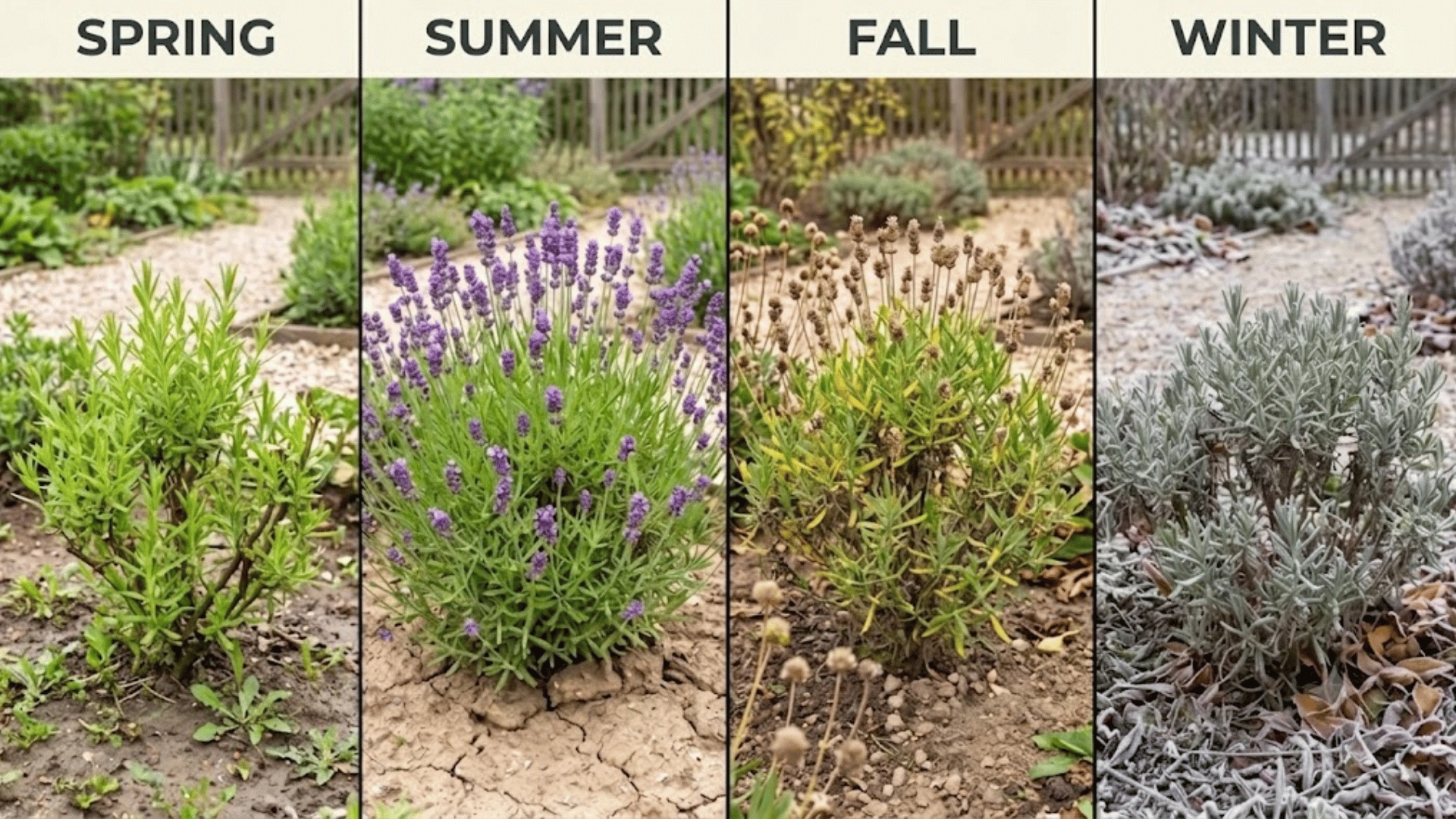
Lavender does not need the same level of attention every month. Seasonal checks make it easier to catch problems without creating an overly complicated routine.
- Spring: Look for new growth and winter damage. Remove clearly dead material, prune carefully, check drainage, and plant new lavender after major frost risk has passed.
- Summer: Watch moisture levels during hot weather, especially in containers and newly planted lavender. Remove spent flowers and keep surrounding plants from restricting airflow.
- Fall: Clear leaves and garden debris from the base. Avoid heavy fertilization and aggressive pruning that could encourage tender new growth before winter.
- Winter: Reduce unnecessary watering and keep the roots from staying wet. Container lavender may need protection from repeated freezing and thawing.
Not every lavender variety becomes completely dormant. Some remain evergreen or semi-evergreen in mild climates.
Common Lavender Problems and How to Fix Them
Most lavender problems trace back to just a few root causes, usually water, light, or airflow. Here’s a quick reference to help you spot what’s going wrong:
| Problem | Likely Cause | How to Fix It |
|---|---|---|
| Yellow leaves | Excess moisture or nutrient problems | Correct the underlying moisture or feeding issue |
| Brown foliage | Root problems, cold damage, disease, or aging | Identify the cause and remove clearly damaged growth |
| Drooping or wilting | Water stress | Check soil moisture before changing watering |
| Lavender not flowering | Poor light, excess nutrients, or pruning issues | Correct the limiting growing condition |
| Woody growth | Age or irregular pruning | Maintain younger growth and assess severely woody plants |
| Plant splitting | Mature woody structure | Maintain regular shaping |
| Root rot | Constantly wet roots | Improve growing conditions and remove badly affected material |
| Lavender looks dead | Dormancy, frost damage, or plant death | Check living stems and wait for seasonal regrowth |
| Fungal problems | Excess moisture and poor airflow | Reduce damp conditions and improve airflow |
| Pest damage | Pest infestation | Identify the pest before choosing treatment |
Most of these issues are fixable if you catch them early. Check your plant regularly, and treat any sudden change as a sign to look closer, not panic.
Best Lavender Types for Different Gardens
Choosing a suitable variety can make lavender much easier to maintain.
- English Lavender: English lavender is one of the better choices for colder climates. It produces fragrant flowers and is widely grown in perennial gardens.
- Lavandin: Lavandin hybrids are often larger and vigorous, with long flower stems and strong fragrance. They usually require more space than compact English lavender varieties.
- Spanish Lavender: Spanish lavender prefers warmer conditions and is recognizable by its distinctive flower bracts. It is generally less tolerant of severe winter cold.
- French Lavender: French lavender performs best in relatively mild climates. Gardeners in colder regions often grow it in containers so it can receive additional winter protection.
How Long Do Lavender Plants Live?
Lavender is a perennial plant, but its lifespan varies considerably.
Species, climate, soil drainage, pruning habits, and winter conditions all influence how long a plant remains healthy and attractive.
Some lavender plants may perform well for many years, while others become woody or decline sooner.
Regular pruning can help maintain compact growth, but it cannot prevent natural aging indefinitely.
If an older plant becomes extremely woody and produces little healthy growth, taking cuttings and replacing it may be more practical than attempting severe rejuvenation pruning.
Keep Your Lavender Healthy Year After Year
Healthy lavender does not require constant attention. What matters most is giving the plant the conditions it naturally prefers and avoiding care that keeps the roots too wet.
Good lavender plant care comes down to strong sunlight, fast drainage, controlled watering, good airflow, and regular pruning. Containers and indoor plants need closer moisture monitoring, while outdoor lavender often becomes easier to manage once established.
I find it more useful to check the soil and plant condition than to follow a rigid watering or feeding schedule. Watch how your lavender responds through each season and adjust when conditions change.
Start by checking sunlight and drainage today, because correcting those two factors can solve many lavender problems before they become serious.
Frequently Asked Questions
Does Lavender Come Back Every Year?
Lavender is a perennial, so many varieties return year after year when they are suited to the local climate. Cold tolerance varies by species, and some types may need winter protection in colder regions.
Does Lavender Grow Well in Pots?
Yes. Lavender grows well in containers when the pot has drainage holes, the soil drains quickly, and the plant receives plenty of direct sunlight. Avoid leaving the container in standing water.
Can Lavender Grow Indoors?
Lavender can grow indoors, but maintaining it long-term can be difficult because most homes provide less direct sunlight and airflow than the plant prefers. A very bright window or supplemental grow light may help.
Should Lavender Be Watered Every Day?
No. Daily watering usually keeps the root zone too wet. Water thoroughly when needed, then allow the soil to dry sufficiently before watering again.
What Is the Biggest Mistake When Growing Lavender?
Overwatering and poor drainage are among the most common problems. Lavender tolerates dry soil relatively well but can decline quickly when its roots remain continuously wet.
How Do I Make Lavender Bushier?
Regular pruning helps maintain a fuller shape. Lightly prune healthy green growth in spring and shape the plant again after flowering, while avoiding deep cuts into bare old wood.
Does Lavender Prefer Sun or Shade?
Lavender prefers full sun. Aim for at least six to eight hours of direct sunlight each day for compact growth and better flowering.
Is Lavender Toxic to Pets?
Lavender contains compounds that can cause gastrointestinal symptoms if pets consume enough of the plant. Keep pets from eating significant amounts and contact a veterinarian if substantial ingestion or concerning symptoms occur.