

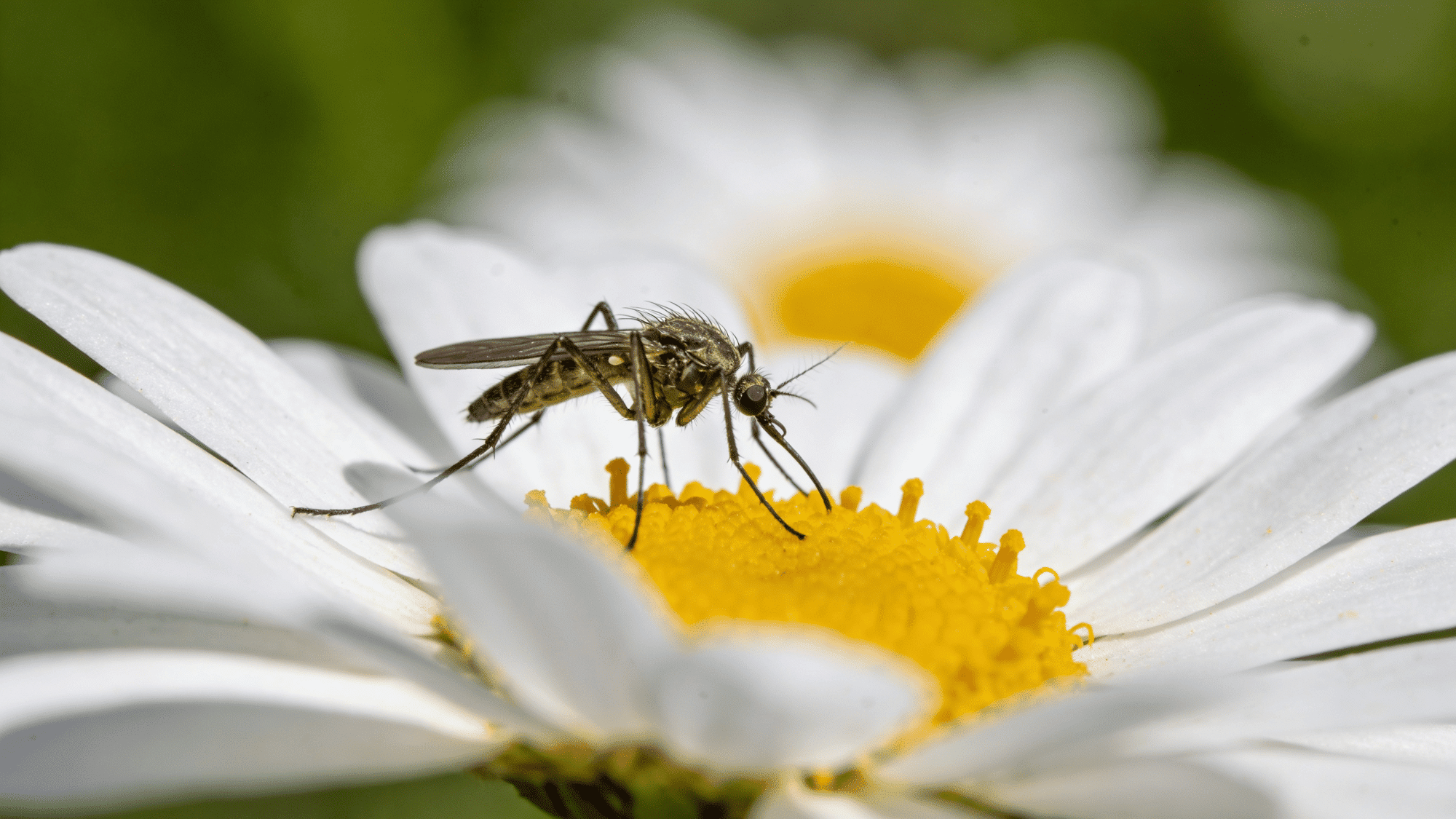
Summer evenings in the garden should be peaceful. But mosquitoes, aphids, and other pests have different plans. They buzz, bite, and damage plants without mercy.
Chemical sprays work, but they come with downsides. The smell lingers. Pets and kids need to stay away.
Nature offers a better solution. Certain plants naturally keep bugs at bay with their scents and oils. They’re beautiful, low-maintenance, and they work.
Gardeners have relied on them for generations, and the results speak for themselves. This blog shares the plants that repel bugs that actually deliver.
How Bug-Repelling Plants Work Naturally
Plants defend themselves in clever ways. They produce oils and compounds that bugs find unpleasant or confusing. Some release strong scents that mask the smells insects use to find food. Others contain chemicals that taste bitter or irritate pests on contact.
These natural defenses evolved over millions of years. Plants that could ward off hungry insects survived and passed down their protective traits. The same oils that keep aphids away might also repel mosquitoes or flies.
The best part? These defenses work without any effort from gardeners. Just plant them, and they do their job automatically.
Best Plants That Repel Bugs
Natural bug-repelling plants offer a safe, fragrant way to protect your home and garden while adding beauty and greenery.
1. Lavender
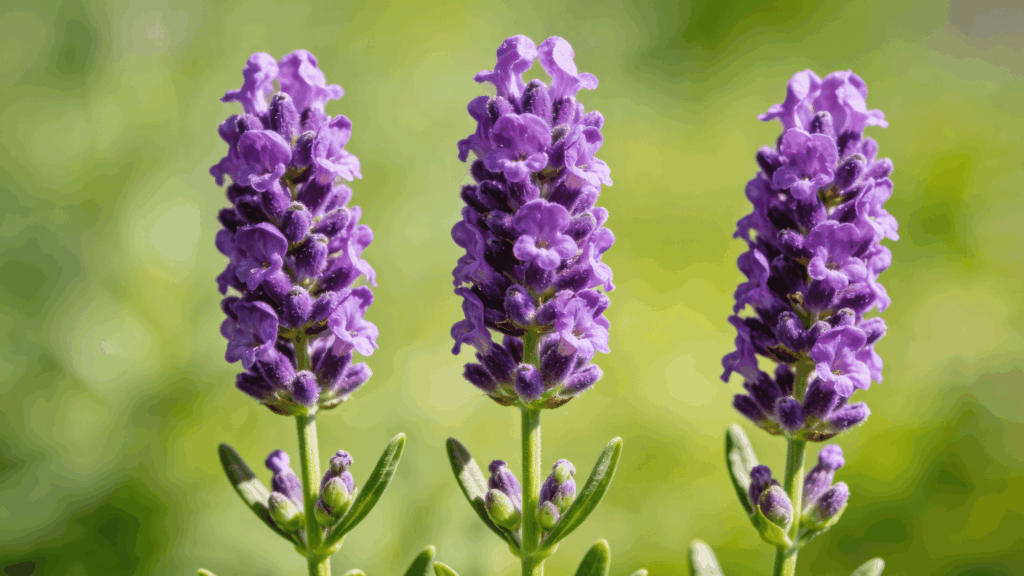
Lavender is one of the most popular plants that repel bugs, especially mosquitoes and moths.
Its strong floral scent is pleasant for people but disliked by insects. Gardeners often plant lavender near patios, doorways, or windows for best results.
It thrives in sunny spots with well-draining soil and also adds a calming, decorative touch to gardens and outdoor spaces.
2. Basil
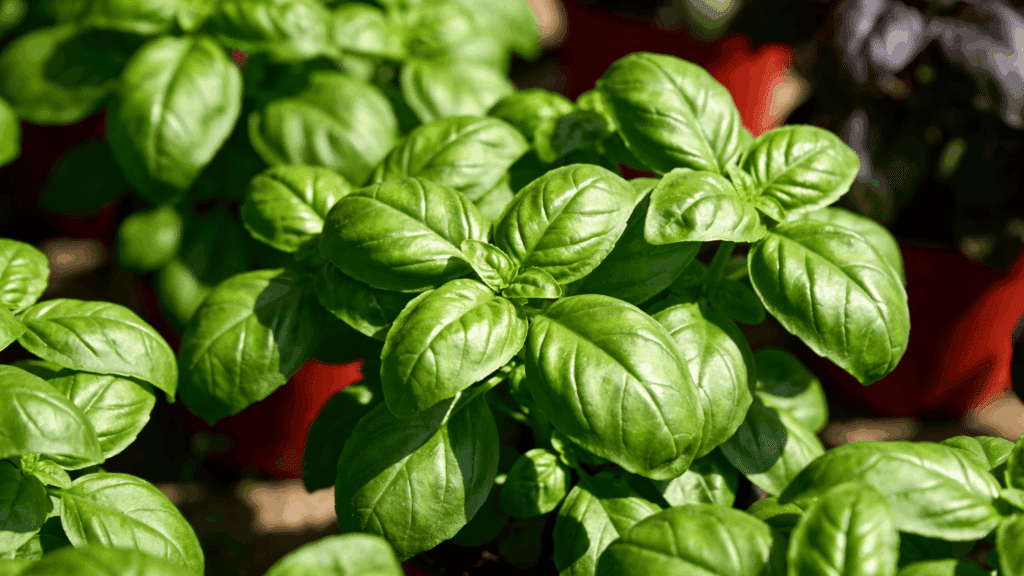
Basil is a fragrant herb known for repelling mosquitoes and flies. Many gardeners place basil plants near outdoor seating areas or grow them in pots on balconies.
The scent released from its leaves helps keep insects away naturally.
Basil prefers warm temperatures, sunlight, and regular watering, making it an easy-to-grow option that also works well in cooking.
3. Marigolds
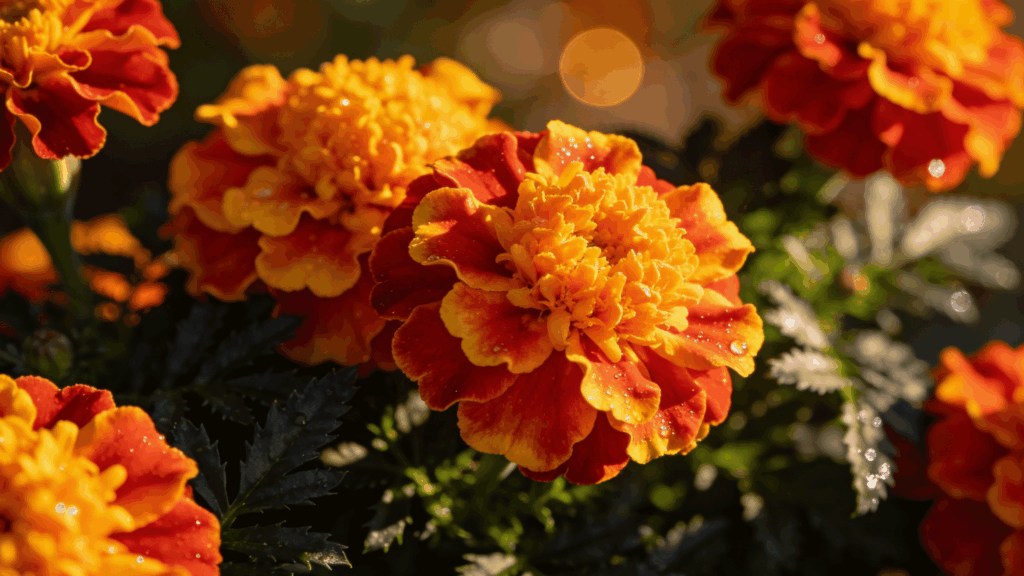
Marigolds are widely recommended in gardening communities for their bug-repelling properties.
They help deter mosquitoes, aphids, and other garden pests. Their bright flowers also attract beneficial insects while keeping harmful bugs at bay.
Marigolds are low-maintenance and grow well in garden beds, borders, or containers, making them a popular companion plant for vegetables.
4. Mint
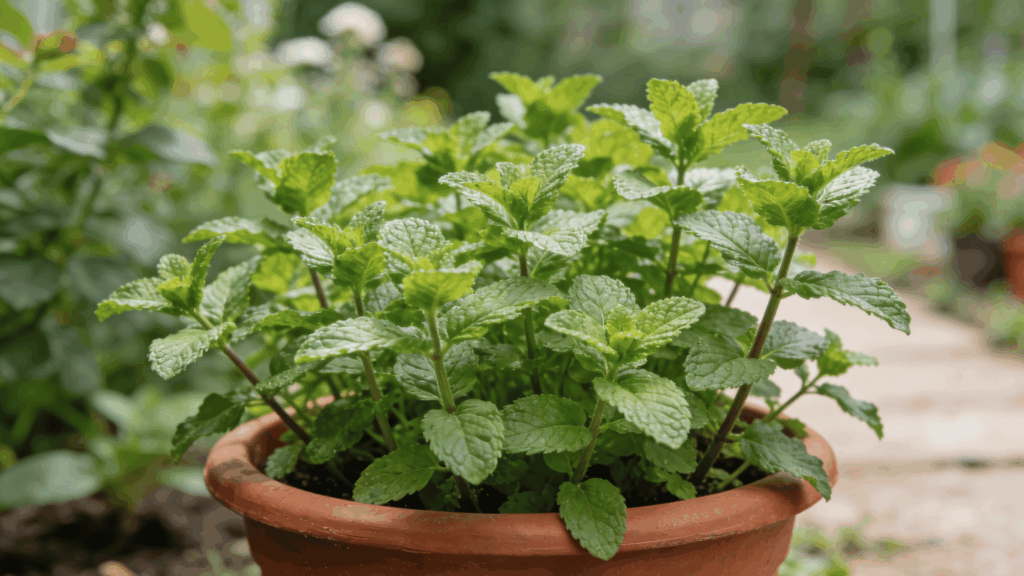
Mint is highly effective at repelling ants, flies, and mosquitoes due to its strong scent. Many gardeners suggest growing mint in pots, as it spreads quickly when planted in the ground.
Placing mint near entryways or outdoor seating can help reduce bugs naturally. It grows easily in partial sunlight and moist soil with minimal care.
5. Rosemary
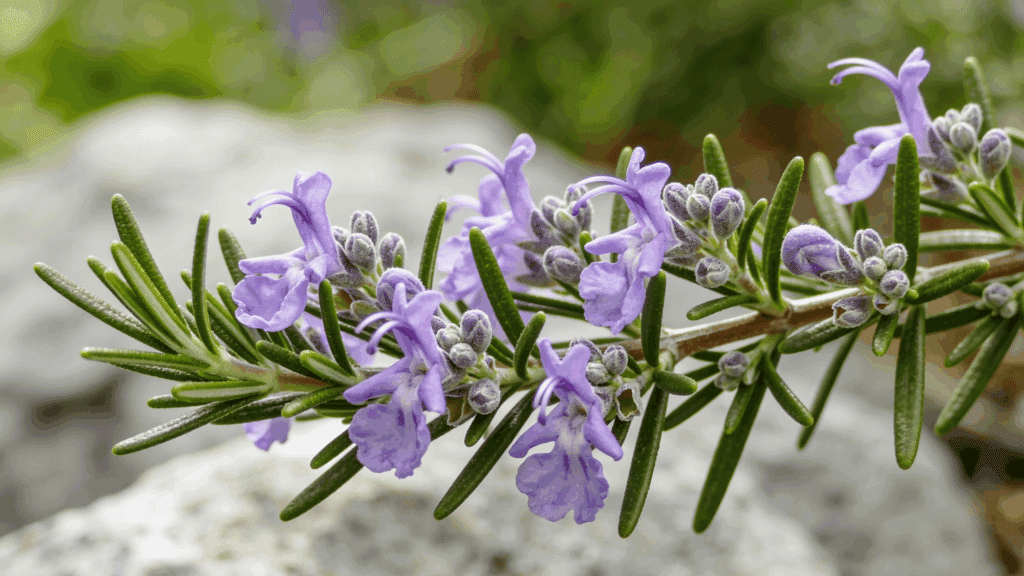
Rosemary is a hardy herb that helps repel mosquitoes, beetles, and flies.
Its woody fragrance works well in outdoor gardens and patio planters. Gardeners often recommend rosemary for sunny areas with well-drained soil.
In addition to pest control, rosemary adds structure to landscaping and can be used fresh in cooking, making it both practical and decorative.
6. Citronella Grass
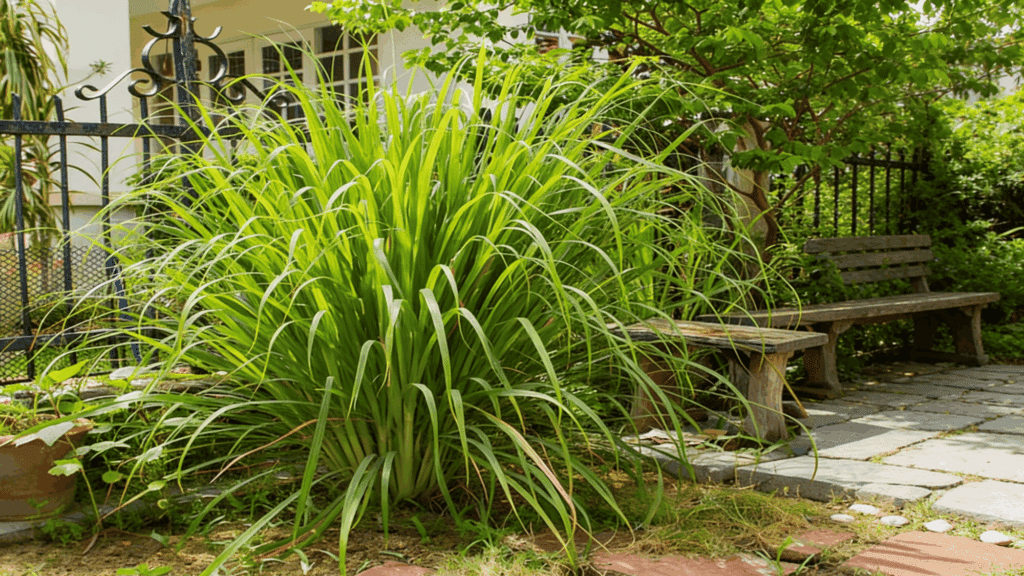
Citronella grass is one of the most well-known mosquito-repelling plants. It contains natural oils commonly used in bug repellents.
Gardeners suggest planting citronella in clusters around patios or outdoor seating areas for better results. It grows best in warm climates with plenty of sunlight and regular watering, adding a tropical look to gardens.
7. Lemongrass
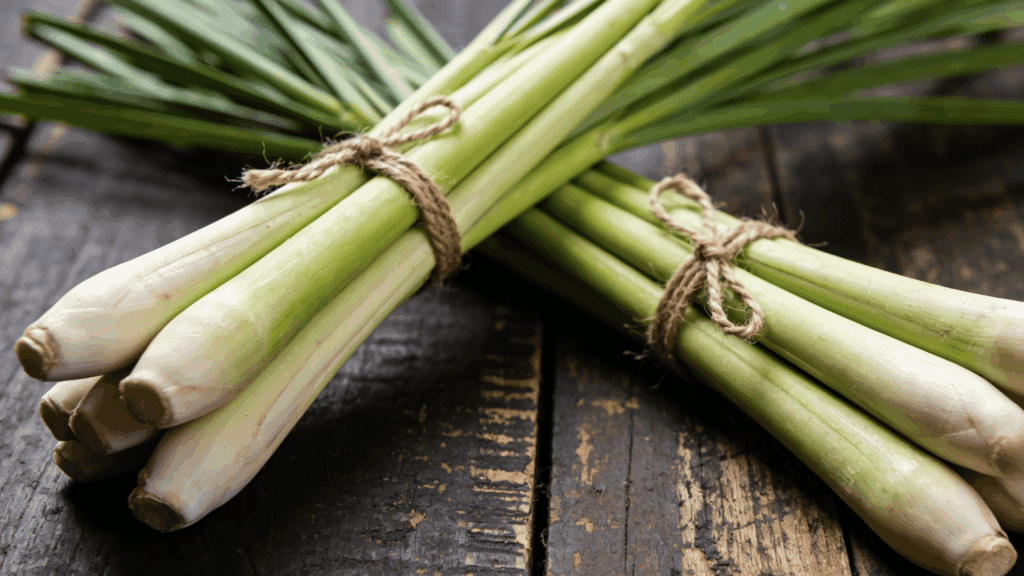
Lemongrass is closely related to citronella and works well at repelling mosquitoes.
Its citrus scent is strong and effective when planted outdoors or grown in large pots. Gardening enthusiasts often recommend lemongrass for borders or patio corners.
It thrives in full sun and well-drained soil while adding a fresh, airy feel to outdoor spaces.
8. Catnip

Catnip is surprisingly powerful at repelling mosquitoes and is often discussed in gardening forums.
Studies suggest it can be more effective than some chemical repellents. Catnip grows easily and prefers sunny spots with moderate watering.
While it keeps bugs away, gardeners should be mindful of whether they have cats, as it can attract them.
9. Chrysanthemums
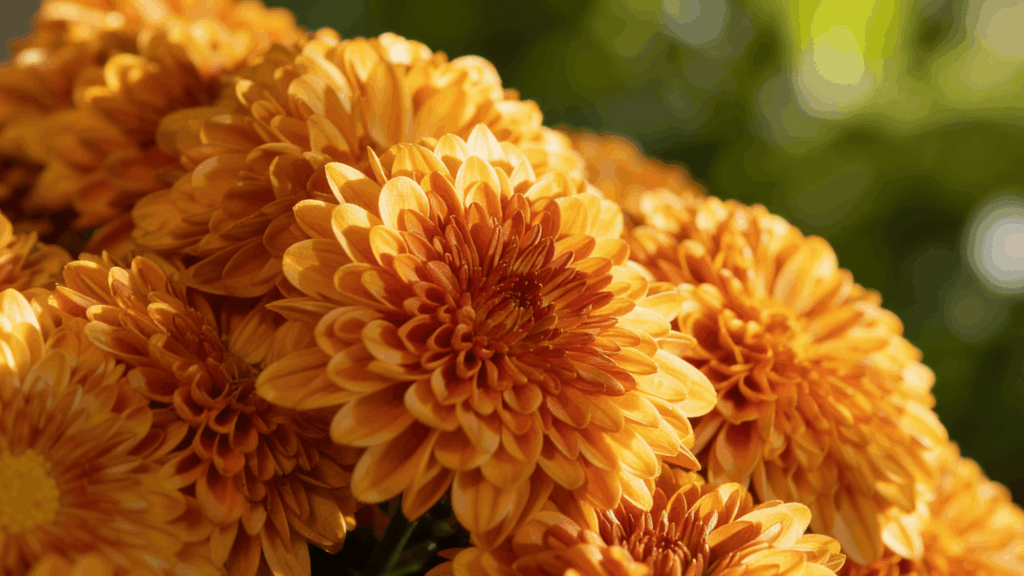
Chrysanthemums contain natural compounds that repel ants, mosquitoes, fleas, and roaches.
These compounds are often used in commercial insect repellents. Gardeners love chrysanthemums for their colorful blooms and pest-control benefits.
They work well in garden beds or pots and prefer full sun, making them both decorative and functional.
10. Garlic
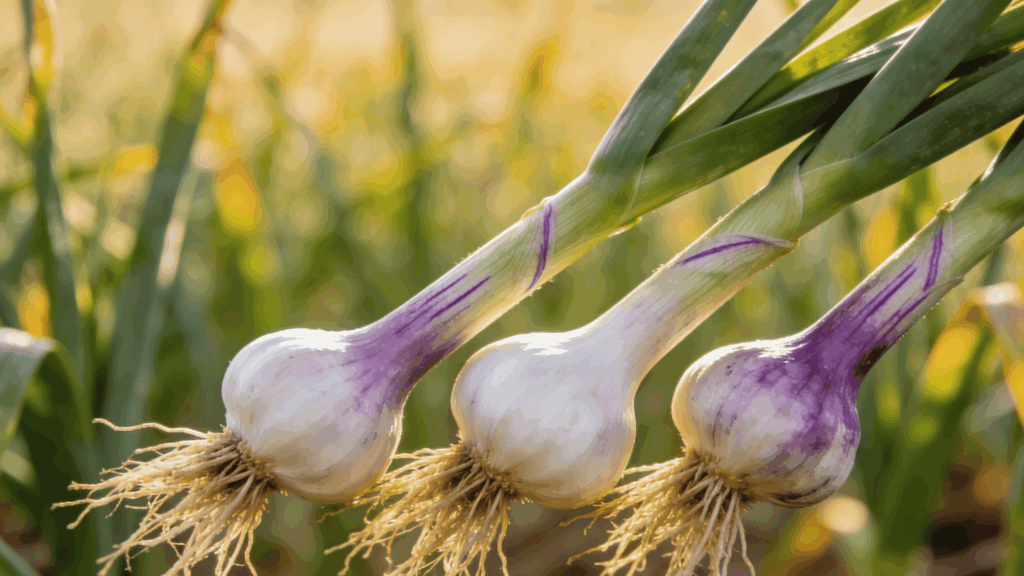
Garlic is commonly used in vegetable gardens to repel aphids, beetles, and other pests. Its strong odor naturally deters insects when planted among crops.
Many gardeners swear by garlic as a companion plant for pest control. \Garlic is easy to grow, requires minimal maintenance, and offers both gardening benefits and culinary use.
11. Chives
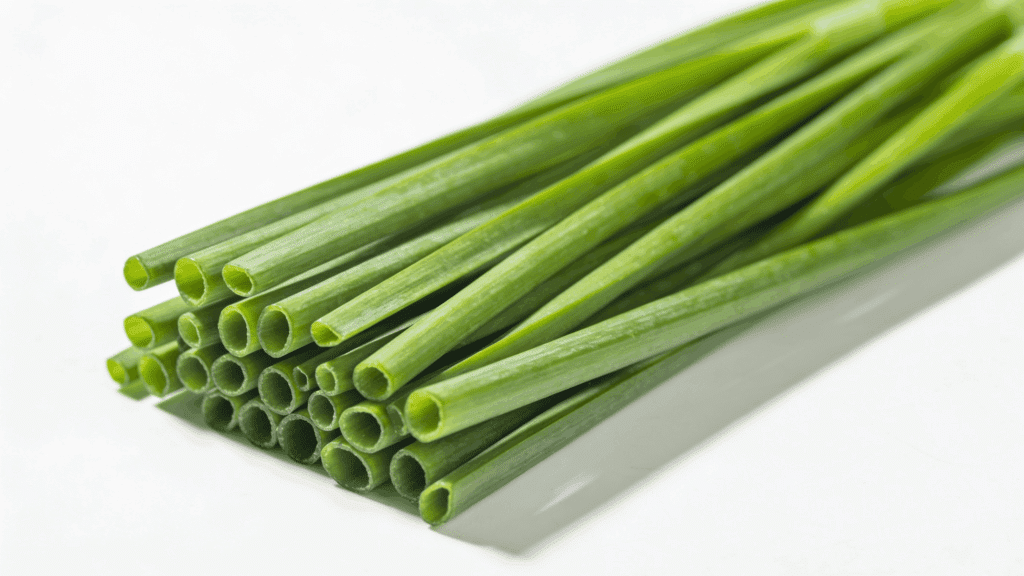
Chives help repel aphids, Japanese beetles, and other garden pests. Their mild onion scent discourages insects while remaining pleasant for humans.
Gardeners often plant chives near vegetables or flowers for added protection.
Chives grow well in pots or garden beds and require sunlight and occasional watering, making them beginner-friendly.
12. Sage
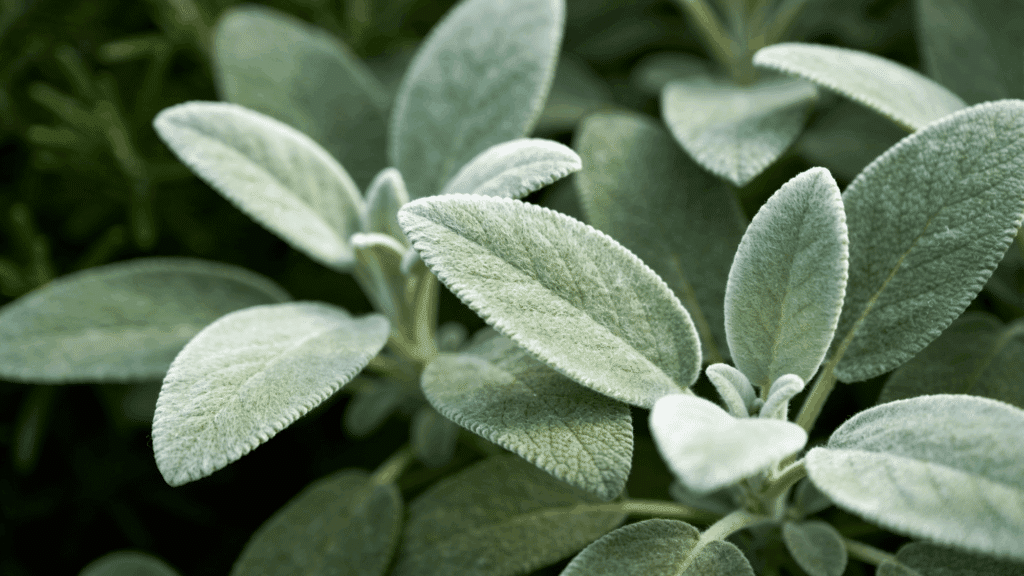
Sage is known for repelling mosquitoes, cabbage moths, and flies. Its strong aroma becomes more effective when leaves are crushed or brushed against.
Gardeners recommend sage for outdoor seating areas or garden borders. It prefers dry soil and full sunlight, making it a low-maintenance plant with both pest-repelling and culinary benefits.
13. Thyme
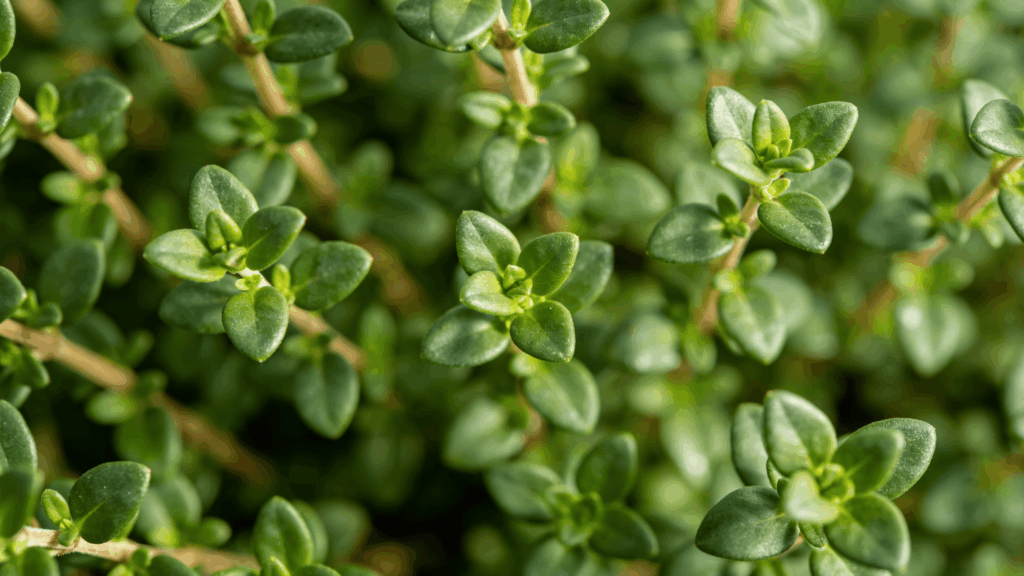
Thyme is a compact herb that helps repel mosquitoes and flies.
Gardeners often suggest planting it near walkways or patios where people spend time outdoors. Thyme thrives in sunny locations with well-drained soil.
Its small size makes it ideal for pots, ground cover, or mixed herb gardens while offering subtle pest protection.
14. Eucalyptus
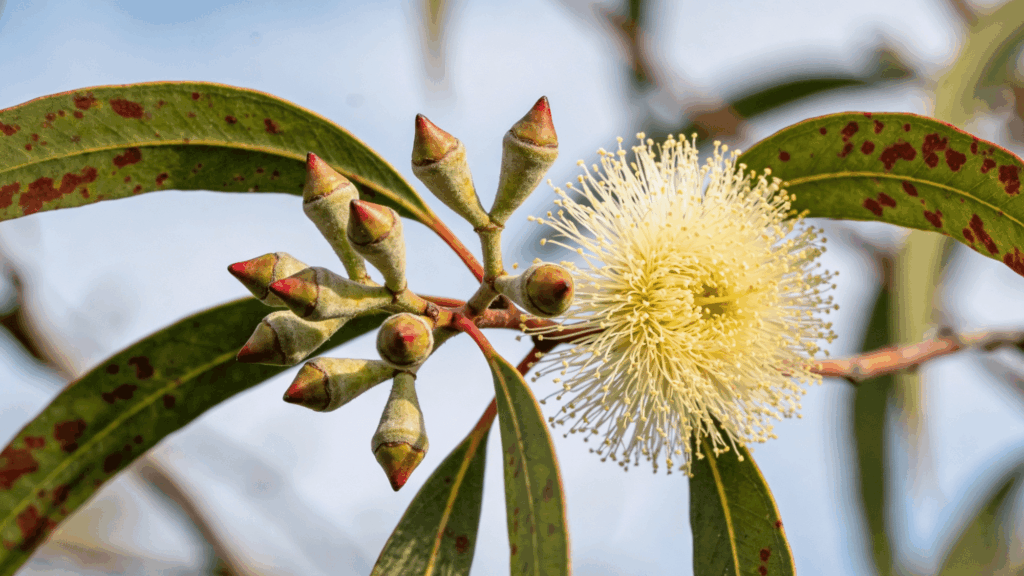
Eucalyptus is known for its strong scent that repels mosquitoes and flies.
The leaves contain natural oils that insects dislike. Gardeners often grow eucalyptus in large pots or outdoor spaces with full sunlight.
It requires well-drained soil and moderate watering and adds a fresh, clean fragrance to gardens and patios.
15. Geraniums
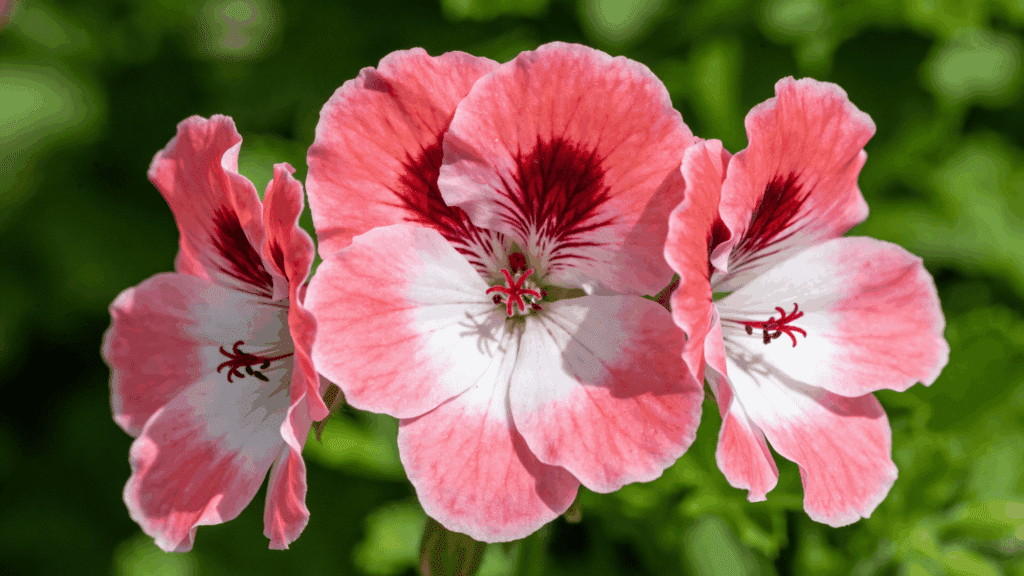
Geraniums, especially scented varieties, are effective at repelling mosquitoes and flies. Their colorful flowers and fragrant leaves make them popular for balconies and window boxes.
Gardeners recommend placing geraniums near entryways or outdoor seating areas. They are easy to grow, thrive in sunlight, and add both beauty and natural bug control.
Best Plant Combos for a Bug-Repelling Garden
Pairing the right plants together creates stronger protection. These combinations cover more pest types and look great side by side.
| Plant Combination | Bugs They Repel | Why They Work Together |
|---|---|---|
| Lavender + Rosemary | Mosquitoes, Moths, Flies | Both release strong oils that overlap in protection |
| Basil + Marigolds | Aphids, Whiteflies, Mosquitoes | Ground and mid-level coverage with different scents |
| Mint + Chrysanthemums | Ants, Roaches, Beetles | Mint spreads low, mums add height, and pyrethrin |
| Citronella Grass + Lemongrass | Mosquitoes, Gnats | Double citrus scent creates a powerful barrier |
| Catnip + Petunias | Mosquitoes, Aphids, Beetles | Catnip’s nepetalactone plus petunia’s sticky leaves |
| Garlic + Chives | Aphids, Japanese Beetles | Sulfur compounds confuse and repel many insects |
Mistakes to Avoid When Using Plants to Repel Bugs
Even the best bug-repelling plants fail when planted incorrectly. Avoid these common errors to get real results from natural defenses.
- Planting too far from seating areas where people actually spend time and need protection from bugs.
- Forgetting to crush or brush leaves occasionally, since many plants release oils only when touched.
- Overwatering plants like lavender and rosemary that need dry soil to produce their strongest scent compounds.
- Expecting instant results when plants need weeks to establish roots and build up their natural defenses.
- Placing all repellent plants in one corner instead of spreading them around the garden for full coverage.
To Conclude
Bug-repelling plants offer more than just pest control. They add color, fragrance, and life to outdoor spaces while keeping annoying insects away. No harsh chemicals needed.
Start small. Pick two or three plants that suit the climate and available space.
Place them near doors, patios, or anywhere bugs cause trouble. Brush the leaves when walking by to release their oils.
The garden becomes a healthier place. Fewer bites, less buzzing, and a natural solution that actually works. Nature knew what it was doing all along.