

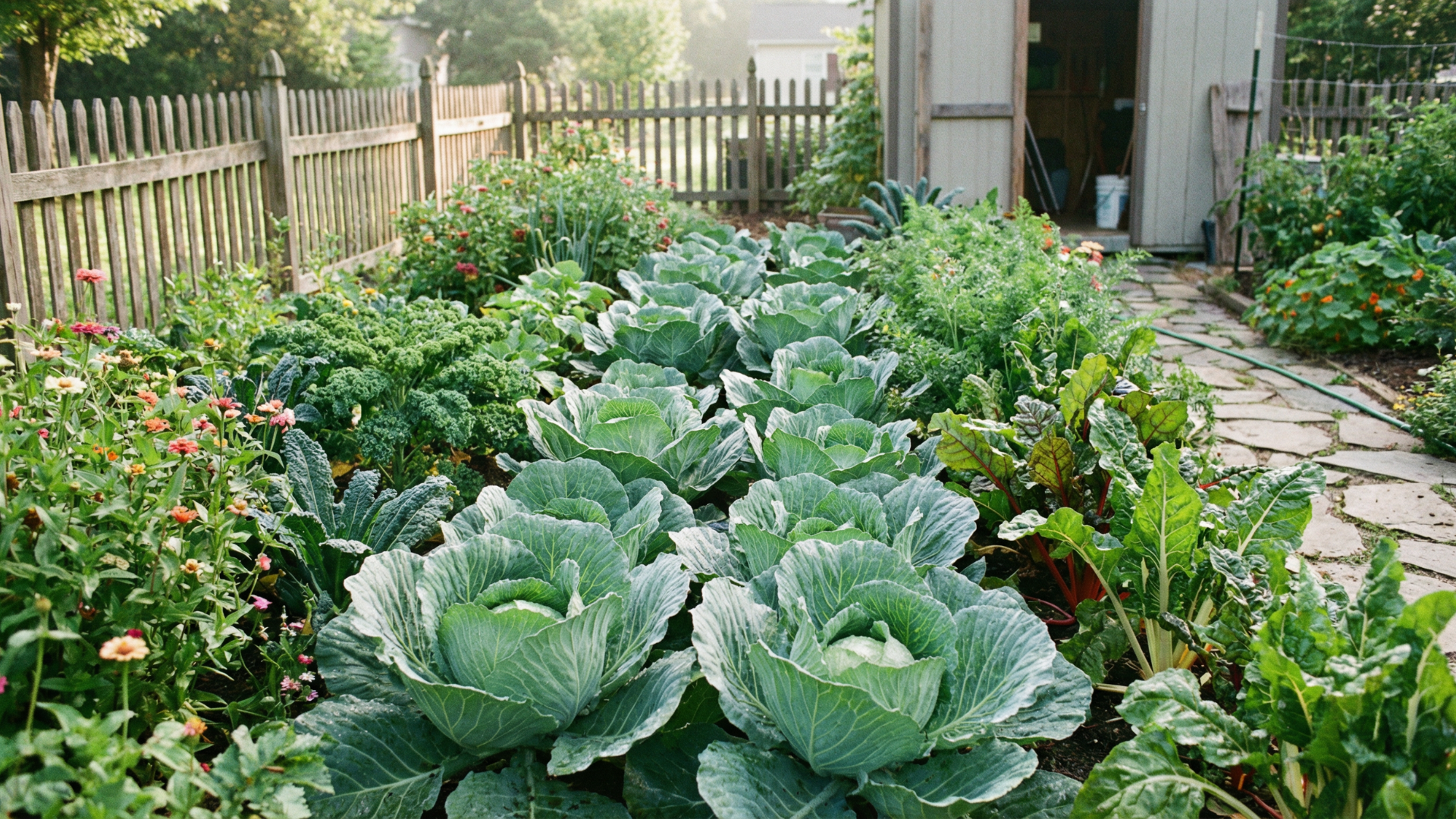
Cabbage is a cool-weather vegetable that many gardeners enjoy growing. It’s known for its round head and crisp, leafy texture.
Growing cabbage at home can be a fun and rewarding project. With the right care, it can grow well in most garden spaces.
This blog shares helpful steps to guide new and experienced gardeners. It covers what cabbage plants need to grow strong and healthy.
You will find useful tips on planting, watering, and care. It also includes advice on how to tell when it’s time to harvest.
Why Growing Cabbage at Home is Worth It?
Cabbage is more than just a salad base or soup ingredient. It’s a garden-friendly vegetable that thrives in cool weather and produces large heads from just one plant. For home gardeners, that means a big return in a small space.
Unlike fast-growing greens like lettuce, cabbage stays in the ground longer, but rewards your patience with a firm, healthy head that stores well.
Many gardeners grow cabbage for its value: you can eat it raw, cook it, pickle it, or store it for weeks. So if you’re looking to grow something useful, nutritious, and easy to care for, cabbage is a solid choice.
When and Where to Grow Cabbage
Cabbage grows best in spring and fall, not summer. Heat causes the plant to “bolt,” or grow flowers instead of a tight head. That’s why timing is key.
If you’re planting a spring crop, start seeds indoors about 6 to 8 weeks before your last frost date.
Transplant the seedlings outdoors 2 to 3 weeks before the frost ends. For a fall harvest, plant seeds directly in the ground in mid to late summer, depending on your region.
Picking the Right Spot:
Your cabbage plants will need:
- Full sun (at least 6 hours daily)
- Loose, fertile soil with good drainage
- Room to spread, 12 to 24 inches between plants
Avoid spots where you’ve grown other brassicas (broccoli, kale, cauliflower) the year before, as they share diseases.
How to Choose the Right Variety
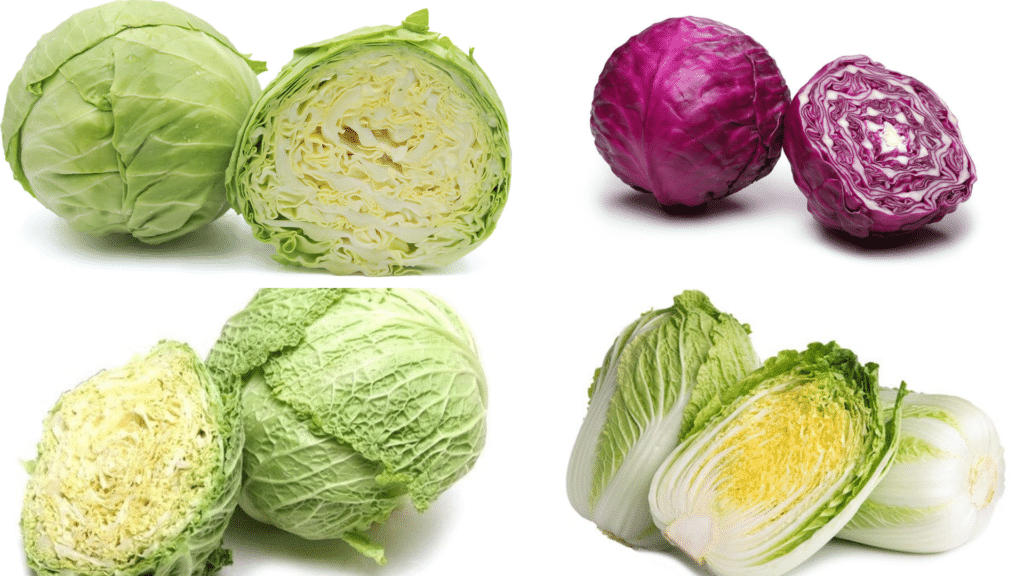
Here’s a quick comparison of popular types so you can pick the best one for your garden goals.
| Variety | Shape | Best For | Time to Mature |
|---|---|---|---|
| Green | Round head | Cooking or raw use | 70–90 days |
| Red | Tight head | Slaws and salads | 75–95 days |
| Savoy | Loose head | Soups and light cooking | 80–90 days |
| Napa (Chinese) | Tall head | Stir-fries, pickling | 60–80 days |
Each variety has different spacing and water needs, so it’s important to check the seed packet before planting.
Step-by-Step: How to Grow Cabbage in Your Garden
Growing cabbage in your garden is simple if you follow the right steps. Here’s a full guide from planting the seeds to caring for the plants in the ground.
Step 1: Start Seeds Indoors (Optional but Helpful)
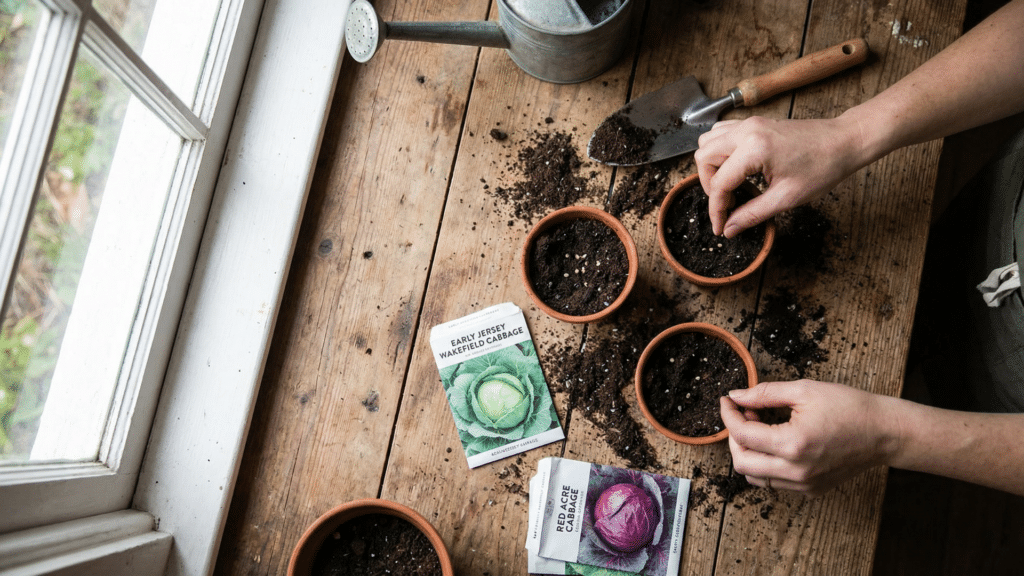
You can grow cabbage from seed or buy young plants. Starting seeds indoors gives you a stronger, earlier crop.
- Fill seed trays or small pots with seed-starting mix.
- Plant seeds about ¼ inch deep.
- Keep the soil moist and warm (65–75°F).
- Place in a sunny window or under grow lights.
- Thin the seedlings once they grow their first few leaves.
Let them grow until they have 2 to 3 sets of strong leaves before moving them outside.
Step 2: Harden Off Seedlings Before Transplanting
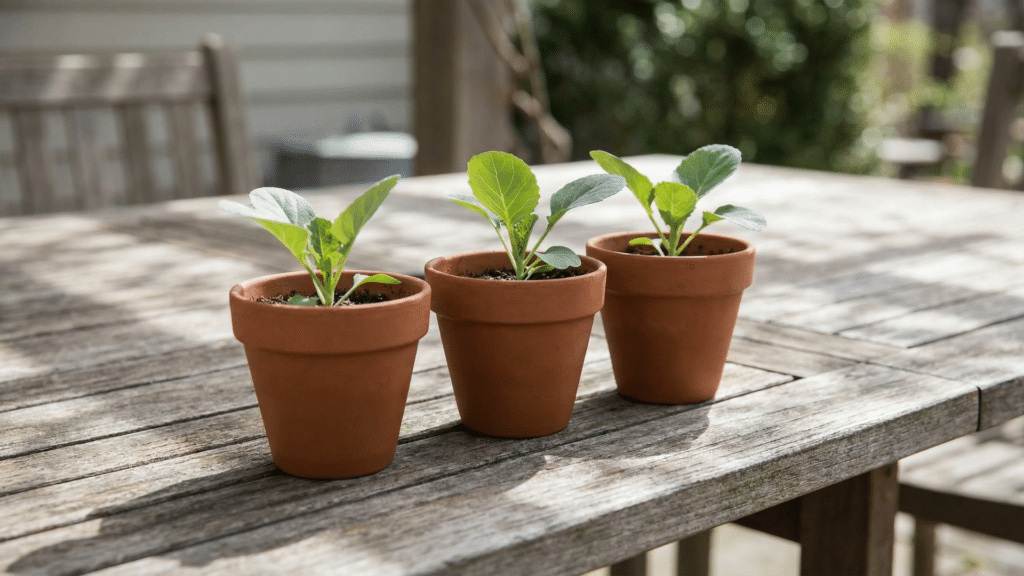
Before planting outside, help seedlings adjust to the outdoors. This step is called hardening off.
- Day 1: Place seedlings outside for 2 hours in the shade
- Each day: Leave them out longer and give more sun
- By Day 7: They should stay out all day and night
After this, your seedlings will be ready for the garden.
Step 3: Prepare the Soil
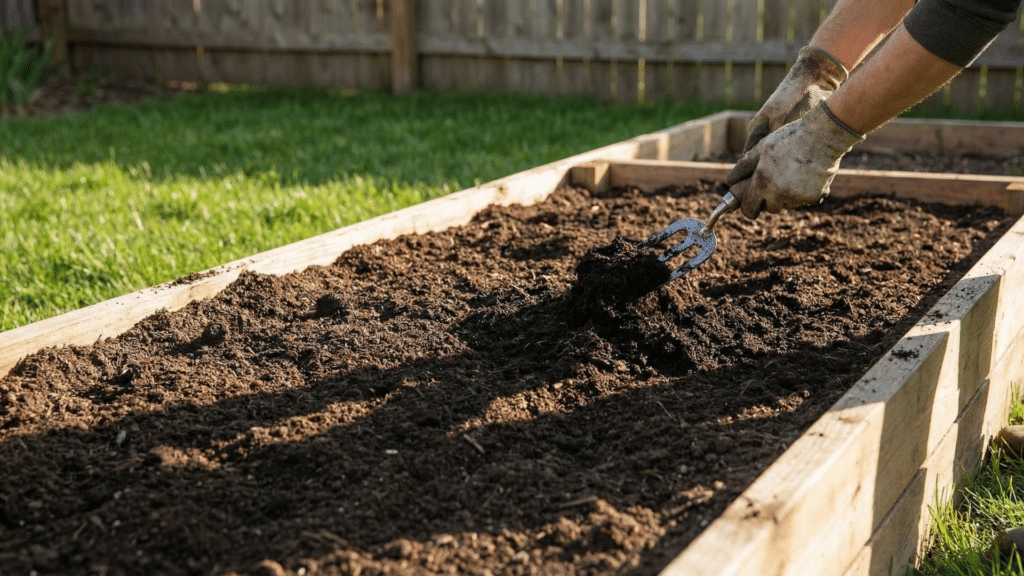
Cabbage needs rich, loose, well-draining soil. It also likes full sun.
- Pick a spot that gets at least 6 hours of sun a day
- Remove weeds, rocks, and old plant roots
- Mix in compost or aged manure
- Make sure the soil pH is between 6.5 and 6.8
If you’ve grown cabbage, broccoli, or cauliflower in that spot last year, pick a different area to avoid disease.
Step 4: Transplant Seedlings into the Garden
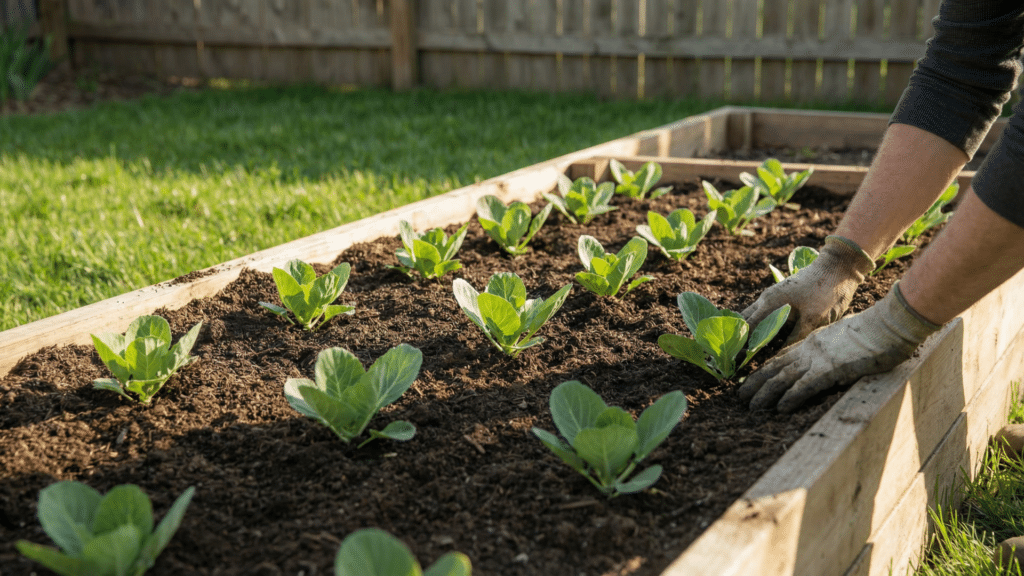
Once hardened off, plant your cabbage seedlings in the soil.
- Space plants 12 to 24 inches apart, depending on type
- Leave about 24 to 36 inches between rows
- Dig holes deep enough for the roots
- Place the seedling in the hole, burying it up to its lowest leaves
- Press the soil around the stem and water well
Cabbage needs space to grow a firm head, so don’t crowd your plants.
Step 5: Water Regularly and Evenly
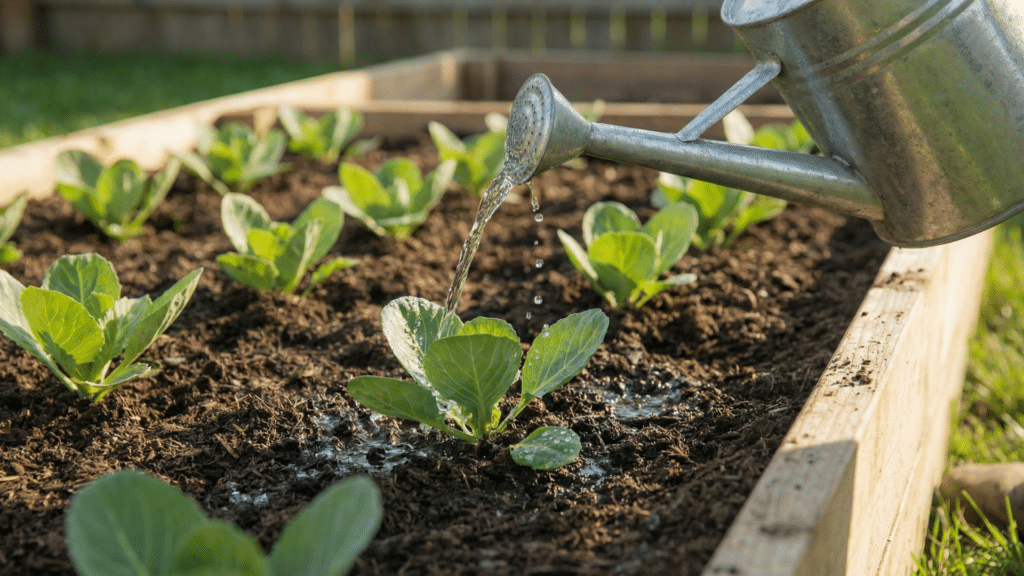
Cabbage plants need steady moisture to grow properly.
- Give them 1 to 1.5 inches of water each week
- Water deeply so the roots grow strong
- Always water at the base of the plant, not on the leaves
- Check the soil often; if the top inch is dry, it’s time to water
- Use a watering can or soaker hose for best results
Dry spells or uneven watering can lead to split heads or small growth.
Step 6: Feed the Plants
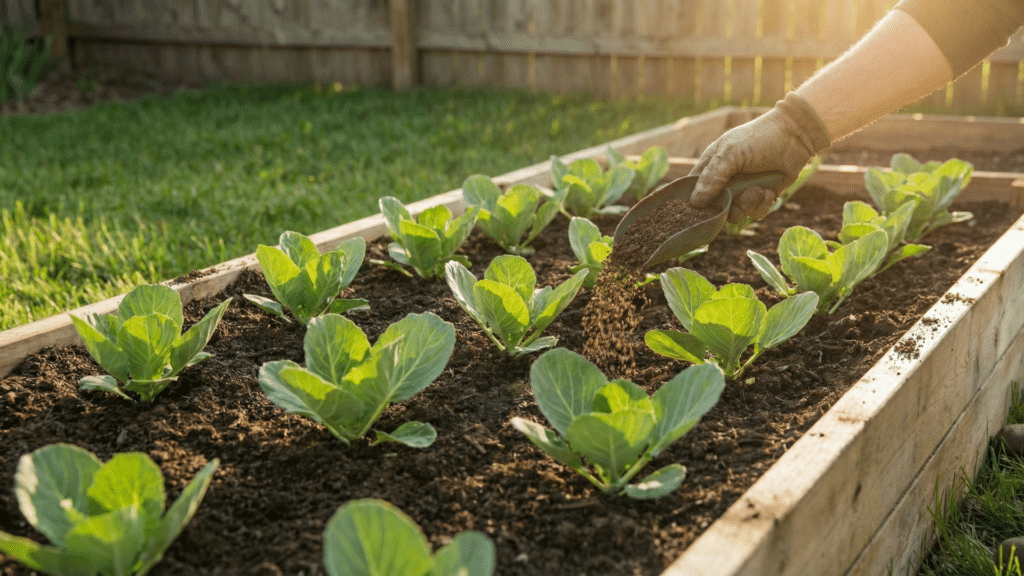
Cabbage uses a lot of nutrients, so feeding is important.
- Before planting, mix compost or slow-release fertilizer into the soil
- After 3 to 4 weeks, apply a nitrogen-rich fertilizer (like 10-5-5) to boost leaf growth
- Stop feeding once the head starts to form; too much nitrogen can cause loose heads
Follow instructions on the fertilizer package and avoid overfeeding.
Step 7: Add Mulch Around the Plants
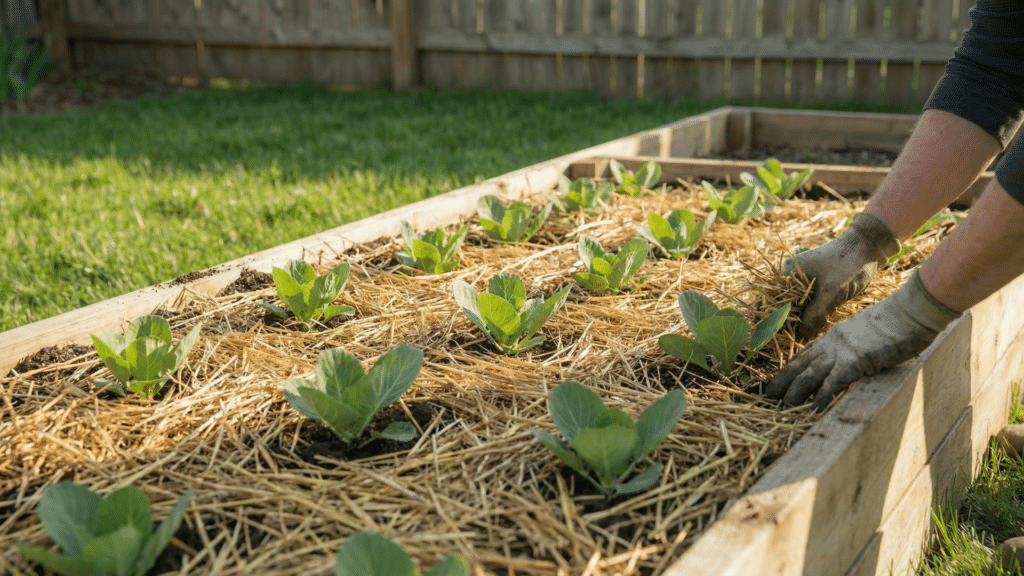
Mulching helps keep the soil cool and moist. It also blocks weeds.
- Use straw, dry leaves, or grass clippings
- Spread a 2 to 3-inch layer around each cabbage plant
- Leave a small space around the stem so the plant can breathe
- Check the mulch every couple of weeks and add more if needed
Mulch makes it easier to care for your cabbage and reduces the need to water it as often.
Common Pests and Natural Control Methods
Cabbage is prone to pest problems, especially from chewing insects. The good news is that many can be controlled naturally.
| Pest | Signs of Damage | What to Do |
|---|---|---|
| Cabbage worms | Holes in leaves, green droppings | Hand-pick, use BT spray, cover plants |
| Aphids | Sticky leaves, curling | Spray with soapy water or neem oil |
| Cabbage loopers | Ragged holes in leaves | Remove by hand, use floating row covers |
| Flea beetles | Tiny holes like pepper spray dots | Use diatomaceous earth or netting |
Dealing with Common Growing Problems
Even with good care, issues can come up. Here are some common cabbage problems and how to fix them.
- Yellowing Leaves: May mean poor soil or overwatering. Check drainage and feed with balanced fertilizer.
- No Head Forming: Could be due to excessive heat or excessive nitrogen. Choose a better planting time and adjust feeding.
- Split Heads: Happens when cabbage is given too much water after being dry. Water evenly and harvest before heavy rain.
- Bolting (flowering): Caused by warm temperatures. This makes the cabbage bitter. Plant at the right time to avoid it.
Most problems are preventable with close attention and early care.
When and How to Harvest Cabbage
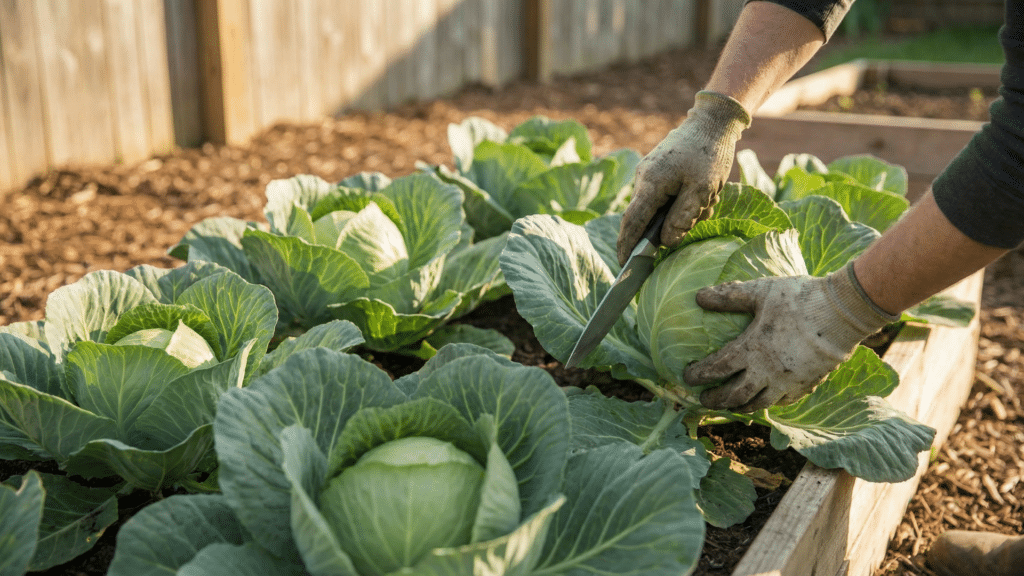
Cabbage is ready to harvest when the head feels firm and solid. If it still feels soft when squeezed, give it more time.
- Use a sharp knife to cut the head at the base, just above the outer leaves.
- Leave the outer leaves and root in the soil if you want smaller side heads to grow.
- Remove any damaged or dirty outer leaves.
- If rain is coming and heads are firm, harvest early to avoid splitting.
Cabbage can stay in the ground for a week or two after maturing, but don’t wait too long, or it will lose quality.
Final Tips to Grow Cabbage in Your Garden
Growing cabbage can be simple once you follow the right steps. Before you wrap up your gardening plan, here are a few final tips to help your cabbage grow better and healthier.
- Choose the Right Season: Always grow cabbage in cool weather. Avoid planting in the heat of summer, or your cabbage may bolt and turn bitter.
- Give It Space: Don’t crowd your plants. Cabbage heads need room to grow. More space means fewer pests and better air flow.
- Water Deep, Not Often: Keep the soil evenly moist. Water deeply so the roots grow strong, but avoid soaking the leaves.
- Keep the Soil Rich: Use compost, aged manure, or balanced fertilizer to feed your cabbage. Healthy soil leads to strong plants.
- Watch for Pests Early: Check your cabbage often for signs of pests or damage. Catching problems early keeps your crop safe.
- Use Mulch to Your Advantage: It helps retain moisture, suppresses weeds, and keeps soil temperature steady. It also saves time on watering.
- Harvest at the Right Time: Don’t wait too long once the head feels firm. If rain is coming, harvest early to avoid splitting.
To Conclude
Cabbage is easy to grow if you follow a clear plan. It doesn’t need fancy tools or special skills. With just a little time and care, your garden can give you crisp, healthy cabbage heads.
Stick to cool weather, water often, and watch your plants grow strong. Every step leads to something you can use and enjoy.
Gardening is a skill that improves the more you practice. Cabbage is a great place to start or grow your garden routine.
Ready to try it? Gather your seeds, prep your soil, and plant your first cabbage today. You’ll be glad you did.