

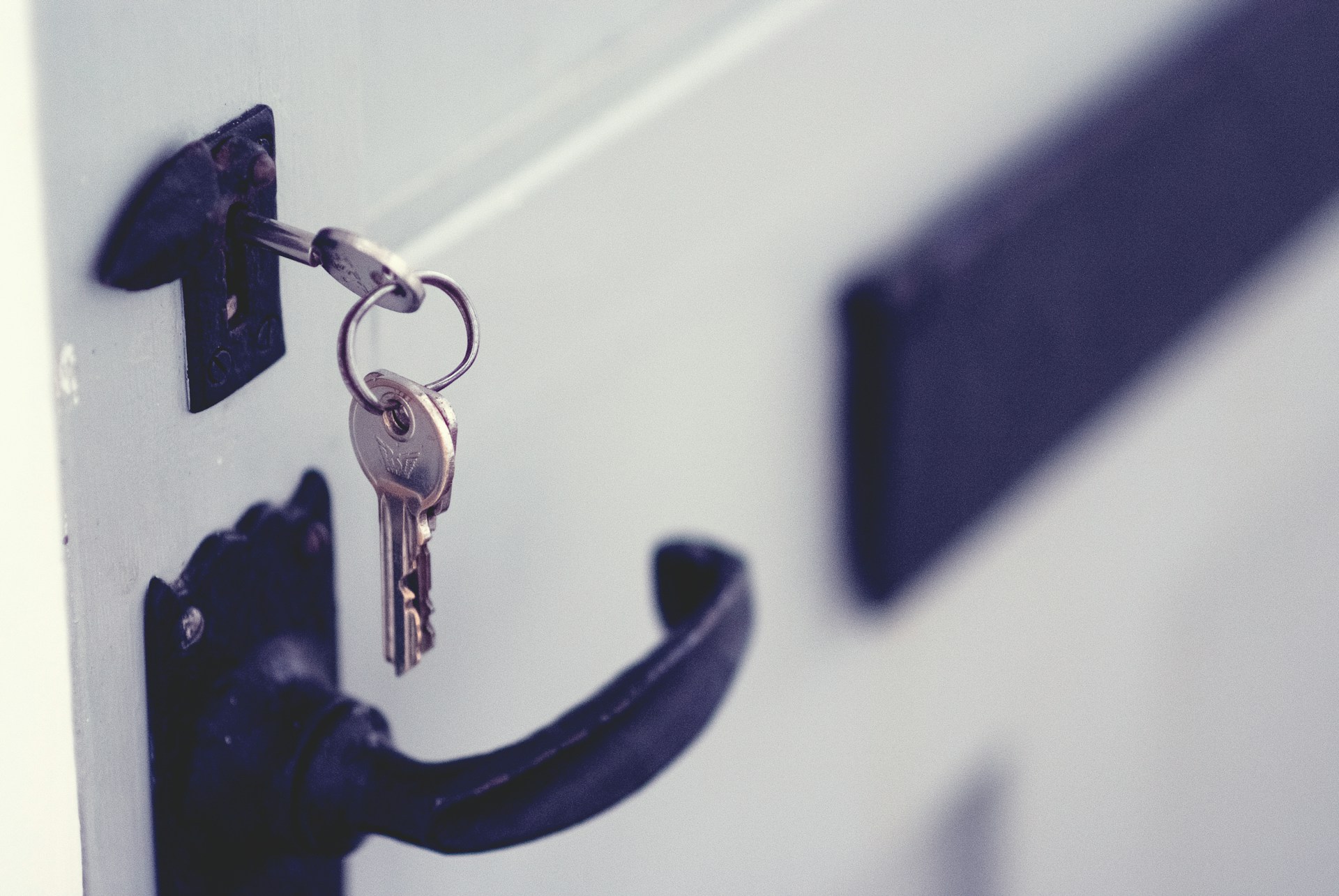
In any building with a high volume of visitors, doors tend to be put under more scrutiny than the ones we have at home. From schools and dormitories to offices, factories, and storefronts, regularly used doors are more likely to need replacement of their door lock mechanisms.
Wear and tear can leave you with doors that no longer open or close, or that lock/unlock incorrectly. What can you do?
The best thing to do is to replace the door lock components when they wear out. However, you can also prolong the lifespan of your door locks through maintenance. To learn how to maintain your door lock mechanism, we asked the experts at Locks & Hardware for some advice. Their insight into door maintenance is invaluable for anyone looking to stave off the need to replace their door locking mechanism.
Where do you start? Use the insights and advice below to help you keep the various parts of a door lock working for a little longer. These tips can help you avoid a replacement for a few years yet!
Why Door Mechanisms Fail In High-Use Doorways
While the parts of a door locking mechanism that fail can vary from door to door, the main reason this happens is usually the same: wear and tear.
Think about what is in your door lock hardware. It is all mechanical parts, so they will eventually wear out. Any mechanism will eventually wear out because it is designed for a finite number of uses. Therefore, it stands to reason that eventually each part of your door mechanism will stop working as it should. That leaves you with either one or several broken parts, causing problems.
Once any of these internal door lock parts break down, other parts will soon follow. Other parts need to work harder to compensate for the broken part, right? That means, with one broken section, the others will similarly deteriorate. If you notice a problem with any part of your door lock, it might not be long until other problems emerge. Eventually, you will need to consider replacing your door lock mechanism. However, with some maintenance, you can avoid parts from breaking quite so regularly.
The process is not always easy, but there are some general tips you can use to manage your door lock parts. Use these tips, and you should be more likely to avoid your door locks wearing out quite so fast.
Maintenance Tips For Your Door Lock Mechanism
The good news is that problems with one door lock mechanism do not mean that the whole lock is broken. Useful ways to look after your door locks and keep them working despite high usage include:
Avoid Slamming
While you cannot moderate how everyone who enters your building uses your doors, you can at least be more gentle yourself. Avoid slamming doors or forcing them open, and make sure you lock the door gently. Limiting the number of times your door is opened or closed forcefully will help prolong the inner mechanisms that operate your door locks.
Clean The Keyhole
Sometimes, the trouble with your door’s locking mechanism can come down to debris trapped in the keyhole. This can be cleaned out with nothing more than compressed air.
Get a can of compressed air and blow this into the keyhole. Do this repeatedly, on both sides of the keyhole. You might not even see anything coming out, per se, but it might be enough to dislodge the buildup of dirt and debris. Give the keyhole a thorough blowout and then try your keys in the lock.
Lubricating Your Locks
Another good thing to do regularly is to lubricate your door locks. First, find out what type of door lock mechanism you have, then read a guide on how to lubricate that type.
Every lock is different, so how you lubricate one type of door lock mechanism might differ from how you lubricate another. Learn how to lubricate each of your door locks, though, and you should be able to avoid parts from wearing out, as most of the wear and tear damage to a door lock stems from resistance caused by a lack of lubrication.
Realign Your Doors
Another method to learn about is realigning your doors. Over time, doors can swell or shrink, causing them to no longer line up correctly with the door lock mechanism.
Look around your door for gaps; if you spot any, realign it by raising, lowering, or compressing/decompressing it. Find out what type of door you have, then watch a guide on alignment; most of the time, this will involve adjusting hinge screws with a Hex key.
Replace Broken Parts Promptly
Sadly, some parts of your door will wear out and need to be replaced. If you notice that any part of your door locking mechanism is not working as it should, it would be wise to replace this part first.
Replacing the broken part can prevent other parts from bearing the brunt of the damage. Therefore, your other door lock components continue to work as the main culprit of the wear and tear has been replaced. This can be hard to self-diagnose, though, and might need assistance from a locksmith.
Pro Tip: Be Proactive, Do Not Wait For A Problem!
We hope that you can now appreciate just how likely it is that you will run into an issue with your door lock. Sadly, failed door lock mechanisms are inevitable – it will happen to just about any internal or external door lock. With maintenance, though, you can limit the damage and prolong the lifespan.
One final tip from Locks & Handles, though, is to be proactive. If you notice any telltale signs of your door locks not working quite as they should, it might already be too late. Instead, set a routine to check each door lock. Use the above maintenance tips before the problems can emerge.
Pre-emptive maintenance can stop the issue from emerging in the first place. Regular checks will prolong the lifespan of each door lock mechanism, reducing the likelihood that you will need to replace them.