

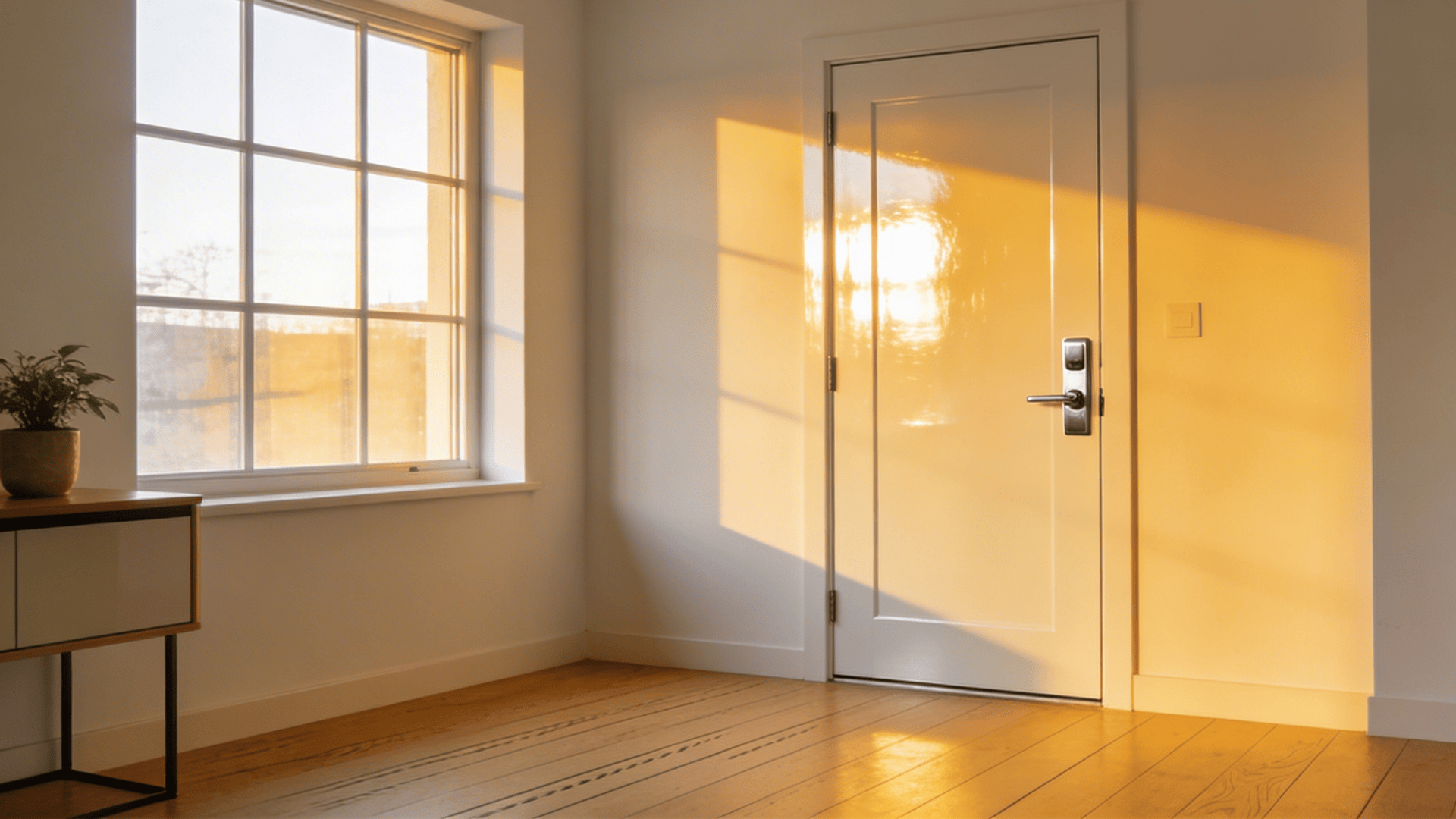
Interior doors go through a lot every single day. I’ve seen doors get scratched, smudged, and worn out faster than people expect. After a while, they can start to look dull, even if the rest of the room looks great.
From my experience, using regular wall paint is one of the biggest mistakes. It often chips, stains, and doesn’t hold up well to daily use. That’s why choosing the right paint really matters.
In this guide, I’ll walk you through how to pick the best paint for interior doors. I’ll cover the right paint types, finishes, and simple prep steps that actually work.
I’ll also share real homeowner tips so you can avoid common mistakes and get a smooth, long-lasting result without extra hassle.
What Makes the Best Paint for Interior Doors?
Interior doors take more wear than most parts of a home. They get touched every day, bumped by furniture, and marked by hands. Over time, the wrong paint starts to chip, stain, or look uneven.
That’s why choosing the best paint for interior doors really matters. Not all paints are made for this kind of use. A good door paint should be strong, easy to clean, and smooth after drying.
It should also resist scuffs and not show brush marks. Low odor and easy cleanup are helpful too, especially for indoor work.
This guide breaks down what makes a paint right for doors. It covers durability, washability, finish types, and simple tips to help get a clean, long-lasting result.
Best Paints for Interior Doors
These paints are known for real performance in everyday homes. Each option offers a mix of durability, smooth finish, and ease of use.
1. Benjamin Moore Advance Interior Paint Satin
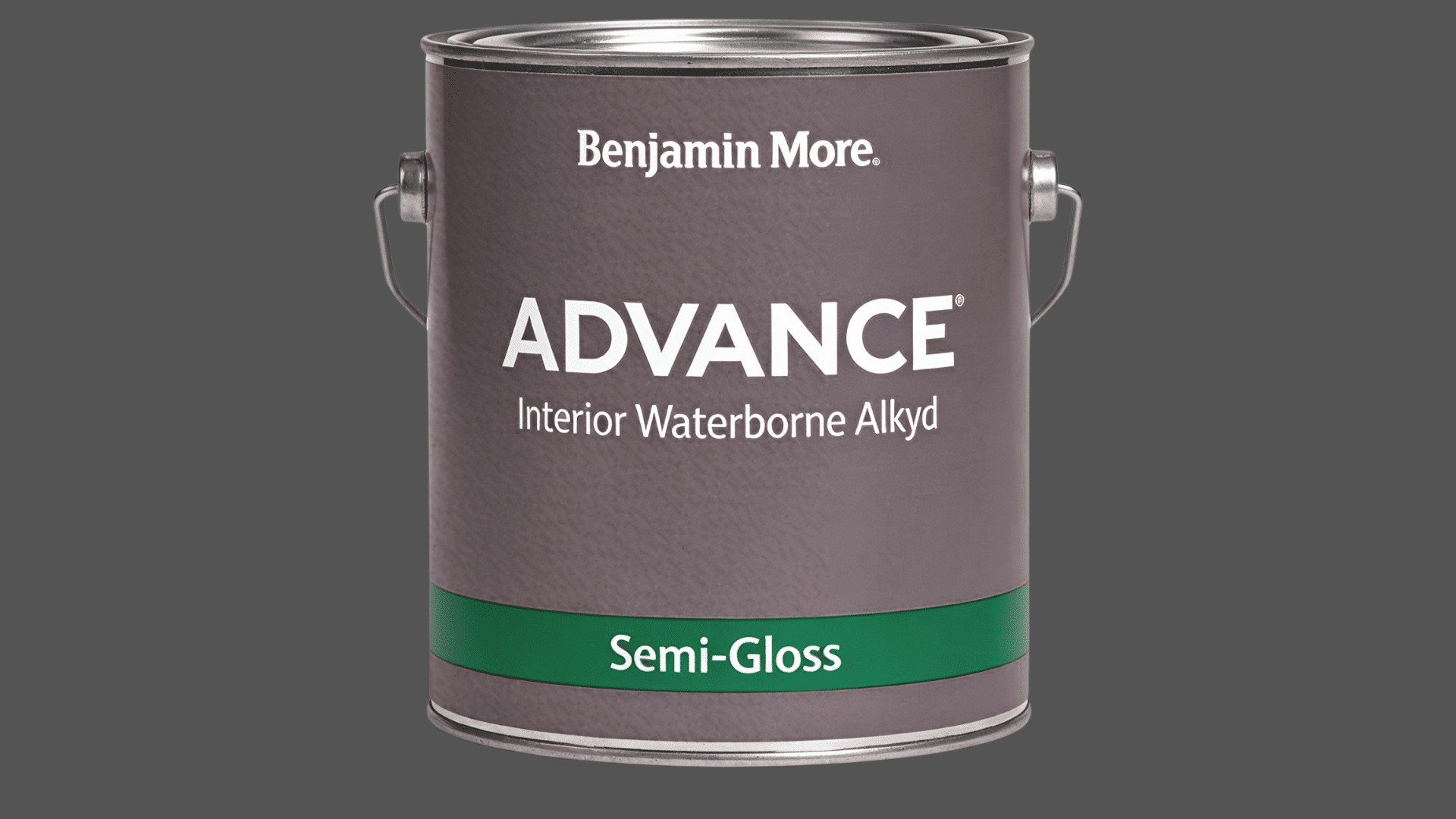
Benjamin More Advanced interior paint satin is known for its smooth, almost spray-like finish when applied with a brush or roller. It levels out well, helping reduce visible marks and giving doors a clean, polished look.
The low odor makes it suitable for indoor use without causing discomfort. It also cleans easily, which helps keep doors looking fresh over time.
Many homeowners choose it for bedrooms and living spaces where both appearance and comfort matter most.
2. Sherwin-Williams Emerald Urethane Trim Enamel
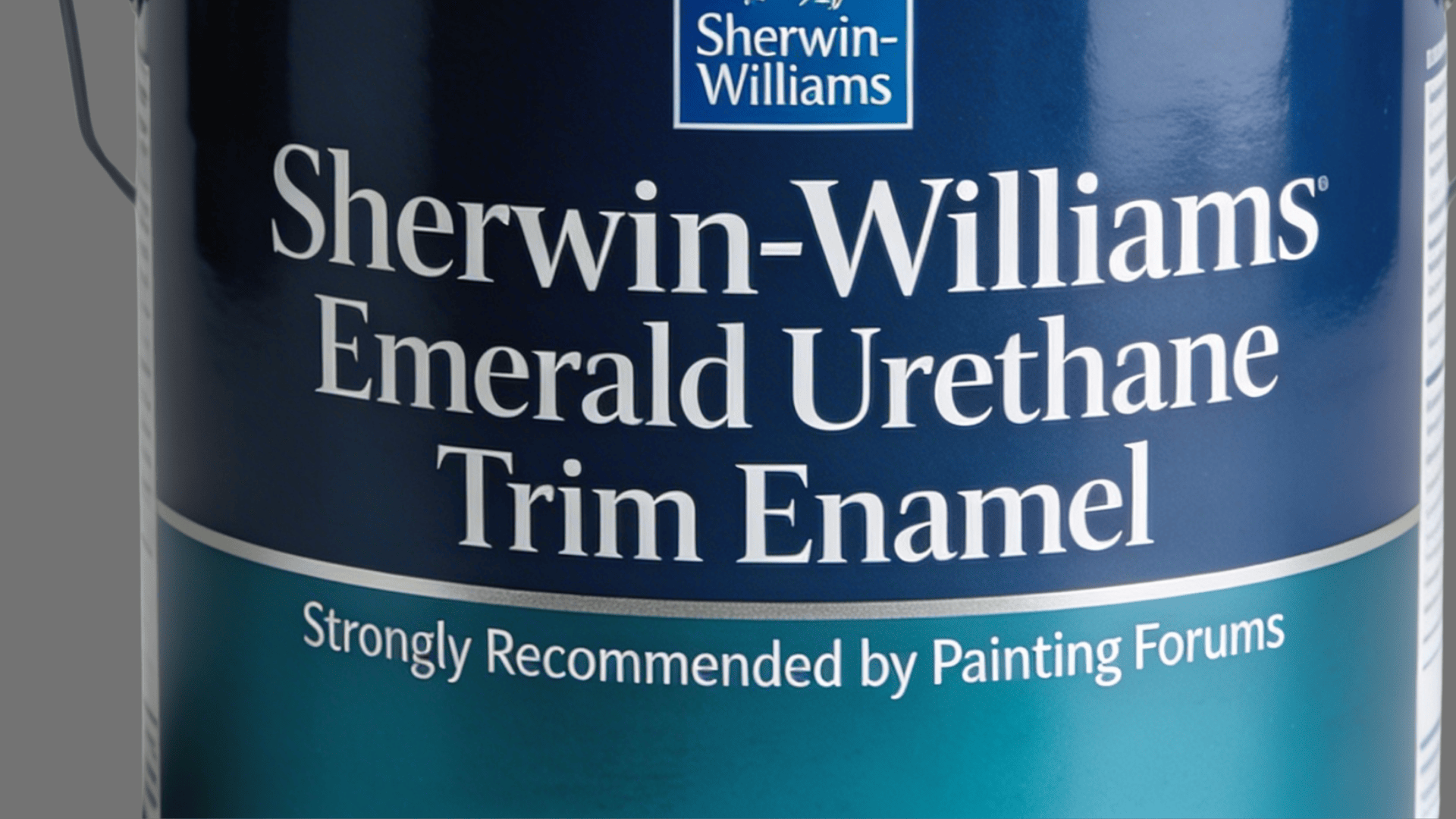
Sherwin-Williams Emerald is made for strength and long-term use. It holds up well against moisture, stains, and frequent handling, making it a solid option for busy areas.
Doors in kitchens, bathrooms, and hallways benefit from its tough surface. It also provides a smooth finish that does not easily show marks.
Over time, it maintains its appearance with less fading and wear, reducing the need for frequent repainting.
3. Behr Urethane Alkyd Semi-Gloss Enamel
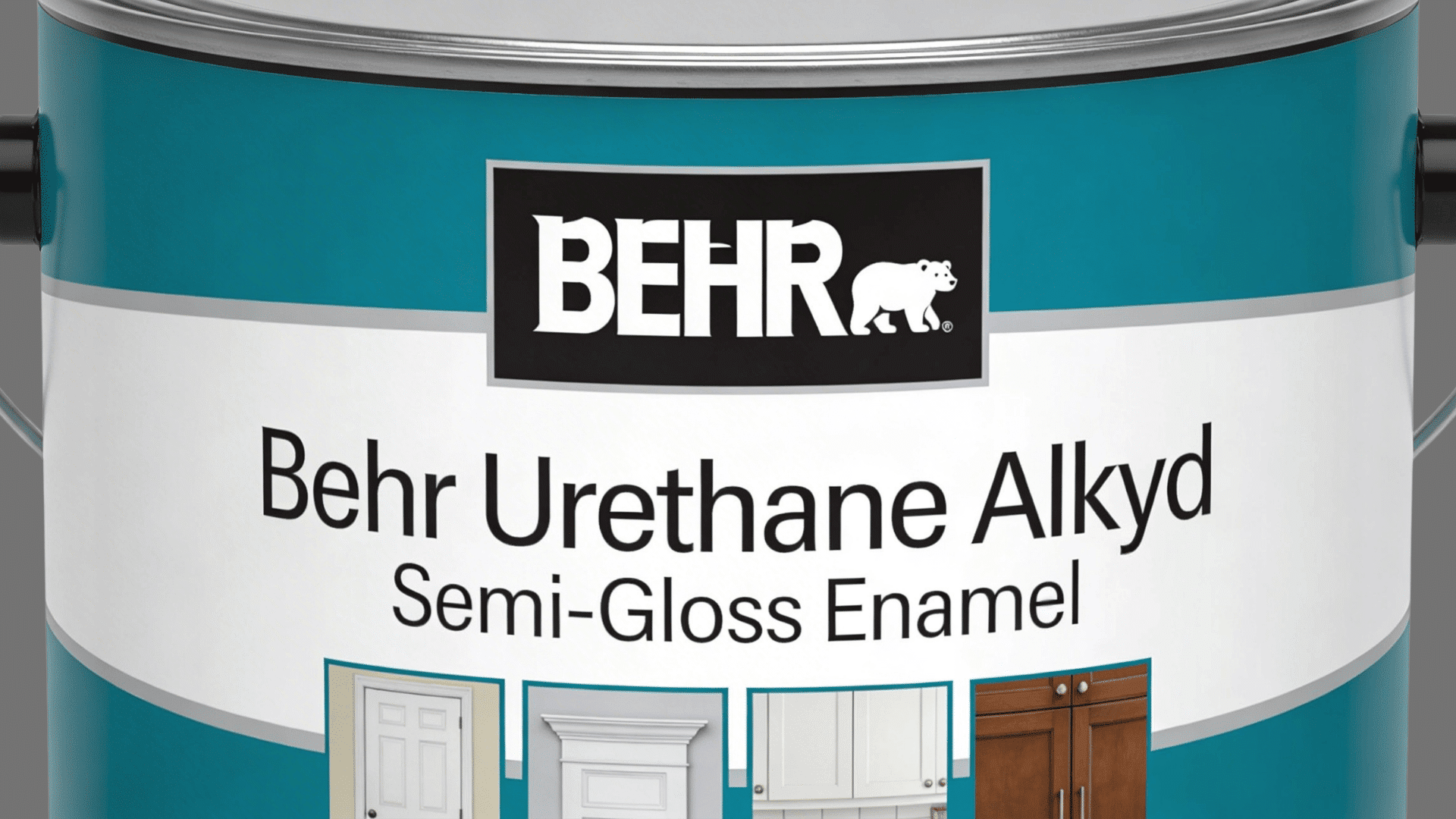
Behr Urethane Alkyd Semi-Gloss Enamel offers strong performance at a more affordable price. It sticks well to surfaces and forms a durable coat that resists wear and moisture.
A semi-gloss finish makes cleaning easier, which is useful for high-touch doors. It works well for both doors and trim, especially in areas with moisture.
Many users find it reliable for everyday use without spending too much, making it a practical choice.
4. Farrow & Ball Modern Eggshell
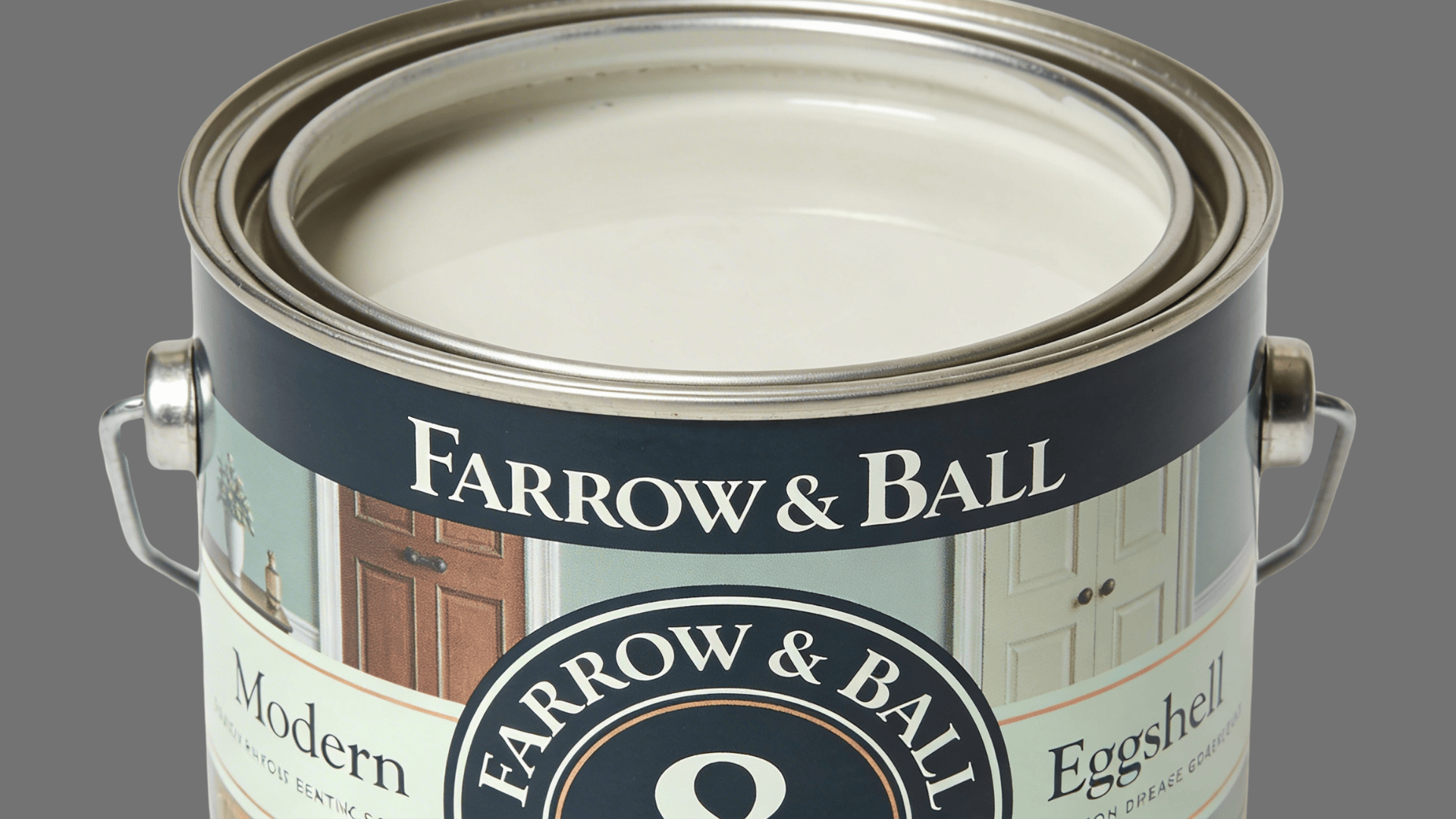
Farrow & Ball Modern Eggshell is known for its rich color depth and soft, elegant finish. It gives doors a refined and high-end look that works well in stylish interiors.
The eggshell finish offers a light sheen that feels smooth without being overly shiny. While it may not be the toughest option for heavy-traffic areas, it still offers decent durability.
It is often chosen for feature doors or spaces where visual appeal matters most. It helps create a warm and finished look.
5. Valspar Cabinet & Furniture Enamel
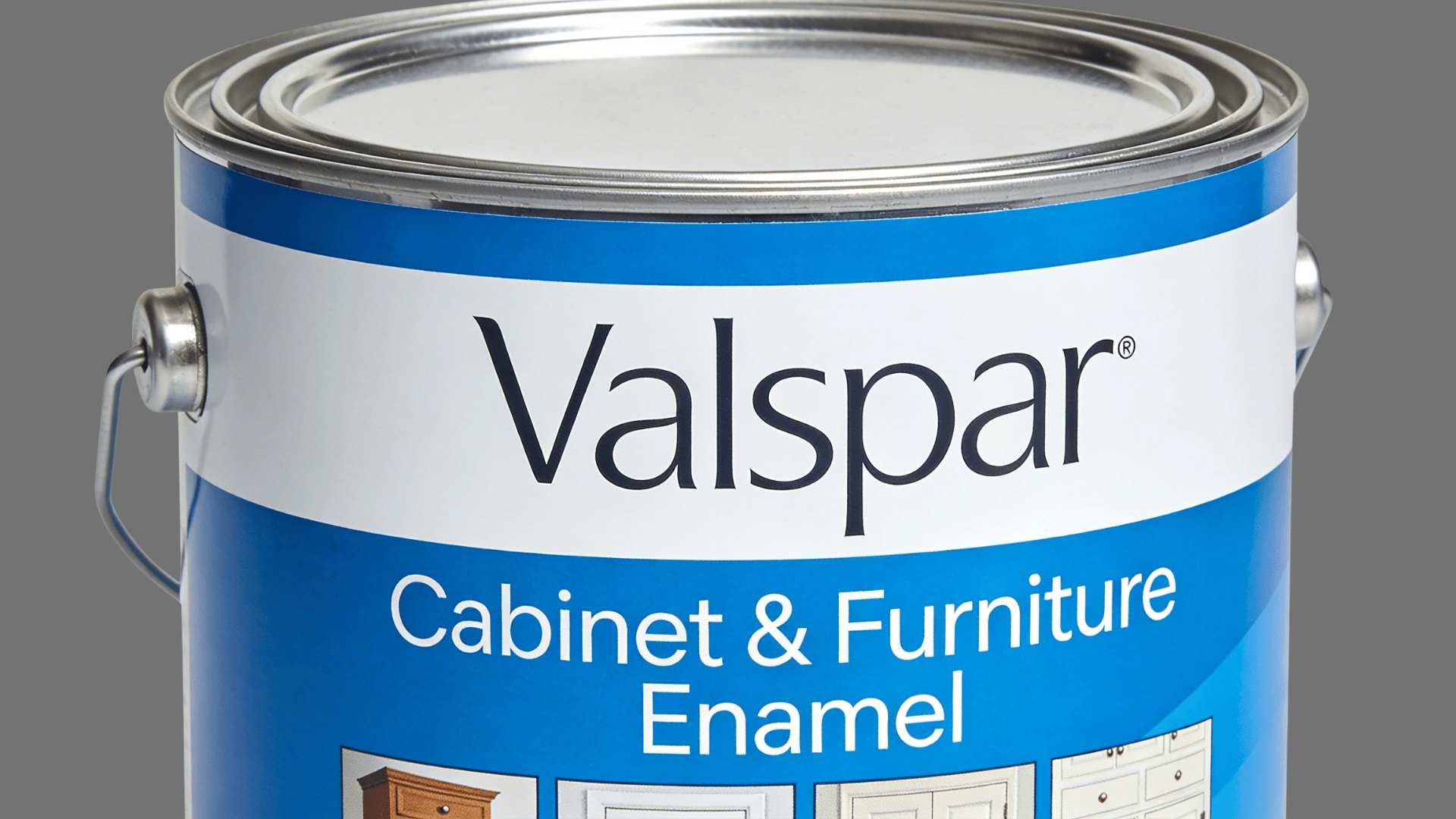
Valspar Cabinet & Furniture Enamel dries quickly, helping speed up painting projects and reducing waiting time between coats. It forms a strong surface that resists scratches, scuffs, and daily wear.
This makes it useful for homes where doors are used often. It works well in kids’ rooms, entryways, and other busy areas.
The finish stays smooth and even, helping doors look neat for longer. It also requires fewer touch-ups over time, enhancing its overall convenience and value.
6. INSL-X Cabinet Coat Enamel
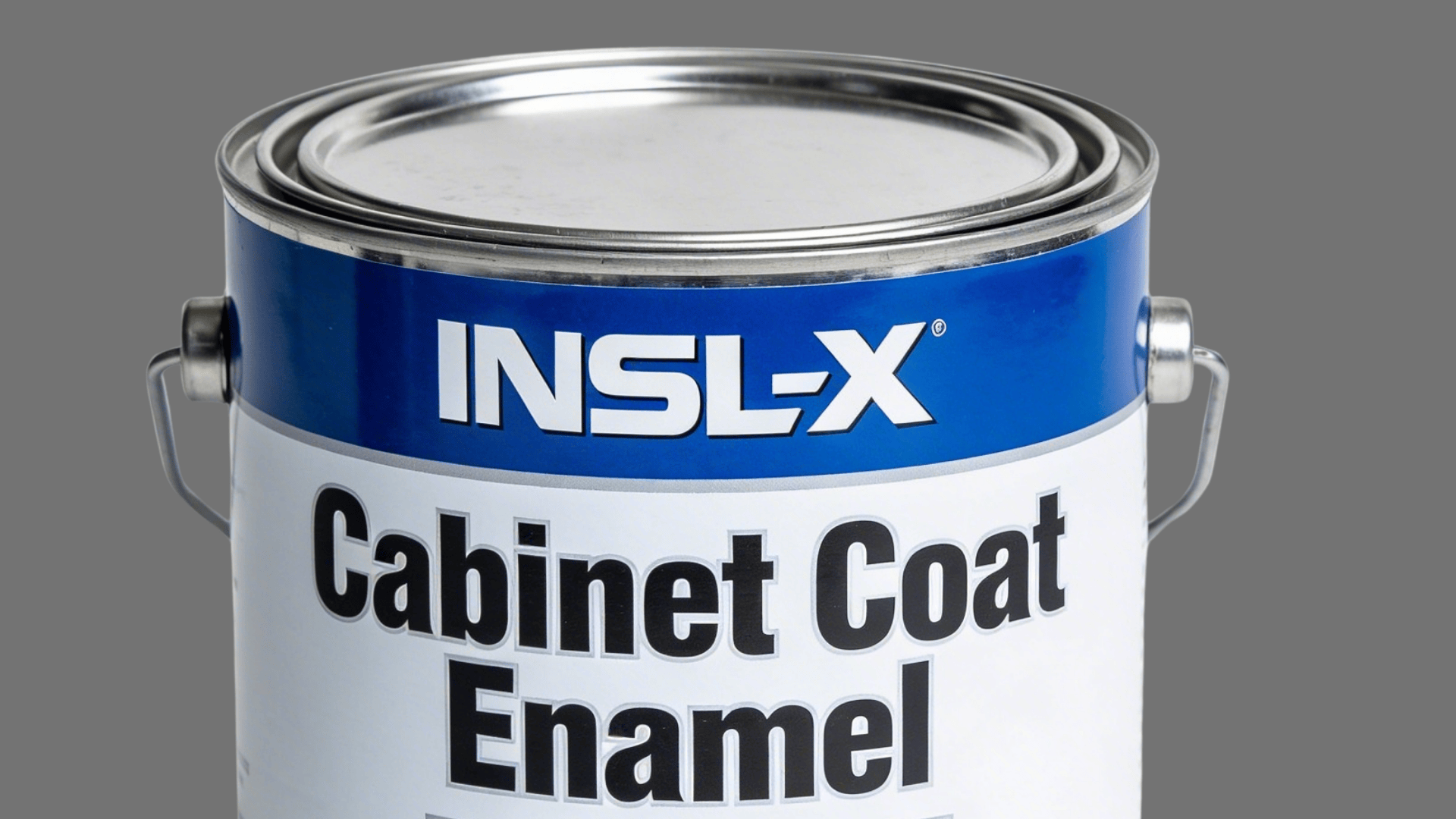
INSL-X Cabinet Coat Enamel is known for its strong adhesion, even on smooth or glossy surfaces. It grips well without heavy sanding, which makes repainting easier and faster.
Once dry, it forms a hard, durable finish that resists chips, marks, and everyday wear. This helps extend the life of older doors without needing replacement.
It is a reliable choice for updating worn surfaces. Many users prefer it for its ability to stick well and provide a long-lasting, clean finish.
7. Rust-Oleum Door & Trim Paint
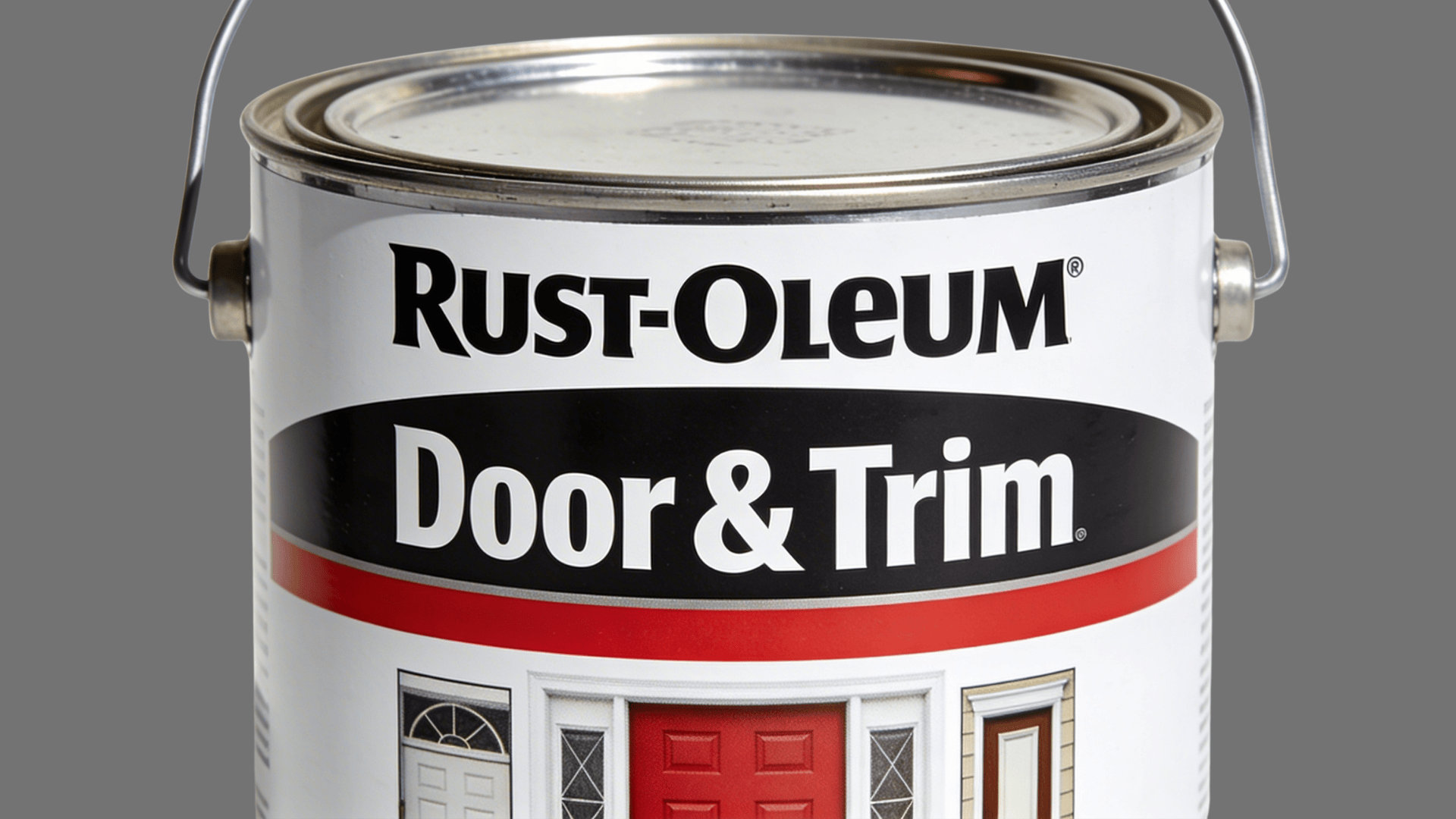
Rust-Oleum Door & Trim Paint is easy to apply, making it a great option for simple DIY projects. It spreads evenly and provides good coverage with fewer coats.
The finish is durable enough to handle daily use, including frequent opening and closing. It dries to a smooth surface, improving the overall look of doors.
It is often chosen for quick upgrades where ease of use is important. It offers a balance between performance and simplicity for everyday painting needs.
8. Dulux Quick Dry Satinwood
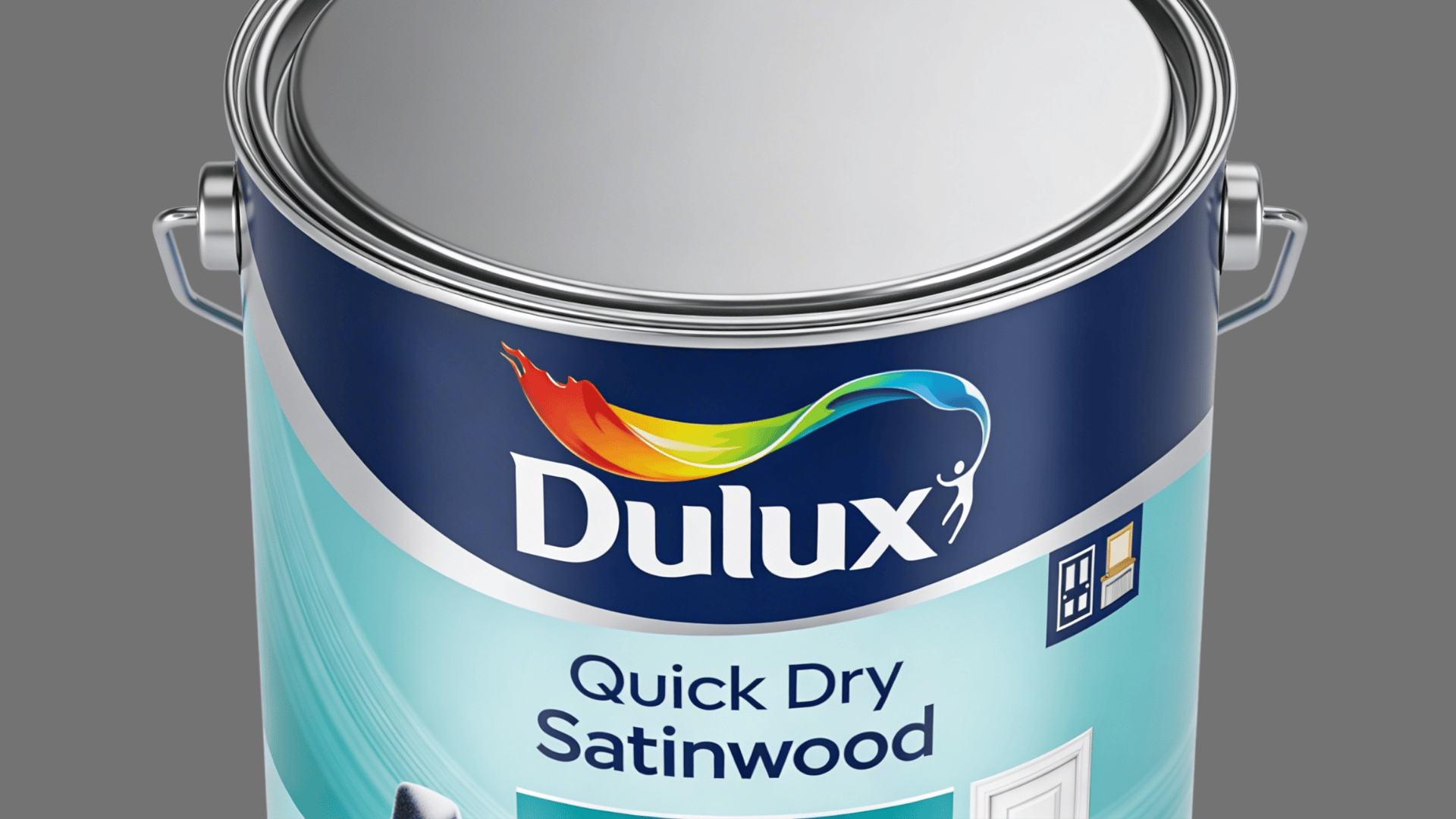
Dulux Quick Dry Satinwood dries fast, helping reduce project time and allowing doors to be reused more quickly. The low odor makes it comfortable to use indoors without strong smells.
It creates a satin finish that looks smooth and clean without being too glossy. The surface is durable enough for regular use and can be wiped clean when needed.
It works well for both doors and trim, offering a good balance between appearance and everyday durability in most homes.
9. Zinsser Perma-White Interior Paint
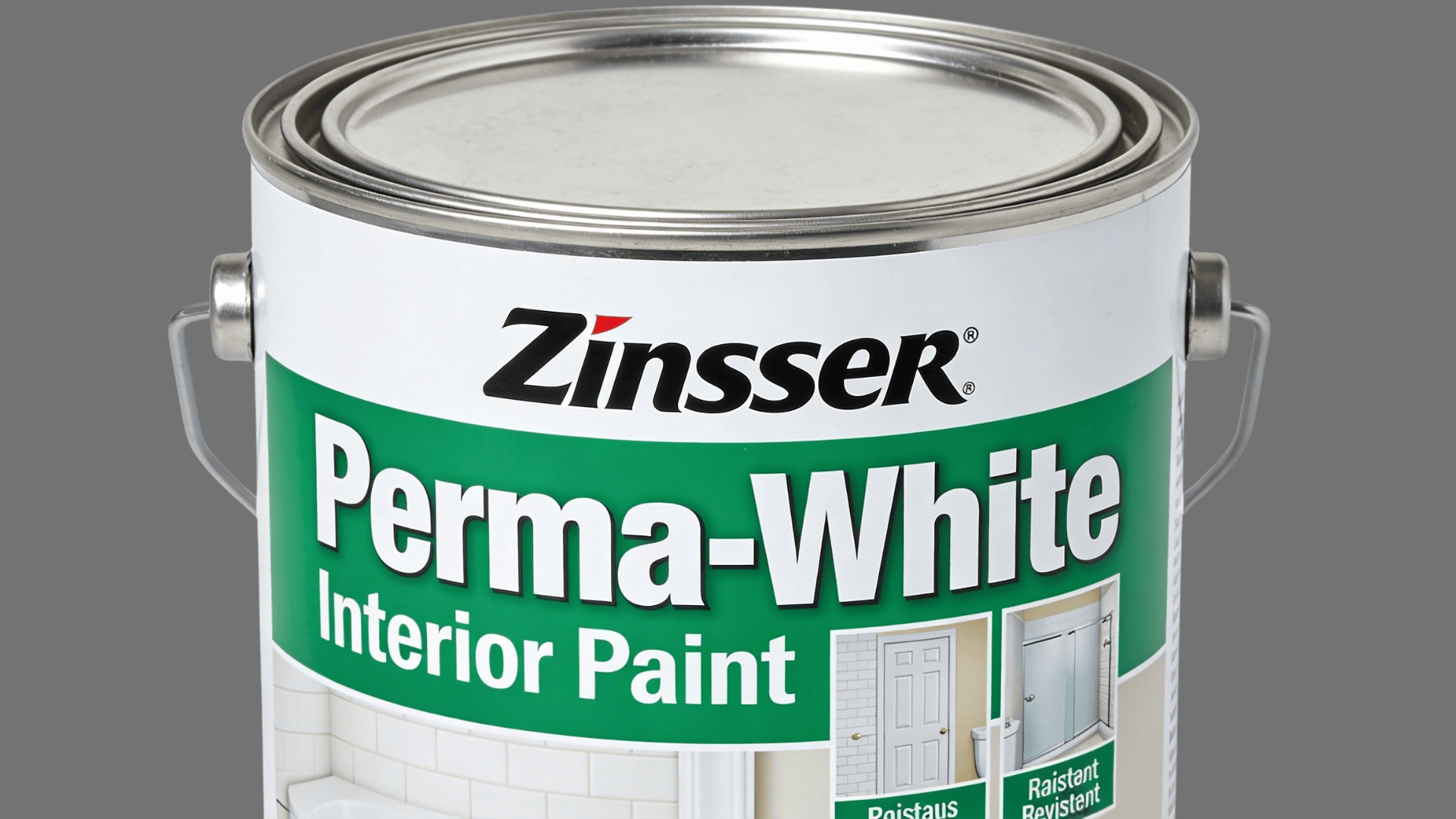
Zinsser Perma-White Interior Paint is designed for areas where moisture is a concern. It helps resist mold and mildew, which makes it useful for bathroom doors.
The finish is strong and washable, making cleaning easy without damaging the surface. It also maintains its look over time, even in humid conditions.
Many people use it to protect doors in damp areas while still maintaining a neat, long-lasting finish.
10. PPG Breakthrough
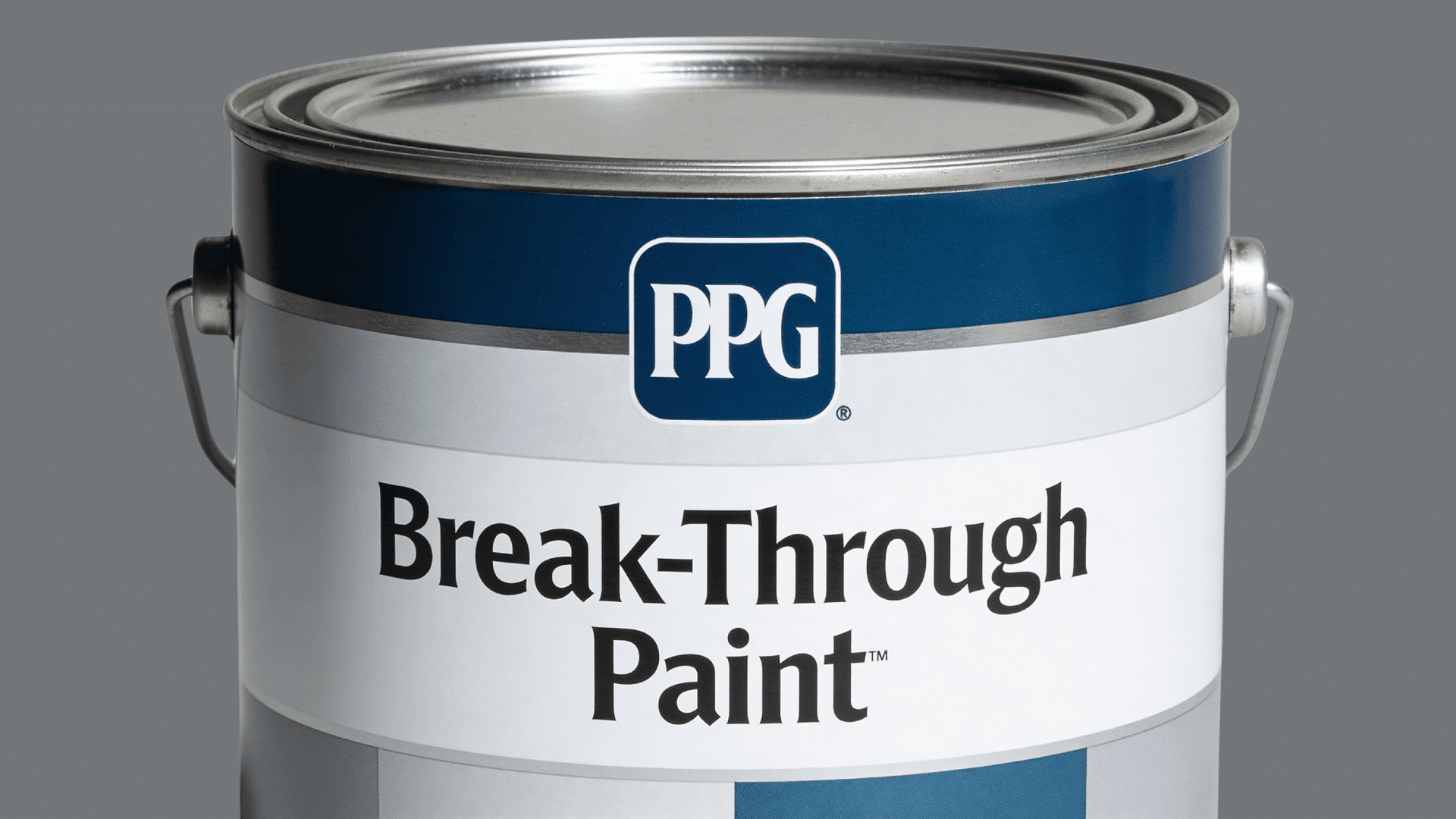
PPG Break-Through Paint is well-known for its fast drying time and strong durability. It can be recoated quickly, which helps complete projects in less time.
The finish resists scuffs, stains, and frequent handling, making it a great option for busy homes.
It bonds well to different surfaces, including previously painted doors. Many homeowners choose it for its long-lasting performance and smooth, even finish, which keeps doors looking clean and well-maintained.
How to Paint a Door?
A clean paint job can refresh any room and give doors a neat, updated look. Follow these simple steps for a smooth, long-lasting finish.
Step 1:Remove Hardware And Sand
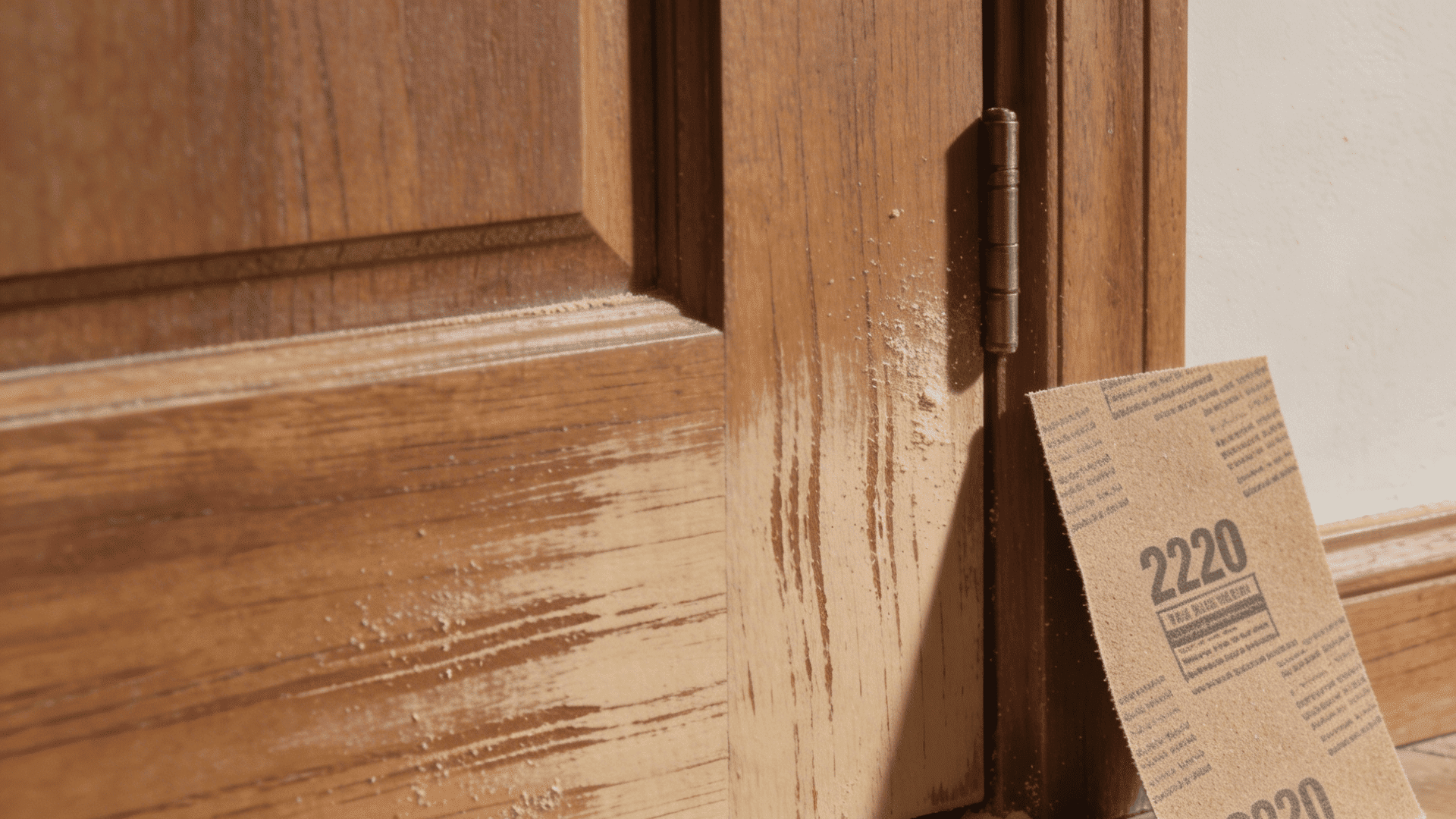
Start by taking off the door handles for a cleaner result. If removal is not possible, cover them with tape. Use 220-grit sandpaper to lightly sand the entire surface.
This step helps remove small bumps and allows the new paint to stick well. Focus on areas with old paint buildup or damage.
Do not over-sand, as the goal is to smooth, not strip. Once done, the surface should feel even and slightly rough to the touch, ready for the next step.
Step 2:Clean The Surface
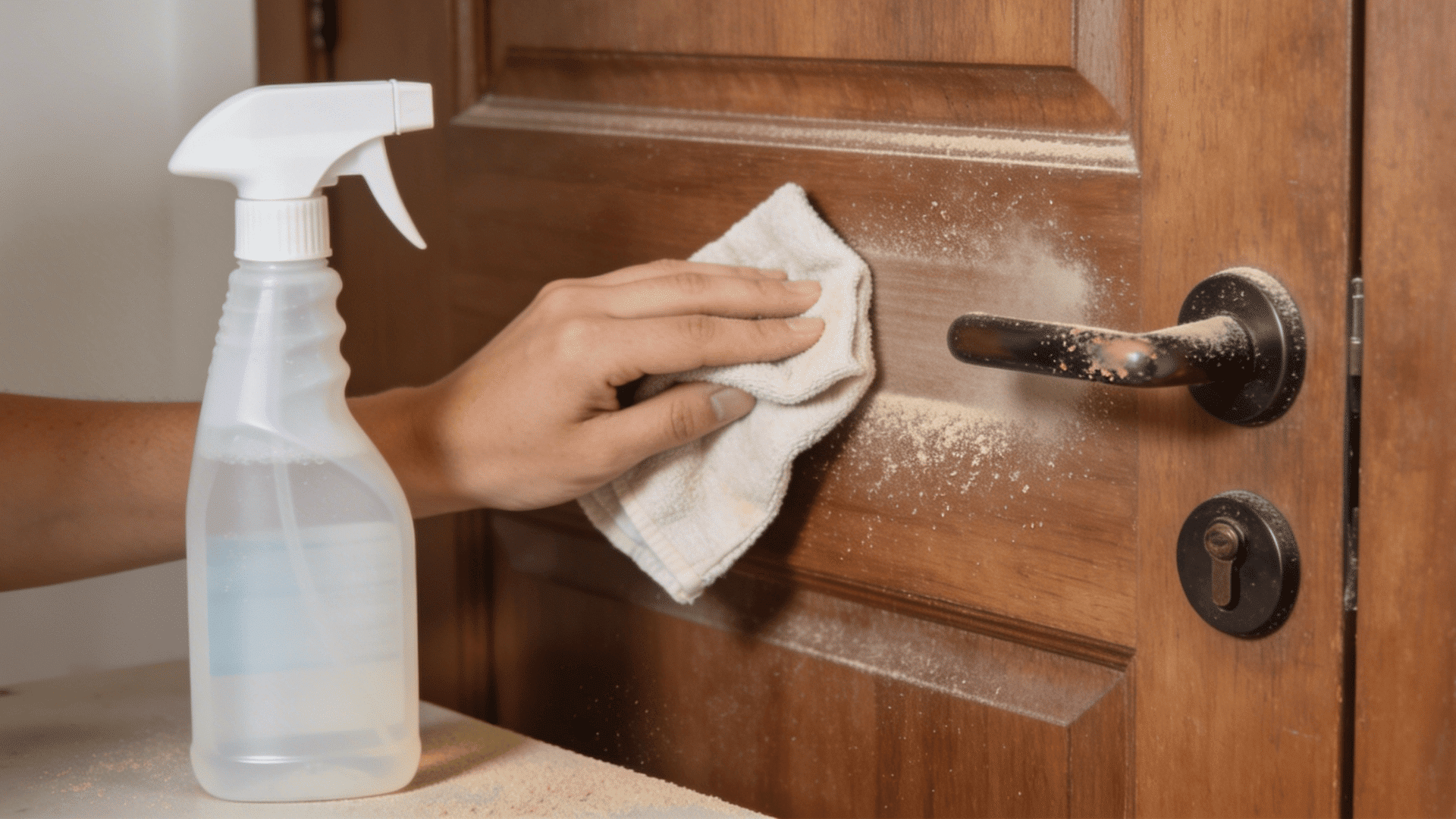
After sanding, remove all dust and dirt from the door. Use a soft damp cloth to wipe down the entire surface. Follow this with a mild cleaner to remove grease, especially around the handle area, where buildup is common.
A clean surface helps the primer and paint stick better and prevents uneven patches. Allow the door to dry completely before proceeding.
Any leftover dust or oil can affect the final finish, so this step is important for a smooth result.
Step 3: Protect Surroundings
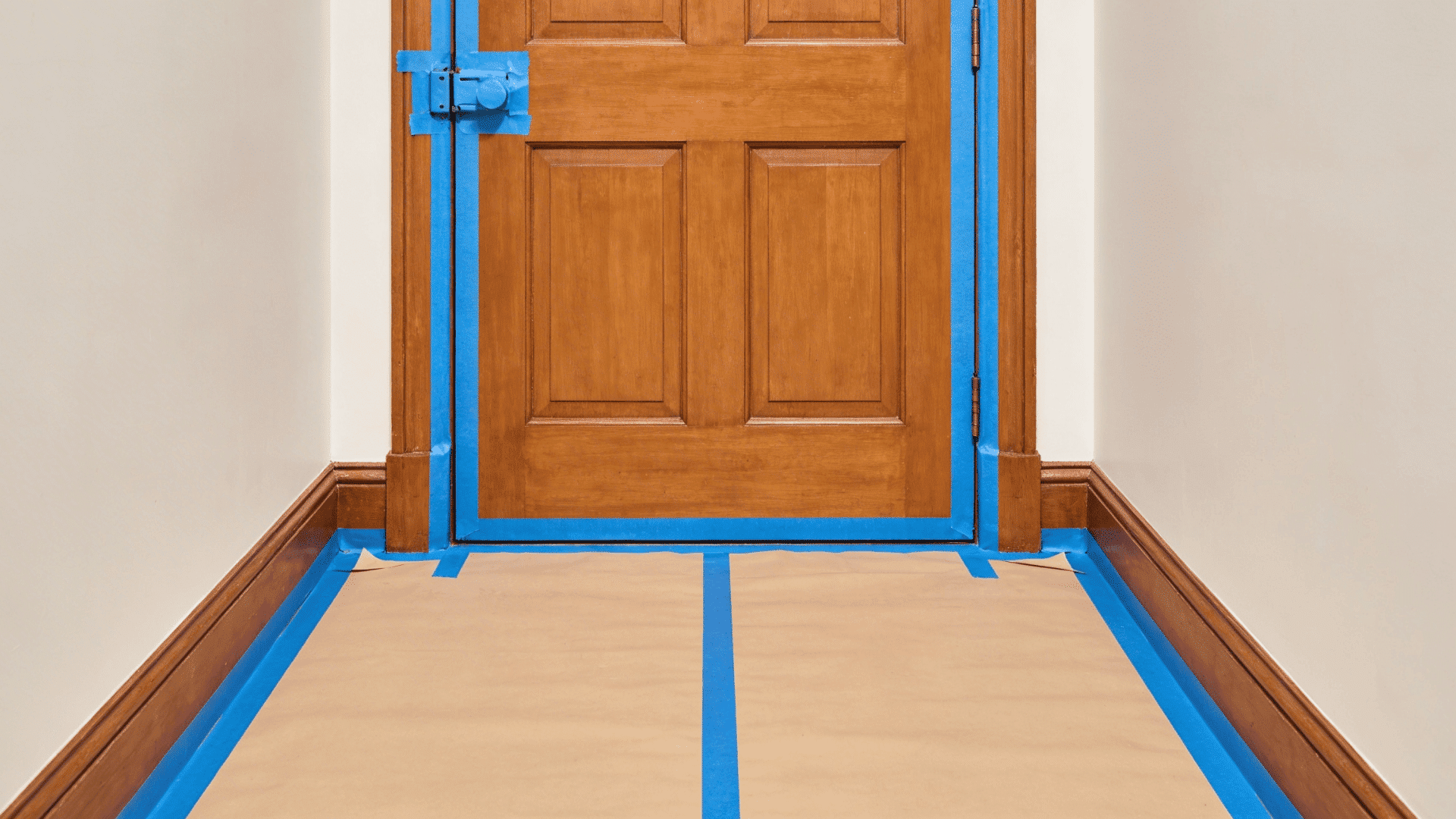
Before painting begins, protect nearby areas to avoid unwanted marks. Apply painter’s tape along hinges, edges, and trim that should not be painted. Press the tape firmly to prevent paint from leaking underneath.
Cover the floor with paper or a sheet to catch drips. If painting one side only, tape along the door frame edge for a clean line.
Taking time to prepare the space helps reduce cleanup later and keeps the work area neat and controlled.
Step 4: Apply Primer
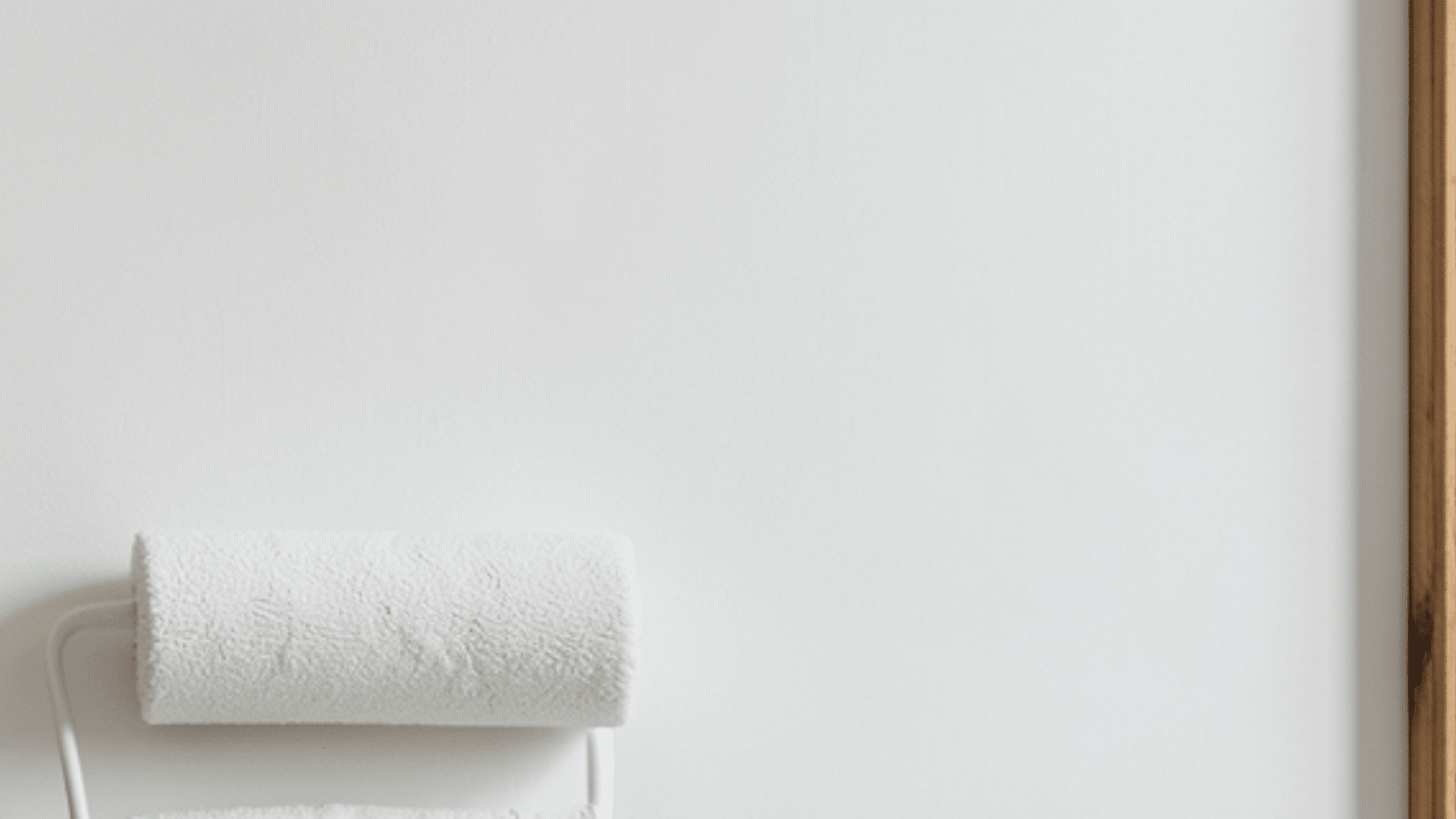
Apply a thin, even coat of primer to the entire door. Use a brush for panels and edges, and a foam roller for flat sections. Work slowly to avoid drips and thick spots.
Primer helps paint stick better and improves durability, especially on older doors or surfaces with stains. Allow the primer to dry completely before painting.
If needed, lightly sand again after drying for an extra smooth base. A good primer layer makes a big difference in the final finish.
Step 5: Paint The Door
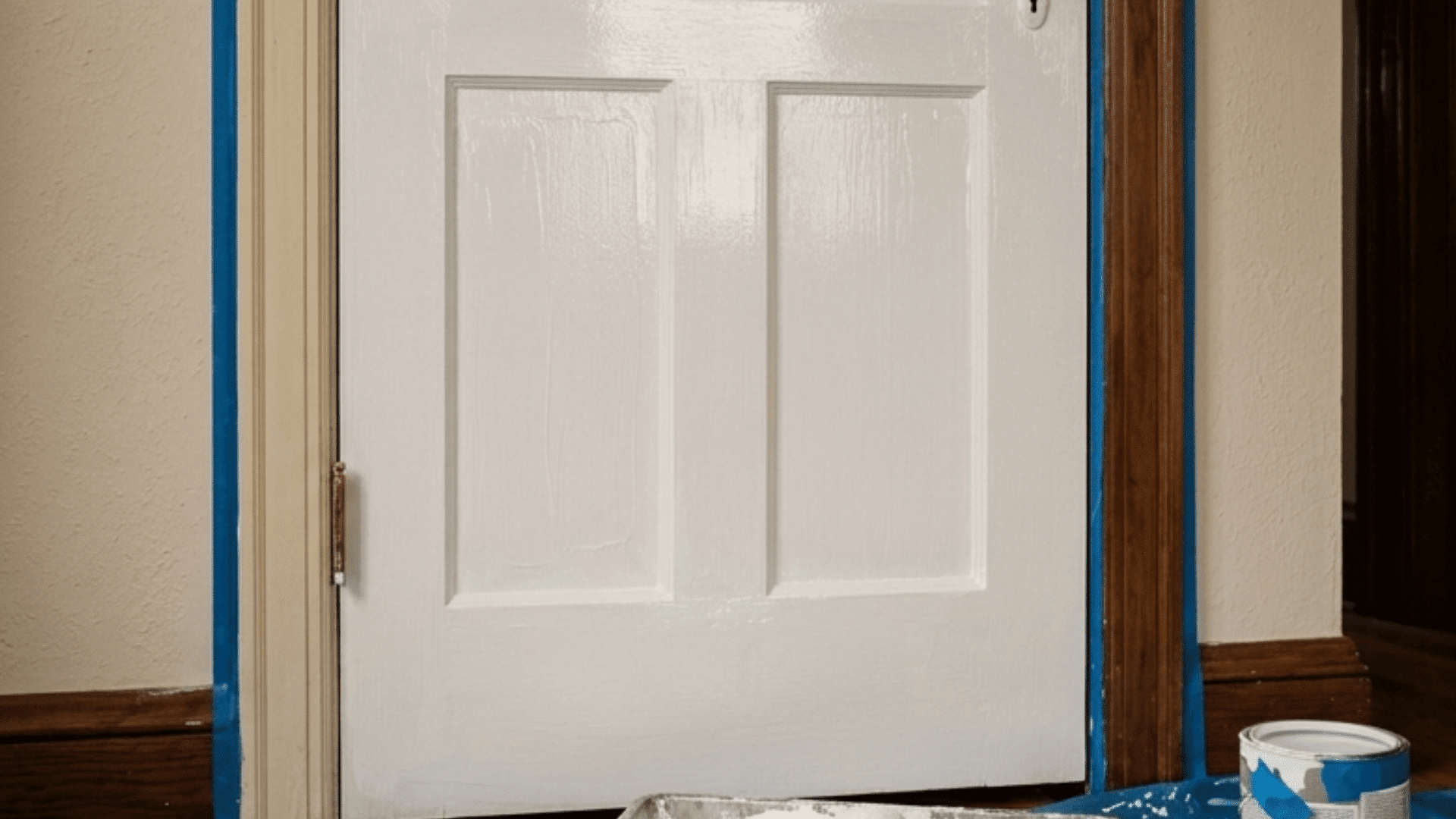
Begin painting with the recessed panels first, then move to the flat areas. Follow the direction of the surface pattern for a clean look. Use light, even strokes and avoid overloading the brush or roller.
Apply the first coat and let it dry fully before adding a second coat. Two thin coats give better coverage than one thick coat. Check for drips or uneven areas as the paint goes on.
This step creates the final color and overall appearance of the door.
Step 6: Dry And Reassemble
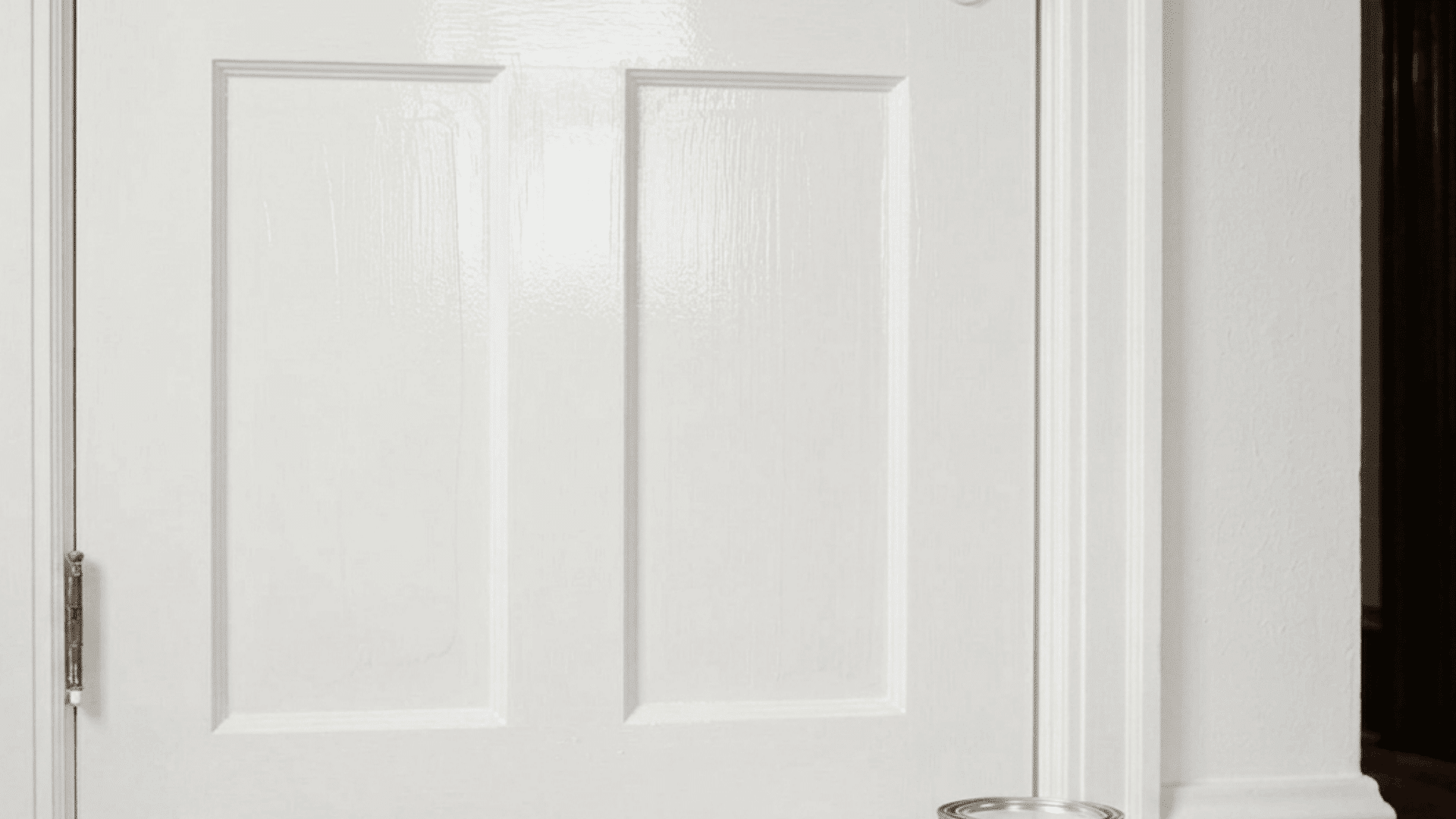
Allow the paint to dry fully before touching or closing the door. Carefully remove the painter’s tape while the paint is slightly soft to avoid peeling edges.
Once dry, reinstall the door handles and any removed parts. Let the paint cure for several days for the best strength and finish.
Avoid heavy use during this time. A proper drying and curing period helps prevent marks, chips, and sticking, ensuring the door looks smooth and lasts longer.
What Homeowners Say About the Best Paint for Interior Doors
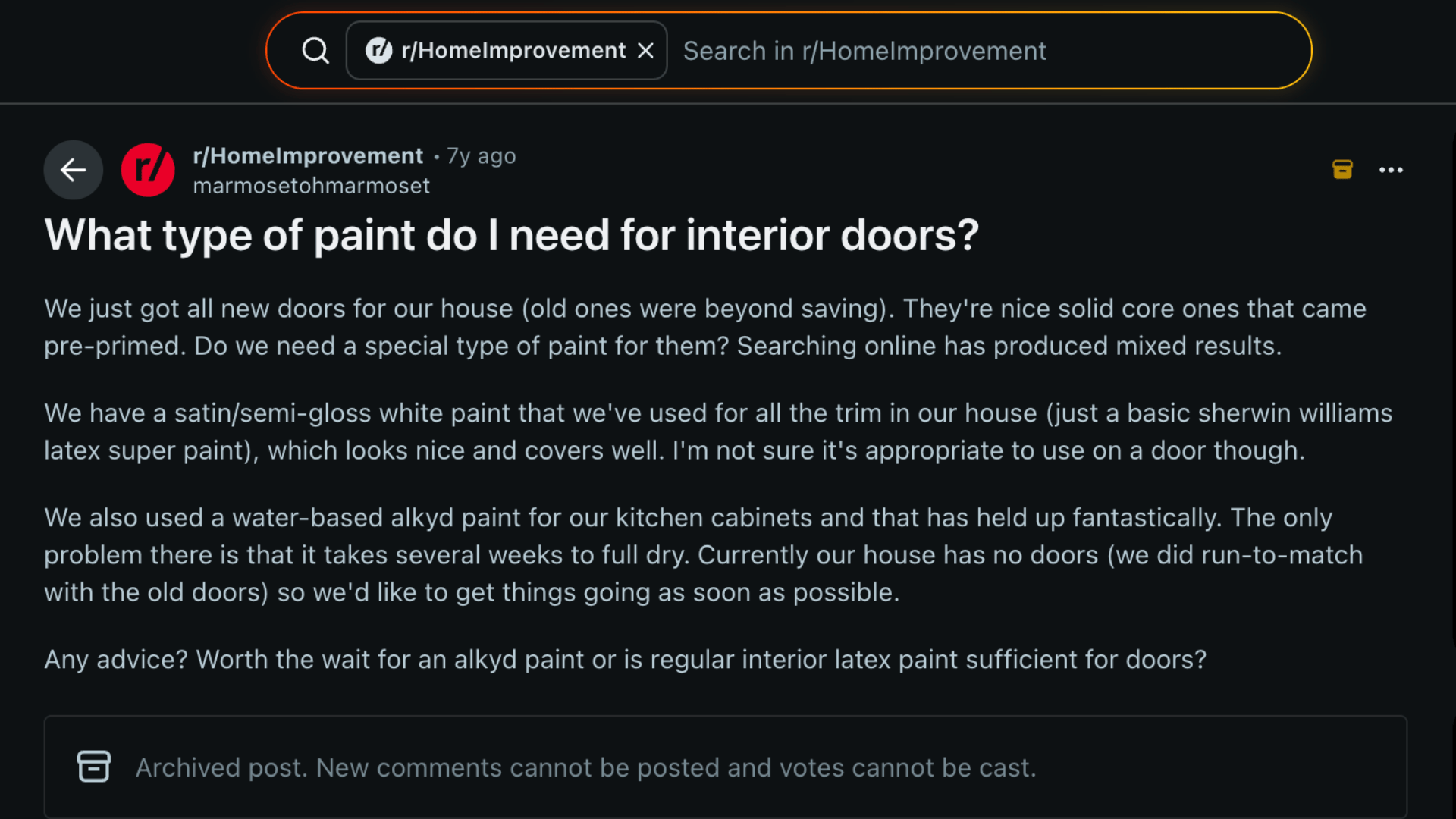
Homeowners on Reddit share simple, real-life advice based on daily use. Many suggest semi-gloss paint because it handles scratches, fingerprints, and cleaning better than flat finishes.
Satin is also mentioned for a softer look, though it may show marks more easily.
Water-based (latex) paint is a common choice because it dries quickly and has less odor. Some users still prefer oil-based paint for a harder, longer-lasting finish, especially on high-traffic doors.
Preparation is often highlighted as the most important step. Light sanding, proper priming, and using a smooth roller or brush help achieve a clean, even finish.
These shared tips focus on durability, ease of maintenance, and a neat final look.
Common Mistakes to Avoid When Using Wall Paint on Doors
Using wall paint on doors can lead to poor results if small details are ignored. Paying attention to prep and technique helps you get a smooth, long-lasting finish.
- Skipping Primer: Primer helps paint stick better and prevents old colors or stains from showing through.
- Choosing the Wrong Finish: Doors need durable finishes, such as semi-gloss or gloss, for easy cleaning and better wear.
- Overloading Brush or Roller: Too much paint causes drips, streaks, and uneven layers that ruin the final look.
At the End
In the end, I always remind people that painting interior doors is not just about color. It’s about choosing something that can handle daily use and still look good over time.
From what I’ve seen, the right paint and finish can make a big difference in how long your doors stay clean and smooth.
Taking a little extra time to prep the surface, use a good primer, and apply even coats really pays off. It helps avoid peeling, marks, and uneven results later.
If you follow these simple steps and pick a reliable paint, your doors can look fresh for years without constant touch-ups.
If you’re planning to paint your doors soon, I’d love to hear about it. Share your experience or questions in the comments so others can learn from you, too!
Frequently Asked Questions
How Many Coats of Paint are Needed For Interior Doors?
Two coats are usually enough for even coverage. Dark colors or major color changes may need a third coat for a smooth, solid finish.
Can Interior Doors be Painted Without Removing Them?
Yes, doors can be painted in place. Proper taping and protecting nearby areas help prevent mess and ensure clean edges.
How Long Should Paint Cure Before Regular Use?
Paint may feel dry in hours, but full curing takes several days. Avoid heavy use during this time to prevent marks or damage.
What Tools Give the Smoothest Finish on Doors?
A foam roller or high-quality brush helps create a smooth surface. Using both together can reduce streaks and improve overall finish quality.
Is it Better to Paint Doors Lighter or Darker than Walls?
Both work well depending on style. Lighter doors create a soft look, while darker doors add contrast and make spaces feel more defined.