

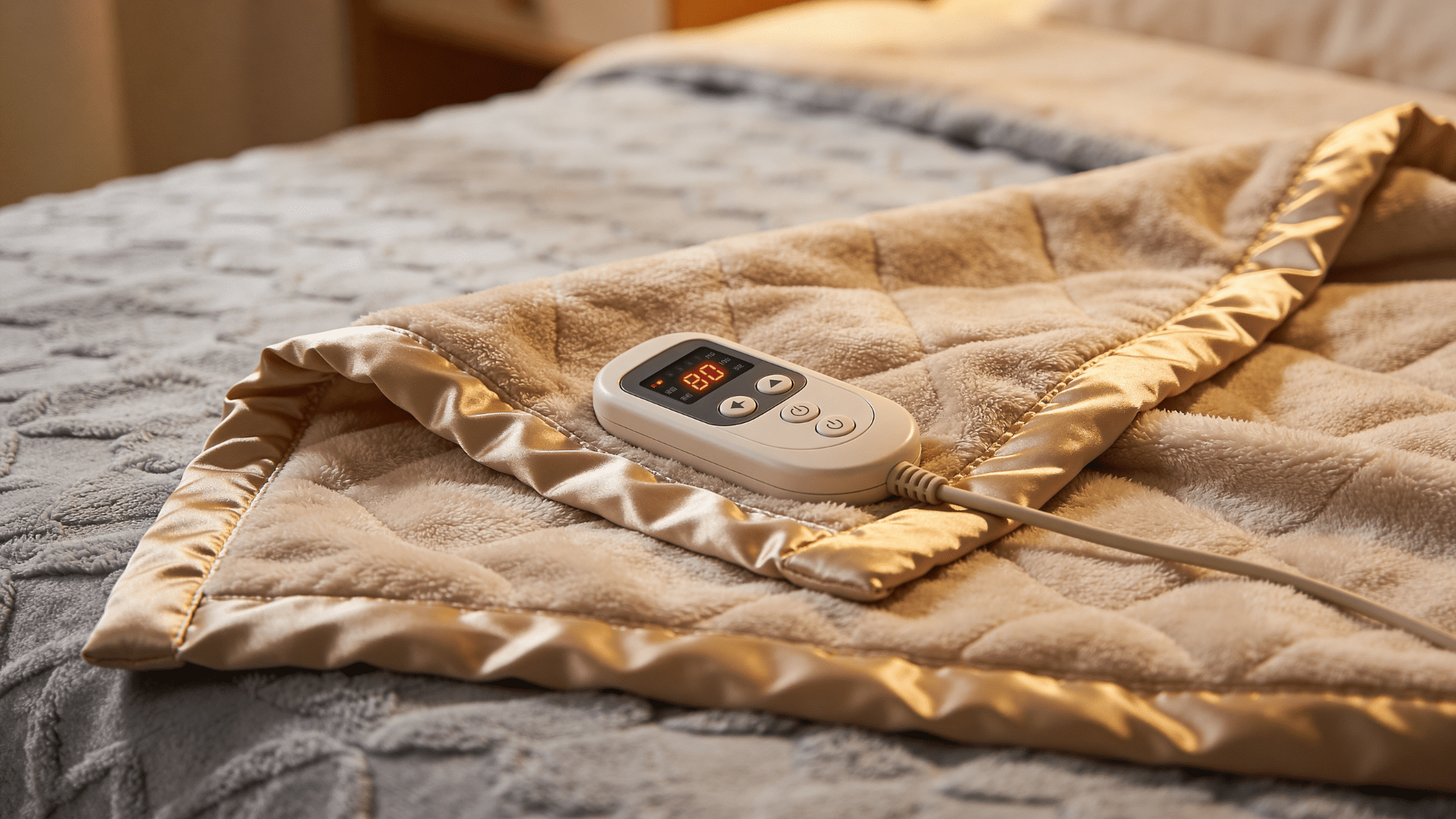
I washed my first electric blanket without reading the instructions. It turned out fine, but that was just luck. In many cases, one mistake can damage the wires or ruin the blanket.
If you want to wash an electric blanket safely at home, the process is simple.
You just need to follow a few basic steps to avoid damage.
In this article, I’ll share everything, from checking the care label and detaching the cord to choosing the right wash cycle and drying it properly.
I’ll also cover what to avoid so your blanket comes out clean and still works the way it should.
If this is your first time washing one or you just want to be sure you’re doing it the right way, by the end, you’ll know exactly what to do and feel confident handling it on your own.
Is It Safe to Wash a Heated Blanket?
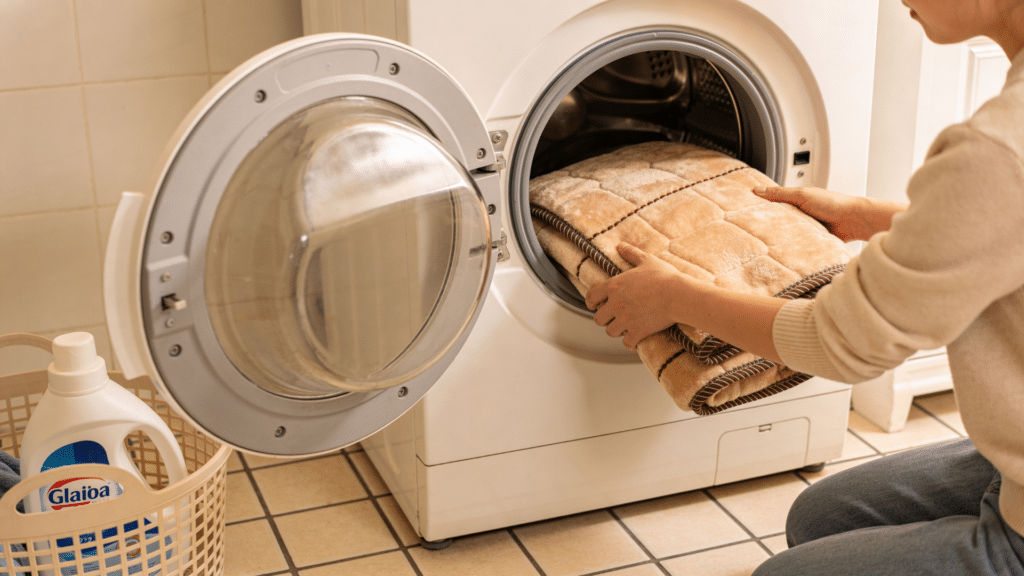
Yes, washing a heated blanket is generally safe, but only when done with care. Most modern electric blankets are built with protected wiring that can handle gentle cleaning.
Still, there is some risk if the blanket is damaged or washed incorrectly.
Water can damage the internal wires if the settings are too harsh or the blanket is worn.
Always unplug the blanket and remove all controllers before washing. It’s also important to check for frayed wires, burn marks, or loose connections.
Using mild detergent, cold water, and gentle cycles helps protect the blanket.
By following these simple safety steps, you can clean your heated blanket without worry and keep it in good working order.
Materials Required to Clean a Heated Blanket
Before you start washing your electric blanket, gather a few basic items. Having the right materials makes the process safer and easier.
How to Wash an Electric Blanket Properly?
Before you start, take a minute to get everything ready and read the care label. This helps you avoid mistakes and keeps your blanket safe during washing.
Step 1: Gather Supplies and Check the Label
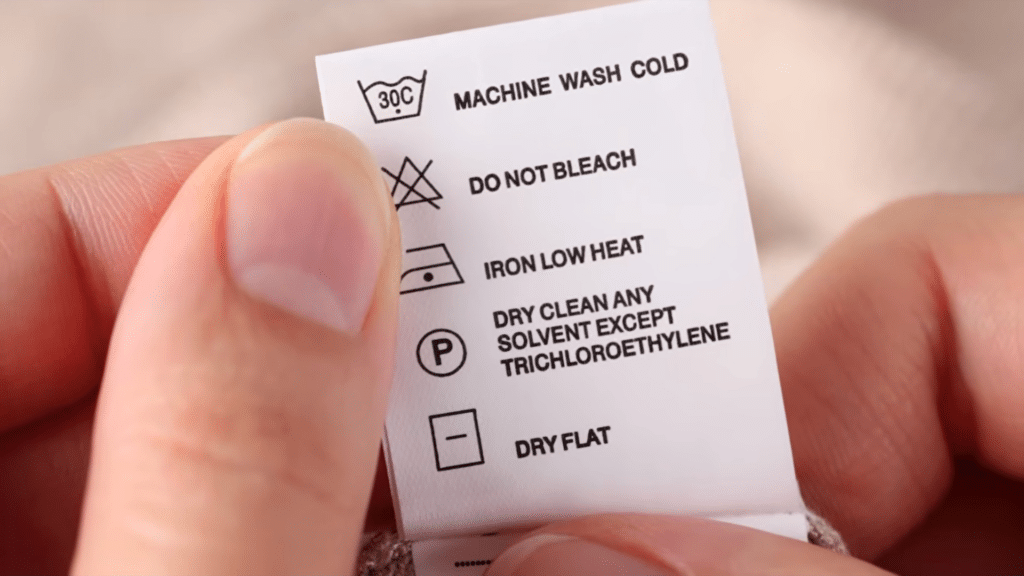
Before you start, make sure you have everything ready. You’ll need a mild detergent, a large washing machine (if using one), a soft brush, and a clean towel.
Just as important, always check the care label on your blanket.
Some heated blankets are machine washable, while others require hand washing. Following the manufacturer’s instructions helps you avoid mistakes.
Skipping this step can lead to damage, so take a minute to confirm what your blanket needs before moving forward with cleaning.
Step 2: Unplug and Inspect the Blanket
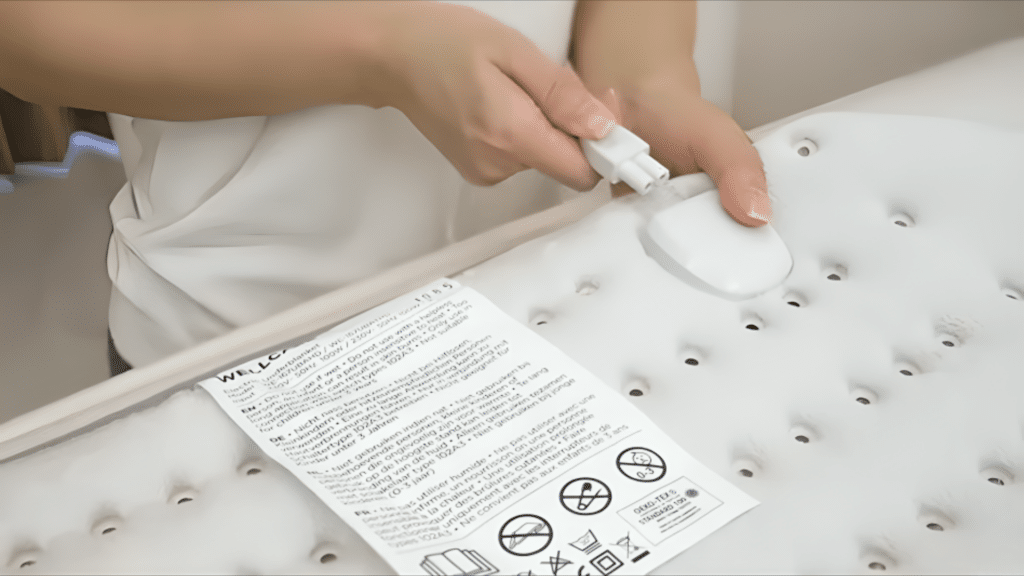
Safety comes first when dealing with anything electrical. Start by unplugging the blanket and removing the control cord completely.
This step prevents any risk during washing. Next, lay the blanket flat and inspect it closely. Look for stains, worn areas, or any signs of damage, such as loose wiring or burn marks.
If you notice stains, apply a small amount of mild detergent and gently scrub with a soft brush.
This pre-cleaning step helps remove dirt without stressing the blanket during washing.
Step 3: Machine Wash on Gentle Cycle
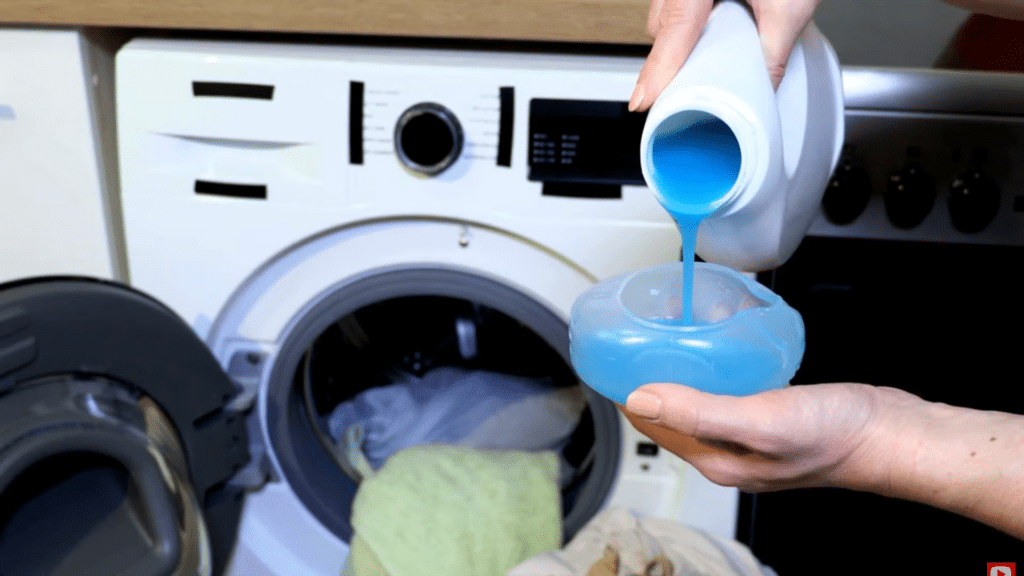
If your blanket is labeled as machine washable, place it in the washer carefully. Choose a gentle or delicate cycle with cold or lukewarm water.
Add only a small amount of mild detergent; too much soap can leave residue in the fabric.
Avoid using bleach or other strong chemicals, as they can damage both the fabric and the wiring. Let the machine run on a low-spin setting to reduce stress on the blanket.
Washing it gently helps maintain its structure and ensures the heating elements remain intact and safe for future use.
Step 4: Hand Wash for Extra Care
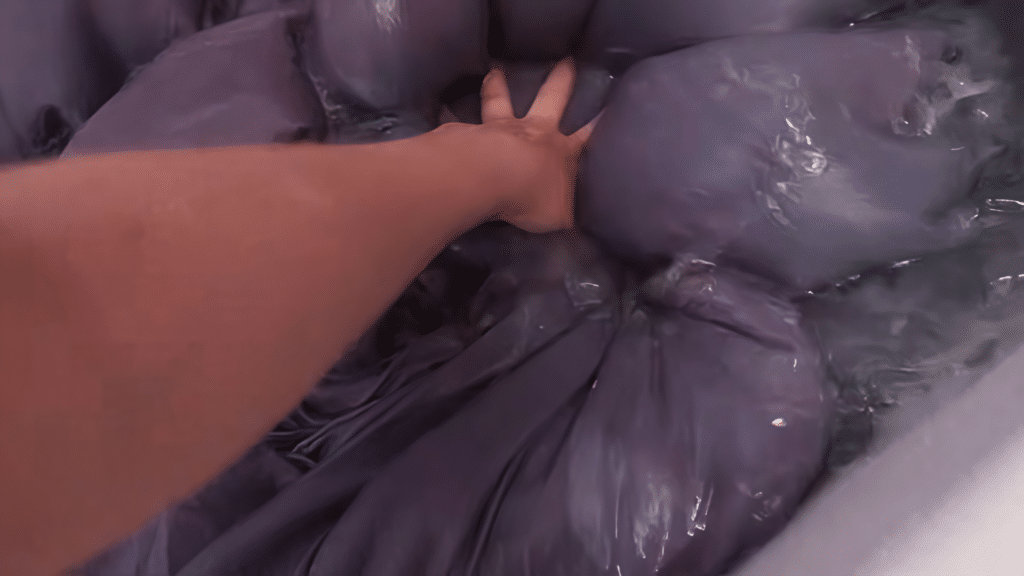
If machine washing isn’t recommended, hand washing is the safest option. Fill a bathtub or a large basin with cold water, then add a small amount of mild detergent.
Submerge the blanket fully and gently move it around in the water to clean it.
Avoid scrubbing harshly, wringing, or twisting the fabric, as this can damage the wires inside.
Once cleaned, rinse thoroughly with fresh water to remove all soap. This method may take more time, but it is very effective for protecting delicate heated blankets.
Step 5: Dry the Blanket Safely
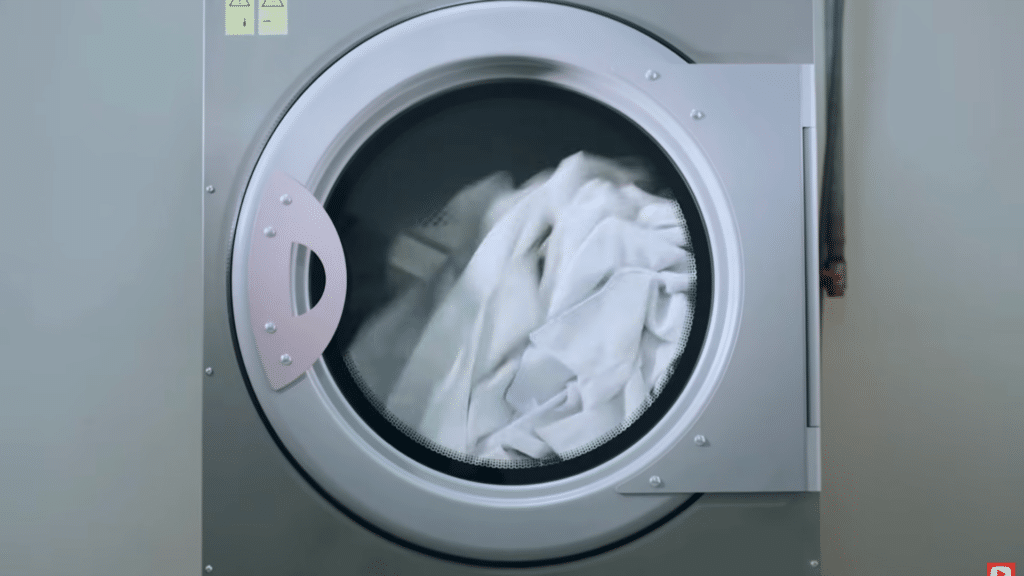
Drying is just as important as washing. If your blanket allows machine drying, use a low heat or air-dry setting for about 10–15 minutes to remove excess moisture.
After that, lay it flat on a towel or hang it evenly to finish drying. If the dryer is not recommended, air drying is the best choice.
Avoid hanging the blanket from one side, as this can stretch the wiring.
Rotate it occasionally to ensure even drying. Make sure the blanket is completely dry before using it again to prevent electrical issues.
Step 6: Reattach and Check Before Use
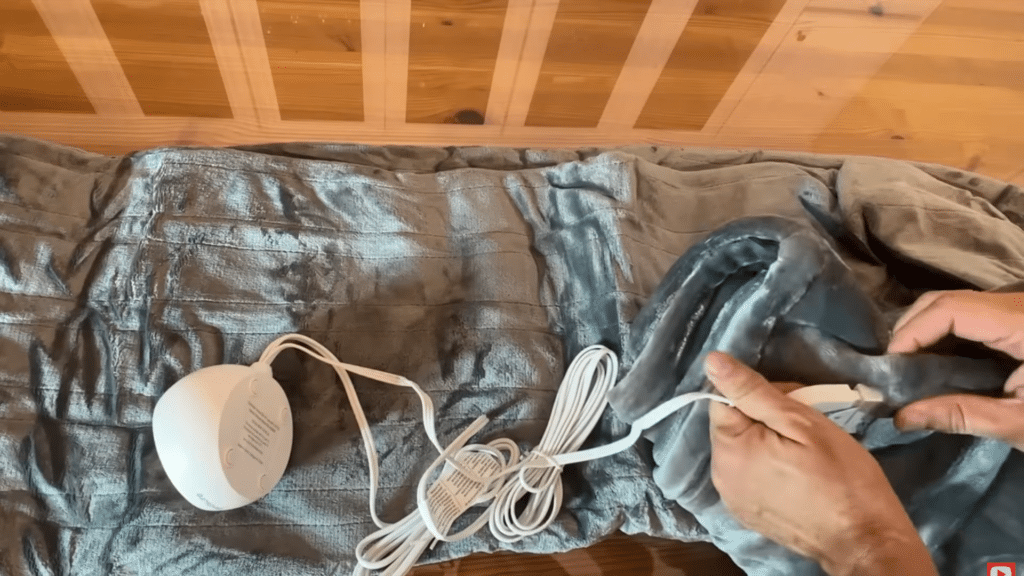
Once the blanket is fully dry, reconnect the control cord carefully. Before plugging it in, inspect the blanket again for any damage or unusual signs.
Check that all parts are secure and in good condition.
If everything looks fine, you can safely plug it back in and use it. If you plan to store the blanket, fold it loosely instead of tightly to avoid stressing the internal wires.
This final step ensures your blanket stays safe, functional, and ready to keep you warm whenever needed.
For a clearer view of each step, you can also watch the full video on How to House linked below. It shows the exact process in action, making it even easier to follow along.
How to Dry an Electric Blanket Properly?
Drying an electric blanket the right way is just as important as washing it. First, never twist or wring the blanket, as this can damage the wires inside.
Gently press out extra water using your hands or a towel.
You can air-dry it by laying it flat on a clean surface or hanging it over a line, but make sure it is fully supported so it doesn’t stretch.
If you use a dryer, choose low heat or no heat and run it for a short time only. High heat can harm the internal wiring. Take it out while it is still slightly damp and let it finish air drying.
Always check that the blanket is completely dry before plugging it back in. This keeps it safe and helps it last longer.
Tips for Spot-Cleaning an Electric Blanket
Spot cleaning works well for small spills and stains. It helps keep the blanket clean without putting stress on the wiring.
- Unplug Before Cleaning: Always remove the power cord first to avoid any risk while handling moisture.
- Act Quickly on Spills: Clean stains as soon as possible. Fresh stains are easier to remove and don’t settle into the fabric.
- Blot, Don’t Rub: Use a soft, absorbent cloth to gently dab the area. Rubbing can push the stain deeper and harm the wires.
- Use a Stain Remover: Apply a small amount of oxygen-based cleaner or mild detergent to lift the stain safely.
- Use a Clean Cloth to Absorb: After applying cleaner, blot again with a clean towel to remove dirt and extra moisture.
- Let It Air Dry: Allow the area to dry fully before using the blanket again to keep it safe and working properly.
How Often Should You Wash an Electric Blanket?
You don’t need to wash an electric blanket very often. In most cases, washing it 2 to 3 times a year is enough if you use it regularly.
If you spill something or notice dirt, clean it sooner. During colder months, check it every few weeks for stains or smells. Spot cleaning can help reduce full washes and protect the wiring.
If you use a cover or sheet over it, you can wash it less often. Always follow the care label, as some blankets have different limits.
Washing too often can wear out the fabric and affect the heating parts.
A simple routine helps keep your blanket clean while also making it last longer and work safely.
Common Mistakes to Avoid While Washing an Electric Blanket
Avoiding common mistakes is just as important as following the right steps. These errors can damage your electric blanket or create safety risks.
- Do Not Use Bleach: Harsh chemicals can weaken the fabric and harm the internal wiring.
- Do Not Wring or Twist: This can break or shift the wires inside the blanket.
- Do Not Use High Heat: Excess heat can damage electrical components and reduce lifespan.
- Do Not Dry Clean: Chemicals used in dry cleaning are not safe for heated blankets.
- Do Not Wash While Plugged In: Always unplug to avoid serious electrical hazards.
How to Keep Your Electric Blanket Clean for Longer?
Simple habits can help keep your blanket fresh and reduce stains. These steps also lower the need for frequent washing and protect it over time.
1. Use a Top Sheet
Using a top sheet is one of the easiest ways to keep your electric blanket clean. I always place a light sheet between me and the blanket to block sweat, body oils, and dust.
This simple layer takes most of the dirt, so the blanket stays fresh longer.
It also reduces how often you need to wash it.
Make sure the sheet is clean and changed regularly. This small habit can protect both the fabric and the wiring inside over time.
2. Avoid Eating in Bed
Eating in bed may feel comfortable, but it can quickly make your blanket dirty. Crumbs, spills, and stains can settle into the fabric and become hard to remove.
Try to keep food away from the bed to avoid this problem.
Even small spills can soak into the blanket and affect the wiring inside.
If you do eat in bed, be extra careful and clean any spills right away. Keeping food away helps your blanket stay clean and last longer.
3. Keep Pets Away
Pets can bring dirt, hair, and even moisture onto your electric blanket. I’ve noticed that pet fur sticks easily to the fabric and is not always easy to remove.
Claws can also damage the blanket and affect the wires inside.
To avoid this, try to keep pets off the bed or use a separate cover for them.
This helps protect the blanket from damage and keeps it cleaner for longer use. It also reduces the need for frequent cleaning.
4. Wash Bedding Often
Clean bedding plays a big role in keeping your electric blanket fresh. Make sure to wash your sheets and pillow covers regularly, as they collect sweat, oils, and dust.
If bedding is dirty, it can transfer that dirt to the blanket underneath. Washing sheets once a week helps reduce this buildup.
It also keeps your sleeping area clean and comfortable.
By keeping your bedding fresh, you protect the blanket and avoid extra cleaning work later.
5. Handle with Clean Hands
Handling your electric blanket with clean hands can make a big difference over time. Dirt, oil, and sweat from your hands can slowly build up on the fabric.
Try to touch the blanket only after washing your hands, especially before setting it up.
This helps keep it cleaner for longer.
Even small amounts of dirt can add up with daily use. Keeping your hands clean before use is a simple way to protect the blanket and maintain its condition.
6. Store It Properly
Proper storage helps keep your electric blanket clean when it is not in use. Always store in a dry and clean place to avoid dust and moisture buildup.
Fold it loosely instead of tightly to prevent stress on the wires inside. Avoid placing heavy items on top of it during storage. You can also use a storage bag to keep it protected.
Good storage habits help maintain the blanket’s shape, keep it clean, and make sure it stays safe for future use.
Signs Your Electric Blanket Should Not Be Washed
Sometimes washing your electric blanket is unsafe and can make the problem worse. Knowing these warning signs can help you avoid damage and stay safe.
| Sign | What It Means |
|---|---|
| Frayed or Exposed Wires | The internal wiring is damaged and could pose an electrical risk if washed. |
| Burn Marks or Scorching | Indicates overheating issues that may worsen with washing. |
| Faulty Heating | Uneven or no heat suggests internal damage that water could worsen. |
| Loose Connections | Damaged connectors may fail completely after washing. |
| Strange Smell During Use | Could signal electrical problems that require replacement, not cleaning. |
Tips for Maintaining an Electric Blanket
Taking a few extra precautions can help your electric blanket last longer and stay safe. Simple habits can prevent damage and keep it working properly over time.
- Store Loosely: Fold it gently, avoiding sharp creases, to protect the internal wiring. Avoid tight folding during storage.
- Avoid Frequent Washing: Wash only when necessary to reduce wear on the wiring and fabric.
- Inspect Before Use: Check for signs of damage, such as loose wires or burns, before turning it on.
- Keep Controllers Dry: Always protect the control unit from moisture to prevent electrical issues.
- Do Not Sit or Fold Tightly: Avoid applying pressure to the blanket, as this can damage the wires inside.
Conclusion
Cleaning a heated blanket may seem confusing at first, but it becomes simple once you know the steps.
Washing it the right way helps protect both the fabric and the internal wiring. Always begin with basic safety steps, such as unplugging the blanket and checking for any visible damage.
Use gentle washing methods, mild detergent, and avoid harsh settings that can harm the wires.
Drying is just as important; low heat and proper air drying help prevent electrical issues. It’s also smart to avoid common mistakes, such as twisting, wringing, or using strong chemicals.
With regular care and attention, your electric blanket will stay clean, safe, and comfortable.
Taking these simple steps ensures you can enjoy warmth and peace of mind for a long time.
Frequently Asked Questions
Can You Use Fabric Softener on an Electric Blanket?
No, fabric softener can leave a coating that affects heat flow and fabric quality. It’s safer to stick with a mild detergent only.
Is It Safe to Iron an Electric Blanket?
No, ironing can damage the internal wires due to high heat. This can make the blanket unsafe to use.
Can You Vacuum an Electric Blanket for Cleaning?
Yes, light vacuuming helps remove dust without washing. Use low suction and handle it gently to avoid damage.
What Type of Detergent Is Best for Electric Blankets?
A mild detergent is the best choice for safe cleaning. It protects both the fabric and internal wiring.
Can You Steam Clean an Electric Blanket?
No, steam cleaning is not safe due to heat and moisture. It can damage the wiring and cause safety issues.