

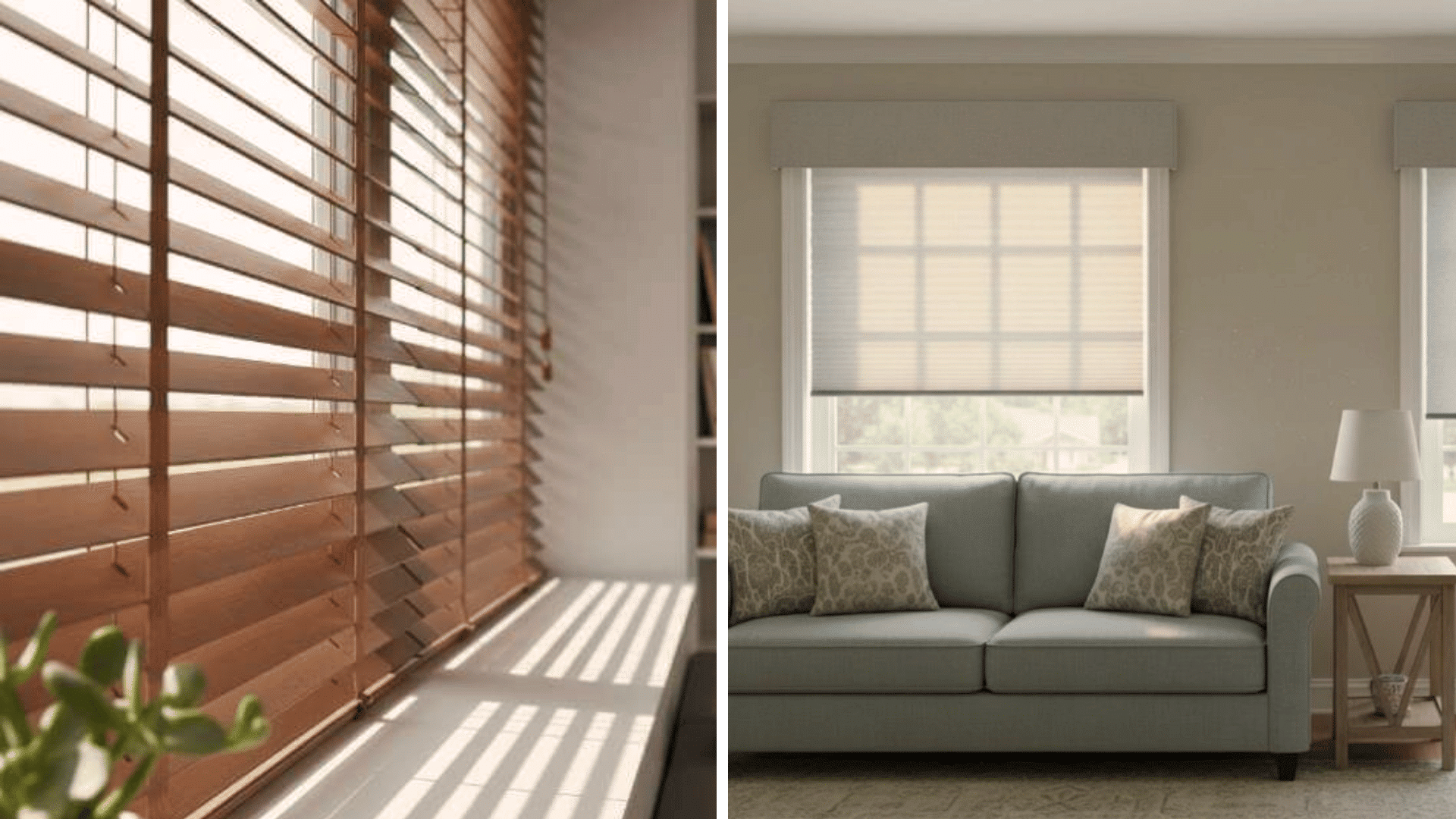
Cellular shades and blinds are two of the most popular window coverings, but they serve different needs.
Cellular shades offer better insulation and a softer look, while blinds provide durable, flexible light control at a lower upfront cost.
The right choice depends on your room, budget, and how much privacy and temperature control you need.
Having consulted on window treatments across dozens of residential projects over 15 years, I find this comparison comes down to one core question: do you want your windows to work harder on comfort, or on light control?
Both options have their own benefits. Looking at the key differences in design, insulation, maintenance, and cost often makes the decision easier.
What Are Cellular Shades and How Do They Work?
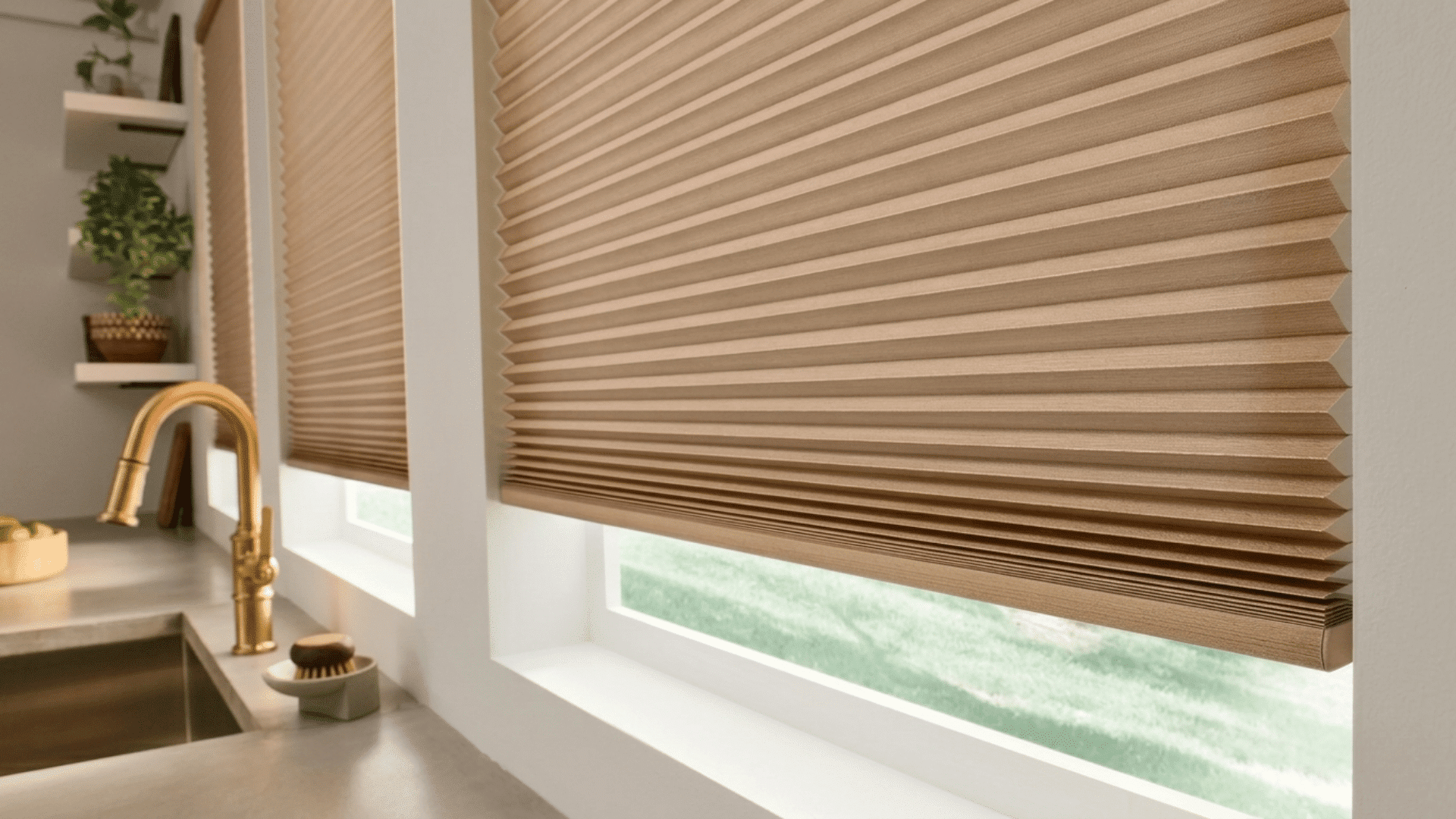
Cellular shades are a fabric window covering designed with small pockets that form a honeycomb pattern. These pockets trap air inside the shade, helping control temperature near the window and improve room comfort.
The shade lifts with a corded, cordless, or motorized system and folds neatly at the top. When lowered, the fabric spreads smoothly across the window.
Cellular shades come in three main cell configurations: single cell, double cell, and triple cell. Single-cell shades are the most affordable and work well in mild climates.
Double-cell shades have two honeycomb layers, so they provide better insulation and work well in sunny or changing temperatures.
Triple-cell shades give the best insulation and help reduce noise, making them great for bedrooms or home offices. They also softly filter light while adding privacy.
What Are Window Blinds and How Do They Work?
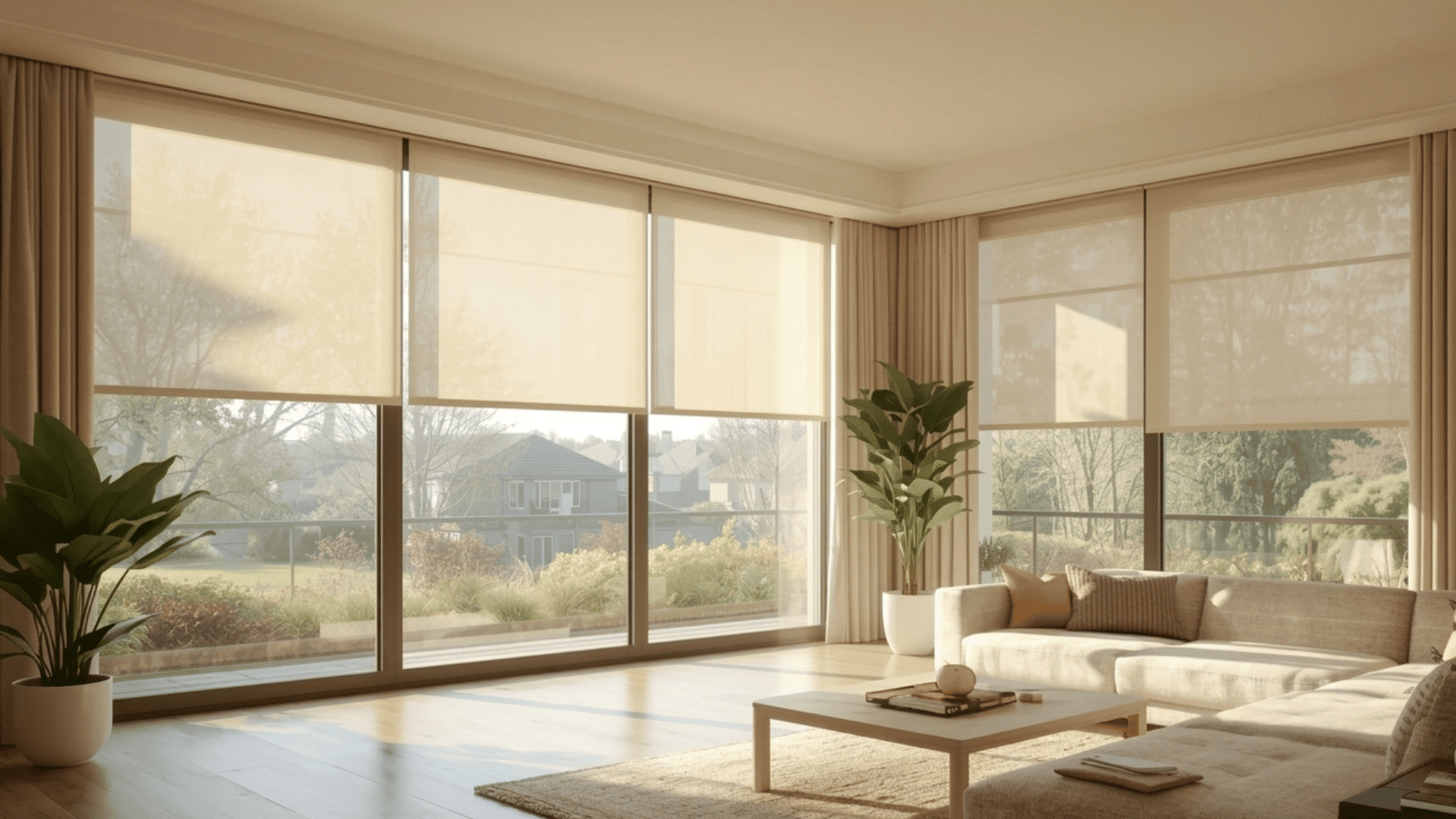
Window blinds are a common type of window covering made from horizontal or vertical slats. These slats can be tilted, raised, or lowered to control how much light enters a room.
Blinds are usually made from materials like wood, faux wood, aluminum, or vinyl, which gives homeowners several style options.
Most blinds use a simple mechanism with a cord, wand, or cordless system. The slats can rotate open to allow light in or close tightly to block it. When the blinds are raised, they stack together at the top of the window.
The adjustable slats are the main feature that makes blinds different from shades. This design allows users to control the light without fully lifting the covering.
Blinds work well in many rooms, including kitchens, offices, and bathrooms. They are often chosen for their durability, ease of cleaning, and flexible light control throughout the day.
Cellular Shades vs Blinds: Design and Appearance Differences
The way a window covering looks can change the overall feel of a room. Cellular shades and blinds have very different designs, which is why many homeowners compare them before choosing.
| Feature | Cellular Shades | Window Blinds |
|---|---|---|
| Overall Look | Soft fabric surface that gives windows a smooth and simple appearance | Structured design with visible slats |
| Style Feel | Creates a calm and minimal look in a room | Gives a more practical and defined look |
| Material | Usually made from fabric with a honeycomb structure | Made from wood, faux wood, aluminum, or vinyl |
| Visual Impact | Blends easily with soft or modern interior styles | Works well in functional spaces like kitchens and offices |
| Window Coverage | Appears as one continuous surface when closed | Individual slats remain visible even when closed |
Cellular Shades vs Blinds: Insulation and Energy Efficiency
Energy efficiency is one area where cellular shades and blinds perform differently. Windows often allow heat to enter during summer and escape during winter.
How Cellular Shades Insulate?
Cellular shades use their honeycomb cell structure to trap a layer of air between the window glass and the room. This acts as a thermal buffer.
Double- and triple-cell configurations increase that effect.
In several renovation projects I have worked on, switching single-pane windows to double-pane windows produced a noticeable improvement in comfort during winter months without any changes to the HVAC system.
For rooms where heating and cooling costs are a concern, this is one of the strongest arguments for cellular shades.
How Blinds Handle Temperature?
Blinds do not have this insulation structure. They mainly control light rather than temperature.
Blinds can block sunlight when fully closed, which helps reduce heat gain from direct sun exposure. But they do not trap air or reduce heat transfer the way cellular shades do.
For rooms where temperature control is not a priority, this limitation is rarely a problem.
For rooms facing south or west, the difference in comfort over time becomes more noticeable.
Cellular Shades vs Blinds: Light Control and Privacy Features
Light control is one of the main reasons people install window coverings. Both cellular shades and blinds help manage sunlight, but they do it in different ways.
The design of each option affects how much light enters the room and how much privacy you get.
Cellular shades control light by raising or lowering the fabric over the window. Some styles filter soft light, while others are made to block most light completely.
Cellular shades usually provide more consistent privacy because the fabric fully covers the window. When closed, people outside cannot easily see inside.
Blinds work differently. The slats can tilt open or closed, which allows you to adjust light levels without raising the blinds.
Blinds offer flexible light control because the slats can be angled throughout the day. However, small gaps between the slats may still allow some visibility from outside.
Child and Pet Safety Considerations
Safety is a factor that does not come up often enough in window covering comparisons, but it matters significantly for families with young children or pets.
Corded blinds and shades have been flagged as a strangulation risk for small children.
The U.S. Consumer Product Safety Commission recommends cordless or motorized window coverings in any room accessible to children.
Both cellular shades and blinds are widely available in cordless and motorized versions.
If you have young children at home, I would not install a corded product in any room they use regularly, regardless of which style you choose.
Durability and Maintenance Requirements
Durability and maintenance are important factors when selecting window coverings. Some options handle daily use better and are easier to clean.
Maintaining Cellular Shades
Cellular shades are made from fabric that forms honeycomb pockets. This material gives the shade a soft look and helps with insulation, but it also means the shade needs gentle care.
Dust can collect inside the cells, so cleaning often involves light vacuuming with a brush attachment.
Spot cleaning with a damp cloth works for minor marks, but the fabric structure should not be submerged in water or exposed to heavy moisture repeatedly.
Shades installed in sunny rooms tend to show fabric fading after several years, so UV-protective fabrics are worth specifying during selection.
Maintaining Window Blinds
Blinds are usually made from sturdier materials such as wood, faux wood, aluminum, or vinyl. These materials hold up well in busy areas and resist everyday wear.
Blinds are generally easier to maintain because the slats can be wiped clean with a cloth.
Faux wood blinds are the most low-maintenance option overall, since they resist moisture and warping better than real wood.
In kitchens and bathrooms, faux wood is almost always the better choice between the two materials.
Cost Differences and Budget Considerations
Price is often one of the main factors when choosing between cellular shades and blinds. The cost can vary depending on size, material, brand, and special features like cordless or motorized systems.
| Factor | Cellular Shades | Window Blinds |
|---|---|---|
| Typical Starting Price | $40–$80+ per window (single cell); more for double/triple cell | $20–$50+ per window for standard faux wood or aluminum |
| Material Options | Fabric with single, double, or triple cell construction | Wood, faux wood, aluminum, or vinyl |
| Installation Cost | May cost more if custom-sized or motorized | Generally simpler and cheaper to install |
| Long Term Value | Better insulation can help reduce energy costs over time | Lower upfront price but less energy efficiency |
| Budget Flexibility | Custom options can increase the total price | Wide price range available for different budgets |
Installation: DIY or Professional?
Both cellular shades and blinds can be installed as DIY projects with simple tools and basic measuring skills.
Most brands include clear instructions for inside or outside mounting, making the process manageable for many homeowners.
Motorized or smart home versions can be more difficult because they may need wiring, app setup, or hub connections.
For large windows or custom layouts, professional installation can help avoid uneven fitting or operating problems.
A proper fit is important because gaps around the edges can reduce privacy, insulation, and light control.
In my experience, hiring a professional for bigger or more advanced window treatments often saves time and helps the shades or blinds perform better over the long term.
Best Rooms for Cellular Shades and Window Blinds
The right window covering depends on how you use the room each day. Light control, privacy, insulation, and style all play a part in choosing the best option.
| Room | Cellular Shades | Window Blinds |
|---|---|---|
| Bedroom | Great for insulation, privacy, and blocking outside noise | Good for adjustable light control and easy cleaning |
| Living Room | Helps keep the room comfortable in hot or cold weather | Works well for modern looks and flexible lighting |
| Home Office | Reduces glare and improves comfort during work hours | Let’s you control sunlight while keeping the room bright |
| Kitchen | Good for temperature control near sunny windows | Easy to wipe clean and works well in busy spaces |
| Bathroom | Provides privacy and soft filtered light | Moisture-resistant options like faux wood work well |
| Nursery | Helps darken the room and reduce outside noise | Simple light adjustment for daytime naps |
| Dining Room | Adds a soft and clean look with better insulation | Creates a classic style with adjustable slats |
| Sunroom | Helps reduce heat and glare from large windows | Allows airflow and light adjustment throughout the day |
Conclusion
Cellular shades and blinds each do their job well, but they suit different rooms and priorities. Cellular shades are the stronger choice when insulation, noise reduction, and a softer look are important.
Blinds are the practical choice when durability, easy cleaning, and flexible light adjustment matter more.
My general rule is simple: use cellular shades in bedrooms and living spaces, and use blinds in kitchens, bathrooms, and any room with high moisture or heavy daily use.
Think about how the space is actually used before making a final decision.
The upfront price difference is real, but so is the long-term comfort difference in the rooms where you spend the most time.
Frequently Asked Questions
Do Cellular Shades Work Well in Humid Areas?
They are not the best choice for humid spaces because moisture can affect the fabric and reduce durability over time.
Are Blinds Easier to Repair than Shades?
Yes, blinds are usually easier to repair because damaged slats can often be replaced without changing the full window covering.
What Is the Difference Between Single and Double Cell Shades?
Single-cell shades have one honeycomb layer, while double-cell shades add better insulation and noise reduction for improved comfort.
Are Cordless Options Safer for Homes with Children?
Yes, cordless and motorized designs are safer because they remove hanging cords that may create risks for young children.
Which Is Easier to Install, Cellular Shades or Blinds?
Both are simple for standard windows, but larger or motorized setups may need professional installation for the best fit and operation.