

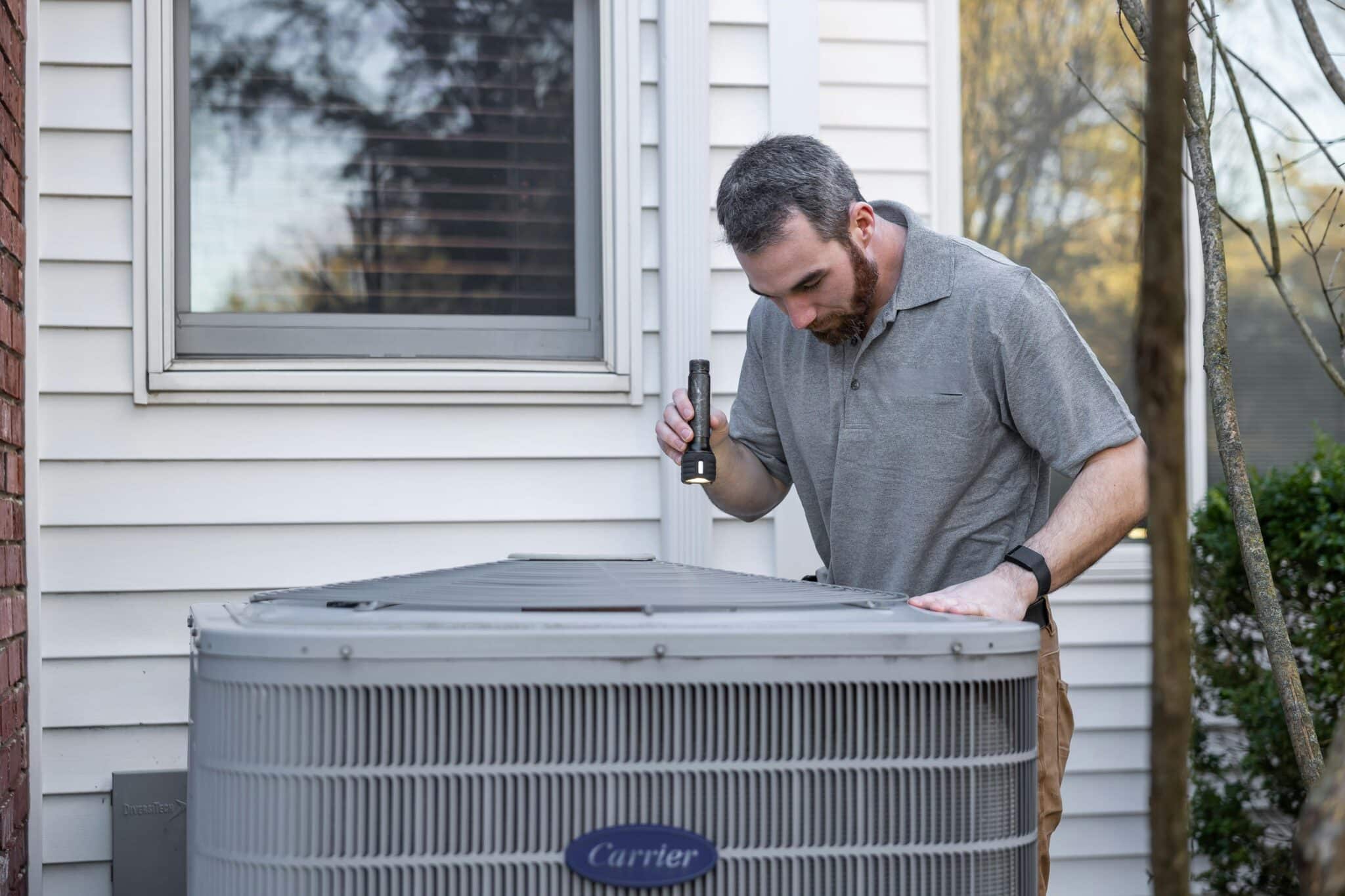
As summer approaches, your air conditioner becomes one of the most important systems in your home. Before temperatures rise, it is smart to make sure your cooling system is working properly. Small AC problems can quickly turn into expensive breakdowns if they are ignored.
Homeowners who want reliable comfort should schedule service early with trusted HVAC professionals like Grove Heating and Cooling. Getting your air conditioner inspected before peak summer demand can help you avoid emergency repairs, poor cooling, and higher energy bills.
1. Your AC Is Blowing Warm Air
One of the most obvious signs your air conditioner needs repair is warm air coming from the vents. If your thermostat is set to cool but the air feels lukewarm or hot, something is wrong.
This issue may be caused by low refrigerant, a dirty air filter, frozen evaporator coils, compressor problems, or restricted airflow. Sometimes, the problem is as simple as an incorrect thermostat setting. However, if you have checked the thermostat and the system still does not cool, it is time to call an HVAC technician.
Warm air should never be ignored before summer. Once outdoor temperatures climb, your system will have to work even harder, which can make the problem worse.
2. Weak Airflow From the Vents
Weak airflow is another warning sign that your air conditioner may need professional attention. If some rooms feel cool while others remain warm, or if the air coming from your vents feels weak, your system may not be circulating air properly.
Common causes include clogged filters, blocked ductwork, blower motor issues, or dirty coils. Poor airflow can reduce comfort and force your AC to run longer than necessary. This can increase wear and tear on the system.
Before summer starts, replace your air filter and make sure vents are open and unblocked. If airflow is still weak, schedule an inspection to find the underlying problem.
3. Strange Noises Coming From the Unit
Air conditioners are not completely silent, but they should not make loud or unusual noises. Banging, grinding, squealing, buzzing, rattling, or clicking sounds can all point to mechanical or electrical problems.
A banging sound may mean a loose or broken part inside the compressor. Squealing could indicate a belt or motor issue. Buzzing may suggest electrical trouble or loose components. Rattling can happen when parts are worn, debris is inside the unit, or panels are loose.
Unusual sounds often get worse over time. Having them checked early can prevent a minor repair from turning into a major system failure.
4. Unpleasant Odors When the AC Runs
Bad smells from your air conditioner are more than just unpleasant. They can also signal problems inside your HVAC system.
A musty odor may indicate mold or mildew growth in the ducts, drain line, or evaporator coil. A burning smell could point to overheating electrical components or wiring issues. If you notice a strong burning odor, turn off the system and call a professional right away.
Clean indoor air matters, especially during summer when your home is closed up and the AC runs frequently. Addressing odors early can improve both comfort and air quality.
5. Higher Energy Bills Than Usual
If your energy bills are rising even though your cooling habits have not changed, your air conditioner may be working harder than it should. An inefficient system often uses more energy to deliver the same level of comfort.
This can happen because of dirty coils, low refrigerant, clogged filters, failing parts, leaking ductwork, or an aging system. When your AC struggles, it runs longer cycles and consumes more electricity.
A repair or tune-up before summer can help restore efficiency. Even a small issue, such as a dirty air filter or low refrigerant level, can make a noticeable difference in performance.
6. Frequent Cycling On and Off
Your air conditioner should run in steady cooling cycles. If it turns on and off too frequently, this is known as short cycling. Short cycling can place extra stress on your system and prevent your home from cooling evenly.
Possible causes include an oversized AC unit, a dirty air filter, thermostat problems, low refrigerant, frozen coils, or electrical issues. Short cycling is not only bad for comfort; it can also shorten the lifespan of your equipment.
Before summer, pay attention to how often your system starts and stops. If it seems to cycle constantly, a technician can diagnose the cause and recommend the right repair.
7. Moisture or Leaks Around the AC Unit
Moisture around your air conditioner should never be ignored. Some condensation is normal, but pooling water, leaks, or ice buildup can signal a problem.
Water leaks may be caused by a clogged condensate drain line, a damaged drain pan, or frozen coils. Refrigerant leaks are more serious and can affect cooling performance, energy efficiency, and system safety.
If you see water near the indoor unit or ice forming on the refrigerant lines, turn off the system and contact an HVAC professional. Fixing the issue before summer can prevent water damage and costly repairs.
Why You Should Schedule AC Repairs Before Summer
Waiting until the hottest days of the year to fix your air conditioner can lead to long wait times, emergency service costs, and uncomfortable indoor temperatures. HVAC companies are often busiest during heat waves, when many homeowners discover their systems are not working properly.
Scheduling repairs in spring gives you more flexibility and peace of mind. It also helps your technician catch problems before your AC is under heavy seasonal demand.
Early repairs can improve cooling performance, lower energy costs, extend system life, and reduce the risk of a sudden breakdown.
Final Thoughts
Your air conditioner works hard to keep your home comfortable during summer. If you notice warm air, weak airflow, strange noises, bad smells, rising energy bills, frequent cycling, or leaks, do not wait until the problem gets worse.
Taking care of AC repairs before summer helps protect your comfort, your budget, and your HVAC system. A professional inspection can identify small issues early and keep your cooling system ready for the season ahead.