

Several home improvement projects generate a substantial return on investment (ROI) for rental homes. But just because a project generates a great return in general doesn’t mean it will do so for you. To truly maximize ROI, you need to select the right projects based on the specific needs of your target renters. Below are several ways to create ROI-generating improvements, along with a few projects worth avoiding.
Create Curb Appeal
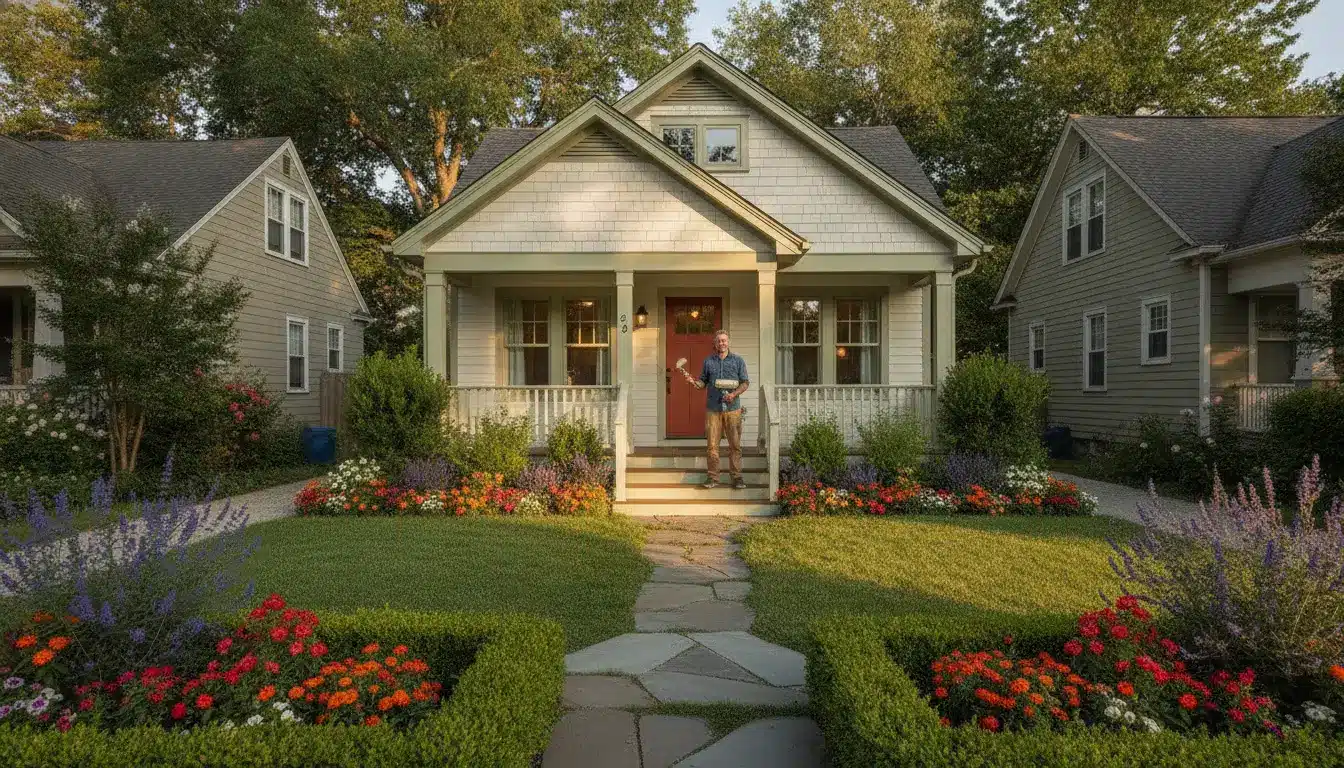
Curb appeal is the first impression a potential tenant gets of your rental home. The condition of your yard and exterior walls, along with functional light fixtures and a fresh coat of paint, will immediately shape a prospective tenant’s view of the property — favorably or unfavorably. Both of these improvements are low-cost, yet they deliver an outsized ROI when it comes to attracting quality tenants.
Update Kitchen and Bathroom Fixtures
Tenants evaluate kitchens and bathrooms first. They want to know whether the appliances feel modern and whether the cabinets look freshly maintained. While a complete kitchen or bathroom remodel may not be feasible for a rental property owner, a few minor updates can meaningfully enhance these spaces:
- Replace outdated faucets
- Update cabinet hardware
- Add LED lighting under the sink and around windows
- Paint the ceiling white
- Install new mirrors
These small updates increase the overall attractiveness of a kitchen or bathroom while keeping your investment limited.
Flooring Updates
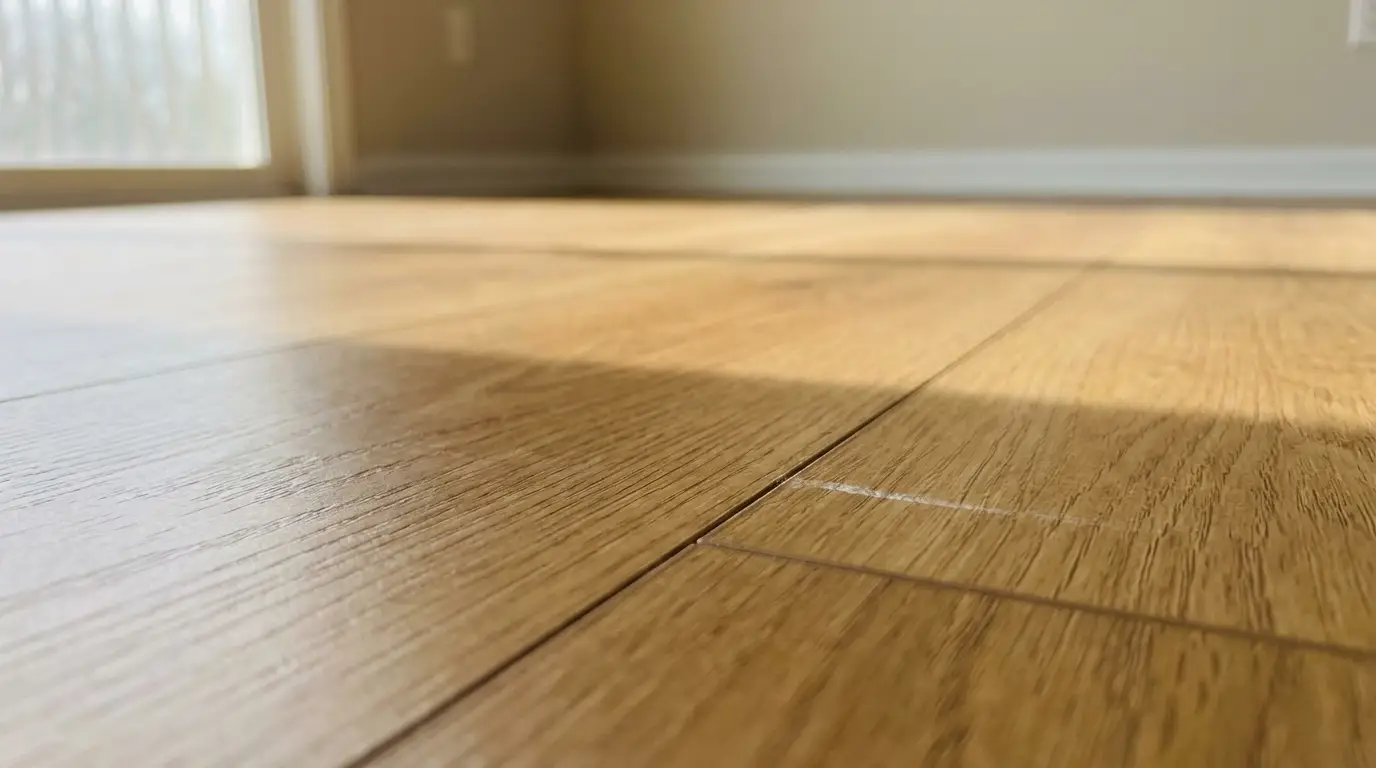
If carpeted floors are old, damaged, or stained, consider replacing them with durable luxury vinyl plank (LVP) flooring. LVP delivers the same aesthetic value as hardwood or ceramic tile at a much lower cost. It’s also easier to clean, more resistant to damage, and longer-lasting than traditional carpet.
Energy-Efficient Upgrades
Replacing outdated light bulbs with energy-efficient ones, adding programmable thermostats, and upgrading weatherstripping all contribute to a positive ROI. All three upgrades are affordable, and more importantly, they save money on utilities while doubling as strong marketing points in your rental listings.
Minor Bathroom Refreshes
You don’t have to spend a fortune to update a bathroom. Painting the walls a neutral color, replacing an old vanity, and installing new fixtures can meaningfully improve a bathroom’s overall appearance — and are likely to deliver a high ROI relative to their cost.
Improvements Not Worth the Investment
While plenty of home improvements produce a strong ROI for rental homes, others simply aren’t worth the money:
- Luxury items. Designer fixtures, heated floors, and top-of-the-line appliances rarely provide enough ROI to justify their cost. If you plan to sell the home eventually, you may recoup some of that investment — but until then, these items are largely just an expense.
- Trendy options. Decorative trends shift frequently, so investing in whatever’s currently popular often results in wasted money once the next fad arrives. Decorative glass backsplashes, for example, were once everywhere — today, few tenants want them. Timeless design choices tend to hold up far better over time.
- Major renovations. Converting a basement into living space or adding new structures can boost a home’s resale value, but these projects are costly and can take months to complete. Before committing to a major renovation, research your local rental market to confirm the investment will actually pay off.
Using Professional Guidance to Make Smart Decisions
When deciding which home improvements are worthwhile, personal preference should play very little role. The better approach is to focus on improvements that appeal to the widest pool of potential renters and deliver the greatest return through higher rent, lower vacancy, or both.
A reputable Houston property management service can offer valuable insight into which home improvements tend to generate the strongest ROI in a specific neighborhood, while also helping owners build an optimal sequencing strategy for completing renovations across multiple properties. Working with a property manager who understands the local rental market helps ensure your renovation budget is spent efficiently and effectively.
Sequencing Renovations Across Multiple Properties
Most rental property investors manage more than one property, and renovating everything at once rarely makes the most efficient use of a renovation budget. Instead, consider a phased approach built around these priorities:
- Phase 1 — Safety and functionality: HVAC systems, plumbing, electrical systems, and roofing
- Phase 2 — Cosmetic upgrades: Paint, lighting, and flooring
This phased strategy allows owners to spread renovation costs over time while steadily improving each property’s competitiveness in the rental market.
For more general home improvement inspiration and project guides, This Old House remains one of the most trusted resources in the industry, offering detailed breakdowns of renovation costs, techniques, and what tends to hold up over time.