

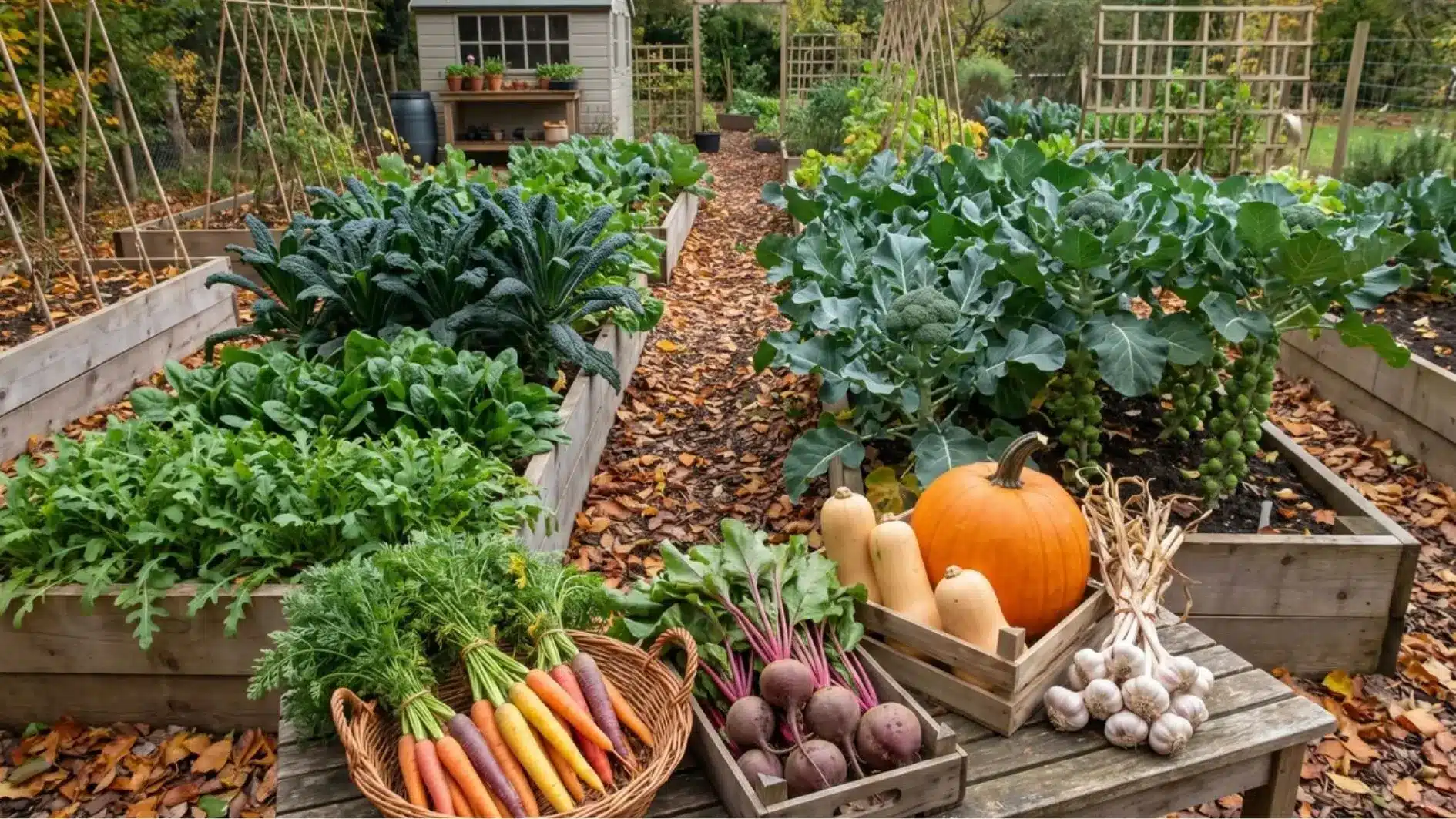
Not every vegetable deserves the season it gets credit for. Fall vegetables earn theirs through cold, chemistry, and a timing that other seasons simply cannot replicate.
Frost converts starches into sugars. Cool soil concentrates flavor instead of diluting it. These are not poetic descriptions but measurable changes that happen inside specific crops at specific temperatures.
The vegetables in this guide split into two camps: crops that cold actively improves, and crops that fall delivers at peak harvest. Both camps produce results worth understanding.
Whether you are shopping a farmers market in October, planning a garden, or simply cooking better this season, knowing what cold does to produce changes everything about how you choose and use it.
What are Fall Vegetables?
Fall vegetables are cool-season crops that perform best when temperatures drop, usually between 35°F and 60°F.
I’ve found this is where a lot of confusion starts because people assume “fall vegetables” simply means anything sold in stores during autumn. It’s actually about how the plant responds to cooler conditions.
There are two different groups within this category.
- The first group gets better with the cold. Frost or cooler soil can bring out sweeter flavors by changing how the plant stores sugars.
- The second group, including squash and alliums, is usually associated with fall because that’s when they’re planted or harvested. They don’t need cold weather to develop better flavor in the same way.
This difference matters when you’re choosing produce or planning meals. A vegetable labeled “fall produce” at an October farmers market can fall into either group, and knowing which one you’re buying helps you understand what to expect when you cook it.
Best Fall Vegetables by Category
Fall vegetables split into two camps: crops that cold actively improves, and crops that fall simply delivers. Knowing which is which changes how you shop, cook, and grow.
Leafy Greens
Cool air is where leafy greens earn their reputation. Summer heat pushes them toward bitterness and bolt; autumn pulls them back into something worth eating.
1. Arugula
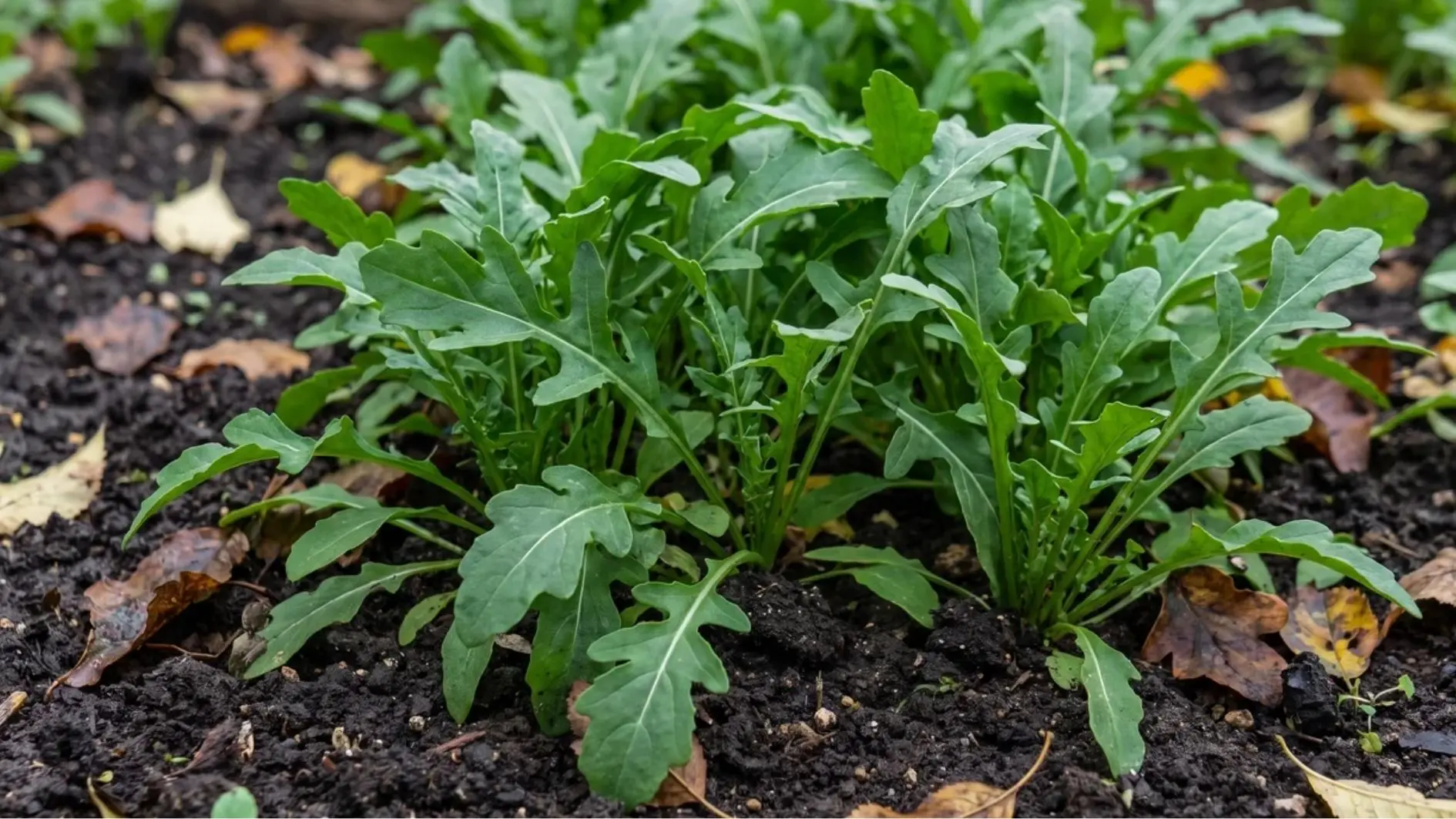
Arugula is a fast-growing green with a peppery bite that cool fall air genuinely softens. Whereas summer heat sends it bolting and bitter within days of maturity.
Plant it six weeks before first frost and harvest young leaves for the mildest flavor. Pair fall arugula raw against roasted sweet vegetables where its pepper creates contrast, not competition.
2. Kale
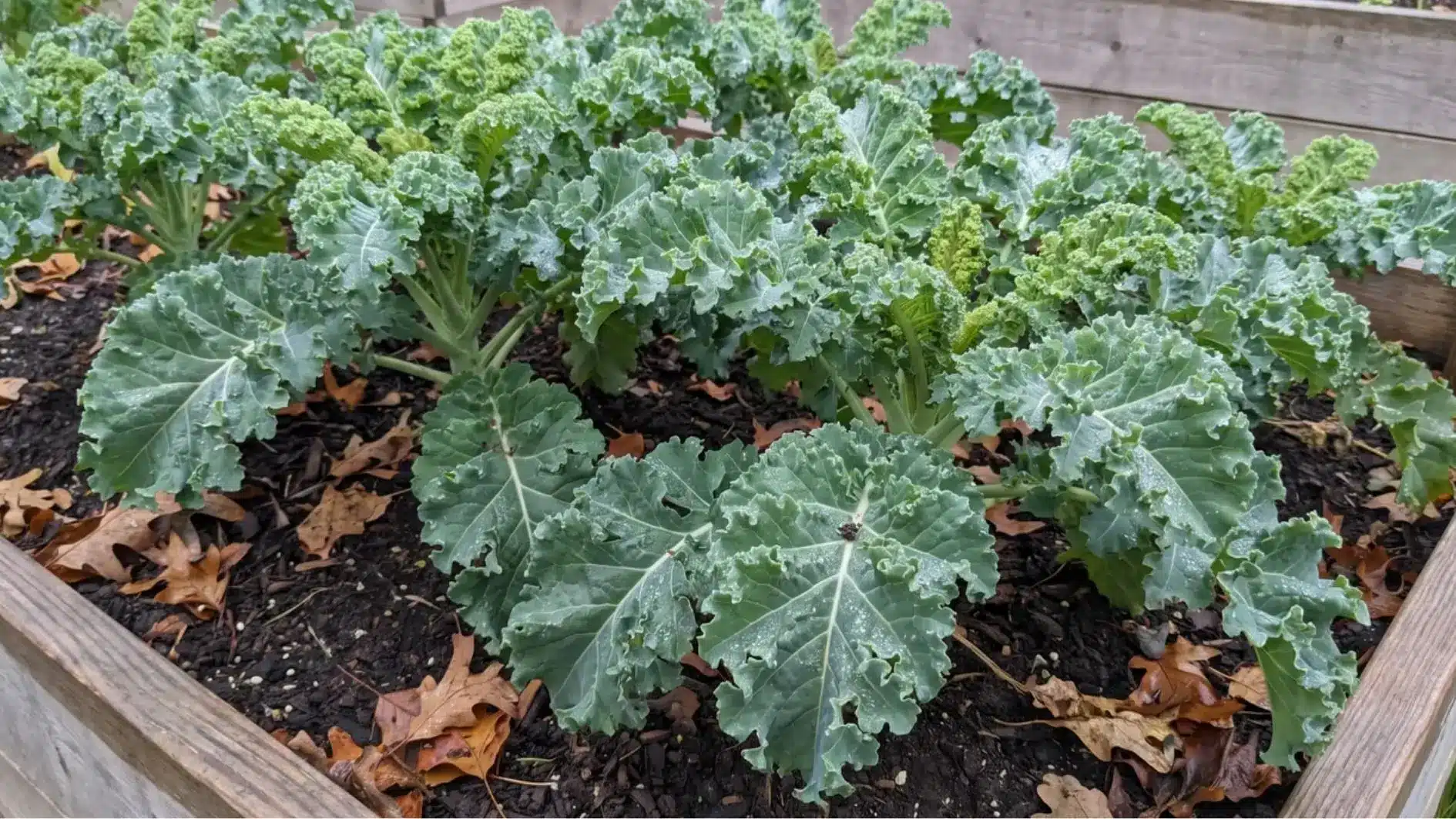
Kale converts stored starches into simple sugars after the first frost, a cold-stress response that makes October leaves measurably sweeter. Pre-frost kale and post-frost kale are genuinely different vegetables in terms of flavor.
Harvest after at least one frost for peak sweetness. Sauté, massage raw, or add to soups; fall kale holds structure under heat without turning acrid or collapsing into mush.
3. Spinach
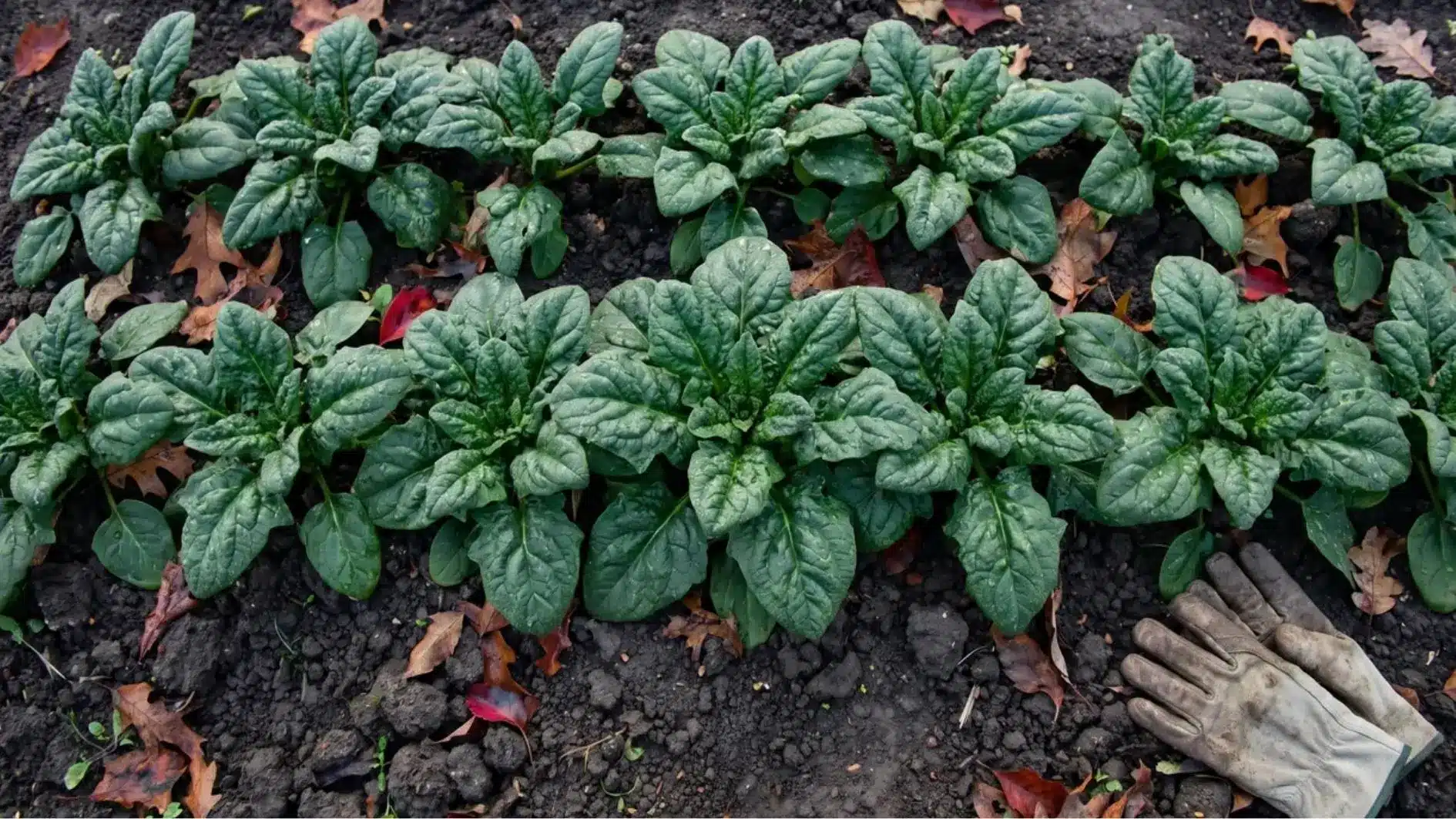
Cool soil slows spinach growth, producing denser, more flavorful leaves instead of the watery texture common with summer-bolted plants. The same variety can perform differently by season.
Sow seeds in late summer for a fall harvest timed to cooler temperatures. Wilt fall spinach into pasta or eggs where its denser structure holds under heat rather than dissolving immediately.
4. Swiss Chard
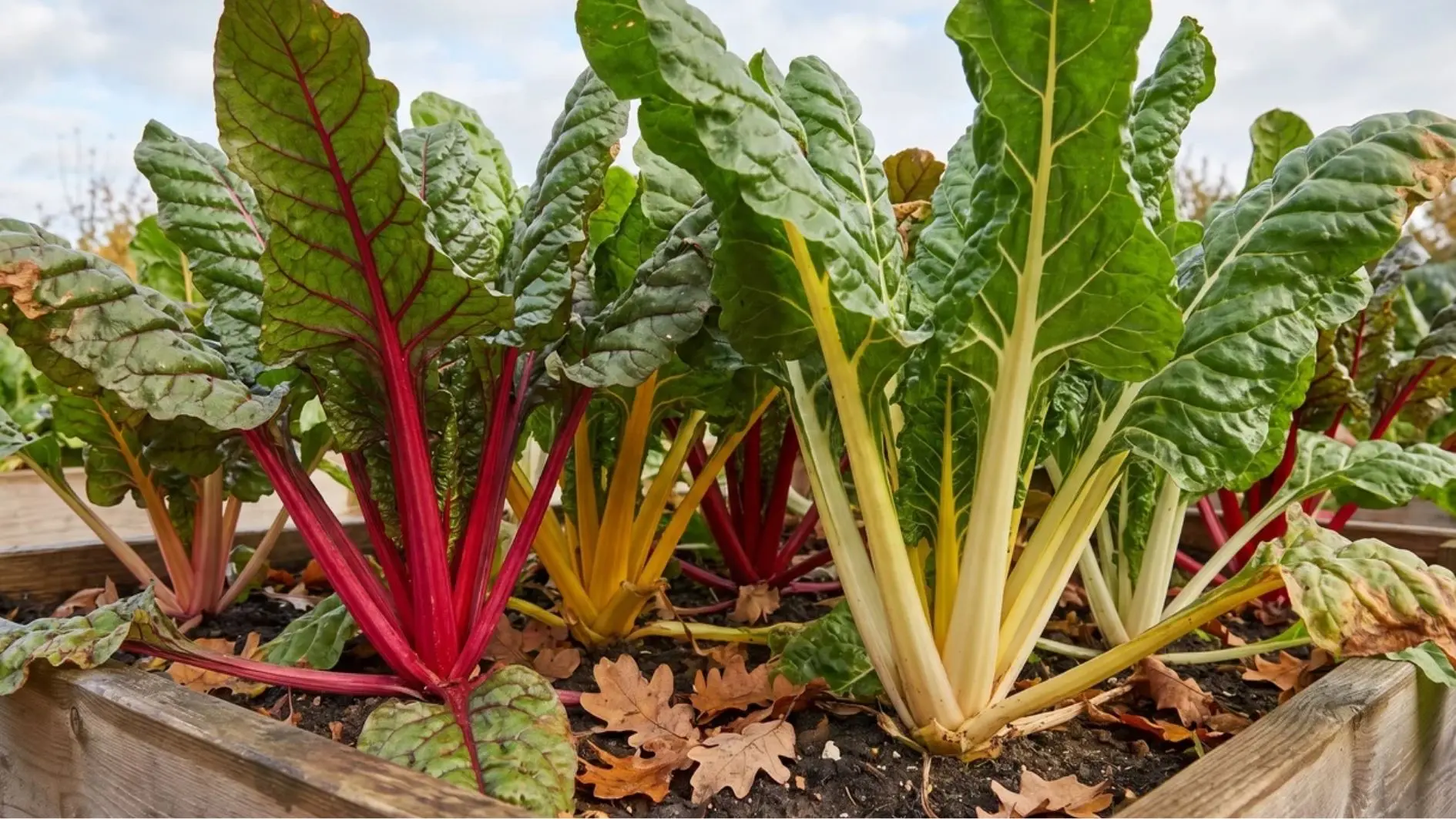
Swiss chard stays productive well into autumn and tolerates light frost without damage to leaves or stems. Cool nights slow the development of bitterness, producing a milder earthiness that summer chard rarely achieves.
Add the stems to the pan first, then the leaves about two minutes later. Fall chard is especially good for braised dishes because the thicker stems need extra time to soften.
Fall chard has firmer leaves and stems as temperatures cool, making timing more important. Cooking them separately helps both reach the right texture without tough stems or over-soft leaves.
5. Brassicas
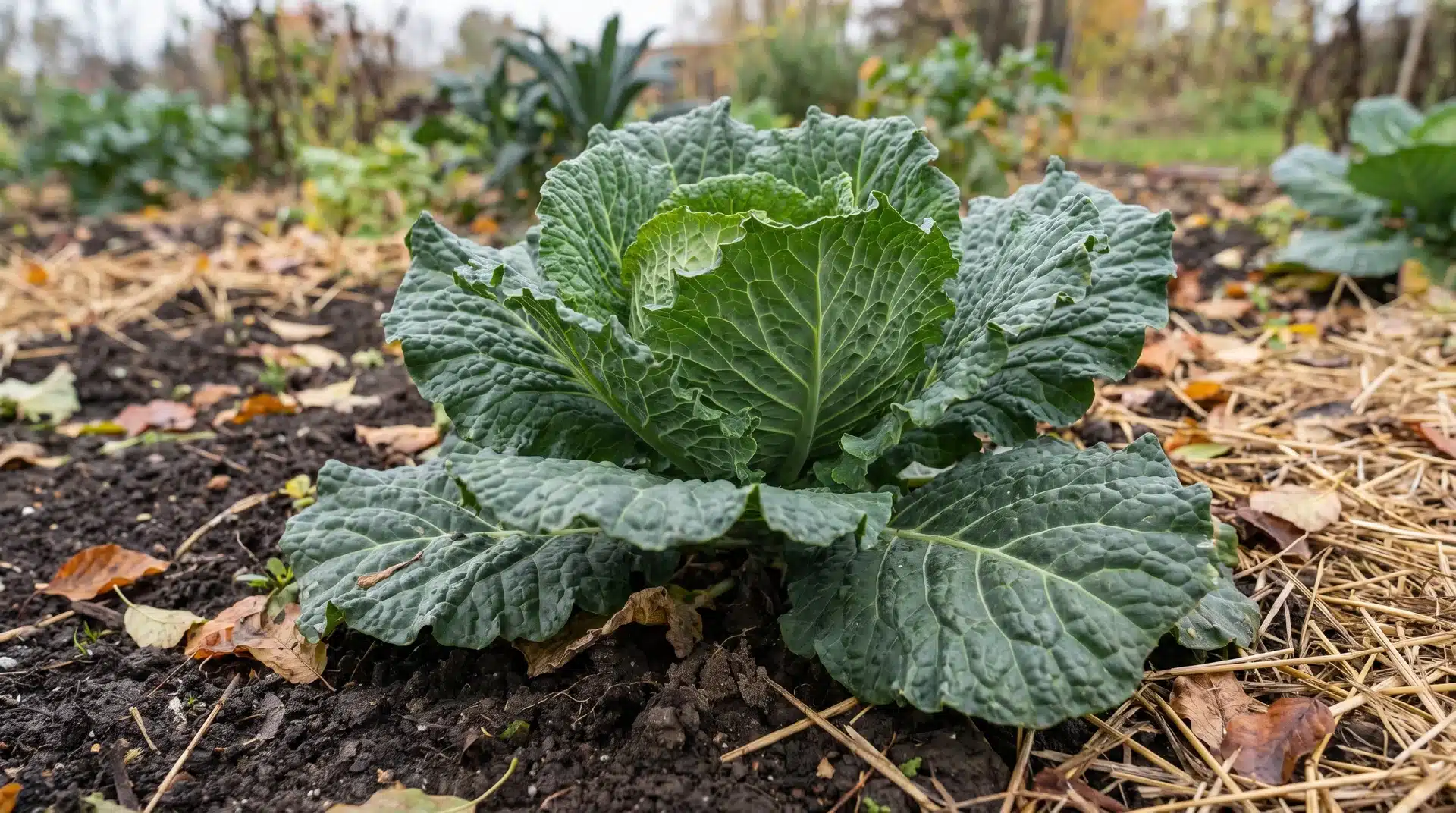
Brassicas respond strongly to temperature changes. Cool conditions reduce bitter sulfur compounds, which is why fall-grown brassicas often have better flavor than summer crops.
Fall brassicas are at their best when you use methods that bring out their natural sweetness instead of covering it up. Roasting is one of the easiest options because the edges caramelize while the inside stays tender.
6. Broccoli
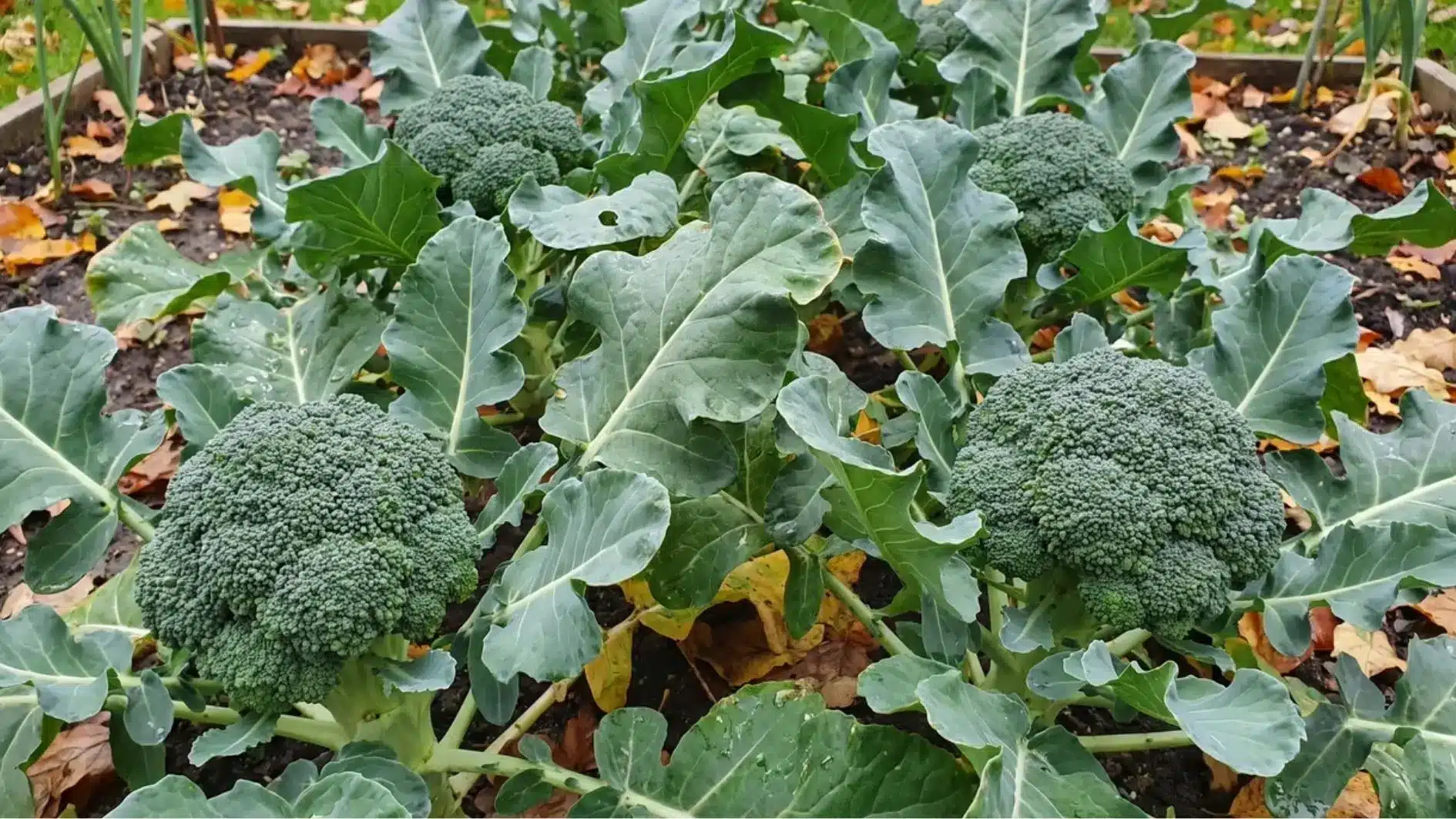
Broccoli produces its tightest, most flavorful heads when it matures in dropping temperatures rather than summer heat. Cool soil reduces sulfur compounds directly, making fall broccoli noticeably milder at the table.
Roast at 220°C on a dry sheet pan without crowding the florets. Fall’s denser heads caramelize cleanly at the edges and hold their structure rather than steaming into softness under their own moisture.
7. Brussels Sprouts
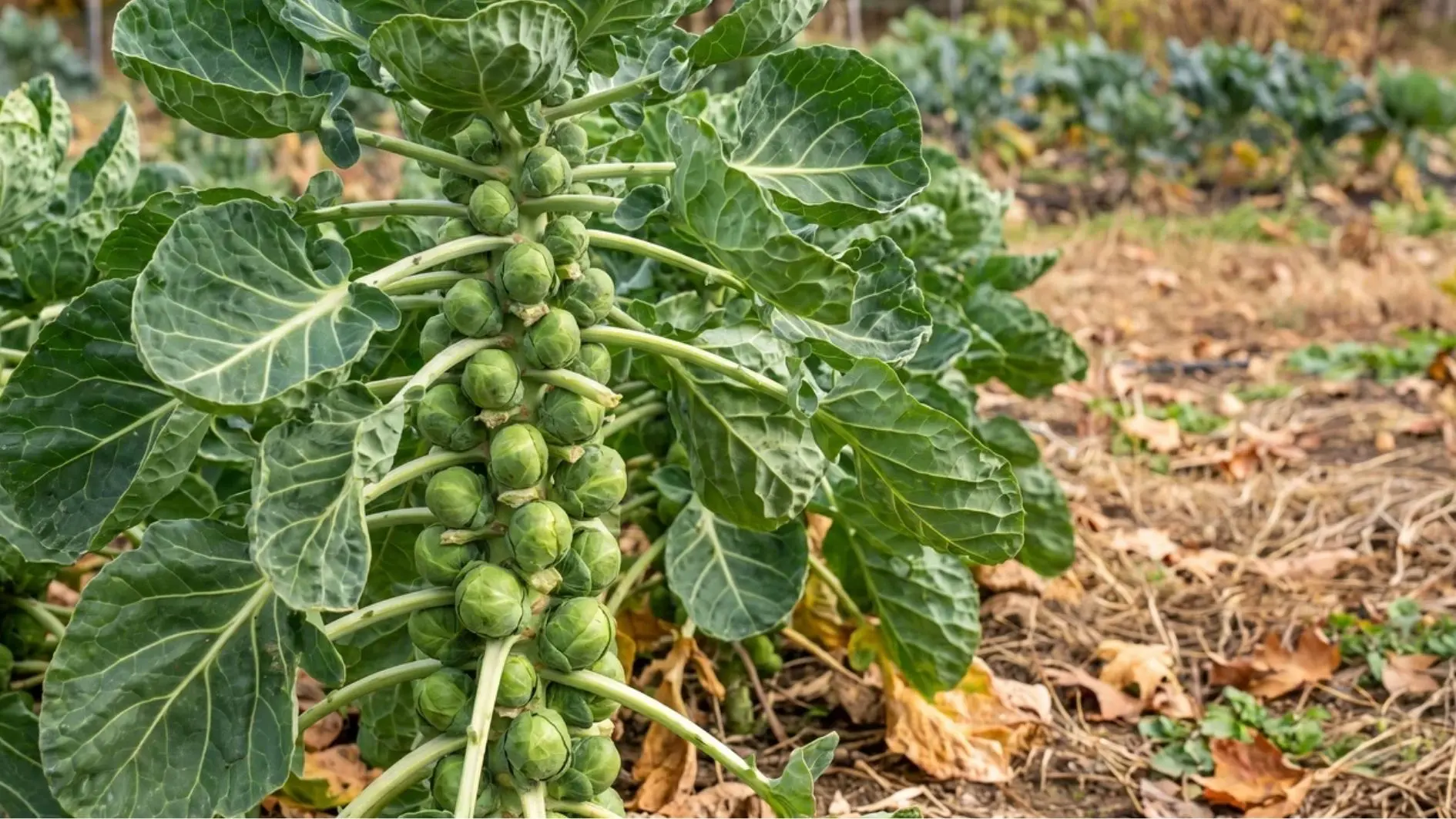
Brussels sprouts grow slowly along a tall stalk through summer, but flavor does not peak until cold arrives. Pre-frost sprouts are reliably more bitter and starchy, a fact worth knowing before harvesting too early.
Wait for at least one frost before picking, then roast or pan-crisp at high heat. The starch-to-sugar conversion that frost triggers is most pronounced in Brussels sprouts among all vegetables in this category.
8. Cabbage
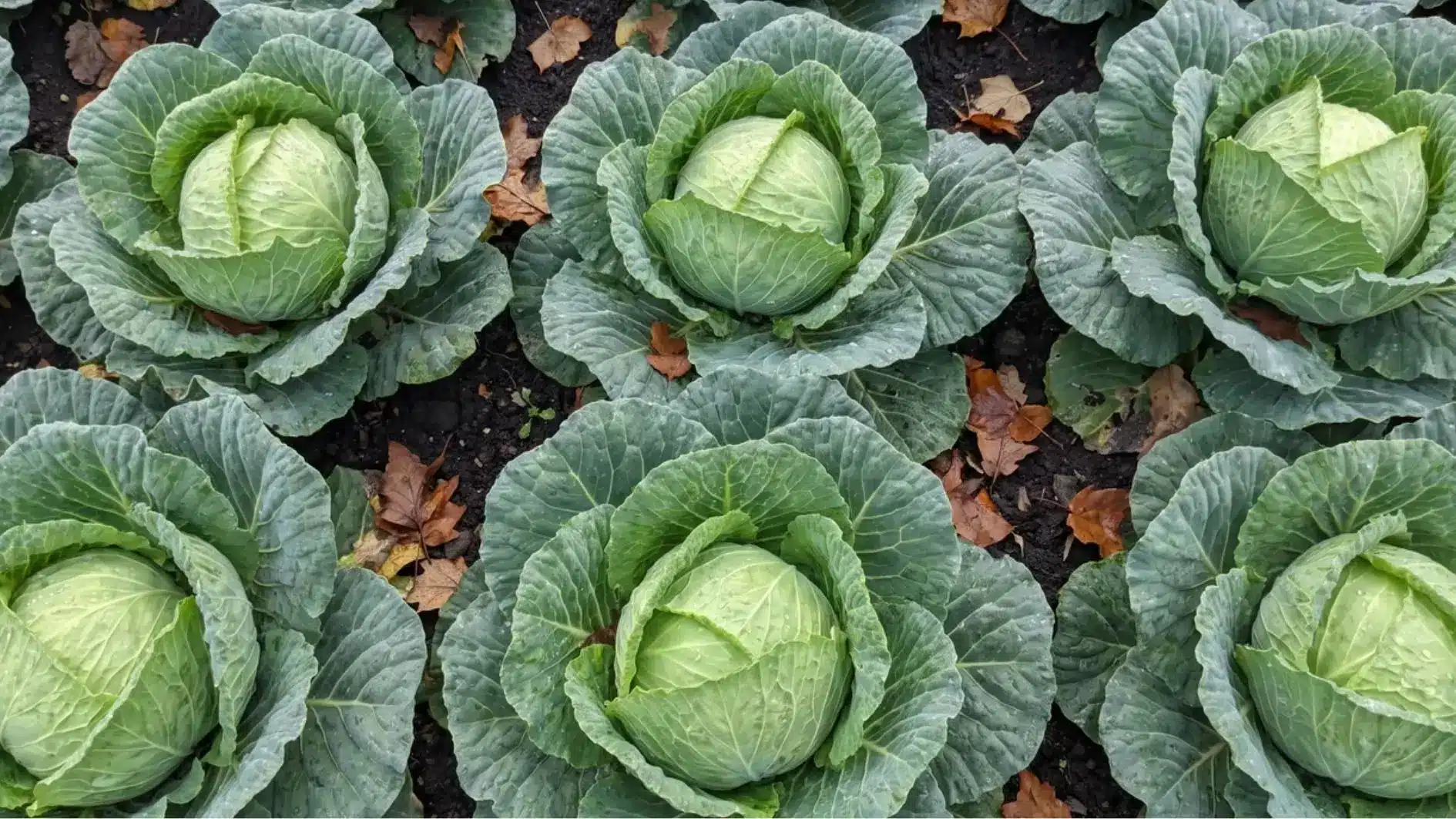
Cabbage forms its tight, dense heads best in cool conditions and tolerates light frost without damage to the outer leaves. Heat causes cellular structure to loosen and fill with water, which is exactly what good cabbage does not need.
Use raw fall cabbage in slaws where the density holds up under dressing for hours without going limp. A head harvested in October carries significantly more structural integrity than anything grown through a summer season.
9. Cauliflower
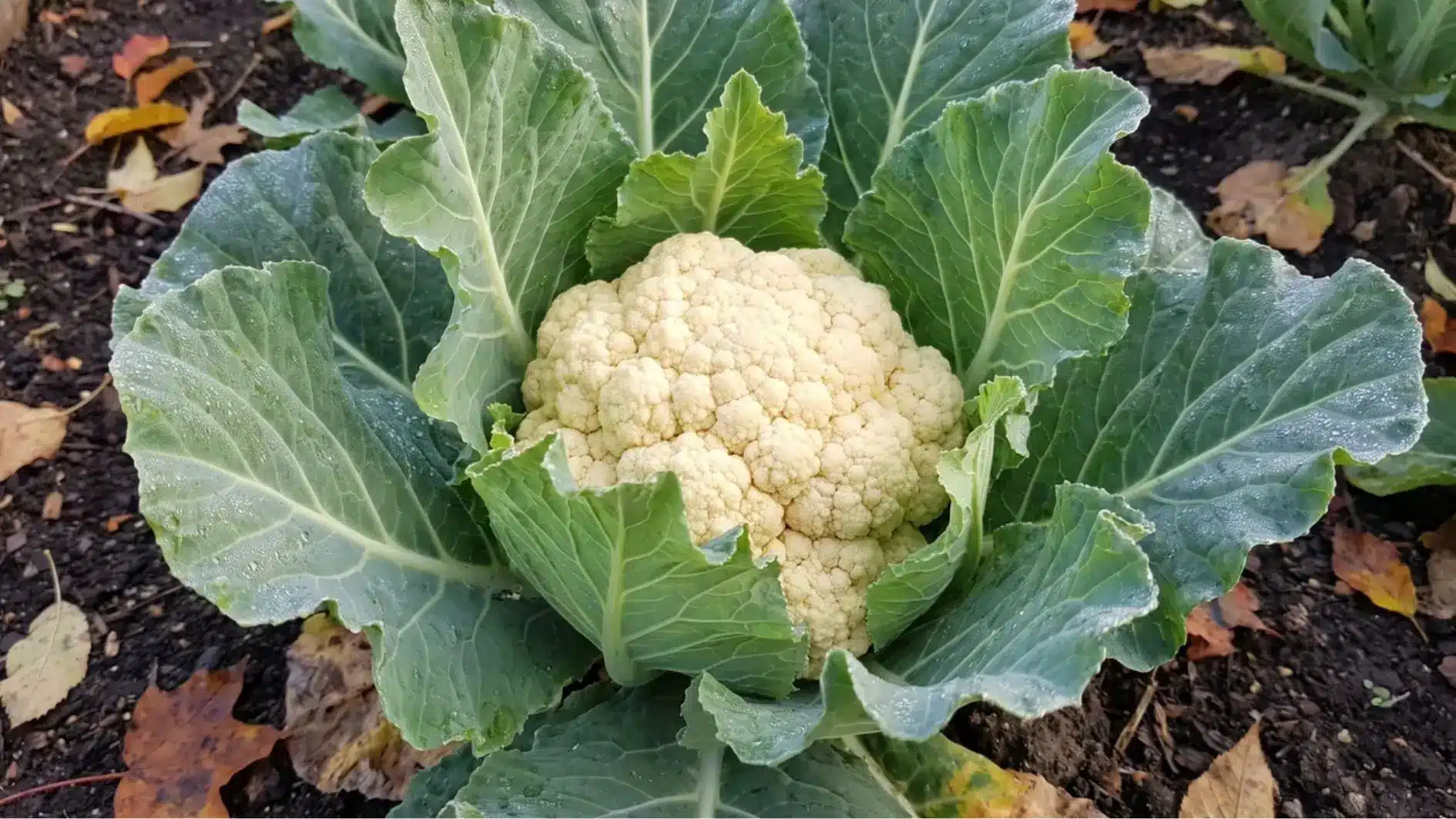
Cauliflower is highly sensitive to temperature. Heat can loosen the curd, cause discoloration, and create off-flavors. Consistent cool conditions produce tight, ivory heads with better quality.
Roast fall-grown heads in large florets at high heat; the firmness survives without the pieces falling apart mid-cook.
Root Vegetables
Root vegetables respond to cool soil more than cool air. Since the ground buffers temperature changes, harvest timing matters more than with above-ground crops.
10. Beets
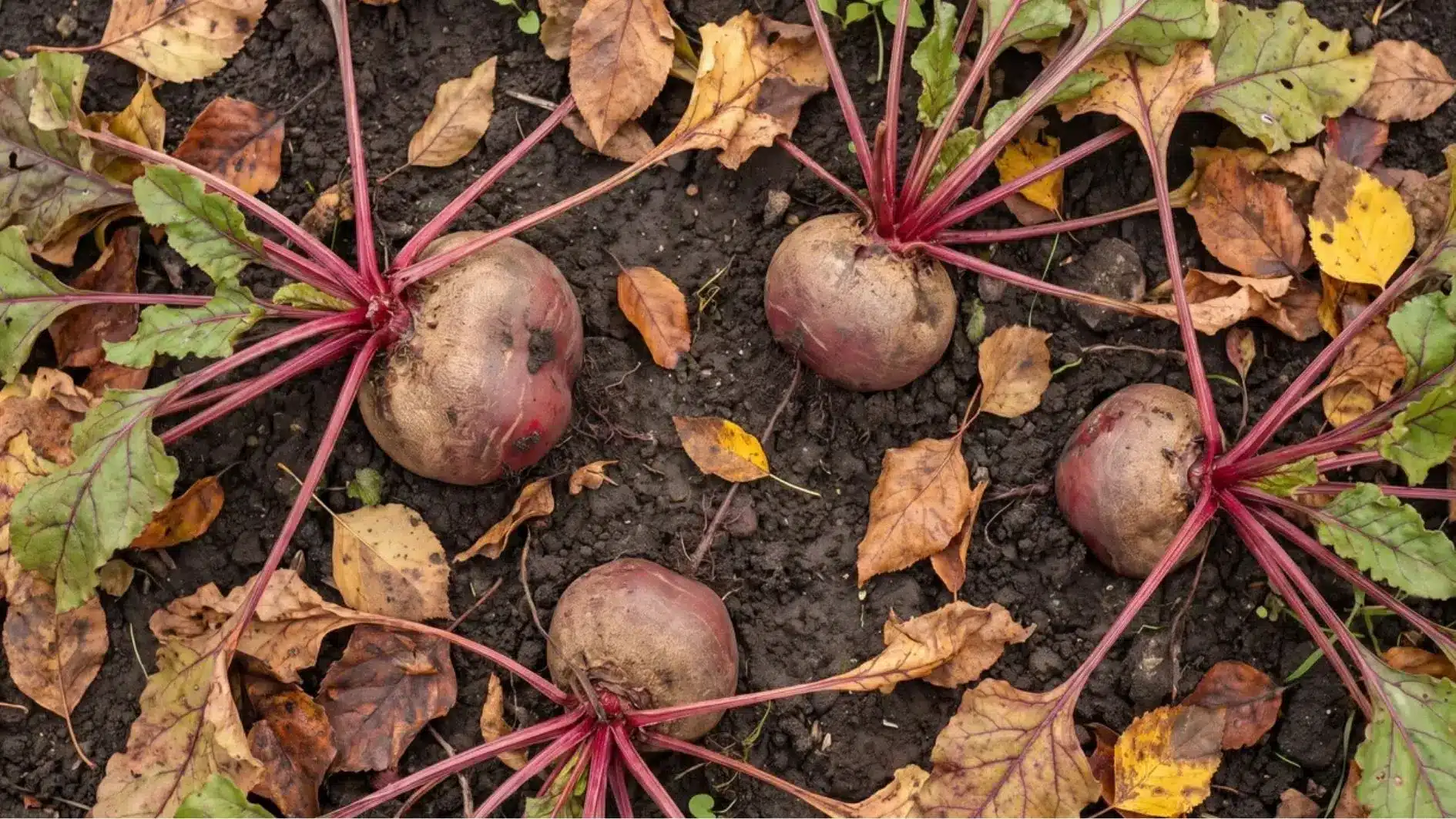
Beets develop underground where cool soil slows cellular expansion and concentrates sugars rather than diluting them with excess water uptake. Summer beets are often watery and relatively bland compared to their fall equivalent.
Roast fall beets whole in foil at 200°C until a knife slides in without resistance. Pair with bitter greens or aged cheese where the sweetness has something sharp to push against for balance.
11. Carrots
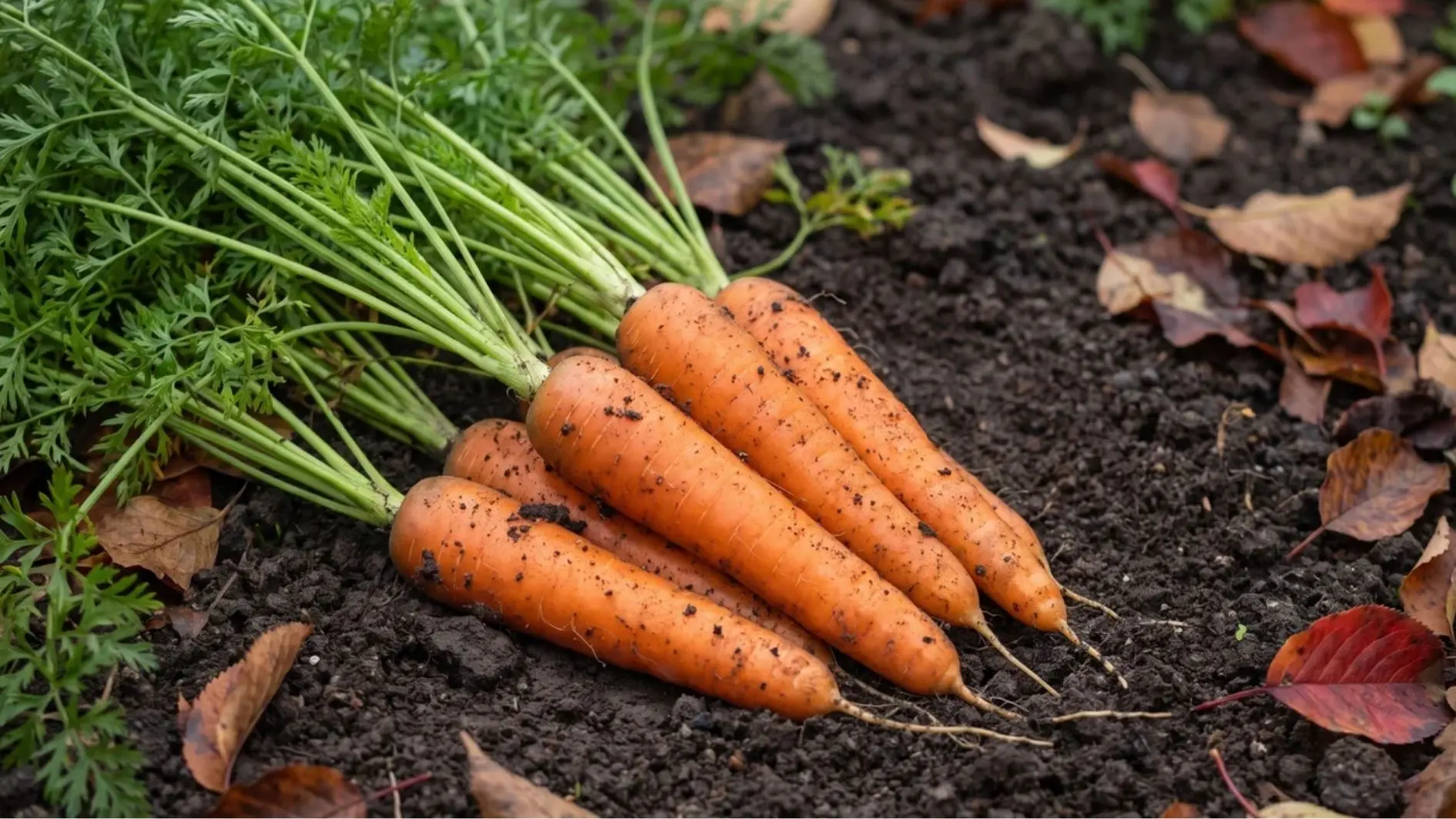
Carrots convert starches into sugars as soil temperatures drop, creating sweeter roots. A carrot harvested from cool November soil tastes different from one pulled in August, and a light frost can further intensify its sweetness.
Eat fall carrots raw or lightly glazed; the natural sugar content rarely needs additional sweetener to taste complete.
12. Parsnips
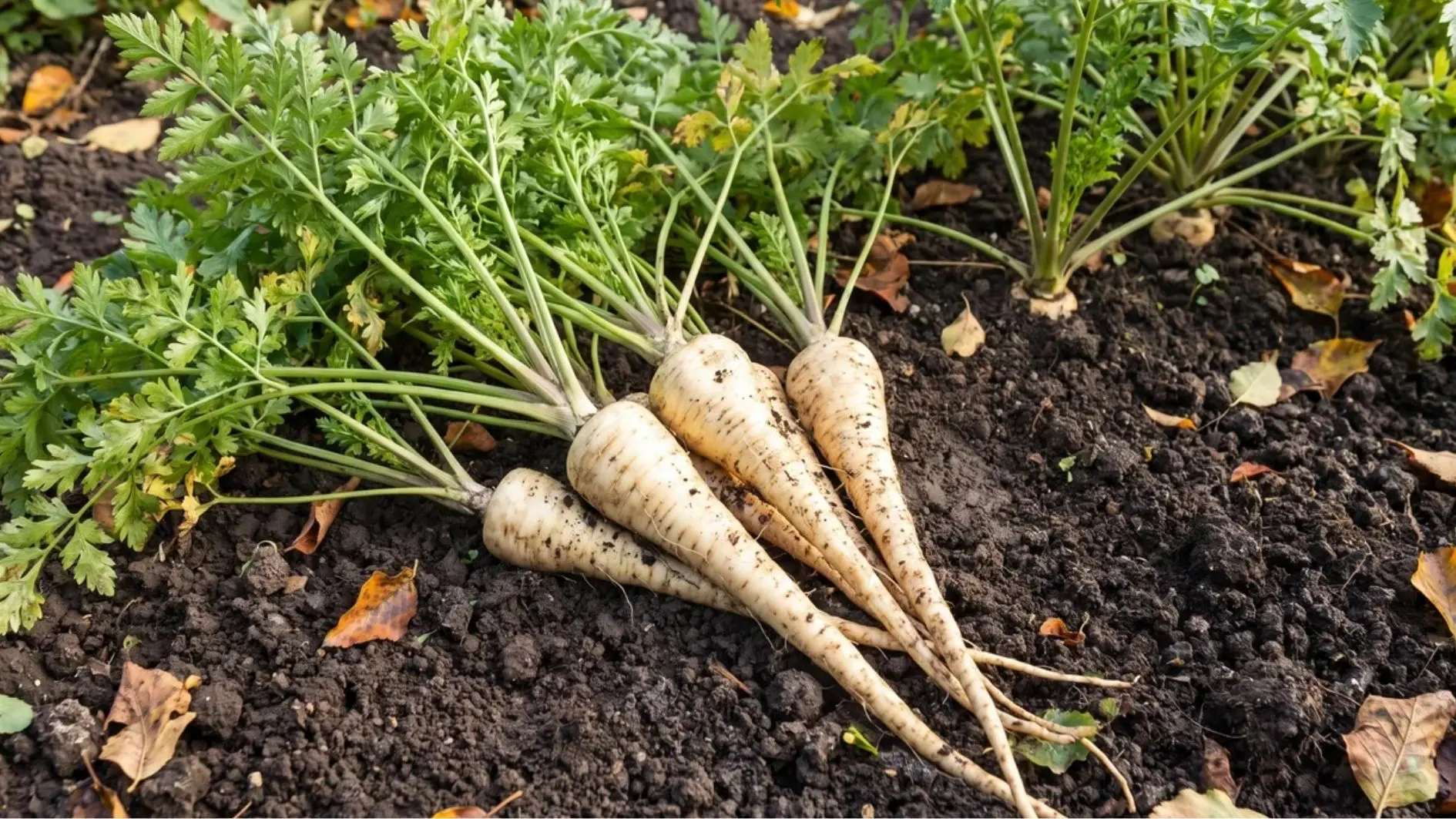
Parsnips before frost are starchy, bland, and faintly bitter. After at least one hard frost, full starch conversion makes them among the sweetest root vegetables in the fall category by a significant margin.
Roast parsnips until deeply caramelized; post-frost sugar content produces fast, dark browning that other roots take far longer to achieve. Never harvest parsnips early; the flavor payoff is entirely dependent on cold exposure first.
13. Radishes
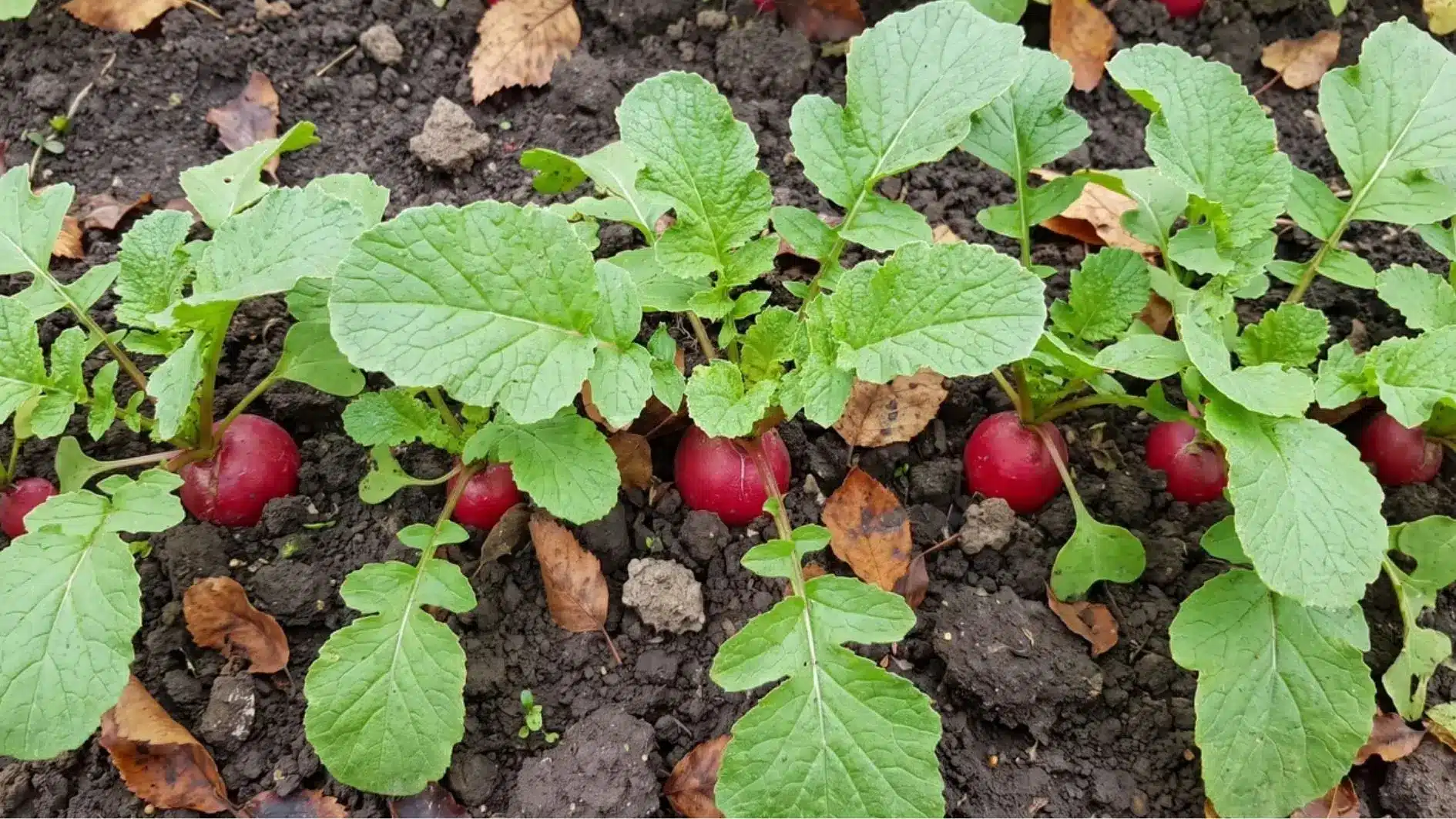
Summer radishes grow too fast in heat, producing hollow centers and a harsh, uncontrolled heat in the flesh. Cool fall soil slows that process, resulting in denser, crisper roots and a cleaner pepper bite throughout.
Slice thin into fall salads or serve whole with good butter and flaky salt. A well-grown fall radish needs almost no preparation to taste finished; overcooking or heavy seasoning only works against it.
14. Turnips
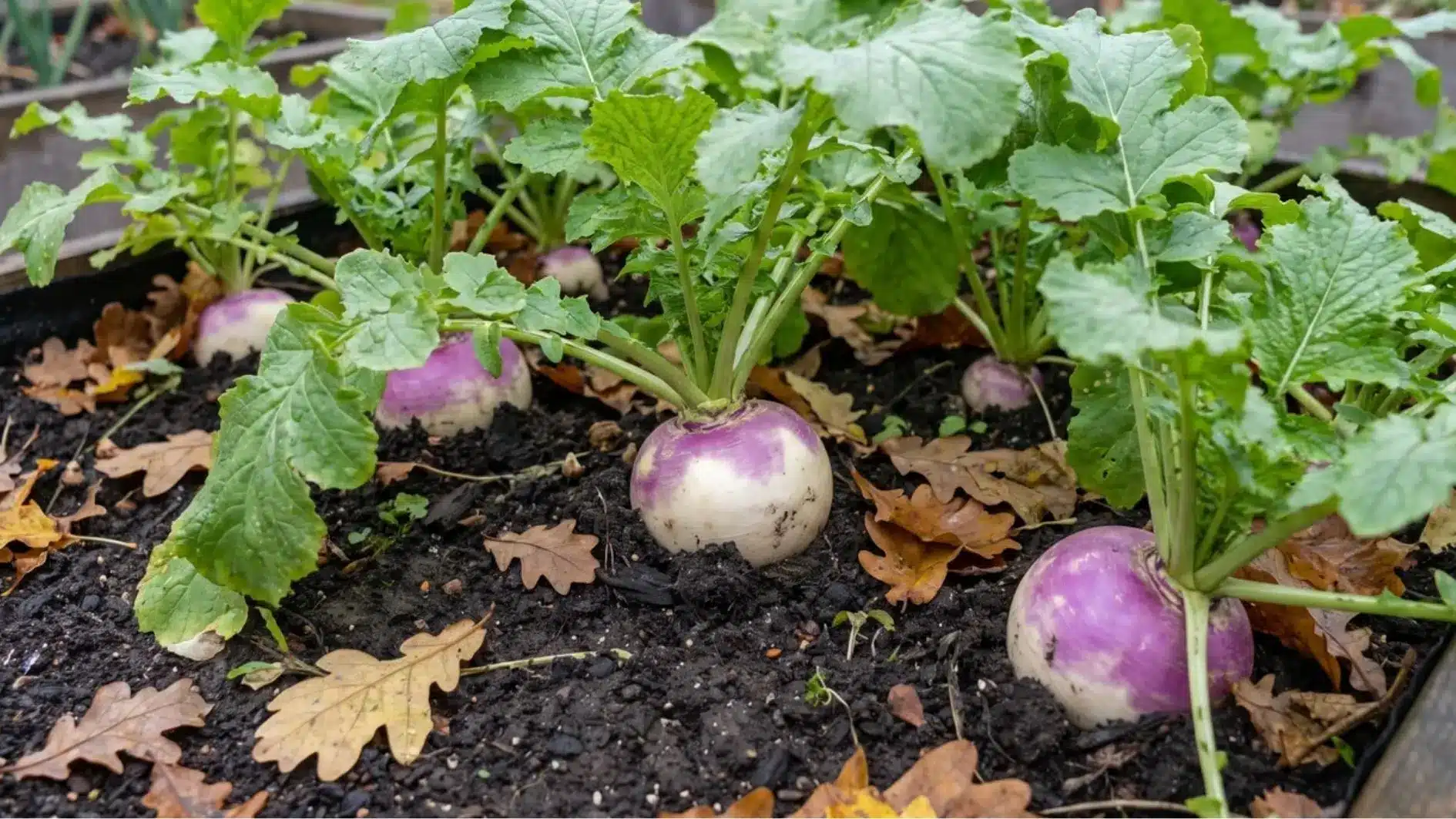
Turnips grown in warm conditions can become woody and sharp. Cool fall soil creates milder, smoother roots with slight sweetness. October and November harvests are worth trying if you disliked summer turnips.
They’re also easier to enjoy when cooked simply. Mash them alongside potatoes for a lower-starch side, or roast them with olive oil and salt to bring out their natural sweetness.
Squash and Alliums
This group works differently from cool-season crops. Squash grows in summer heat and is harvested in fall, while garlic is planted in fall and harvested the following summer. Fall still defines their quality, but the process differs.
15. Butternut Squash
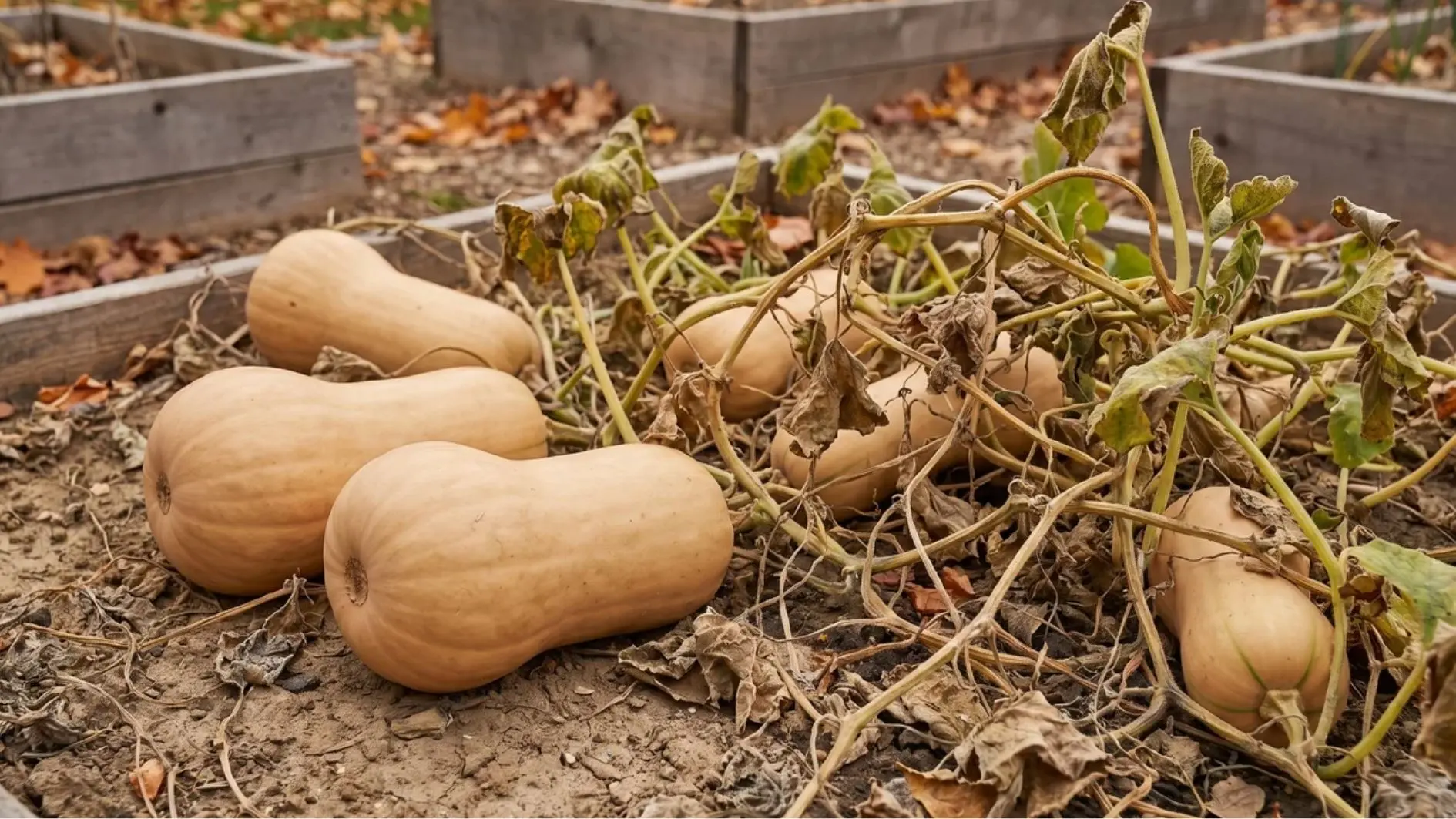
Butternut squash develops its flesh and sugars during summer heat, then is harvested in fall after the skin cures. A September harvest stored in a cool spot properly will taste sweeter by mid-October.
Roast halved at 200°C cut-side down until deeply tender, or purée into soup where the dense sweetness carries without adjustment.
16. Pumpkin
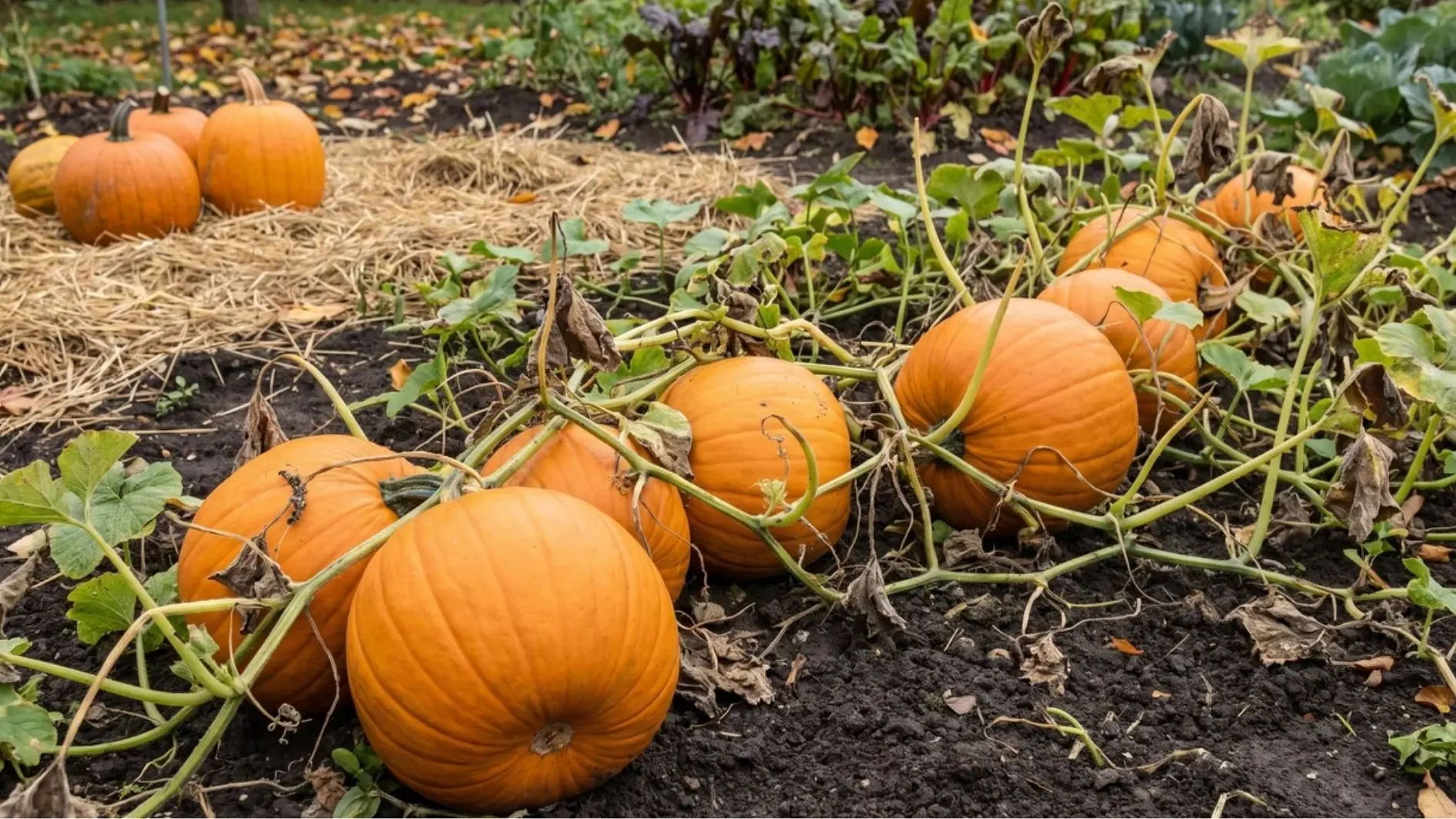
Pumpkins grow through summer and reach peak quality in fall after the rind hardens. Curing concentrates flavor, giving fall pumpkins more depth without needing heavy spicing or added sugar.
Roast or purée culinary pumpkins the same way as butternut squash for comparable results with an earthier flavor profile.
Note: decorative carving pumpkins and culinary pumpkins are different varieties, and only the latter are worth cooking.
17. Garlic
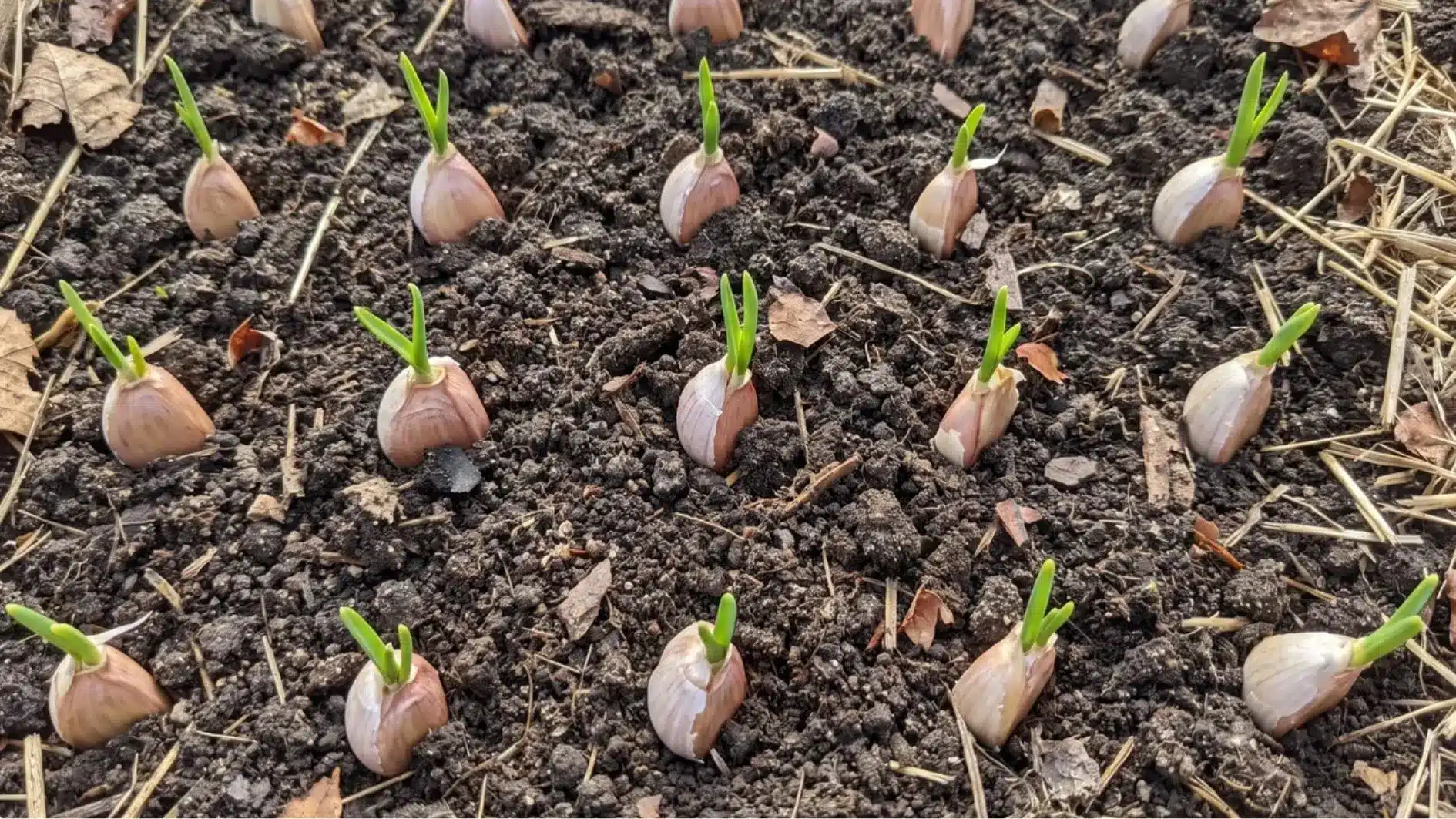
Garlic is the outlier here: planted in fall but harvested the following summer. Winter cold exposure, called vernalization, helps bulbs develop properly.
Plant cloves in October or November, pointed end up, about 5 cm deep, and leave them until July. Spring planting often produces smaller, weaker bulbs.
Every vegetable on this list has a specific relationship with cold, whether it is actively sweetened by frost, improved by cool soil, or simply timed to fall by harvest season.
Understanding that relationship is what separates a good fall meal from a great one.
Fall Vegetables for Cooking vs. Growing vs. Buying
How you use fall vegetables determines which ones actually matter to you. A home cook, a gardener, and a grocery shopper are all asking different questions when they reach for the same crop.
| Vegetable | Best for Cooking | Best for Growing | Best for Buying |
|---|---|---|---|
| Kale | Post-frost for sweetness | Easy; frost-hardy | Farmers market, Oct-Nov |
| Spinach | Cool-grown for density | Fast-maturing in fall | Widely available Sept-Nov |
| Arugula | Young leaves only | Sow 6 weeks before frost | Buy fresh, not bagged |
| Broccoli | Fall heads are milder | Needs 8-week head start | Peak at farmers markets |
| Brussels Sprouts | After first frost only | Slow; plant in summer | Buy on stalk for freshness |
| Carrots | November for sweetness | Leave in ground through frost | Buy unwashed for longevity |
| Parsnips | Post-frost only | Easy; ignore until frost | Specialty stores, Oct onward |
| Butternut Squash | September harvest onward | Summer crop, fall harvest | Widely available; check skin hardness |
| Garlic | Next summer after planting | Plant Oct-Nov, harvest July | Buy fresh-cured in late summer |
Peak buying season runs October through early December for most crops on this list. After that, cold storage changes texture and flavor in ways that fresh-harvested fall vegetables never have.
Conclusion
Fall vegetables are not a single category with one rule. Cold improves some, timing defines others, and a few require patience across an entire season.
The vegetables on this list reward attention to when and how they are harvested. That detail separates genuinely good fall produce from anything merely labeled seasonal.
Knowing which crops frost-sweetens and which simply arrive in fall changes every decision at the market, in the garden, and at the stove.
Start with one crop this season. Kale after frost, parsnips in November, or butternut squash left to cure are all places where fall flavor makes an immediate, undeniable case for itself.
Frequently Asked Questions
Why Do Some Fall Vegetables Taste Sweeter After Frost?
When temperatures drop near freezing, certain crops, particularly kale, carrots, parsnips, and Brussels sprouts, convert stored starches into simple sugars in response to cold stress. This is a natural antifreeze mechanism. The result is a measurably sweeter, more complex flavor. The effect requires cool but not frozen conditions; a hard freeze damages cells rather than improving taste.
What Is the Difference Between Cool-Season and Warm-Season Vegetables?
Cool-season vegetables develop best when air or soil temperatures are between roughly 35°F and 60°F. Warm-season vegetables, such as tomatoes, peppers, corn, and cucumbers, require heat to set fruit and will not tolerate frost. Most fall vegetables on this list are cool-season crops. Pumpkins and winter squash are exceptions: they develop in summer heat and are simply harvested in fall.
When Should You Plant Fall Vegetables?
Most cool-season crops should go in the ground six to eight weeks before your area’s first expected frost date. Leafy greens and radishes can be planted closer to frost; slower crops like broccoli and Brussels sprouts need a longer lead time. Garlic is the outlier; it is planted after the first frost in most climates, overwinters, and is not harvested until the following summer.
Are Fall Vegetables the Same as Winter Vegetables?
There is significant overlap but not a complete match. Fall vegetables are harvested as temperatures drop. Winter vegetables are either cold-hardy crops that survive in the ground through winter, such as kale, leeks, and certain root vegetables, or crops stored for winter use after a fall harvest. The distinction is more about harvest and storage timing than any botanical difference between the two groups.