

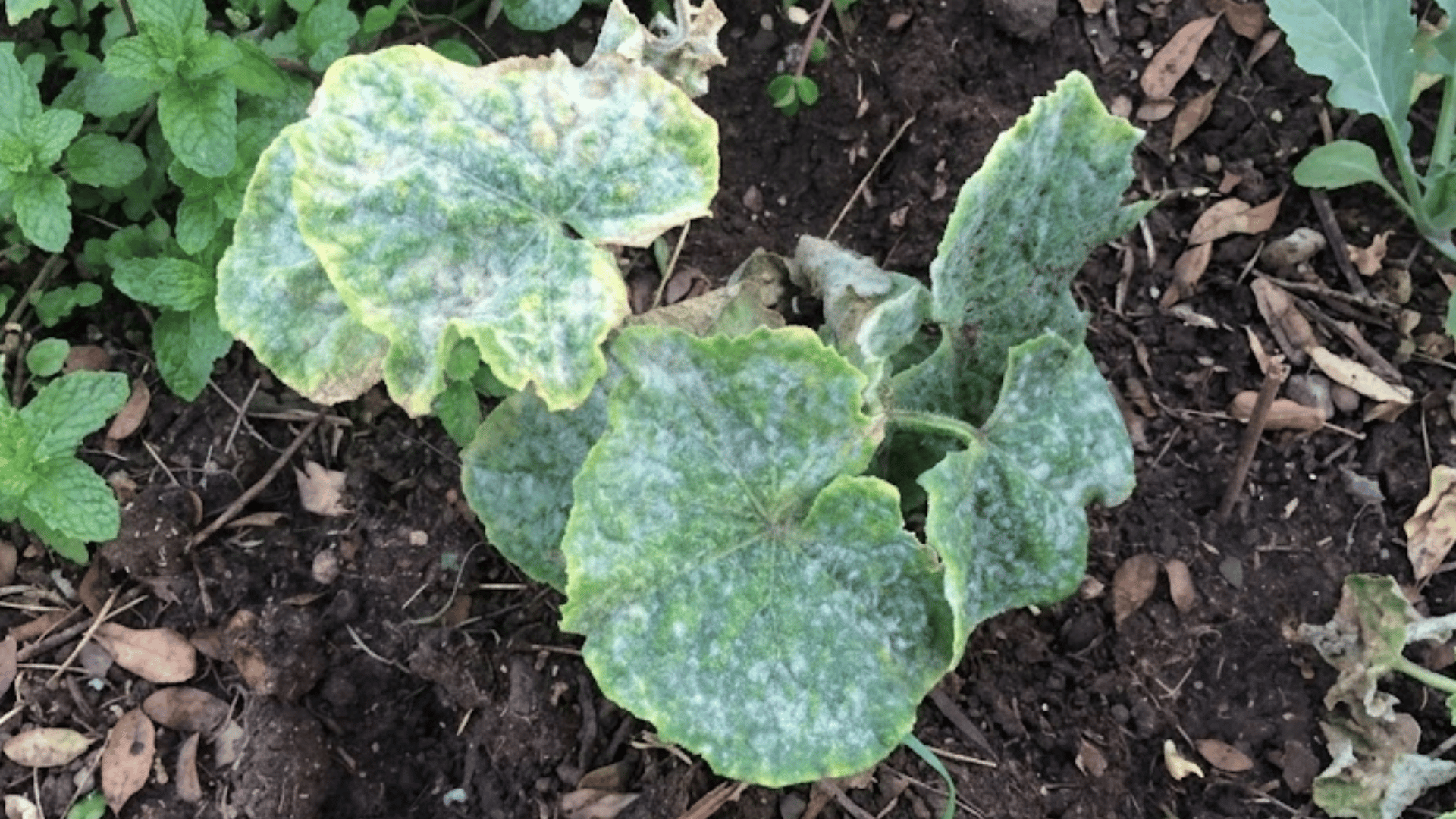
Many gardeners are surprised to find a white, dusty coating spreading across otherwise healthy leaves, but identifying the cause early can make a big difference.
White powder on plants usually indicates powdery mildew, a common fungal disease. Left untreated, it can weaken plants, reduce flowering, and limit fruit production, although it is usually manageable with the right care.
In this guide, you’ll learn how to identify it, understand what causes it, treat it effectively, and prevent it from coming back.
I have found that recognizing the symptoms early is often the simplest way to protect a garden. Keep reading to help your plants stay healthy and thriving.
Quick Answer: What Is the White Powder on Plants?
The white powder on plants is usually powdery mildew, a common fungal disease that forms a white or gray powdery coating on the surface of leaves, stems, buds, flowers, and sometimes fruit.
Unlike many other fungal diseases, powdery mildew does not require standing water to grow.
Instead, it thrives in warm, dry conditions with high humidity around plants and poor air circulation.
It affects a wide range of plants, including vegetables like cucumbers, squash, and pumpkins; flowering plants such as roses and zinnias; shrubs like lilacs; and fruiting plants such as grapes.
Powdery mildew is widespread, and early treatment helps prevent its spread and reduce plant damage.
How to Identify Powdery Mildew on Plants?
Powdery mildew has several recognizable symptoms that become more noticeable as the infection spreads. Identifying these early signs can help you treat the disease before it causes significant damage.
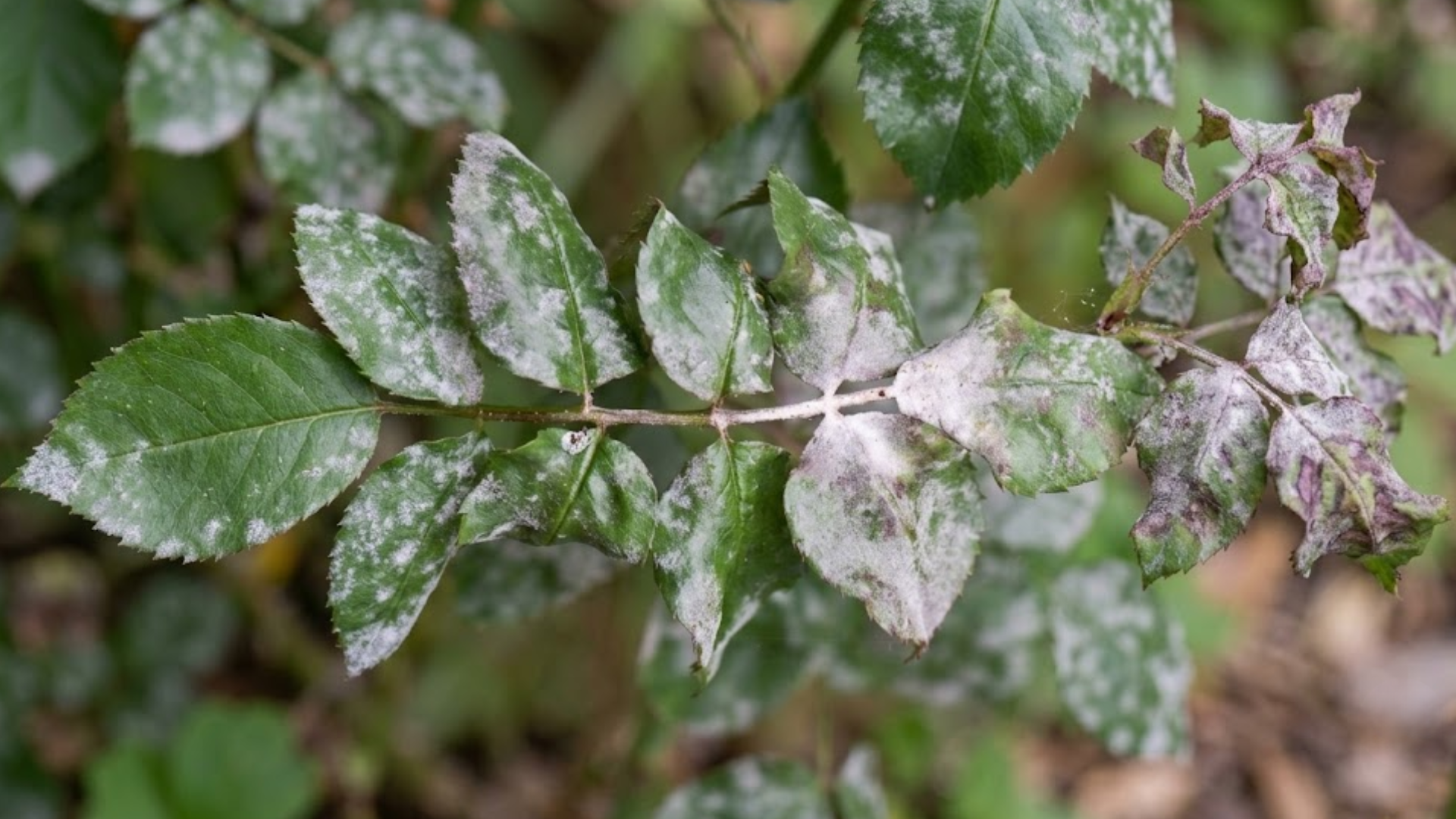
- White or Gray Powdery Spots on Leaves: The first sign is usually small white or gray patches that look like flour or dust on the upper leaf surface.
- Dusty Coating on Stems, Buds, or Flowers: As the infection spreads, the powdery growth can cover stems, flower buds, blossoms, and occasionally developing fruit.
- Yellowing or Curling Leaves: Infected leaves may yellow, curl, or become distorted as the fungus disrupts normal growth.
- Powder That Wipes Away but Returns: The coating can sometimes be rubbed off with a finger, but it reappears within a few days if the fungus is still active on the leaf
- Stunted or Weak New Growth: Young shoots and leaves often grow more slowly, appear misshapen, or fail to develop properly.
- Powder That Spreads Across the Leaf Surface: Small spots gradually merge into larger patches, eventually covering much of the leaf if left untreated.
- Symptoms That Get Worse in Warm, Humid Conditions: Powdery mildew spreads fastest on warm, humid days with poor airflow, especially in crowded plantings.
White Powder vs. White Mold on Plants
Although they look similar, powdery mildew and white mold are different problems that require different treatments.
| Feature | White Powder (Powdery Mildew) | White Mold |
|---|---|---|
| Appearance | Dry white or gray powdery coating | Soft, fluffy, or cotton-like white growth |
| Texture | Fine dusty layer | Fuzzy or cottony |
| Common Location | Leaves stems buds flowers | Soil stems from lower plant parts and decaying plant tissue |
| Cause | Powdery mildew fungi | Mold fungi that thrive in excess moisture |
| Growing Conditions | Warm temperatures, high humidity, and poor airflow | Wet soil, high moisture, poor drainage |
| Spread | Airborne fungal spores | Moist soil, infected plant debris, and fungal spores |
| Plant Damage | Weakened leaves reduce growth and flowering | Can cause stem rot, root rot, and plant decline |
| Best Treatment | Improve airflow, remove infected leaves, and apply fungicide if needed | Reduce watering, improve drainage, remove infected material |
What Causes White Powdery Mildew on Plants?
Several environmental and growing conditions encourage powdery mildew to develop. Addressing these factors can help reduce the risk of infection.
- Poor Air Circulation Around Crowded Plants: Limited airflow traps humidity around leaves, creating favorable conditions for fungal spores to grow.
- Warm Days with Humid Nights: Powdery mildew thrives when daytime temperatures are warm and nighttime humidity is high.
- Too Much Shade or Weak Sunlight: Plants growing in shaded areas stay damp longer and are more likely to develop fungal problems.
- Overcrowded Garden Beds: Closely spaced plants restrict air movement and allow the disease to spread more easily from one plant to another.
- Overhead Watering or Wet Foliage: Frequently wet leaves increase humidity around plants, encouraging fungal growth, even though powdery mildew does not need standing water.
- Weak, Stressed, or Drought-Affected Plants: Plants under stress are less able to resist infections and often develop more severe symptoms.
- Susceptible Plant Varieties: Some vegetables, flowers, shrubs, and fruiting plants are naturally more vulnerable to powdery mildew than others.
Which Plants Commonly Get White Powder?
Powdery mildew affects hundreds of plant species, but some are more susceptible than others, especially during warm, humid weather with poor air circulation.
| Plant | How Powdery Mildew Commonly Appears |
|---|---|
| Roses | White patches on leaves, buds, and young stems |
| Cucumbers | Powdery coating on leaves that reduces plant vigor |
| Squash and Zucchini | White spots that quickly spread across large leaves |
| Tomatoes | White fungal growth on leaves, especially in dense plantings |
| Peonies | White coating on foliage and flower buds |
| Phlox | Powdery patches that affect leaves and blooms |
| Lilacs | White film covering leaves during late spring and summer |
| Grapes | Powder on leaves and fruit that may reduce yield |
| Pumpkins and Melons | White mildew on leaves that limits fruit development |
| Houseplants | Powdery growth on leaves, particularly in poorly ventilated indoor spaces |
Does Powdery Mildew Harm or Kill Plants?
Powdery mildew usually does not kill healthy plants, but it can weaken them over time if left untreated.
The fungus covers leaf surfaces, reducing the plant’s ability to photosynthesize and produce the energy needed for healthy growth.
As the infection spreads, leaves may curl, become distorted, or lose their color. Flower production often declines, and fruits or vegetables may be smaller or lower in quality.
In severe cases, plants can develop yellowing or browning leaves, premature flower drop, and stunted new growth.
While most established plants recover with proper care, ignoring the disease for too long can leave them stressed and more susceptible to pests, drought, and other plant diseases.
How Does Powdery Mildew Spread?
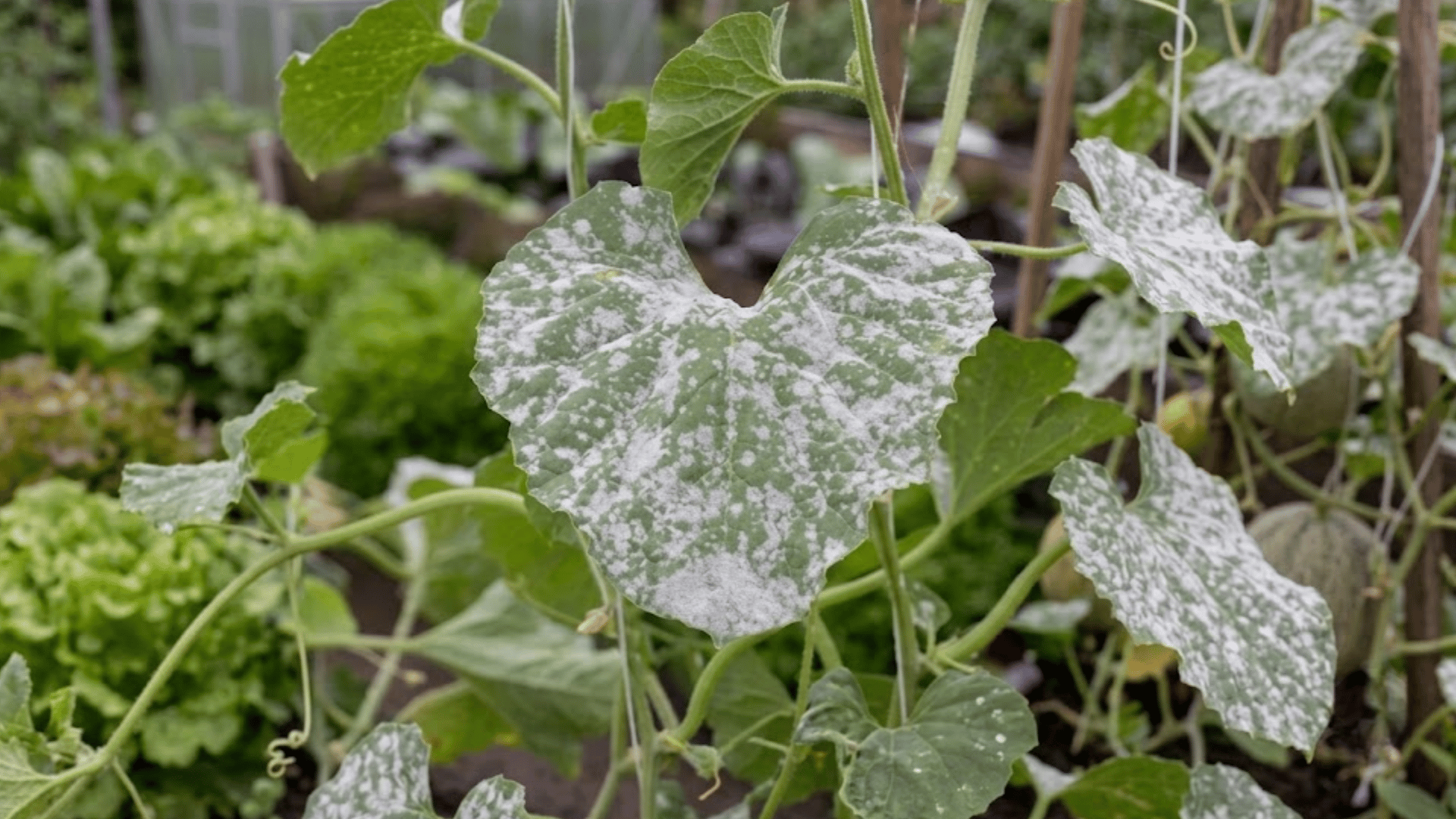
Powdery mildew spreads easily from one plant to another, especially when growing conditions favor fungal development.
- Airborne Fungal Spores: Tiny spores travel through the air and land on nearby plants, where new infections can begin.
- Wind Between Garden Beds: Even a light breeze can carry spores from infected plants to healthy ones across the garden.
- Infected Leaves Touching Healthy Plants: When foliage overlaps, the fungus can spread more quickly through direct contact.
- Contaminated Pruning Tools: Pruners and other garden tools used on infected plants may transfer fungal spores if not cleaned.
- Crowded Plants with Poor Airflow: Dense plantings trap humidity, making it easier for the disease to spread.
- Susceptible Plants Growing Close Together: Growing several mildew-prone plants side by side increases the chance of rapid infection throughout the bed.
How Long Does It Take to Get Rid of Powdery Mildew?
Most plants show visible improvement within one to two weeks of consistent treatment. Full recovery depends on how severe the infection is and how quickly treatment begins.
Removing heavily infected leaves provides an immediate improvement because the fungus is removed along with the affected plant tissue.
Applying neem oil, sulfur-based products, or other labeled fungicides every 7 to 14 days helps reduce fungal spores and prevent the disease from spreading further.
Healthy new leaves often remain free of infection when airflow is improved and plants are watered correctly.
Severe or long-standing infections may take several weeks to control and can require repeated applications or the rotation of fungicides to prevent resistance.
Because powdery mildew spreads easily by wind, regular checks and early treatment help control future outbreaks.
Indoor Plant White Powder vs Outdoor Plant White Powder
Indoor and outdoor plants commonly develop different types of white fungal growth. The location of the white growth often reveals its cause.
| Feature | Indoor Plants | Outdoor Plants |
|---|---|---|
| Most Common Problem | White mold on soil | Powdery mildew on leaves |
| Where It Appears | Soil surface around the plant | Leaves, stems, buds, and flowers |
| Primary Cause | Overwatering, poor airflow, and high soil moisture | Fungal spores, warm humid conditions, and poor air circulation |
| Appearance | Fluffy or cotton-like white growth | Dry white or gray powdery coating |
| Best Solution | Reduce watering, improve ventilation, and replace topsoil if needed | Remove infected leaves, improve airflow, and apply an appropriate fungicide if necessary |
How to Get Rid of White Powder on Plants?
Early treatment is the best way to stop powdery mildew from spreading and protect the overall health of your plants.
- Remove Badly Infected Leaves: Prune and discard heavily infected leaves or stems to reduce the amount of fungus on the plant. Do not compost infected plant material.
- Improve Airflow Around the Plant: Thin crowded growth and space plants properly to help leaves dry faster and reduce humidity.
- Avoid Wetting the Leaves: Water at the base of the plant rather than overhead to reduce moisture on the foliage and improve growing conditions.
- Use Neem Oil Carefully: Apply neem oil as directed on the product label to help suppress powdery mildew, especially when the infection is mild.
- Try Horticultural Oil: Horticultural oils can help control the fungus by coating affected areas. Always follow label directions and avoid applying during extreme heat.
- Use Sulfur or a Labeled Fungicide for Severe Cases: When the infection is widespread, use a sulfur-based product or a fungicide specifically labeled for powdery mildew on the affected plant.
- Treat Early Before It Covers the Plant: Begin treatment as soon as the first white spots appear, since early action is far more effective than treating advanced infections.
Is White Mold on Plant Soil Harmful to Humans or Pets?
White mold on plant soil is usually not harmful to healthy people or pets. In most cases, it is a saprophytic fungus that feeds on decaying organic matter rather than living plants.
Although it is generally harmless, people with mold allergies, asthma, or weakened immune systems should avoid breathing in mold spores and wear gloves when handling affected soil.
Keep pets away from moldy soil, as digging or eating it may cause mild stomach upset.
The mold itself is often less concerning than the overly wet soil that caused it, as consistently damp soil can lead to root rot and other plant problems.
Removing the moldy top layer and correcting watering habits usually resolves the issue within a couple of weeks.
How to Prevent White Powder on Plants?
A few simple gardening practices can greatly reduce the risk of powdery mildew and help keep plants healthy throughout the growing season.
- Space Plants Properly: Leave enough room between plants to improve airflow and reduce humidity around the foliage.
- Choose Powdery Mildew-Resistant Varieties: Select resistant varieties whenever possible, especially for vegetables and ornamentals that are commonly affected by powdery mildew.
- Water at Soil Level: Water at the base of the plant, not the leaves, to keep foliage as dry as possible.
- Give Plants Enough Sunlight: Grow plants in locations that receive adequate sunlight, as shaded areas are more likely to encourage fungal growth.
- Prune Dense Growth: Trim overcrowded branches and stems to improve air circulation and allow leaves to dry more quickly.
- Remove Infected Plant Debris: Clear away fallen leaves and infected plant material to reduce the number of fungal spores in the garden.
- Rotate Crops in Vegetable Beds: Avoid planting the same susceptible crops in the same location each year to help reduce disease buildup in the garden.
Conclusion
White powder on plants is usually a sign of powdery mildew, but identifying the exact cause is the first step toward choosing the right treatment.
By recognizing the early symptoms, improving airflow, watering correctly, and treating affected plants promptly, you can limit the spread of the disease and keep your garden healthier.
Regular checks and proper gardening practices help prevent outbreaks and protect plants throughout the growing season.
With the right care, most plants can recover and continue to grow well.
Use these tips to identify and treat white powder early, helping your plants stay strong and productive.
Frequently Asked Questions
Can Plants Recover from Powdery Mildew?
Yes. Most plants recover if powdery mildew is identified early, treated promptly, and growing conditions such as airflow and watering are improved.
Does Dawn Dish Soap Get Rid of Powdery Mildew?
No. Dawn dish soap is not recommended as a powdery mildew treatment because it may damage plant leaves. Use products labeled for powdery mildew instead.
What Can You Spray on Plants for Powdery Mildew?
Neem oil, horticultural oil, sulfur-based products, or fungicides labeled for powdery mildew are commonly used. Always follow the product label for safe application.
What Can Be Mistaken for Powdery Mildew?
White mold, mealybugs, hard water residue, pollen, and dust can all resemble powdery mildew. Each has a different cause and appearance.
What Is the Difference Between White Mold and Gray Mold?
White mold usually grows on the soil surface, while gray mold (Botrytis) infects leaves, stems, flowers, and fruit, damaging healthy plant tissue.