

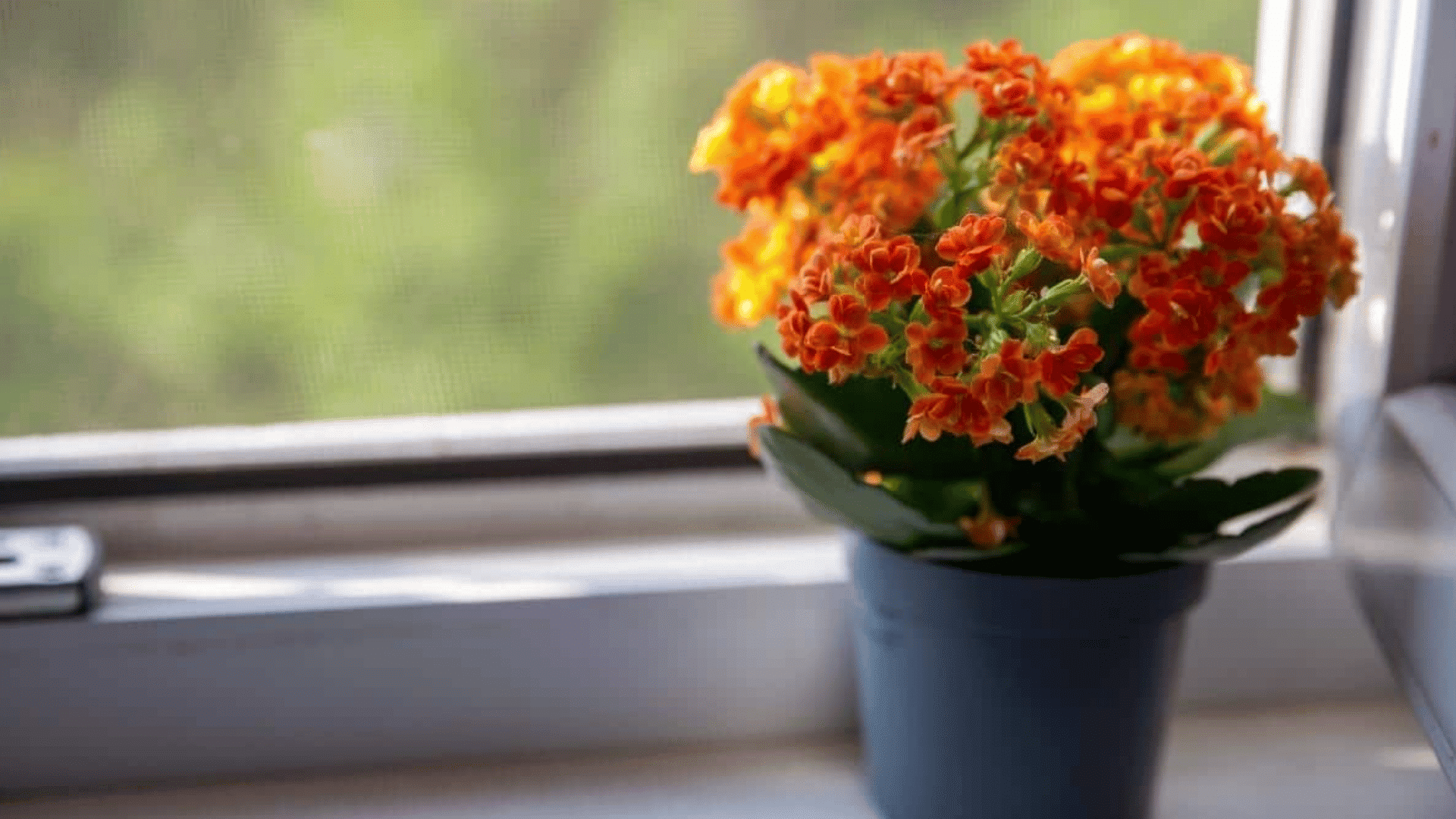
I still remember the first Kalanchoe a friend dropped off at my apartment years ago. During those first few weeks, I made the mistake many people make and gave it more water than it needed.
Once I understood how this plant grows, caring for it became surprisingly simple. The Kalanchoe plant is one of the most rewarding flowering plants you can keep at home.
It adds bright color for weeks, handles a bit of neglect, and grows well indoors year-round or outdoors in warm climates.
Over the years, I have grown Kalanchoes in different spots around my home and learned what helps them thrive.
In this guide, I’ll share practical tips on light, watering, soil, reblooming, common problems, and the benefits of keeping this plant around.
About Kalanchoe Plant Care
Kalanchoe blossfeldiana is a succulent, so its number one enemy is overwatering, not drought. It has thick, fleshy leaves that store water, making it a low-maintenance plant for busy gardeners.
This plant produces clusters of colorful flowers in shades of red, pink, yellow, orange, and white.
Kalanchoe grows best in bright light and does not need frequent watering. Overwatering is one of the most common problems, so it is important to let the soil dry out between waterings.
With the right care, it can bloom for several weeks and continue growing for years.
Its compact size and bright flowers make it a favorite choice for homes and offices.
Kalanchoe Plant Care Tips:
- Place the plant in bright, indirect sunlight.
- Water only when the top inch of soil feels dry.
- Keep temperatures between 60°F and 85°F (16°C–29°C).
- Avoid leaving the plant in standing water.
- Protect the plant from frost and cold drafts.
- Report every 2–3 years if it outgrows its container.
How to Care for a Kalanchoe Plant?
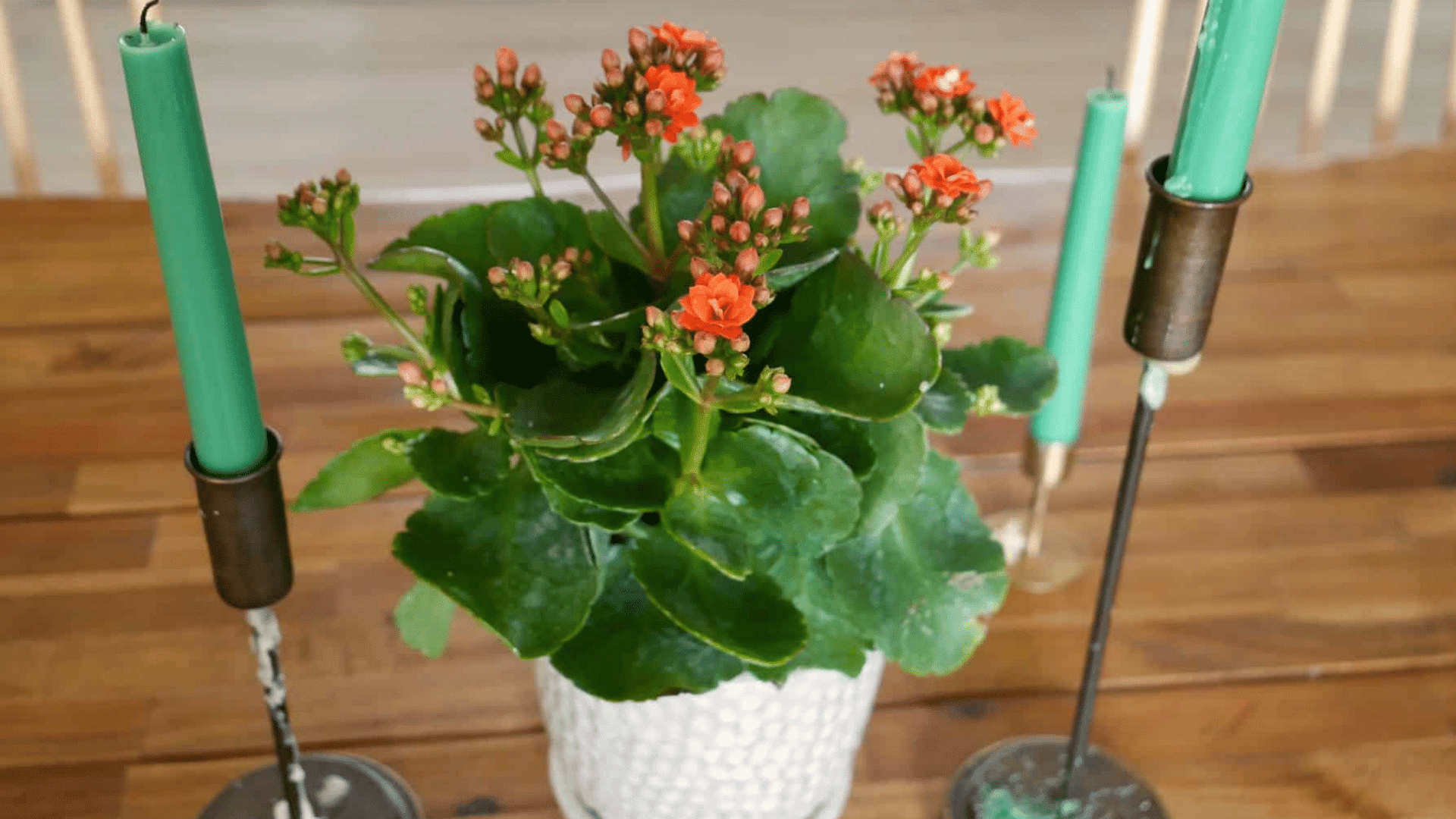
Kalanchoe is an easy-care succulent that rewards you with bright flowers and healthy green leaves. With the right light, water, and soil, it can stay healthy and bloom for many years.
1. Provide the Right Amount of Light
Kalanchoe grows best in bright light. Place it near a sunny window where it can receive several hours of indirect sunlight each day.
A south-facing or west-facing window often works well indoors. If you grow it outside, give it morning sun and light afternoon shade. Too little light can make the plant leggy and reduce flowering.
Strong afternoon sun may scorch the leaves, especially during hot summer months.
Finding the right balance helps the plant stay compact and produce more blooms throughout the growing season.
2. Water only when the Soil Is Dry
Kalanchoe stores water in its thick leaves, so it does not need frequent watering. Check the soil before watering and wait until the top inch feels dry.
Water deeply, then allow excess water to drain away completely. Never let the pot sit in standing water because this can cause root rot.
During winter, the plant usually needs less water since growth slows down.
Overwatering is the most common problem with Kalanchoe, so it is better to water less often than too much. Proper watering keeps roots healthy and leaves firm.
3. Use Well-Draining Soil
Good drainage is important for a healthy Kalanchoe plant. Use a cactus or succulent potting mix that allows water to move through the soil quickly.
Heavy garden soil can hold too much moisture and increase the risk of root problems.
Choose a pot with drainage holes so extra water can escape easily. If needed, mix in coarse sand or perlite to improve drainage even more.
Well-draining soil helps prevent soggy roots and supports strong growth. Healthy roots allow the plant to absorb nutrients better and produce long-lasting flowers.
4. Maintain a Warm Temperature
Kalanchoe prefers warm temperatures and does best between 60°F and 85°F (16°C to 29°C). Keep the plant away from cold drafts, air conditioners, and freezing temperatures.
If you grow it outdoors, move it inside when temperatures drop between 45°F and 50°F.
Sudden temperature changes can stress the plant and affect flowering. Indoors, a normal room temperature is usually perfect for healthy growth. Warm conditions help the plant develop strong leaves and colorful blooms.
Protecting it from extreme cold will keep it healthy throughout the year.
5. Feed and Prune for Better Growth
A little feeding helps Kalanchoe stay healthy and produce more flowers. Use a balanced houseplant fertilizer once a month during the active growing season.
Follow the product directions and avoid overfeeding. Remove faded flowers and damaged leaves as needed.
This simple pruning keeps the plant looking neat and encourages new growth. If the stems become too long, trim them back lightly to maintain a compact shape.
Regular care helps Kalanchoe grow healthy leaves and flowers. Proper feeding and pruning keep it looking good for years.
Kalanchoe Care Outdoors vs. Indoors
Where you grow your Kalanchoe has a big impact on how you care for it. Indoor and outdoor plants face different conditions, which can affect watering, light, and overall growth.
| Factor | Outdoors | Indoors |
|---|---|---|
| Best Climate | USDA zones 10–12 | All US climates |
| Growth Habit | True perennial with nearly continuous blooms | Seasonal bloom cycles |
| Light | Bright morning sun and afternoon shade | South- or west-facing window |
| Watering Risk | Higher risk of root rot in humid weather | Easier to control watering |
| Winter Care | Move indoors when temperatures drop below 45–50°F | No special winter action needed |
| Best Setup | Pot on a covered porch or patio | Windowsill or bright shelf |
Types of Kalanchoe Plants
Kalanchoe includes many species, each with its own leaf shape, size, and growth habit. Some are grown mainly for their flowers, while others are loved for their unusual foliage and easy-care nature.
1. Kalanchoe Blossfeldiana
Kalanchoe Blossfeldiana is the most common variety found in homes and garden centers. It is known for its bright flower clusters that bloom in red, pink, yellow, orange, and white shades.
The plant has thick green leaves that store water and help it tolerate dry conditions.
It stays compact, making it a good choice for windowsills, desks, and small indoor spaces. With proper care, this variety can bloom for several weeks and often flowers again after a rest period.
2. Paddle Plant (Kalanchoe Luciae)
Paddle Plant stands out because of its large, flat leaves that grow in a rosette shape. The leaves are usually gray-green but develop red edges when exposed to bright sunlight.
Unlike flowering Kalanchoes, this variety is mainly grown for its attractive foliage.
It prefers well-draining soil and plenty of light to maintain its color.
Paddle Plant can grow larger than many other Kalanchoe species and works well in succulent gardens, containers, and sunny indoor locations where it receives strong natural light.
3. Mother of Thousands
Mother of Thousands is one of the most unusual Kalanchoe varieties. Tiny plantlets grow along the edges of its leaves and eventually fall off to form new plants.
This fast-growing succulent can spread quickly if left unchecked. Its tall stems and narrow leaves give it a very different look from other Kalanchoes.
Because it reproduces so easily, many gardeners grow it in containers to control its growth. It prefers bright light, minimal watering, and warm temperatures throughout the year.
4. Panda Plant (Kalanchoe Tomentosa)
Panda Plant is valued for its soft, fuzzy leaves rather than its flowers. The gray-green leaves are covered with fine hairs and have dark brown markings along the edges.
This unique appearance makes it a popular indoor succulent. Panda Plant grows slowly and remains fairly compact, making it suitable for small spaces. It needs bright light and well-draining soil to stay healthy.
Like other succulents, it stores water in its leaves and can tolerate occasional missed waterings without major problems.
5. Kalanchoe Fedtschenkoi
Kalanchoe Fedtschenkoi is a low-growing succulent known for its scalloped leaves and trailing growth habit. The leaves are blue-green and may develop pink or purple edges when exposed to bright sunlight.
This variety works well in hanging baskets, rock gardens, and mixed succulent arrangements.
During the flowering season, it produces small bell-shaped blooms on tall stems.
Its spreading growth makes it different from the more upright Kalanchoe types. It thrives in warm conditions and requires little maintenance once established.
Best Soil and Pot for Kalanchoe
Kalanchoe needs soil that drains fast because its roots do not like sitting in wet soil. A cactus or succulent mix works best for this plant.
You can also add perlite or coarse sand to regular potting soil to help water move through it faster.
Choose a pot with drainage holes so extra water can escape after each watering. Clay or terracotta pots are helpful because they dry out faster than plastic pots.
Avoid using a pot that is too large, as extra soil can hold too much moisture around the roots.
A slightly snug pot helps the plant stay healthy and reduces the risk of root rot.
Benefits of Growing a Kalanchoe Plant
This plant fits well into many homes because it is easy to manage and does not require constant attention. Its compact size and colorful flowers make it a practical choice for both new and experienced plant owners.
- Long-Lasting Flowers: Kalanchoe produces bright blooms that can stay attractive for several weeks, adding color to indoor spaces for an extended period.
- Low Maintenance: The plant does not need frequent watering or complicated care routines, making it suitable for busy households.
- Drought-tolerant: Its thick leaves store water, allowing it to handle short dry periods better than many common houseplants.
- Suitable for Indoor Growing: Kalanchoe adapts well to indoor conditions and grows successfully near bright windows.
- Available in Many Colors: Flowers come in shades of red, pink, yellow, orange, and white, giving homeowners plenty of options.
- Easy to Propagate: New plants can be grown from stem cuttings, making it simple to expand your collection.
- Adds Natural Decor: The combination of green foliage and colorful flowers helps brighten living rooms, offices, bedrooms, and other indoor areas.
- Can Be Grown Outdoors in Warm Climates: Gardeners in USDA zones 10–12 can enjoy Kalanchoe outdoors for much of the year.
- Beginner-friendly: Simple care requirements make it one of the easiest flowering succulents for first-time plant owners.
How to Propagate Kalanchoe at Home?
Propagating Kalanchoe is simple and beginner-friendly. Stem cuttings are the most reliable method and usually root within a few weeks under the right conditions.
1. Take a Healthy Stem Cutting
Start by selecting a healthy stem that is about 2 to 3 inches long. The stem should have at least two pairs of leaves and show no signs of disease, damage, or weak growth.
Use clean scissors or a sharp knife to make a smooth cut. A healthy cutting contains more stored energy, which helps support root development.
Stem cuttings are generally the most dependable propagation method and tend to establish faster than individual leaf cuttings.
2. Let the Cut End Dry Before Planting
After taking the cutting, do not place it directly into soil. Set it in a dry location at room temperature for one to two days so the cut end can dry and form a callus.
This protective layer helps reduce the risk of rot once the cutting is planted. Many propagation failures happen when fresh cuttings are exposed to moisture too soon.
Allowing time for the wound to seal creates a much stronger start for root development.
3. Plant in Well-Draining Soil
Once the cut end has dried, plant the stem in a container filled with succulent or cactus potting mix. The soil should drain quickly and allow air to move freely around the roots.
Place the pot in a location with bright, indirect light rather than intense direct sun. Water lightly after planting, then allow the soil to dry slightly between waterings.
Excess moisture is one of the most common reasons newly planted cuttings fail to establish successfully.
4. Watch for New Root Growth
Most Kalanchoe cuttings begin developing roots within two to three weeks when temperatures and light levels are suitable.
During this time, avoid pulling on the cutting to check progress because this can damage delicate new roots.
Instead, look for signs of fresh leaf growth, which often indicate that rooting has started below the soil surface.
While results can vary, stem cuttings usually root more quickly and produce stronger plants than other propagation methods.
Kalanchoe Toxicity: What Pet Owners Need to Know?
If you have cats or dogs at home, this section matters. According to the ASPCA, Kalanchoe is toxic to both cats and dogs.
The plant contains compounds called bufadienolides that can cause vomiting, diarrhea, and, in cases of significant ingestion, abnormal heart rhythm.
Symptoms can appear within a few hours of the plant being chewed or eaten. Keep your Kalanchoe on a high shelf, in a hanging planter, or in a room your pets cannot enter.
The plant is generally considered mildly to moderately toxic and is not typically life-threatening in small amounts.
But it is always best to contact your veterinarian right away if you suspect your pet has eaten any part of it. The ASPCA Animal Poison Control Center number is 888-426-4435.
Common Kalanchoe Problems and How to Fix Them
In my experience, most Kalanchoe problems stem from either too much water or not enough light. Here are the most common issues and what to do about each one.
- Yellow, mushy leaves: Mostly overwatering or waterlogged soil. Let the plant dry out fully and check that the pot has working drainage holes before watering again.
- Leggy, pale growth: Insufficient light is the cause. Move the plant closer to a south or west-facing window or add a grow light during short winter days.
- Mealybugs (white cottony clusters on stems or leaf joints): Wipe them off with a cotton swab dipped in rubbing alcohol and follow up with diluted neem oil.
- Aphids or spider mites: These appear when the plant is stressed, usually due to low humidity or poor light. Treat with neem oil spray and improve growing conditions.
- Black root rot at the base of the stem: severe overwatering. Repot immediately into a completely fresh, dry succulent mix and cut blackened roots before replanting.
Conclusion
Kalanchoe proves that you do not need a green thumb to enjoy a beautiful flowering plant. Once you understand its basic needs- bright light, careful watering, and well-draining soil, it becomes an easy houseplant to grow.
Whether on a sunny windowsill, in a home office, or given as a gift, Kalanchoe provides months of colorful blooms with little care.
The best part is that every season teaches you something new about how this resilient plant grows and thrives.
Have you grown a Kalanchoe before, or are you planning to bring one home soon?
Share your experiences, tips, or questions in the comments below. I would love to hear how your Kalanchoe gardening is going.
Frequently Asked Questions
Is a Kalanchoe Plant Indoor or Outdoor?
Kalanchoe adapts well to both environments. Container-grown plants are especially popular because they can be moved as conditions change.
How Do You Keep a Kalanchoe Blooming?
Removing spent flower clusters promptly helps direct energy toward healthy growth and encourages stronger future flowering cycles.
How Long Do Potted Kalanchoes Last?
With proper maintenance, potted Kalanchoes can remain healthy for many years and continue producing seasonal blooms.
How Do You Take Care of a Potted Kalanchoe Plant?
Provide good air circulation, rotate the pot occasionally to promote even growth, and remove damaged foliage as needed.