

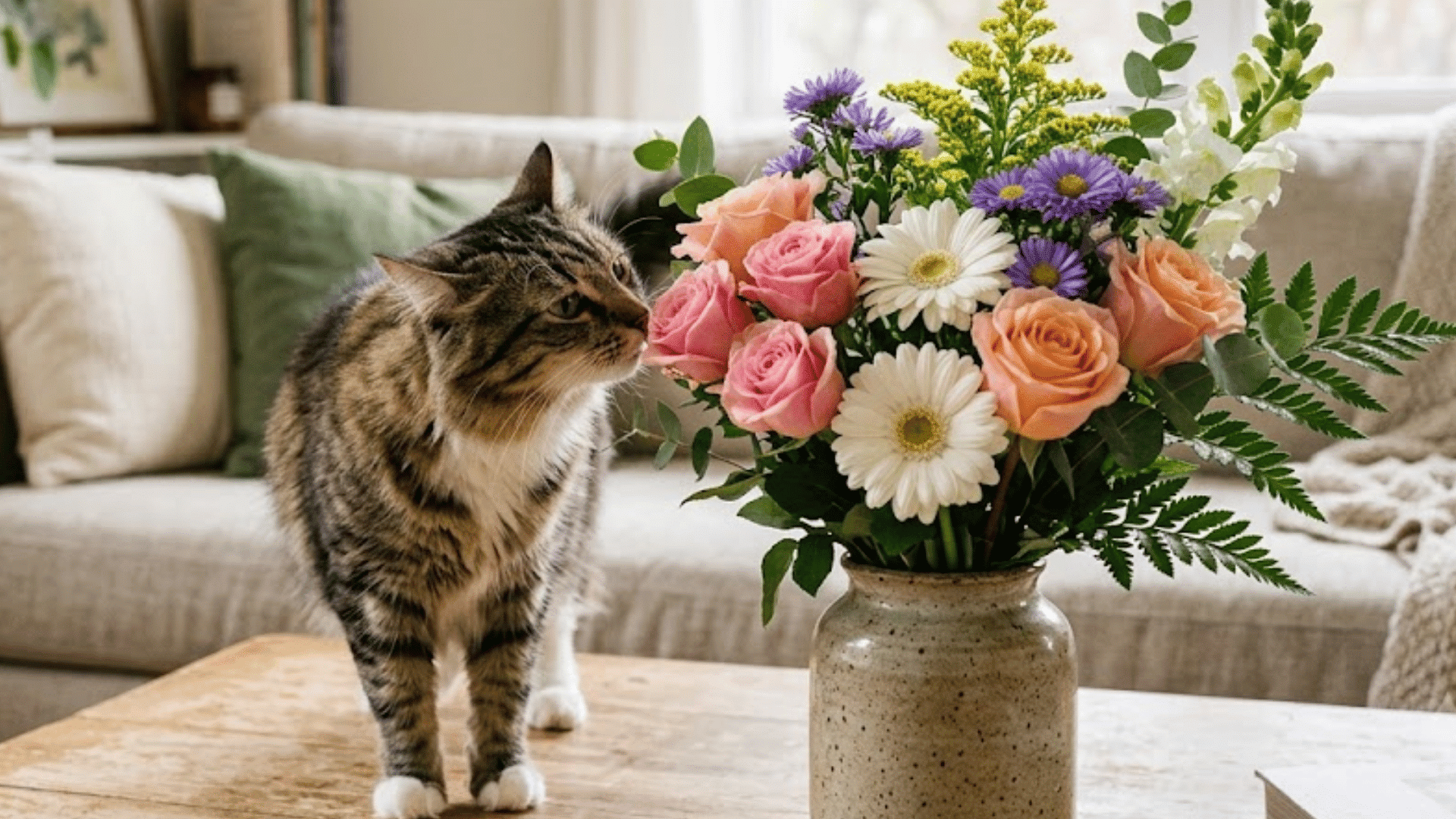
Fresh flowers can brighten any home, but choosing the right ones is important when you share your space with a curious feline.
Non-toxic flowers for cats allow you to enjoy beautiful blooms while helping create a safer environment for pets that may sniff, chew, or play with plants.
I always recommend checking a flower’s safety before bringing it indoors, as popular varieties can be harmful to cats.
This guide covers cat-safe flowers, highlights blooms to avoid, and shares practical tips to help you decorate your home with greater peace of mind. Keep reading to find the best options for your home.
How to Check a Flower Is Truly Non-Toxic?
The safest way to verify whether a flower is truly non-toxic is to check its scientific name rather than relying only on its common name.
Many plants share similar common names, even though their safety for cats can differ significantly.
Compare the botanical name with the ASPCA Toxic and Non-Toxic Plants List, one of the most trusted resources for pet owners.
This is especially important when buying mixed bouquets, as they may include toxic filler flowers or greenery alongside safe blooms.
If a plant label or receipt lists only a common name, ask the florist or nursery for the botanical name before bringing it home. Taking a minute to verify the species can help prevent accidental poisoning and unnecessary veterinary emergencies.
Best Non-Toxic Flowers for Cats
Choosing cat-safe flowers allows you to enjoy fresh blooms without introducing unnecessary risks into your home.
1. Rose (Rosa spp.)
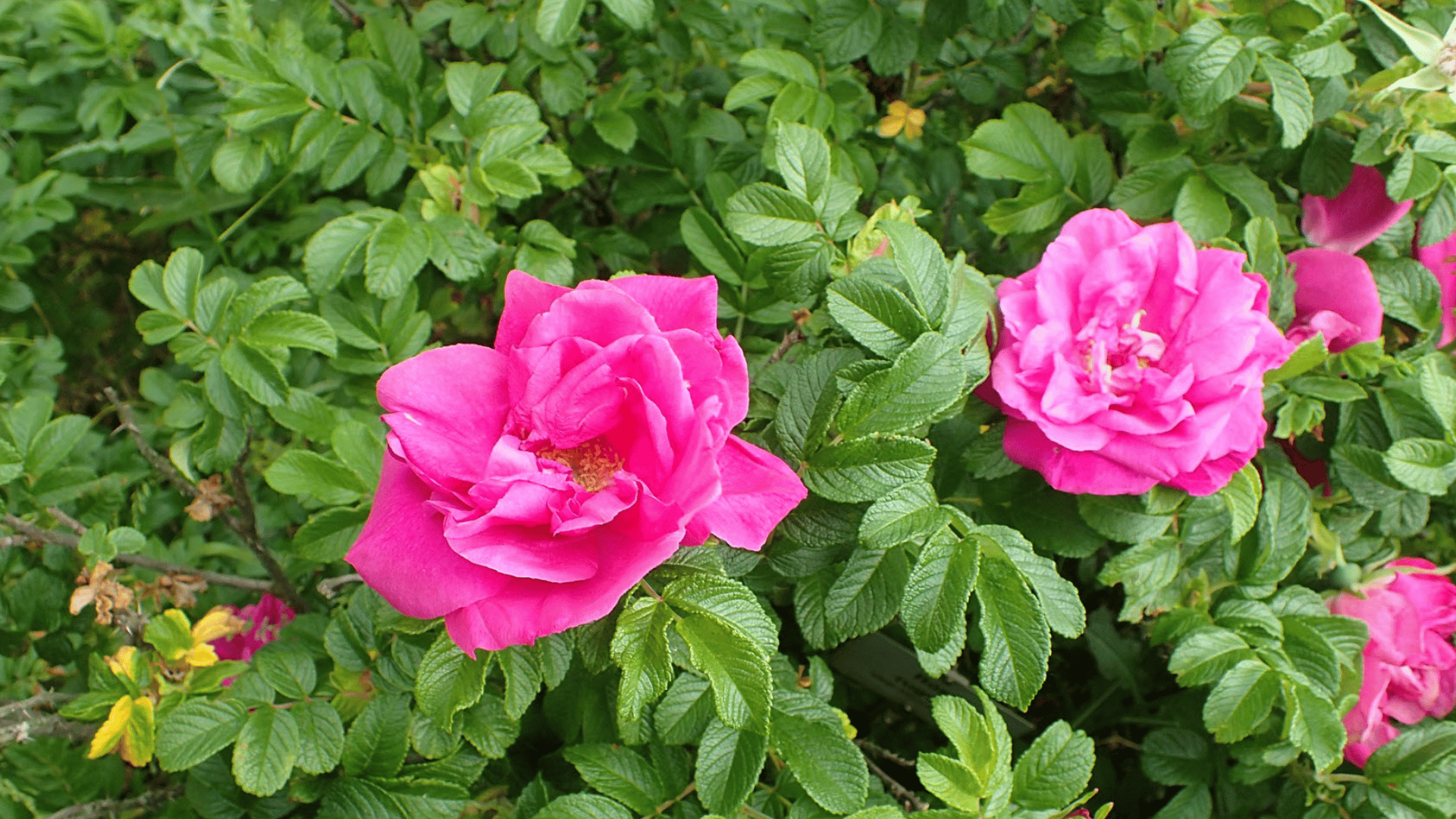
Known for their layered, fragrant blooms, roses have been a garden favorite for centuries.
Available in countless colors, sizes, and growth habits, they suit everything from compact patio pots to climbing trellises and sprawling landscape borders.
- Best For: Garden borders, climbing trellises, cut flower bouquets, cottage gardens, and ornamental landscapes.
- Growing Tips: Plant in full sun with fertile, well-drained soil. Prune regularly and water deeply to encourage vigorous growth and abundant blooms.
- Safety Considerations: While the blooms are pet-friendly, the sharp thorns can scratch curious cats. Thornless varieties are a better option for pet-friendly gardens.
2. Orchid (Phalaenopsis spp.)
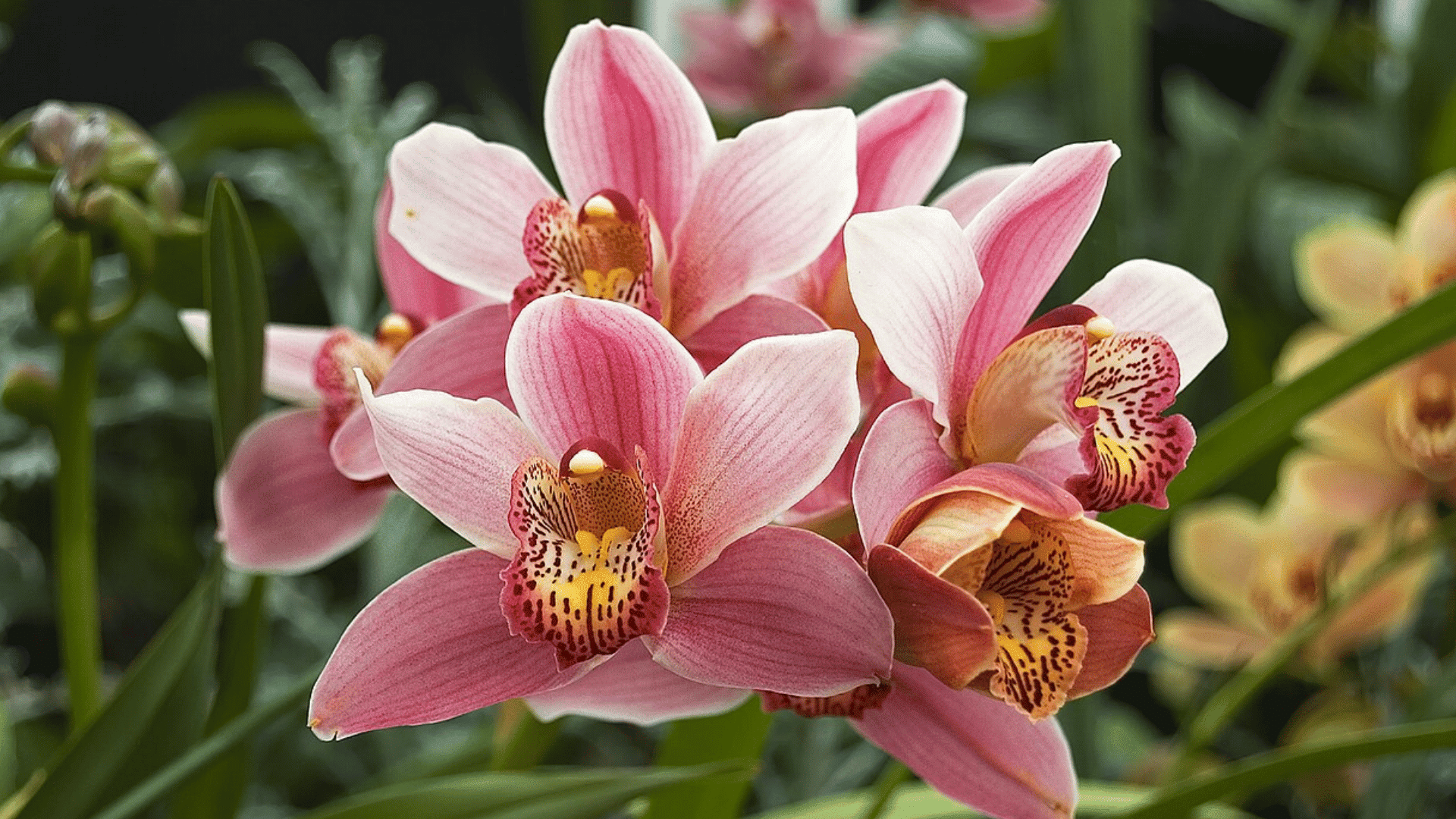
Loved for their graceful appearance, Phalaenopsis orchids produce elegant blooms that can last for several months with proper care.
Their flowers come in white, pink, purple, yellow, and patterned varieties, making them a popular choice for modern interiors.
- Best For: Indoor décor, office desks, bright windows, bedrooms, and living rooms.
- Growing Tips: Keep in bright, indirect light and water only when the growing medium begins to dry.
- Safety Considerations: Their long flower spikes often attract playful cats, so place orchids in sturdy containers that are difficult to tip over.
3. Sunflower (Helianthus annuus)
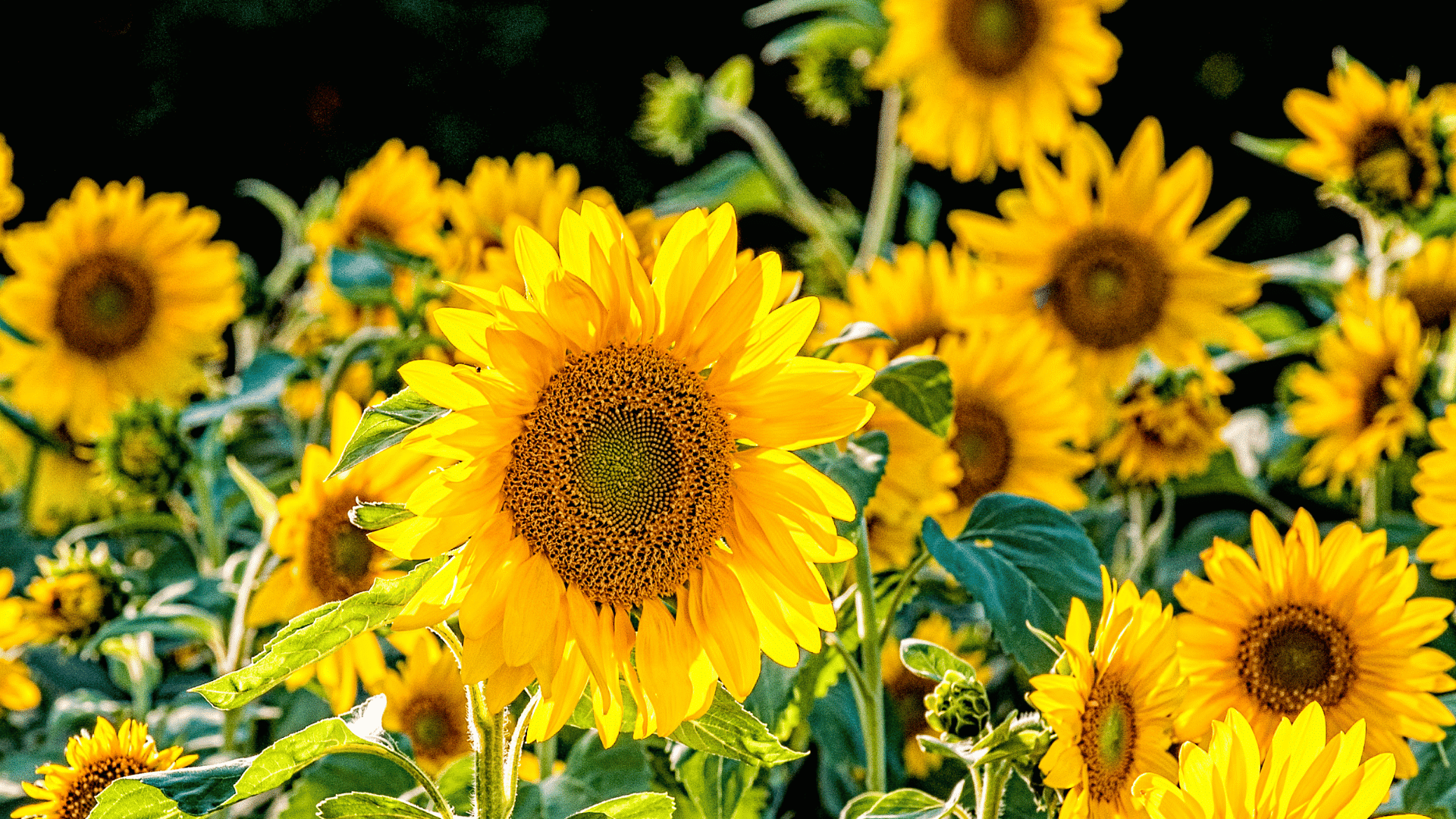
Towering above many summer flowers, sunflowers create a striking display with their large golden blooms and sturdy stems.
Depending on the variety, they can grow just a few feet tall or reach impressive heights, becoming the centerpiece of a garden.
- Best For: Backyard gardens, cutting gardens, wildlife gardens, and sunny borders.
- Growing Tips: Choose a location with full sun and nutrient-rich soil, and support taller varieties with stakes if necessary.
- Safety Considerations: Mature flower heads become heavy as seeds develop, so remove damaged stems before they fall into areas where pets frequently play.
4. Gerbera Daisy (Gerbera jamesonii)
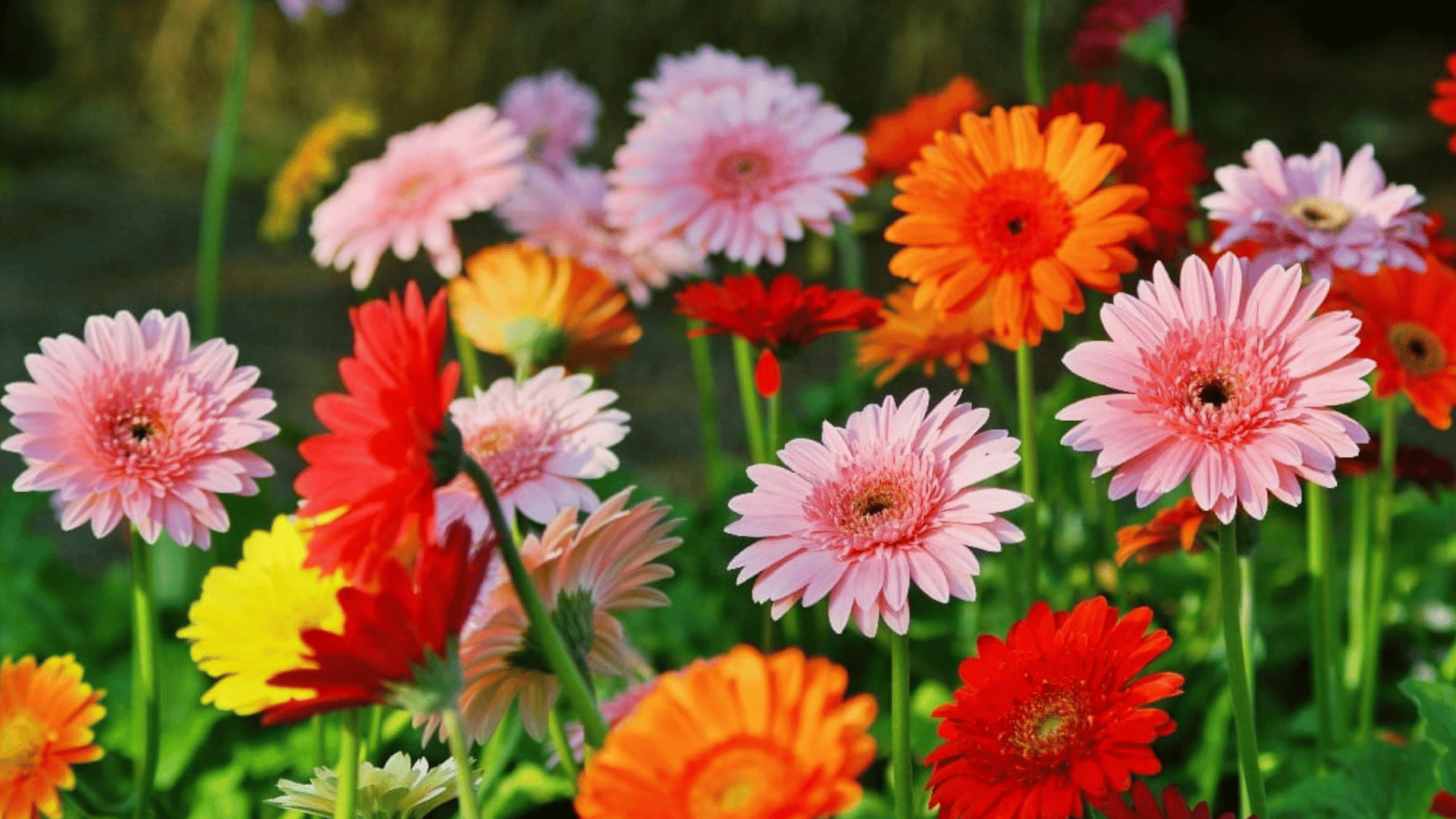
Adding cheerful color wherever they bloom, Gerbera daisies feature large daisy-shaped flowers in brilliant shades of red, orange, pink, yellow, and white.
Their compact size and long flowering season make them ideal for brightening patios, balconies, containers, and indoor spaces.
- Best For: Containers, patios, balconies, flower beds, and indoor displays.
- Growing Tips: Grow in full sun and use well-drained soil to prevent excess moisture around the roots.
- Safety Considerations: Remove faded blooms regularly to encourage continuous flowering and maintain a neat-looking plant.
5. Snapdragon (Antirrhinum majus)
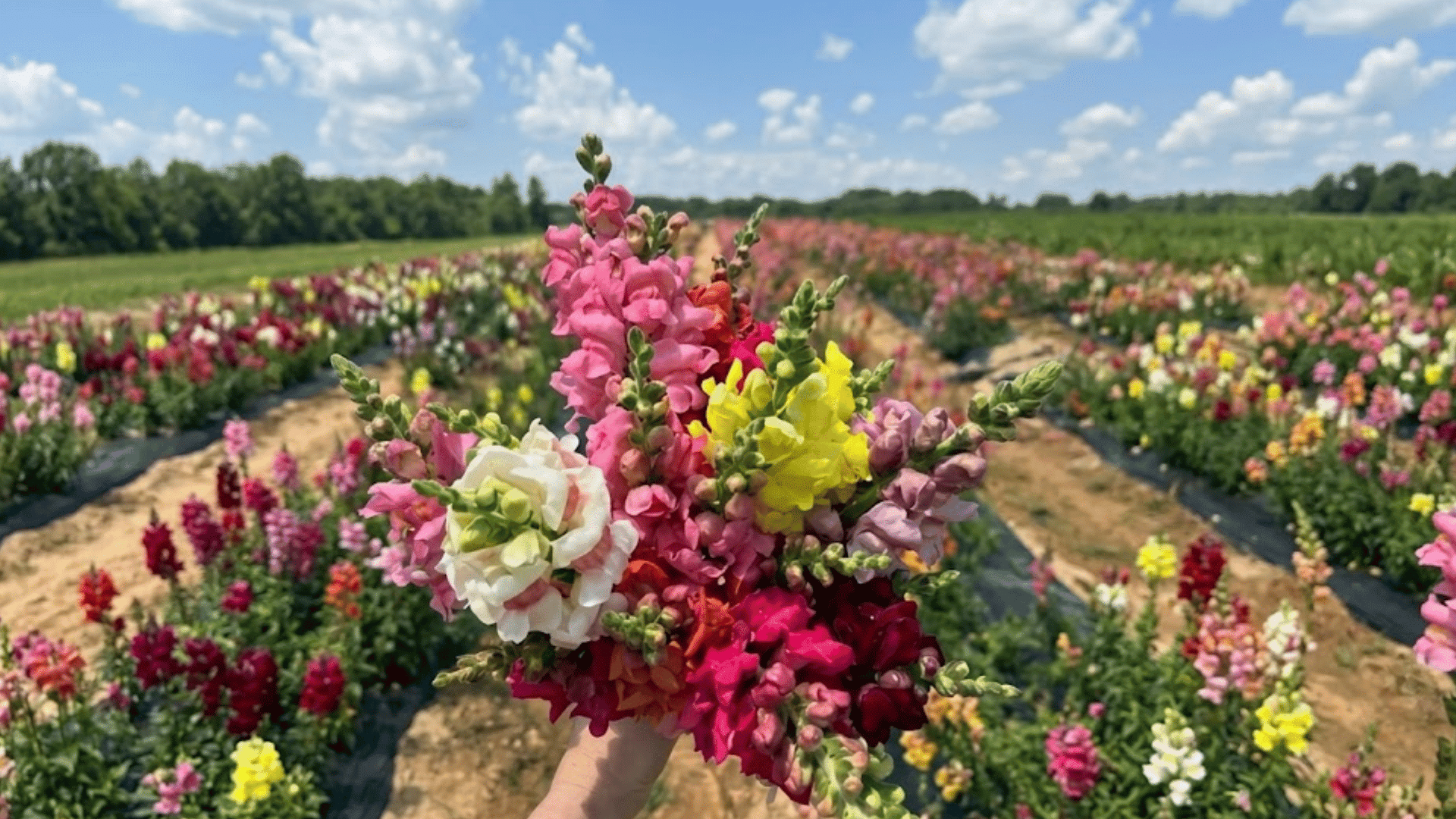
Recognizable for their unique dragon-shaped blossoms, snapdragons add height, texture, and vibrant color to gardens throughout the cooler growing seasons.
Their upright flower spikes pair beautifully with shorter annuals, creating eye-catching borders and cottage-style landscapes. Available in a wide range of colors, they also make excellent cut flowers for decorative arrangements.
- Best For: Cottage gardens, mixed borders, flower beds, and cutting gardens.
- Growing Tips: Plant in full sun or partial shade with consistently moist, well-drained soil for the best blooms.
- Safety Considerations: Taller flower spikes may lean after heavy rain or strong winds, so staking them helps prevent broken stems.
6. Freesia (Freesia spp.)
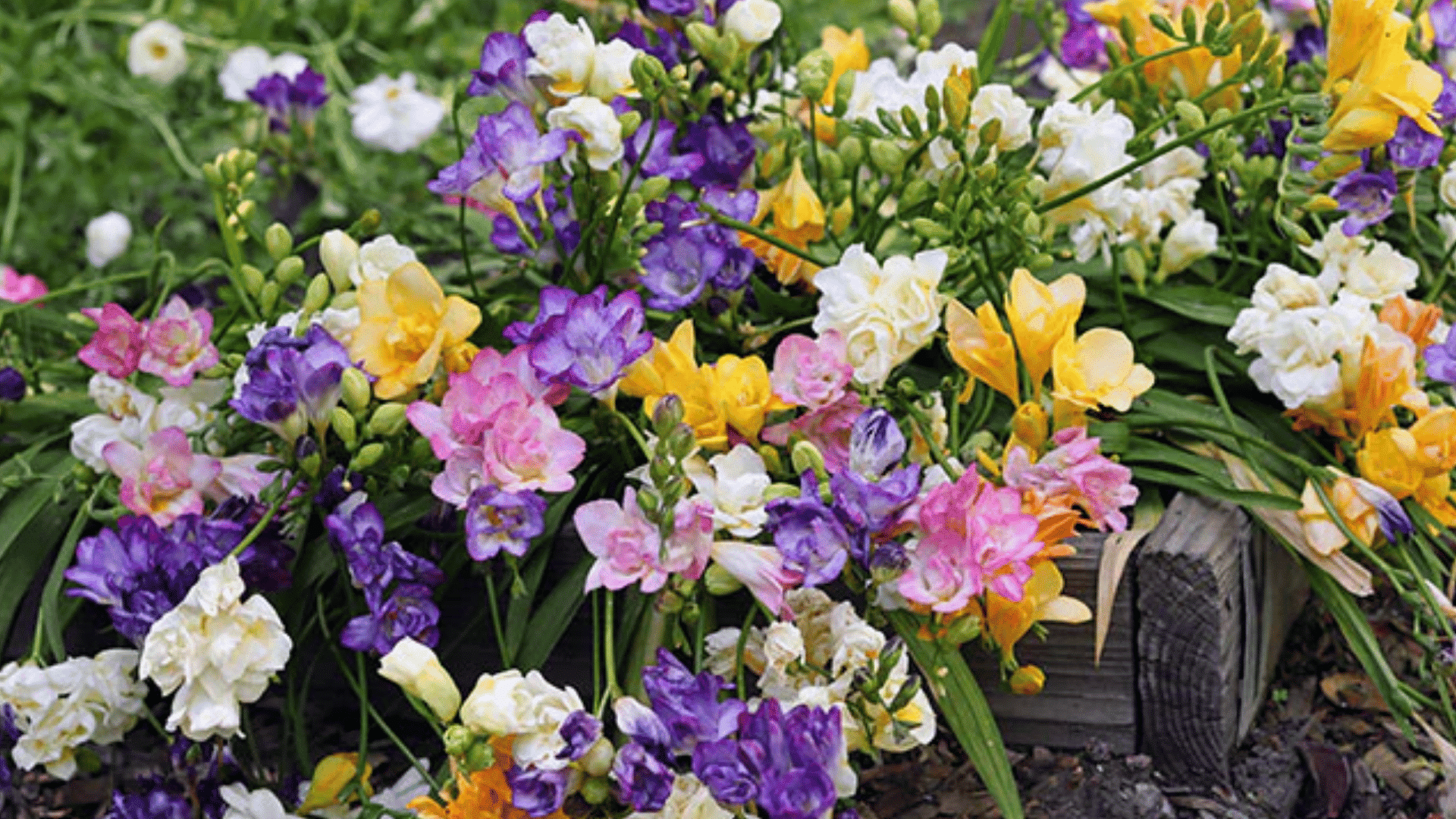
Celebrated for their sweet fragrance, freesias produce elegant trumpet-shaped flowers that bloom in vibrant shades of white, yellow, pink, purple, orange, and red.
Their pleasant scent and graceful stems make them a favorite for spring gardens and fresh bouquets displayed indoors.
- Best For: Spring gardens, containers, borders, and fragrant floral arrangements.
- Growing Tips: Plant corms in well-drained soil that receives several hours of direct sunlight each day.
- Safety Considerations: Their strong fragrance may attract curious cats, so placing bouquets slightly out of reach helps prevent playful investigation.
7. Zinnia (Zinnia elegans)
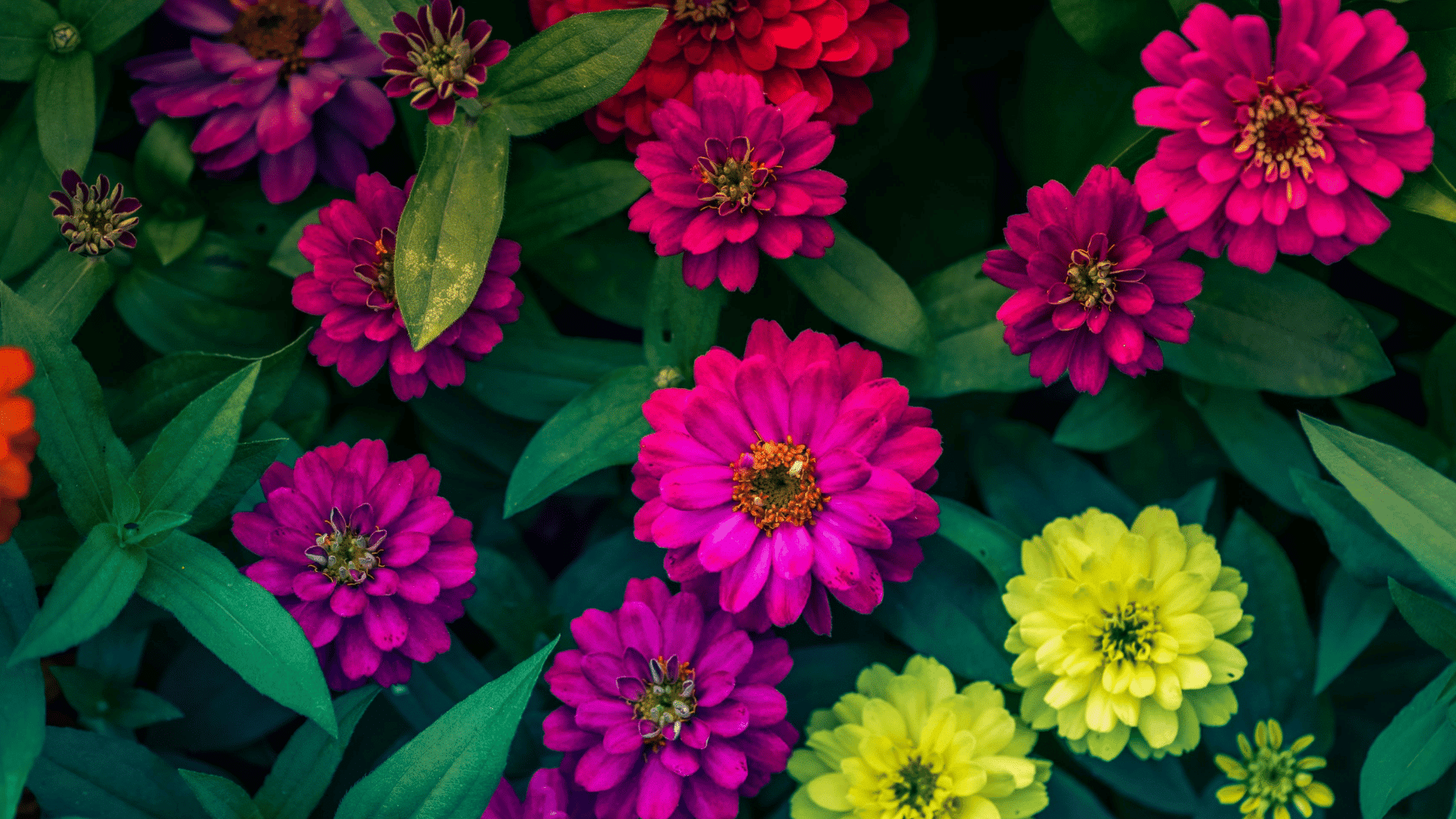
Blooming continuously through the warm months, zinnias are among the easiest annual flowers to grow from seed.
Their bright blooms appear in nearly every color and attract butterflies throughout the season, making gardens more vibrant and lively.
- Best For: Pollinator gardens, borders, cutting gardens, raised beds, and beginner-friendly landscapes.
- Growing Tips: Plant in full sun and remove spent blooms regularly to encourage fresh flowers throughout the growing season.
- Safety Considerations: Good spacing between plants improves airflow, helping keep foliage healthy during humid weather.
8. Aster (Symphyotrichum spp.)
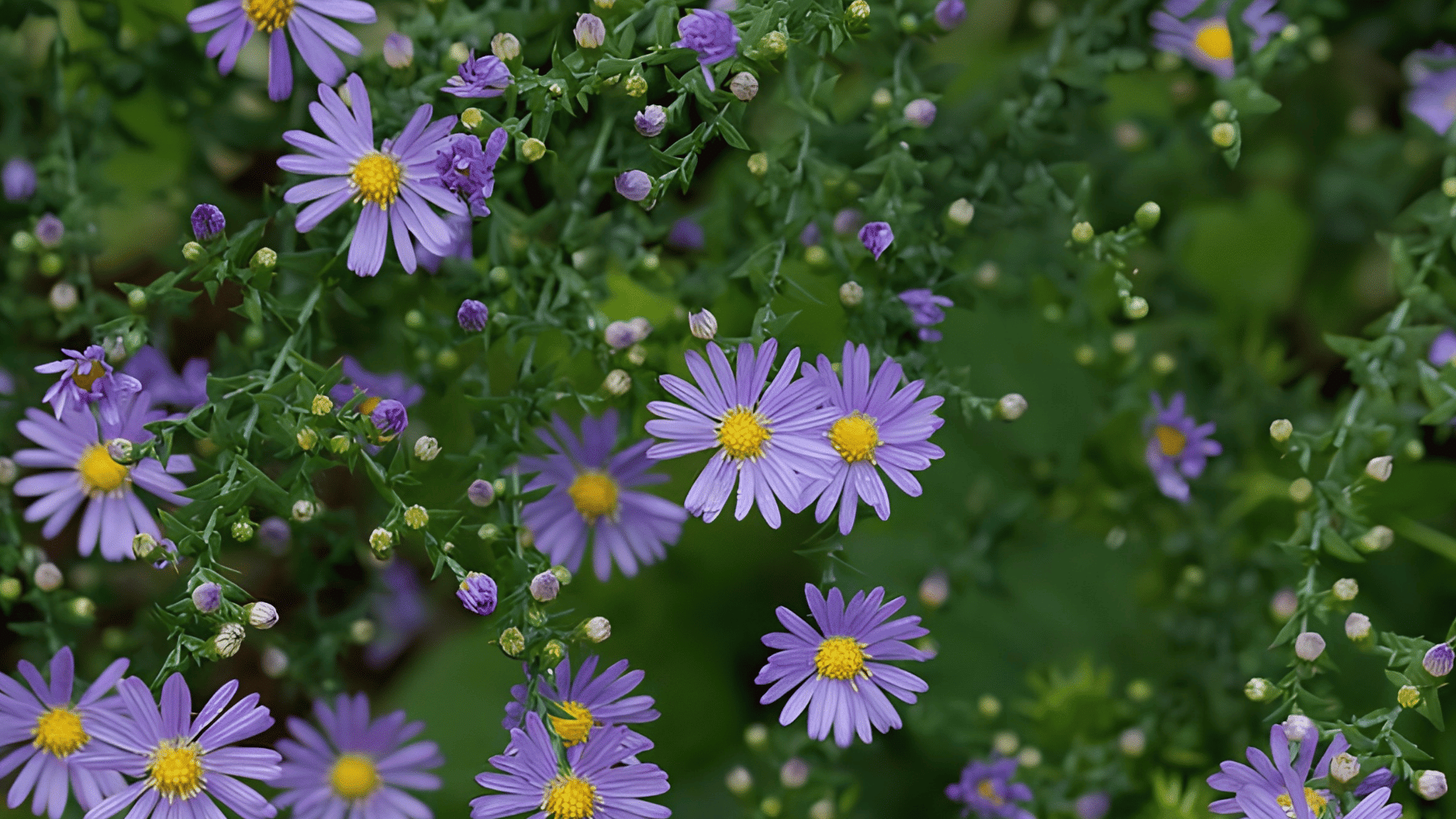
Bringing vibrant color to the garden when many summer flowers begin to fade, asters bloom in shades of purple, pink, blue, and white throughout late summer and fall.
Their star-shaped flowers attract butterflies and other pollinators, making them a valuable addition to wildlife-friendly landscapes.
- Best For: Fall gardens, perennial borders, pollinator gardens, and naturalized landscapes.
- Growing Tips: Plant in full sun with fertile, well-drained soil and divide mature clumps every few years to encourage vigorous growth.
- Safety Considerations: Taller varieties may spread into walkways as they mature, so occasional trimming helps keep outdoor spaces comfortable for pets.
9. African Violet (Saintpaulia ionantha)
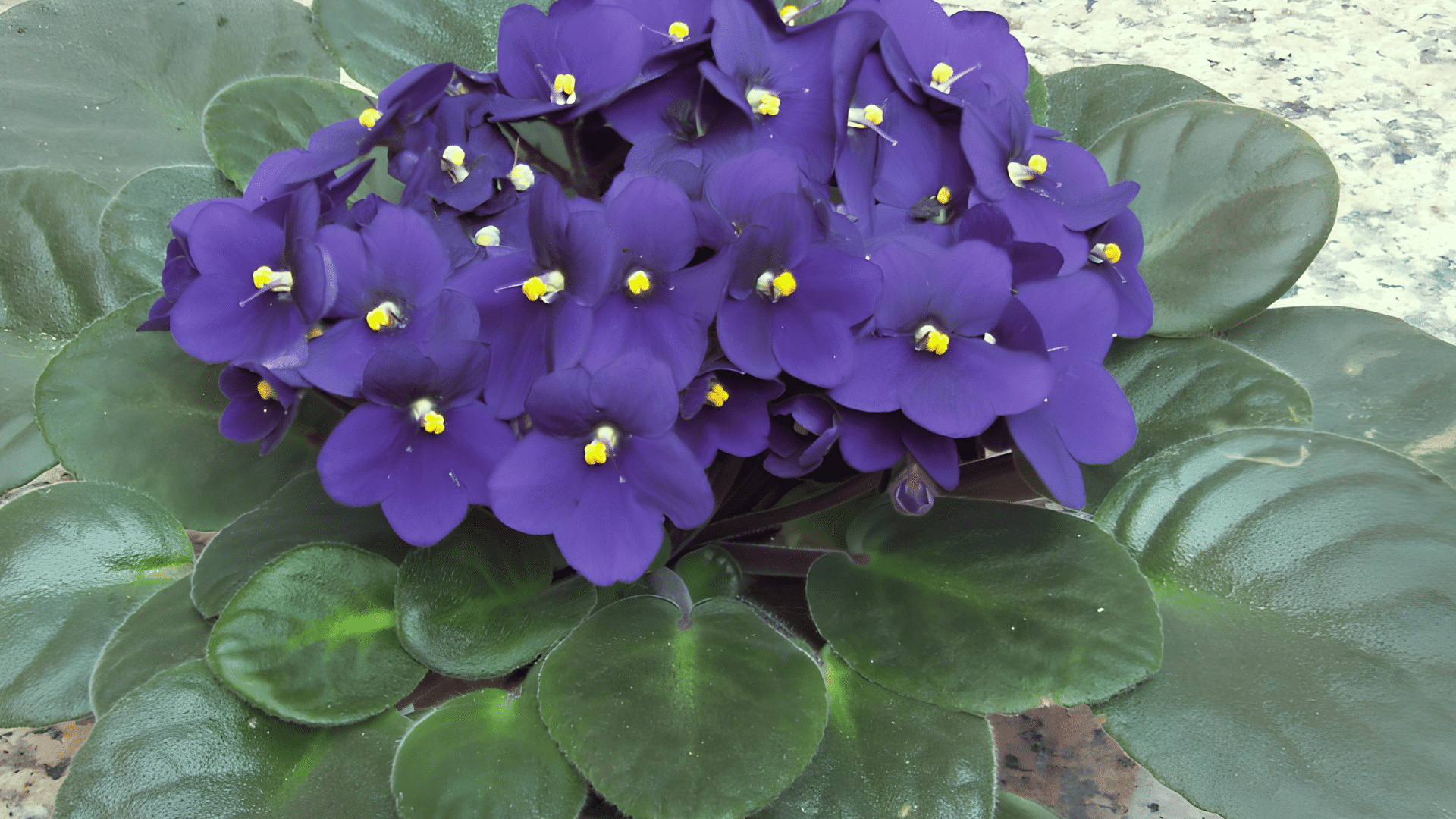
Perfect for bright indoor spaces, African violets are compact flowering plants that bloom several times a year with proper care.
Their velvety green leaves and clusters of purple, pink, blue, or white flowers make them a favorite for windowsills, shelves, and office desks.
- Best For: Windowsills, office desks, bookshelves, apartments, and indoor décor.
- Growing Tips: Provide bright, indirect light and water from the base to help prevent spots on the leaves.
- Safety Considerations: The soft, fuzzy foliage bruises easily, so placing the plant on higher shelves helps protect both the leaves and curious cats.
10. Camellia (Camellia japonica)
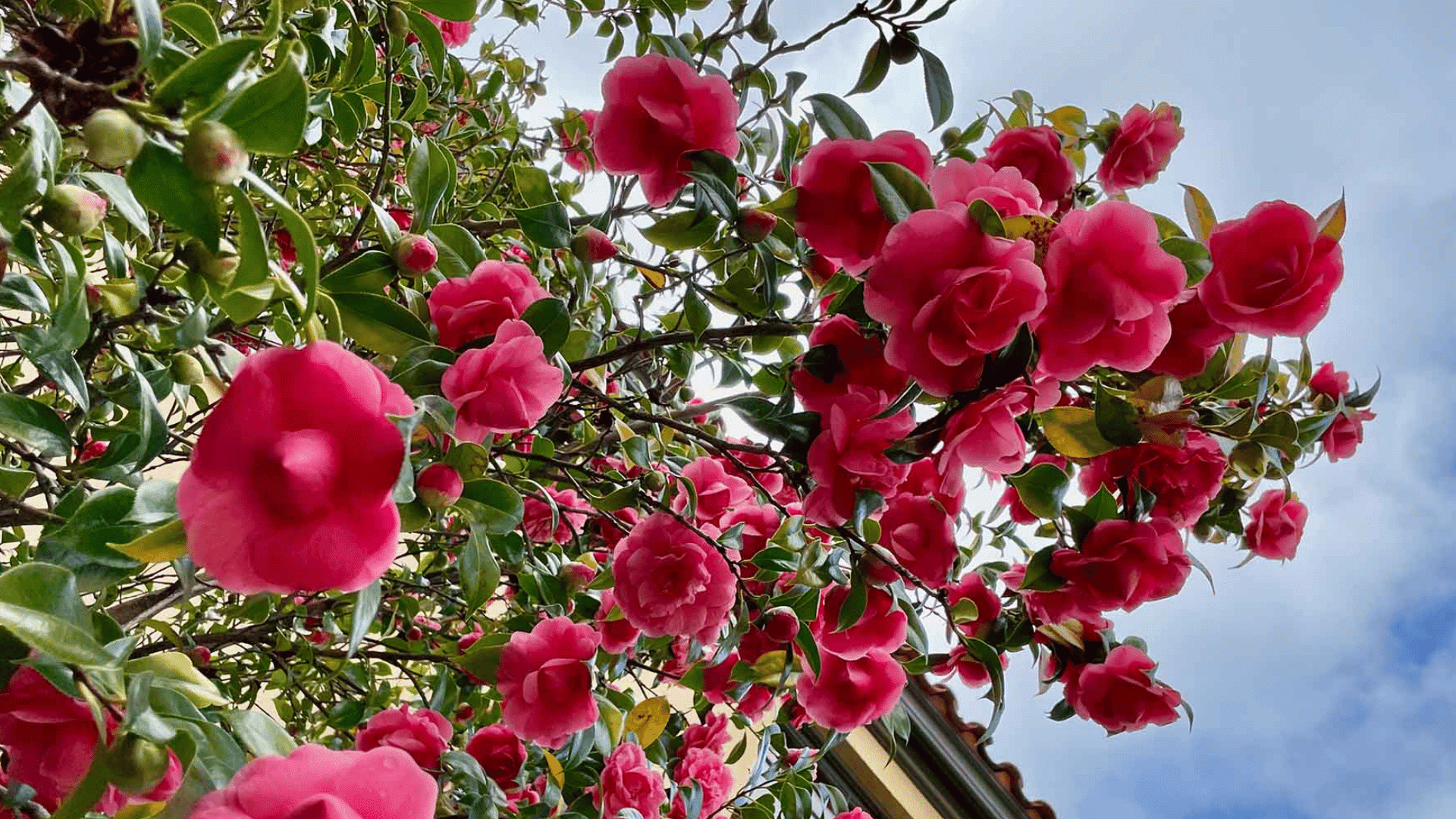
Blooming during the cooler months, camellias produce elegant rose-like flowers that brighten gardens when many other plants remain dormant.
Their glossy evergreen foliage keeps landscapes attractive throughout the year, while the large blooms create an eye-catching display in shades of white, pink, and deep red.
- Best For: Foundation plantings, shaded gardens, evergreen borders, and ornamental landscapes.
- Growing Tips: Grow in partial shade with slightly acidic, well-drained soil and apply mulch to retain moisture around the roots.
- Safety Considerations: Regularly clear away fallen flowers beneath the shrub to keep garden paths neat and reduce unnecessary pet curiosity.
11. Petunia (Petunia spp.)
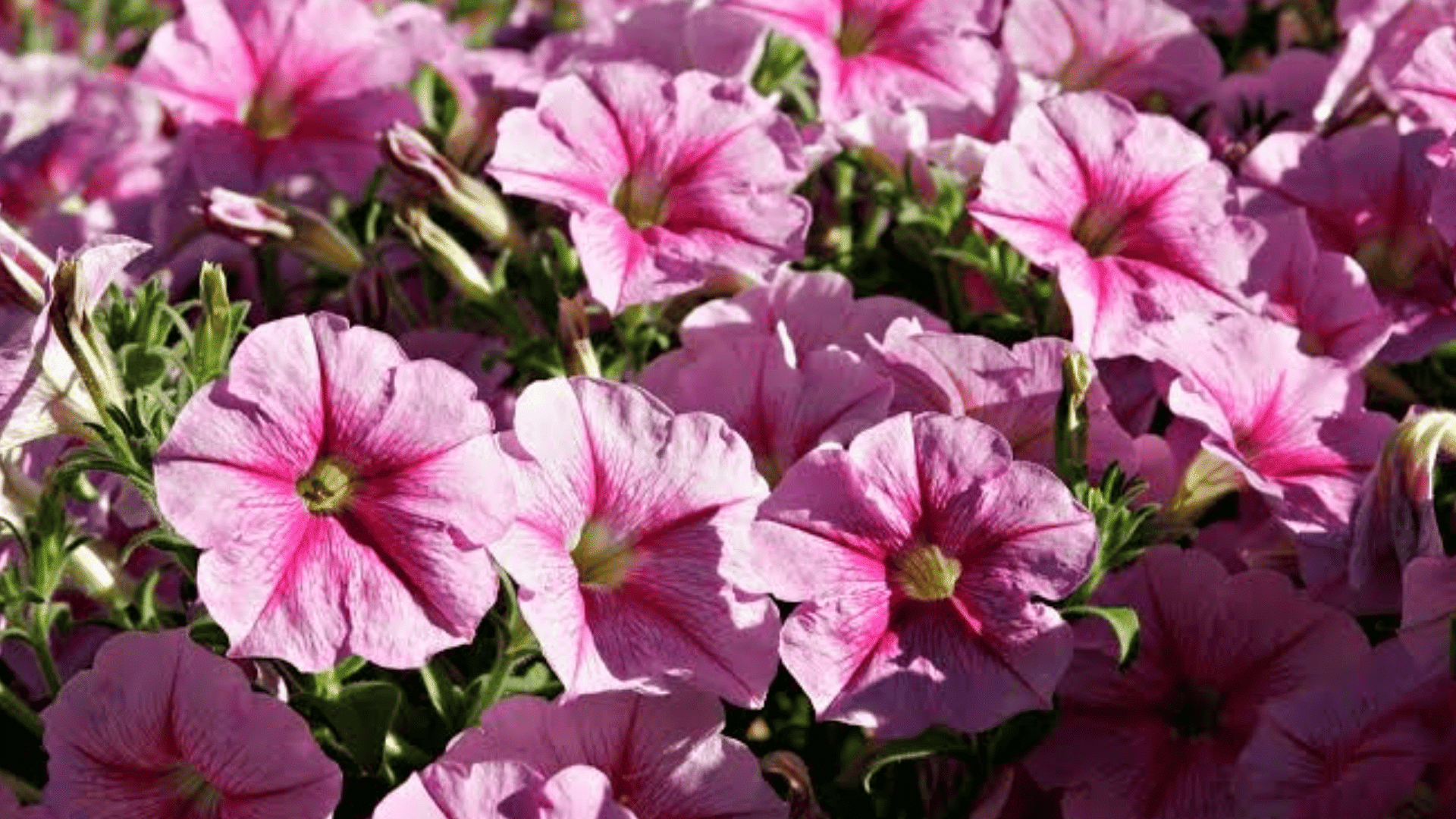
Offering months of continuous blooms, petunias are available in countless colors, patterns, and flower sizes that brighten gardens from spring until frost.
Modern varieties are also known for improved weather tolerance and longer flowering periods.
- Best For: Hanging baskets, window boxes, patios, containers, and garden borders.
- Growing Tips: Plant in full sun and water consistently while removing faded blooms to encourage fresh flowers.
- Safety Considerations: Trailing stems can become tangled as they grow, so light trimming keeps plants tidy and prevents excessive spreading.
12. Celosia (Celosia argentea)
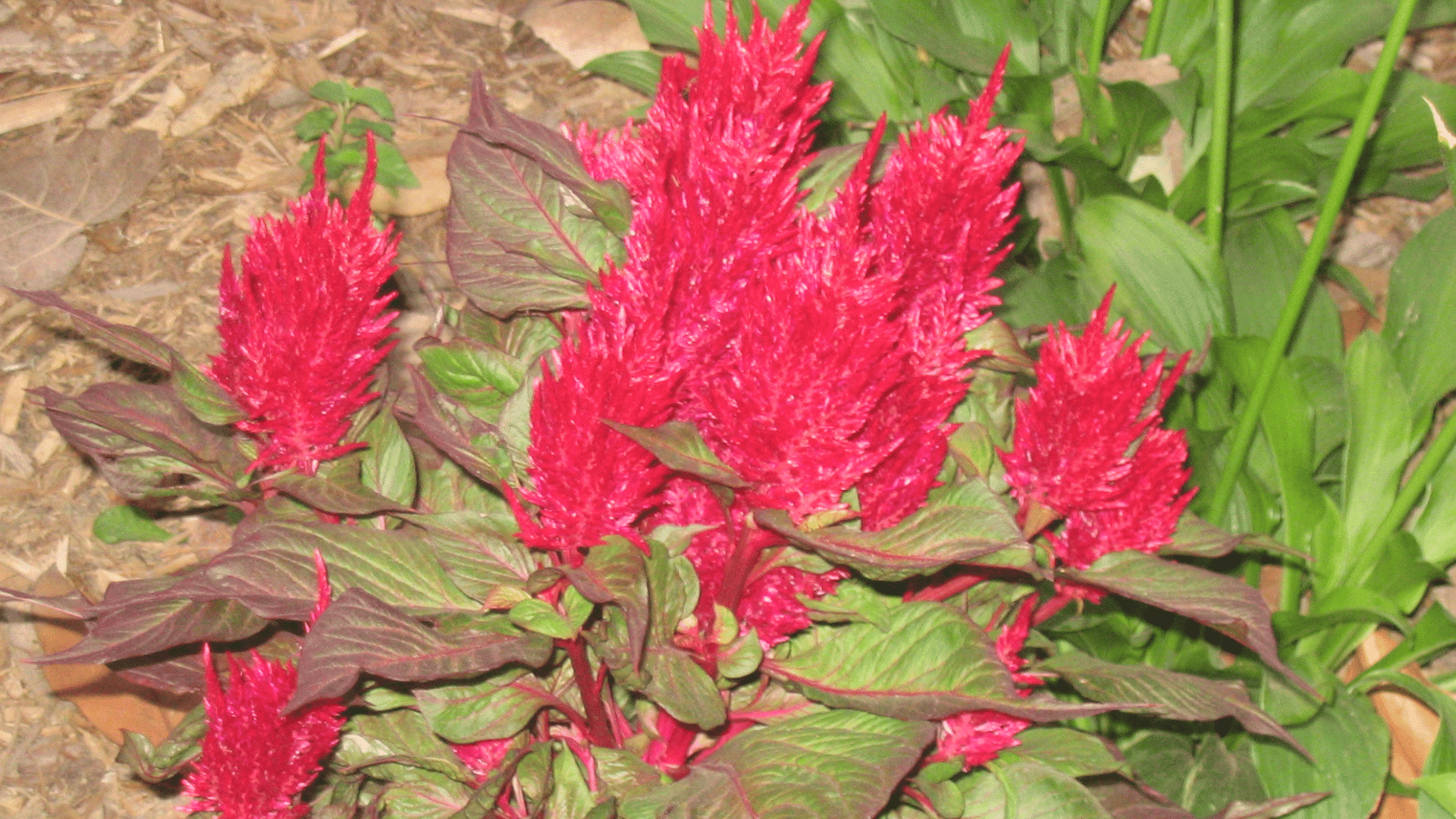
Standing out with its unique feathery plumes or crested flower heads, celosia adds bold texture and vibrant color to summer landscapes.
Their unusual appearance makes them an excellent choice for gardeners looking to create eye-catching planting combinations.
- Best For: Summer flower beds, borders, cutting gardens, and dried flower displays.
- Growing Tips: Plant after the last frost in full sun with well-drained soil and avoid overwatering.
- Safety Considerations: Dried flower heads may release small seeds indoors, so occasional cleaning helps keep surrounding areas tidy.
13. Waxflower (Chamelaucium uncinatum)
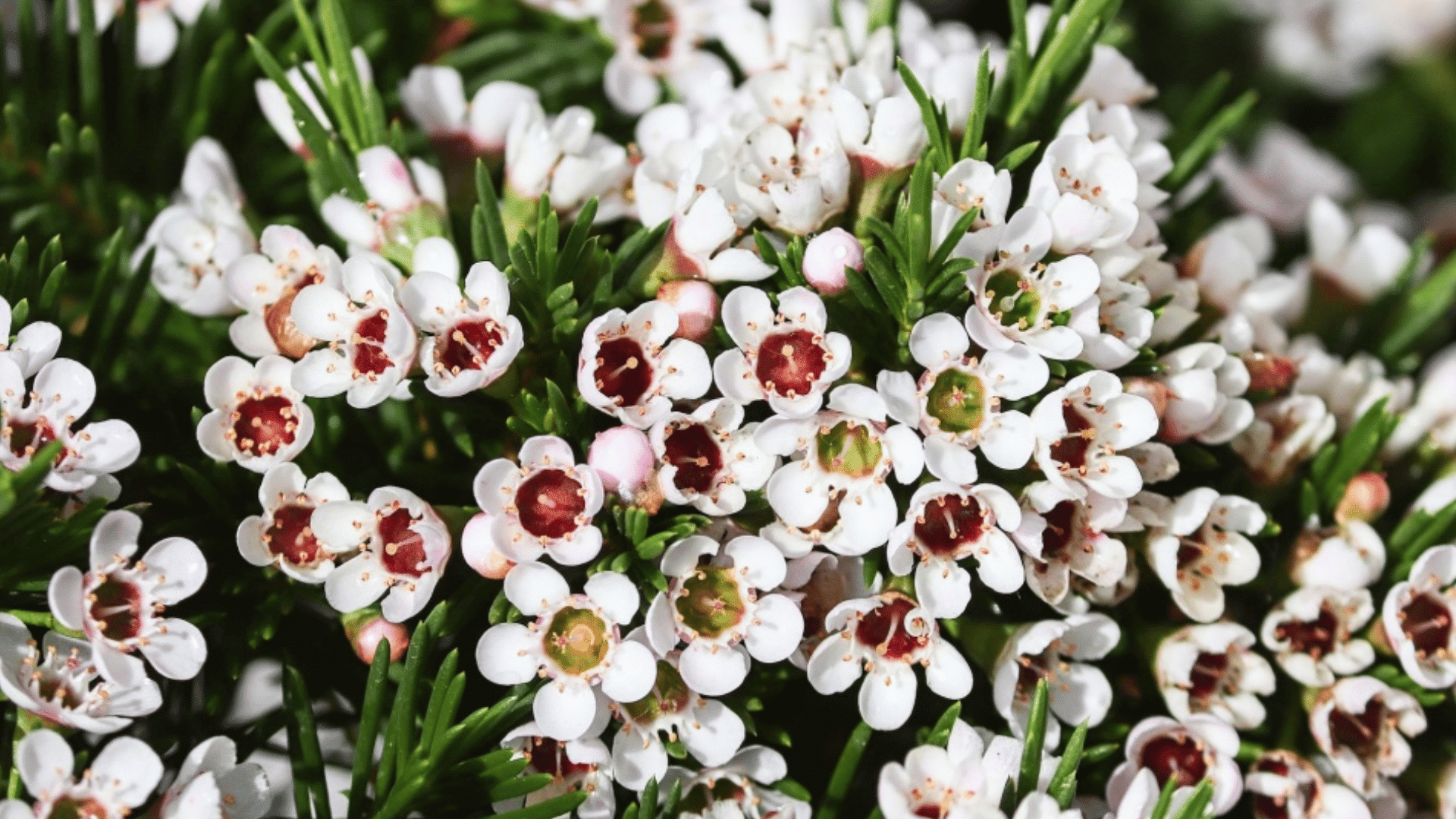
Valued for its delicate star-shaped blooms and woody stems, waxflower is widely used by florists to add texture and fullness to bouquets.
Its long-lasting flowers remain fresh for extended periods, making it a dependable choice for decorative arrangements.
- Best For: Floral arrangements, bouquets, ornamental gardens, and cut flower displays.
- Growing Tips: Grow in full sun with sandy, well-drained soil and avoid excessive watering once established.
- Safety Considerations: Waxflowers are often combined with toxic flowers in mixed bouquets, so identify every flower before placing arrangements within a cat’s environment.
14. Statice (Limonium spp.)
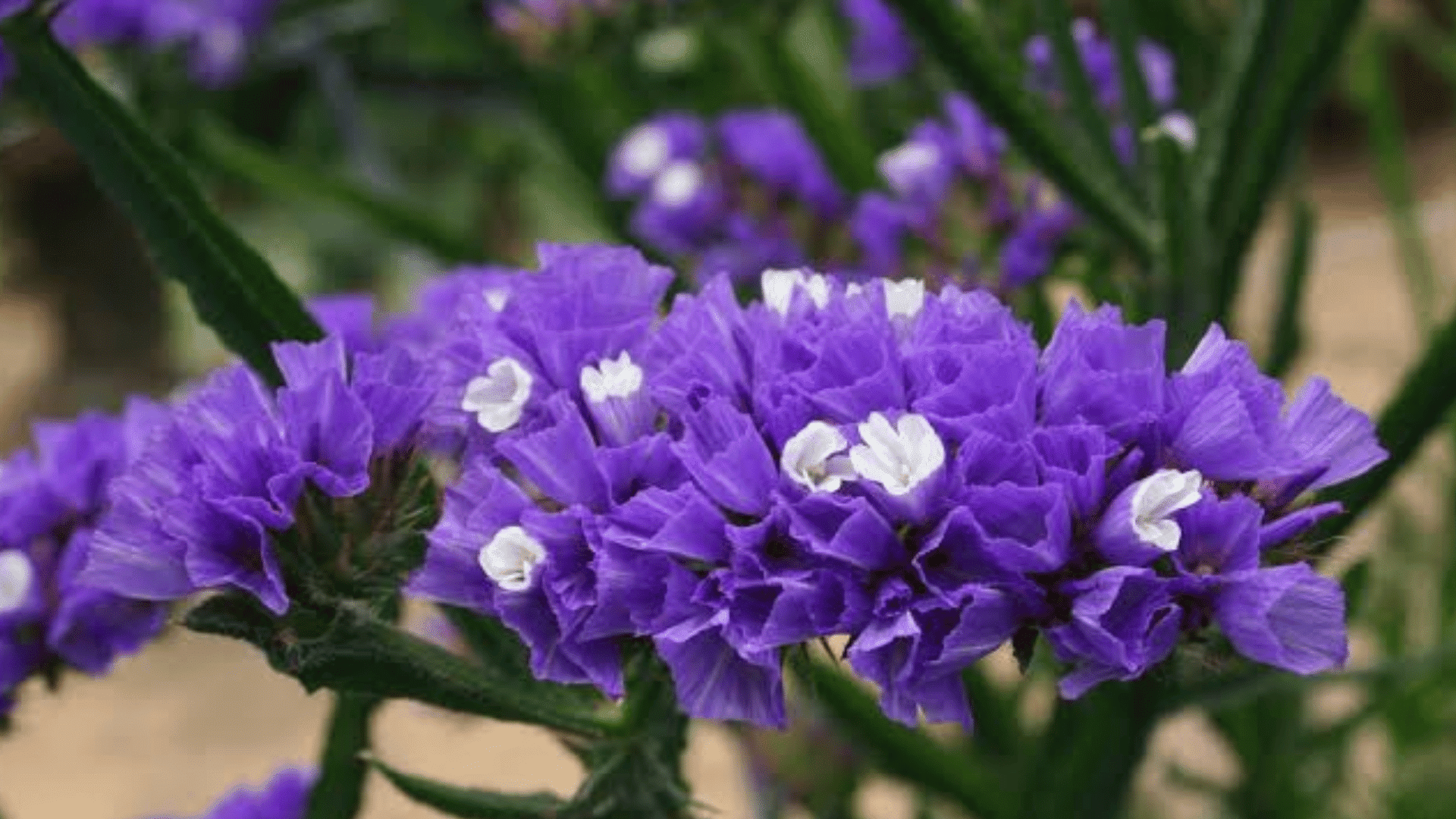
Recognized for its papery blooms that hold their color even after drying, statice is a favorite for both fresh and preserved floral arrangements.
Its purple, pink, white, yellow, and blue flowers provide lasting visual interest and pair well with many other ornamental plants.
- Best For: Fresh bouquets, dried flower arrangements, cottage gardens, and borders.
- Growing Tips: Plant in full sun in well-drained soil, and avoid overly wet conditions.
- Safety Considerations: Dried arrangements naturally collect dust over time, so gentle cleaning helps maintain their appearance in pet-friendly homes.
15. Cosmos (Cosmos bipinnatus)
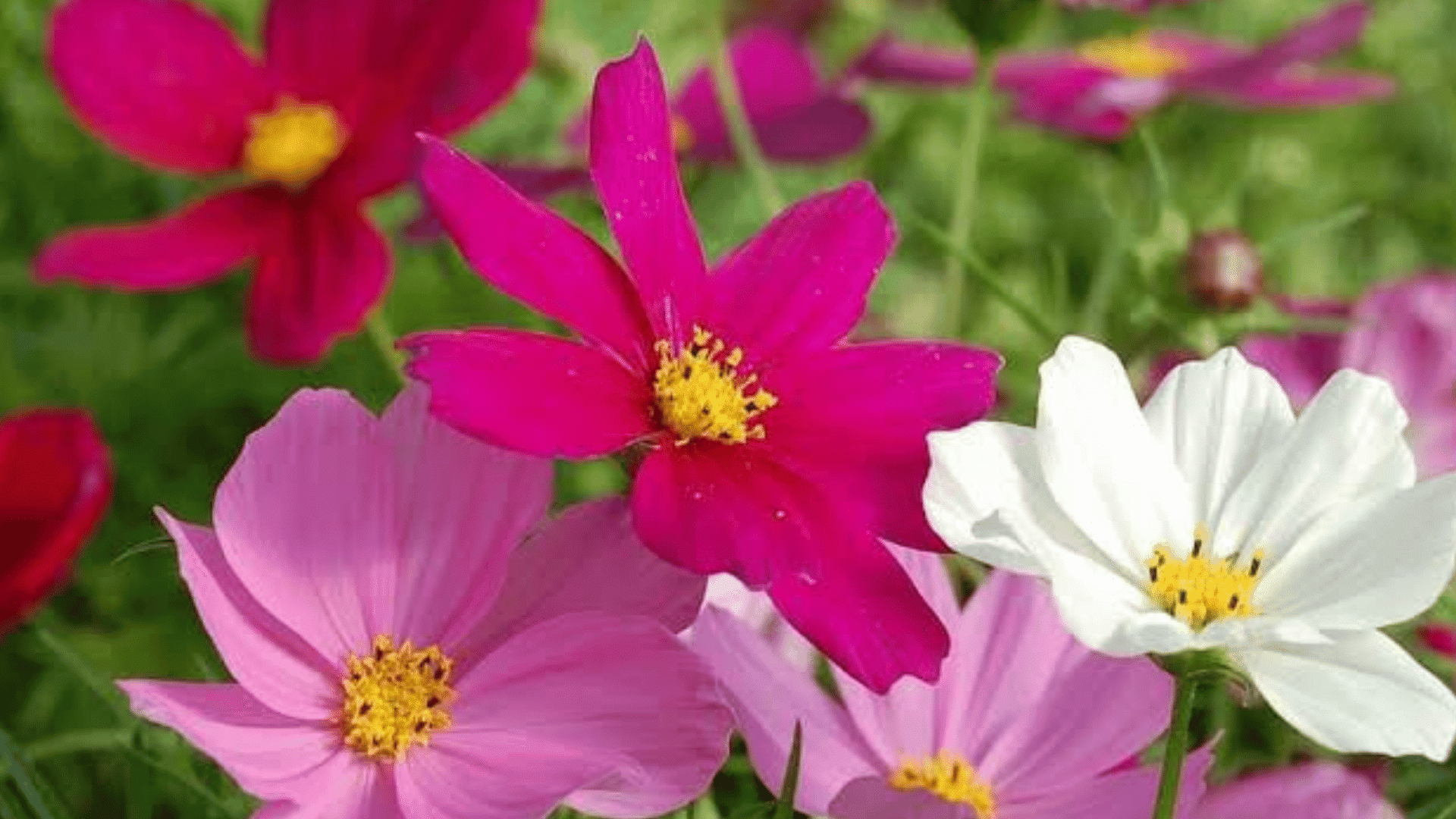
Featuring delicate, daisy-like blooms on slender stems, cosmos bring a light and airy feel to gardens throughout summer and early fall.
Their flowers bloom in shades of pink, white, crimson, and lavender, creating a natural, cottage-style appearance.
- Best For: Cottage gardens, wildflower meadows, pollinator gardens, and sunny borders.
- Growing Tips: Sow seeds directly in full sun with well-drained soil and avoid excessive fertilizer to encourage more flowers.
- Safety Considerations: Their tall, slender stems may lean in windy conditions, so light staking helps keep plants upright and tidy.
16. Magnolia (Magnolia spp.)
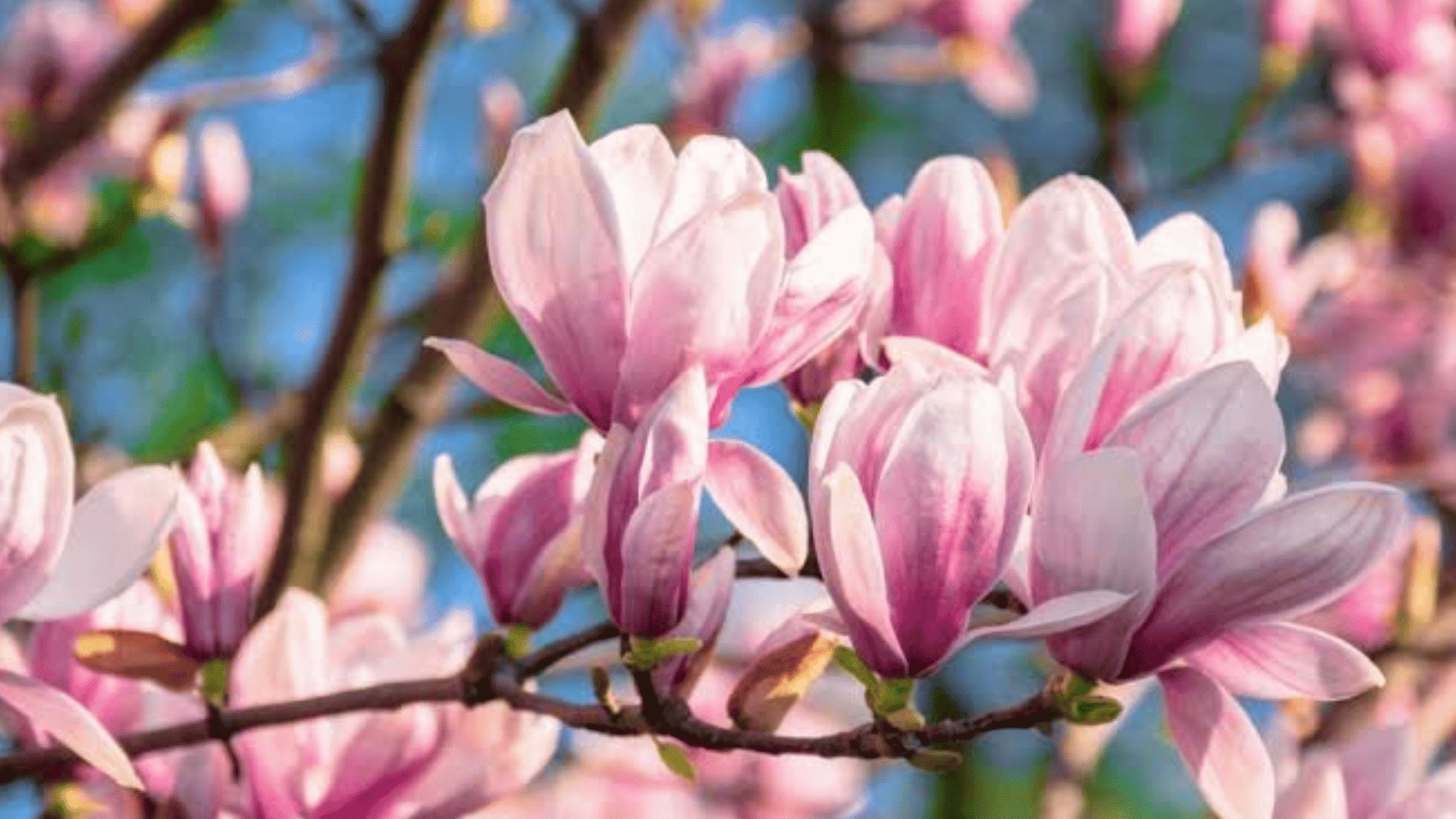
Producing large, fragrant blossoms that signal the arrival of spring, magnolia trees create a stunning focal point in residential landscapes.
Depending on the variety, their flowers bloom in shades of white, pink, purple, or cream before the leaves fully emerge.
- Best For: Front yards, ornamental landscapes, large gardens, and specimen planting.
- Growing Tips: Plant in fertile, well-drained soil with full sun to partial shade and water regularly while the tree becomes established.
- Safety Considerations: Large petals naturally drop after blooming, so clearing them from walkways helps keep outdoor areas clean and slip-free.
17. Bee Balm (Monarda spp.)
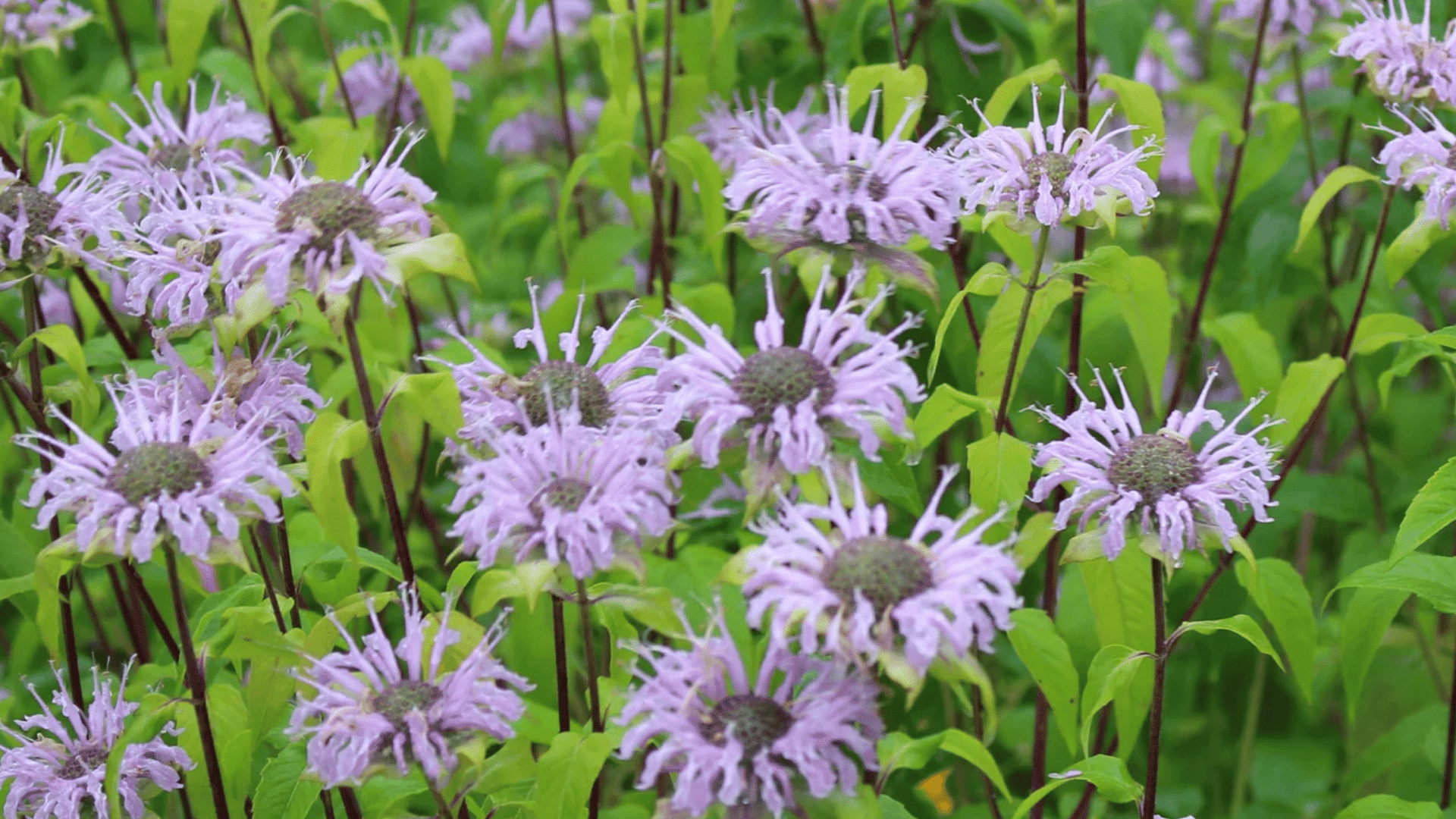
Known for its vibrant, shaggy flowers, bee balm adds bold color to summer gardens while attracting hummingbirds, butterflies, and beneficial pollinators.
Blooming in shades of red, pink, purple, and white, it blends beautifully with native plants and perennial borders. Its aromatic foliage also makes it a favorite among gardeners creating wildlife-friendly landscapes.
- Best For: Pollinator gardens, perennial borders, native gardens, and cottage landscapes.
- Growing Tips: Grow in full sun with consistently moist soil and provide good spacing to improve air circulation.
- Safety Considerations: Divide mature plants every few years to reduce overcrowding and help prevent powdery mildew.
18. Bromeliad (Bromeliaceae)
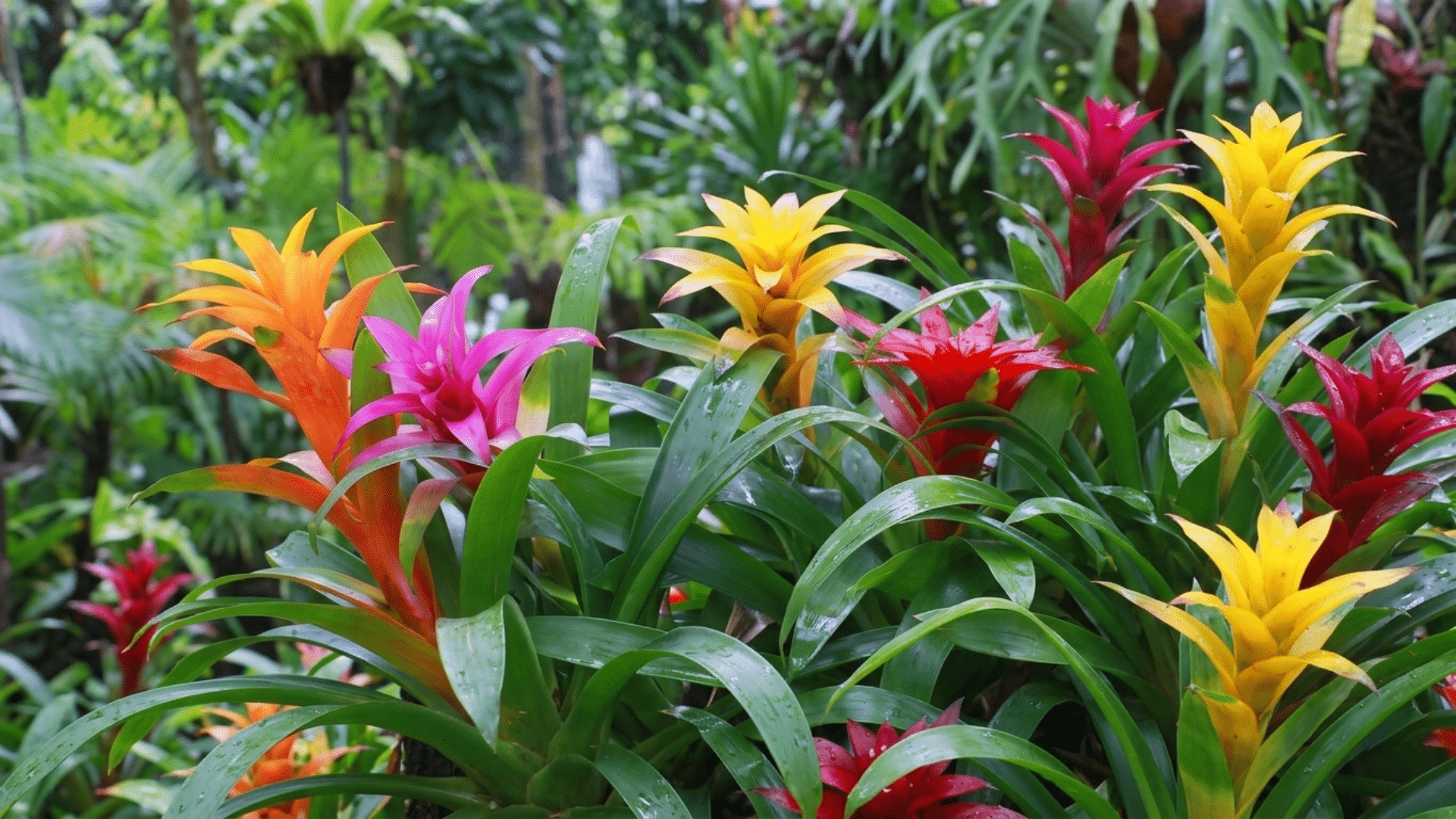
Bringing a tropical touch to indoor spaces, bromeliads are admired for their colorful bracts and striking rosette-shaped foliage that stays attractive for months.
Their unique growth habit makes them stand out among flowering houseplants, while their low-maintenance nature suits busy households. Wide varieties also thrive in warm, humid environments with minimal attention.
- Best For: Indoor décor, offices, shaded patios, and tropical-themed spaces.
- Growing Tips: Provide bright, filtered light, and add small amounts of water to the central cup, avoiding waterlogged soil.
- Safety Considerations: Regularly refresh the water collected at the center of the plant to discourage mosquitoes and keep it clean.
19. Lisianthus (Eustoma grandiflorum)
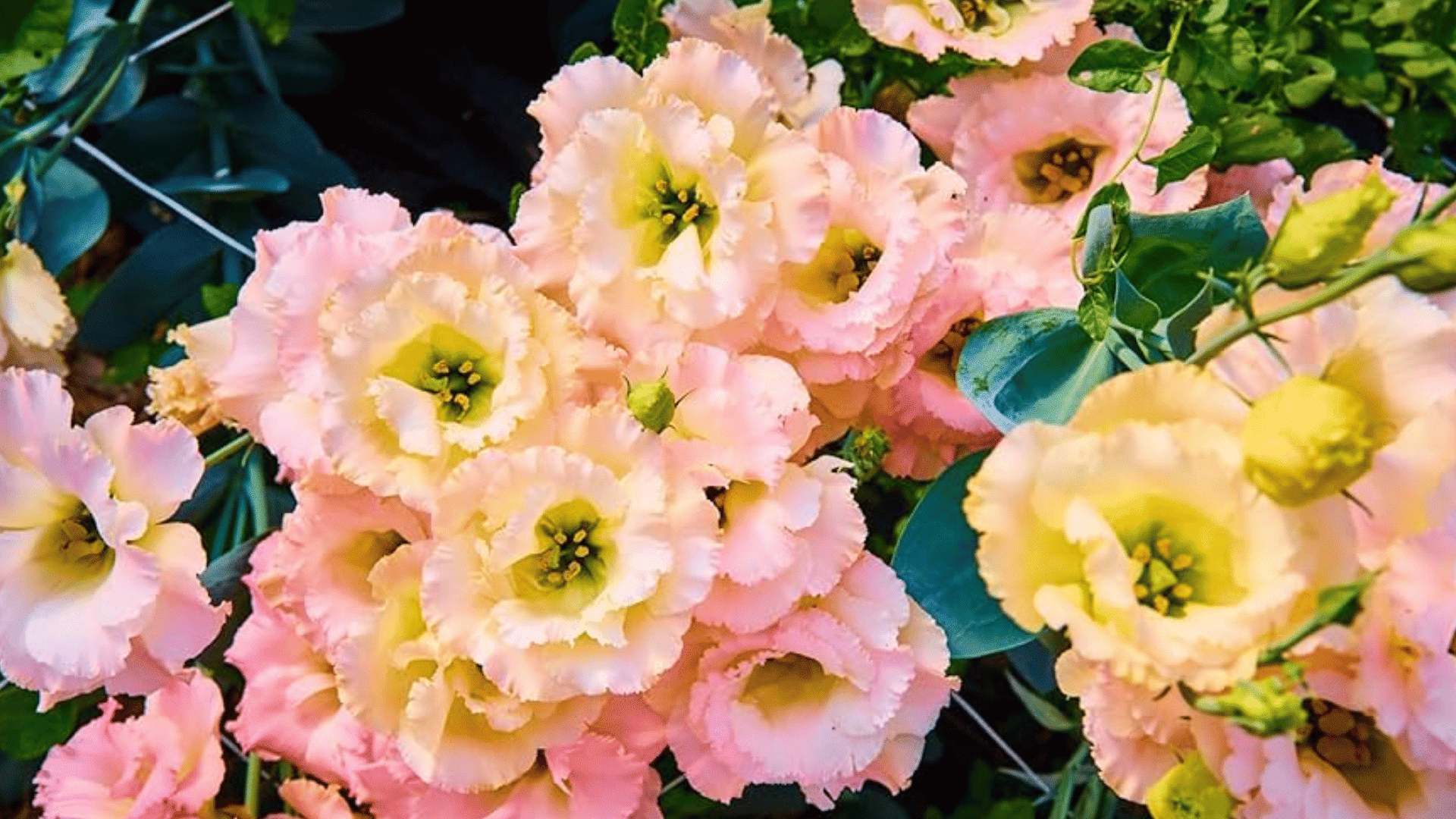
Often compared to roses because of their soft, layered petals, lisianthus flowers are prized for their elegant appearance and exceptional vase life.
Available in shades of white, pink, purple, blue, and cream, they are widely used in wedding bouquets and premium floral arrangements. Their graceful blooms also make them an attractive addition to sunny garden beds.
- Best For: Wedding bouquets, cutting gardens, containers, and ornamental flower beds.
- Growing Tips: Grow in full sun with evenly moist, well-drained soil and protect young plants from extreme heat.
- Safety Considerations: Thin flower stems can bend under heavy blooms, so supporting taller plants helps maintain their shape.
20. Cornflower (Centaurea cyanus)
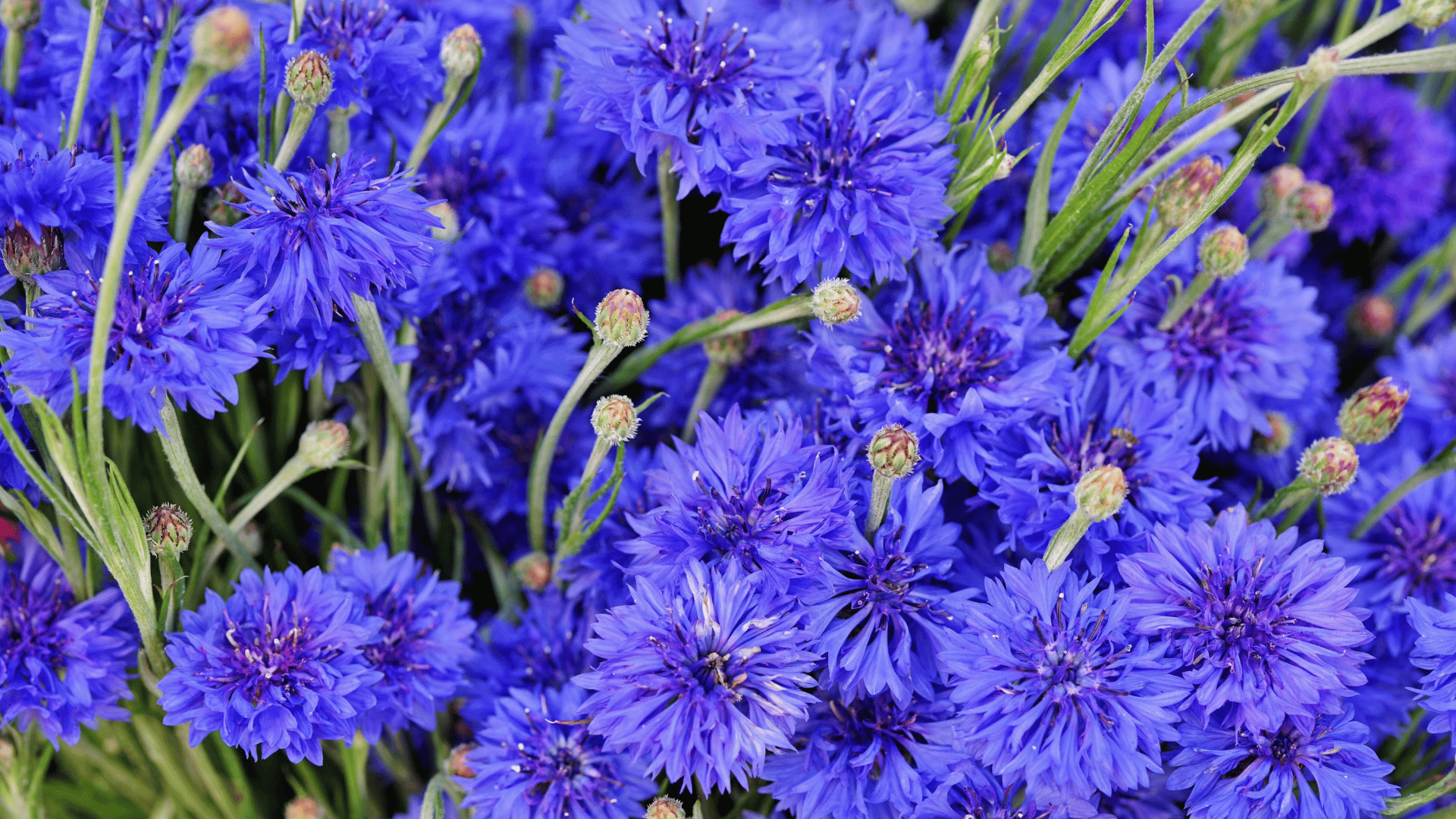
Best known for its vivid blue blooms, cornflower adds a natural wildflower charm to gardens while attracting bees, butterflies, and other helpful pollinators.
Although blue is the classic color, modern varieties also bloom in pink, white, purple, and burgundy. These easy-growing annuals fit beautifully into cottage gardens and meadow-style landscapes.
- Best For: Wildflower gardens, cottage gardens, pollinator gardens, and borders.
- Growing Tips: Sow seeds directly into well-drained soil in a sunny location and deadhead regularly for continued flowering.
- Safety Considerations: Remove spent flowers before they produce seeds if you want to limit self-seeding throughout the garden.
21. Impatiens (Impatiens walleriana)
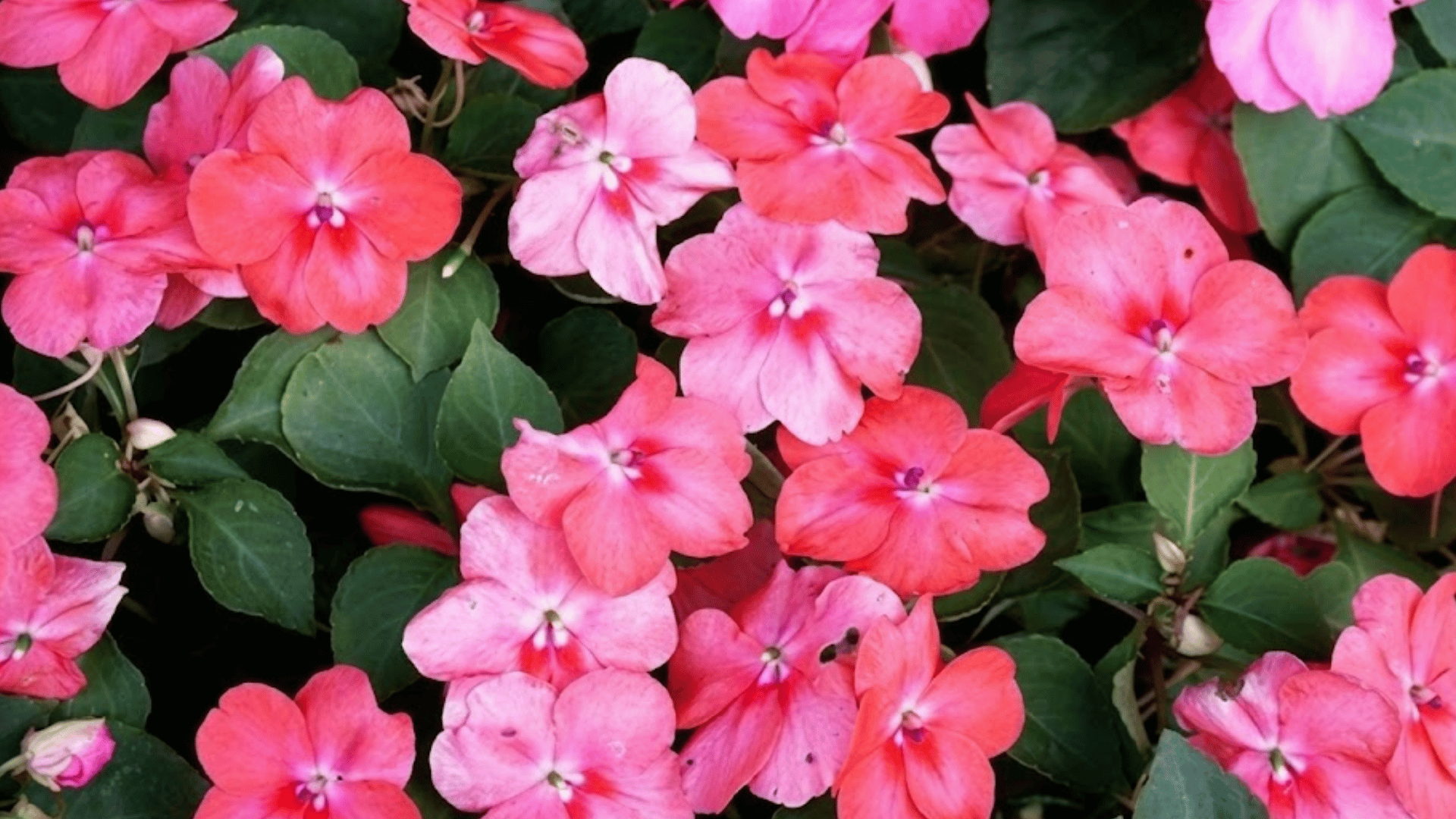
Brightening shaded areas with continuous blooms, impatiens are among the most reliable flowering plants for places where many other flowers struggle to thrive.
Their compact growth and colorful blossoms in shades of pink, red, purple, orange, and white make them ideal for adding long-lasting color to containers, hanging baskets, and landscape borders throughout the growing season.
- Best For: Shaded flower beds, hanging baskets, containers, and woodland gardens.
- Growing Tips: Keep the soil consistently moist, provide partial to full shade, and avoid letting the plants dry out completely.
- Safety Considerations: Good spacing between plants improves airflow and helps reduce fungal diseases, especially in warm, humid weather.
Can Cats Still Get Sick from Non-Toxic Flowers?
Yes, cats can still get sick from non-toxic flowers in certain situations. Although these flowers are not poisonous, other factors can still affect your cat’s health.
Eating large amounts of leaves, petals, or stems may irritate the digestive system and lead to mild vomiting or diarrhea.
Flowers treated with pesticides or fertilizers can also expose cats to harmful chemicals if they chew or lick the plant.
Likewise, vase water may contain bacteria, floral preservatives, or plant residue that can upset a cat’s stomach if consumed.
Roses are another example where extra care is needed.
While the flowers themselves are safe, their sharp thorns can scratch a cat’s mouth, paws, or skin during play. Keeping flowers clean and placing them out of easy reach helps reduce these risks.
Flowers that Are Toxic to Cats
Many popular flowers contain compounds that can be harmful to cats. Recognizing these plants helps you make safer choices when decorating your home or planning your garden.
| Flower | Why It’s Dangerous |
|---|---|
| True Lilies | Extremely toxic to cats. Even the pollen, petals, leaves, stems, and vase water can cause severe kidney failure. |
| Tulips | The bulbs contain the highest concentration of toxins and may cause drooling, vomiting, diarrhea, and lethargy. |
| Daffodils | Toxic compounds are most concentrated in the bulbs and can trigger vomiting, abdominal pain, and heart rhythm changes. |
| Chrysanthemums | Contain natural toxins that may lead to vomiting, diarrhea, excessive drooling, and loss of coordination. |
| Hyacinths | The bulbs are highly toxic and can cause mouth irritation, vomiting, diarrhea, and stomach pain. |
| Amaryllis | Eating any part of the plant may result in vomiting, drooling, abdominal discomfort, tremors, and nervous system effects. |
| Oleander | Every part of the plant is highly poisonous and can seriously affect the heart, even in small amounts. |
| Foxglove | Contains cardiac toxins that interfere with normal heart function and require immediate veterinary care. |
| Lily of the Valley | Rich in cardiac glycosides that may cause vomiting, irregular heartbeat, weakness, and severe poisoning. |
| Autumn Crocus | Extremely poisonous and can lead to severe vomiting, organ damage, and life-threatening complications. |
How to Keep Fresh Flowers Safe Around Cats?
A few simple precautions can help you enjoy beautiful floral arrangements while creating a safer environment for your cat.
- Choose Verified Cat-Safe Flowers: Select flowers confirmed safe for cats by trusted veterinary resources before bringing them home.
- Keep Bouquets Out of Reach: Display fresh flowers on high shelves or sturdy surfaces where curious cats cannot easily climb or reach them.
- Change Vase Water Regularly: Replace the water every day or two to prevent bacterial buildup and remove any fallen leaves or petals.
- Avoid Toxic Filler Plants: Inspect mixed bouquets carefully, as decorative fillers or companion flowers may be toxic even when the main blooms are safe.
- Remove Pollen When Possible: Gently wipe away visible pollen from flowers that produce it to reduce the chance of it transferring to your cat’s fur.
- Avoid Chemically Treated Flowers: Choose flowers that have not been heavily treated with pesticides or preservatives, especially if your cat likes to investigate plants.
What to Do If Your Cat Eats a Toxic Flower?
If your cat eats a toxic flower, contact a veterinarian or an animal poison control service immediately, even if no symptoms are visible.
Some plant toxins can begin causing internal damage before outward signs appear, making early treatment critical. Remove any remaining plant material from your cat’s mouth and the surrounding area to prevent further exposure.
If possible, take a sample of the flower or a clear photo with you so the plant can be identified quickly.
Do not try to induce vomiting unless a veterinarian specifically instructs you to do so.
For immediate guidance, contact the ASPCA Animal Poison Control Center (888-426-4435) or the Pet Poison Helpline (855-764-7661) while arranging prompt veterinary care.
Conclusion
Choosing the right flowers can make your home both beautiful and safer for your cat.
While many blooms are considered non-toxic, it is still important to verify the exact plant species and be aware of hidden risks such as pesticides, fertilizers, and toxic bouquet fillers.
By selecting cat-friendly flowers and following simple safety practices, you can confidently enjoy fresh floral displays throughout the year.
Keep this guide handy whenever you’re shopping for flowers, and share it with fellow cat owners to help create safer homes for more pets.
Frequently Asked Questions
What Is the #1 Cause of Death in Cats?
Chronic kidney disease is one of the leading causes of death in older cats, while cancer, heart disease, and trauma also contribute depending on age, health, and lifestyle.
What Smell Do Cats Hate the Most?
Most cats strongly dislike citrus scents, including lemon and orange. Many also avoid strong smells like vinegar, peppermint, eucalyptus, and certain essential oils.
What Is a Cat’s Biggest Natural Threat?
In the wild, predators such as coyotes, foxes, and large birds of prey, as well as traffic, pose major threats. Indoors, toxic plants, poisonous foods, and household hazards are greater risks.
Can Cats Be Around Waxflower?
Yes. Waxflower (Chamelaucium uncinatum) is listed by the ASPCA as non-toxic to cats. Even so, chewing large amounts of any plant may still cause mild digestive upset.