

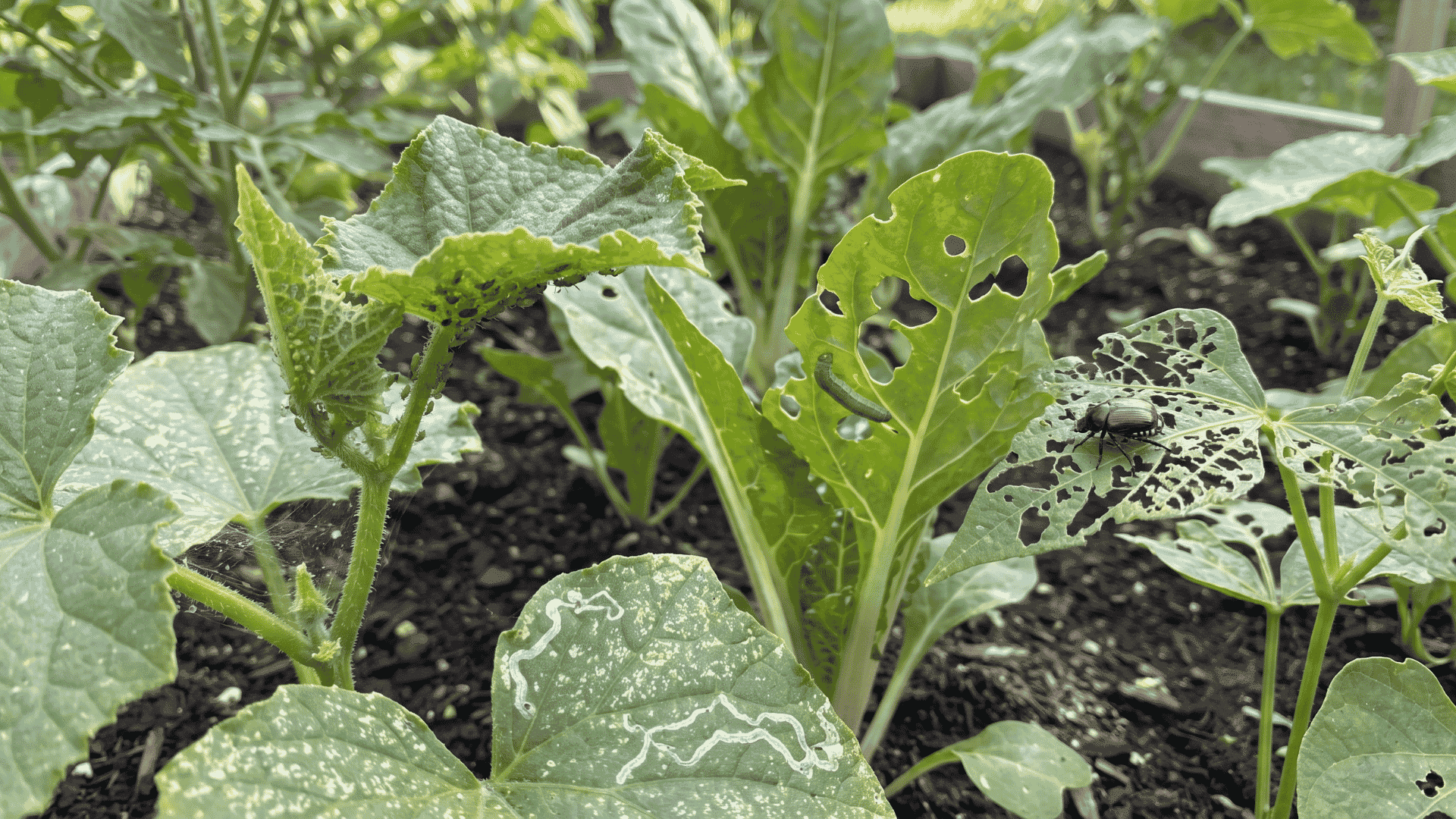
Leaf holes, sticky stems, and sudden wilting can make a healthy garden look troubled overnight. I know how confusing it feels when the damage is obvious, but the insect is nowhere to be seen.
Choosing the wrong treatment can waste time and may even harm helpful insects. Garden pest identification helps you connect feeding marks, webbing, droppings, slime trails, and distorted growth with the pest most likely responsible.
You will learn how to inspect leaves, stems, roots, flowers, and soil; recognize common pests at different life stages; protect beneficial insects; and choose natural control methods that match the problem before it spreads.
Why Pest Identification Matters Before Treatment
Correct identification protects your plants and the wider garden. Caterpillars, spider mites, aphids, beetles, and root-feeding larvae cause different damage and need different control methods.
A general pesticide may kill helpful insects without reaching the actual pest. Meanwhile, the damage continues, and you spend money on a treatment that does not work.
A few holes may only affect the plant’s appearance. Birds, ladybugs, lacewings, or predatory beetles may already be controlling the insects responsible. Growing natural pest-repelling companions alongside vulnerable crops is one way to keep those helpers around before a problem ever starts.
Other pests multiply quickly or spread disease between plants. Those problems need earlier attention.
Before treating anything, inspect the entire plant. Check the feeding pattern, locate the pest if possible, and watch whether the damage is increasing.
Identifying Pests by Plant Damage
Plant damage often reveals how a pest feeds. Compare the visible pattern, affected plant part, and nearby clues before selecting any control method.
| Damage Type | Common Signs | Likely Pests | Confirming Clues |
|---|---|---|---|
| Chewing damage | Irregular holes, missing leaf edges, clipped seedlings, hollow stems, damaged fruit, or chewed petals | Caterpillars, beetles, slugs, snails, grasshoppers, earwigs, and weevils | Silvery trails suggest slugs, while dark droppings may indicate caterpillars. Japanese beetles leave thin, lace-like tissue between leaf veins. |
| Piercing and sucking damage | Curled leaves, distorted buds, yellow or white dots, weak stems, dropped flowers, and sticky surfaces | Aphids, whiteflies, scale insects, mealybugs, and stink bugs | Sticky honeydew, gathering ants, and black sooty mold often appear around sap-feeding pest colonies. |
| Scraping and stippling damage | Pale speckles, silver streaks, surface scars, bronzed leaves, dry foliage, or distorted flowers | Spider mites and thrips | Fine webbing points to spider mites. Thrips leave scarred petals and tiny black specks but do not produce webbing. |
| Mining and internal damage | Pale leaf tunnels, enclosed blotches, sudden wilting, cracked stems, swelling, or internal fruit damage | Leaf miners, squash vine borers, root maggots, and wireworms | Sawdust-like waste around a stem opening suggests borers. Leaf-miner tunnels remain enclosed rather than becoming open holes. |
| Root and soil-level damage | Yellow foliage, weak growth, loose plants, damaged roots, missing seedlings, or stems cut near the soil | Cutworms, grubs, root maggots, wireworms, and vine weevil larvae | Carefully loosen the soil and inspect roots and stem bases, especially when plants wilt despite receiving enough water. |
Inspect several damaged areas and check leaves, stems, soil, and roots. Matching more than one clue reduces misidentification and unnecessary treatment. If ragged holes and slime trails show up together, you’re very likely dealing with slugs, and clearing slug infestations naturally is usually more effective long-term than reaching for pellets.
Common Garden Pests and How to Recognize Them
The following pest profiles combine appearance, plant damage, hiding places, and behavior to make identification easier.
1. Aphids
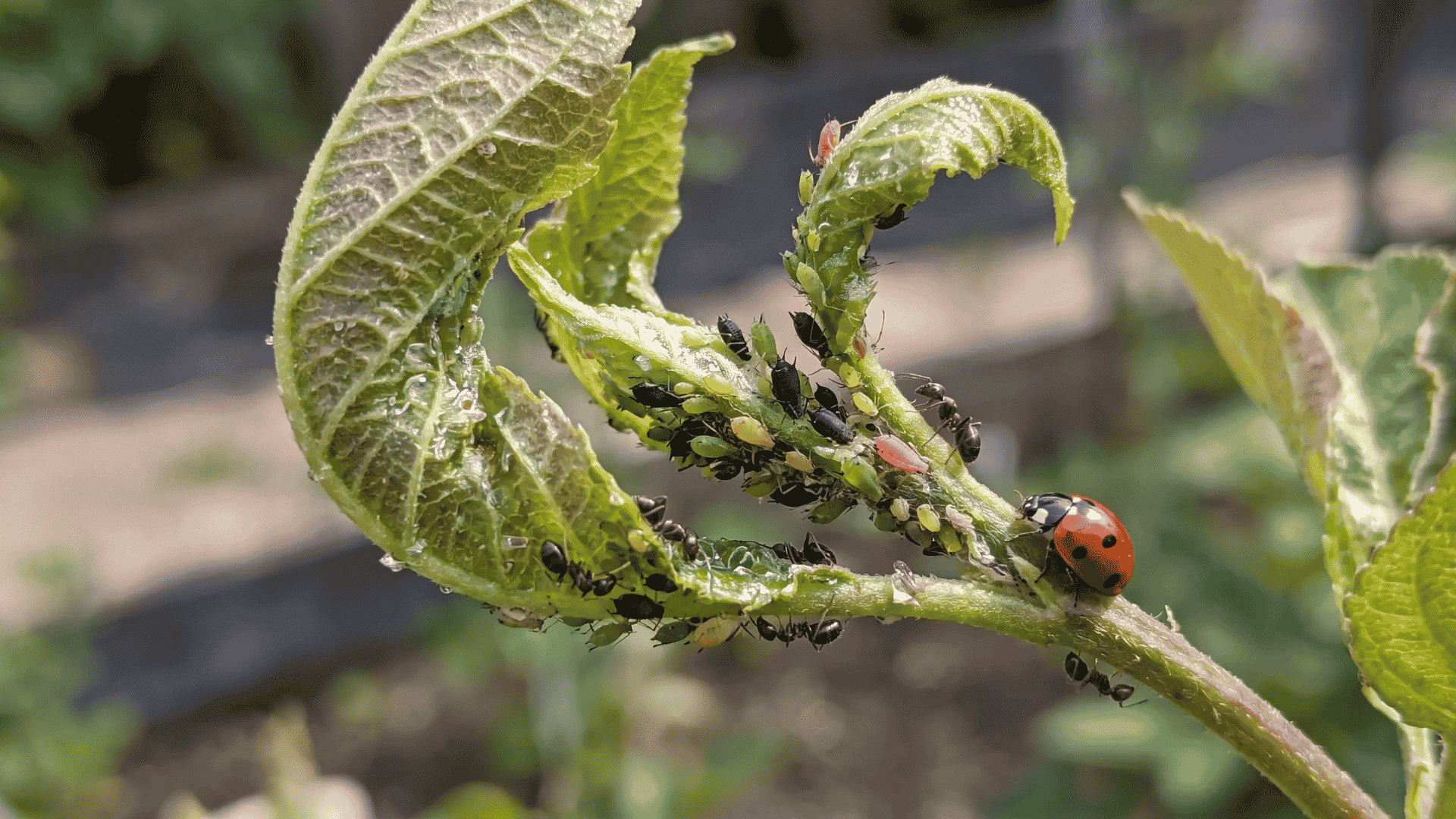
Aphids are tiny, soft-bodied insects that may be green, black, yellow, gray, pink, or brown. They gather around new growth, stems, flower buds, and the undersides of leaves. Affected leaves may curl, twist, or become sticky.
Ants are often nearby because they feed on the honeydew aphids produce. A firm stream of water can remove small groups. Ladybugs, lacewing larvae, and hoverfly larvae also help keep aphid numbers under control.
2. Spider Mites
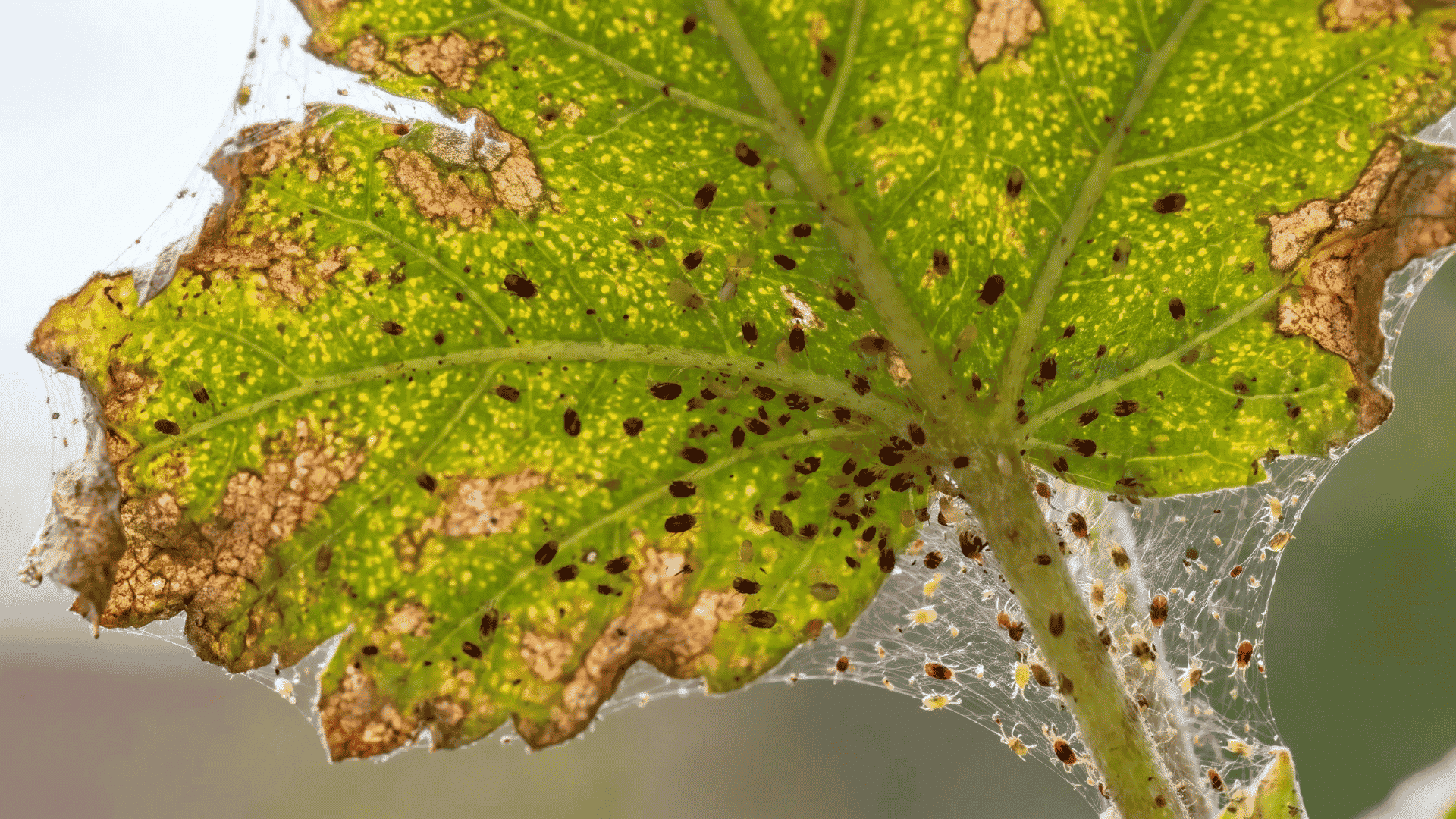
Spider mites are extremely small and may resemble moving red, brown, yellow, or pale dots. They are more closely related to spiders than insects. Early damage appears as scattered yellow speckles.
Leaves may later become bronze, dry, or brown. Fine webbing often develops as the infestation grows. Spider mites prefer hot, dry, and dusty conditions. They usually gather on leaf undersides, where they can remain unnoticed.
3. Whiteflies
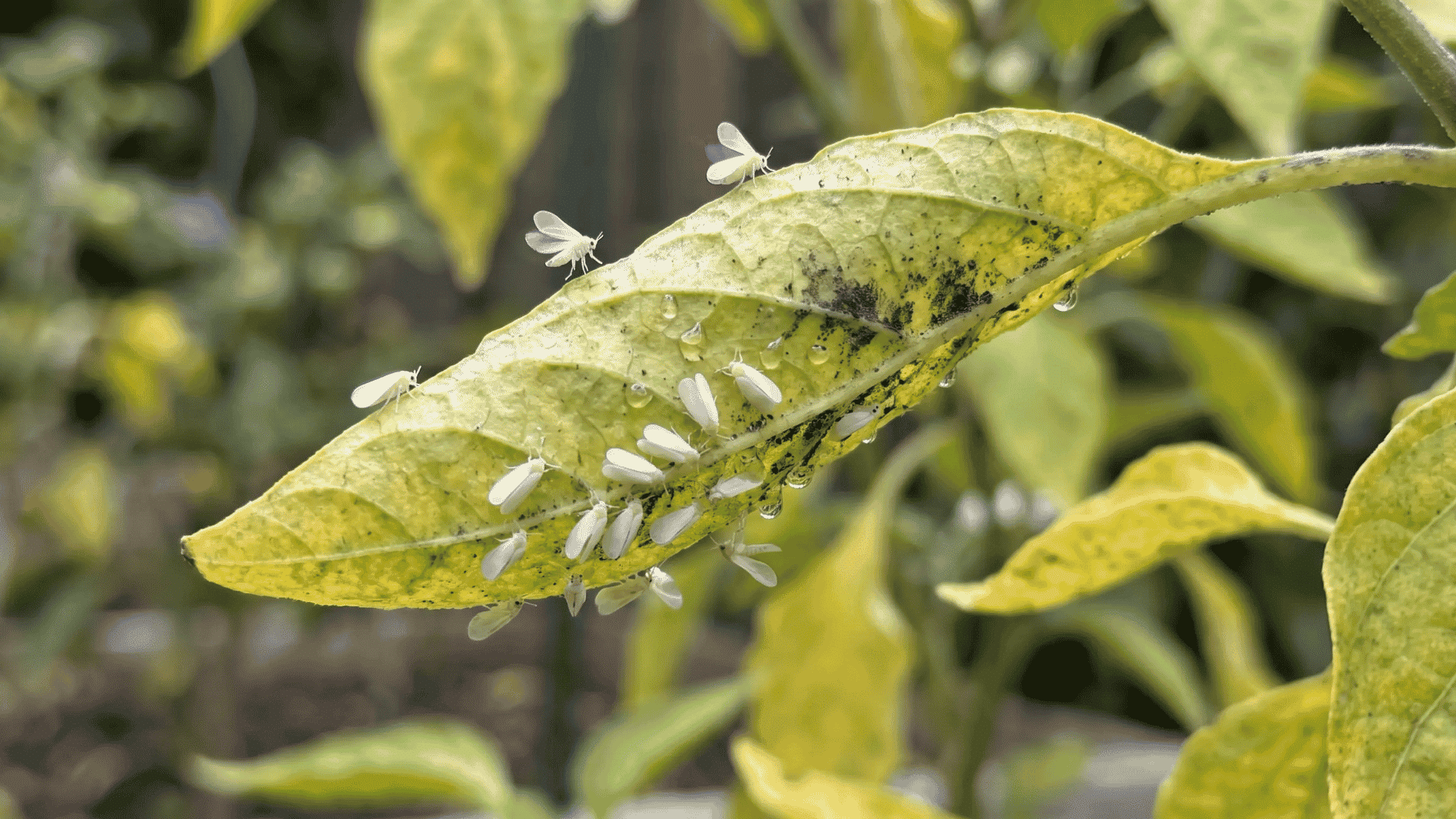
Whiteflies are tiny white insects that resemble miniature moths. They gather beneath leaves and fly upward in a cloud when the plant is disturbed.
Their feeding can cause yellow leaves, weak growth, sticky honeydew, and black sooty mold. Check leaf undersides regularly, including in pots and planters, since container garden pest checks are easy to skip once a box is planted and out of daily sight. Finding whiteflies early makes them easier to control before their population grows.
4. Thrips
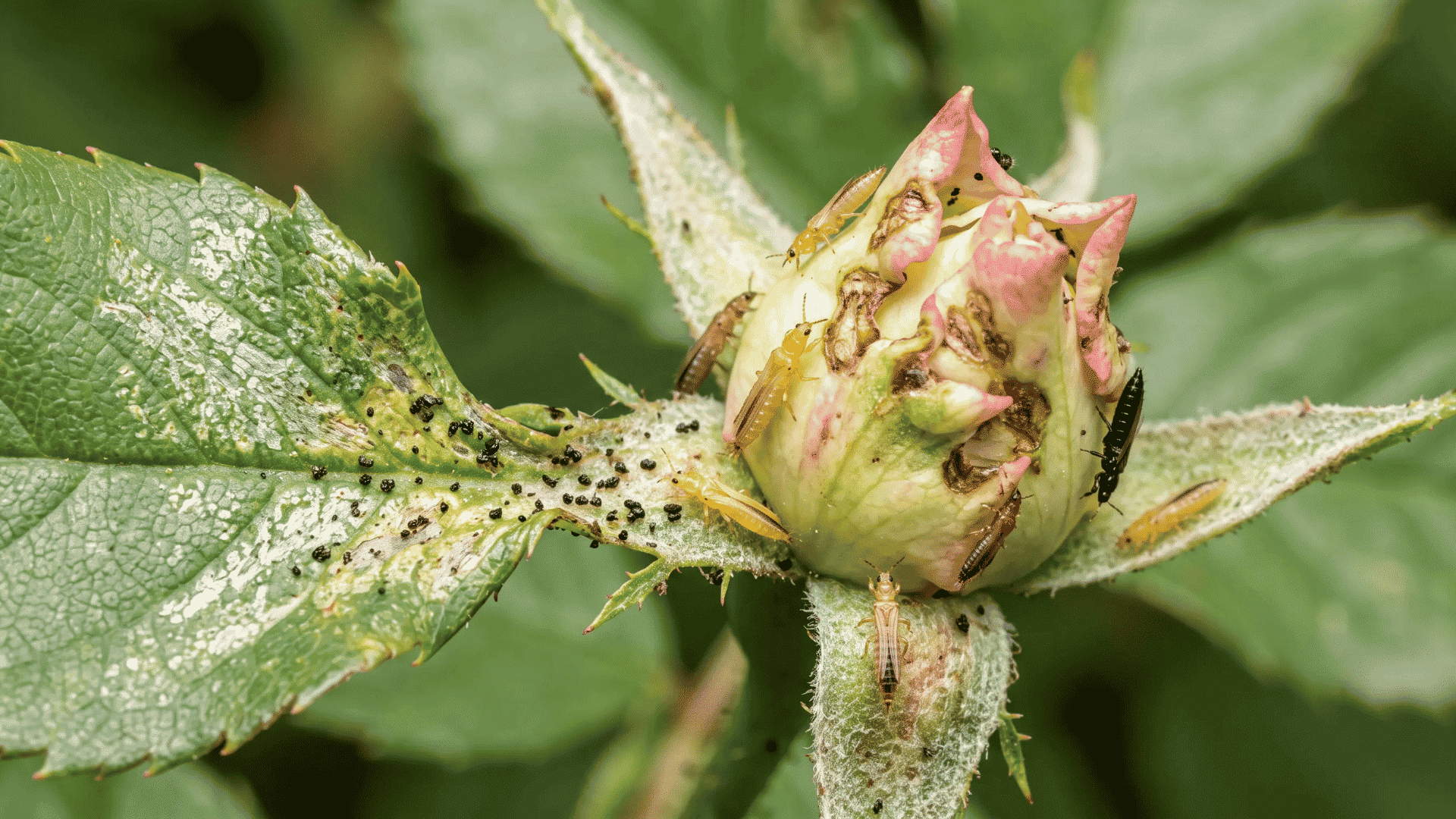
Thrips are thin, narrow insects that may be yellow, brown, or black. Their small size can make them difficult to see without magnification. They feed on young leaves, buds, and flowers.
Common signs include silvery streaks, distorted growth, scarred petals, and tiny dark droppings. Thrips can resemble spider mites because both cause pale surface damage. However, thrips do not create webbing.
5. Scale Insects and Mealybugs
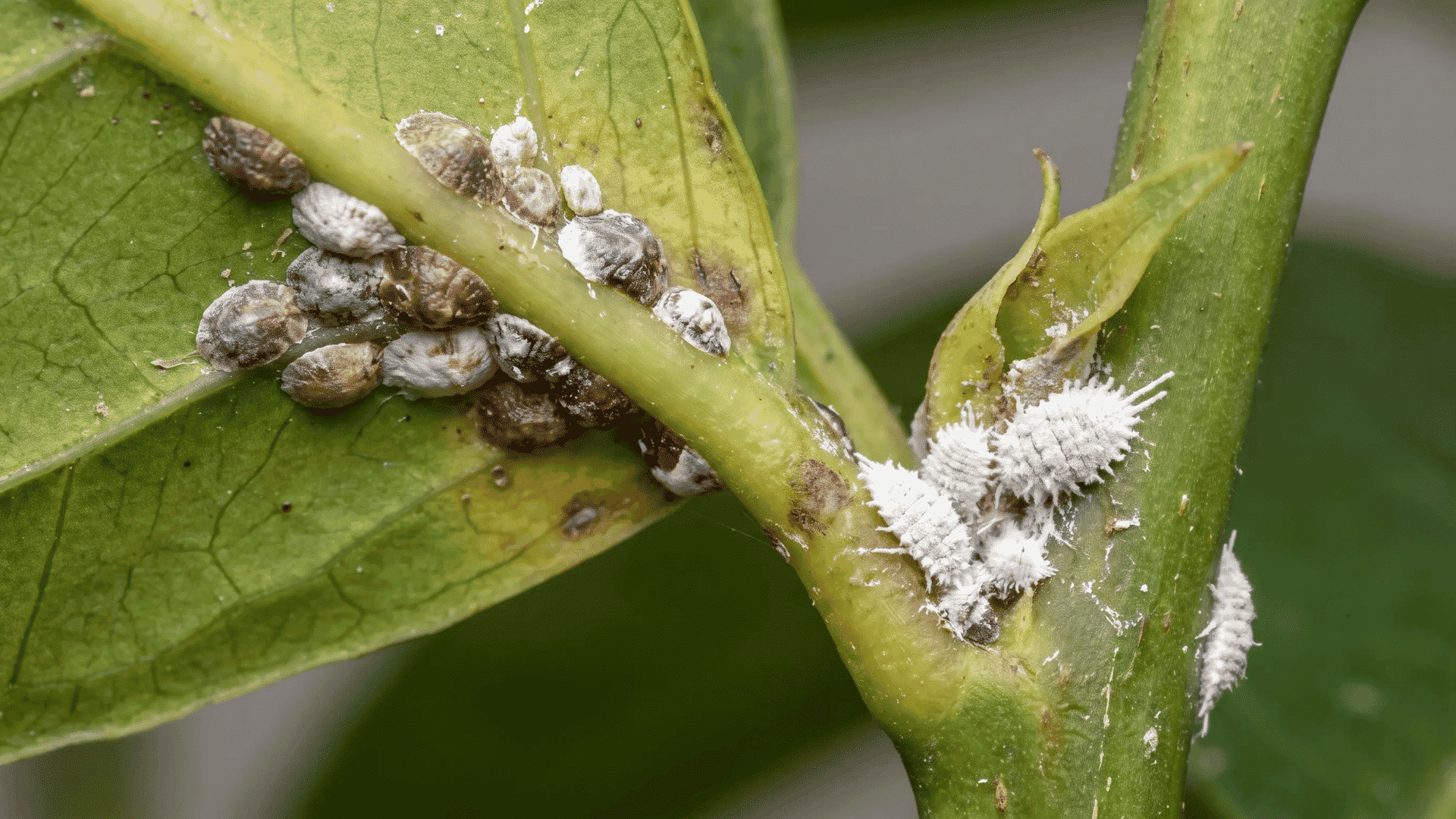
Scale insects resemble small brown, white, gray, or waxy bumps attached to stems and leaf veins. Many remain fixed in place while feeding.
Mealybugs have a white, cotton-like covering. They gather around plant joints, leaf bases, and other sheltered areas. Both pests produce honeydew and may cause yellow leaves, weak growth, sticky surfaces, and black sooty mold.
6. Caterpillars
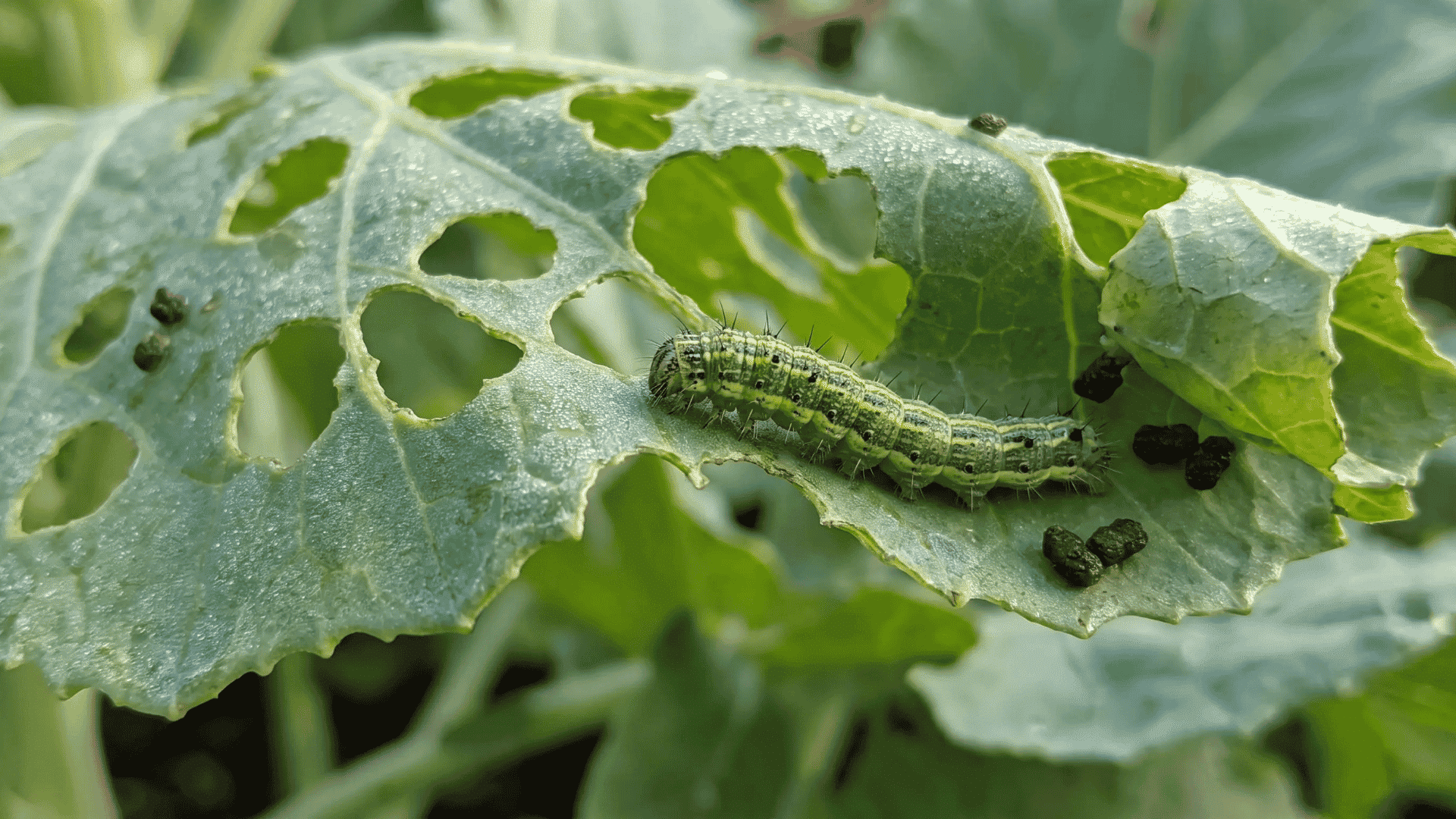
Caterpillars are the larval stage of butterflies and moths. Their soft, segmented bodies may be green, brown, striped, spotted, or covered with hairs. They leave large holes, missing leaf edges, damaged fruit, and dark droppings.
Some hide beneath leaves, while others roll leaves around their bodies. Common garden caterpillars include cabbage worms, tomato hornworms, armyworms, and loopers.
7. Beetles
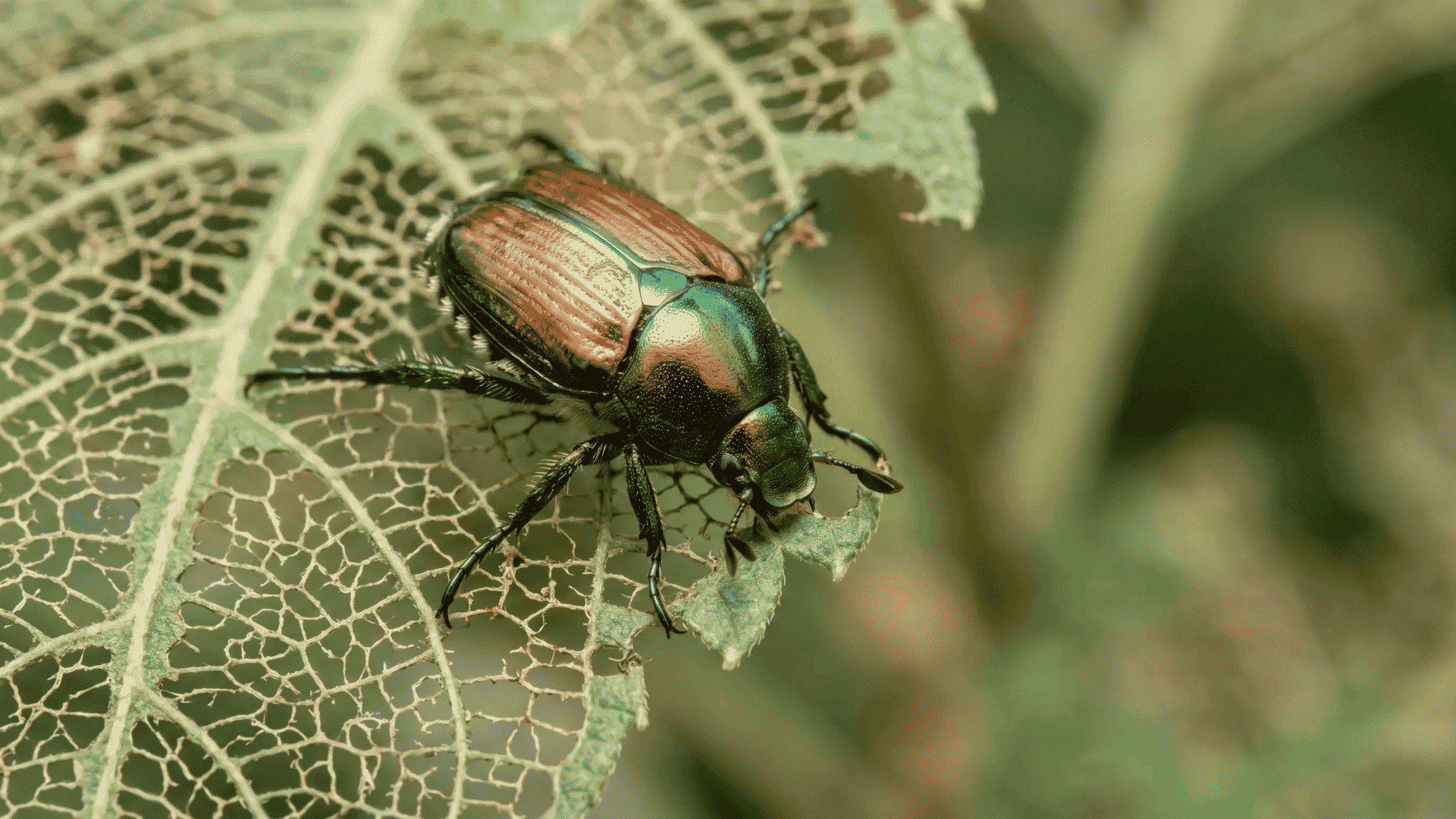
Garden beetles vary in size, color, and feeding habits. They usually have hard wing covers and mouthparts made for chewing plant tissue. Japanese beetles have metallic, green and copper bodies. They eat soft leaf tissue while leaving the veins behind, creating skeletonized foliage.
Flea beetles are tiny, dark, and jump when disturbed. Their feeding creates small, round holes that resemble shot marks. Cucumber beetles and Colorado potato beetles may damage the leaves and flowers of vegetable crops.
8. Slugs and Snails
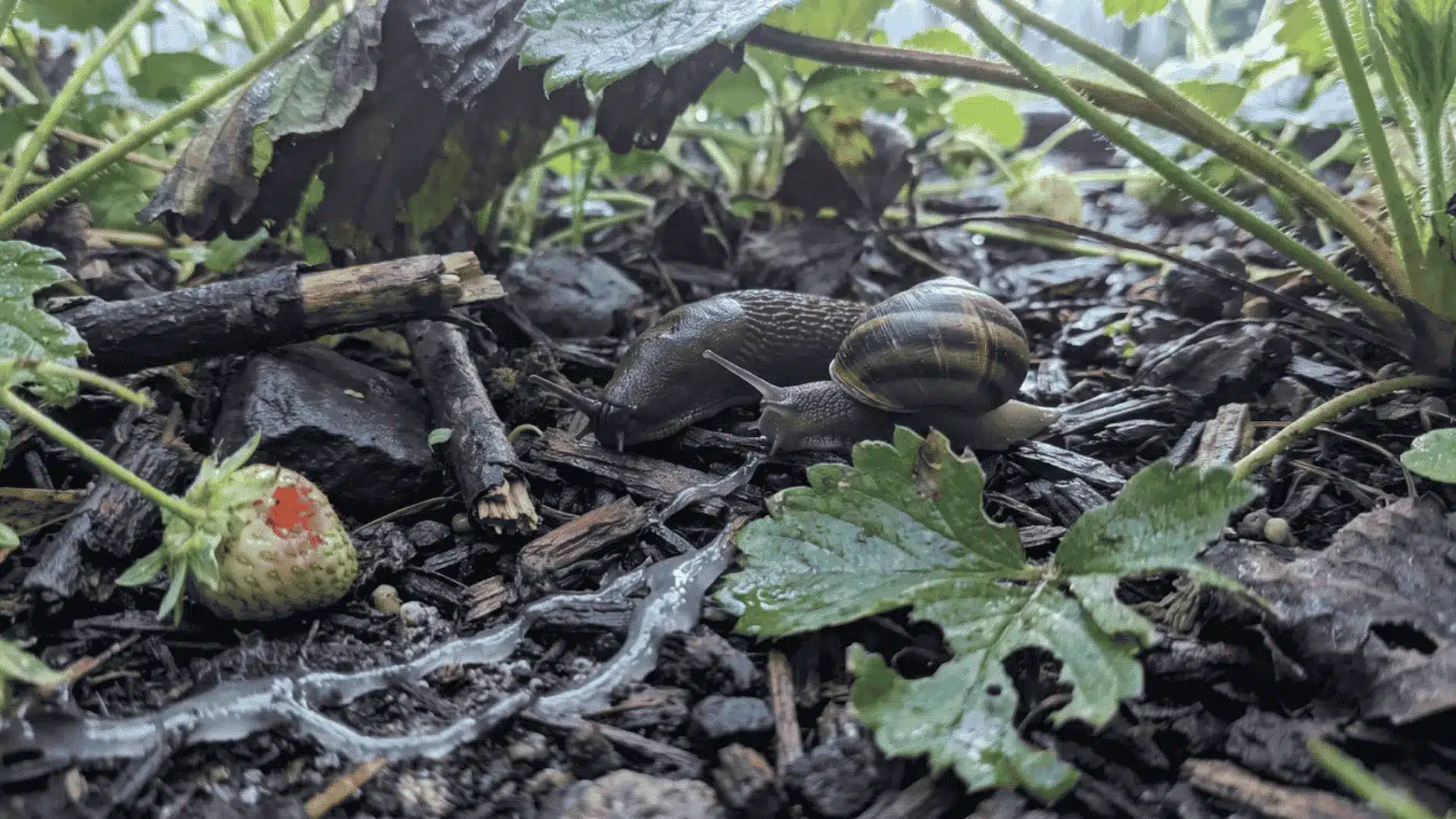
Slugs have soft bodies without shells, while snails carry rounded shells. Both prefer cool, damp, and shaded areas. They leave large, ragged holes, scrape fruit, and may destroy young seedlings.
Silvery slime trails are their clearest identifying sign. Look beneath pots, boards, stones, thick mulch, and garden debris. They are easier to find early in the morning or after dark.
9. Leaf Miners
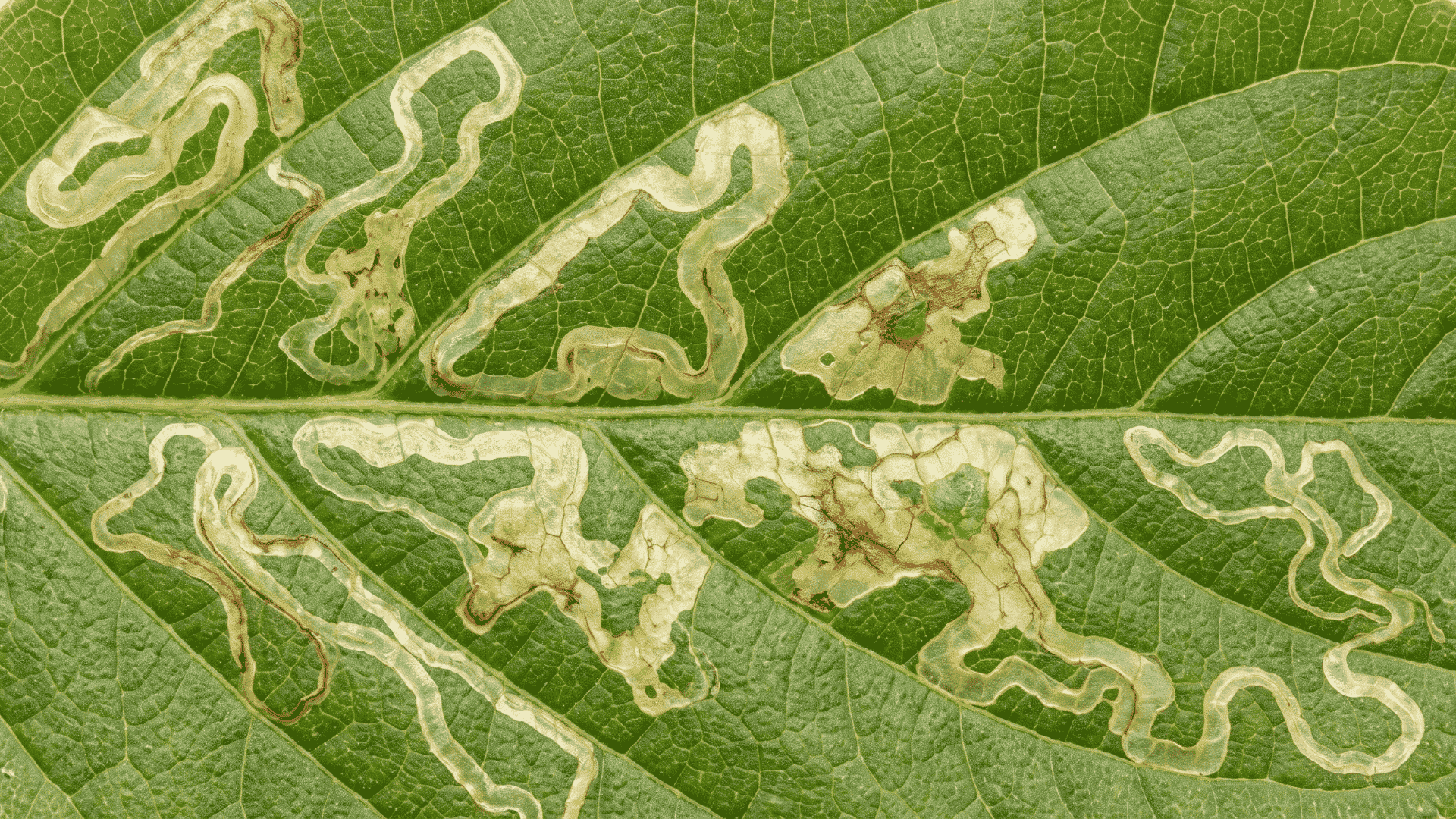
Leaf miners are larvae that live and feed inside leaves. You usually cannot see them without opening the damaged tissue. Their feeding creates pale, winding tunnels or blotched areas between the leaf surfaces.
Unlike chewing damage, the affected area remains enclosed inside the leaf. Healthy plants can usually tolerate a small amount of leaf-minor damage without treatment.
10. Cutworms
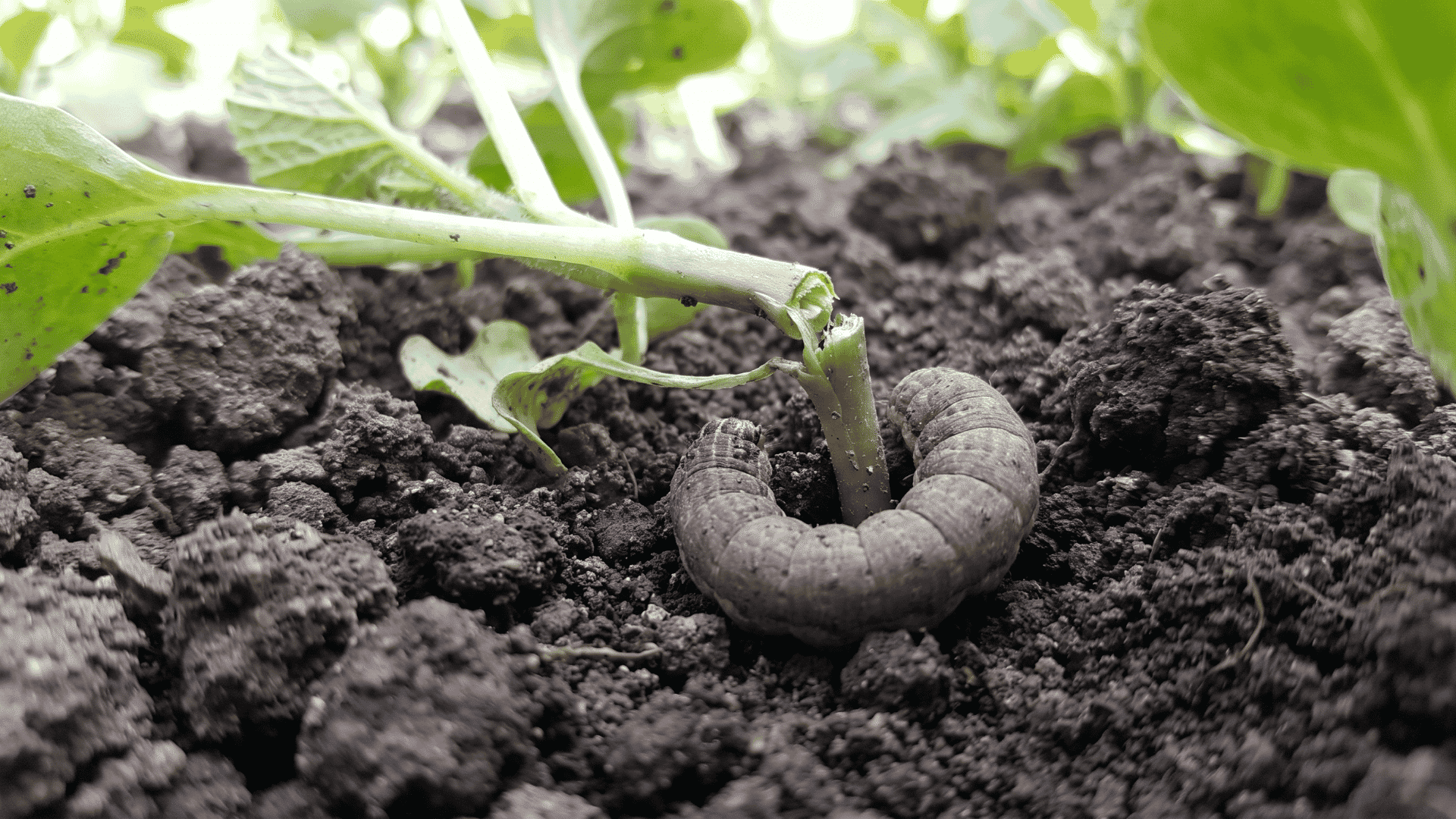
Cutworms are thick gray, brown, or greenish larvae. They hide in the soil during the day and come out to feed after dark.
They cut young seedlings near the soil line, making the stems look as though someone clipped them with scissors. Gently disturb the soil around a damaged seedling. The cutworm may be curled just below the surface.
11. Squash Vine Borers
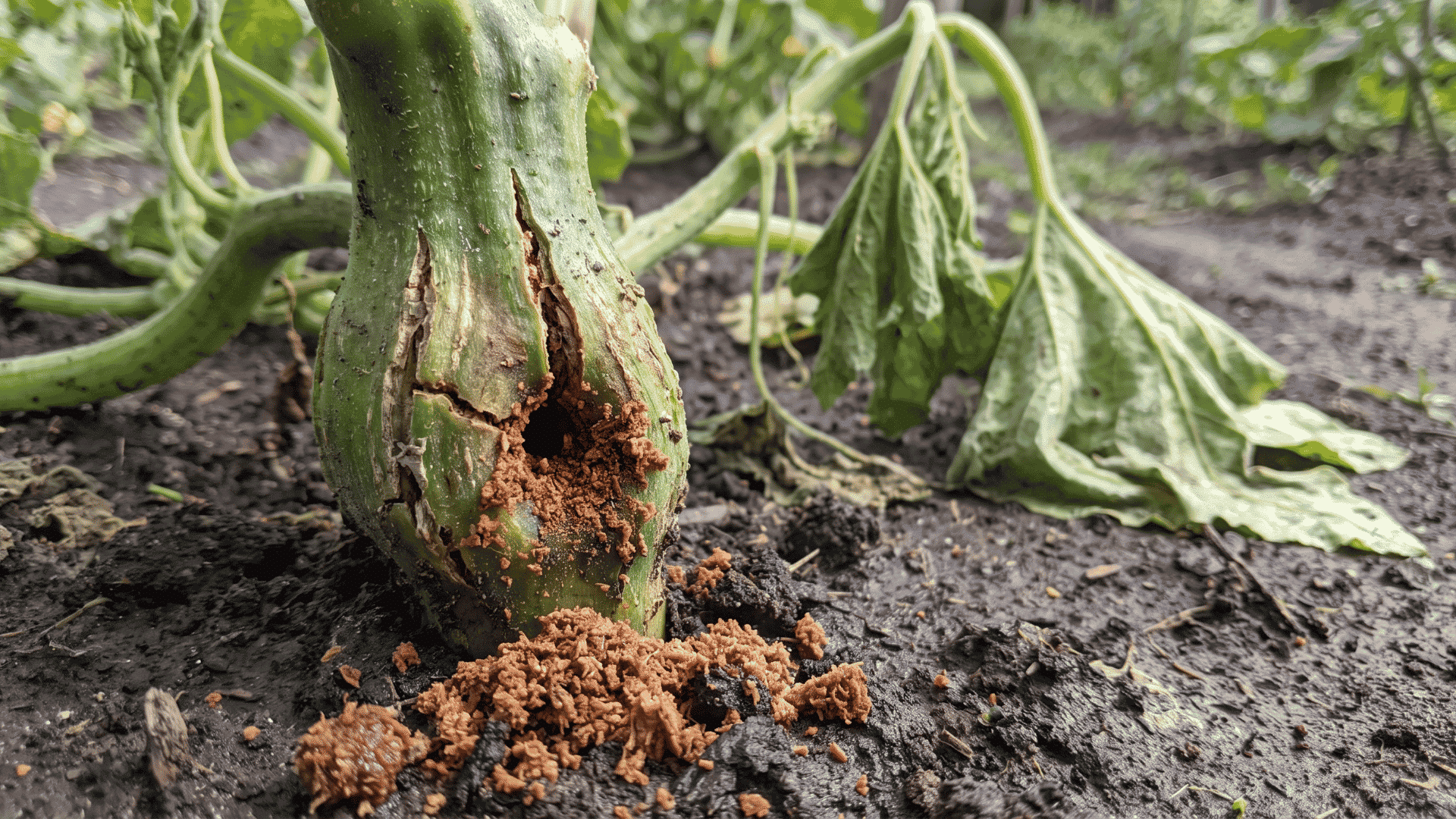
Squash vine borer larvae feed inside squash stems. Affected vines may wilt suddenly even when the soil contains enough moisture.
Check the lower stem for an entry hole, swelling, cracks, or crumbly sawdust-like waste called frass. Early identification is important because the larva becomes difficult to reach after moving deeper into the vine.
Natural Ways to Control Garden Pests
Start with the least disruptive method and treat only when the damage continues to spread.
- Monitor Minor Damage- A few insects or holes may not need treatment. Watch the plant for fresh damage and check whether natural predators are already present.
- Remove Pests by Hand- Pick off caterpillars, beetles, slugs, snails, and hornworms before they reproduce. Confirm egg clusters before removing them because some belong to helpful insects.
- Spray with Water- A firm water spray can dislodge aphids and whiteflies. Aim beneath the leaves and use gentle pressure around seedlings, flowers, and weak stems.
- Add Physical Barriers- Row covers, insect netting, seedling collars, fruit bags, and copper barriers can block pests. Remove covers when crops need insect pollination, as they may kill these helpful garden visitors.
- Use Targeted Organic Products- Insecticidal soap controls soft-bodied pests, while horticultural oil targets mites and scale. Bt works against certain caterpillars, and neem may reduce feeding and reproduction.
Garden Pest Eggs and Larvae Identification
Insects can look completely different during their egg, larval, and adult stages. Confirm the identity before removing unfamiliar eggs or larvae.
| Egg or Larval Sign | Possible Identification | Common Location |
| Yellow or orange egg clusters | Lady beetles or potato beetles | Leaf undersides |
| Single pale upright eggs | Cabbage butterflies | Cabbage-family leaves |
| Bronze egg clusters | Squash bugs | Squash leaf undersides |
| Cotton-like egg masses | Mealybugs or scale insects | Stems and leaf joints |
| Foamy brown egg case | Praying mantis | Branches, stems, and fences |
| Dark spiny larva | Lady beetle larva | Near aphid colonies |
| Pale larva inside a leaf | Leaf miner | Within leaf tissue |
Lady beetle larvae are often mistaken for pests because they look dark, spiny, and unfamiliar. However, they are valuable predators that consume large numbers of aphids.
Beneficial Garden Insects You Should Protect
Not every insect on a plant causes damage. Some control harmful pests, while others pollinate flowers and help plants produce fruit.
- Ladybugs: Adult ladybugs and their larvae feed on aphids, scale insects, and other soft-bodied pests. Their dark, spiny larvae may look harmful, so identify them before removal.
- Green lacewings: Lacewing larvae eat aphids, whiteflies, mealybugs, and small insect eggs. Adult lacewings often visit flowering plants for nectar and pollen.
- Hoverflies: Hoverfly larvae feed heavily on aphids and help control small infestations. Adults resemble small bees but hover near flowers and do not sting.
- Bees and butterflies: Bees and butterflies carry pollen between flowers as they feed. Their activity supports fruit, seed, and vegetable production across the garden.
- Predatory beetles: Ground beetles and other predatory species hunt insect eggs, larvae, slugs, and soil pests. They often hide under stones, mulch, or garden debris during the day.
Identify unfamiliar insects before removing them. Killing helpful predators can allow the actual pest population to grow.
How to Photograph a Garden Pest for Identification
Clear photographs can help a nursery, garden forum, identification app, or local extension service provide a more accurate answer.
- Photograph the entire affected plant.
- Take a sharp close-up of the insect.
- Capture the top and underside of damaged leaves.
- Photograph eggs, droppings, webbing, slime, or entry holes.
- Place a ruler or coin nearby to show scale.
- Record the plant’s name when known.
- Note the season, location, and time of activity.
- Take several photographs from different angles.
Avoid relying on one blurry image. The plant type and damage pattern can be as important as the insect photograph.
Preventing Future Garden Pest Problems
Regular care cannot prevent every insect, but it can make pest problems easier to notice and control.
- Inspect plants regularly: Check new growth, leaf undersides, stems, flowers, and soil before damage becomes widespread.
- Remove garden debris: Clear dead foliage, weeds, fallen fruit, and damaged plant material that may shelter pests.
- Water near the roots: Keeping unnecessary moisture away from foliage and surface debris can reduce damp hiding places.
- Improve plant spacing: Good airflow makes plants easier to inspect and reduces crowded conditions.
- Rotate crops: Moving plant families can interrupt certain soil pests and recurring crop-specific problems.
- Inspect new plants: Examine nursery plants before placing them near established garden beds.
- Support healthy growth: Correct light, soil, water, and nutrition help plants tolerate limited pest damage.
- Clean tools and containers: Remove soil and plant material before using them in another garden area.
Prevention lowers pest pressure, but frequent observation remains important because insect populations and weather conditions can change quickly.
When Should You Get Professional Help?
Many garden pest problems can be managed with early identification and natural treatments, but some situations need expert help.
Consider getting professional advice when your plants are declining quickly, pests keep returning after treatment, or the damage is spreading across multiple areas of your garden.
Problems like root damage can be especially difficult to diagnose because the pests often stay hidden underground.
A gardening professional or local extension service can help identify the real cause, recommend the right solution, and create a prevention plan to keep future pest problems under control.
This is especially helpful when you want to protect a large vegetable garden, fruit plants, or valuable landscape plants.
Conclusion
Plant damage becomes easier to manage once you know which clues matter. Holes, sticky residue, pale speckles, leaf tunnels, damaged roots, and sudden wilting can each reveal a pest’s feeding style.
Garden pest identification helps you avoid unnecessary treatments and choose a control method that targets the real problem.
I recommend checking the entire plant, including the undersides of leaves, stems, flowers, soil, and roots, before taking action.
You should also protect ladybugs, lacewings, hoverflies, bees, and other helpful insects that support natural pest control. Then use the least disruptive suitable treatment first.
Inspect one affected plant today, compare the damage with these signs, and share which pest clues you found in your garden.
Frequently Asked Questions
Why are my plant leaves full of holes?
Caterpillars, beetles, slugs, or snails may be responsible. Check leaf undersides, nearby soil, and mulch for insects, droppings, or silvery trails. The hole size and shape can help narrow down the pest.
What causes sticky leaves in the garden?
Aphids, whiteflies, scale insects, and mealybugs produce sticky honeydew while feeding. Ants and black sooty mold may also appear on affected plants. Inspect new growth and leaf undersides for groups of small insects.
When is the best time to check for garden pests?
Inspect plants early in the morning and after dark. Slugs, snails, cutworms, and other hidden pests are often more active during these periods. Check every few days during warm weather when pests reproduce faster.
Why is my plant wilting even after watering?
Check the roots and lower stem for damage. Root maggots, wireworms, grubs, or squash vine borers can cause wilting despite moist soil. Gently inspect the root zone and stem base before adding more water.