

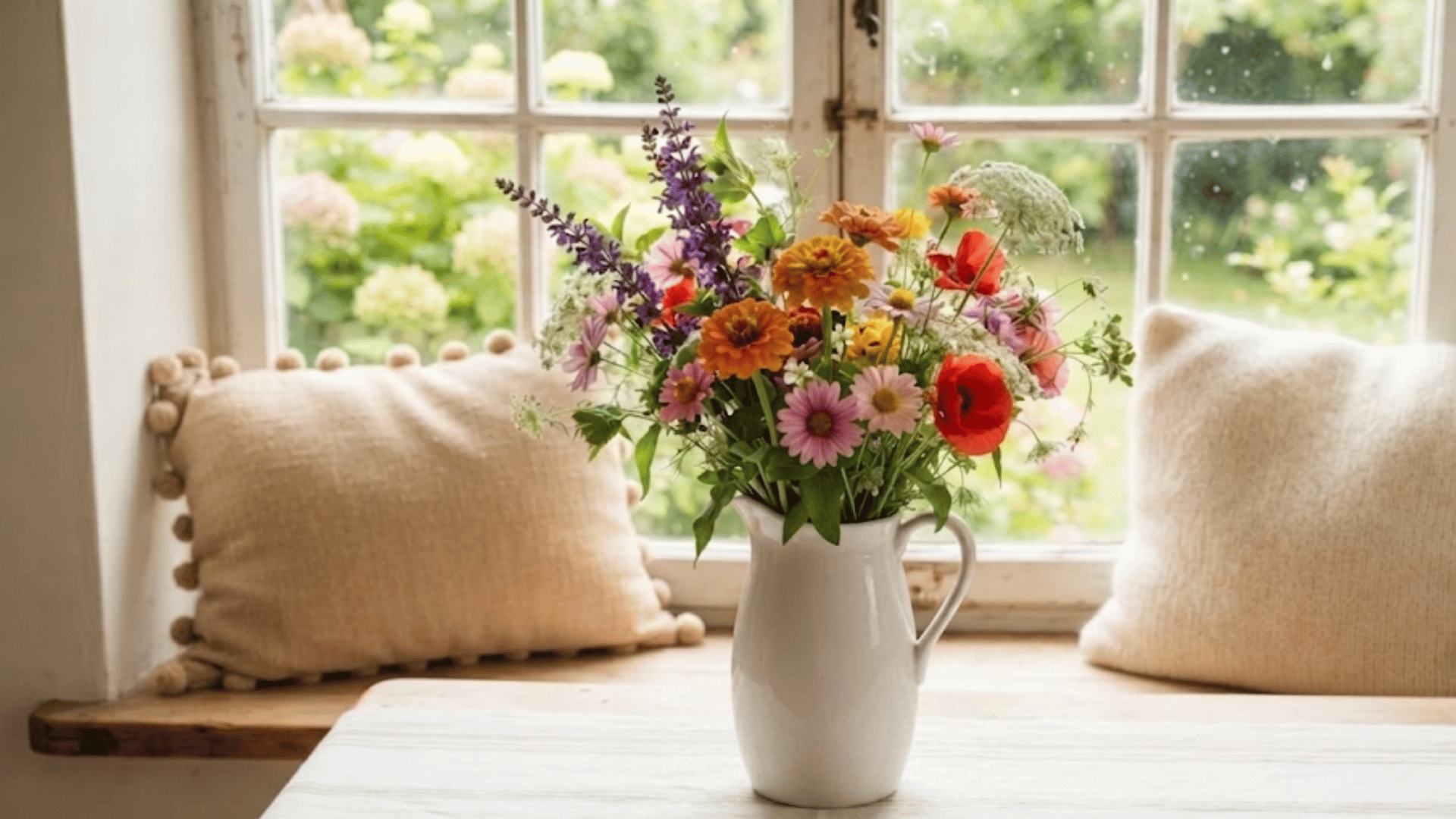
Fresh flowers can make any room feel brighter, but it is disappointing when a beautiful bouquet starts wilting almost as soon as you bring it home.
Many people assume cut flowers simply do not last long, but small care habits often make the biggest difference.
Trimming stems the right way, using a clean vase, refreshing the water, and keeping flowers away from heat can significantly extend their vase life.
With a few easy changes to your routine, you can keep your blooms looking vibrant for days longer and enjoy every bouquet before it naturally reaches the end of its life.
Quick Answer: How Can You Keep Cut Flowers Fresh?
Keep cut flowers fresh by trimming the stems, using a clean vase, changing the water regularly, adding flower food, and keeping them cool.
These simple habits help flowers absorb water more effectively while reducing bacteria that shorten their lifespan.
Refresh the water and recut the stems every two to three days, remove any leaves below the waterline, and place the bouquet away from direct sunlight, heaters, and ripening fruit to enjoy fresh-looking blooms for much longer.
Why Do Cut Flowers Wilt So Quickly?
Cut flowers begin losing freshness as soon as they are separated from their roots and water source. Several everyday factors speed up this process, causing blooms to wilt sooner than expected.
- Bacteria in Water: Dirty water encourages bacteria that clog stems and reduce the flowers’ ability to absorb moisture.
- Blocked Stem Ends: Dried or crushed stem ends restrict water uptake, leaving flowers dehydrated and drooping more quickly.
- Heat and Direct Sunlight: Warm temperatures increase water loss, causing flowers to wilt and petals to fade much sooner.
- Ethylene Gas from Fruits: Ripening fruits release ethylene gas, which speeds flower aging and significantly shortens overall vase life.
- Natural Aging Process: Even with proper care, cut flowers gradually age as stored nutrients and moisture become depleted over time.
Flowers that Stay Fresh the Longest
Some cut flowers naturally last longer than others. Choosing durable varieties and following their specific care needs can extend vase life.
| Flower | Average Vase Life | Best Care Tip | Signs It Needs Attention |
|---|---|---|---|
| Carnations | 14–21 days | Recut stems every few days | Browning petal edges or cloudy water |
| Chrysanthemums | 14–21 days | Replace the water every two days | Yellowing leaves or drooping stems |
| Orchids | 14–21 days | Keep away from direct sunlight | Transparent petals or limp blooms |
| Alstroemeria | 10–14 days | Remove yellowing leaves promptly | Falling leaves or fading petals |
| Lilies | 10–14 days | Remove pollen-covered anthers | Drooping blooms or stained petals |
| Sunflowers | 7–12 days | Keep the vase well filled with water | Bent stems or curling petals |
| Roses | 7–12 days | Recut stems at a 45-degree angle | Bent necks or soft outer petals |
| Gerbera Daisies | 5–10 days | Use shallow, clean vase water | Soft stems or drooping flower heads |
What Should You Do as Soon as You Bring Cut Flowers Home?
The first few minutes after bringing cut flowers home can affect how long they remain fresh and upright.
- Remove the Wrapping: Take off plastic, paper, ties, and bands that restrict airflow or press against delicate petals.
- Clean the Vase: Wash the vase with hot, soapy water to remove bacteria, residue, and lingering odors.
- Add Fresh Water: Fill the vase with clean, room-temperature water before placing the prepared flowers inside.
- Trim the Stems: Cut about one inch from each stem at a 45-degree angle for better water absorption.
- Remove Lower Leaves: Strip away any leaves that would sit underwater and begin rotting inside the vase.
- Choose a Cool Location: Keep the bouquet away from direct sunlight, heaters, air vents, and ripening fruit.
How to Keep Cut Flowers Fresh?
A florist’s care routine works best when you follow a few simple habits instead of relying on a single trick. These steps help improve water absorption, reduce bacteria, and keep your bouquet looking fresh for as long as possible.
1. Trim the Stems Before Placing Them in Water
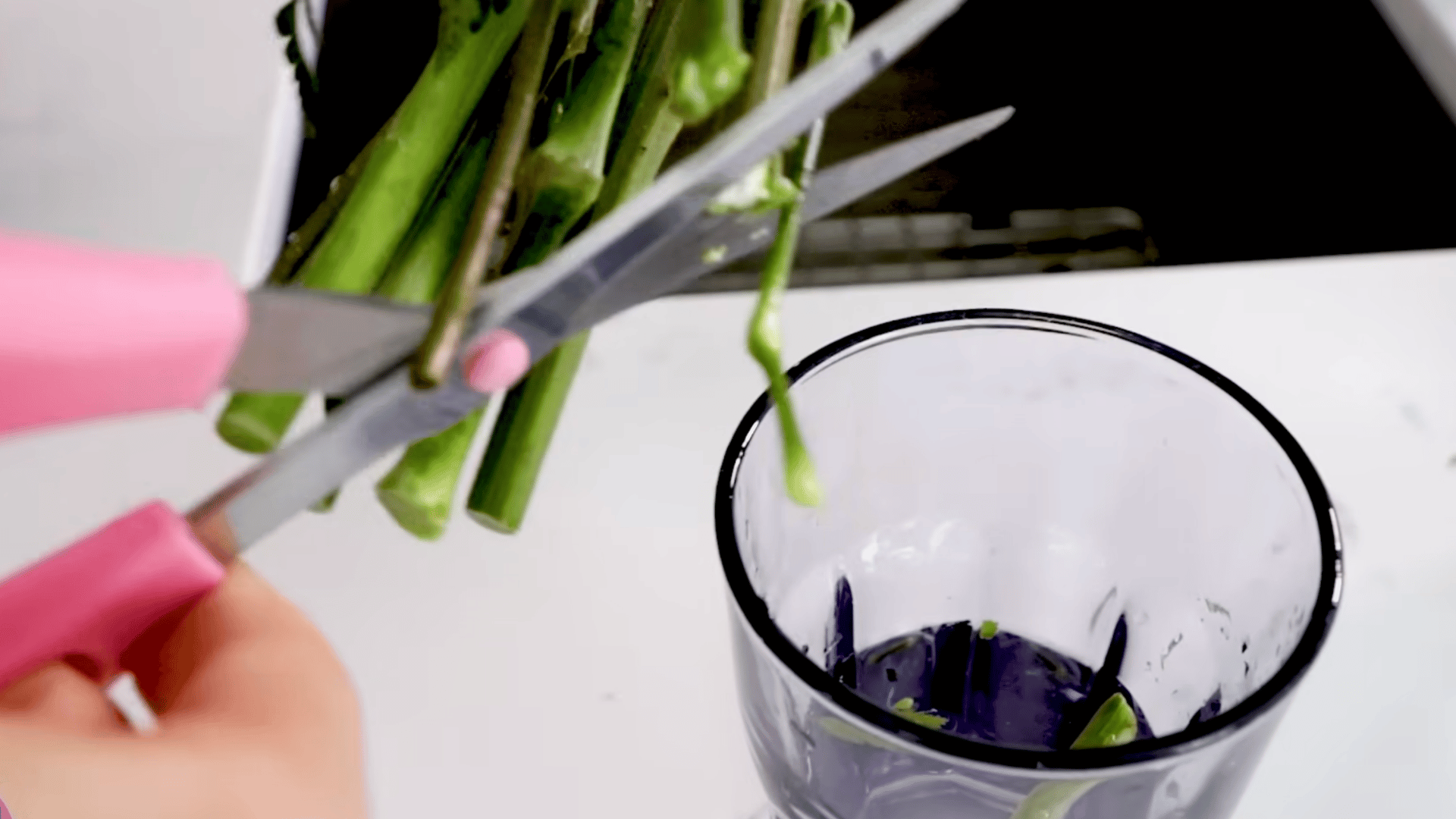
As soon as you bring your flowers home, trim about one inch from the bottom of each stem using clean scissors or pruning shears.
Make the cut at a 45-degree angle to create a larger surface for water absorption. Fresh cuts also remove the dried stem ends that may block water flow.
Recut the stems every two to three days to help the flowers stay hydrated and continue drinking water efficiently.
2. Use a Clean Vase and Replace the Water Regularly
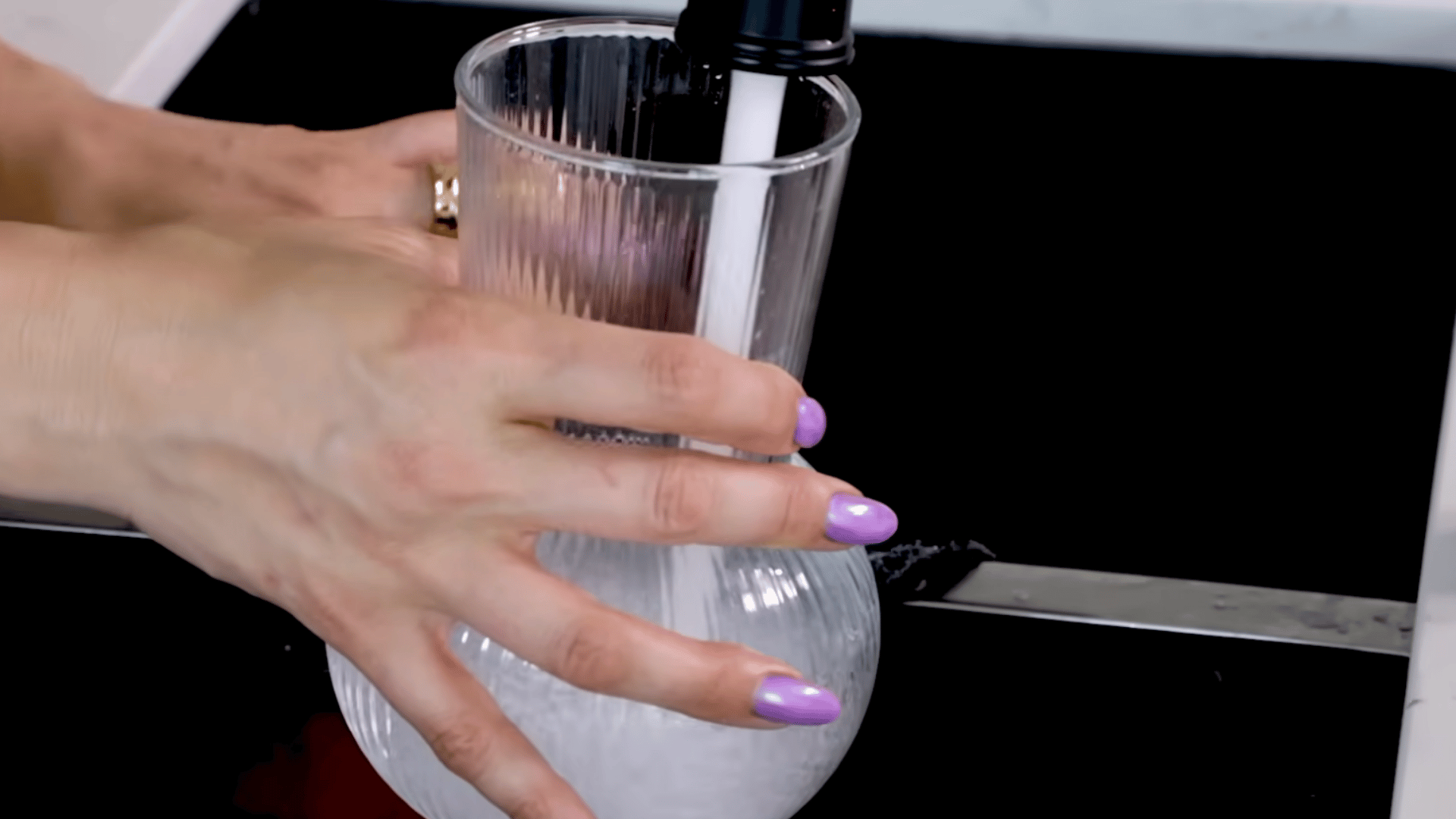
Always wash your vase with hot, soapy water before arranging fresh flowers. Even a small amount of leftover dirt or bacteria can shorten their lifespan.
Fill the vase with fresh, room-temperature water, then replace it completely every two to three days instead of simply topping it off.
Fresh water limits bacterial growth and gives the flowers a clean source of moisture, helping them stay healthy and vibrant for longer.
3. Remove Leaves Below the Waterline
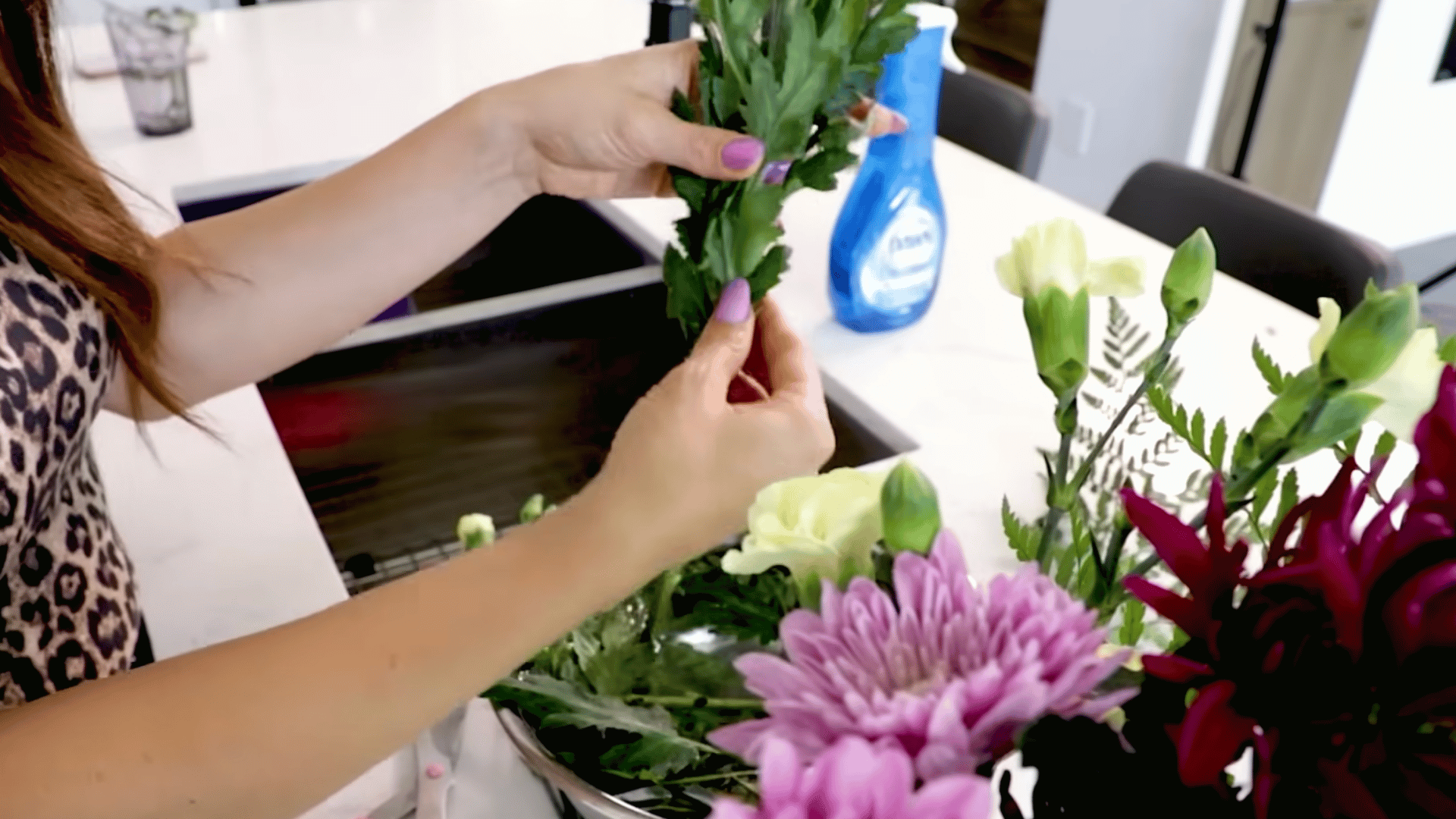
Strip away any leaves that would sit below the water level before placing the flowers in the vase. Submerged leaves quickly begin to rot, creating bacteria that cloud the water and clog the flower stems.
This makes it harder for flowers to absorb the moisture they need.
Keeping only the stems underwater helps maintain cleaner water and significantly slows the natural aging process of your bouquet.
4. Add Flower Food to Nourish and Protect the Flowers
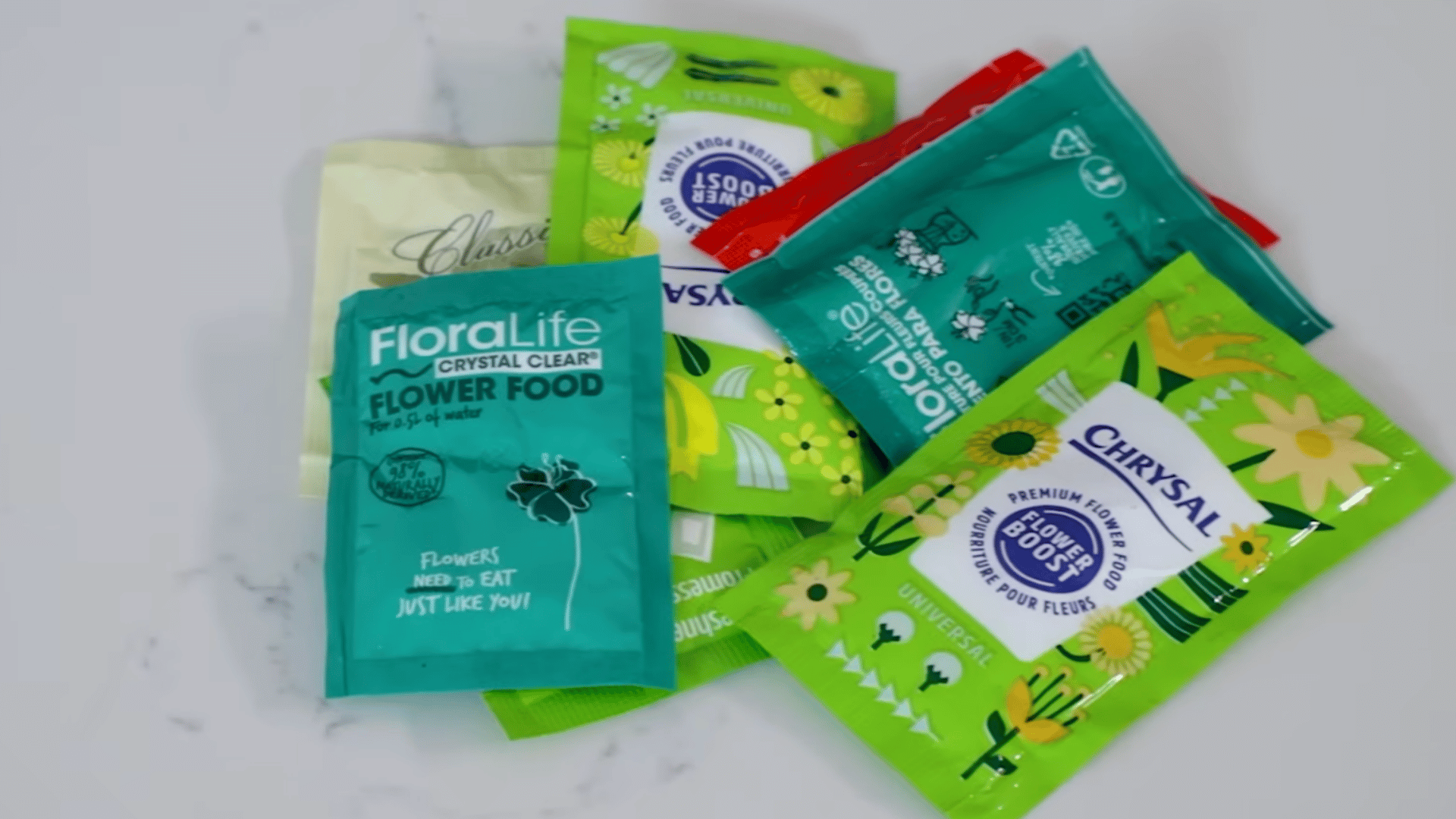
Use the flower food packet that comes with your bouquet whenever possible. It contains nutrients that feed the flowers, ingredients that balance the water’s acidity, and compounds that slow bacterial growth.
If you run out, you can prepare a simple homemade version using sugar, lemon juice, and a few drops of bleach.
According to the USDA Agricultural Research Service, proper water balance, carbohydrate supply, and stress reduction help extend cut flower vase life.
5. Keep Flowers Away from Heat and Ripening Fruit
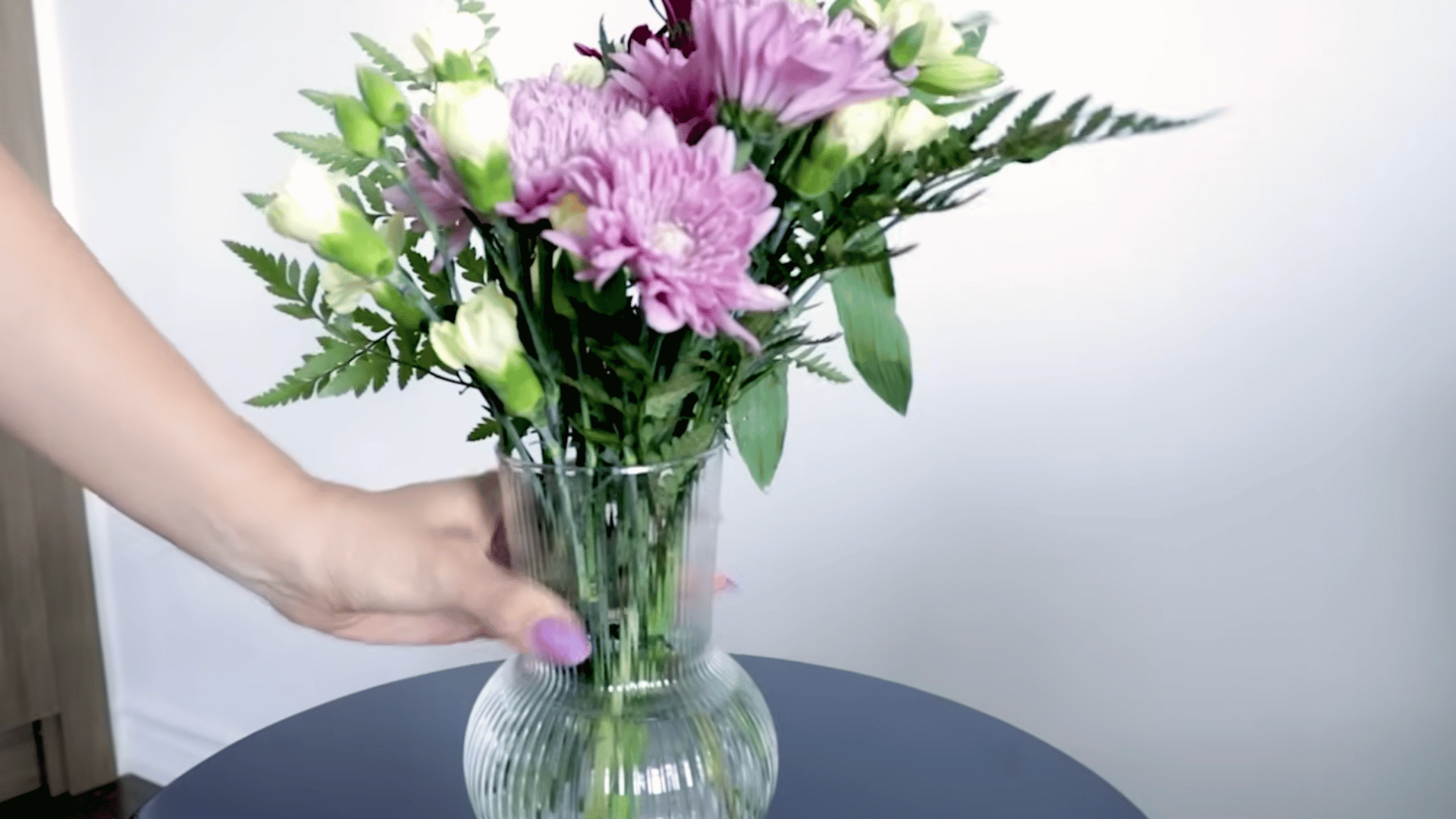
Place your bouquet in a cool room away from direct sunlight, heating vents, kitchen appliances, and sunny windows. Excess heat speeds up moisture loss and causes flowers to wilt sooner.
Also avoid placing them near bananas, apples, or other ripening fruit because they release ethylene gas, which accelerates flower aging.
A cooler location helps blooms stay fresh, colorful, and upright for several extra days.
6. Check Your Bouquet Daily and Remove Wilting Blooms
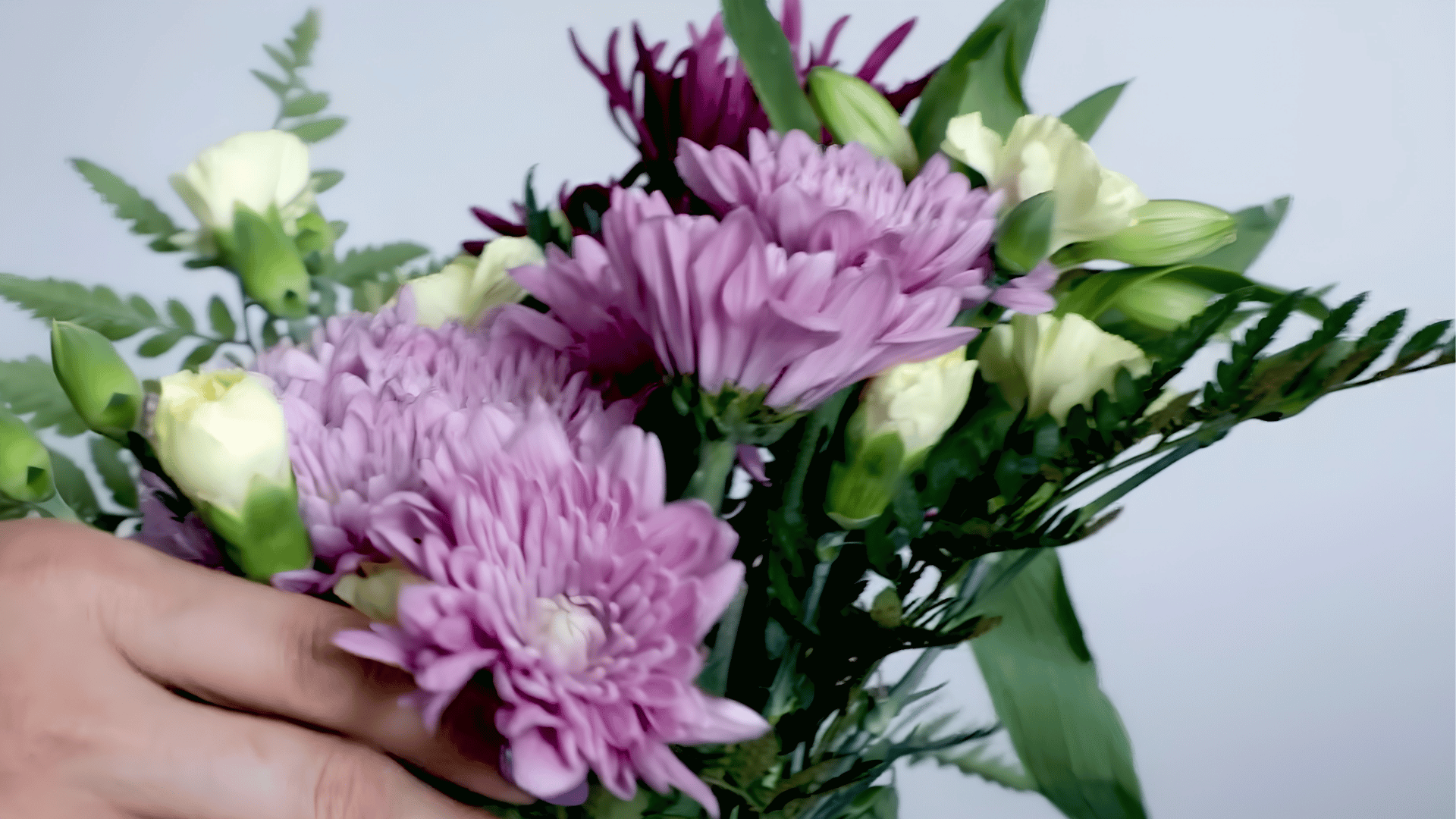
Spend a minute looking over your bouquet each day. If you notice a flower starting to droop, turn brown, or become soft, remove it immediately.
Dying flowers release bacteria that can affect the surrounding healthy blooms and shorten the overall vase life.
Regularly removing damaged flowers, refreshing the water, and trimming the stems keeps the remaining arrangement looking fuller, cleaner, and fresher for much longer.
These steps are inspired by a useful video from Clean My Space. You can watch the original tutorial on their YouTube channel here or view it below.
Home Remedies for Cut Flowers: What Works?
Many household ingredients are said to keep cut flowers fresh, but some are more effective than others. Knowing which ones are effective can help your blooms last longer.
| Remedy | Does It Work? | Notes |
|---|---|---|
| Copper penny | No | Mostly a myth; modern pennies don’t release enough copper to reduce bacteria. |
| Crushed aspirin | Mixed | Evidence is mixed, with little consistent benefit. |
| Sugar + vinegar | Yes | Sugar feeds flowers, while vinegar helps lower water pH. |
| Household bleach | Yes | A few drops help control bacteria. |
| Citrus soda | Yes | Provides sugar and acidity; works best with a little bleach. |
| DIY flower food | Best option | Mix 1 tsp sugar + 2 tsp lemon juice + 1/4 tsp bleach + 1 quart (1 liter) water. Replace every 2–3 days. |
| Hairspray | No | Doesn’t improve water uptake or extend vase life. |
When Is It Time to Throw Away Cut Flowers?
Throw away cut flowers when they develop foul odors, slimy stems, heavy petal drop, mold, or no longer improve after fresh water.
It is time to discard them when the petals become brown, wilted, or fall off easily, the stems turn soft or slimy, or the water develops a cloudy appearance and unpleasant smell despite regular changes.
Mold growth, mushy leaves, and flowers that fail to perk up after trimming the stems and replacing the water are also clear signs they cannot recover.
Once your bouquet has reached the end of its vase life, consider choosing easy-to-grow plants for longer-lasting greenery and color around your home.
Some dried blooms can still be useful for simple flower crafts before you discard the arrangement.
Quick Glance: Best Ways to Keep Cut Flowers Fresh
Small daily care habits work together to extend vase life. Follow this quick checklist to keep your cut flowers fresher for longer.
| Care Step | Why It Matters | How Often |
|---|---|---|
| Trim Stems | Improves water absorption and removes blocked stem ends | Every 2–3 days |
| Use a Clean Vase | Prevents bacteria and mold from shortening vase life | Before every new bouquet |
| Change the Water | Keeps stems hydrated and reduces bacterial growth | Every 2–3 days |
| Remove Leaves Below Water | Prevents rotting leaves from contaminating the water | Before arranging flowers |
| Add Flower Food | Provides nutrients and slows bacterial growth | With every water change |
| Keep Away From Heat and Fruit | Slows moisture loss and prevents ethylene damage | Always |
| Remove Wilted Blooms | Stops bacteria from spreading to healthy flowers | Check daily |
Common Mistakes that Make Flowers Die Faster
Even healthy flowers can wilt early if a few common care mistakes are overlooked. Avoiding these simple errors helps keep bouquets fresher and extends their vase life.
- Using a Dirty Vase
- Forgetting to Trim the Stems
- Leaving Leaves Underwater
- Placing Flowers in Direct Sunlight
- Keeping Flowers Near Ripening Fruit
- Overcrowding the Vase
Conclusion
Keeping cut flowers fresh is all about building a few simple habits into your routine. Trimming the stems, changing the water regularly, using flower food or a homemade alternative, and placing your bouquet in a cool spot can make a noticeable difference in how long your blooms last.
While no method can stop the natural aging process, proper care helps you enjoy fresher, healthier flowers for as long as possible.
Put these tips into practice the next time you bring home a bouquet, and see which ones work best for you. Have a favorite flower-care tip? Share it in the comments below!
Frequently Asked Questions
What Is the 3:5:8 Rule for Flowers?
The 3:5:8 rule is a floral design guideline that uses balanced proportions between the vase and flower heights to create a fuller, more visually appealing arrangement.
What Is a Simple Trick for Arranging Flowers at Home?
Start with greenery to build the shape, place larger flowers first, then fill gaps with smaller blooms while varying stem heights for a natural arrangement.
Which Vinegar Is Best for Flowers?
White distilled vinegar is the best choice because it helps lower water pH without adding color or residue. Use only small amounts as part of a balanced homemade flower food solution.
Should You Refrigerate Cut Flowers Overnight?
Yes. Refrigerating cut flowers overnight can help extend their vase life by slowing water loss and natural aging, as long as they are kept away from fruits.