

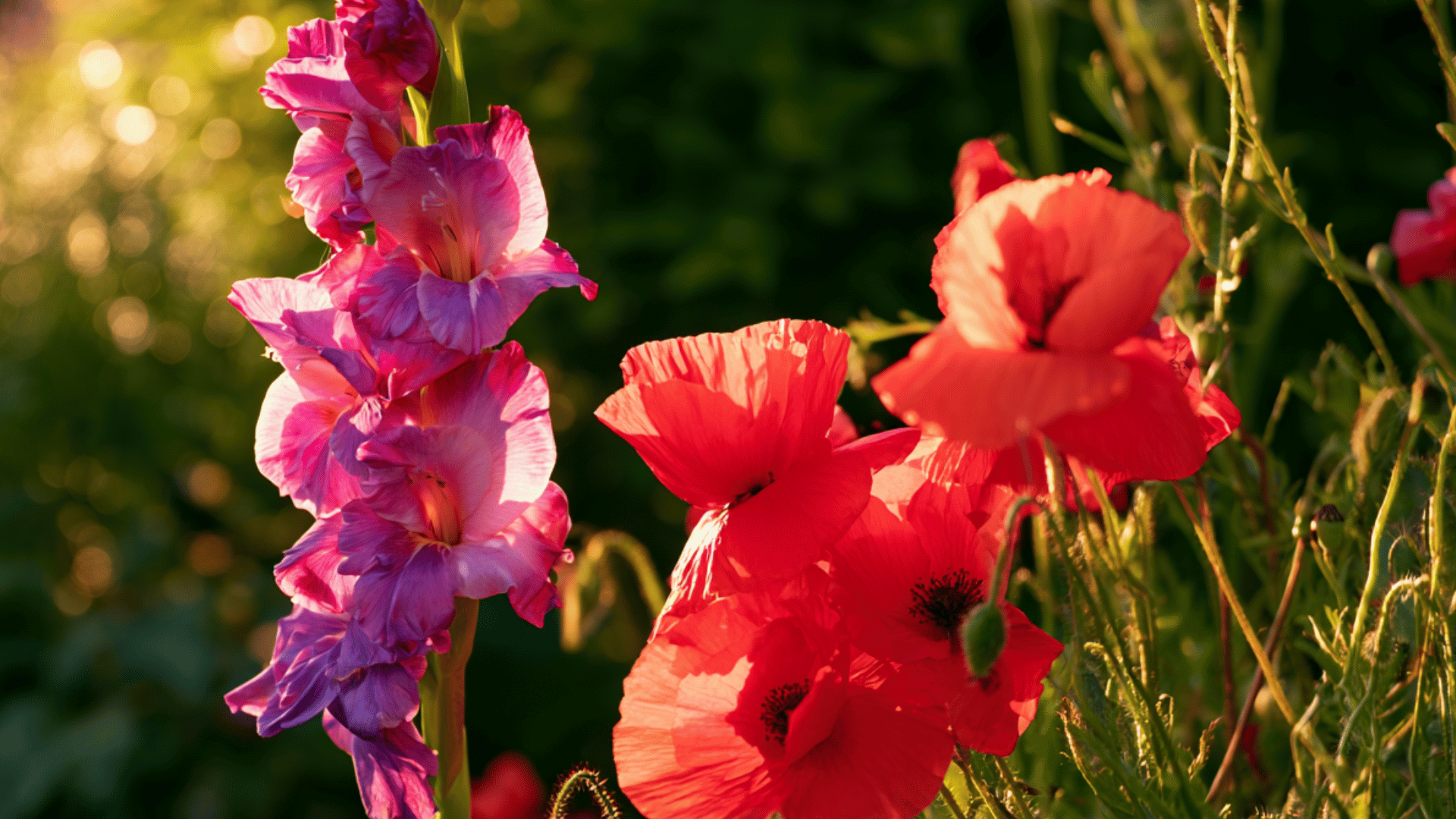
Many flowers brighten the summer season, but only a few carry the special meaning of representing an entire birth month.
I have always enjoyed learning how certain flowers tell stories through their colors, history, and symbolism. August stands out because it has not one but two official birth flowers, each with a unique personality and rich traditions.
From the tall, classy gladiolus to the delicate poppy, these blooms offer much more than beautiful petals.
If you have ever wanted to know what makes the August flower so meaningful or are searching for the perfect birthday bloom, you’ll find plenty of inspiration ahead.
Quick Answer: What Is the August Birth Flower?
The official August birth flowers are the gladiolus and the poppy. The gladiolus symbolizes strength and integrity, while the poppy represents remembrance, peace, imagination, and hope.
Gladiolus is admired for its tall, colorful flower spikes and is often associated with courage, honesty, and strong character.
The poppy is recognized for its delicate petals and lasting symbolism of peace, remembrance, and renewal.
Both flowers bloom during the summer, making them a natural fit for August birthdays and seasonal celebrations.
How the August Birth Flower Connects to the Birthstone?
The August birth flowers, gladiolus and poppy, pair naturally with the month’s birthstones, peridot, spinel, and sardonyx because they share similar meanings.
Gladiolus symbolizes strength and perseverance, matching sardonyx’s courage and protection.
The poppy symbolizes peace, hope, and renewal, complementing peridot’s associations with positivity, prosperity, and emotional balance.
Together, the August birth flowers and birthstones create a meaningful combination that celebrates resilience, optimism, and personal growth, making them thoughtful choices for August birthdays and special occasions.
Gladiolus: Primary August Flower
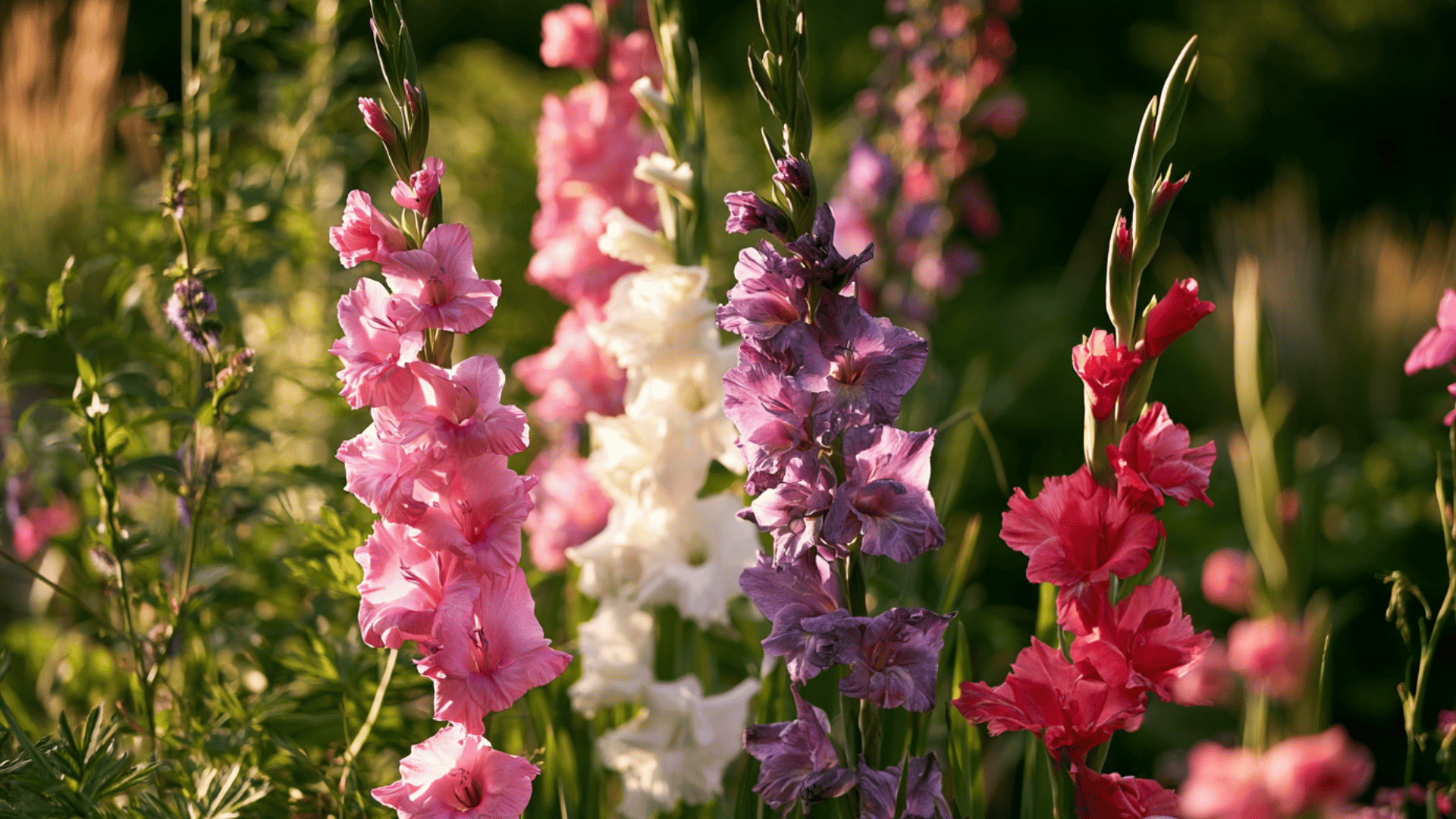
The gladiolus is the primary August flower and has been admired for centuries because of its striking appearance and rich symbolism.
Meaning
The gladiolus is widely recognized as a symbol of strength, integrity, honesty, and resilience. Its upright flower spikes represent determination and the ability to overcome challenges.
In Victorian flower language, it also symbolized love at first sight, faithfulness, and moral character.
Because of these positive meanings, the gladiolus is often chosen to celebrate birthdays, graduations, anniversaries, and other milestones that honor courage, achievement, and personal growth.
History
The gladiolus has a history that dates back to ancient Rome, where it was associated with gladiators and victory.
Its name comes from the Latin word gladius, meaning “sword,” inspired by its long, blade-shaped leaves.
Native to Africa, the Mediterranean, and parts of Europe, the flower later became popular in gardens around the world.
During the Victorian era, it gained greater popularity as people used flowers to express emotions and hidden messages, giving the gladiolus lasting cultural significance.
Flower Color Symbolism
| Flower Color | Symbolism |
|---|---|
| Red | Love, passion, courage, and deep admiration |
| Pink | Compassion, kindness, and gentle affection |
| White | Purity, innocence, sincerity, and remembrance |
| Yellow | Joy, friendship, positivity, and happiness |
| Orange | Enthusiasm, confidence, and success |
| Purple | Grace, dignity, admiration, and achievement |
Care Tips
- Watering: Water regularly during active growth.
- Sunlight: Full sun (6–8 hours daily).
- Soil: Well-drained, fertile soil.
- Best Temperature: 60°F–75°F (16°C–24°C).
- Bloom Time: Mid-summer to early fall.
- Maintenance: Stake tall flower spikes if needed and remove spent blooms.
- Pet Safety: Gladiolus corms are toxic to cats and dogs if chewed or eaten, so keep bulbs out of reach and supervise pets around planted beds.
If you want to plan a full bed around a plant this tall, my guide on designing a cut flower garden layout shows spacing and height planning step by step.
Interesting Facts About Gladiolus Flowers
|
Poppy: Second August Flower
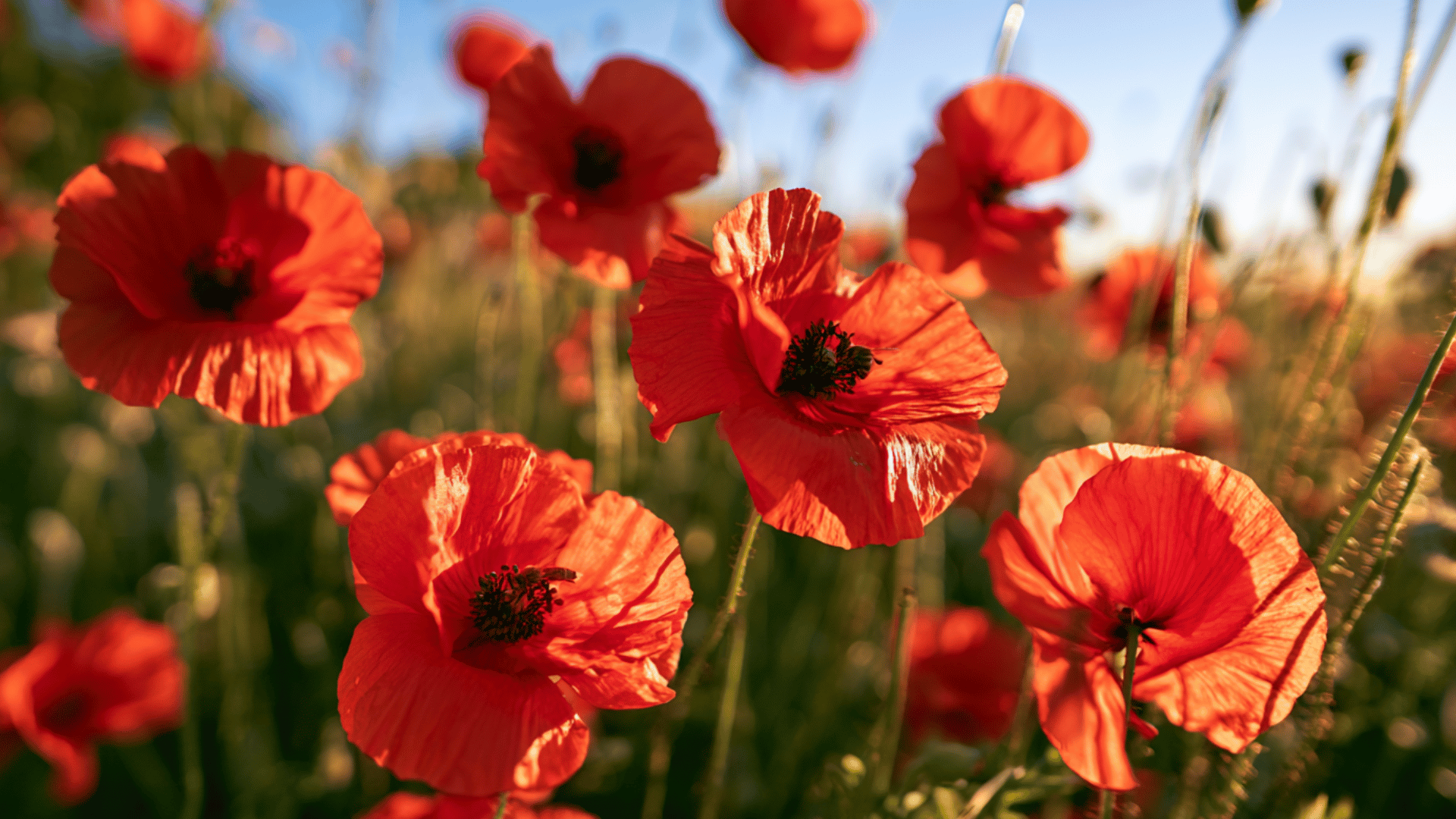
The poppy is the second official August flower and is admired for its delicate petals, vibrant colors, and deep cultural significance.
Meaning
The poppy is widely recognized as a symbol of remembrance, peace, hope, and resilience. Its delicate petals remind many people that beauty and renewal can emerge after difficult times.
In different cultures, the flower has also represented imagination, eternal rest, and new beginnings.
Because of these meaningful associations, poppies are often included in memorial ceremonies, sympathy bouquets, and floral arrangements that honor loved ones or celebrate hope for the future.
History
The poppy has a long history that dates back to ancient Greece and Rome, where it was associated with sleep, dreams, and the afterlife.
Its name comes from the Latin word pappa, meaning “milk,” referring to the milky sap found in some poppy species.
After World War I, red poppies became internationally recognized as symbols of remembrance when they bloomed across former battlefields, inspiring traditions that continue in many countries today.
Flower Color Symbolism
| Flower Color | Symbolism |
|---|---|
| Red | Remembrance, sacrifice, respect, and courage |
| White | Peace, hope, and spiritual comfort |
| Pink | Compassion, love, and gentle remembrance |
| Orange | Creativity, energy, and optimism |
| Purple | Imagination, success, and remembrance of military animals in some traditions |
| Yellow | Wealth, prosperity, and positive wishes (less common in symbolism) |
Care Tips
- Watering: Water sparingly once established.
- Sunlight: Full sun to partial shade.
- Soil: Well-drained, fertile soil.
- Best Temperature: 50°F–70°F (10°C–21°C).
- Bloom Time: Late spring to early summer.
- Maintenance: Remove spent flowers and avoid transplanting seedlings.
Interesting Facts About Poppy Flowers
|
What Are Some Other August Flowers?
Although gladiolus and poppy are the official birth flowers, several other blooms reach their peak during August and add vibrant color to late-summer gardens.
1. Dahlia
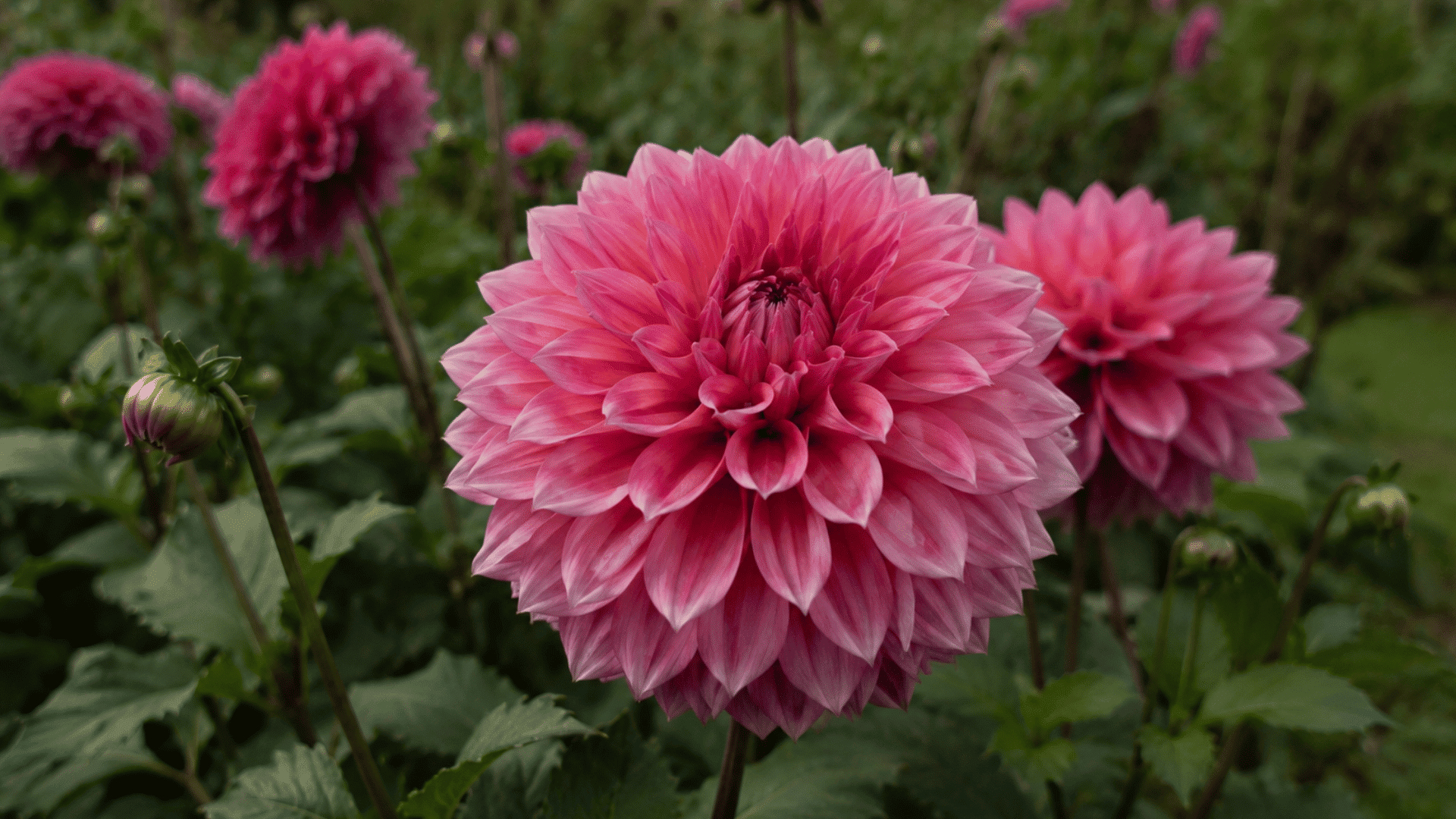
Dahlias are known for their large, layered blooms that brighten gardens from late summer until the first frost. They are widely grown for their bold colors and impressive flower size.
- Found In: Native to Mexico and Central America
- Flower Colors: Red, pink, yellow, white, orange, purple, and bi-colors
- Growing Conditions: Full sun and well-drained soil
- Best Feature: Produces continuous blooms until the first frost
2. Zinnia
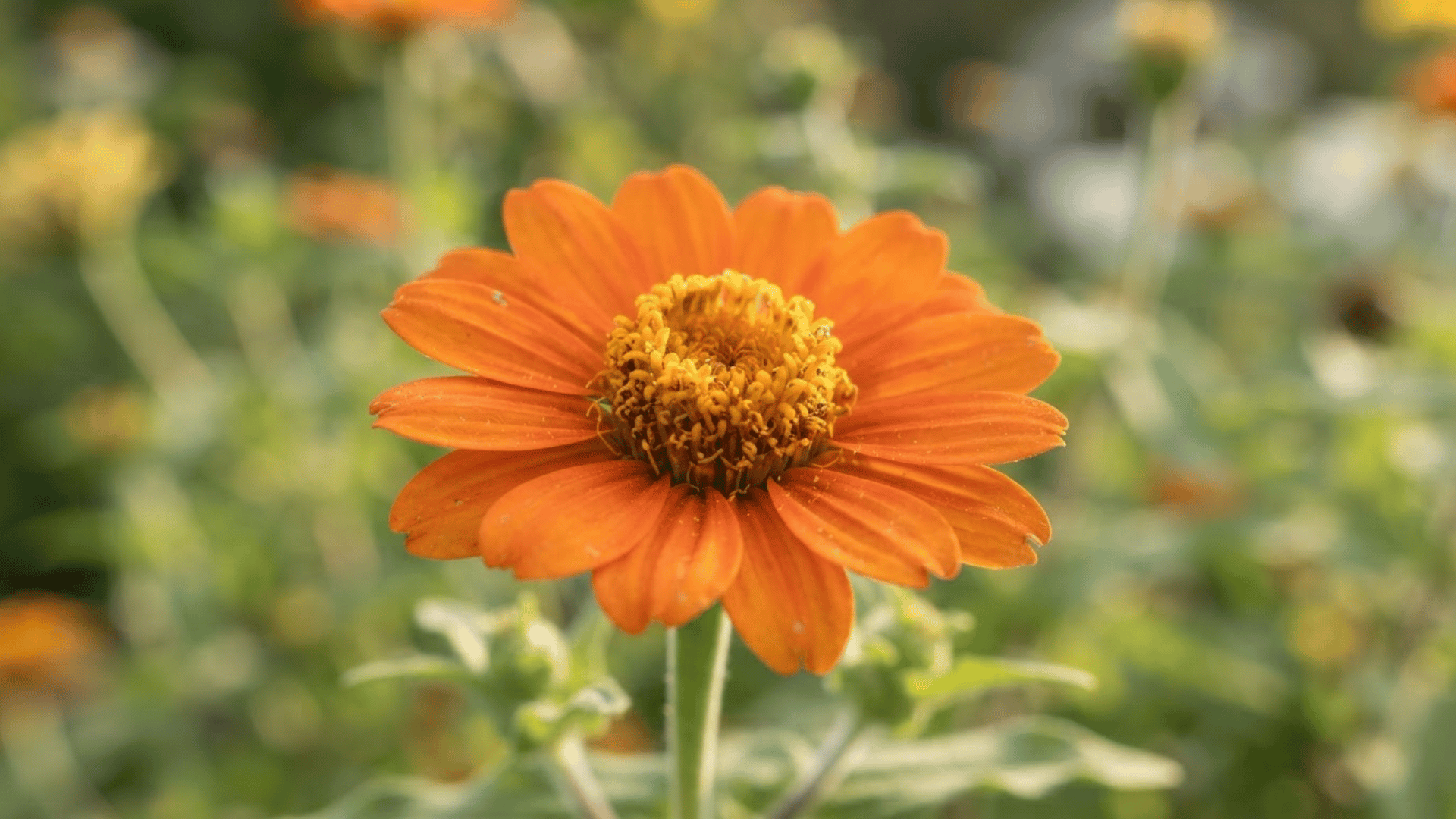
Zinnias produce cheerful, daisy-like flowers that bloom throughout summer. They are easy to grow and are loved for attracting butterflies and bees.
- Found In: Native to Mexico and the southwestern United States
- Flower Colors: Red, pink, yellow, orange, white, and purple
- Growing Conditions: Full sun with well-drained soil
- Best Feature: Long blooming season with minimal care
3. Aster
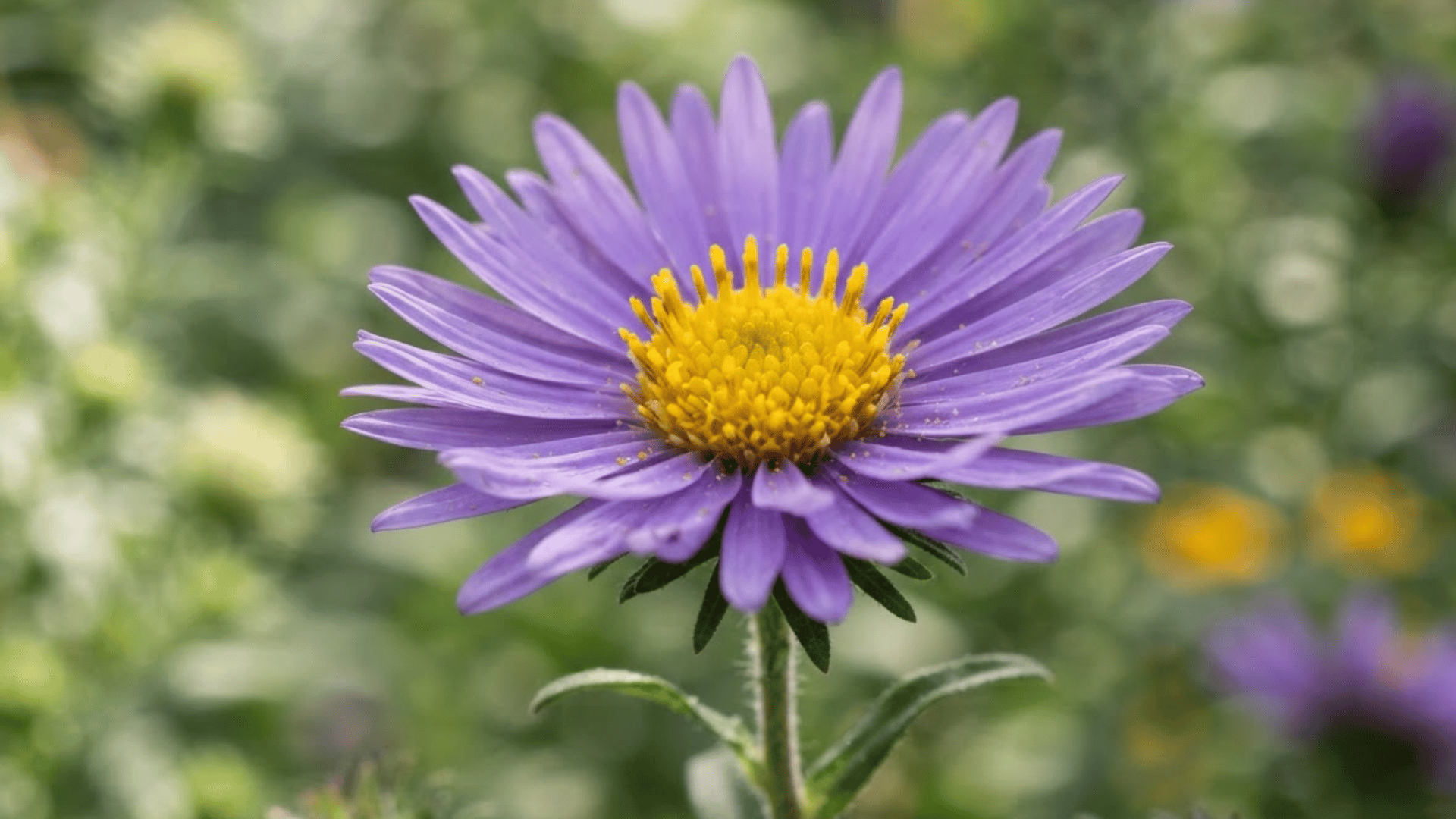
Asters bloom from late summer into early fall, adding vibrant color to gardens while supporting pollinators with nectar-rich flowers.
- Found In: Native to North America, Europe, and Asia
- Flower Colors: Purple, pink, white, blue, and red
- Growing Conditions: Full sun to partial shade with well-drained soil
- Best Feature: Extends garden color into fall
4. Chrysanthemum
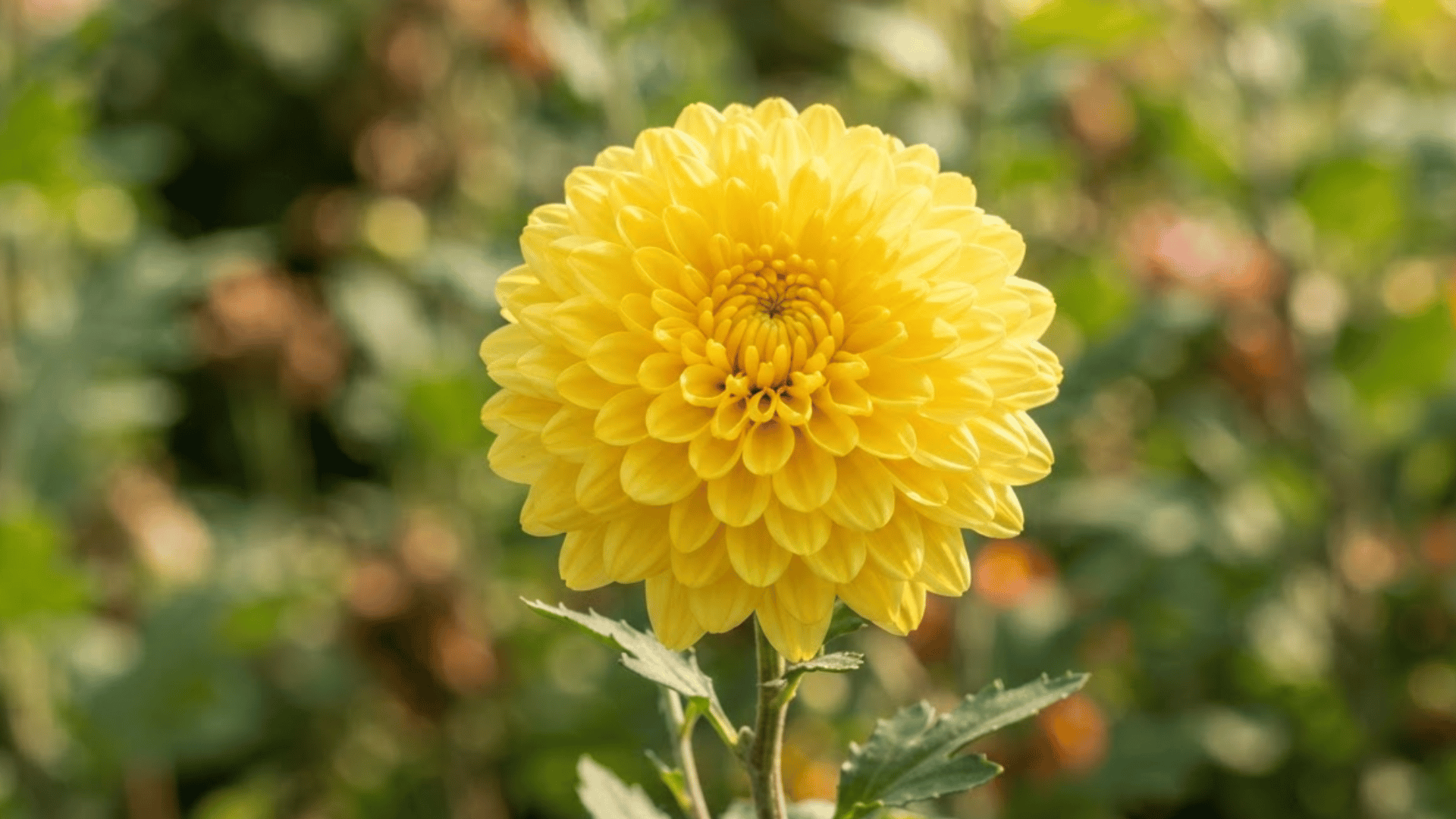
Chrysanthemums produce dense, colorful blooms that become the highlight of gardens as summer transitions into fall.
- Found In: Native to East Asia and northeastern Europe
- Flower Colors: Yellow, white, red, pink, purple, orange, and bronze
- Growing Conditions: Full sun and well-drained soil
- Best Feature: Long-lasting flowers in wide varieties
5. Sedum
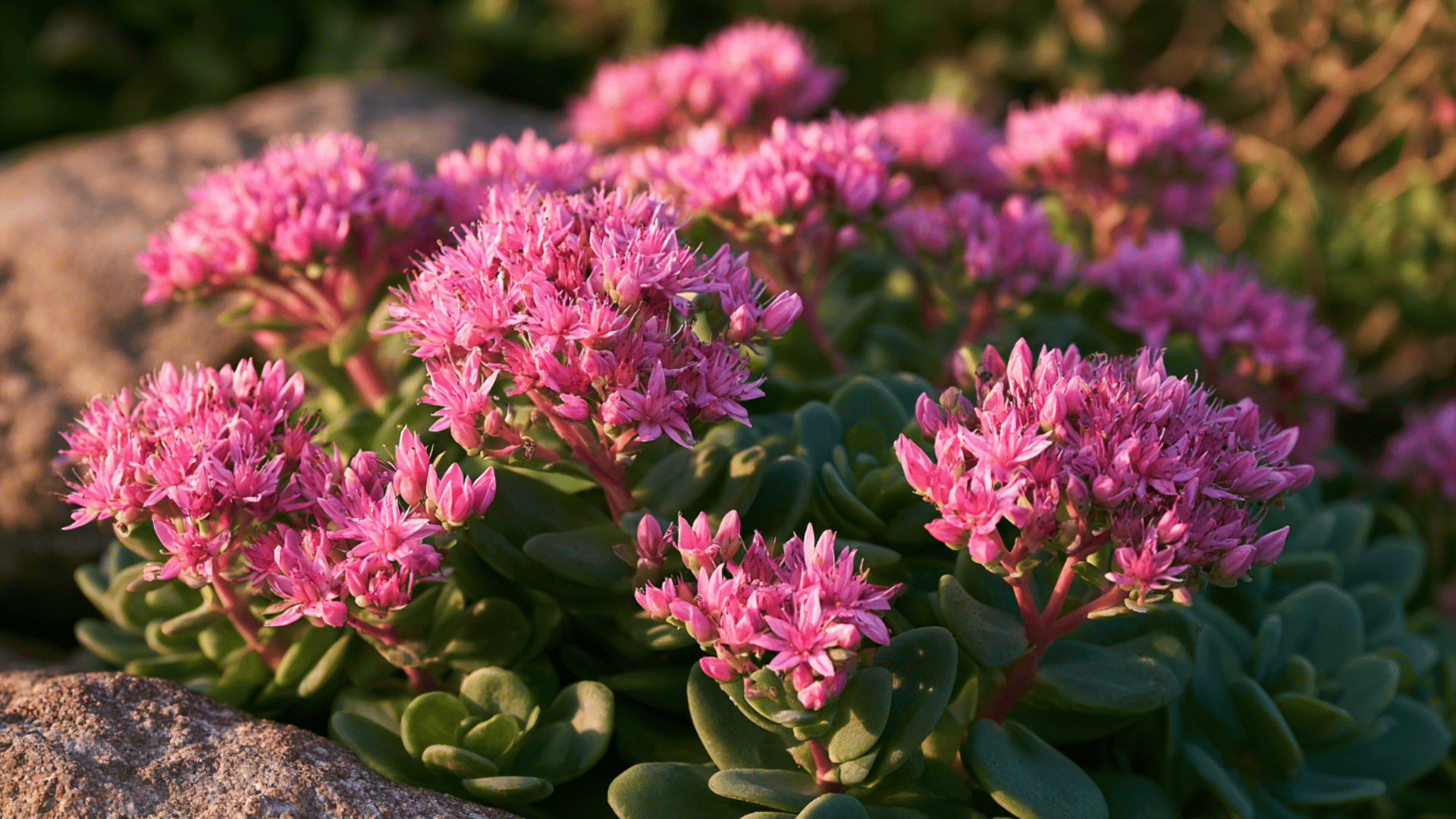
Sedum is a hardy perennial with fleshy leaves and clusters of tiny flowers. It performs well in dry conditions and requires very little maintenance.
- Found In: Native to Europe, Asia, and North America
- Flower Colors: Pink, red, white, yellow, and rust
- Growing Conditions: Full sun and dry, well-drained soil
- Best Feature: Highly drought-tolerant
6. Agastache
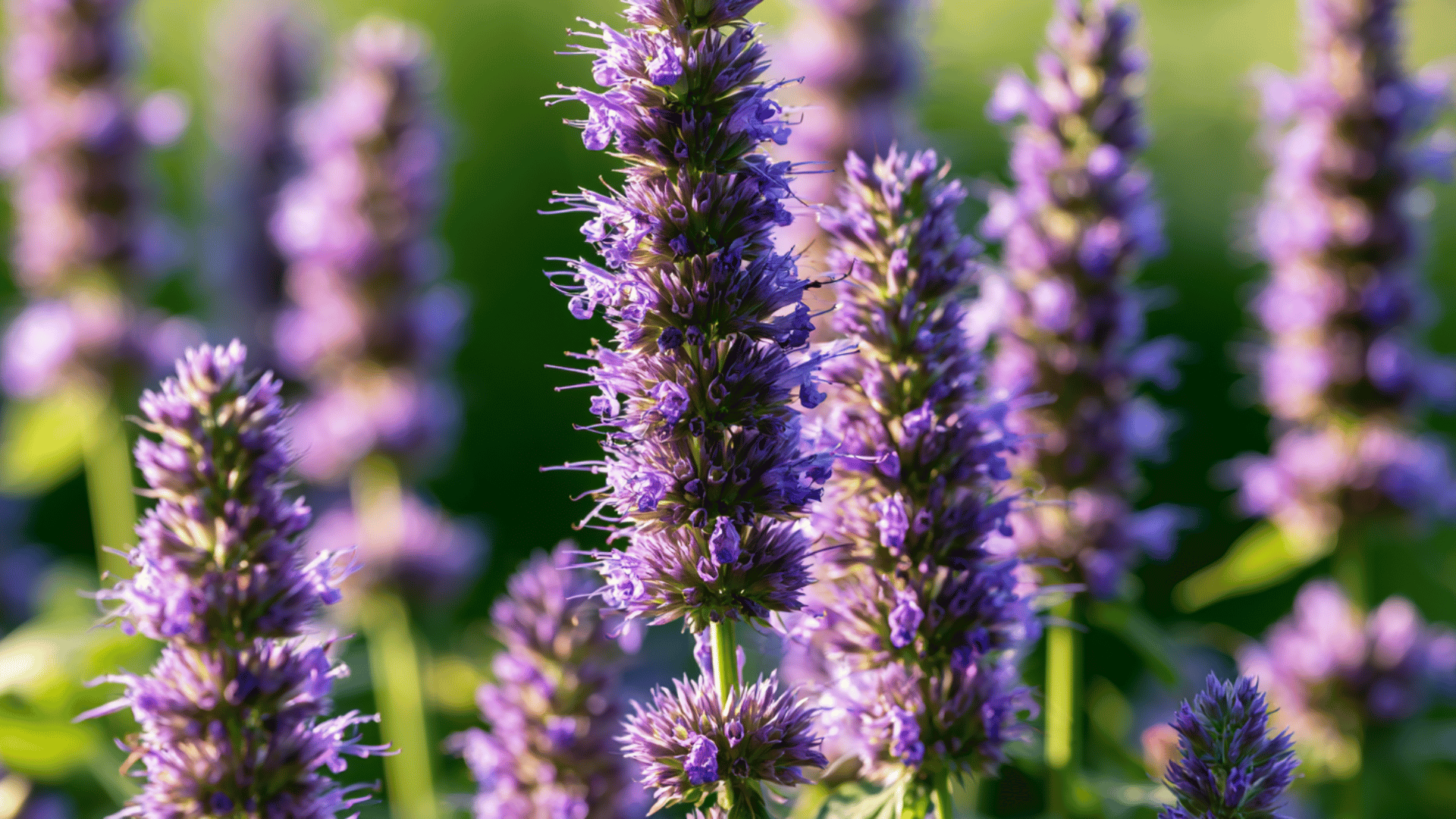
Agastache is recognized for its fragrant flower spikes and ability to attract hummingbirds, bees, and butterflies throughout the growing season.
- Found In: Native to North America, with some species in East Asia
- Flower Colors: Purple, blue, pink, orange, white, and coral
- Growing Conditions: Full sun and well-drained soil
- Best Feature: Excellent pollinator-friendly plant
Gladiolus or Poppy: What to Choose?
Deciding between August’s two birth flowers often comes down to the occasion and the feeling you want to send. A few general guidelines can help narrow it down:
- Bold Celebrations: Choose gladiolus for graduations, promotions, or any milestone that calls for a confident presence.
- Quiet Tributes: Choose poppy for memorial services, sympathy gifts, or moments centered on remembrance.
- Long-Lasting Bouquets: Choose gladiolus if the flowers need to survive several days in transit or on a desk.
- Early Garden Color: Choose poppy if you want blooms that establish early and free up bed space for late-summer plants like dahlias and asters.
- Undecided: Many florists pair both in a single arrangement, since their colors and heights complement each other naturally.
Conclusion
The August flower represents more than seasonal beauty. The bold gladiolus and the graceful poppy share the month.
August is celebrated through flowers that symbolize strength, sincerity, peace, and remembrance. Each bloom carries its own history, making it easy to find one that matches a special occasion, a thoughtful gift, or a favorite garden style.
Their vibrant colors and timeless symbolism continue to make August one of the most memorable months in the floral calendar.
Frequently Asked Questions
Why Does August Have Two Birth Flowers?
Many birth months have more than one official flower because different traditions developed over time. The gladiolus and poppy each represent different qualities associated with August.
Which August Flower Lasts Longer in a Vase?
Gladiolus generally lasts longer as a cut flower because its blossoms open gradually over several days when placed in clean water.
Can Gladiolus and Poppies Grow Together in the Same Garden?
Yes. Both can grow successfully in sunny locations with well-drained soil, although their watering and growing preferences may differ slightly depending on the variety.
Which August Birth Flower Is Best for Tattoos?
Both flowers are popular choices. Gladiolus tattoos often represent inner strength and determination, while poppy tattoos commonly symbolize remembrance, healing, or new beginnings.
Are Poppies Easy to Grow from Seed?
Yes. Many poppy varieties grow well from seed when planted directly into well-drained soil in a sunny location. Once established, they require relatively little maintenance.