

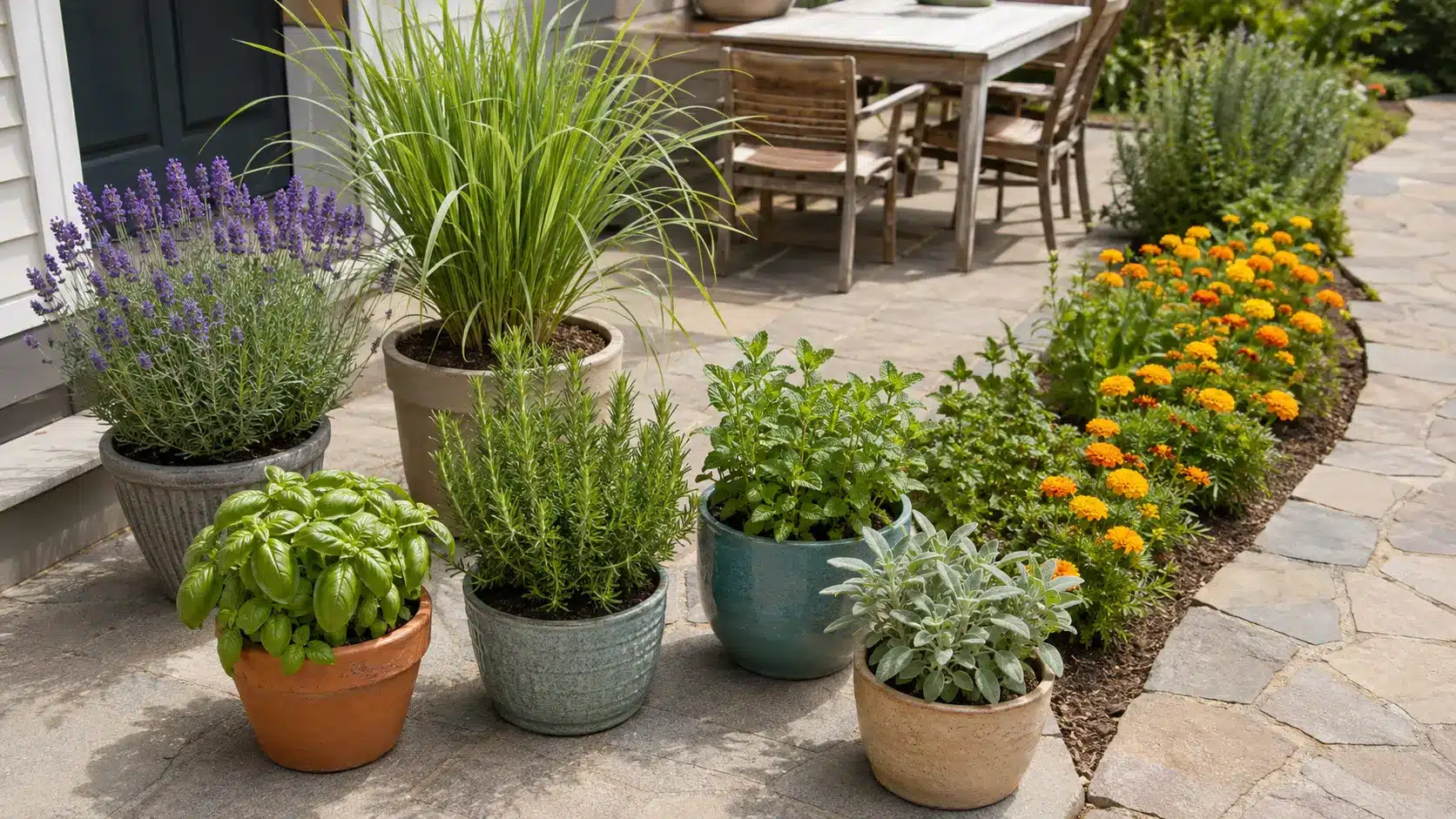
Mosquitoes can turn a quiet summer evening into a nonstop round of swatting and scratching. If I have to carry dinner back inside because the bites will not stop, the patio loses its purpose pretty quickly.
That frustration raises a common question: what plants repel mosquitoes? Several fragrant herbs and flowers contain aromatic oils associated with mosquito-repelling properties. Still, a plant sitting untouched in a corner produces only a small amount of scent.
I prefer to think of mosquito repellent plants as one useful part of patio care rather than the main defense. Plant choice, location, airflow, water control, and personal protection all matter. The 12 options below make practical additions to pots, garden beds, doorways, and outdoor sitting areas.
Do Mosquito-Repellent Plants Really Work?
Many plants linked with mosquito control contain naturally fragrant oils. The problem is that a healthy plant growing in a pot or garden bed does not release those oils at the same concentration found in tested mosquito repellents.
Touching, pruning, or brushing against aromatic foliage can release a stronger scent for a short period. That may make these plants useful around small outdoor spaces where people regularly pass or sit.
They still should not replace proven mosquito-control steps. Removing standing water limits breeding sites, while screens, outdoor fans, suitable clothing, and EPA-registered skin repellents provide more dependable protection.
Think of the plants as supporting players rather than a mosquito barrier.
Plants Commonly Used Around Mosquito-Prone Spaces
Some plants earn a place near patios because of their fragrance, while others are useful herbs or long-flowering garden plants. Choose varieties suited to the sunlight, space, and weather around the planting area.
1. Lavender
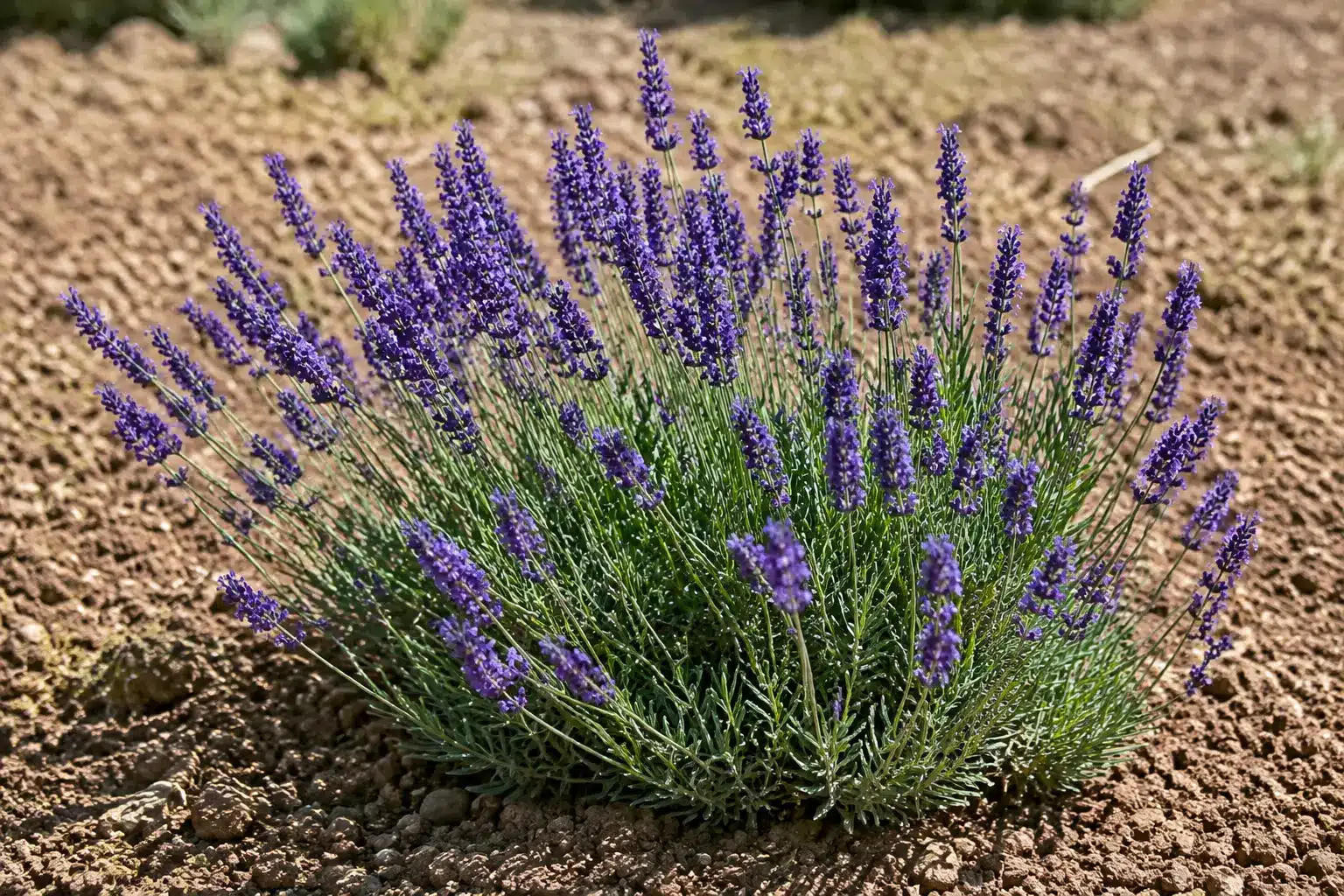
Lavender produces fragrant foliage and purple flowers with a strong herbal scent. A sunny patio edge, walkway, or raised bed gives the plant the dry conditions it prefers.
Good drainage is especially important because lavender roots struggle in constantly wet soil. Once established, many varieties handle short dry periods well, and it tends to stay put rather than take over a bed, though how far lavender spreads can still vary a bit by variety and growing conditions.
- Plant type: Perennial
- USDA zones: Usually 5-9
- Bloom time: Late spring through summer
2. Citronella Grass
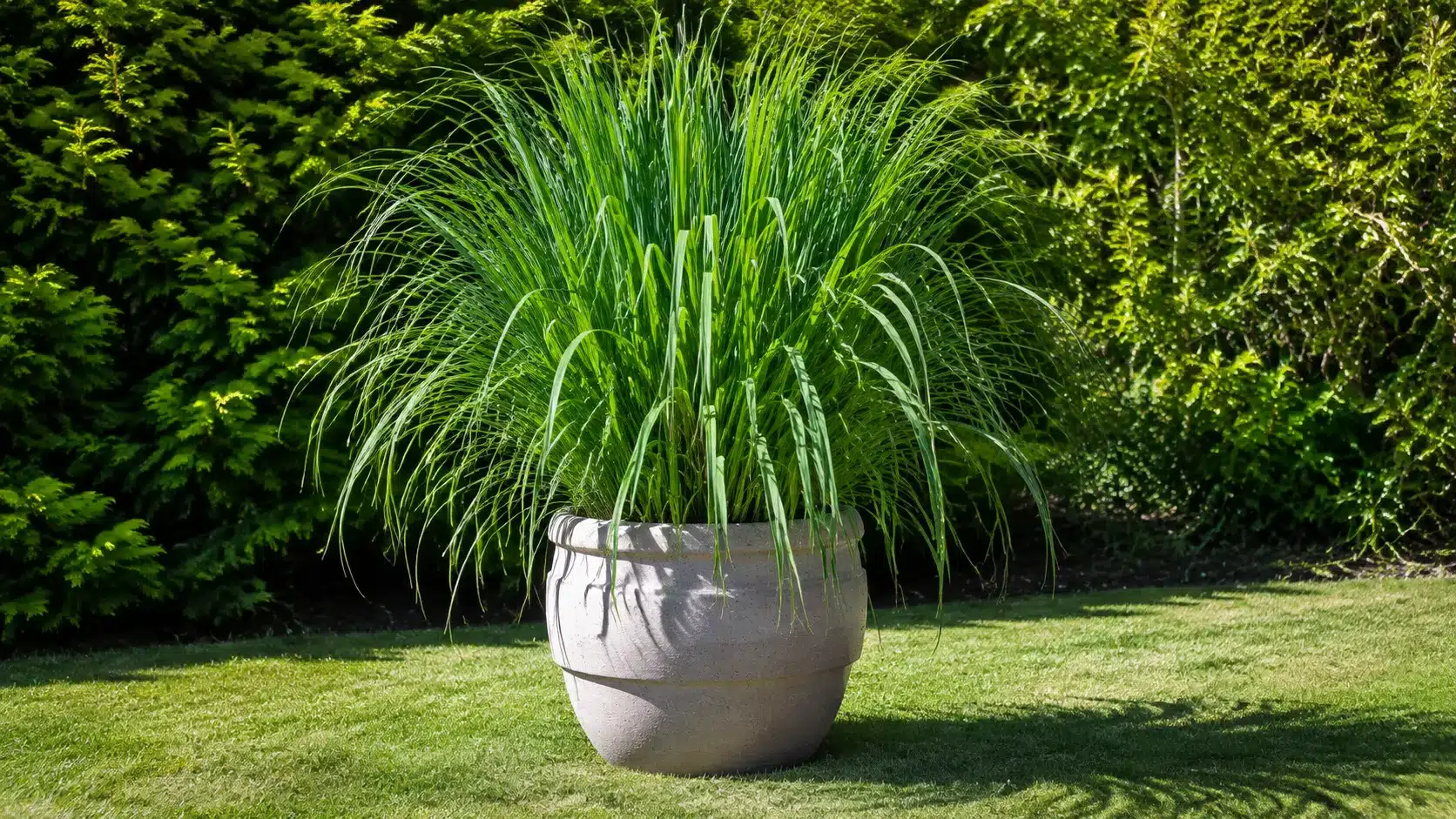
True citronella grass is a tall tropical grass from the Cymbopogon group. Its long leaves contain the aromatic oils associated with citronella products.
Give it a warm, sunny position with enough room for its arching foliage. Large containers work well in colder regions because the plant can be protected when temperatures fall.
- Plant type: Tender perennial
- USDA zones: Usually 10-12
- Best season: Warm summer weather
3. Lemongrass
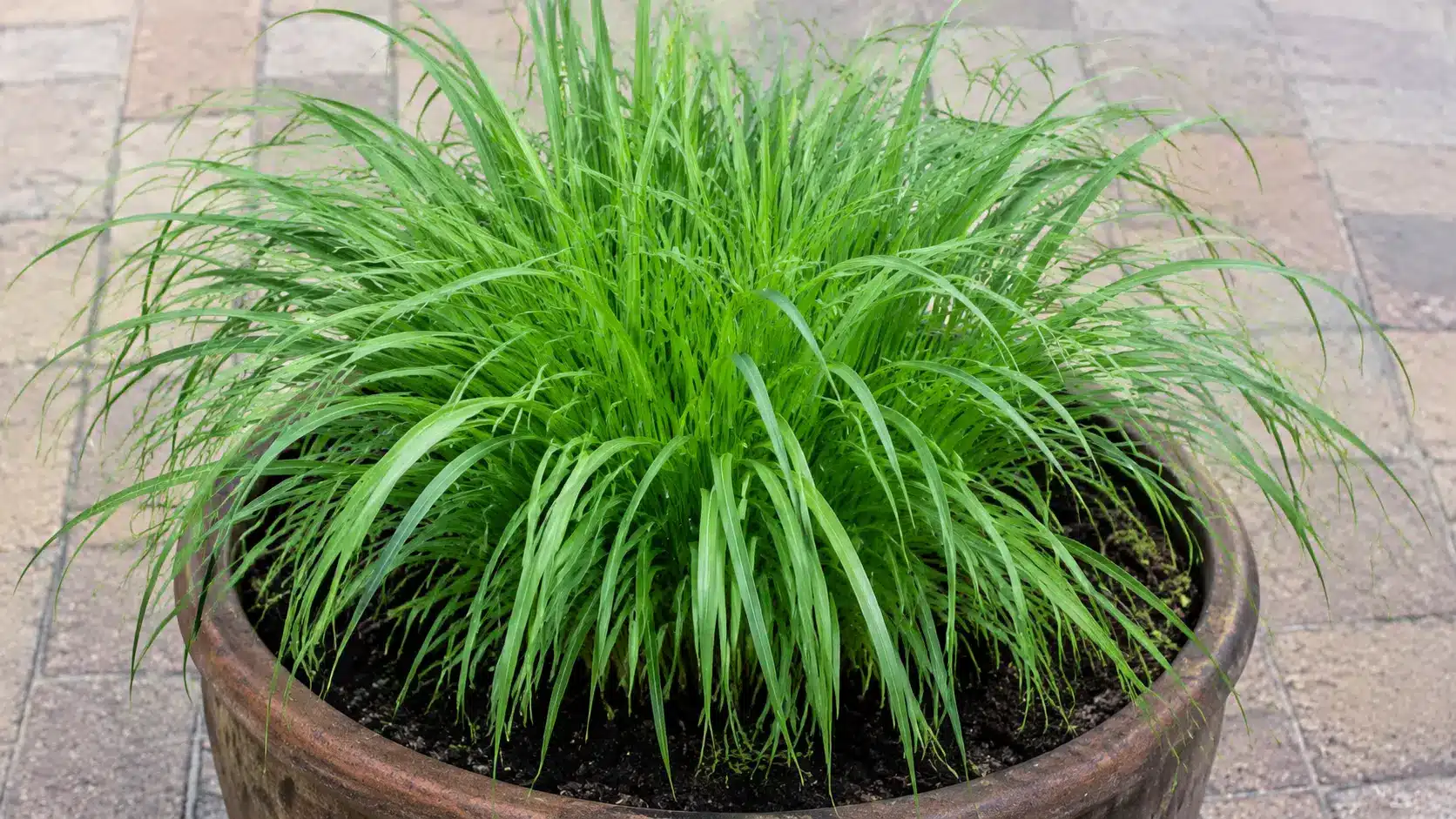
Lemongrass brings a fresh citrus scent to patios and sunny garden areas. Cutting or touching the leaves makes that fragrance easier to notice.
The plant grows quickly in warm conditions and can become fairly large, so choose a roomy container. Consistent moisture supports healthy growth, but the soil should still drain freely.
- Plant type: Tender perennial
- USDA zones: Usually 8-11
- Best season: Summer through early fall
4. Basil
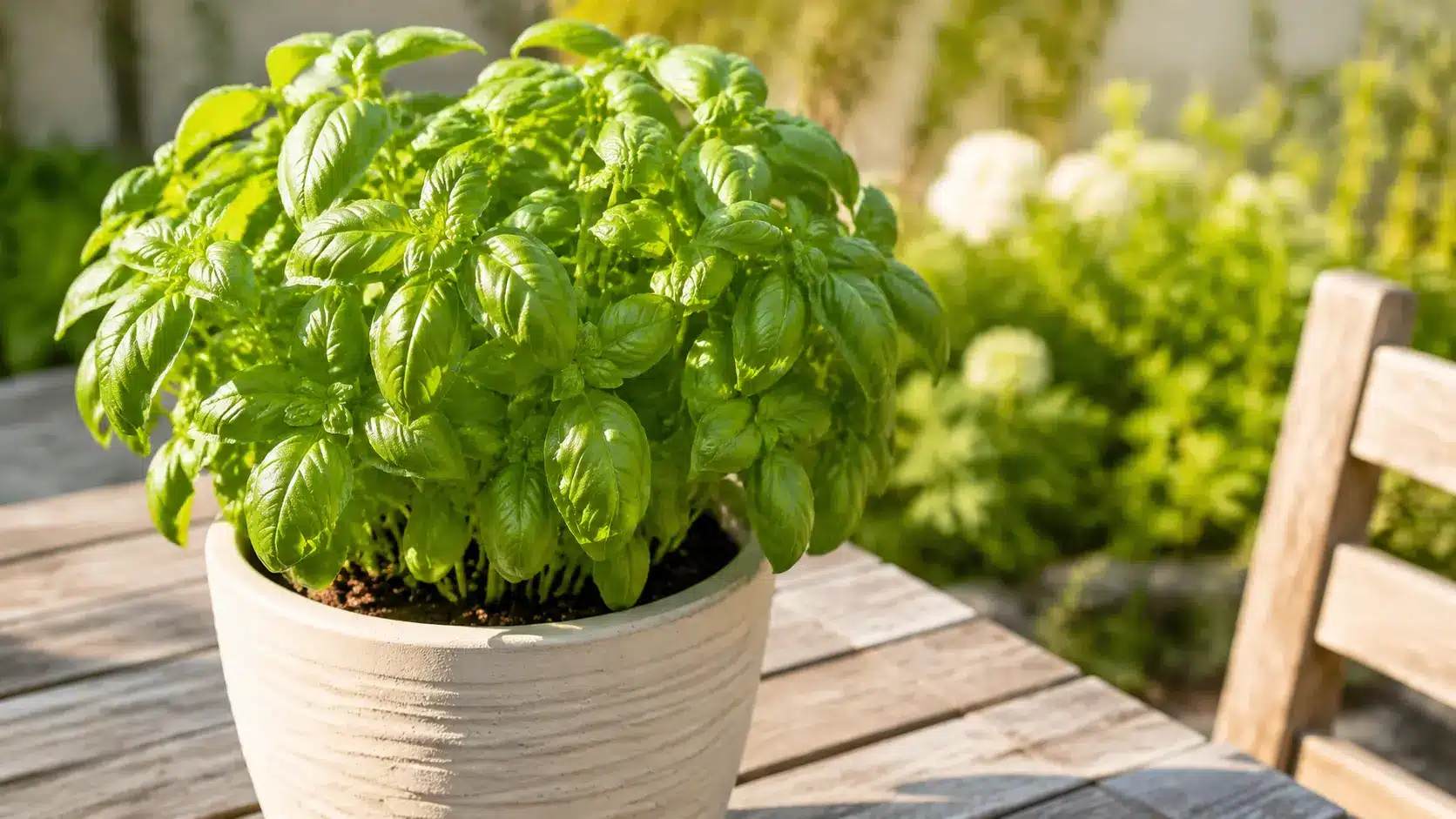
Basil earns its space beside an outdoor dining table because the leaves are useful in the kitchen as well as highly fragrant.
Regular harvesting keeps many basil plants bushy and productive. Give them plenty of sun, warm temperatures, and steady moisture during hot weather. Containers also make fresh leaves easy to reach while cooking outside, and growing basil from seed is simple enough for a first patio garden if starts are not available locally.
- Plant type: Annual
- USDA zones: Grown as an annual across most zones
- Bloom time: Summer into early fall
5. Rosemary
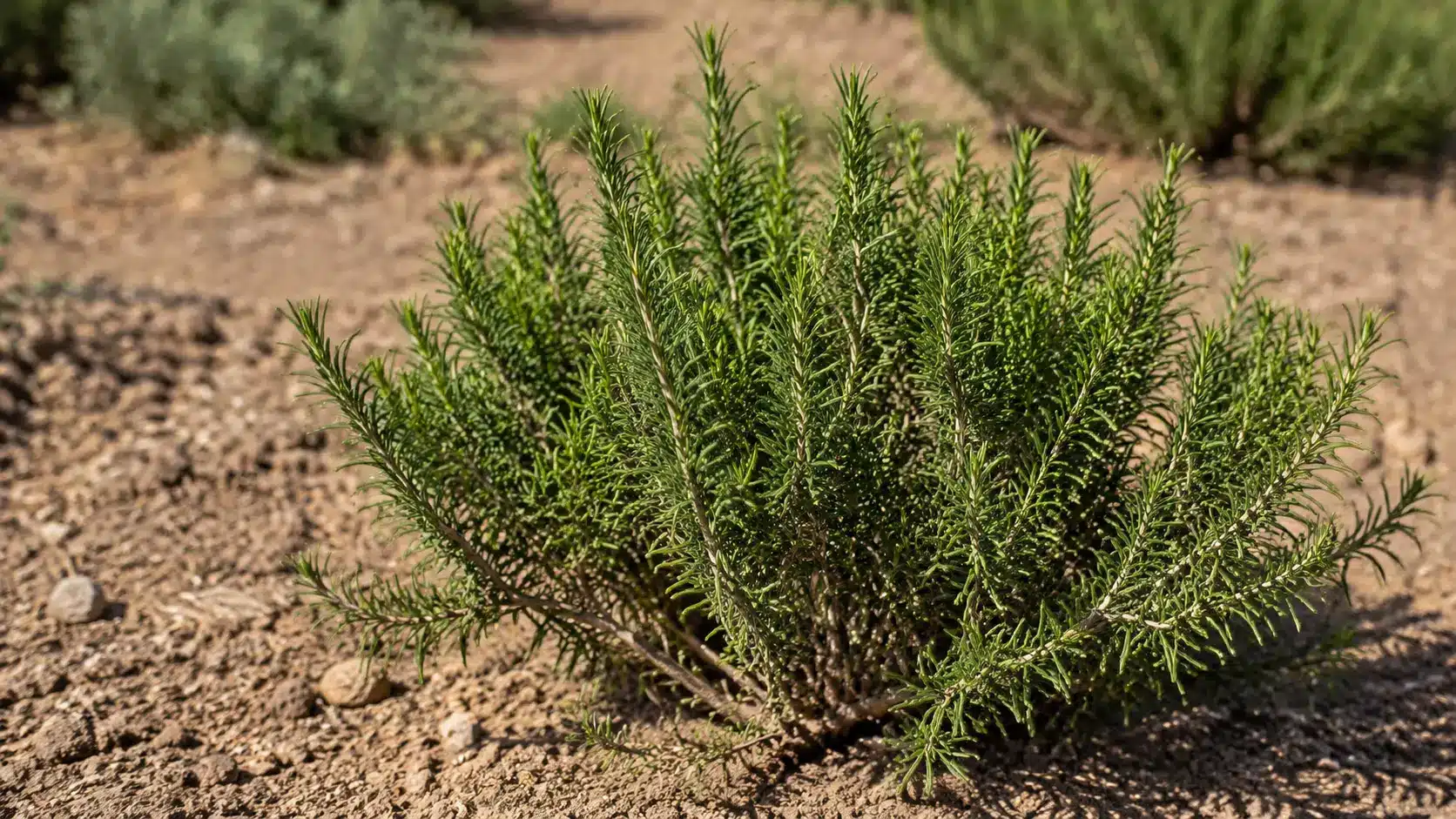
Rosemary has narrow leaves with a strong pine-like scent that becomes more noticeable when stems are handled or trimmed.
A sunny position and fast-draining soil matter more than frequent watering. Rosemary often performs poorly when its roots remain wet for long periods, making it a good match for dry patio containers. A quick primer on harvesting rosemary as beginner covers the pruning habits that keep it from getting woody too fast.
- Plant type: Perennial herb
- USDA zones: Usually 8-11
- Bloom time: Mainly spring through summer
6. Peppermint
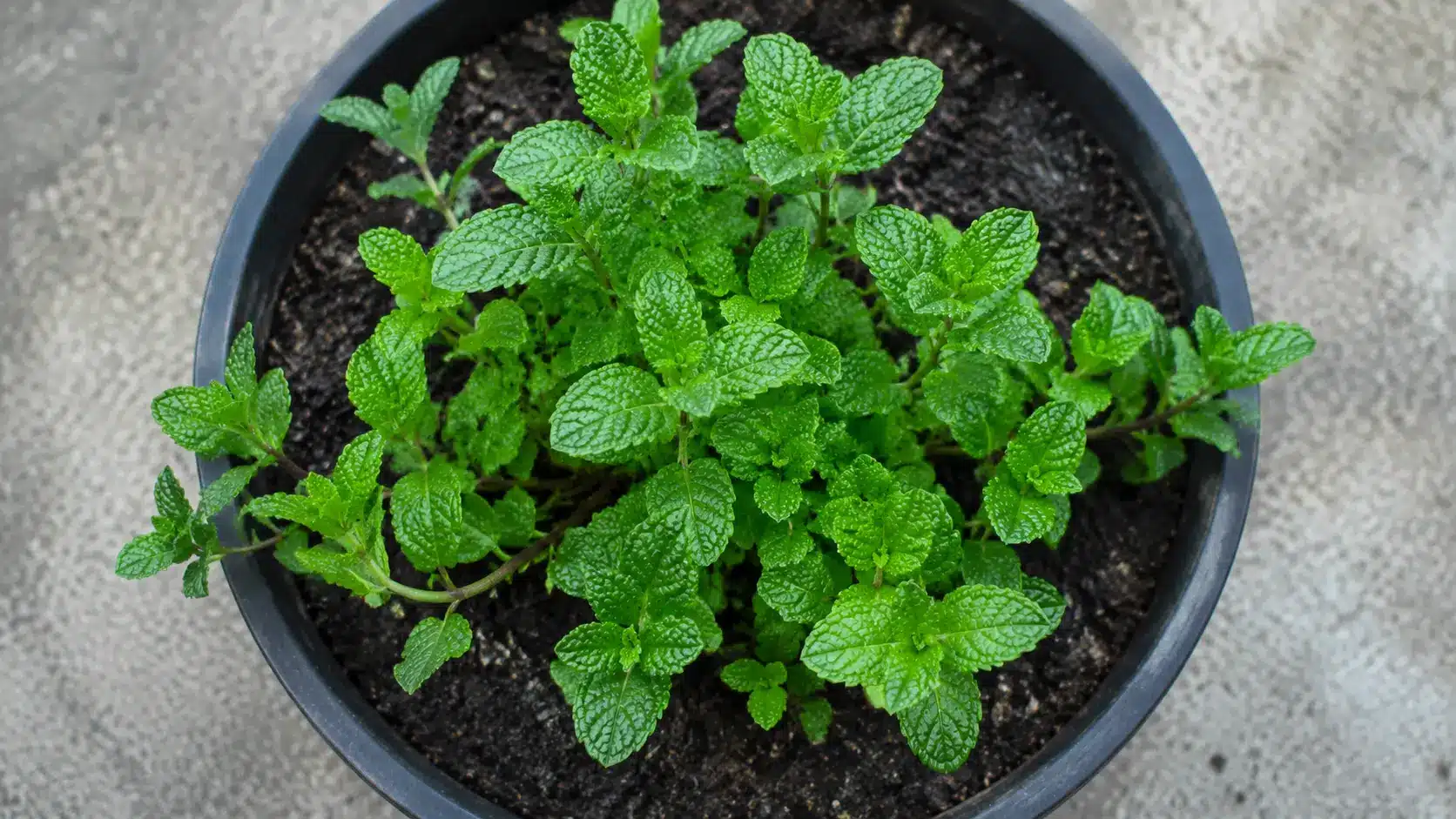
Peppermint has one of the sharpest fragrances on this list. Crushing a leaf releases its familiar menthol scent almost immediately.
A container is the safest planting choice because peppermint spreads through underground stems and can move beyond its original spot. It tolerates some shade and generally prefers more moisture than rosemary or lavender. For anyone short on outdoor space, growing mint indoors works just as well and keeps those spreading roots fully contained.
- Plant type: Perennial herb
- USDA zones: Usually 3-11
- Bloom time: Mid-to-late summer
7. Catnip
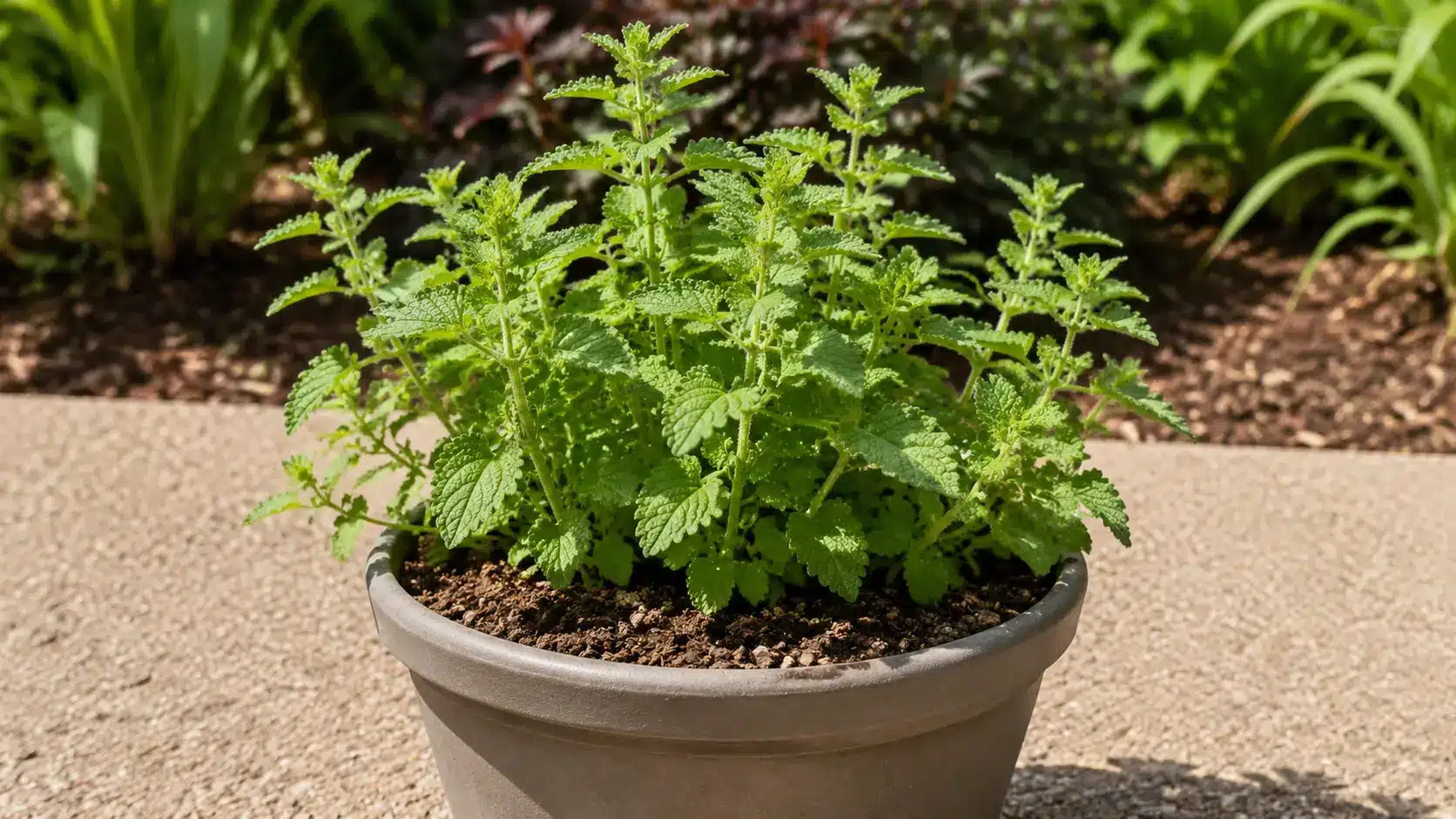
Catnip contains nepetalactone, an aromatic compound found in its leaves and stems. The plant grows with little fuss once established and can handle periods of dry soil.
Place it where cats cannot flatten nearby plants while rolling or chewing on the foliage. Pots can also keep self-seeding under better control.
- Plant type: Perennial herb
- USDA zones: Usually 3-9
- Bloom time: Late spring through early fall
8. Lemon Balm
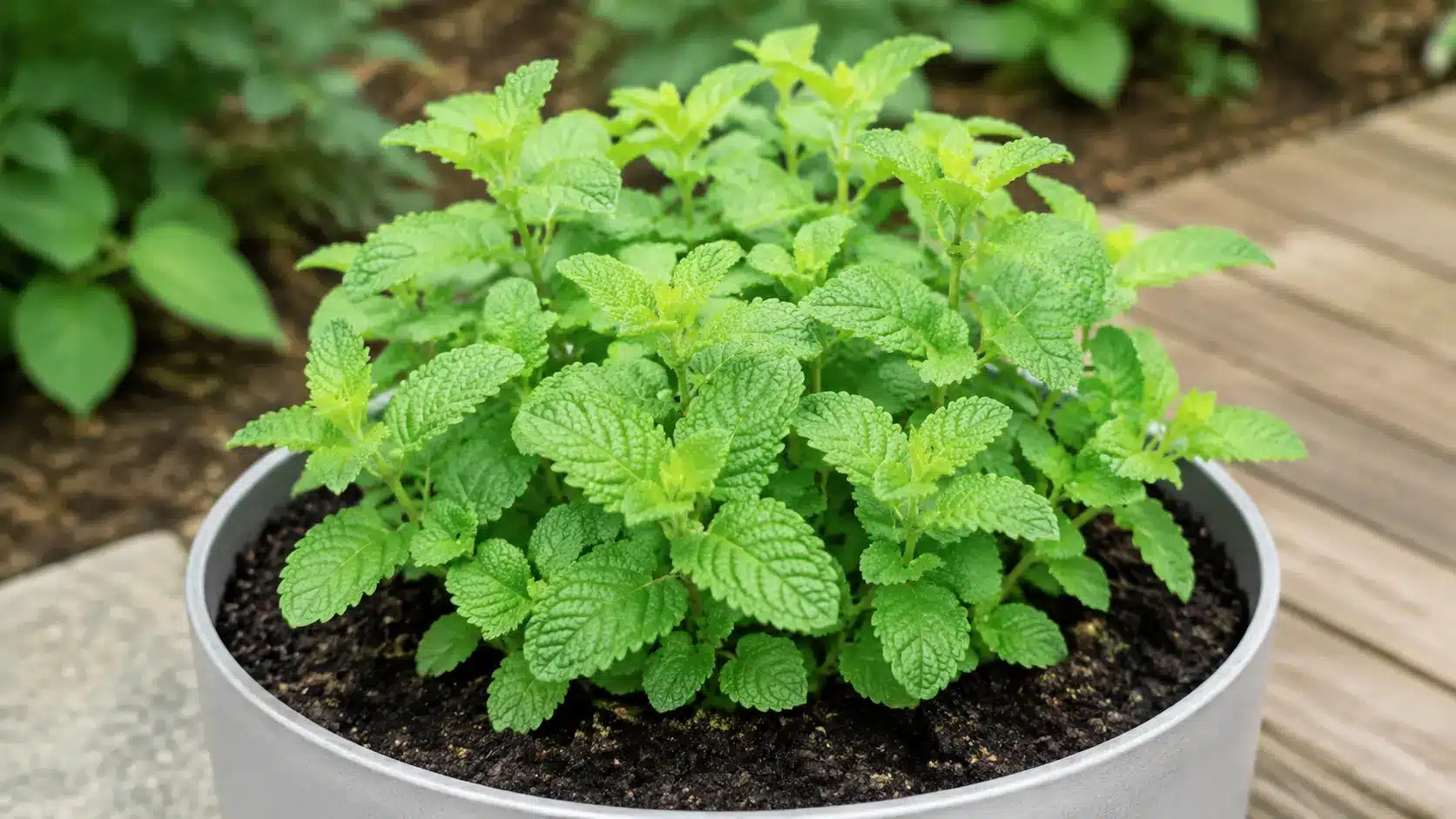
Lemon balm produces soft green leaves with a mild lemon scent. It tolerates both full sun and partial shade, making it useful where sun-loving lavender or rosemary struggles.
The plant can spread through seeds and new growth. Frequent harvesting and removing flowers before they set seed help keep it contained.
- Plant type: Perennial herb
- USDA zones: Usually 3-7
- Bloom time: Summer through early fall
9. Marigolds
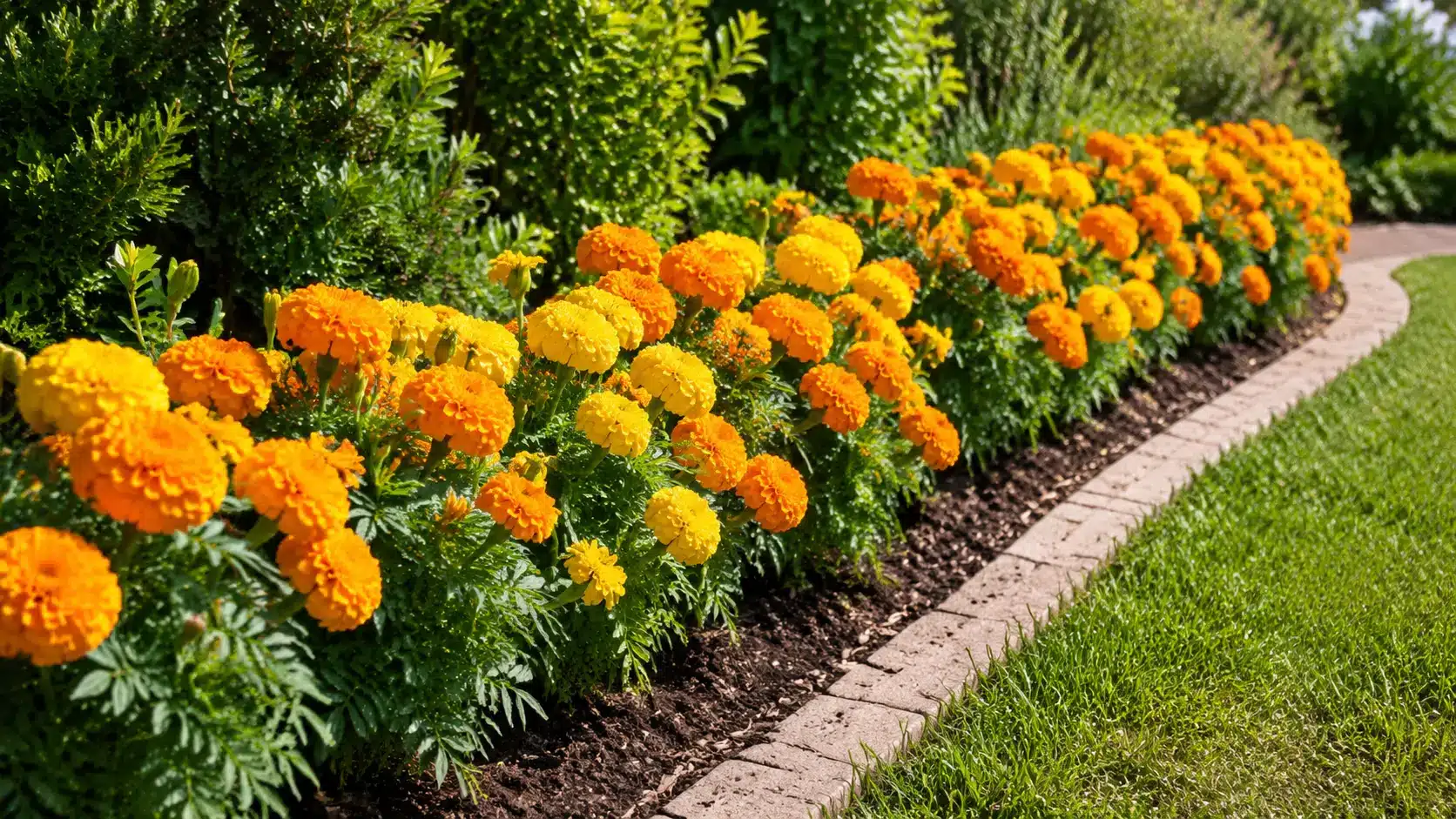
Marigolds bring long-lasting flowers to containers, sunny borders, and vegetable gardens. Their foliage has a noticeable scent that separates them from many other flowering annuals.
They prefer plenty of sun and soil that drains after watering. Removing old flower heads encourages fresh blooms through much of the growing season.
- Plant type: Annual
- USDA zones: Grown as an annual across most zones
- Bloom time: Late spring until frost
10. Scented Geranium
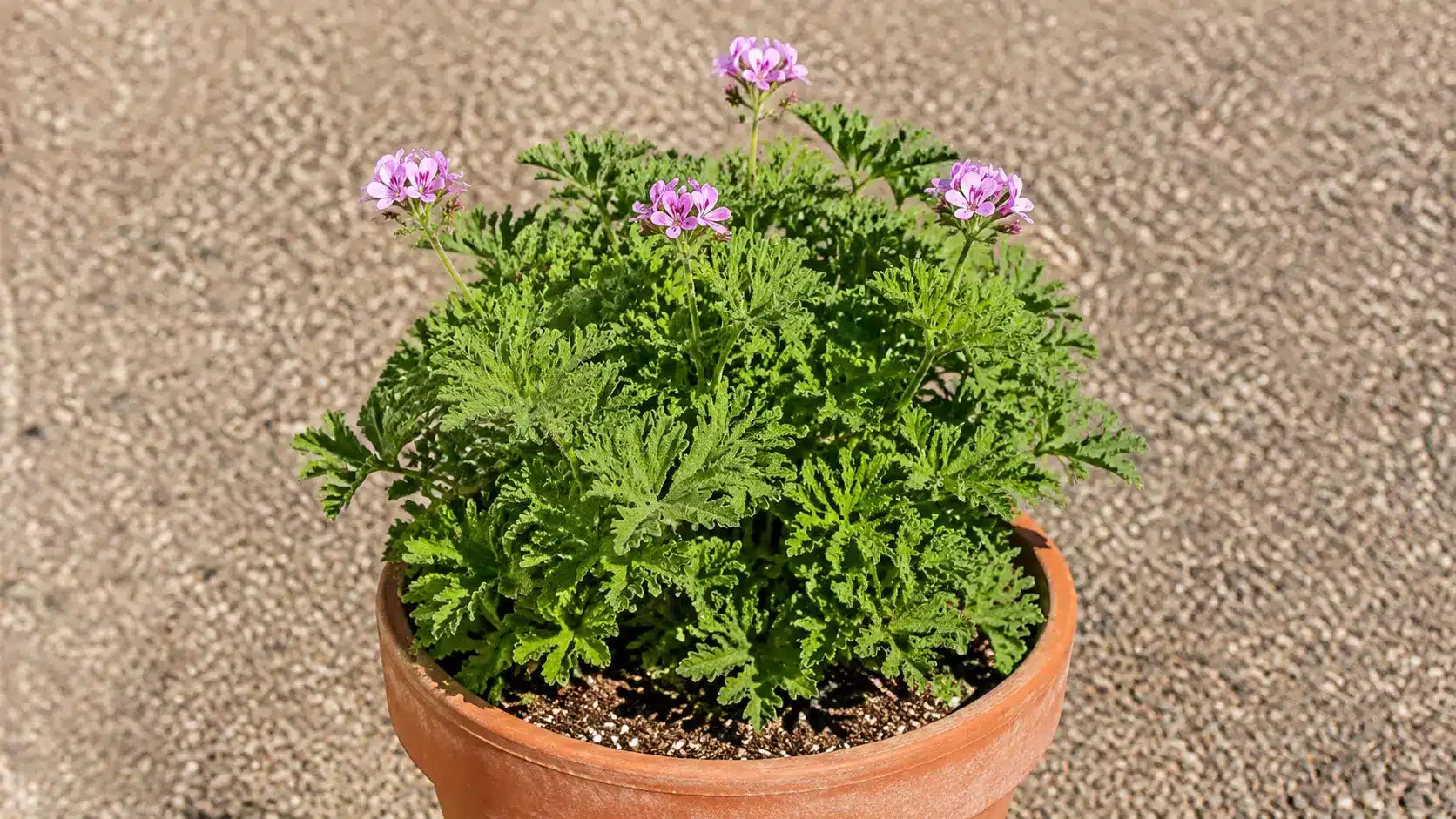
Scented geraniums are grown mainly for their aromatic leaves. Depending on the variety, the foliage may smell like lemon, rose, mint, or citrus when rubbed.
They grow well in containers with bright light, moderate watering, and good drainage. Move pots to a protected location before frost in colder areas.
- Plant type: Tender perennial
- USDA zones: Usually 10-11
- Bloom time: Late spring through fall
11. Bee Balm
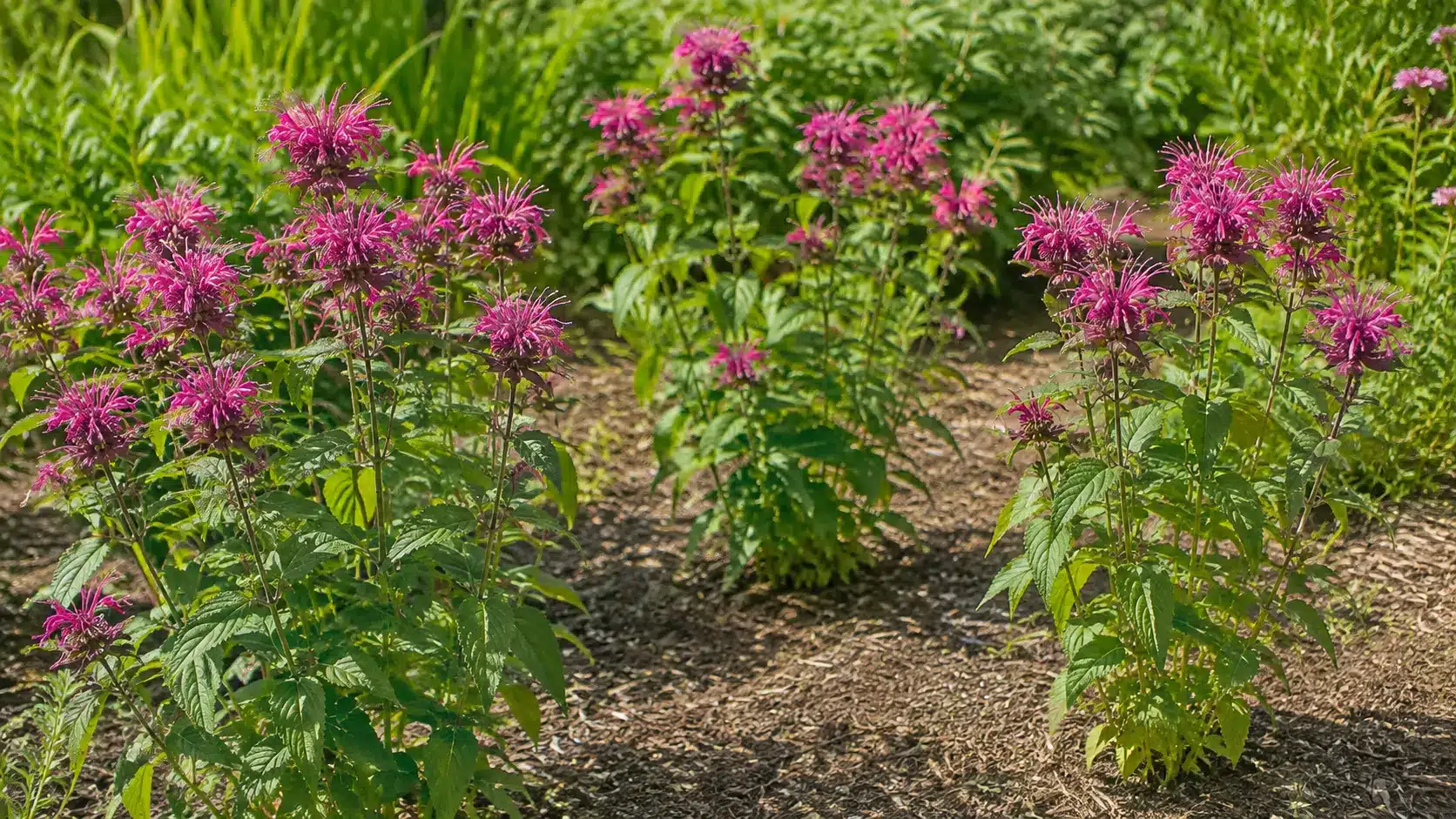
Bee balm adds fragrant foliage and colorful flowers to sunny beds. Its blooms also provide food for bees, butterflies, and hummingbirds during summer.
The plant likes more moisture than Mediterranean herbs such as lavender and rosemary. Leave enough room around the stems for airflow because crowded growth can encourage powdery mildew.
- Plant type: Perennial
- USDA zones: Usually 3-9
- Bloom time: Early summer through early fall
12. Sage
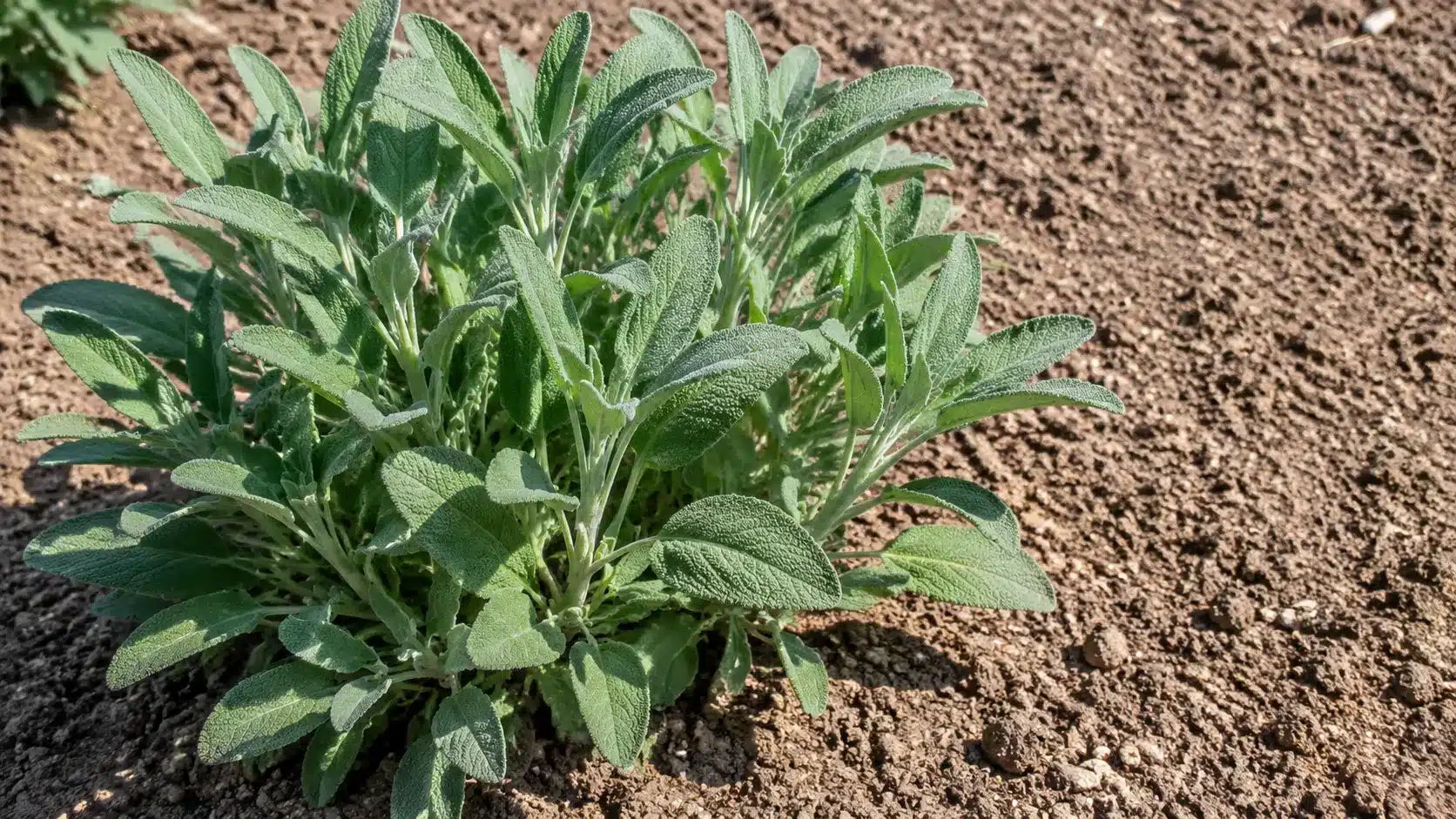
Garden sage has thick, textured leaves with a strong herbal fragrance. A sunny container or dry garden border suits it well.
Once the roots become established, sage usually needs less frequent watering than basil or lemon balm. Trim lightly to maintain compact growth and harvest leaves as needed for cooking.
- Plant type: Perennial herb
- USDA zones: Usually 4-10, depending on variety
- Bloom time: Late spring through summer
Citronella Grass and the “Mosquito Plant” Are Different
Garden centers sometimes use citronella-related names for two very different plants.
True citronella grass belongs to the Cymbopogon group and resembles a large clump of tropical grass. Plants commonly labeled “mosquito plant” are often scented geraniums with deeply divided leaves.
Both have noticeable fragrances, but buying a plant based only on the word “citronella” can cause confusion.
Check the botanical name on the tag when true citronella grass is the goal.
Where Should Mosquito-Repellent Plants Go?
Good placement puts fragrant foliage close to the spaces that receive regular use. Match each spot with the plant’s sunlight and moisture needs instead of filling every open corner with pots.
- Sunny Patios and Decks: Lavender, rosemary, lemongrass, citronella grass, and sage generally perform well with plenty of direct sunlight. Large containers prevent tall plants from crowding smaller herbs. In regions with intense afternoon heat, some potted plants may benefit from protection during the hottest part of the day.
- Outdoor Dining Areas: Basil and rosemary make practical choices beside an outdoor kitchen or dining table. Both provide useful cooking herbs without requiring another dedicated garden bed. Keep pots far enough from plates and serving dishes to prevent soil, water, or loose leaves from reaching food.
- Doorways and Paths: Scented geranium, peppermint, and lemon balm fit well near frequently used routes. Their fragrance becomes easier to notice when leaves are touched during normal garden care. Leave enough walkway space so pots do not create a tripping hazard.
- Garden Borders: Lavender, marigolds, sage, and bee balm work well in sunny borders. Combining plants with different heights can fill garden space while still leaving room for air circulation. Avoid letting dense foliage hide buckets, saucers, toys, or containers that can collect rainwater.
Common Mistakes That Can Make Mosquito Problems Worse
Adding fragrant plants helps little when the surrounding yard provides easy breeding sites. A few routine changes usually matter more than buying another pot.
| Mistake | Better Step |
|---|---|
| Leaving water in plant saucers | Empty saucers after watering or rain |
| Depending on one fragrant plant | Use several mosquito-control methods |
| Putting mint directly in a mixed bed | Grow spreading mint in a container |
| Packing containers tightly together | Leave enough room for airflow and care |
| Forgetting gutters and outdoor containers | Check for standing water each week |
| Applying crushed garden leaves to skin | Choose a tested, EPA-registered repellent |
Small checks around the yard can remove places where mosquitoes reproduce while making container plants easier to maintain.
A Simple Three-Part Patio Plan
A practical patio setup works better when plants support stronger mosquito-control methods rather than carrying the whole job.
1. Remove Breeding Water
Check flowerpot saucers, buckets, toys, gutters, birdbaths, tarps, and other items that can hold water. Empty unnecessary water and refresh water that needs to remain outdoors.
A short weekly check can catch small containers before they become regular mosquito breeding spots.
2. Keep Air Moving
Mosquitoes are weak fliers compared with many other insects. An outdoor fan aimed across a table or sitting area can make landing more difficult while also making hot evenings more comfortable.
Position cords safely and use equipment rated for the location.
3. Add Plants Where They Make Sense
Place basil beside the outdoor cooking area, rosemary near a sunny path, or lavender along a seating border. Select plants that serve another purpose so maintaining them feels worthwhile even when mosquito pressure is low.
I find this approach more practical than buying a large collection of plants based only on repellent claims. I also prefer containers for herbs that spread quickly because they are much easier to manage later.
Other Ways to Reduce Mosquitoes Around the Yard
Fragrant plants work best beside basic mosquito prevention.
- Check Standing Water: Look at gutters, tarps, toys, buckets, saucers, and other containers after rain.
- Run Outdoor Fans: Air movement across seating areas can make it harder for mosquitoes to land.
- Repair Screens: Close holes around windows, doors, porches, and screened rooms.
- Trim Problem Areas: Keep access clear around drains, containers, and places where water needs regular checking.
- Use Tested Repellent: Apply an EPA-registered skin repellent according to label directions when dependable bite protection matters.
These steps address different parts of the problem instead of relying on fragrance alone.
Final Thoughts
Knowing what plants repel mosquitoes makes plant shopping easier, but the best choices are usually the ones that also suit the space and daily routine. Basil can sit beside an outdoor table, rosemary fits a dry sunny corner, and lavender works well along a bright border.
I would start with two or three plants that already have a useful purpose rather than filling the patio with pots. I also keep water control and airflow higher on the priority list because they address the problem more directly.
Used that way, plants that repel mosquitoes can support a comfortable outdoor setup without carrying unrealistic expectations.
Frequently Asked Questions
Can mosquito-repellent plants grow indoors?
Some herbs, including basil, rosemary, mint, and scented geranium, can grow indoors with enough light. Indoor plants should not be treated as mosquito control, especially when insects are entering through damaged screens or open doors.
Do coffee grounds keep mosquitoes away?
Coffee grounds should not replace proven mosquito-control methods. Their presence around a garden does not solve standing-water problems, so removing breeding water remains the more useful yard-care step.
What smell do mosquitoes dislike?
Strong plant aromas such as mint, rosemary, citronella, and lemon-like scents are often associated with mosquito-repelling compounds. The concentration and method of application matter, so a fragrant garden does not provide the same protection as a tested repellent.
Can mosquito-repellent plants survive winter?
That depends on the species and local climate. Hardy plants such as mint, catnip, bee balm, and some lavender varieties may return each year, while citronella grass, lemongrass, and scented geranium usually need protection from freezing temperatures.
Are mosquito-repellent plants safe around children and pets?
Safety differs by species and by how much is eaten or handled. Keep children and pets from chewing unfamiliar plants, skip homemade skin applications, and check questionable species with a veterinarian or trusted poison-control resource.