

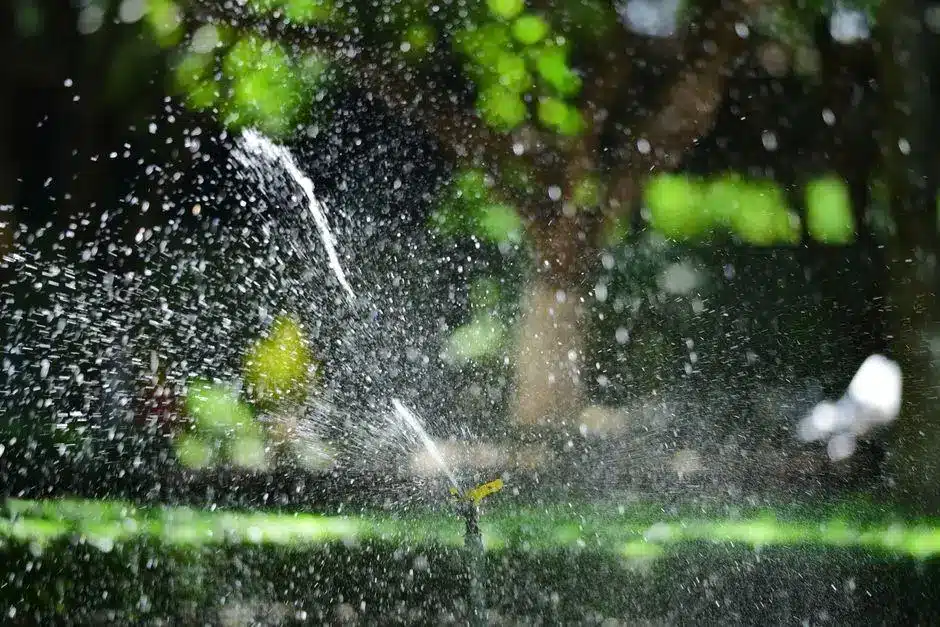
If you live in Desoto Lakes, you already know how quickly a healthy yard can swing from lush to stressed. The community sits in Sarasota County, where about 76.7% of occupied housing units are owner-occupied and the median value of owner-occupied homes was $411,800 in 2020–2024. With Florida’s heat, sandy soils, heavy seasonal rainfall, and periods of intense sun, keeping a landscape consistently watered can be tricky.
Your irrigation system often ends up doing much of the work, and problems such as broken sprinkler heads, poor coverage, or leaks can lead to dry patches and unnecessary water use.
When the system starts slipping, the clues usually show up in your grass, water usage, and curb appeal long before a complete breakdown arrives.
Your Lawn Usually Tells You First
Your sprinkler system rarely fails in dramatic fashion right away. More often, your lawn starts dropping hints. You might notice one patch staying soggy while another turns brittle and brown. Maybe the grass near the sidewalk grows like it’s training for the Olympics, while the rest looks tired.
Uneven watering is one of the earliest signs that something’s off. A clogged nozzle, broken head, cracked line, or bad valve can all create those strange patterns. In Desoto Lakes, heat can amplify the damage fast, especially during dry stretches.
You should also watch for water spraying onto driveways, fences, or the side of your house. That isn’t just wasteful. It usually signals poor alignment, pressure issues, or damaged components. If your system is watering everything except the lawn, it’s time to pay attention.
When Professional Repair Makes the Most Sense
Some irrigation issues are easy to spot but not easy to fix. Underground leaks, wiring faults, pressure imbalances, and damaged valves often require specialized tools and testing. If your system has multiple symptoms at once, guessing your way through repairs can get expensive.
Working with a company that handles sprinkler repair in Desoto Lakes can help you narrow the problem quickly and restore efficient coverage before your landscape declines further. That matters when your lawn, planting beds, and water usage all depend on the same network doing its job correctly.
Professional repair also tends to catch related issues you may miss, such as outdated heads, poor zone design, or controller settings that no longer fit your yard’s needs. It’s not only about fixing what broke. It’s about getting the whole system back to working like it has some common sense.
Small Sprinkler Issues Can Get Expensive Fast
A minor irrigation problem has a sneaky habit of becoming a bigger home improvement expense. A leak underground can waste water for weeks before you realize what’s happening. During that time, your utility bill keeps climbing, and parts of your landscape may suffer from too much or too little moisture.
Overwatering can be just as rough on your yard as drought. It encourages shallow roots, fungal problems, runoff, and soft spots in the soil. If you’ve ever stepped onto your lawn and felt a suspicious squish, that’s not your yard being charming.
Hardscaping can take a hit too. Constant overspray near walkways, patios, and foundations may contribute to staining, erosion, or shifting soil over time. Homeowners often think of irrigation as a lawn-only system, but its impact reaches into several parts of your property. Delaying repairs can turn a targeted fix into a broader maintenance headache.
Common Causes of Sprinkler Trouble in Florida Yards
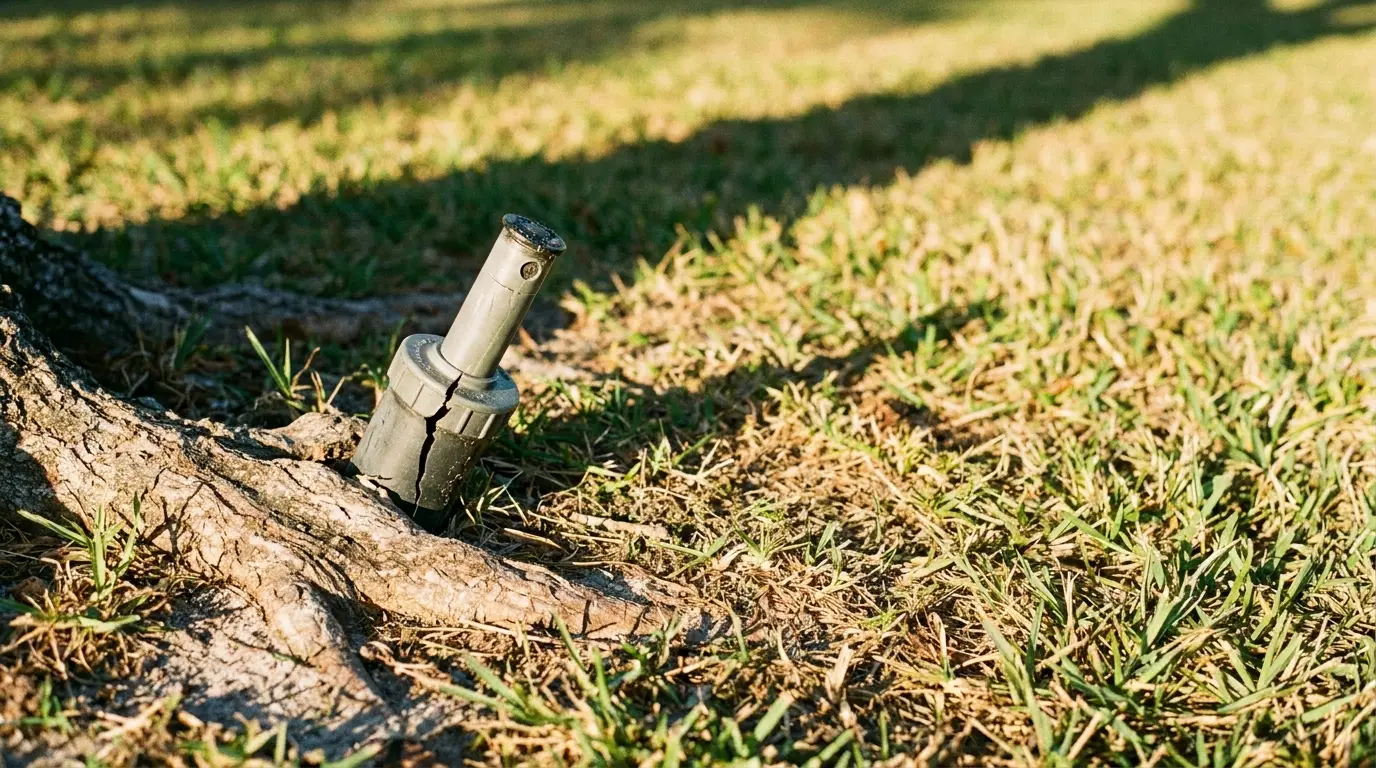
Florida landscapes create a specific set of challenges for irrigation systems. Sandy soil drains quickly, which means coverage needs to be consistent and well-calibrated. At the same time, sudden storms can mask sprinkler problems because you assume nature handled the watering for the week.
Tree roots are another common culprit. As roots spread, they can interfere with underground pipes or shift sprinkler heads out of position. Seasonal growth also changes how water moves across your yard. A spray head that worked perfectly six months ago might now be blocked by thicker shrubs or turf.
Normal wear matters too. Sprinkler heads get cracked by lawn mowers, nozzles clog with debris, and valves wear out after repeated use. Controllers can also develop programming issues after power outages or storms. If your irrigation setup is several years old, some of these problems are less mystery and more standard operating drama.
What to Check Before Calling for Help
You don’t need to be an irrigation tech to do a quick system check. Start by running each zone and watching carefully. Look for heads that don’t pop up, areas with weak spray, misting caused by excess pressure, and water pooling near one spot.
Check whether your timer settings still make sense for the season. Plenty of systems end up overwatering simply because the controller never got adjusted. If you recently had landscaping work done, inspect for buried heads or shifted spray patterns.
You should also pay attention to unusual sounds. Hissing, sputtering, or constant water movement after the system shuts off can point to leaks or valve trouble. If the issue looks larger than a simple adjustment, getting professional eyes on it usually saves time and guesswork. A proper diagnosis can prevent you from replacing the wrong part and starting a very avoidable DIY sequel.
Repairs and Upgrades Often Go Hand in Hand
Once an irrigation system is being serviced, it’s smart to think beyond the immediate repair. If one part failed because of age or wear, other components may not be far behind. You don’t need a full overhaul every time, but targeted upgrades can improve reliability and reduce water waste.
For example, replacing outdated spray heads with more efficient options may improve coverage and reduce overspray. A smart controller can help adjust watering schedules based on weather conditions, which is especially useful in Florida’s unpredictable pattern of rain followed by blazing sun. Pressure regulation and zone tuning can also make a noticeable difference.
If you’re already investing in your landscaping or exterior upkeep, irrigation efficiency deserves a place in that conversation. A polished yard doesn’t come from luck. It comes from systems working properly behind the scenes, even the ones buried underground and ignored until the lawn starts protesting.
A Healthier Irrigation System Supports Better Home Improvement Results
Home improvement isn’t limited to paint colors, patio furniture, or kitchen upgrades. Your yard shapes the first impression of your home, and irrigation plays a major role in whether that impression says well-kept or worn out. Healthy grass, stable soil, and thriving planting beds all depend on dependable watering.
If you’re putting money into sod, trees, garden beds, or outdoor living spaces, protecting that investment should be part of the plan. A struggling sprinkler system can quietly undermine all of it. Even a beautiful landscape design won’t hold up if the watering pattern is chaotic.
Keeping your irrigation system in good shape helps you avoid waste, reduce preventable damage, and support a lawn that actually matches the effort you put into the rest of your home. It may not be the flashiest upgrade on your property, but it’s one of the hardest-working.