

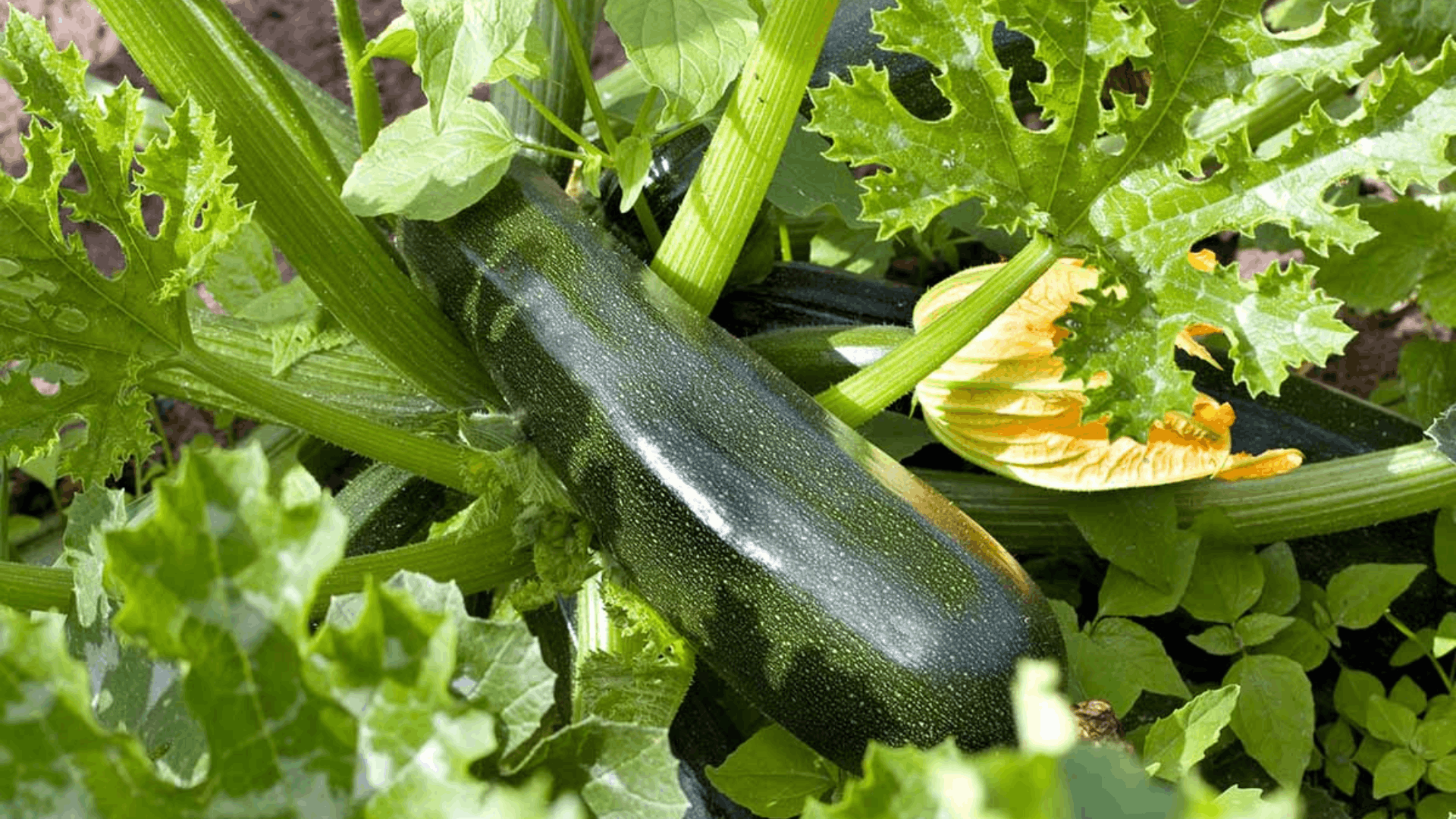
A healthy zucchini harvest starts before the first seed goes into the soil. The plants growing nearby can affect pollination, pest pressure, airflow, and how well the garden bed uses space.
That is why choosing the right zucchini companion plants matters for both beginners and experienced gardeners.
Some flowers attract bees, some herbs attract helpful insects, and some quick-growing vegetables fill gaps before zucchini leaves spread wide.
At the same time, a few plants can crowd zucchini or compete for water and nutrients.
This blog post explains which plants grow well with zucchini, which ones to avoid, and how to arrange them in a garden bed or raised bed for better growth and an easier harvest.
Best Zucchini Companion Plants
The right companion plants can make growing zucchini easier and more productive. Some attract pollinators, others help with pest control, while a few improve the way you use space in a garden bed or raised bed.
1. Marigolds
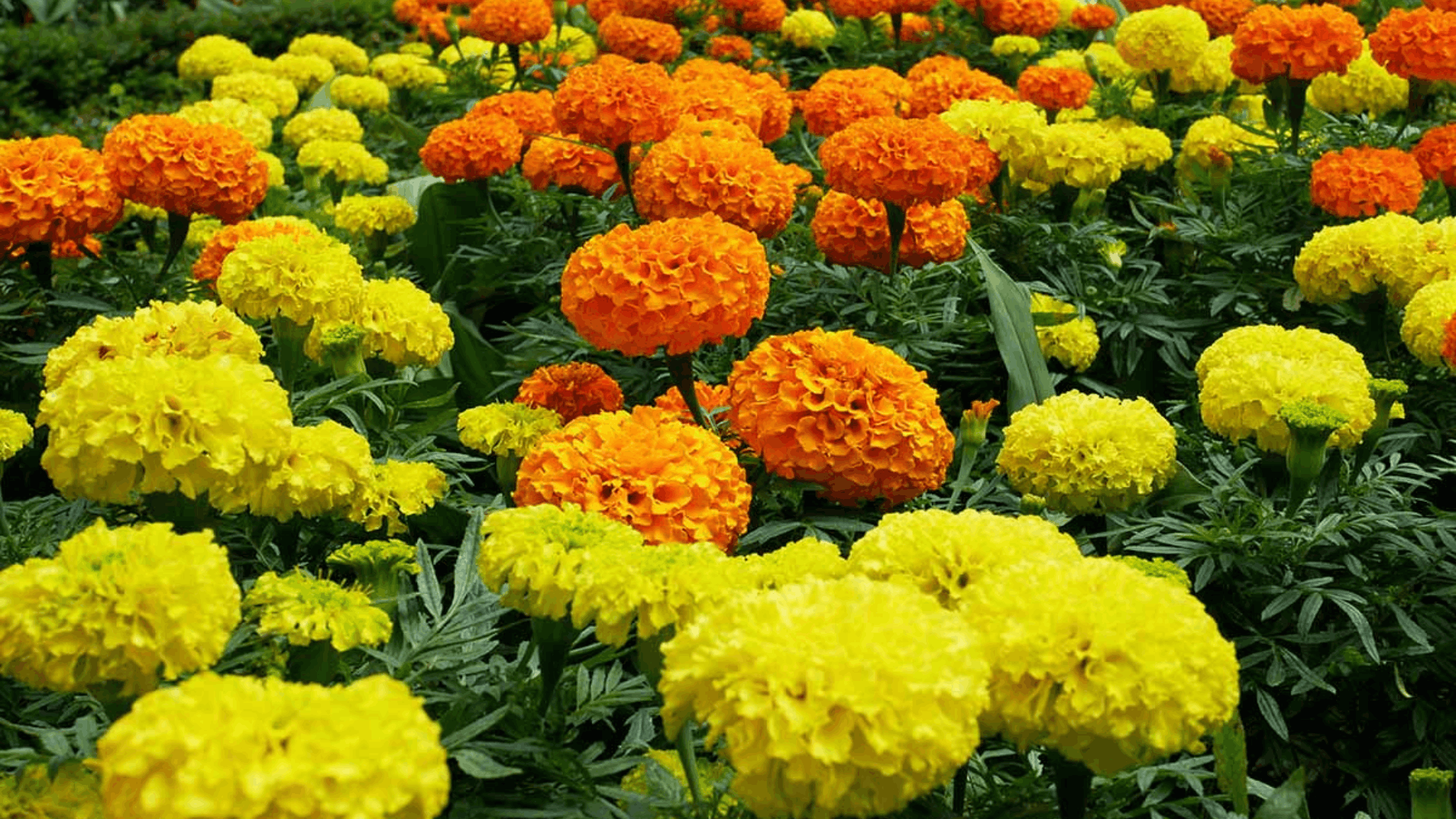
Marigolds are one of the most popular flowers to grow near zucchini. Their bright blooms attract bees, which visit zucchini flowers during the growing season.
Many gardeners also plant marigolds because their strong scent may deter certain pests.
These flowers stay fairly compact, making them a good choice for garden beds and raised beds with limited room.
Plant marigolds around the edges of your zucchini patch so they receive enough sunlight without crowding the larger plants.
2. Nasturtiums
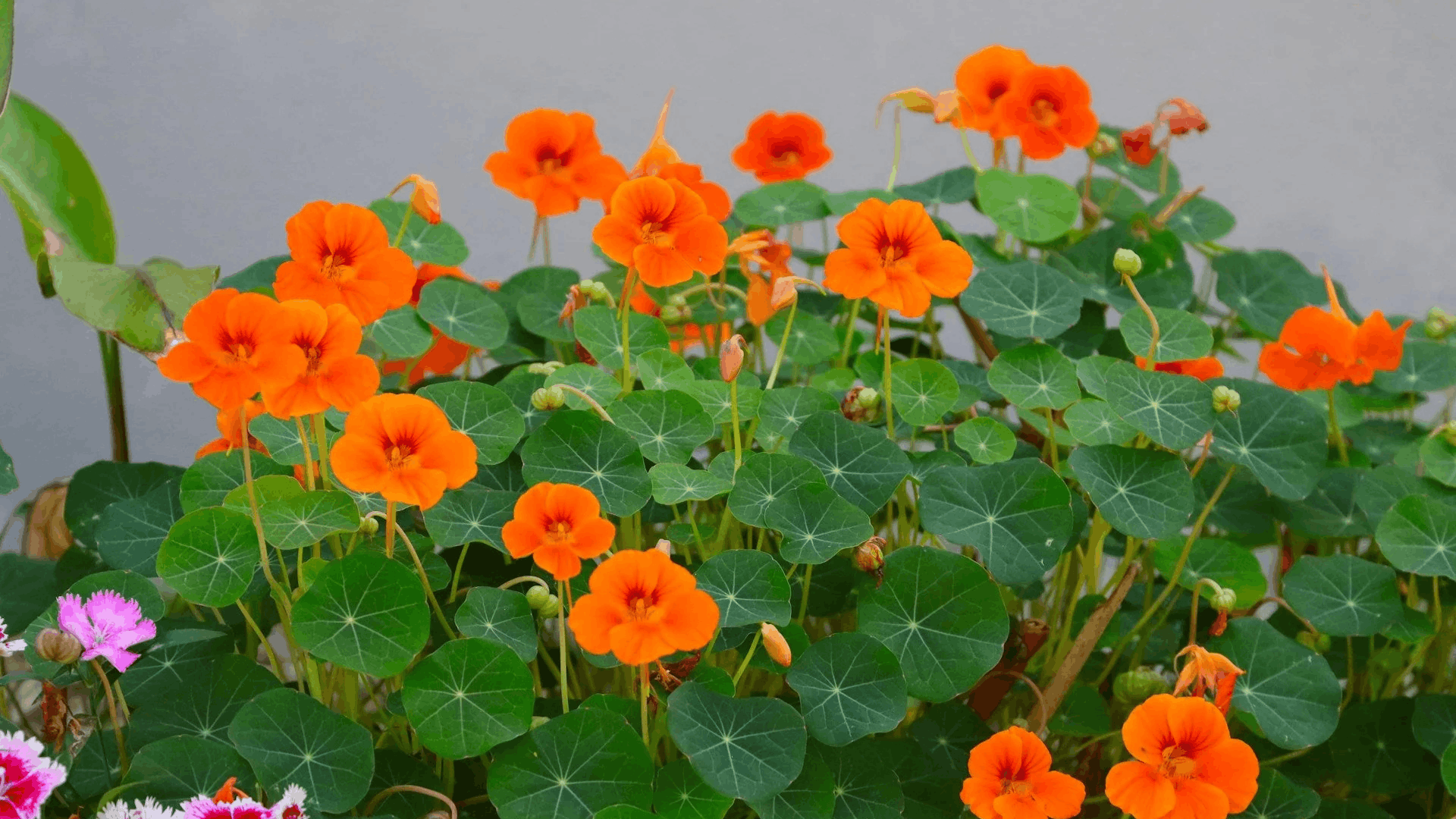
Nasturtiums are colorful flowers that pair well with zucchini. They attract pollinators while also drawing aphids away from nearby vegetables, making them a useful trap crop.
Their trailing habit allows them to spread across open soil, which can reduce weed growth and keep moisture in the ground.
Nasturtiums also produce edible flowers and leaves, giving you another harvest from the same space without taking much room away from zucchini plants.
3. Borage
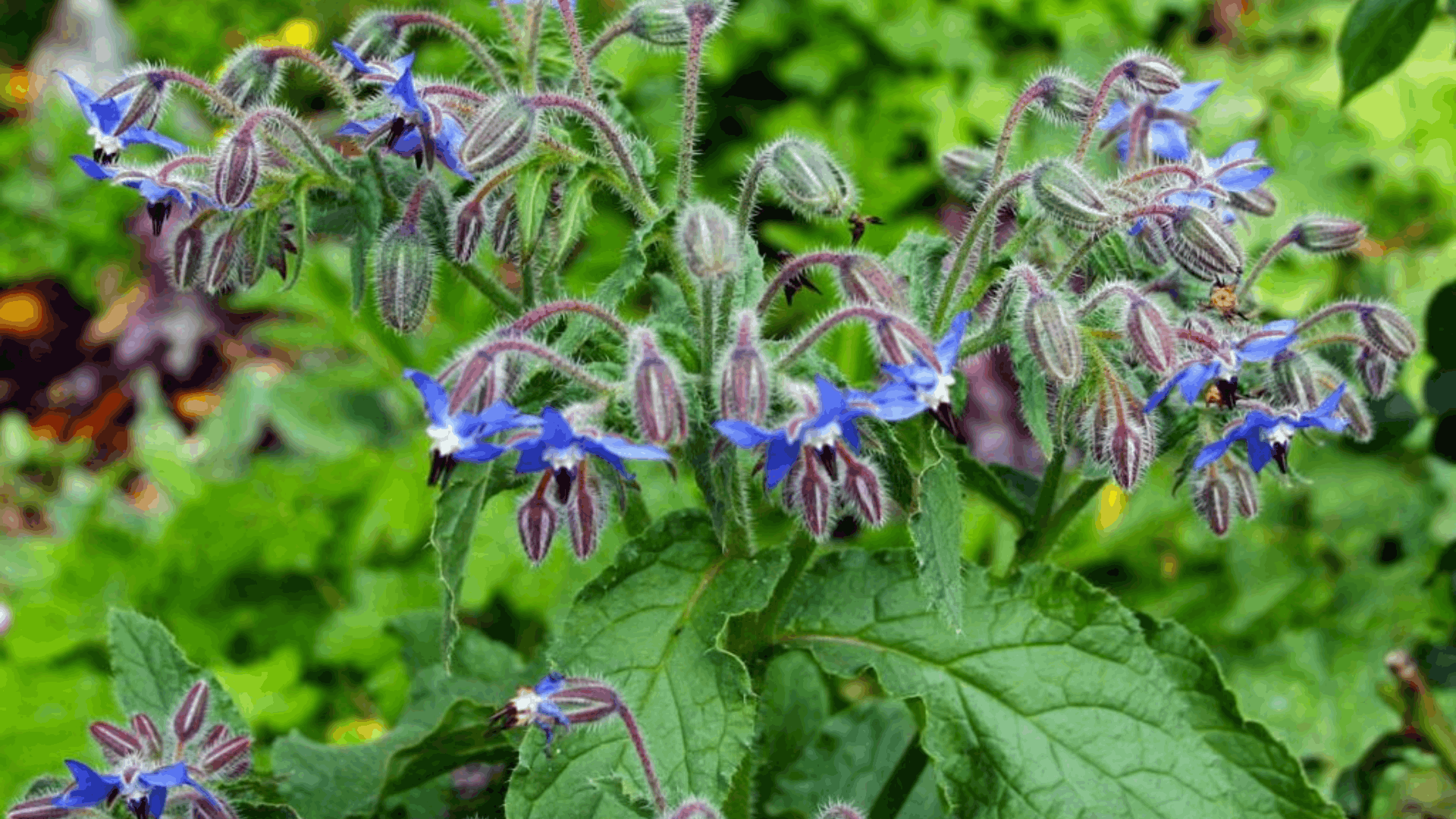
Borage is a favorite companion for many vegetable gardens because its blue flowers attract bees throughout the season. More pollinator visits can lead to better fruit production on zucchini plants.
Borage grows upright and fits well beside squash without taking over the bed. Its flowers are also edible, and the plant can add color to the garden.
Leave enough space between plants so air can move freely around the zucchini leaves.
4. Bush Beans

Bush beans grow well with zucchini because they have different growing habits and use garden space well. As beans grow, they add nitrogen to the soil through a partnership with bacteria on their roots.
While zucchini cannot use that nitrogen right away, it becomes available over time as plant material breaks down.
Bush beans also stay fairly compact, making them easy to fit beside zucchini without creating too much shade.
5. Peas
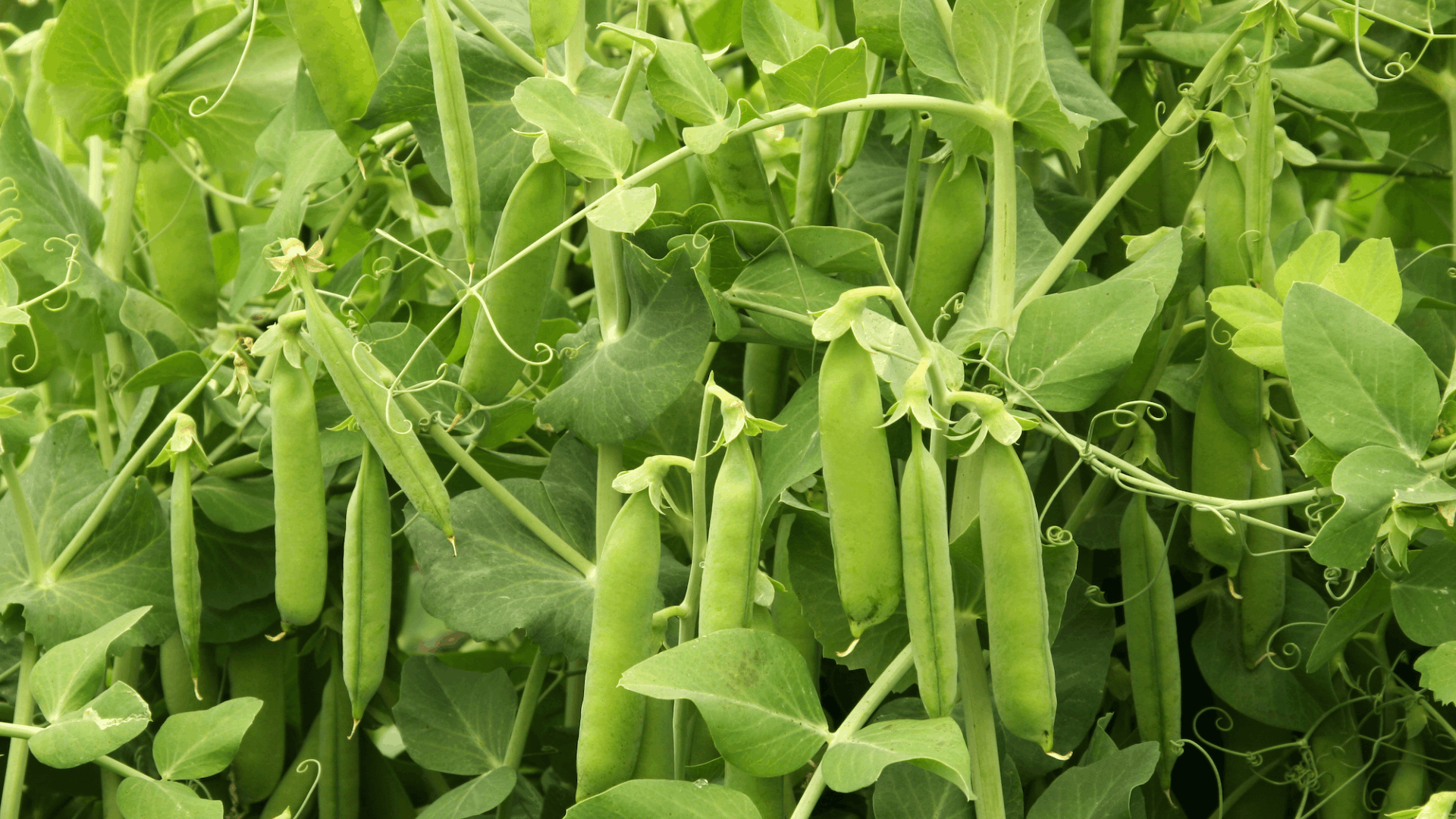
Peas are another good choice, especially when planted early in the season. They grow during cooler weather and are often finished before zucchini reaches its full size.
This timing allows you to use the same garden bed more efficiently. Peas also add nitrogen to the soil over time, which can benefit later crops.
Once the pea plants are removed, the zucchini has more room to spread without becoming crowded.
6. Radishes
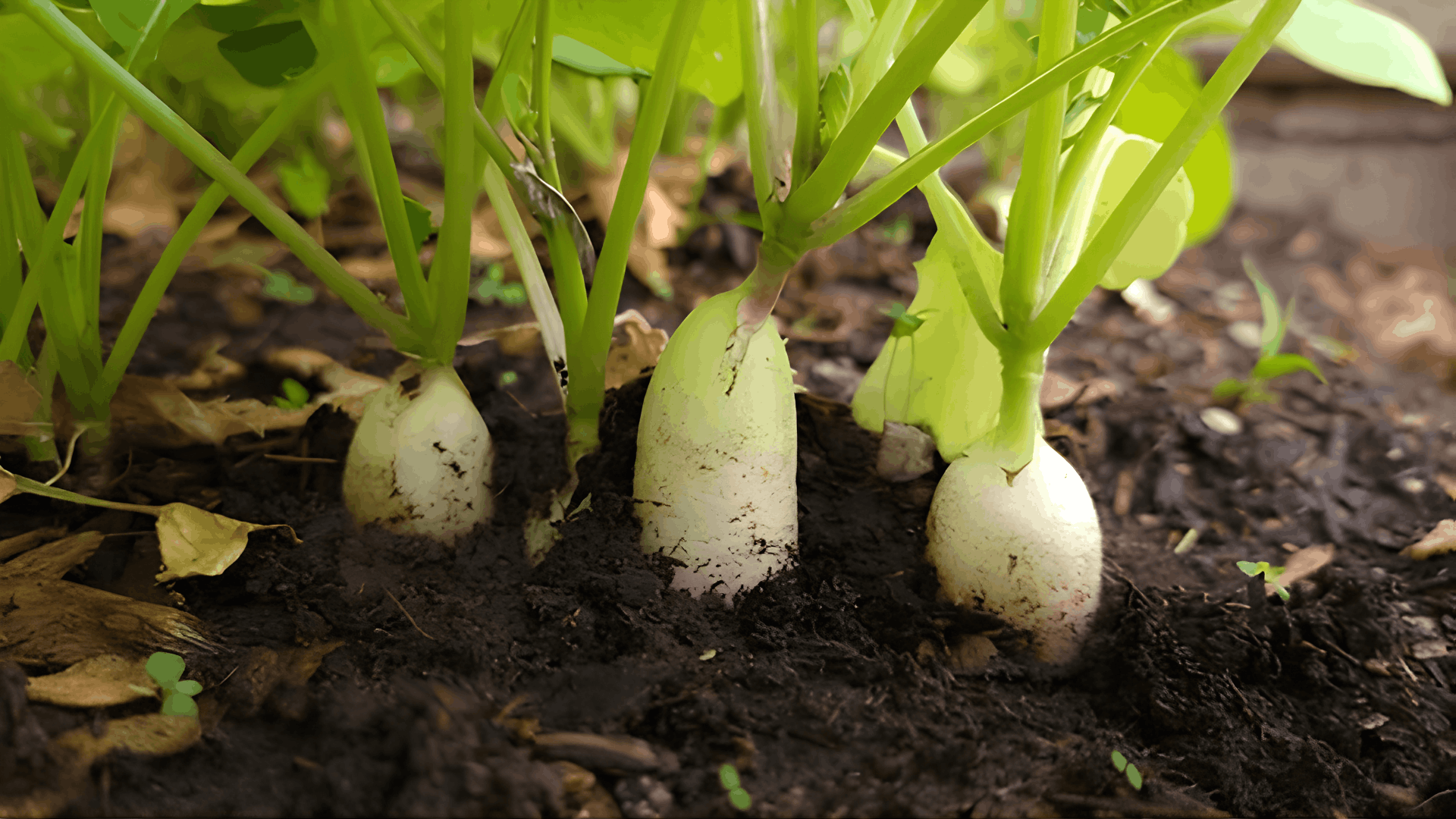
Radishes grow quickly and take up very little space, making them easy companions for zucchini. They are often ready to harvest before zucchini plants become large enough to cover the bed.
Some gardeners also believe radishes discourage certain pests that feed on squash, though results may differ from one garden to another.
Their fast growth gives you an early crop while leaving plenty of room for zucchini to continue growing through the summer.
7. Dill
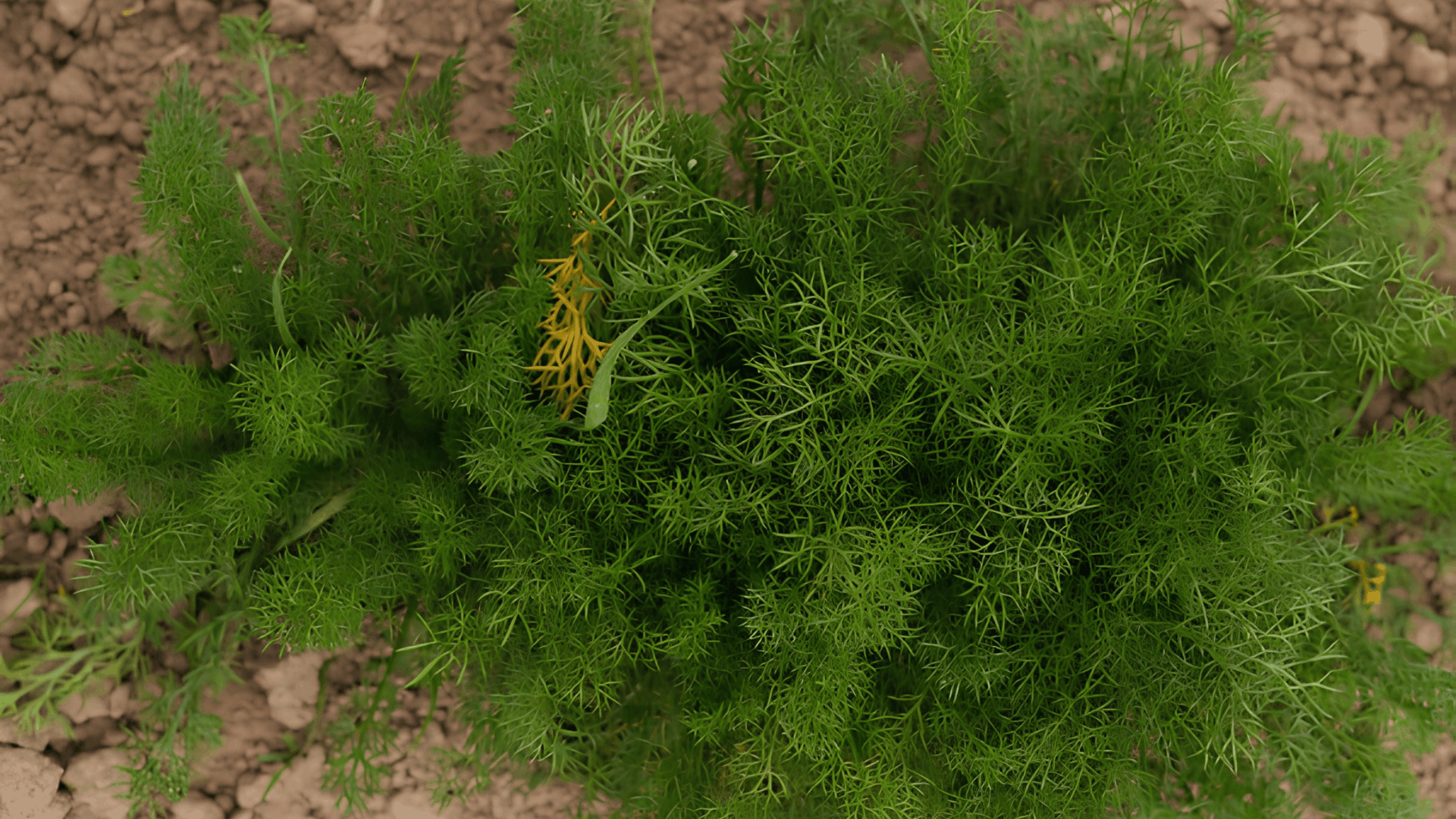
Dill attracts beneficial insects such as ladybugs and lacewings, which feed on aphids and other small garden pests. Its flowers also bring bees into the garden, increasing pollinator activity around zucchini blossoms.
Young dill plants fit nicely between vegetables without taking much space.
Mature dill can become tall, so plant it where it will not block sunlight from zucchini. Regular harvesting also keeps the plant from becoming too large.
8. Oregano
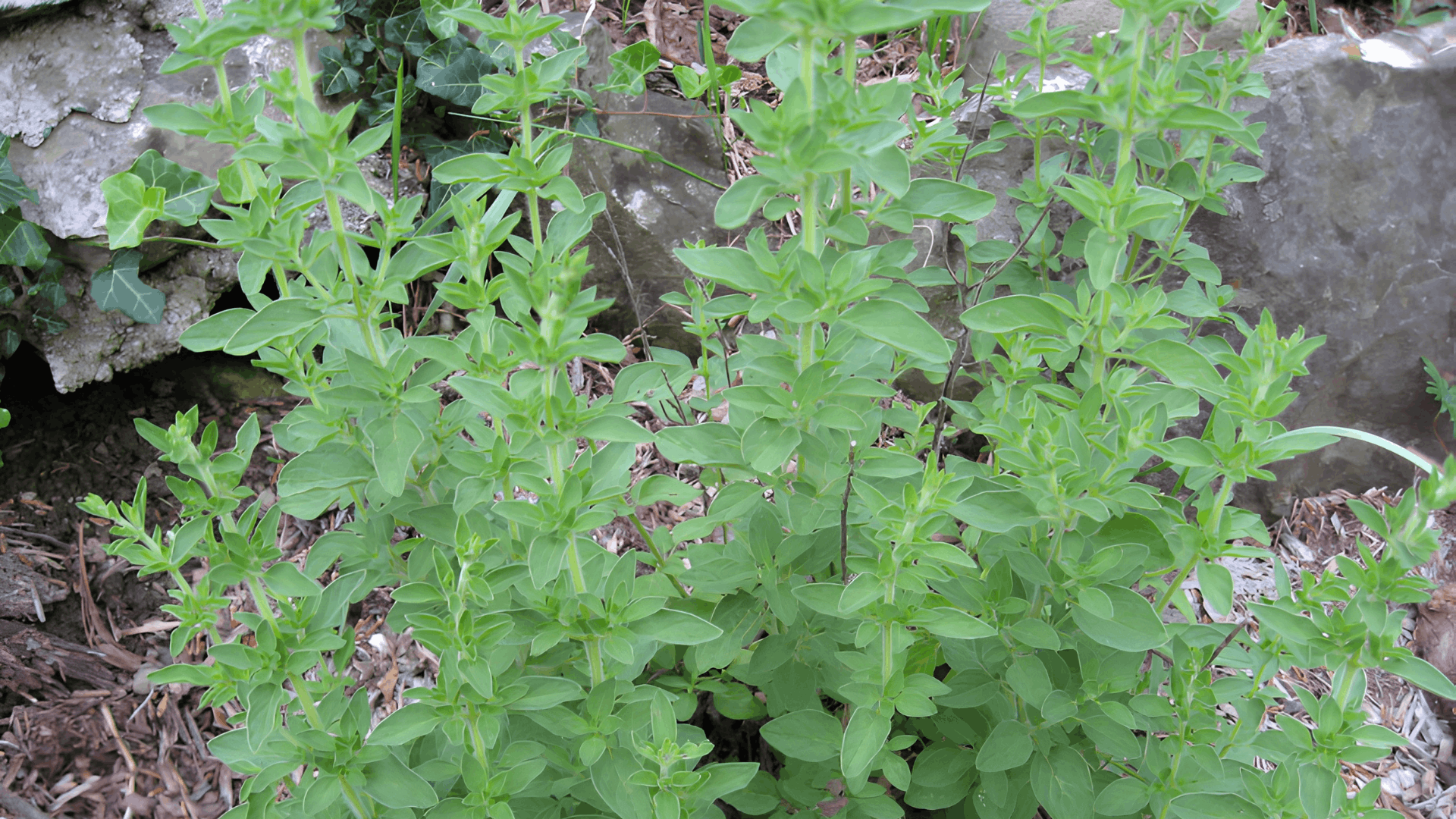
Oregano works well around zucchini because it forms a low-growing mat that covers bare soil. This can slow weed growth and help the soil hold moisture during warm weather.
When allowed to flower, oregano attracts bees and other pollinating insects that visit nearby zucchini flowers. It is also a useful kitchen herb, giving you another edible crop from the same garden bed.
Keep it trimmed so it does not spread into the zucchini plants.
9. Chives
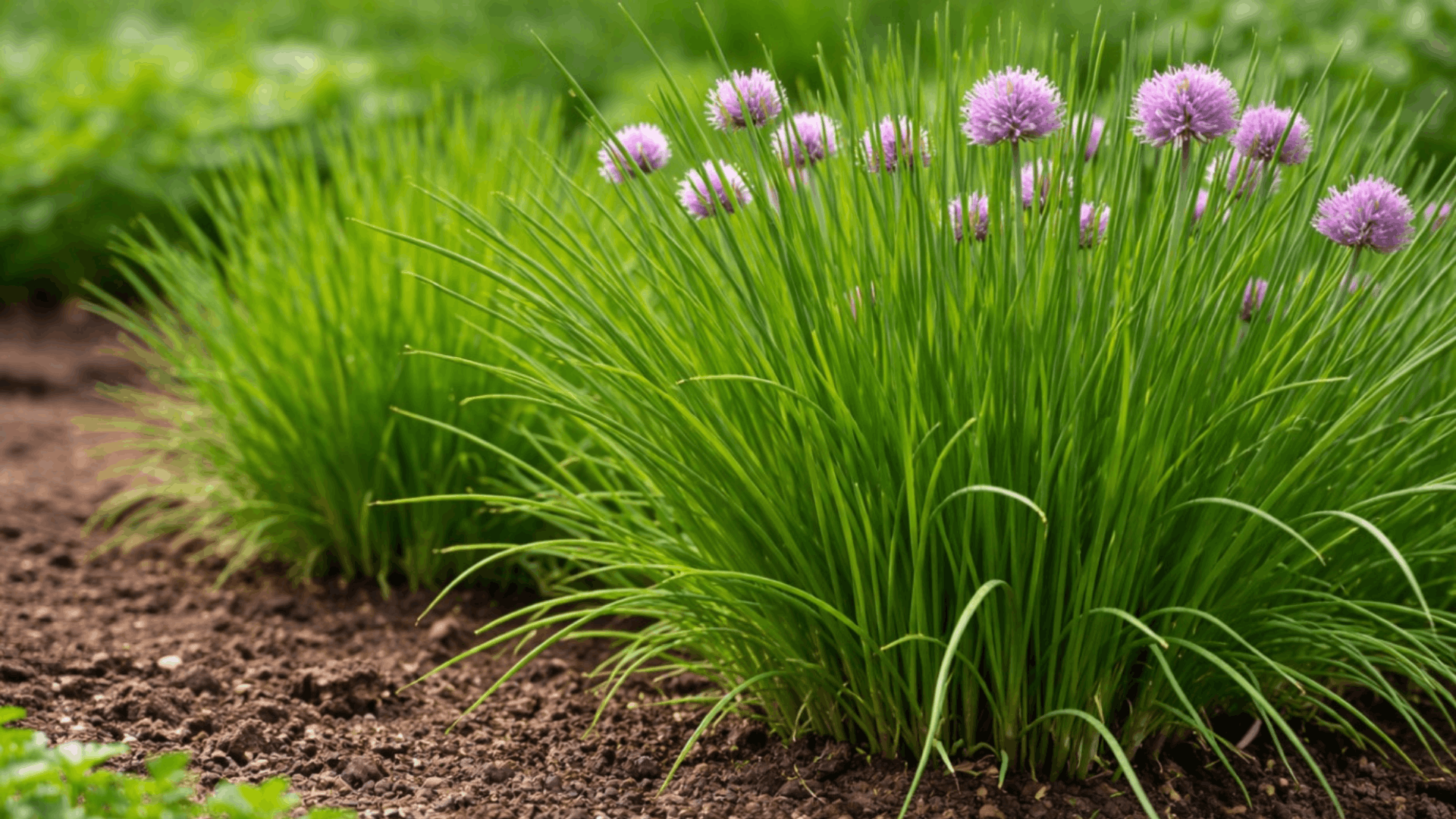
Chives are an easy companion plant for zucchini because they stay compact and fit well into small spaces. Their purple flowers attract bees and other pollinators that visit zucchini blossoms during the growing season.
Many gardeners also grow chives because their strong smell may deter certain insects.
Since they require very little space, they are a good choice for raised beds or for planting around the edges of larger garden beds.
10. Calendula
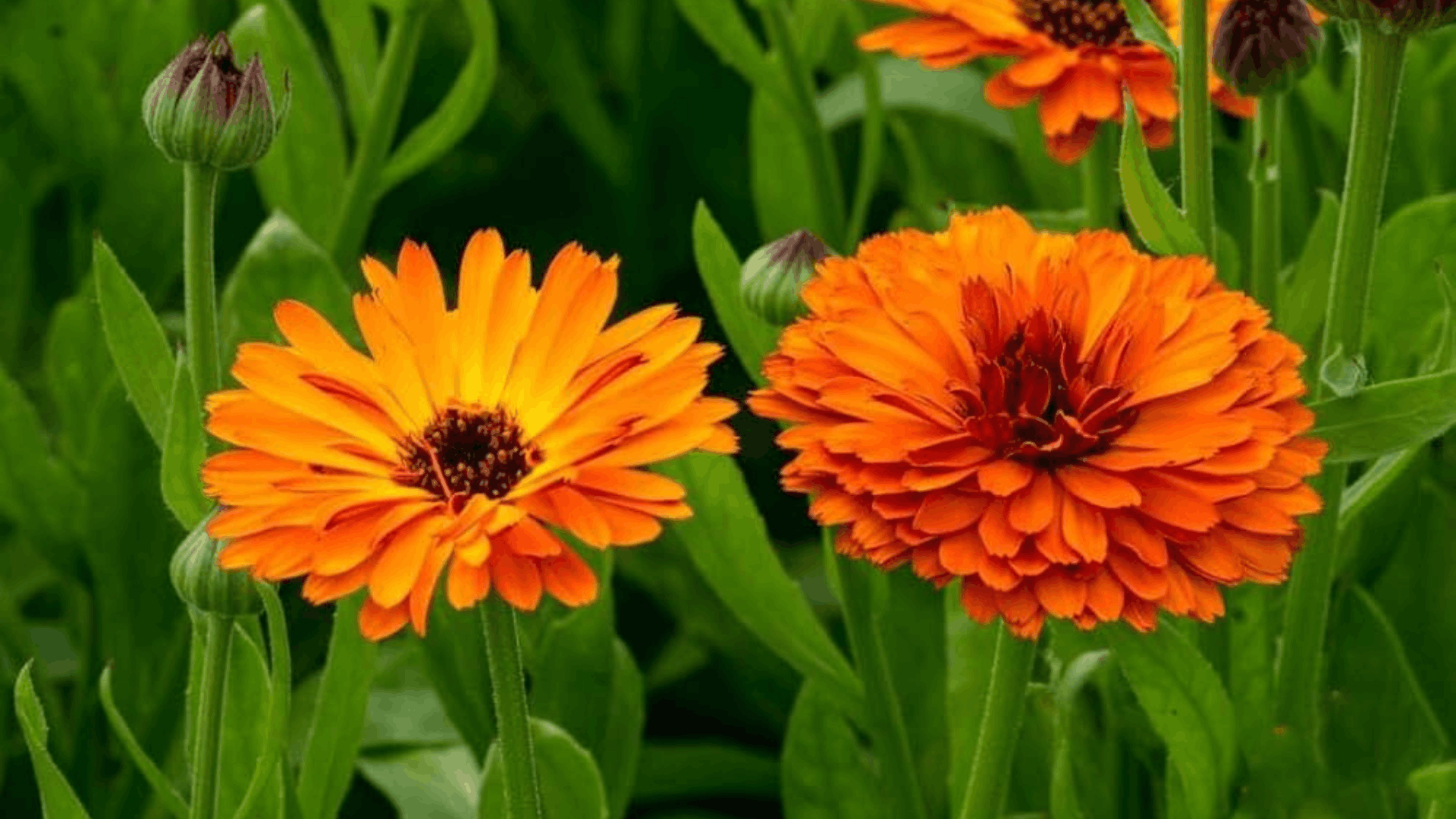
Calendula produces bright yellow and orange flowers that attract bees, hoverflies, and ladybugs. These beneficial insects help support a healthier vegetable garden by feeding on common pests.
Calendula blooms for a long period, providing a steady food source for pollinators throughout the season.
Its compact growth makes it easy to plant between rows or along the border of a zucchini bed without competing for valuable growing space.
11. Thyme
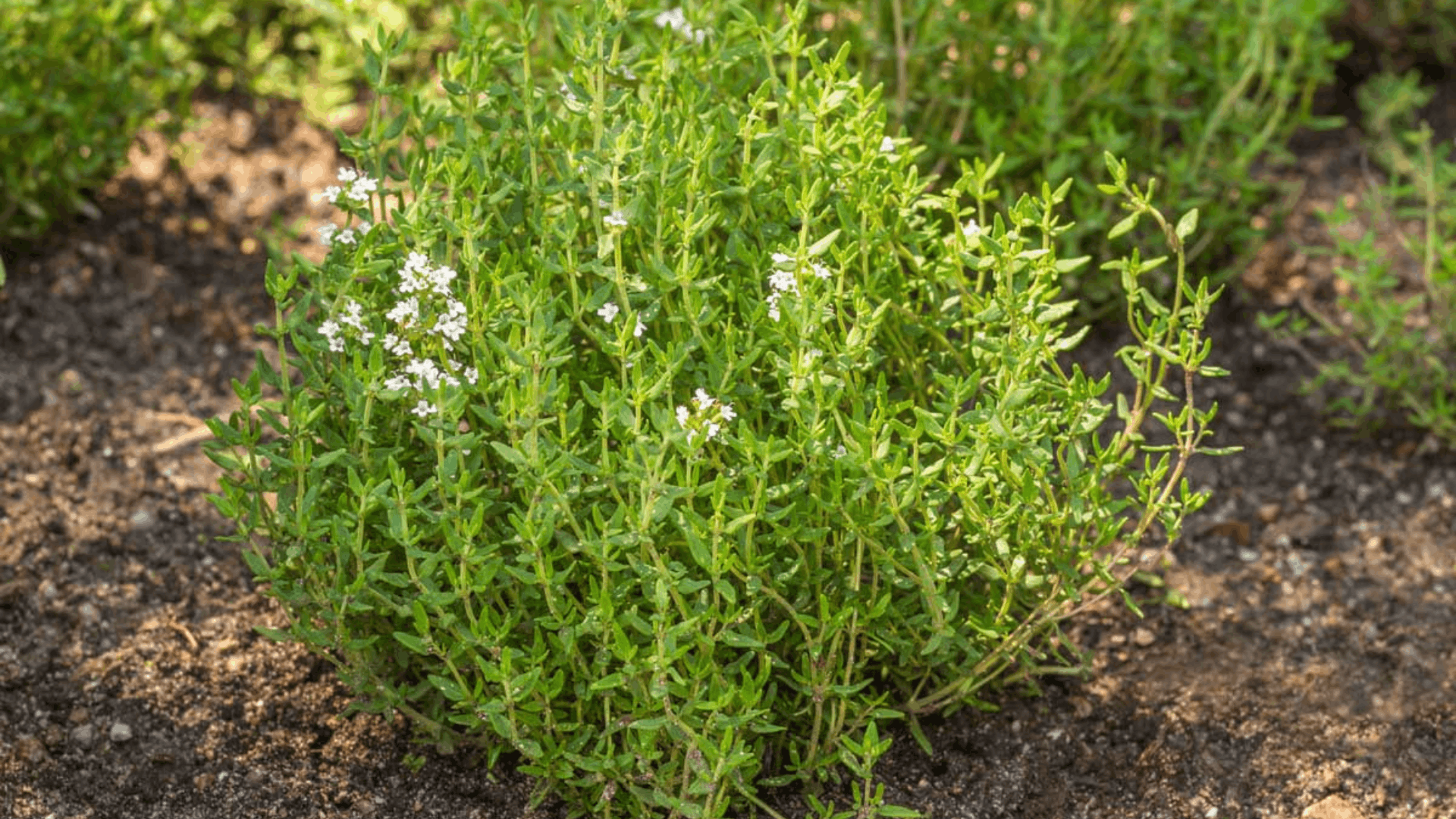
Thyme is a low-growing herb that works well beneath the large leaves of zucchini. It covers bare soil, helping reduce weed growth and slow moisture loss during warm weather.
When thyme flowers, it attracts bees and other pollinating insects that visit nearby zucchini plants.
Since thyme grows slowly and stays compact, it rarely competes with zucchini for space, making it an excellent choice for small gardens and raised beds.
Benefits of Zucchini Companion Planting
Companion planting works best when you match each plant with a specific purpose. Some companions attract pollinators, while others help with pest control or make better use of the growing space.
- Better Pollination: Flowers like borage, marigolds, and nasturtiums attract bees to zucchini plants. This can improve pollination and support better fruit production.
- Fewer Pest Problems: Some companion plants help repel certain insects from zucchini. Others attract beneficial bugs that feed on common garden pests.
- Better Use of Space: Low-growing herbs and quick crops can fill empty spaces around zucchini. This helps make garden beds more productive without overcrowding.
- Healthier Soil: Plants like bush beans and peas can add nitrogen to the soil over time. This helps support soil quality for future crops.
- Better Air Movement: Proper spacing between companion plants reduces crowding around zucchini leaves. Better airflow helps leaves dry faster after rain or watering.
- More Garden Diversity: Growing flowers, herbs, and vegetables together creates a more balanced garden. It also supports pollinators and other helpful wildlife.
- Improved Harvest: Healthy plant pairings can support steady zucchini growth. This may lead to more flowers and a better harvest throughout the season.
Plants to Avoid Near Zucchini
Not every plant is a good match for zucchini. Some compete for space, water, and nutrients, while others attract the same pests or diseases, making garden care more difficult.
1. Potatoes
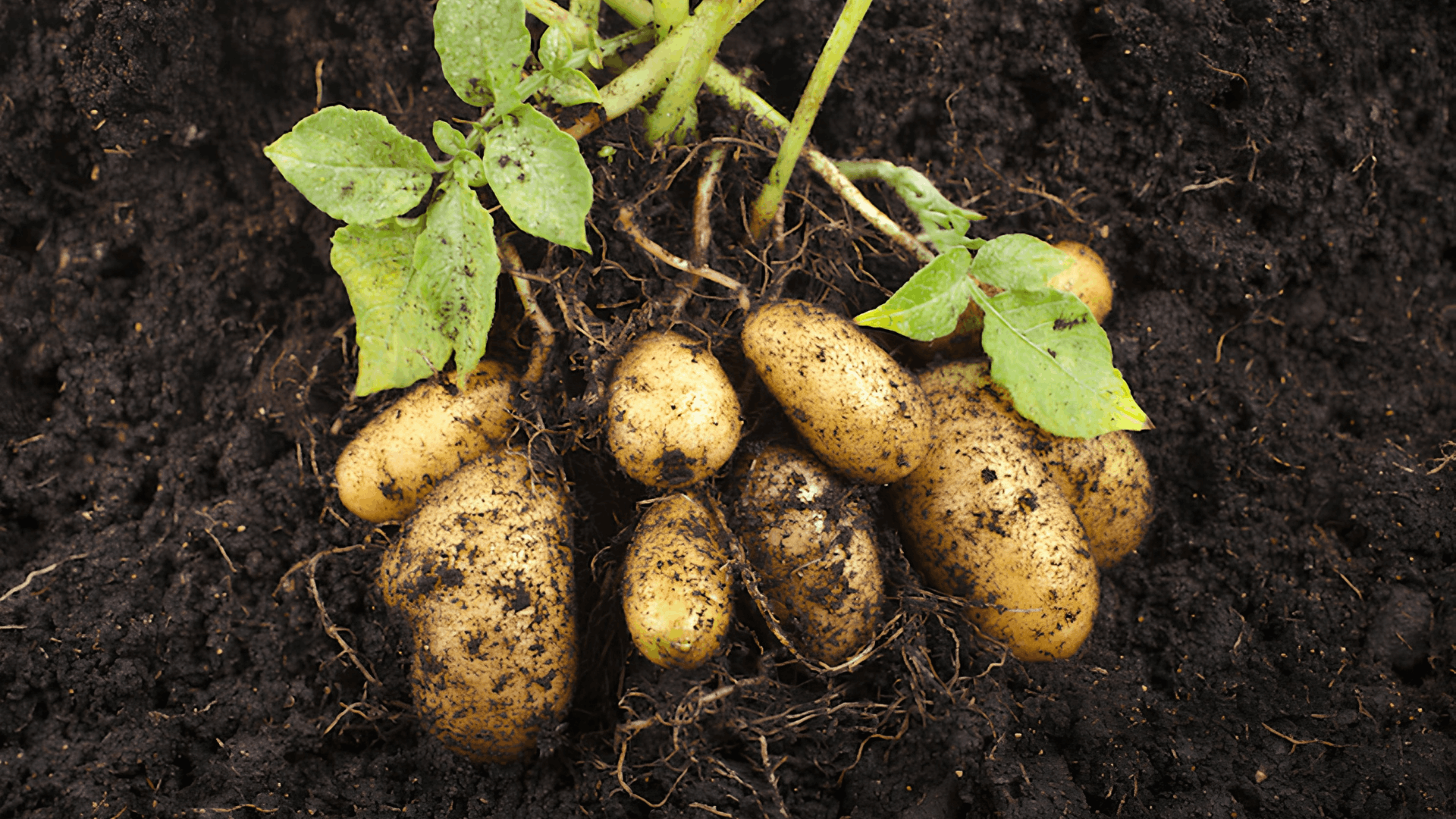
Potatoes and zucchini should not share the same growing area because they compete for water and nutrients.
Both plants can become quite demanding as they grow, which may reduce overall growth if space is limited.
Dense foliage from potatoes can also reduce airflow around zucchini, making it harder for leaves to dry after rain or watering.
Giving each crop its own section of the garden usually leads to better results.
2. Pumpkins
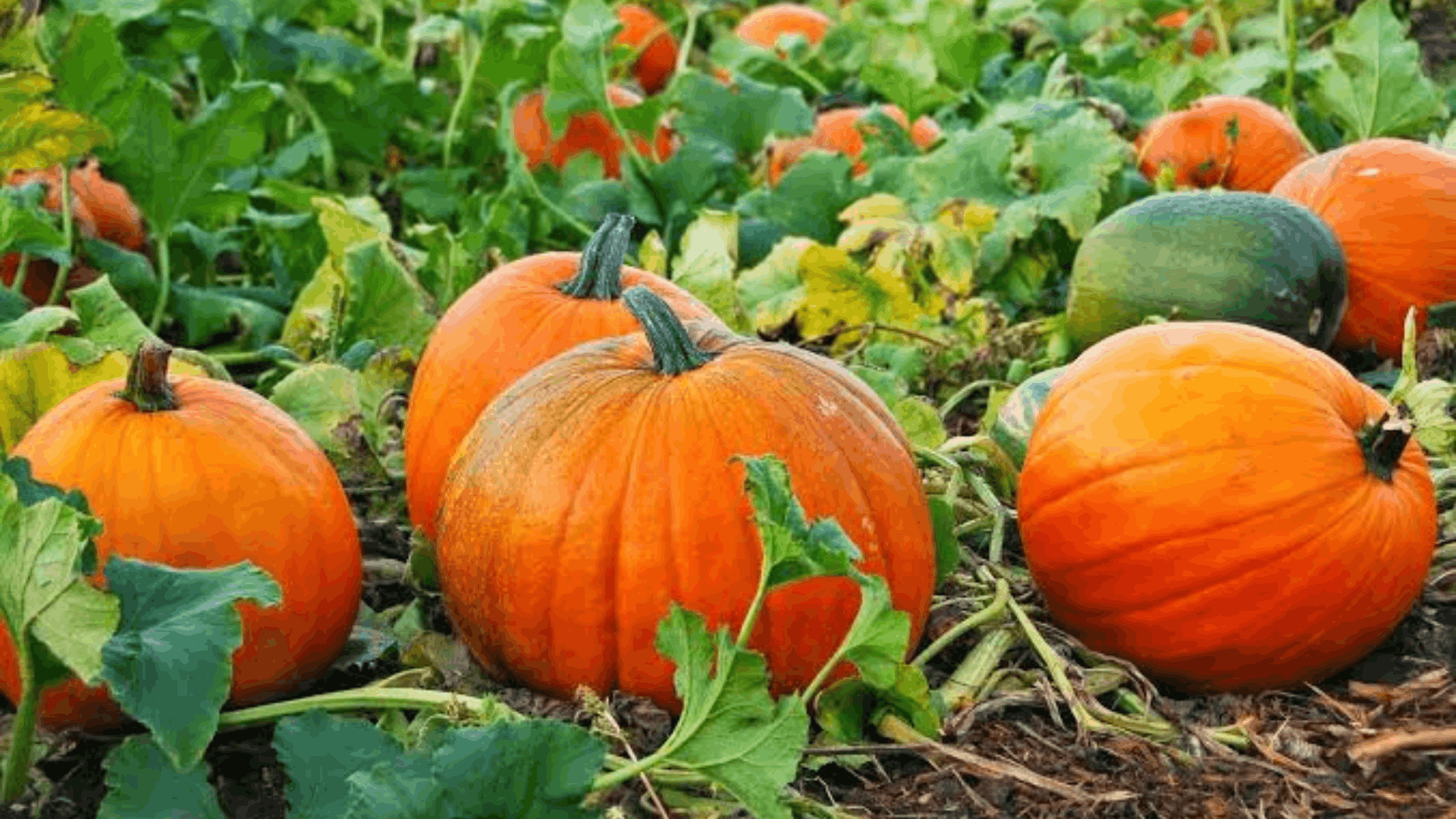
Pumpkins belong to the same plant family as zucchini and have many of the same growing needs. Since both plants spread over a large area, they can quickly crowd each other, making harvesting difficult.
They also attract many of the same insects, allowing pest problems to spread more easily through the garden.
Planting them in separate beds gives each crop enough room to grow and makes routine care much easier.
3. Cucumbers
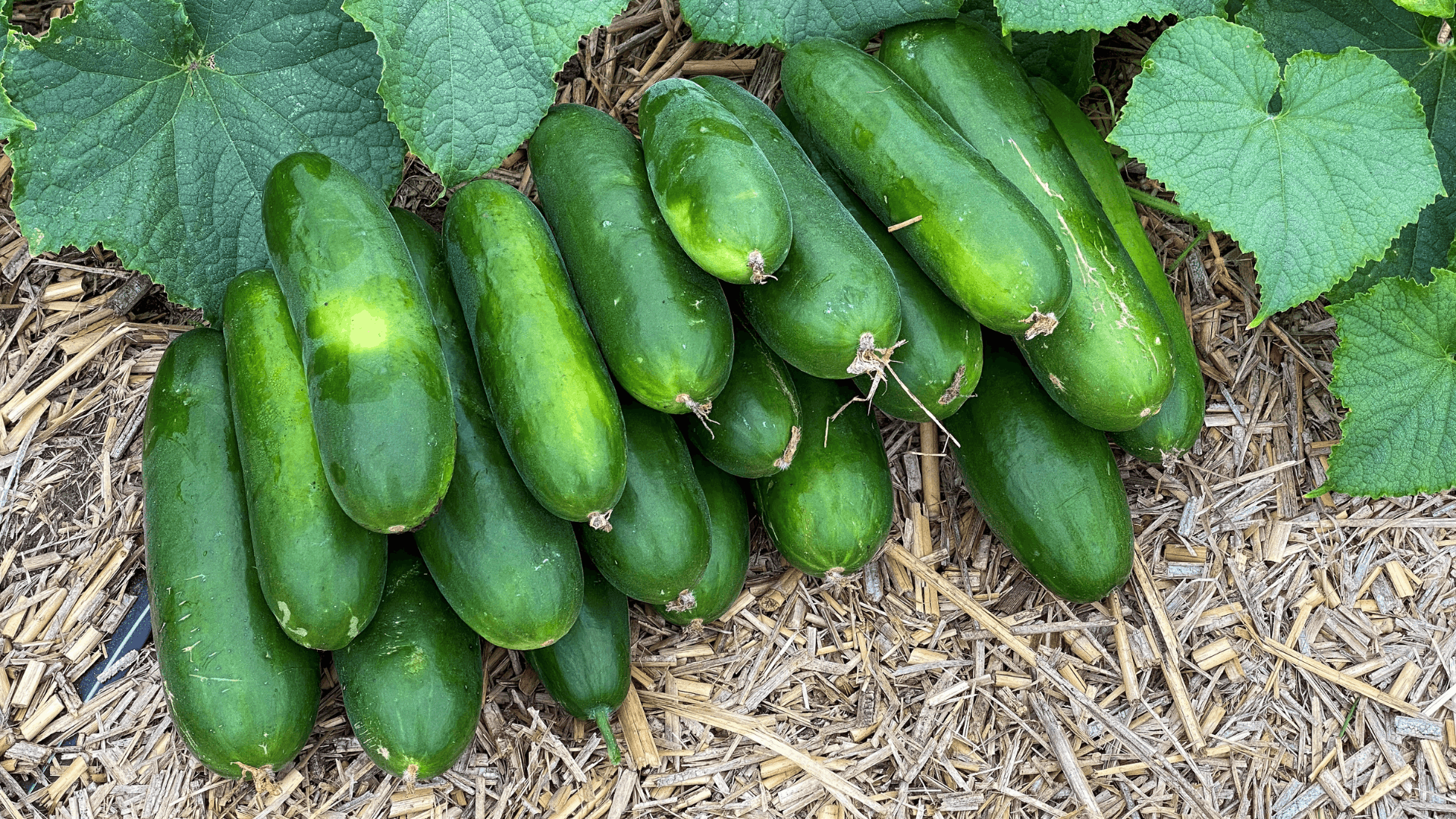
Cucumbers may seem like a natural match because they need similar growing conditions, but they often attract the same pests and diseases as zucchini.
Growing them close together can make it easier for squash bugs, cucumber beetles, and fungal problems to affect both crops.
Their vines can also become tangled, reducing airflow and making maintenance more difficult. Keeping some distance between these vegetables is usually the better choice.
4. Melons
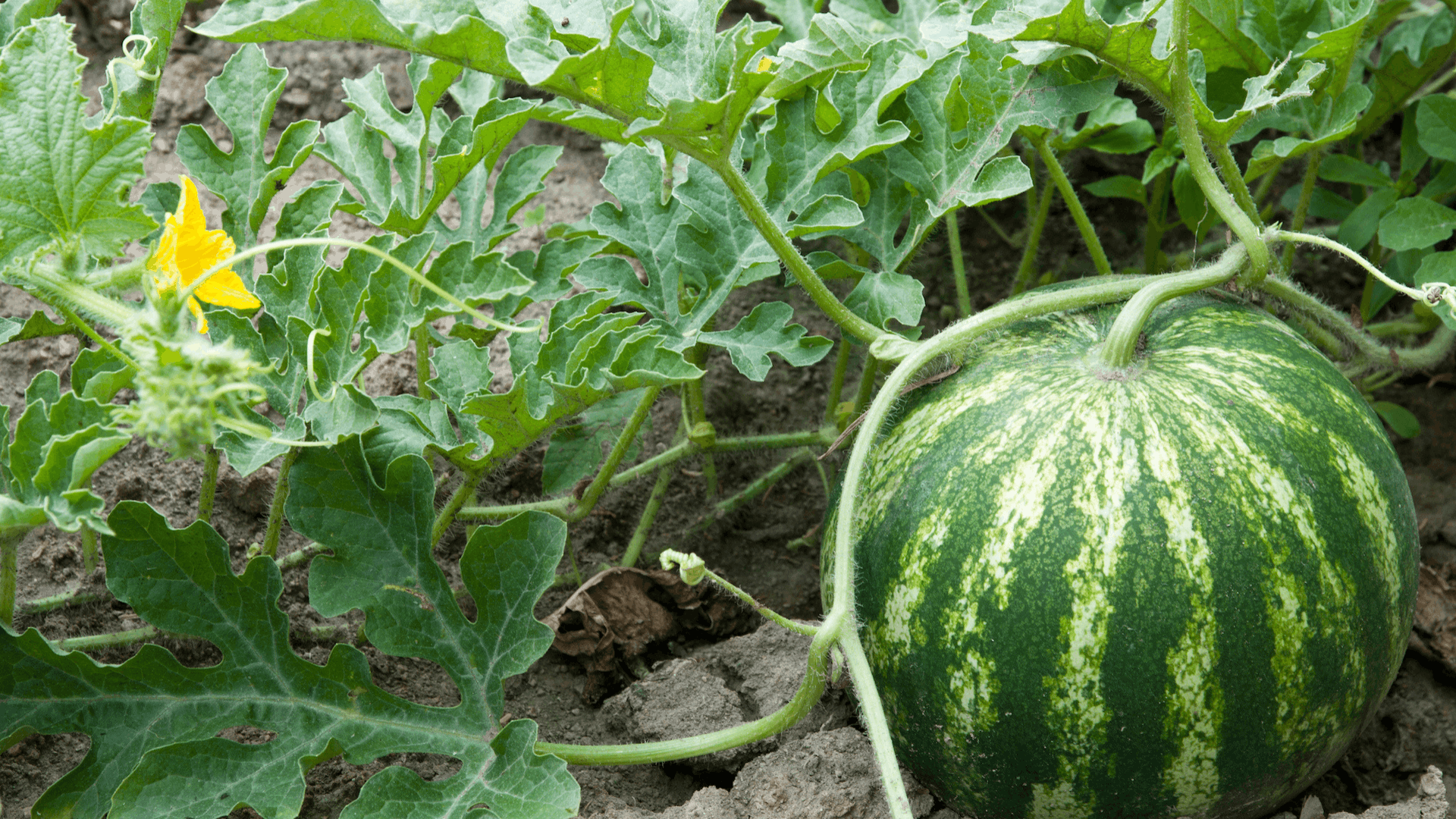
Melons need plenty of room to spread, just like zucchini. When planted side by side, their long vines can intertwine, making it difficult to reach the fruit.
They also compete for water and nutrients during the busiest part of the growing season.
Since melons and zucchini attract many of the same insect pests, keeping them apart can make it easier to watch for problems and care for each crop.
5. Fennel
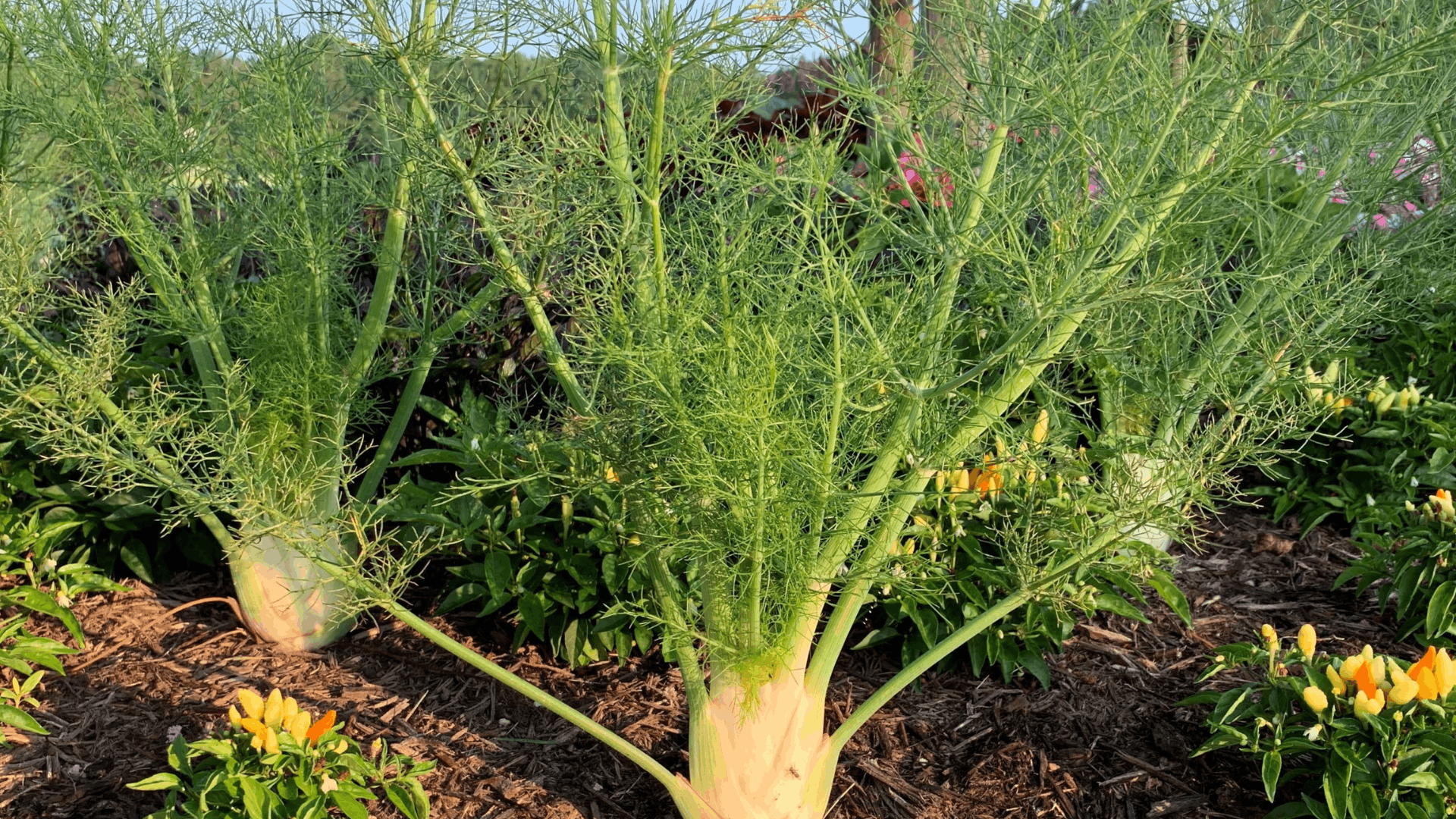
Fennel is known to cause problems in many vegetable crops, including zucchini. It releases natural compounds into the soil that may slow the growth of nearby plants.
Fennel also grows into a large plant that competes for sunlight, water, and space.
For that reason, many gardeners place it in a separate part of the garden instead of mixing it with vegetables that need steady growth during the summer.
6. Sweet Corn
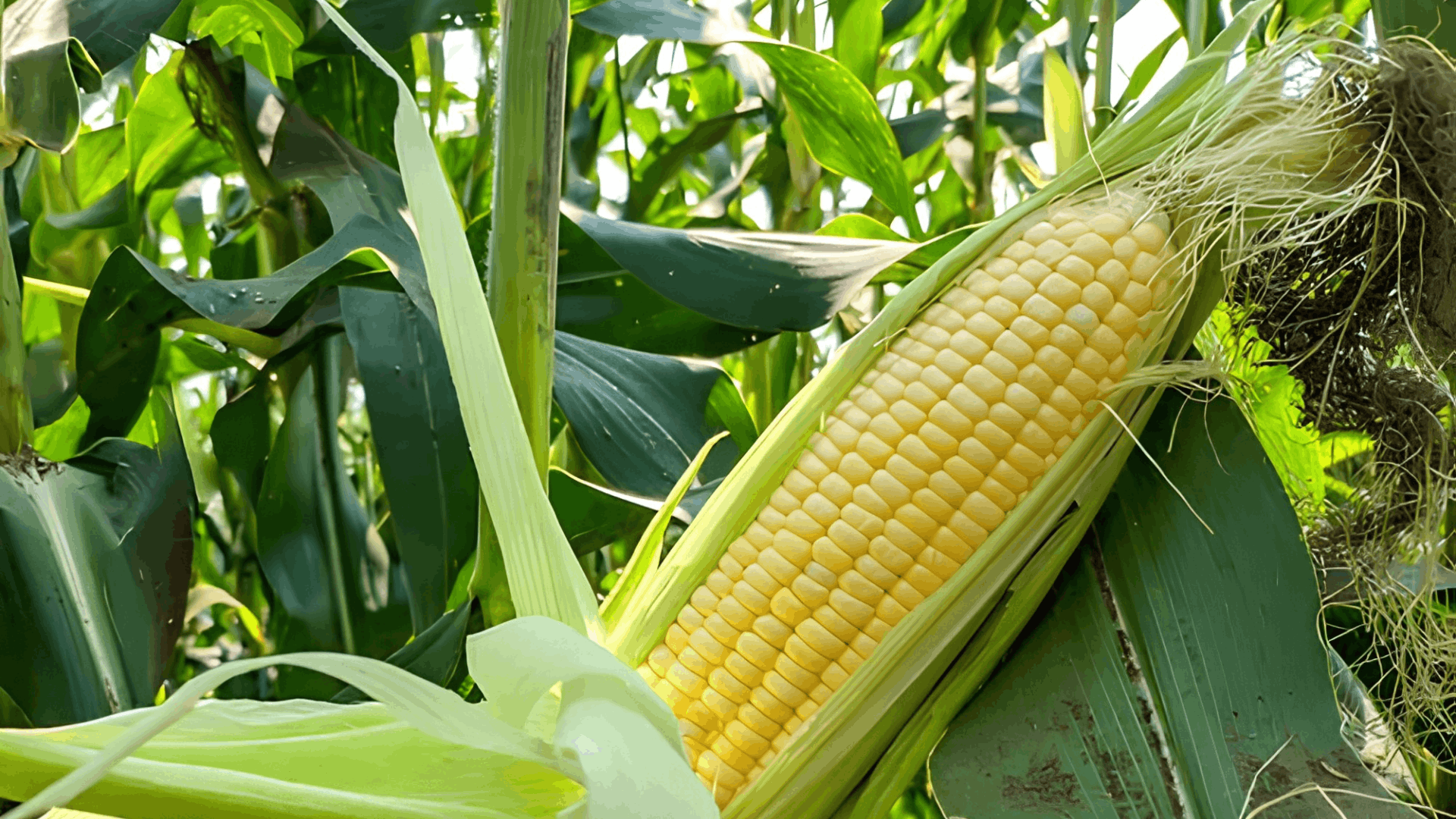
Sweet corn grows tall and can cast shade over nearby zucchini, especially later in the season. Since zucchini needs plenty of direct sunlight, too much shade may reduce flowering and fruit production.
Corn also requires a large amount of water and nutrients during growth.
If you want to grow both crops, leave enough distance between them so each plant receives the light and space it needs.
7. Mint
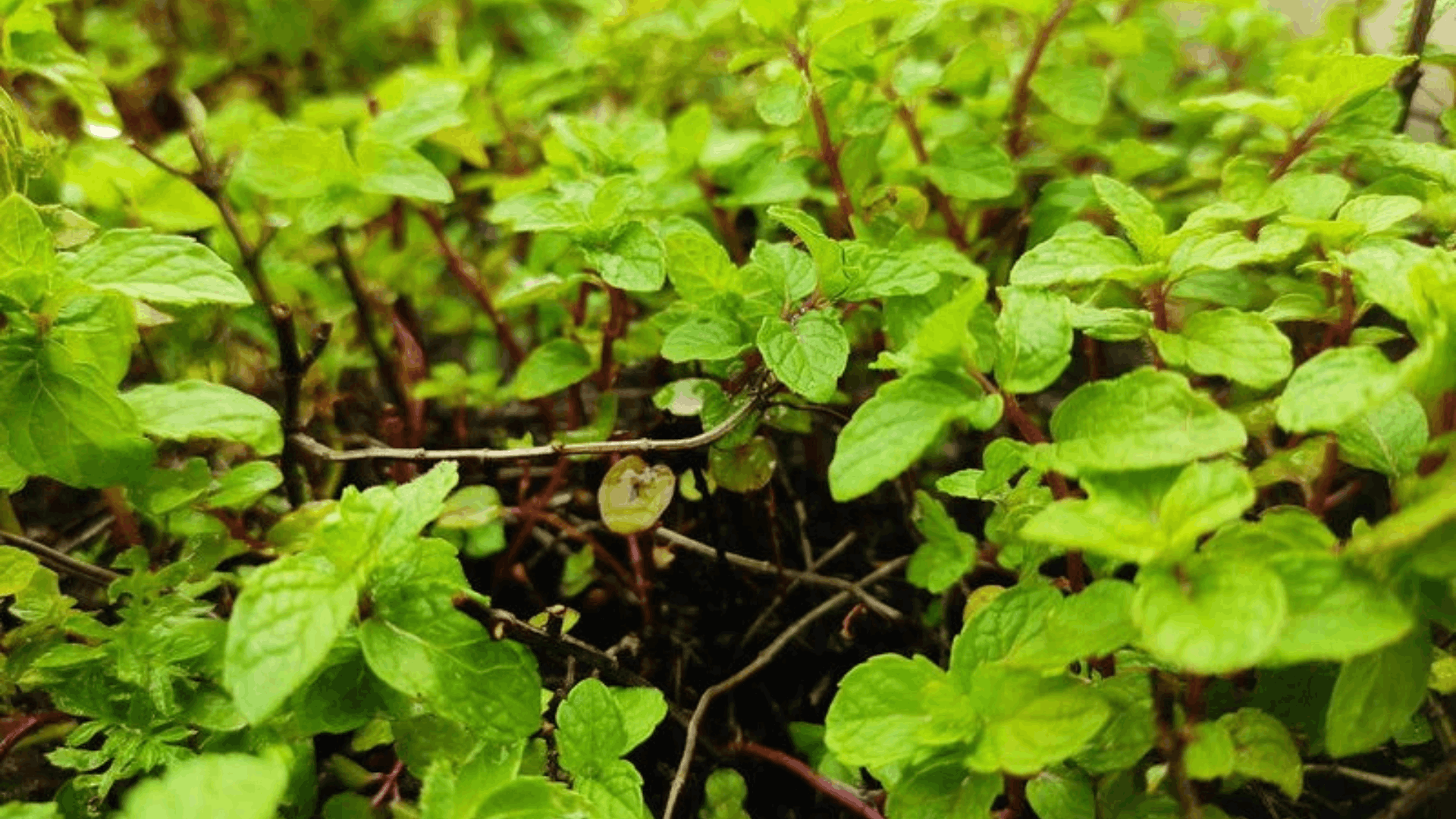
Mint spreads very quickly through underground runners and can easily take over a garden bed. As it spreads, it competes with zucchini for water, nutrients, and growing space.
Once established, mint is difficult to remove and may crowd nearby vegetables.
If you enjoy growing mint, keep it in a container or a separate garden area rather than planting it beside zucchini.
How Do Companion Plants Improve Zucchini Yield?
Companion plants can improve zucchini yield by supporting the conditions zucchini needs to grow well.
Flowers such as marigolds, borage, and nasturtiums bring more bees into the garden, which helps zucchini flowers turn into fruit.
Herbs and flowering plants can also attract helpful insects that feed on pests before they damage leaves and stems.
Low-growing companions help cover bare soil, reduce weeds, and hold moisture during warm weather.
Fast-growing crops, such as radishes or lettuce, let you use open space early before zucchini leaves spread. With proper spacing, companion plants also improve airflow around zucchini.
How to Save Space with Zucchini Companion Plants?
You do not need a large garden to grow zucchini successfully. With the right companion plants and a simple planting layout, you can make better use of every inch of space while keeping the bed easy to care for.
- Use Compact Herbs: Plant oregano, chives, or thyme near bed edges because they stay small and leave room for zucchini leaves.
- Grow Quick Crops Early: Plant radishes or lettuce before zucchini spreads, then harvest them while the plant is still young.
- Plant Flowers on Borders: Add marigolds, calendula, or nasturtiums along the edges to attract pollinators without using central bed space.
- Choose Bush-Type Plants: Use bush beans instead of trailing crops because they stay compact and keep the bed easier to manage.
- Leave Open Growing Room: Keep enough space around zucchini stems so leaves can spread without blocking airflow or access.
Zucchini Companion Planting: Garden Bed vs Raised Bed
Both garden beds and raised beds can produce healthy zucchini when paired with the right companion plants. The main difference is how much space you have and how you arrange each plant.
| Feature | Garden Bed | Raised Bed |
|---|---|---|
| Space | Best for larger companion plantings | Best for compact companions |
| Spacing | More room between plants | Requires careful spacing |
| Watering | Holds moisture longer | Dries out faster |
| Airflow | Better natural airflow | Prevent overcrowding |
| Harvesting | Easier in wide rows | Easier due to the raised height |
| Soil | Uses existing soil | Greater control over soil quality |
Common Zucchini Companion Planting Mistakes to Avoid
Avoiding a few common mistakes can help zucchini grow healthier and reduce problems with pests, diseases, and poor harvests.
- Give Plants Enough Space: Crowding reduces airflow, traps moisture, and creates conditions conducive to fungal diseases. Follow recommended spacing to keep plants healthy.
- Avoid Growing Related Crops Together: Keep zucchini away from pumpkins, cucumbers, and other squash because they attract many of the same pests and diseases.
- Choose Companion Plants Carefully: Avoid companions that grow too tall, spread aggressively, or need very different watering conditions, as they can compete with zucchini.
- Keep the Garden Well Maintained: Trim overgrown herbs, remove damaged leaves, and harvest regularly to improve airflow and reduce places where pests can hide.
- Check Plants Regularly: Inspect zucchini and nearby companion plants every few days for signs of insects, disease, or overcrowding so small problems can be managed early
Conclusion
Picking the right plants to grow with zucchini can make your garden easier to care for throughout the season.
Flowers can bring more pollinators, herbs can help attract helpful insects, and well-matched vegetables make better use of the available space.
Keeping unsuitable plants away also reduces crowding and other growing problems.
A little planning before planting can lead to healthier zucchini and a more productive garden bed or raised bed.
If you found this guide helpful, leave a comment sharing which companion plants you use with zucchini in your garden.
Frequently Asked Questions
Can Basil Grow Next to Zucchini?
Yes, basil can grow next to zucchini when it gets enough sunlight. Keep it trimmed so it does not become crowded under large zucchini leaves.
Can Zucchini Be Planted in September?
Yes, if the local climate has a long, warm growing season. In cooler regions, September is usually too late because zucchini needs warm temperatures to produce well.
Can Zucchini Grow Next to Tomato Plants?
Yes. Tomatoes can grow next to zucchini if both plants have enough space, sunlight, and good airflow. Keep them properly spaced and watch for pests and diseases that may affect both crops.