

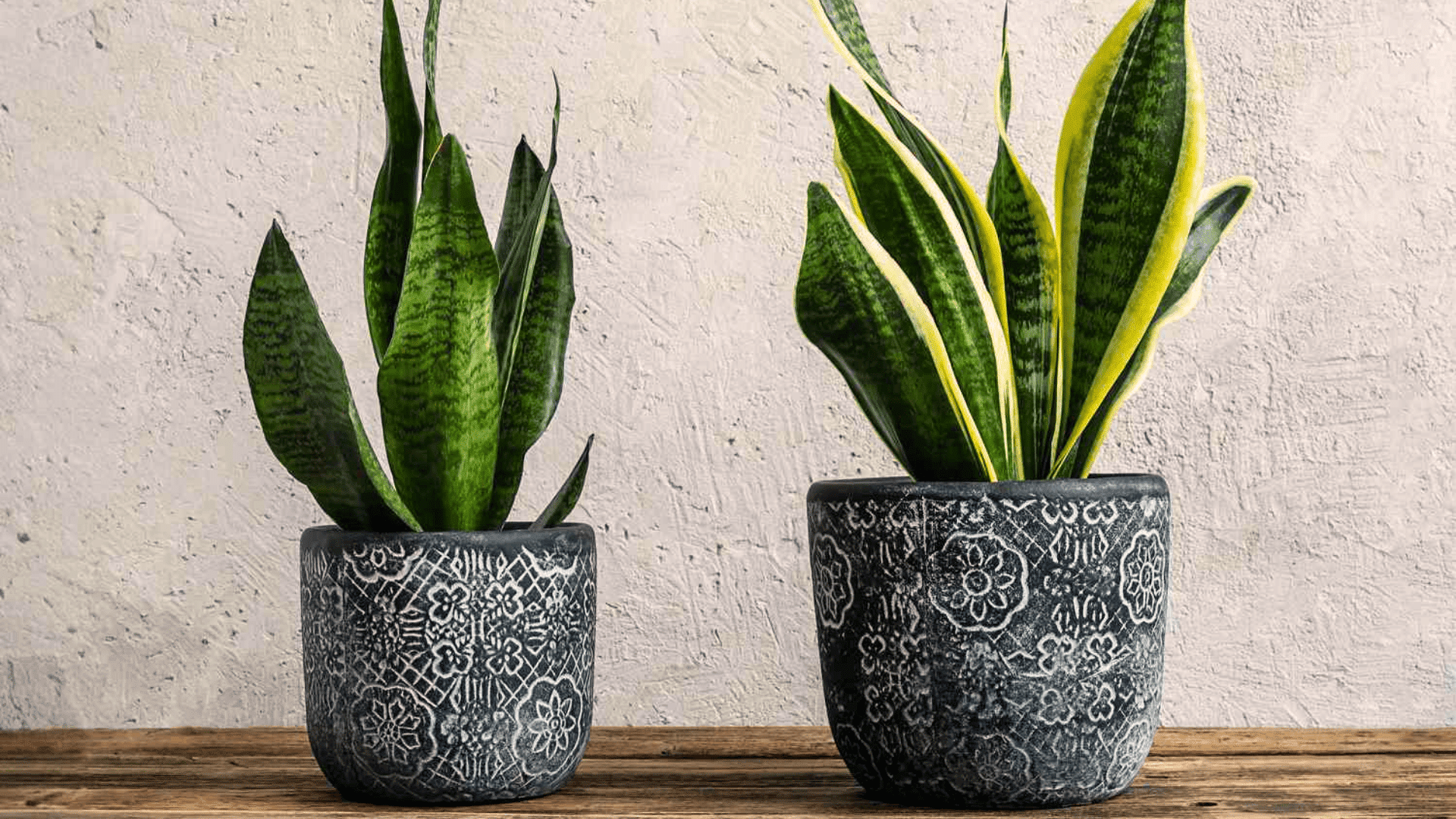
Learning how to care for a snake plant helps you enjoy one of the easiest houseplants to grow.
Snake plants are popular because they handle missed waterings, low light, and busy schedules better than many other plants.
They grow slowly, stay neat, and do not demand constant care, which makes them a common choice for homes and offices. If you are new to plant care, it helps to know that snake plants are simple once you understand a few basics.
With the right light, proper watering, and well-draining soil, they stay healthy for years.
This guide covers everything you need to get started, including daily care, warning signs to watch for, and care tips for snake plants.
By the end, you will know exactly how to keep your snake plant growing strong without stress.
About the Snake Plant
A snake plant is a strong, low-care houseplant known for its upright, stiff leaves and slow growth.
It is beginner-friendly because it does not need frequent watering and can adjust to different light levels. The plant stores water in its leaves, which helps it handle dry periods.
It stays neat, grows at a steady pace, and does not drop leaves easily.
These traits make it a reliable choice for people who want a plant that looks good without daily care.
Snake plants also work well indoors because they handle indoor light, dry air, and stable room temperatures with ease.
Key Specifications to Know
- Common names: Snake plant, mother-in-law plant, mother-in-law’s tongue
- Botanical name: Dracaena trifasciata
- Plant family: Asparagaceae
- Plant type: Evergreen perennial houseplant
- Mature height: About 2–5 feet indoors
- Soil pH: Slightly acidic to slightly alkaline
- Bloom time: Spring
- Flower color: White
- Native area: West Africa
- Pet safety: Toxic to cats and dogs
How to Care for a Snake Plant the Right Way?

Snake plants stay healthy when you follow a simple care routine. These basics help prevent common problems and support steady growth.
1. Light Requirements for Snake Plants
Snake plants grow well in many light conditions, which makes them easy to place indoors.
They handle low light without stress, making them a good choice for rooms with few windows. Bright, indirect light helps them grow faster and keep firm, upright leaves.
Direct sunlight can burn the leaves, so avoid placing the plant in strong afternoon sun.
A spot near a window with filtered light works best. If light is limited, growth may slow, but the plant will continue to stay healthy.
2. How Often to Water a Snake Plant
Watering is the most important part of snake plant care, and the most common place beginners make mistakes.
Snake plants store water in their thick leaves, so they prefer soil that dries out fully between waterings. Too much water can lead to root rot, soft leaves, and plant stress.
Always check that the top few inches of soil feel dry before watering again.
In warmer months, watering every few weeks is enough. During cooler months, reduce watering to prevent soggy soil.
3. Choosing the Best Soil and Pot for Snake Plant
Snake plants need soil that drains quickly to keep their roots healthy and dry. A sandy or cactus-style potting mix works best because it lets excess water pass through easily.
Soil that holds too much moisture can cause root rot and slow growth.
The pot should always have drainage holes so water does not sit at the bottom. When repotting, choose a pot only slightly larger than the root ball.
A smaller pot helps control moisture and supports steady, healthy growth over time.
4. Simple Care Routine to Follow
Snake plants do best with a simple, hands-off care routine.
Place the plant in a spot with steady indoor temperatures and avoid moving it often, as frequent changes can slow growth.
Wipe the leaves now and then to remove dust and help the plant absorb light better.
Skip frequent fertilizing since snake plants grow slowly and do not need much feeding. A light feeding once or twice a year is enough. Keeping care simple helps avoid most beginner mistakes.
5. Best Indoor Temperature Range
Snake plants prefer steady indoor temperatures and grow best between 60°F and 80°F.
They do not handle sudden temperature changes well, so it is best to keep them away from cold drafts, heaters, and air vents.
Temperatures below 50°F can slow growth and may damage the leaves. Normal room conditions are usually enough for this plant, which makes it easy to manage indoors.
If the space feels comfortable for you, it will likely support healthy, steady growth for the snake plant.
6. Ideal Humidity Levels
Snake plants do well in average indoor humidity and do not need added moisture in the air. Dry indoor spaces are usually not a problem, even during winter when heating lowers humidity levels.
High humidity can cause issues if the soil stays wet for too long, increasing the risk of root problems.
Misting is not needed and can actually do more harm than good.
Normal airflow and everyday indoor conditions are enough to keep the plant comfortable and growing without extra care or equipment.
7. Fertilizing a Snake Plant Safely
Snake plants need very little fertilizer to stay healthy, and overfeeding often causes more harm than good.
Too much fertilizer can lead to weak growth, leaf damage, or burned roots. A balanced houseplant fertilizer diluted to half strength once or twice a year is enough.
Feed the plant during the growing season, usually in spring or summer, and avoid fertilizing in fall and winter.
Lightly water the plant before feeding to protect the roots. Minimal feeding supports steady growth and reduces stress.
8. Cleaning and Maintaining Leaves
Dust can build up on snake plant leaves and slowly block the light the plant needs to grow well.
Wipe the leaves gently with a soft, damp cloth every few weeks to keep them clean. Avoid leaf shine products because they can clog the leaf surface and cause damage over time.
Regular cleaning also helps you spot early signs of pests or stress.
If a leaf is bent, damaged, or weak, trim it near the base using clean scissors to keep the plant healthy and tidy.
What Plant Owners Say About Snake Plant Care?
Plant owners often say snake plants are a great first choice because they stay strong even with simple care.
Many beginners on Reddit shared that overwatering is the biggest mistake they made early on. A common tip is to always check the soil before watering and wait until it is fully dry.
Several owners mention using reminders or plant apps to avoid watering too often.
Light advice also comes up often, with people noting that snake plants survive low light but grow better in bright, indirect light.
Pet safety is another repeated topic, as snake plants are toxic to cats and dogs, so keeping them out of reach matters.
Overall, plant owners agree that once watering and placement are right, snake plants thrive with very little effort and reward patience with slow, steady growth.
When to Repot a Snake Plant?
A snake plant only needs repotting when it shows clear signs of outgrowing its pot. One common sign is roots pushing through drainage holes or circling tightly inside the container.
You may also notice the plant becoming top-heavy or the soil drying out very fast after watering.
Slow growth can be another sign, even with proper light and care. Most snake plants need repotting every two to three years.
The best time to repot is spring or early summer, when the plant is actively growing and can adjust more easily.
Avoid repotting during colder months, as the plant may struggle to recover. Repotting too often can stress the roots, so wait until the plant truly needs more space.
How to Repot a Snake Plant?
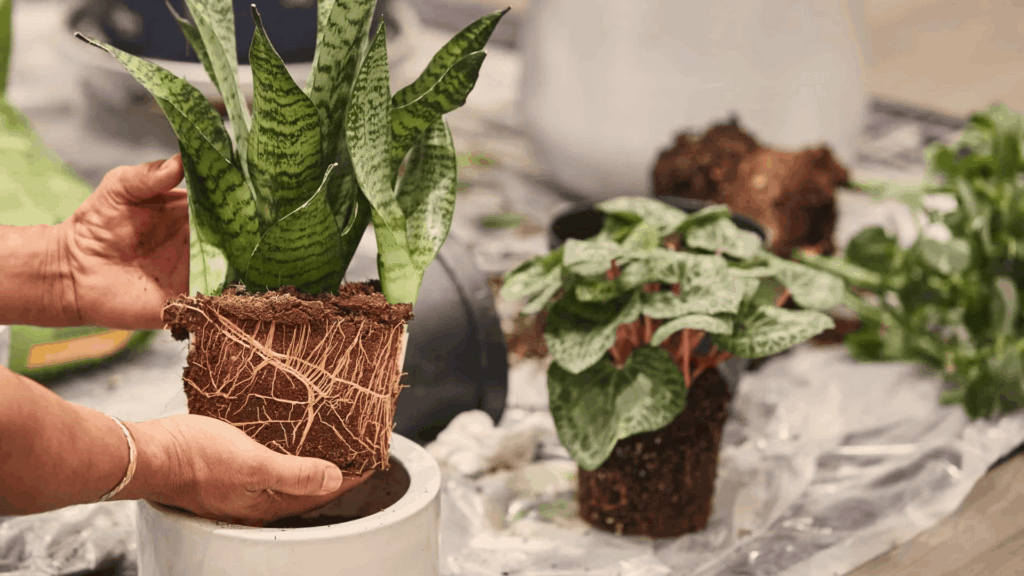
These steps help you repot safely without harming the roots. Taking it slow makes the process easier for both you and the plant.
1. Prepare the Pot and Soil
Start by choosing a pot that is only one size larger than the current one and has proper drainage holes.
A pot that is too large can hold excess moisture and lead to root issues. Use a well-draining soil mix, such as cactus or sandy soil, to keep roots dry and healthy.
Add a small layer of soil at the bottom of the pot before placing the plant inside.
Preparing everything in advance keeps the roots exposed for less time and reduces stress during repotting.
2. Remove the Plant from Its Pot
Carefully tilt the pot on its side and gently slide the snake plant out.
Support the base of the plant with one hand to keep the leaves from bending or snapping.
If the roots look tightly packed, loosen them slightly with your fingers so they can spread more easily in the new pot. Avoid pulling hard or cutting healthy roots.
Shake off some loose soil to help the roots adjust to fresh soil while keeping the root ball mostly intact and stable.
3. Place the Plant in the New Pot
Set the snake plant in the center of the new pot at the same depth it was growing before.
Fill in around the roots with fresh soil, pressing gently to support the plant without compacting it. Roots need airflow, so avoid packing the soil too tightly.
Check that the plant stands upright and is not leaning to one side.
Keeping the base at the correct level helps prevent moisture buildup around the stems and supports healthy growth after repotting.
4. Let the Plant Settle
After repotting, let the soil stay dry for a few days before watering. This break gives small root injuries time to heal and helps reduce the risk of rot.
Place the plant in bright, indirect light and avoid moving it while it adjusts to the new pot.
Once the soil has dried out fully, return to your usual watering routine. Skip fertilizer for a few weeks so the plant can settle without added stress and recover at a steady, natural pace.
Signs Your Snake Plant Is Unhealthy
These signs help you spot problems early and adjust care before damage spreads. Paying attention now can save the plant and restore steady growth.
- Yellow leaves: Often caused by overwatering or poor drainage that keeps roots too wet
- Soft or mushy leaves: A common sign of root rot from frequent watering
- Curling leaves: Usually linked to a lack of water or sudden temperature changes
- Slow growth: Can mean low light, cold temperatures, or lack of nutrients
- Leaning leaves: Often happens when the plant stretches toward light or becomes root-bound
- Dark spots or patches: May point to fungal issues caused by excess moisture
How to Fix Drooping or Yellow Leaves?
Start by checking the soil, since overwatering is the most common cause of drooping or yellow leaves.
If the soil feels wet, stop watering and allow it to dry out fully. Move the plant to a spot with bright, indirect light to support steady recovery.
Check the pot and confirm it has drainage holes so excess water can escape.
Poor drainage keeps roots wet and often leads to root damage. If needed, repot the plant using fresh, well-draining soil and a clean container.
Healthy roots can recover once watering, light, and drainage improve.
Remove soft or yellow leaves so the plant can focus on new growth.
Act early to prevent stress and give the plant time to stabilize. Patience and simple care steps make recovery much more likely over time.
Snake Plant Care Tips for Beginners
These simple habits help keep the plant healthy with less effort. They also reduce common mistakes that slow growth or cause damage.
- Let the soil dry completely before watering again
- Use well-draining soil to prevent root problems
- Place in indirect light for steady, balanced growth
- Avoid frequent repotting since snake plants prefer tight spaces
- Skip misting to reduce moisture-related issues
- Clean leaves regularly to help with light absorption
- Limit fertilizer to once or twice a year
- Watch for early changes in leaf color or texture
Conclusion
Taking care of a snake plant does not need to feel complicated. When you focus on light, watering, soil, and simple routines, most problems stay away.
Let the soil dry, use a pot with drainage, and give the plant indoor light.
Watch the leaves for changes and adjust early when something feels off. If you are new to plants, start small and stay consistent.
Snake plants reward patience more than effort. You do not need perfect timing or special tools to succeed.
With steady care, your plant can stay healthy for years. If you grow a snake plant, your experience matters.
Share what worked for you, what mistakes you made, or questions you still have in the comments below. Your tips may help someone else feel more confident getting started.