

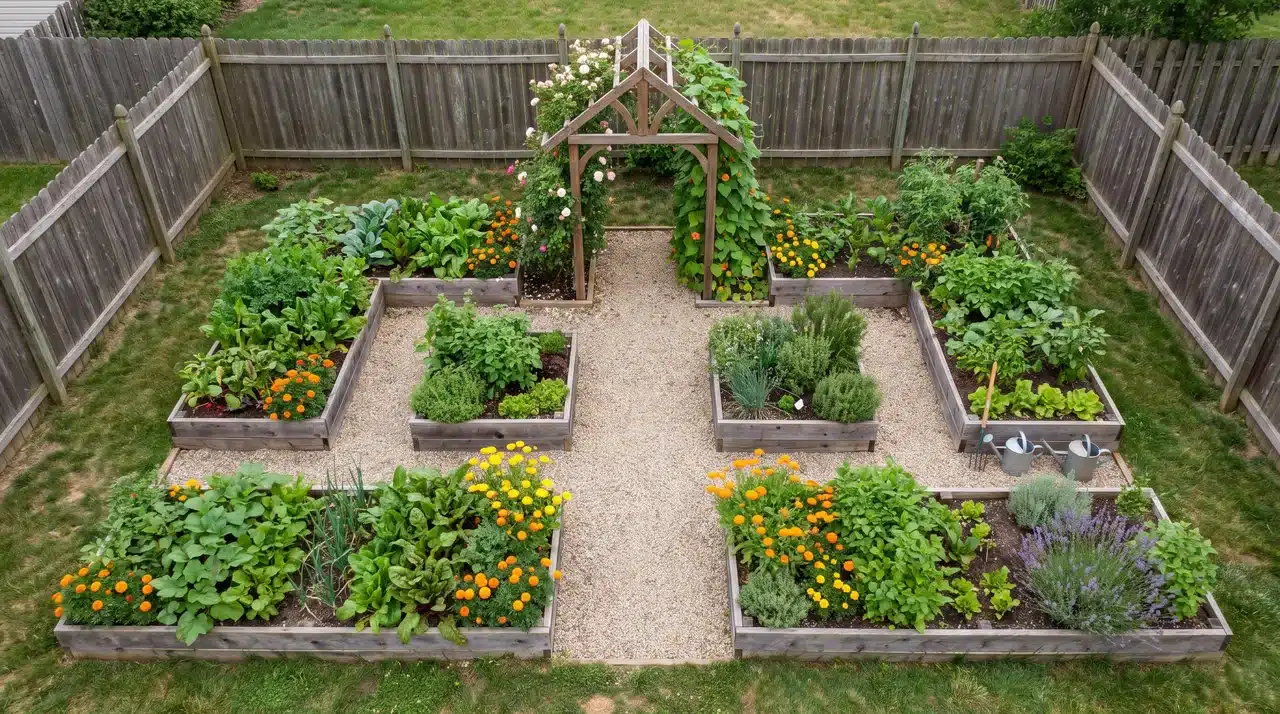
A productive garden should give you fresh food without making your yard feel crowded or unfinished. Planning a potager garden can become confusing once beds, paths, crops, flowers, and decorative features all compete for limited space.
I know how easy it is to focus on appearance and overlook sunlight, access, spacing, or watering. A strong plan needs to support daily care as well as seasonal harvests.
Here, you can learn what defines this garden style, compare practical layouts, select suitable plants, and arrange each area step by step. You can also spot common planning mistakes before building. With these details, you can create an organized growing space that feels useful, personal, and manageable.
Understanding Potager Garden
A potager garden is a decorative kitchen garden inspired by traditional French growing spaces. What makes it different from a regular vegetable garden is the way edible plants become part of the landscape rather than being placed in simple rows.
I like to think of a potager as a garden designed for both harvesting and enjoying. Vegetables, culinary herbs, edible flowers, and fruit plants share space with defined borders, pathways, and focal features that give the garden a finished look. Thoughtful mixed edible planting can also help compatible crops share each bed effectively.
A potager does not need to be perfectly symmetrical or look like a formal French estate. I’ve seen beautiful versions that use relaxed planting, rustic materials, or simple raised beds while still keeping the same balance between beauty and function.
How to Plan a Potager Garden Design
Before I choose a layout, I always look at how the space naturally behaves. Your potager should work with your yard’s sunlight, shape, and conditions rather than forcing a design that does not belong there.
- Study Growing Conditions: Watch how sunlight moves through the space, check water access, and understand the soil before placing beds.
- Observe the Area: Walk through the space at different times. A spot that looks suitable in the morning may become shaded later.
- Measure and Mark: Note permanent features such as fences, trees, gates, slopes, and structures. Reviewing several vegetable layout options can help determine if a formal grid, circular plan, or raised-bed design suits these conditions.
- Avoid Copying Layouts: A design that works in another yard may create cramped paths, shaded beds, or difficult maintenance in your space.
- Plan Around Your Goals: Dedicate more room to productive beds if food is the priority. Add flowers, seating, and decorative features if you want a relaxing garden area.
Popular Potager Garden Layout Ideas
Potager layouts can be highly structured or completely relaxed. The best choice depends on your yard, gardening style, and how much time you want to spend maintaining the space.
I’ve noticed that many gardeners focus on how a layout looks first, but the most successful gardens are the ones that fit the way you actually use them.
1. Traditional Four-Square Potager Layout
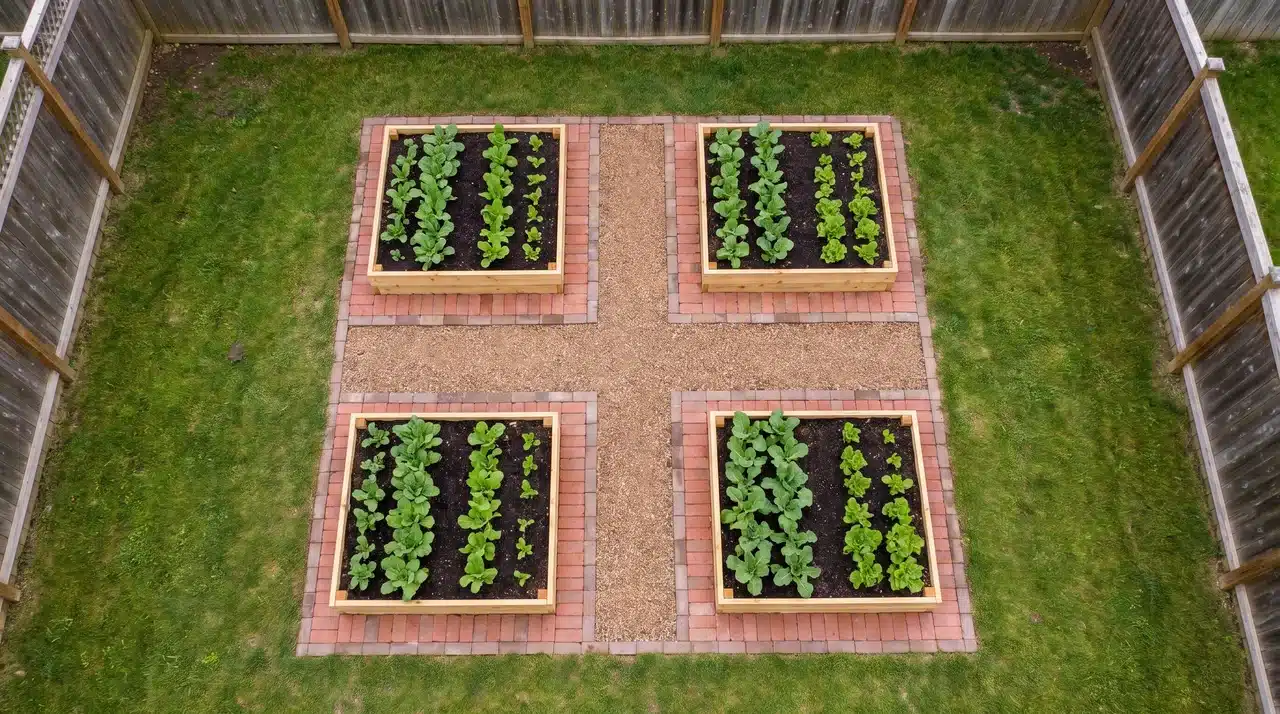
The four-square layout divides the garden into four equal sections separated by pathways. It is one of the easiest designs to start with because the beds are simple to organize and maintain.
Each section can have its own purpose, such as vegetables, herbs, flowers, or seasonal crops. A central pathway or focal point can connect the areas and create a balanced appearance.
I often recommend this style for beginners because it gives structure without making the garden feel complicated. Raised beds, brick edging, or low herb borders can make each section feel more defined.
2. Symmetrical French Kitchen Garden Layout
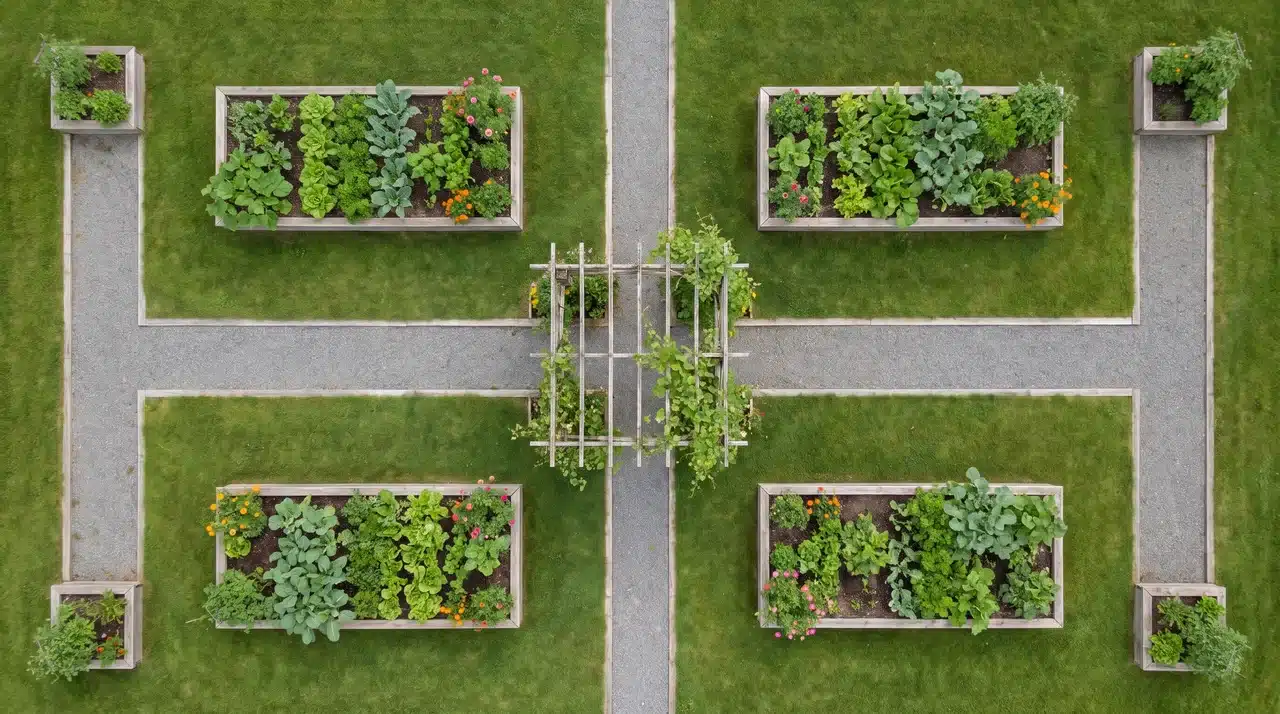
A symmetrical French potager uses repeated shapes, straight pathways, and balanced planting areas. Traditional versions often place matching beds around a central feature such as an arbor, fountain, or birdbath.
This style works beautifully when you have enough room to maintain the spacing between sections. I’ve found that smaller yards can still borrow this idea by repeating materials, colors, or bed shapes without copying the entire formal layout.
Modern versions can feel much simpler. Matching raised beds, clean pathways, and repeated plant choices can create the same organized look in a suburban backyard.
3. Circular Potager Garden Design
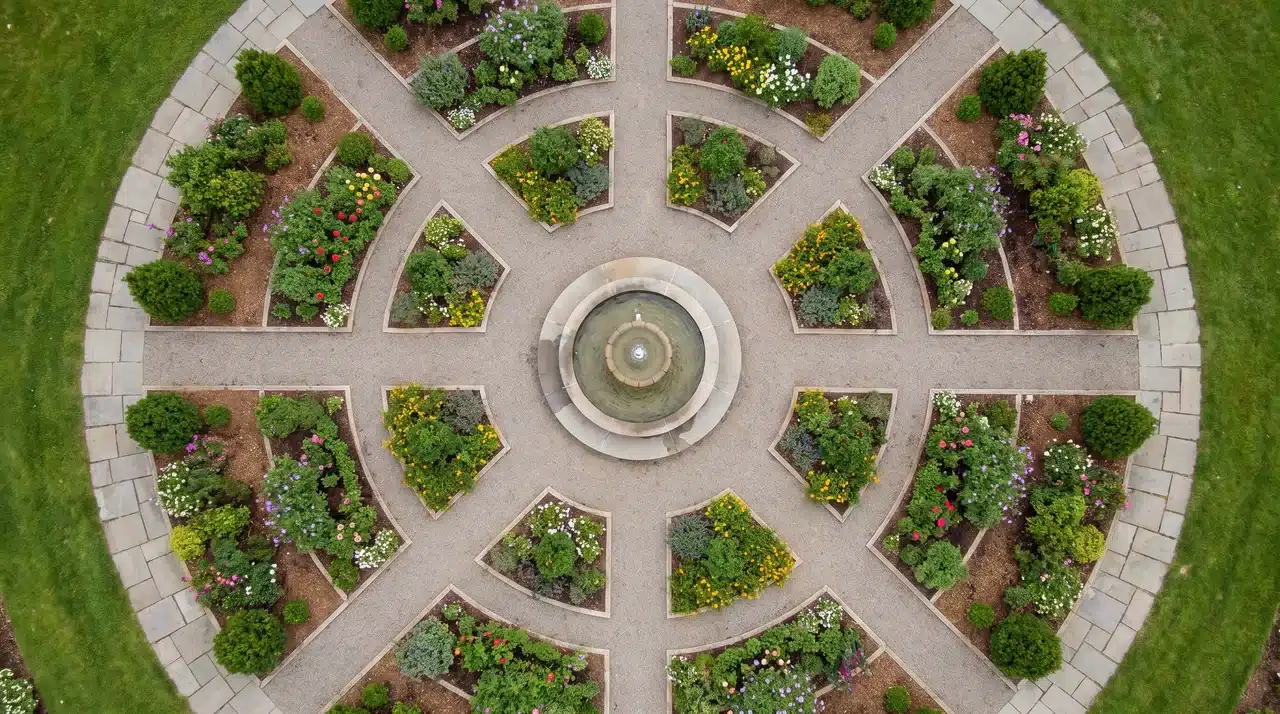
A circular potager uses curved beds or pathways arranged around a central point. The design naturally draws attention toward the middle and creates a softer flow through the garden.
This layout works best in open areas where the circular shape can be appreciated. A central tree, planter, or decorative feature can become the anchor for the entire space.
Keep the curves practical. I’ve seen designs that looked beautiful on paper but created narrow planting sections that were difficult to reach and maintain.
4. Small-Space and Raised-Bed Potager Layout
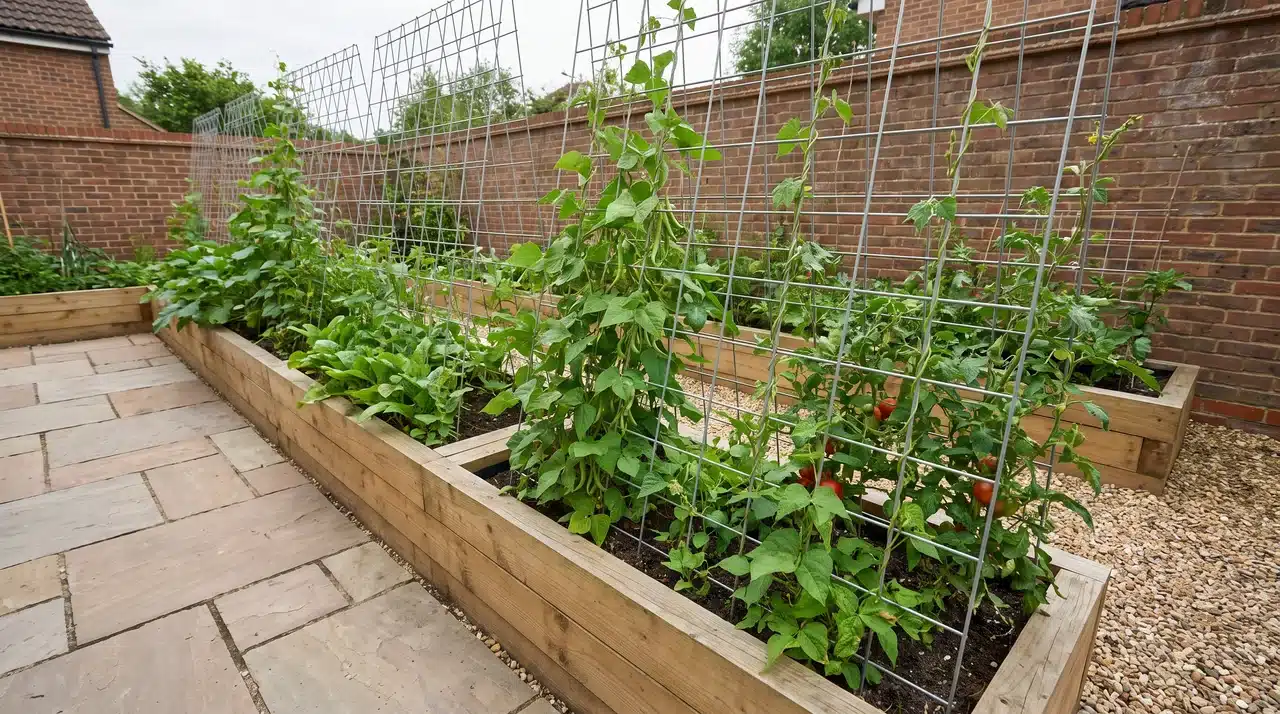
A small potager can provide the same practical and visual value as a larger garden. Raised beds, containers, and vertical supports create an orderly plan without requiring much ground space. Different raised bed formats can make awkward corners, patios, and narrow yards more productive.
For smaller yards, I prefer layouts that make every area useful. Narrow beds, simple pathways, and climbing crops can help you grow more without making the garden feel crowded.
This style works well for patios, side yards, and suburban homes where space is limited but a productive garden is still possible.
5. Cottage-Style Informal Potager Garden
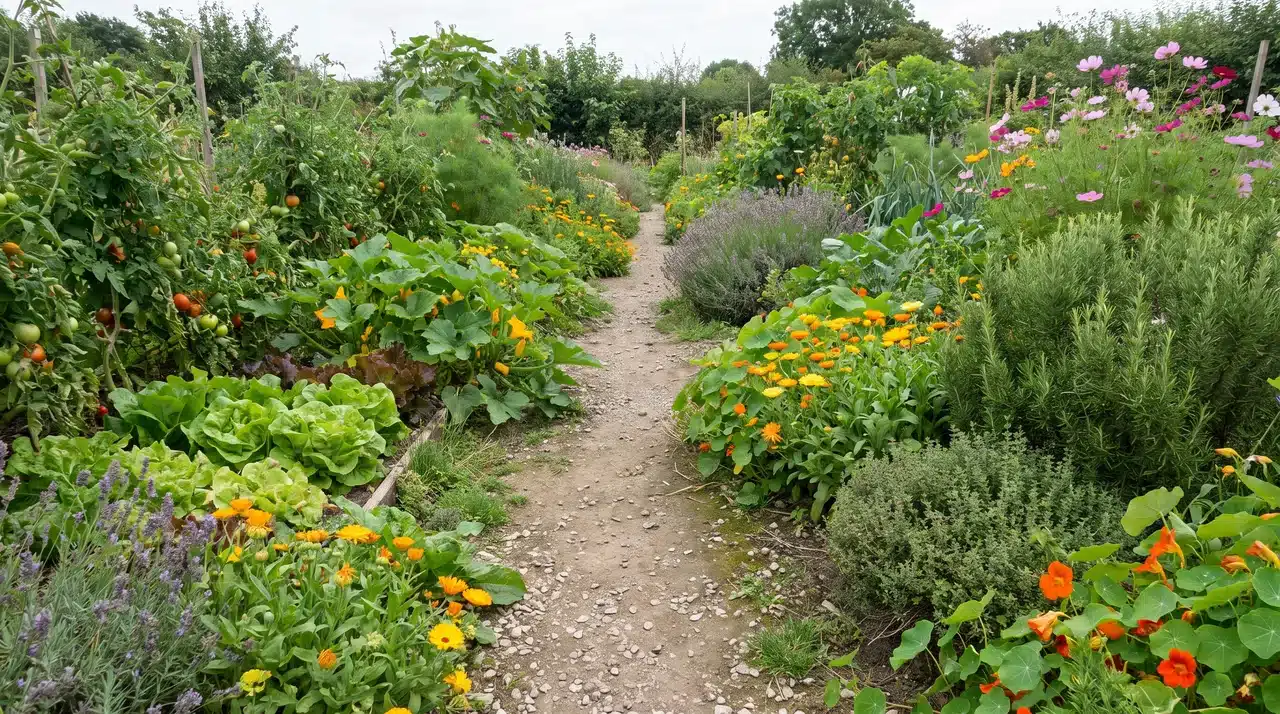
A cottage-style potager has a softer and more relaxed appearance. Instead of strict symmetry, it combines vegetables, herbs, flowers, and fruit plants in a natural arrangement.
Curved paths, rustic edging, and mixed planting create a garden that feels more casual and connected to the surrounding landscape.
The key is keeping some structure. Even informal gardens need clear paths and defined growing areas so they remain enjoyable rather than becoming difficult to manage.
How to Create a Potager Garden Step by Step
Creating a potager garden becomes easier when you build the structure first and add plants, supports, and decorative details in the right order.
Tools and Materials Needed
| Tools | Materials |
|---|---|
| Measuring tape or garden measuring tool | Compost or organic soil amendments |
| Garden stakes and string | Raised bed materials (wood, metal, brick, or stone) |
| Graph paper or garden planner | Path materials such as gravel, mulch, or stepping stones |
| Spade or garden fork | Plant supports such as trellises, cages, or arches |
| Rake | Seeds or seedlings |
| Hand trowel | Mulch |
| Pruning shears | Irrigation supplies such as drip lines or soaker hoses |
| Watering can or hose | |
| Wheelbarrow |
Creating a potager garden becomes easier when each stage follows the one before it. Build the structure first, then add plants and decorative details.
Step 1: Measure the Space and Plan the Layout
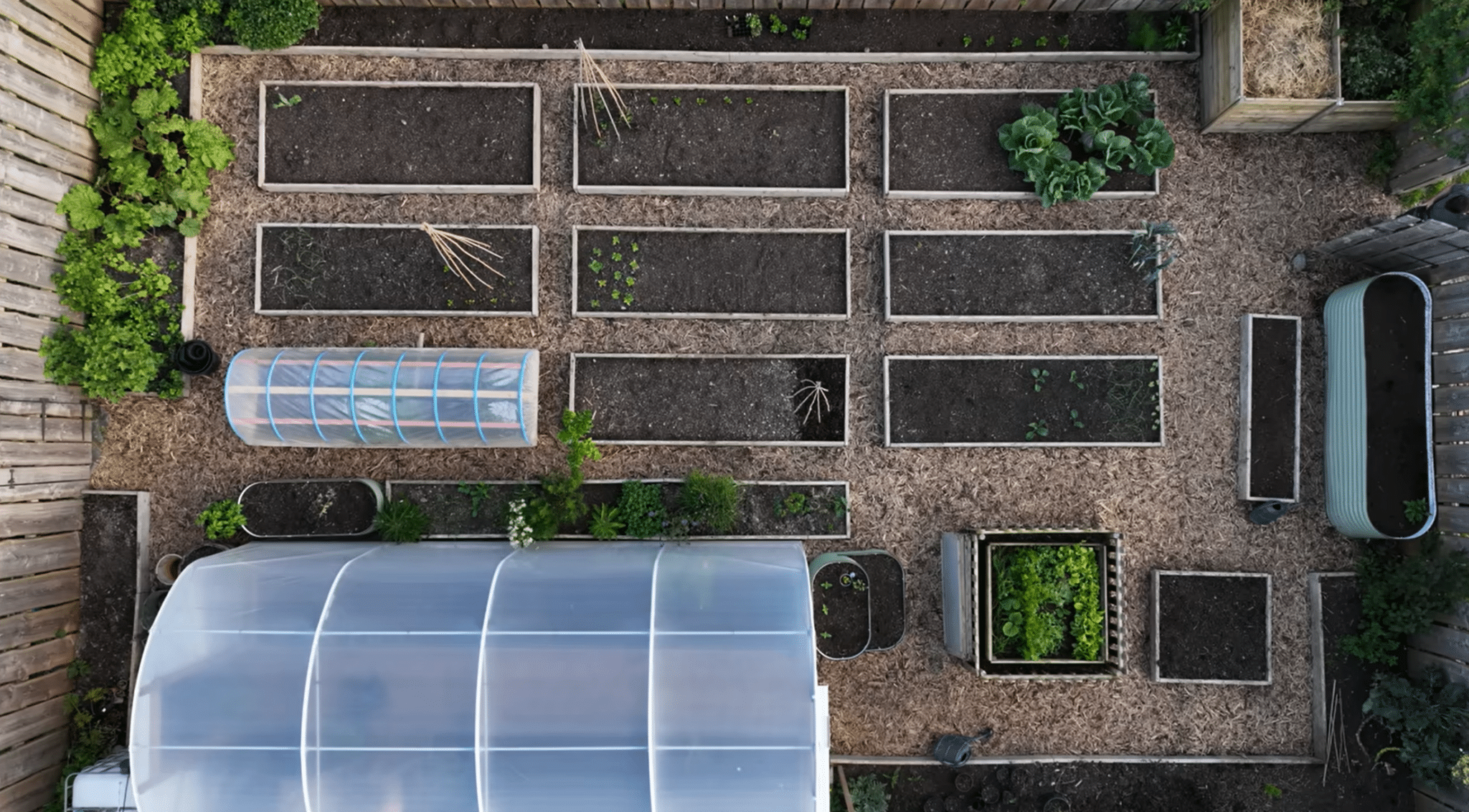
Measure the garden area and mark fixed features such as fences, gates, trees, slopes, water sources, and existing structures. Sketch the layout on graph paper to plan beds and pathways.
Consider how you will move through the garden before building anything. The layout should provide easy access to every section without wasting space or creating difficult walking routes.
Step 2: Divide the Garden Into Growing Areas
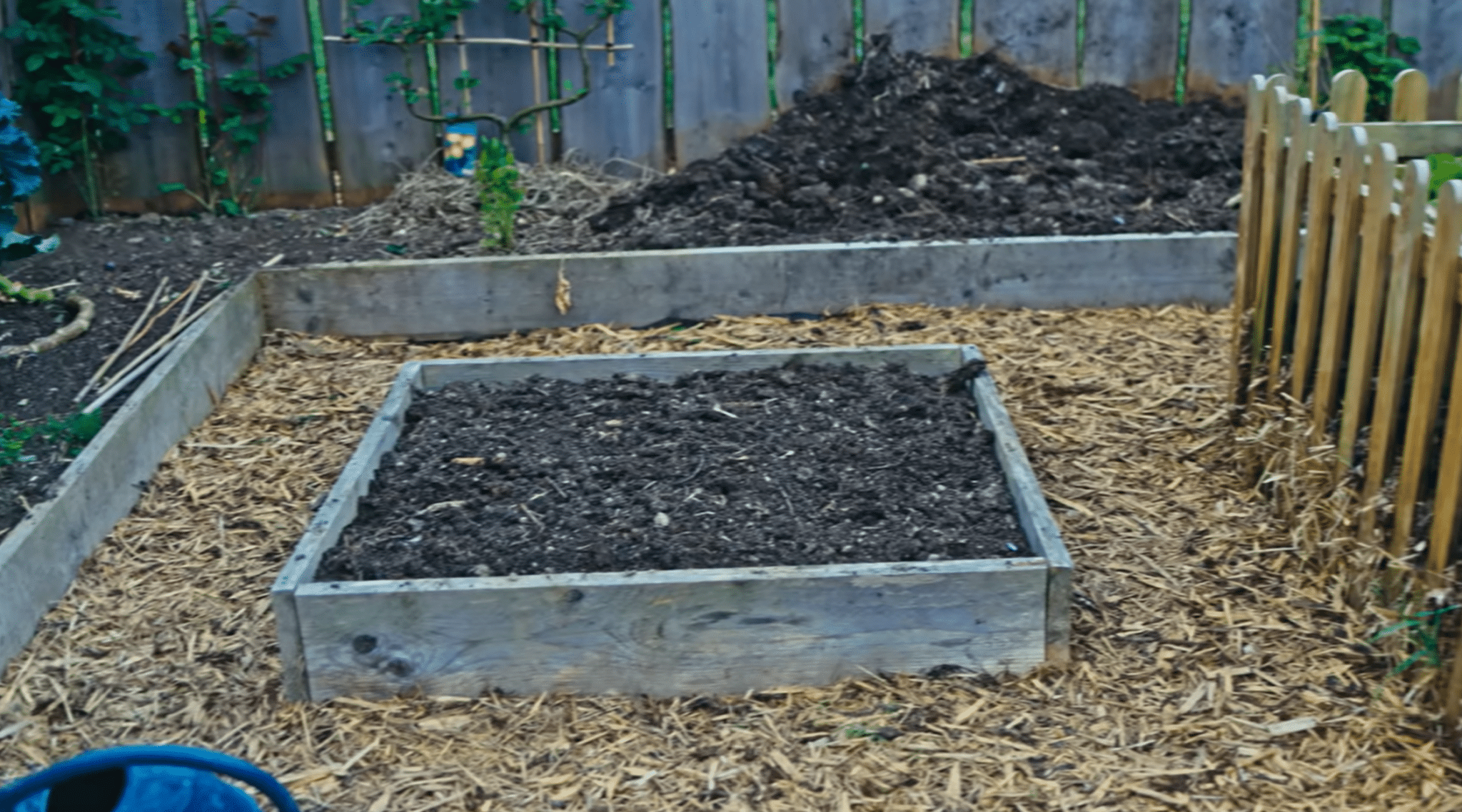
Create clear planting sections using raised beds, in-ground beds, or defined borders. Keep each area practical for growing vegetables, herbs, flowers, and perennial crops.
Avoid making too many small sections that are difficult to maintain. A good layout balances productive growing space with comfortable paths for watering, harvesting, and care.
Step 3: Prepare the Soil and Build the Beds
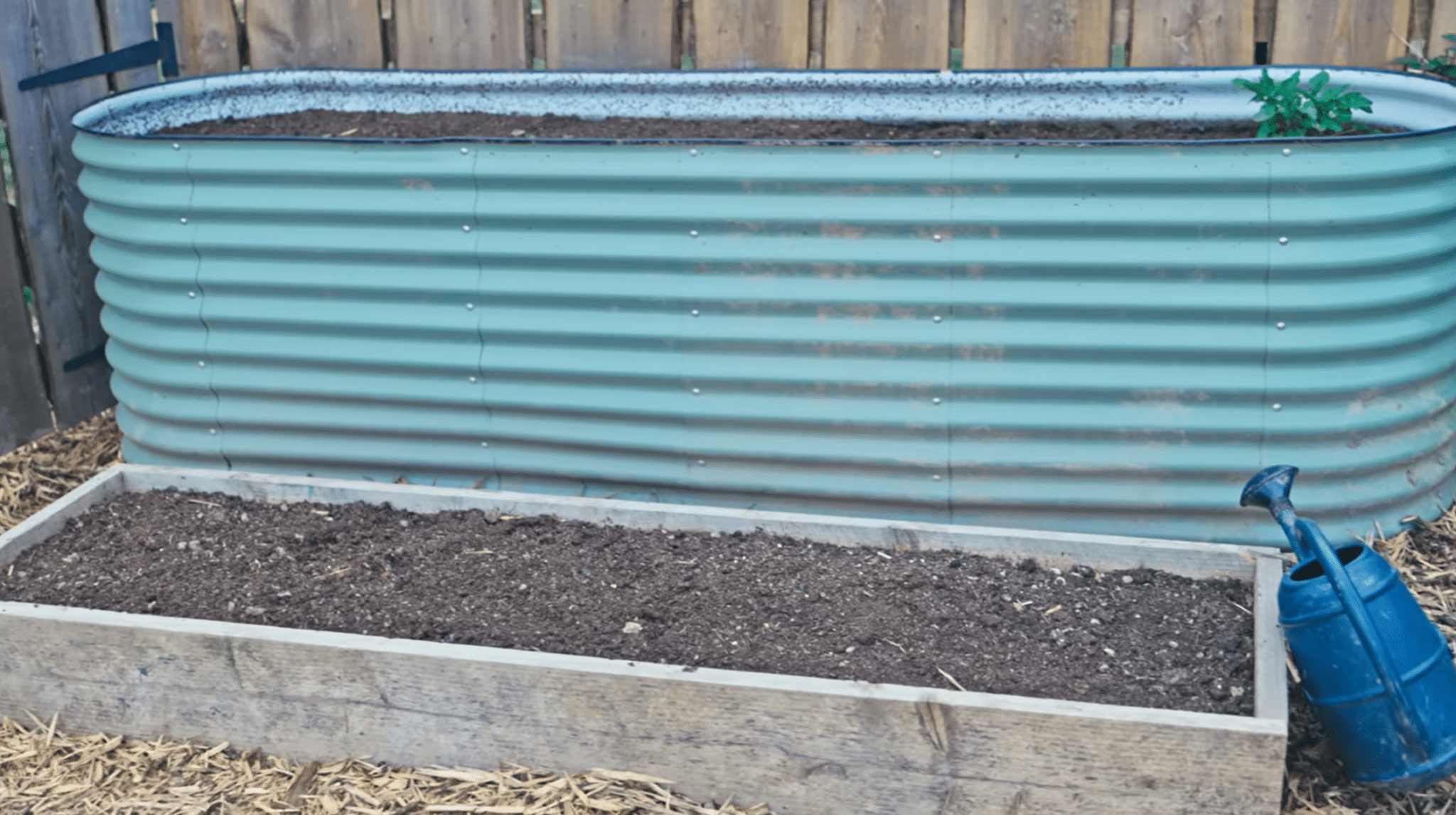
Remove weeds, loosen compacted soil, and add compost or organic matter before planting. Healthy soil helps plants develop strong roots and supports better harvests.
If using raised beds, choose materials that suit your style and budget. Keep beds narrow enough to reach the center without stepping onto the soil.
Step 4: Install Paths and Vertical Supports
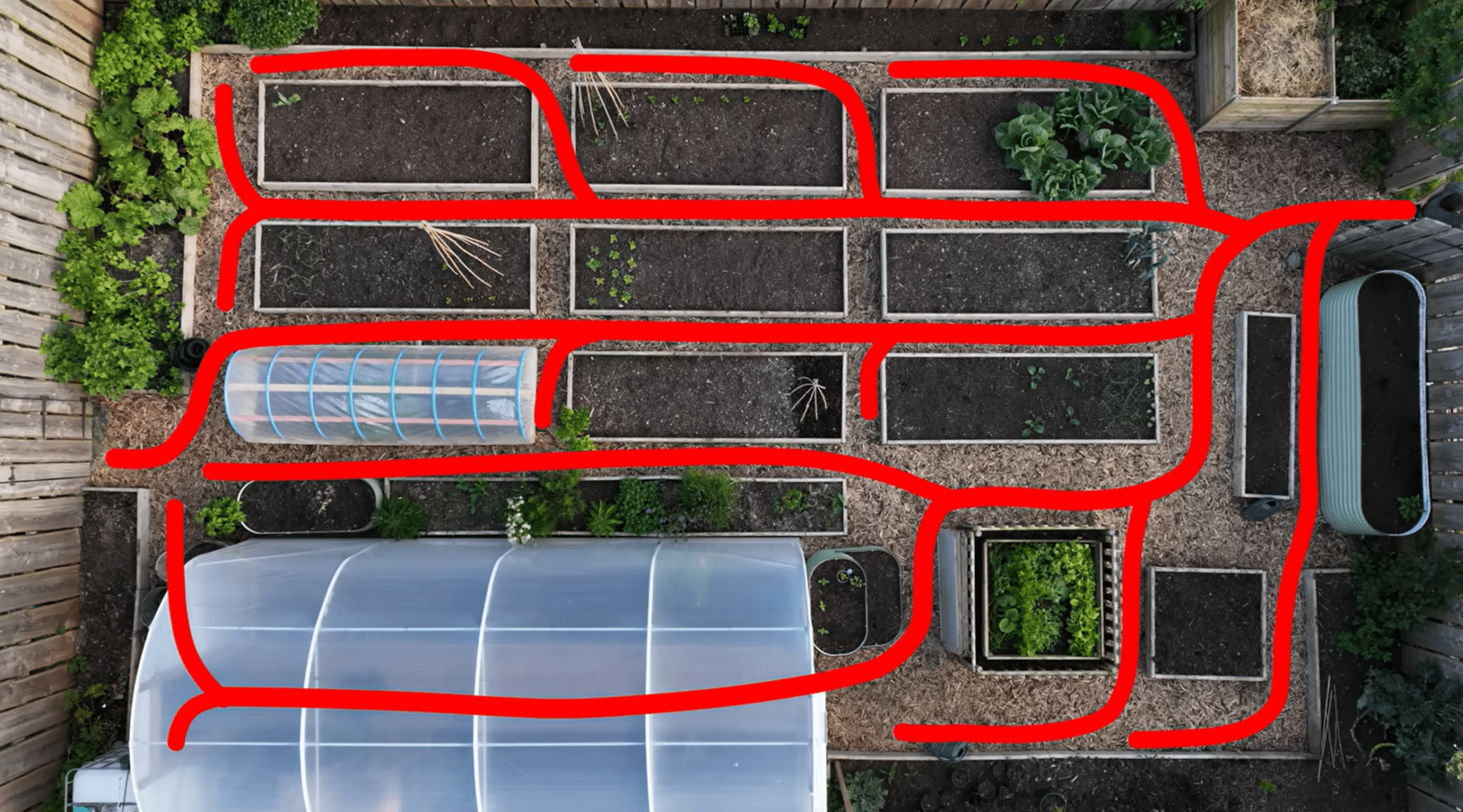
Add pathways before planting to create easy movement between beds. Use materials such as gravel, mulch, brick, or stepping stones based on your preferred style and maintenance needs.
Install trellises, arches, tomato cages, and other supports early. Place tall structures carefully so climbing crops grow upward without blocking sunlight from smaller plants.
Step 5: Arrange Plants Based on Use and Growth
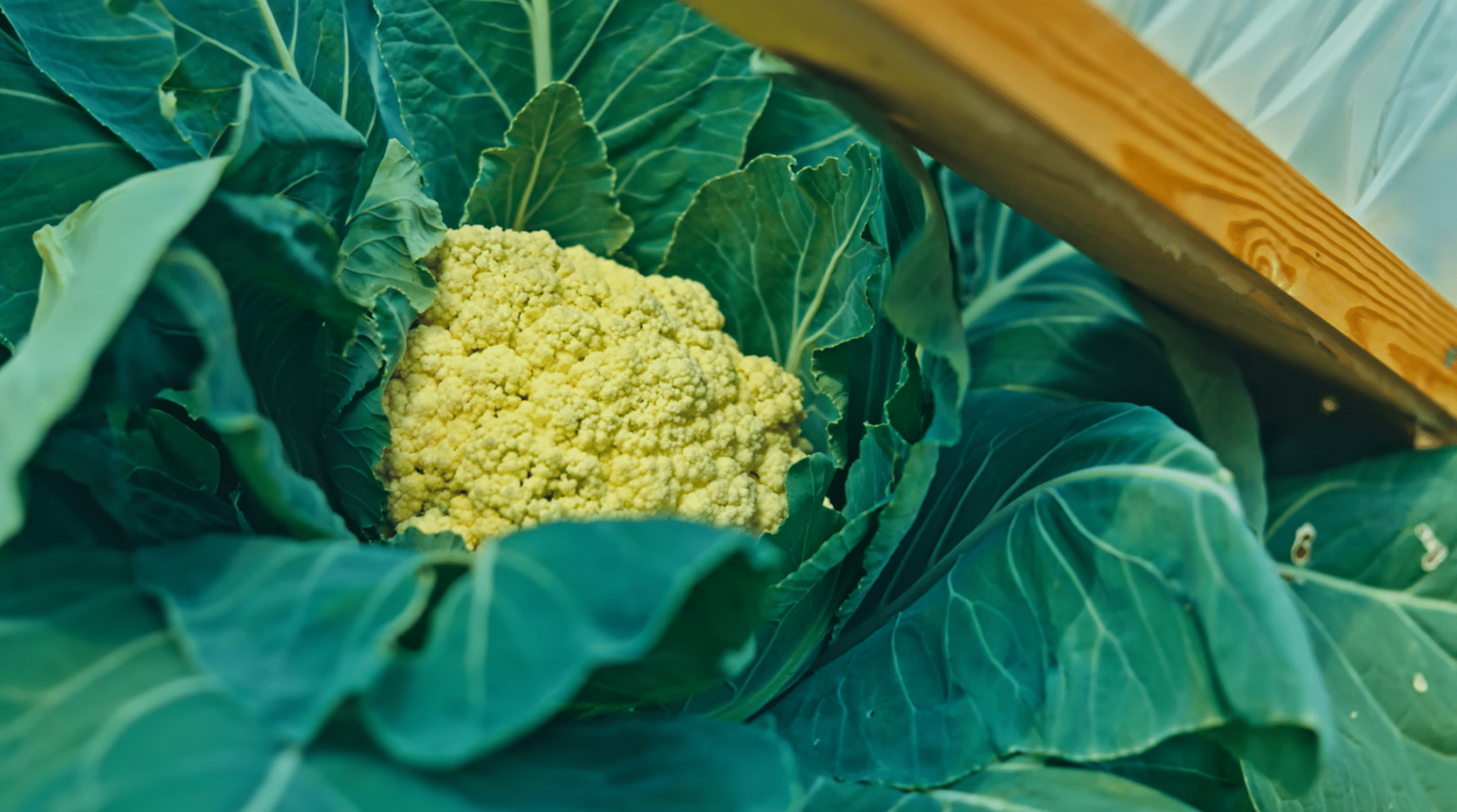
Group plants according to their sunlight, water, and spacing needs. Place taller crops where they will not shade shorter plants and keep frequently used crops easy to reach.
Mix vegetables, herbs, flowers, and fruits to create color, texture, and seasonal interest. Choose plants you enjoy eating so the garden stays useful as well as attractive.
Step 6: Add Decorative Features and Adjust Over Time
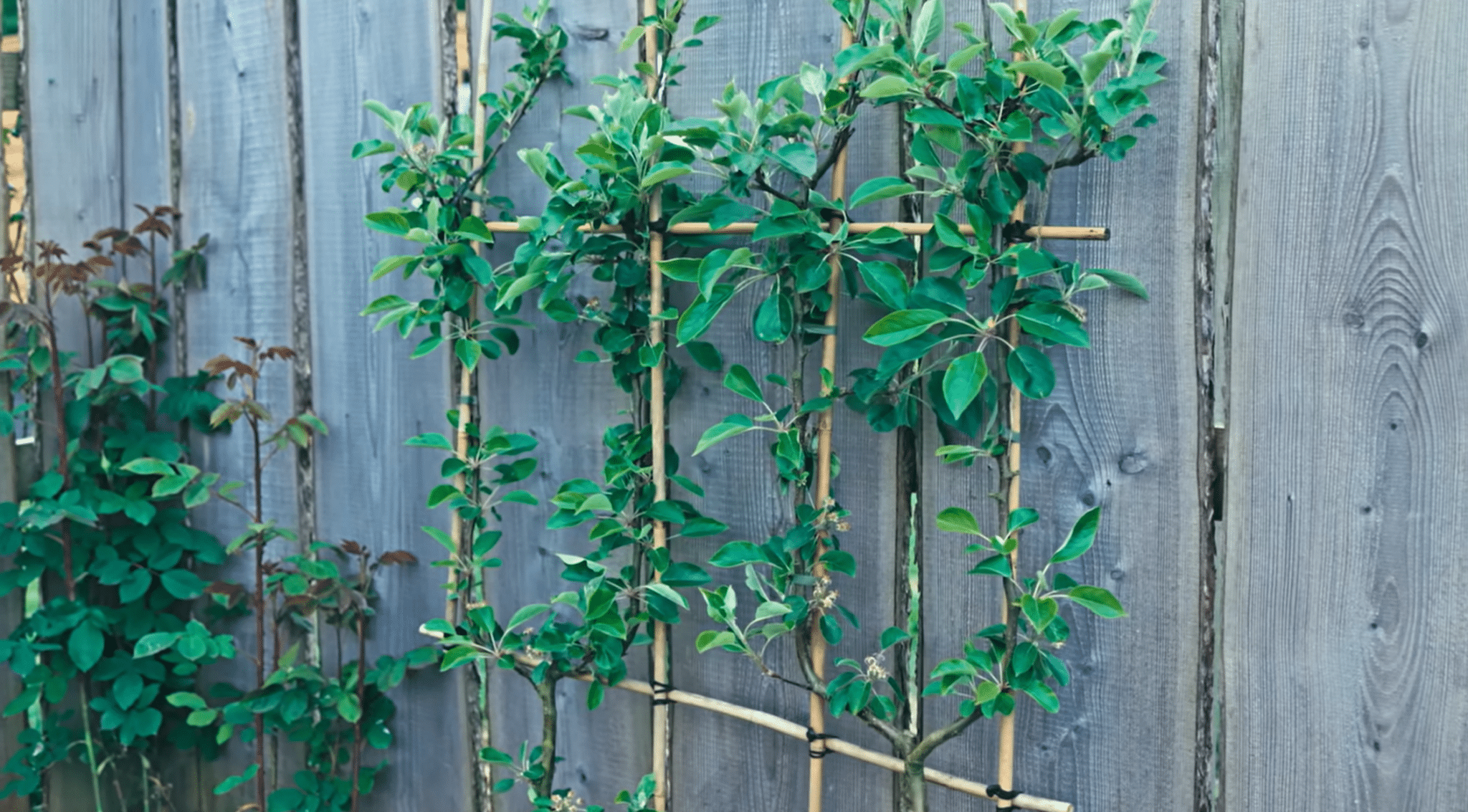
Add finishing touches such as birdbaths, arbors, seating areas, or decorative containers to give the garden personality. Choose features that improve the space without reducing growing areas.
Allow the garden to change with each season. Adjust plant choices, layouts, and features based on what grows well and how you use the space.
You can watch the full garden planning and transformation process here:
Best Plants for a Potager Garden
Choosing plants for a potager is not only about getting a good harvest. The best combinations also add color, texture, and seasonal interest to the space.
I’ve found that gardeners often choose plants based on how they look at planting time, then forget to think about what they will actually enjoy growing and eating later. A beautiful garden is much easier to maintain when the plants have a purpose.
| Plant Category | Examples | Why They Work in a Potager |
|---|---|---|
| Leafy Vegetables | Kale, lettuce, Swiss chard, cabbage | Add colorful foliage and texture |
| Fruiting Vegetables | Tomatoes, peppers, eggplants, beans | Provide harvests and visual interest |
| Herbs | Basil, thyme, sage, parsley, chives | Create fragrant borders and easy access |
| Root Crops | Beets, carrots, radishes | Fit well into smaller sections |
| Climbing Crops | Peas, cucumbers, pole beans | Add height using vertical space |
| Edible Flowers | Nasturtiums, calendula, alyssum | Add color and attract pollinators |
| Fruit Plants | Strawberries, dwarf fruit trees, berries | Add structure and seasonal appeal |
When I plan a mixed garden, I like to combine plants with different heights and harvest times. This keeps the space interesting while helping you get something useful from different areas throughout the growing season.
Choose plants based on your local climate, sunlight, soil, and how much care you want to provide. A potager should not just fill space. It should grow things you enjoy seeing, harvesting, and using.
Most Common Potager Garden Design Mistakes
Most potager garden problems start with layout decisions, not plant choices. Even the most attractive plants will struggle if the garden has poor sunlight, difficult access, or inconvenient watering.
I’ve seen gardeners spend a lot of time picking beautiful crops and flowers, then rush the actual design. The structure matters because every planting decision depends on it.
Common mistakes include:
- Ignoring sunlight direction: Beds or tall structures may block valuable light.
- Making paths too narrow: Plants can quickly reduce walking and harvesting space.
- Creating oversized beds: Wide beds become difficult to reach without stepping on soil.
- Mixing plants with different needs: Crops may struggle when water, light, or space needs do not match.
- Choosing large focal features: Big trees or structures can reduce growing space and create shade.
- Overcrowding beds: Dense planting can limit airflow and make harvesting harder.
- Ignoring water access: Distant water sources make regular care frustrating.
- Planning for only one season: Empty spaces after harvest can affect the garden’s appearance.
Small gardens are less forgiving because every section matters more. One poorly placed bed or blocked pathway can affect a large part of the space.
Before building, I recommend walking through the planned layout from different angles. A few changes on paper are much easier than moving finished beds later.
Conclusion
A successful edible garden depends on structure, useful plants, and easy access rather than size or perfect symmetry. A potager garden brings those details together, allowing you to grow food while keeping the space organized and pleasant to use.
I recommend starting with sunlight, soil, water access, and accurate measurements. Choose a layout that fits your yard, keep paths comfortable, and place taller crops where they cannot shade smaller plants. Raised beds, supports, herbs, flowers, and seasonal crops can then be added with purpose.
Your plan can change as you learn which plants and features work best. Sketch your layout, test these ideas in your space, and share which design suits your garden best.
Frequently Asked Questions
What should i plant in a potager garden?
Choose vegetables, herbs, fruits, and flowers that add both harvest value and visual appeal. Match plants with your climate, sunlight, soil, and watering needs.
Can you create a potager garden in a small yard?
Yes, small yards can support potager gardens using compact beds, containers, and vertical supports. Focus on sunlight, access, and efficient use of space.
Does a potager garden need to be symmetrical?
No, symmetry is not required. Traditional designs use matching beds and paths, while modern potagers can use relaxed layouts with clear structure.
How is a potager garden different from a vegetable garden?
A vegetable garden focuses mainly on food production, while a potager combines vegetables, herbs, flowers, and fruit plants with decorative garden features.
How do you maintain a potager garden?
Maintain a potager by harvesting regularly, removing finished crops, trimming plants, refreshing paths, and replacing empty areas with seasonal plants throughout the growing season.