

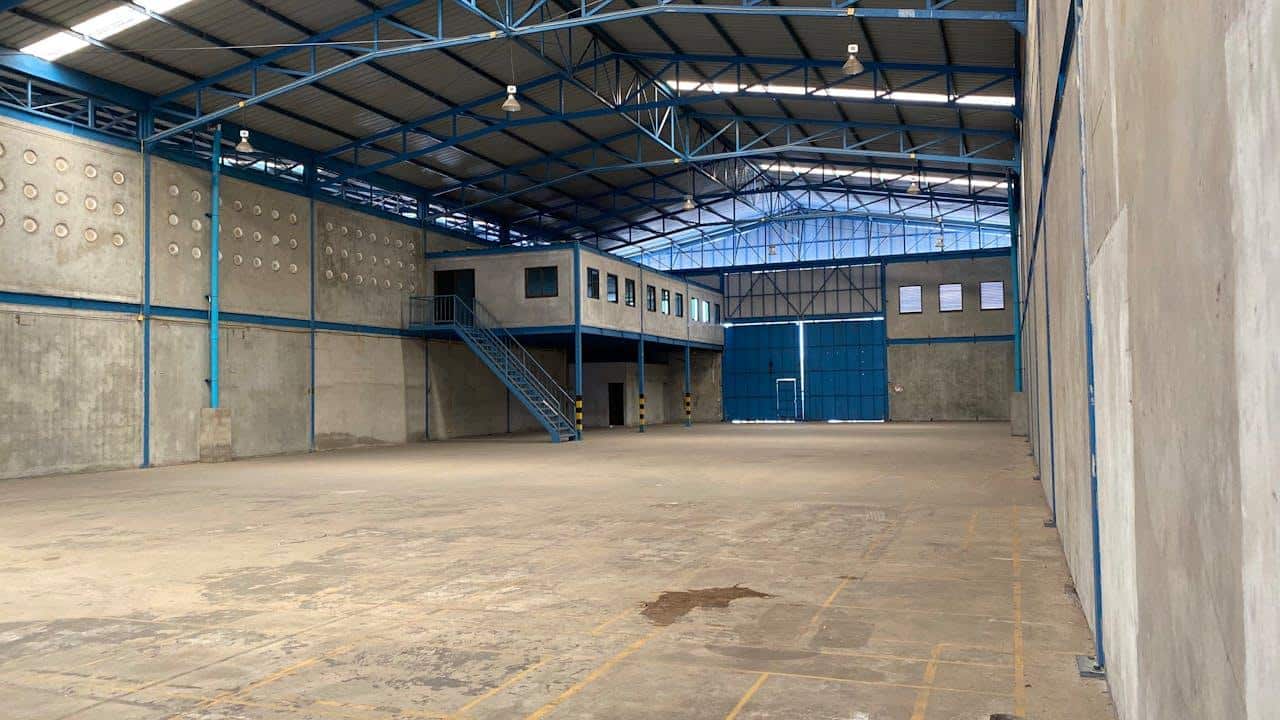
Steel buildings have quietly become one of the smartest ways to generate passive income on your property. Whether you own a few acres in a rural area or a decent-sized lot on the edge of town, a steel structure gives you a solid, low-maintenance asset you can put to work almost immediately.
People are looking for affordable storage, workspace, and rental options everywhere, and a steel building can meet all three needs at once. If you have land and some startup capital, this is worth a serious look.
1. Why Steel Makes So Much Sense for Income Properties
Steel is one of the most cost-effective materials you can build with when your goal is income generation. It goes up fast, holds up for decades, and requires very little upkeep compared to wood-frame buildings. You are not spending weekends painting, repairing rot, or dealing with pest damage. That means more of your rental income stays in your pocket.
Steel buildings can also be customized to fit whatever income model you have in mind. Wide open interiors with no load-bearing columns in the middle give you flexibility to divide the space however you want. You can add roll-up doors, insulation, windows, or climate control, depending on what your tenants need. Companies like Armstrong Steel Buildings have been helping property owners design structures built specifically for commercial and rental use, and their kits are designed so that you can expand later as demand grows.
Another reason steel works well for income properties is durability. A well-built steel structure can handle heavy snow loads, strong winds, and decades of daily use without major issues. That matters when you are renting to people who are storing valuable equipment or running a business out of your building.
2. Self-Storage Is Still a Reliable Cash Flow Model
Self-storage remains one of the most recession-resistant businesses out there. People need space to store things during moves, downsizing, business transitions, and life changes. Demand rarely disappears. A steel building lets you build a small storage facility without the cost of commercial construction.
You can start small with a single building divided into 10 to 20 units and grow from there. Unit sizes ranging from 5×10 to 10×30 cover most customer needs. Climate-controlled units command higher monthly rates and attract tenants who store electronics, documents, or furniture.
The overhead is low once you are up and running. Many small storage facilities use electronic gate access and online billing, so the owner does not need to be on-site daily. If you are looking for income with minimal ongoing time investment, self-storage checks a lot of boxes.
3. Renting Workshop Space to Tradespeople and Hobbyists
There is a growing demand for affordable workshop rentals among mechanics, woodworkers, welders, artists, and small-scale manufacturers. These people need a space that can handle noise, dust, and heavy equipment, which makes a steel building the ideal rental unit.
A single large bay rented to a small auto repair shop or fabrication business can bring in substantial monthly income. You can also divide a larger building into multiple smaller workshop units and rent each one to a different tenant. This spreads your income across multiple renters and reduces the impact if one moves out.
Workshop rentals tend to attract longer-term tenants than storage units because people set up their tools, equipment, and workflow in a space and rarely want to move again. That kind of tenant stability is good for your income.
4. Farm Equipment and Vehicle Storage as a Niche Rental
Farmers, boat owners, RV enthusiasts, and contractors all face the same problem. They have large equipment and no good place to keep it. A steel building with tall clearance and wide doors solves that problem for them, and you get paid for it.
Equipment storage is often rented on a monthly or seasonal basis, and rates are reasonable for covered space compared to outdoor parking. A single large building divided into parking bays can generate meaningful income from a relatively simple setup. You are not dealing with complex plumbing or HVAC systems. Just a solid structure with secure doors and good drainage around the site.
This model works especially well in agricultural areas or near lakes and marinas where large equipment ownership is common.
5. Mixed-Use Steel Buildings Maximize Income Per Square Foot
One of the most practical strategies is to combine two or three income models under one roof. A building might have a row of storage units along one wall, a leasable workshop bay in the middle, and a small office space at the front that a contractor or tradesperson can rent for their operations.
Mixed-use setups work well because they allow you to diversify your income without building multiple separate structures. You also attract different types of tenants who do not compete with each other, which tends to keep occupancy rates high. If one segment slows down, the other parts of your building keep producing income.
Here is what makes a mixed-use layout work effectively:
- Separate entrances for each zone keep different tenant types from disrupting each other and give each section its own sense of privacy and access.
- Varied door sizes and ceiling heights across zones mean storage users, workshop tenants, and office renters all get a space suited to their specific needs.
- Independent utility meters for each section allow you to bill tenants separately for electricity and water, which keeps your operating costs clean and fair.
- Flexible interior walls or partitions let you resize units over time as tenant demand shifts, without requiring major structural changes to the building.
- Shared outdoor parking and a common driveway reduce the amount of site work needed while still giving every tenant convenient access to their space.
Planning a mixed-use layout takes a bit more thought upfront, so working with an experienced supplier during the design phase helps you avoid common mistakes around door placement, ceiling height, and utility access.
6. Getting Started Without Overcomplicating It
Start with your local market. Drive around and see what is already available for rent in your area. If self-storage lots have waiting lists or workshop space is hard to find, that tells you something. Talk to a few potential tenants before you build anything.
Once you have a clear picture of what people actually need, choose a building size and layout that matches that demand. Steel building kits are available in a wide range of sizes, and most suppliers can help you plan a layout that fits your income goals and your budget. Keep your first project manageable, learn how the rental side of things works, and expand from there.
Steel buildings are one of the more accessible ways to create a real income-producing asset on land you already own. The startup cost is meaningful, and the long-term returns make it worth the investment.