

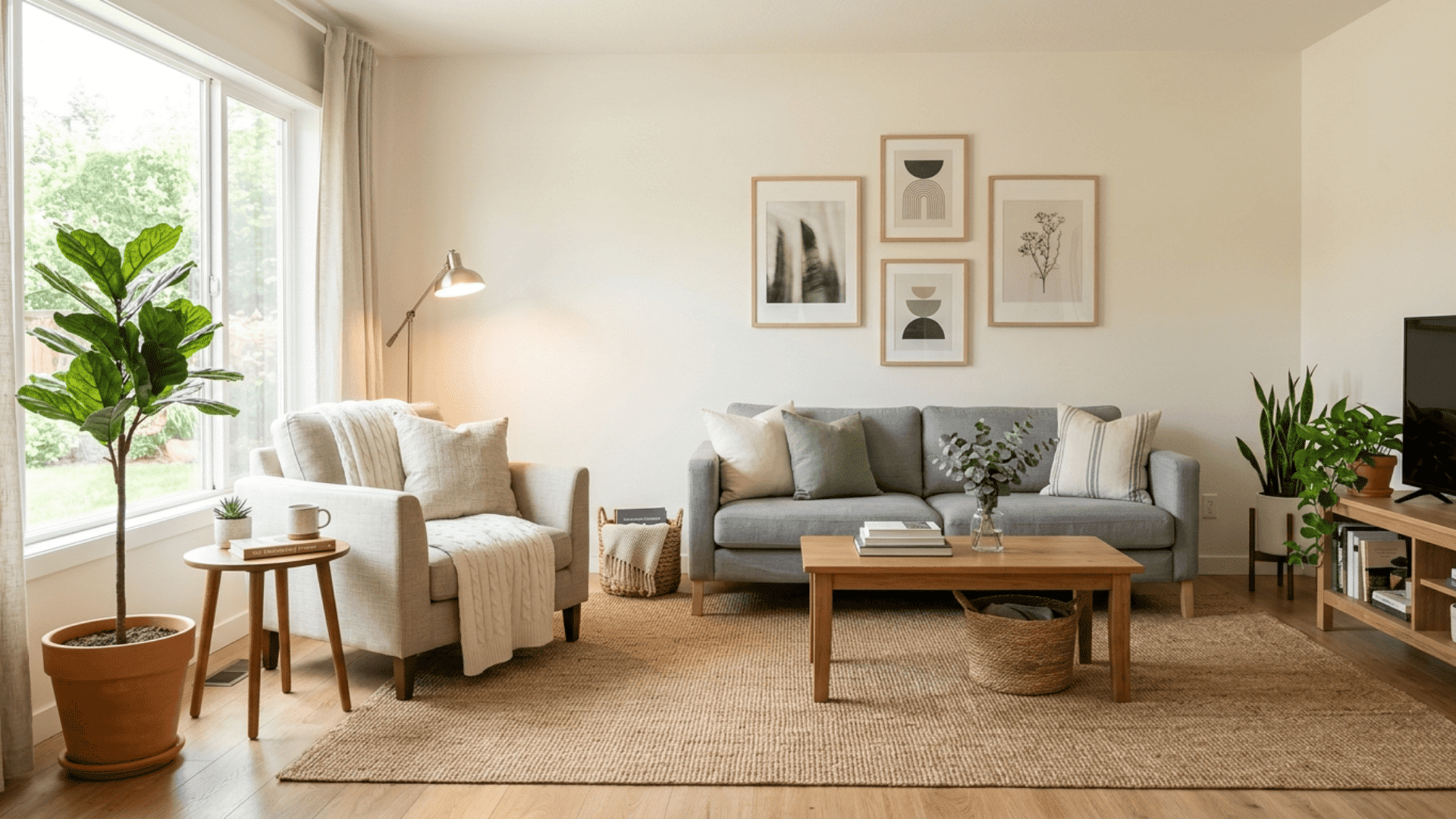
A beautiful home does not have to be expensive or complicated. Small, thoughtful changes can make a big difference; the right colors, cozy textures, or a few well-placed pieces can completely transform a room’s look and feel.
The HomeTrotters has put together some of the best home decor ideas to help make that process easier and more enjoyable.
This blog covers practical tips for every room in the house, including living spaces, bedrooms, kitchens, and more.
From budget-friendly DIY projects to simple styling tricks, color choices, furniture arrangement tips, and creative storage solutions, there is something here for every home and every taste.
No design experience needed. These ideas are straightforward, creative, and easy to apply, no matter the size, layout, or style of the space. Keep reading to find ideas that actually work in real homes.
Why The HomeTrotters Home Decor Ideas Work So Well
Most home decor advice feels out of reach, too expensive, too complicated, or just not realistic for everyday spaces. The HomeTrotters takes a different approach.
The ideas here focus on small, practical changes that fit real homes and real budgets. There is no pressure to buy expensive furniture or hire a professional. Simple swaps in color, texture, or layout can shift the entire feel of a room.
What makes these ideas stand out is their personal and flexible nature. They work across a range of home sizes, styles, and budgets. A rented apartment or a large family home, these tips apply either way.
People keep coming back to TheHomeTrotters because the advice is honest and easy to act on. No fluff, no complicated steps, just ideas that genuinely improve a living space.
Top Home Decor Ideas TheHomeTrotters style
These ideas bring warmth and ease into everyday spaces. Small changes can make a room feel more inviting and livable.
1. Create a Cozy Reading Nook
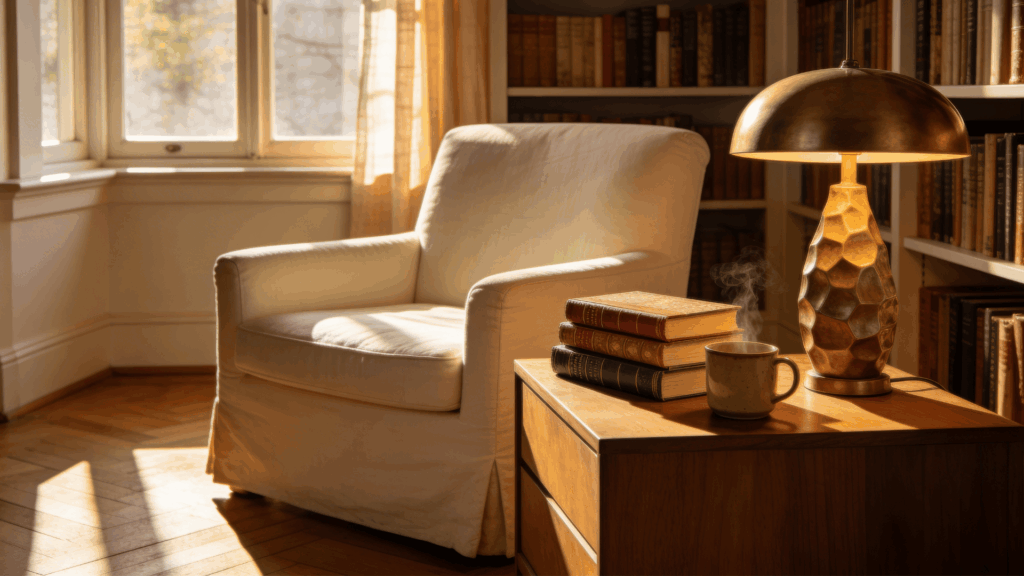
A reading nook turns any unused corner into a go-through spot for relaxing. Start with a comfortable chair or floor cushion, a small side table, and a sturdy bookshelf nearby.
Soft throw blankets and a few decorative pillows add layers of comfort. Good task lighting, like a floor lamp or wall-mounted light, keeps the area functional after dark.
Even a small closet or bay window can work well. The goal is a quiet, dedicated space for books and rest.
2. Add Indoor Plants for Fresh Vibes
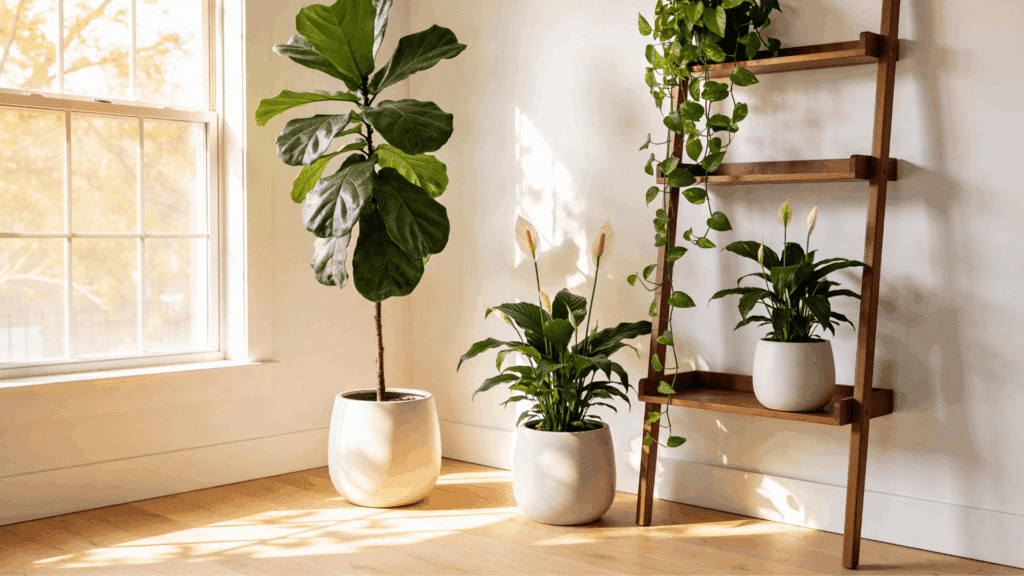
Indoor plants bring life and color into a room without major effort. Low-maintenance options like pothos, snake plants, and peace lilies work well in most light conditions.
A mix of plant sizes creates visual interest, tall floor plants anchor corners while smaller pots sit nicely on shelves or windowsills. Grouping three or more plants together makes a stronger visual statement.
Beyond looks, many houseplants help clean indoor air. Simple terracotta or ceramic pots keep the overall feel natural and grounded.
3. Use Statement Wall Art
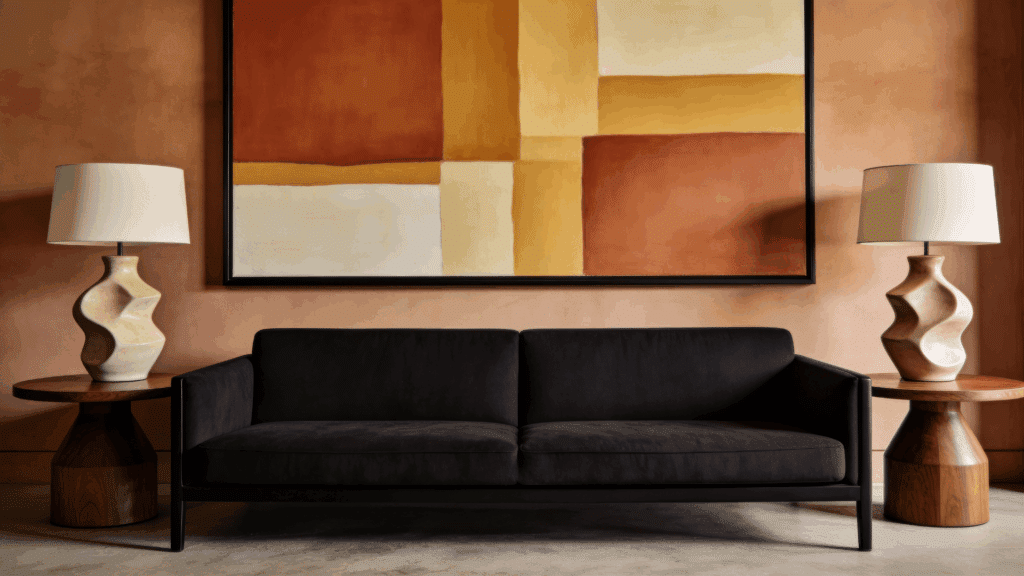
A single large piece of wall art can anchor an entire room. It draws the eye and sets the mood without requiring other major changes.
Choose art that fits the size of the wall, oversized prints work well above sofas or beds, while smaller pieces suit hallways and entryways.
Black frames create a clean, modern feel, while natural wood frames lean warmer. Art does not need to match furniture exactly. The right piece simply needs to feel intentional and connected to the room’s overall color palette.
4. Add a Pop of Color
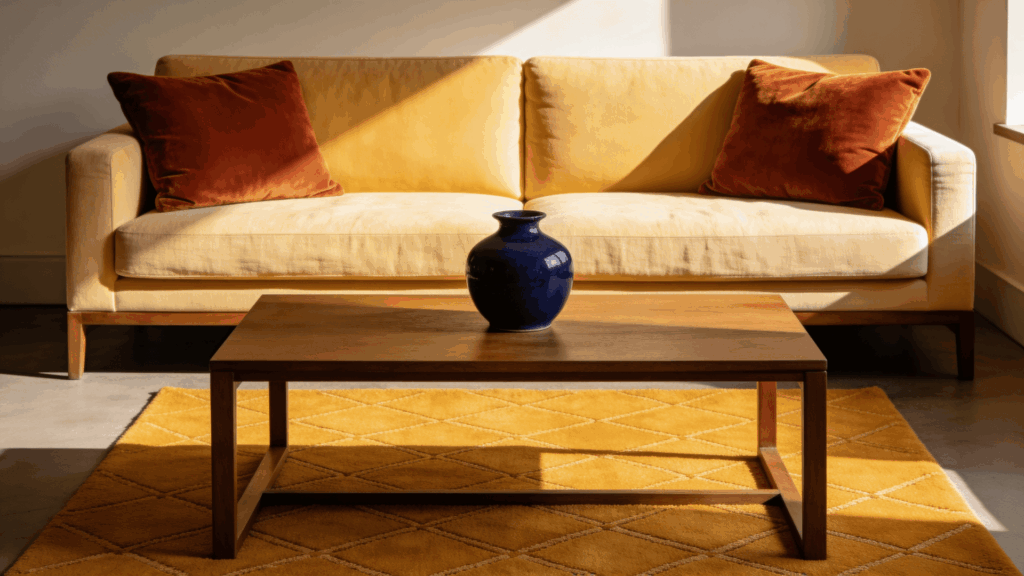
Color is one of the easiest ways to refresh a space. A bold throw pillow, a painted accent wall, or a colorful area rug can shift the entire mood of a room.
Deep shades like terracotta, navy, or forest green add richness, while brighter tones like mustard or coral bring energy.
Stick to one or two accent colors to avoid visual clutter. Small colorful objects like vases, candles, or books on a shelf also work well as low-commitment options for testing new tones.
5. Upgrade Lighting :Layered and Decorative
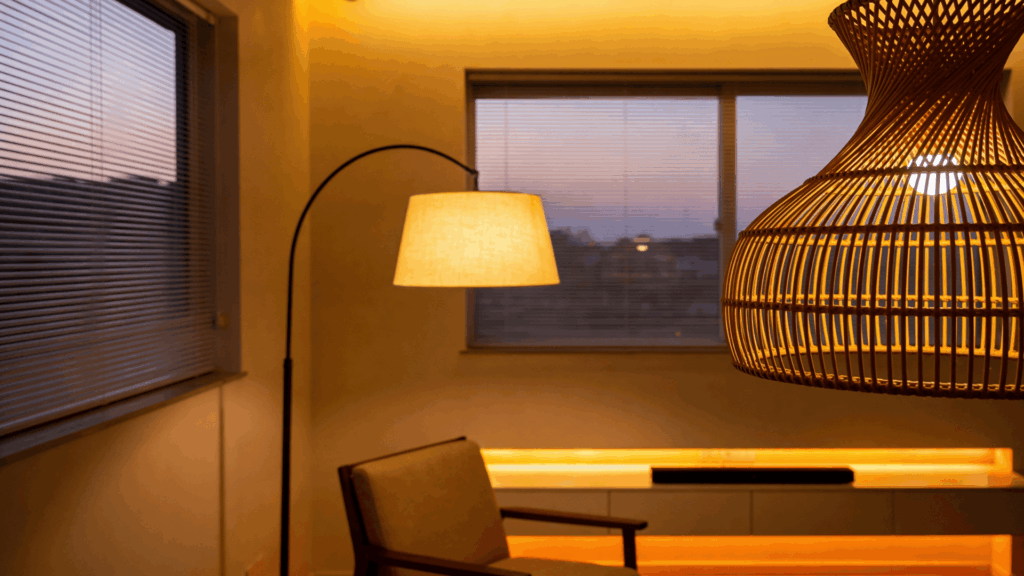
Good lighting goes beyond a single overhead fixture. Layered lighting combines three types, ambient, task, and accent, to make a room feel balanced and well-planned.
Ambient light provides general brightness, task lighting supports reading or cooking, and accent lighting highlights specific areas like shelving or artwork.
Decorative options such as rattan pendant lights, table lamps with warm bulbs, or LED strip lights behind furniture add personality.
Swapping a basic light fixture for a more textured or shaped option instantly changes how a room looks and feels.
6. Mix Textures for Depth
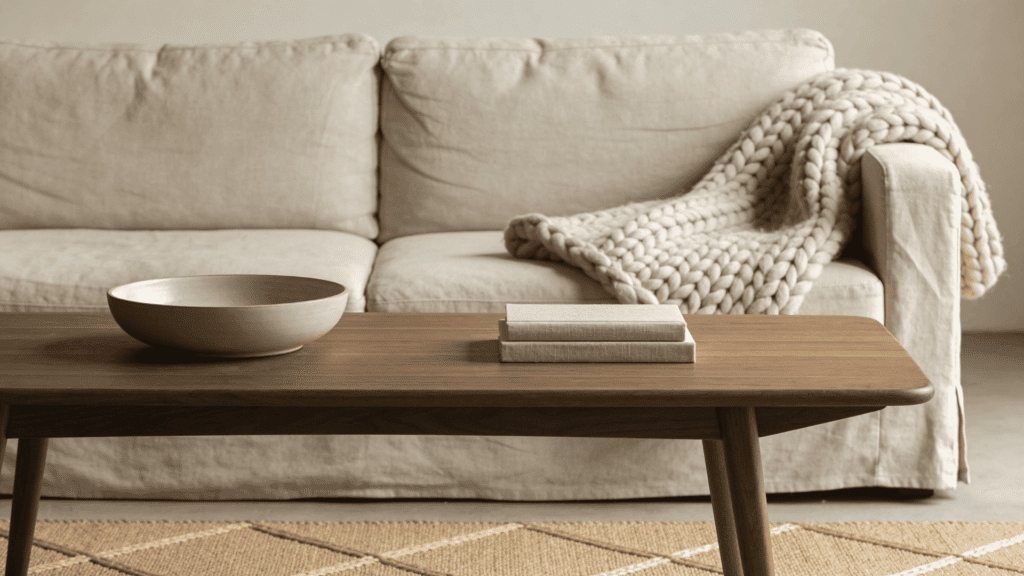
Texture adds visual and physical richness to a room. Combining different materials, like a linen sofa, a jute rug, a knit throw, and a wooden coffee table, creates depth without adding clutter.
Hard surfaces pair well with soft ones, and matte finishes balance out anything glossy. The key is variety without going overboard.
Aim for three to four different textures in one space. Texture works especially well in neutral-colored rooms where bold patterns are absent, giving the eye plenty of interesting detail to rest on.
7. Refresh Curtains or Blinds
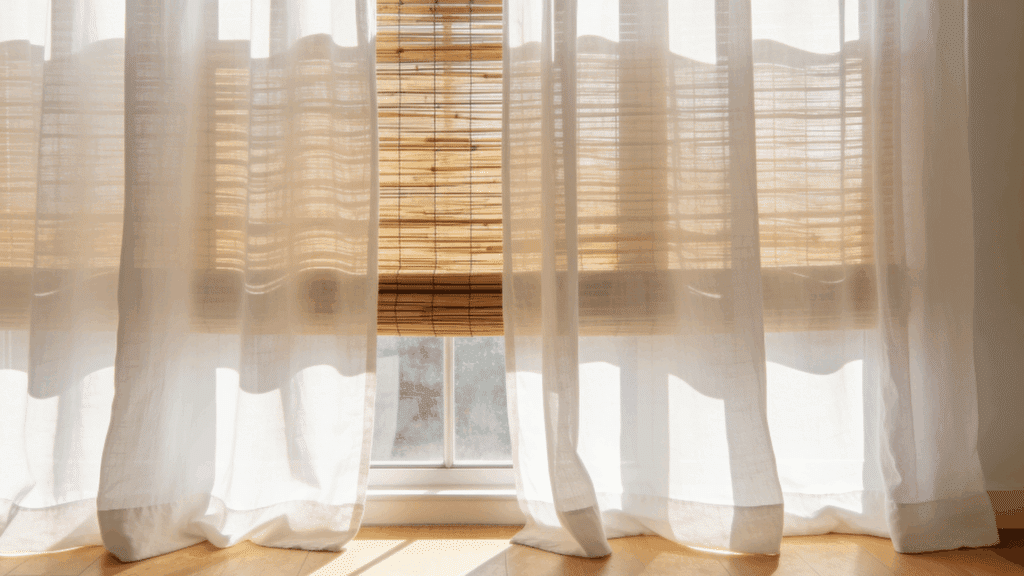
Curtains and blinds do more than block light, they shape the feel of an entire room. Heavy drapes in deep tones add warmth and a cocooned feeling, while sheer white panels keep things light and open.
Hanging curtain rods close to the ceiling and extending them wider than the window frame makes windows appear larger.
Bamboo or wood blinds bring in natural material texture. Even swapping out old curtains for a fresh fabric or updated color is a simple, low-cost way to change a room’s entire character.
8. Try Minimalist Styling
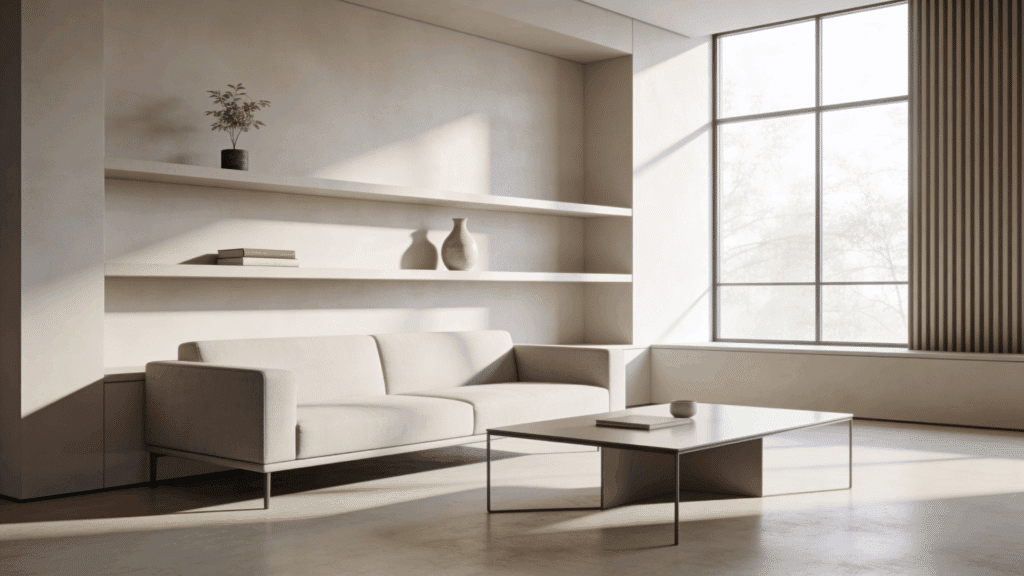
Minimalist styling removes the excess and keeps only what serves a purpose or brings genuine enjoyment. Start by clearing surfaces and putting away items that are rarely used.
Keep furniture simple, with clean lines and neutral tones. Limit decor on shelves to two or three well-chosen objects per section.
Open floor space and breathing room between furniture pieces make a room feel larger and calmer. Minimalism does not mean cold or bare, it means intentional. Every item visible in the room should earn its place.
9. Display Personal Photos and Keepsakes
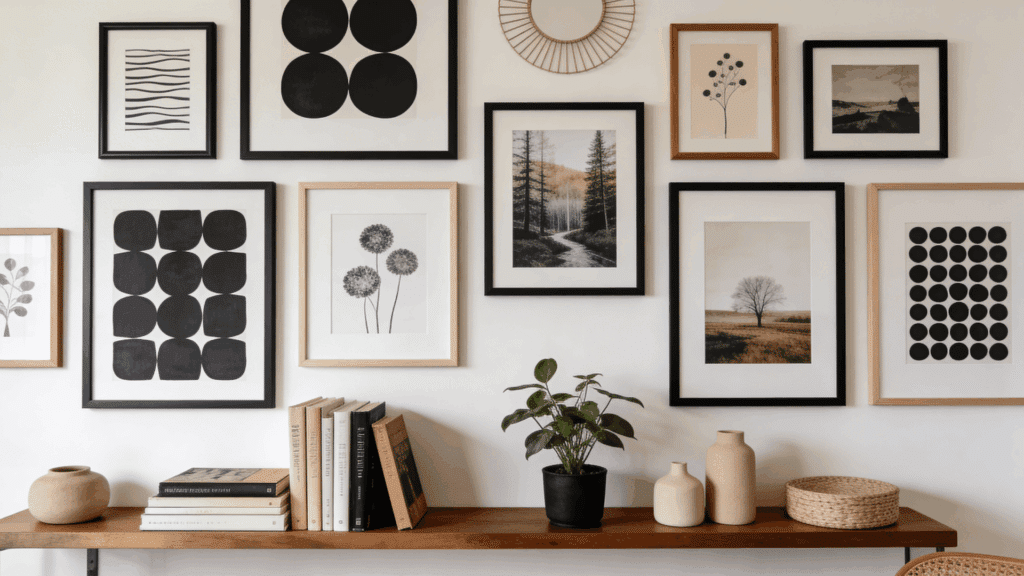
Framed photos and meaningful keepsakes make a space feel personal and lived-in. A gallery wall of family photos, travel images, or collected art prints tells a story without words.
Mix frame sizes and shapes for a relaxed, layered look. Keep a consistent frame color or finish, black, white, or natural wood, to hold the arrangement together visually.
Shelves also work well for displaying small sentimental objects alongside books or plants. These personal touches create warmth that no store-bought decor item can fully replace on its own.
10. Use Smart Storage Solutions
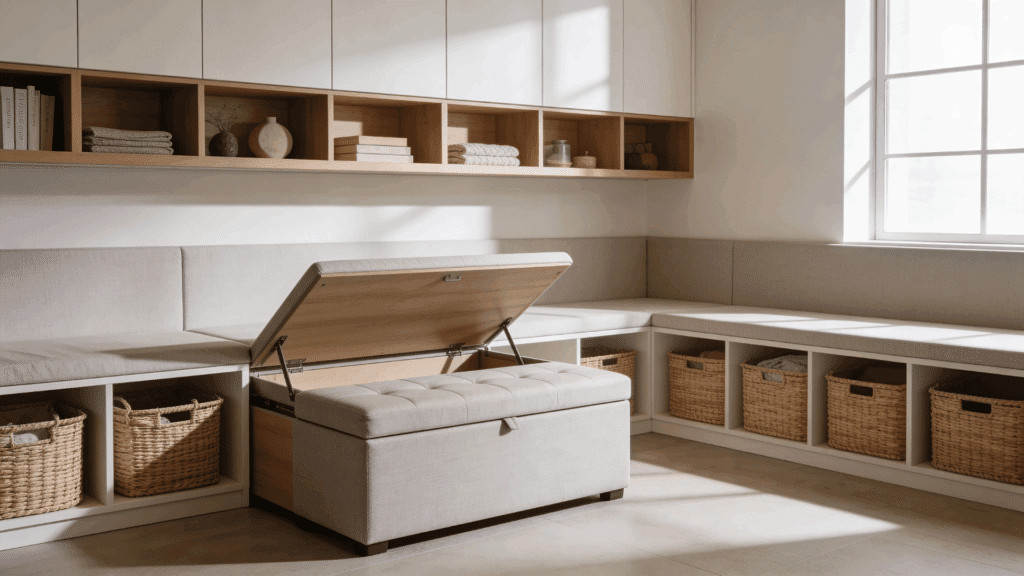
Good storage keeps a space looking neat without sacrificing style. Baskets made from rattan or woven fabric store blankets and toys while adding texture to a room.
Ottomans with hidden compartments double as seating and storage. Built-in shelving around a fireplace or TV unit makes use of otherwise dead wall space.
Under-bed storage works well for seasonal items. The goal is to give everything a home so surfaces stay clear. Organized rooms tend to feel more spacious and easier to maintain over time.
11. Add Rugs for Warmth and Comfort
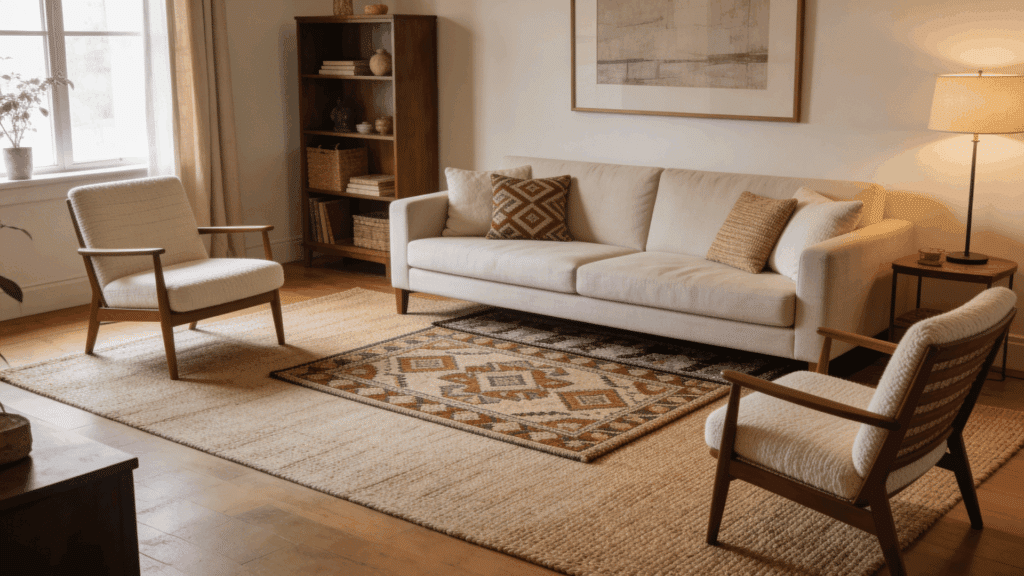
A well-chosen rug grounds a seating area and ties furniture together. In living rooms, the front legs of sofas and chairs should sit on the rug to connect the arrangement.
In bedrooms, a rug placed under the lower two-thirds of the bed adds warmth underfoot when getting up in the morning.
Layering a smaller patterned rug over a larger neutral one adds visual interest. Natural fiber rugs like jute or wool bring texture and durability. Even a single affordable rug can dramatically change how a room feels.
12. Add a Scent Layer With Candles and Diffusers
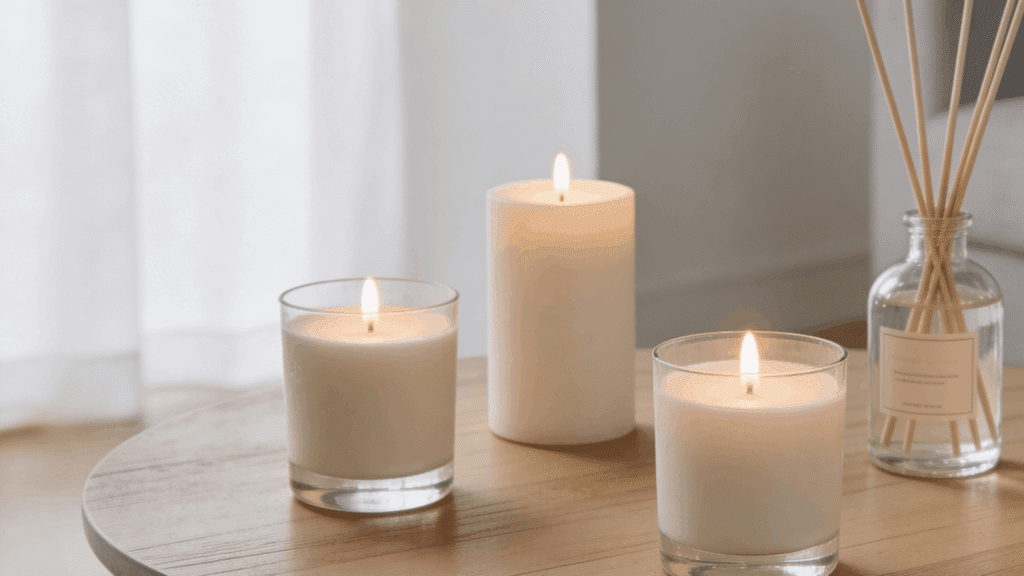
Scent works best when it fits the room. Bedrooms suit lavender or sandalwood, while kitchens benefit from citrus or linen.
Candles work well in living rooms, reed diffusers suit spaces needing a steady scent all day, and room sprays are ideal for quick refreshes. Placement matters too.
A diffuser near a doorway greets anyone who enters, while one near an air vent spreads fragrance further into the space. One source per room keeps the effect subtle, pleasant, and easy to manage throughout the day.
13. Add Resort-Style Elements for Luxury
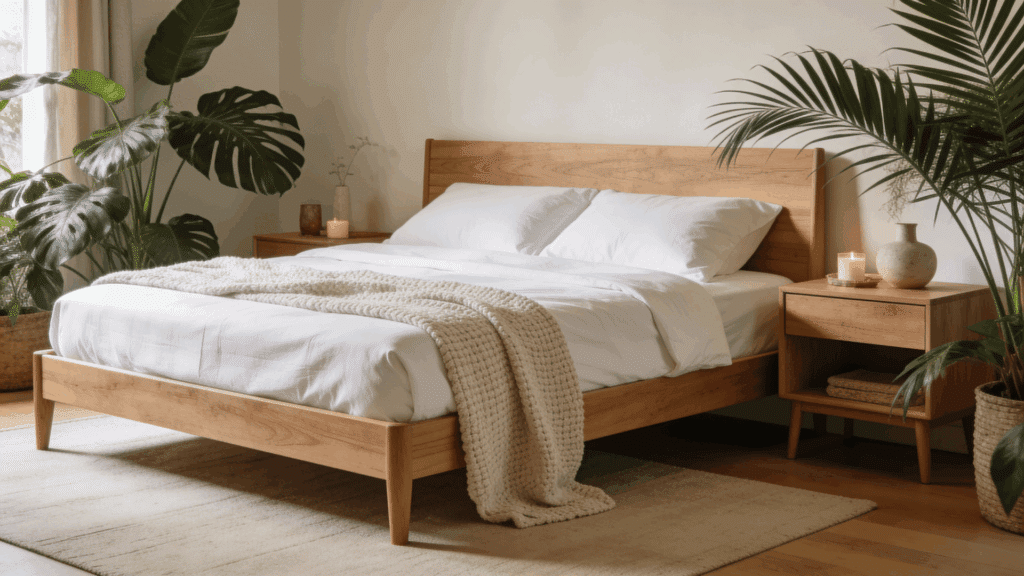
Resort-style decor draws on natural materials, calm color palettes, and thoughtful layering. Crisp white bedding with a textured throw at the foot of the bed immediately brings a hotel feel into a bedroom.
Natural wood furniture, stone accessories, and potted tropical plants extend that look further. In bathrooms, folded towels, a tray of small bottles, and a candle on the counter create a spa-like setup.
Warm, low lighting supports the overall atmosphere. The focus is on comfort and simplicity, not clutter or excessive decoration.
14. Use Mirrors to Make Rooms Look Bigger
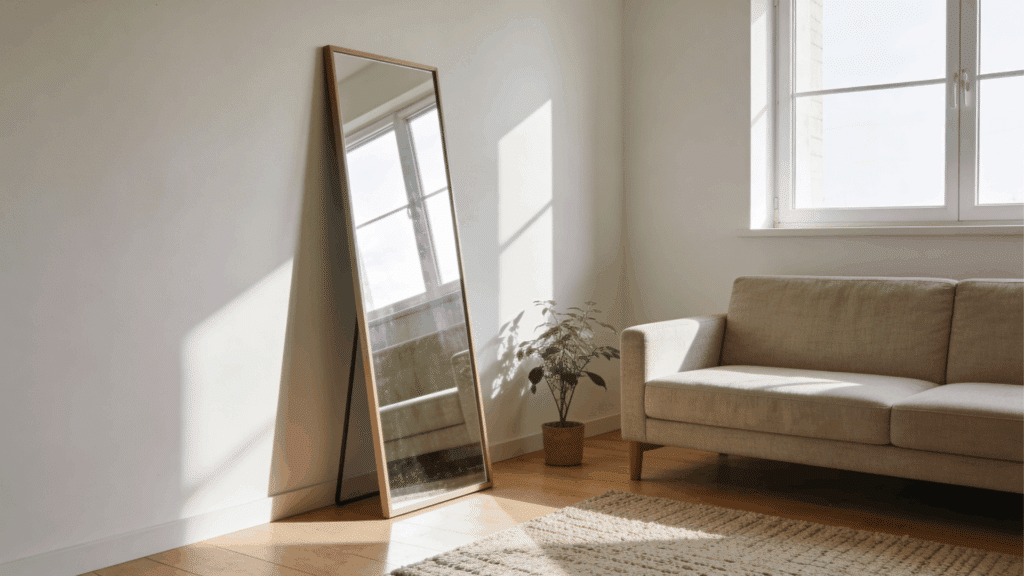
Mirrors reflect light and space, making rooms feel larger and brighter than they are. A large floor mirror leaned against a wall in a living room or bedroom adds both function and visual depth.
Placing a mirror directly across from a window doubles the natural light coming into the space. Grouped arrangements of smaller mirrors work like gallery walls and add interest to hallways or dining areas.
Frames matter too, ornate frames add character while frameless or thin metal-framed mirrors suit modern, pared-back spaces.
15. Use Multi-Functional Furniture
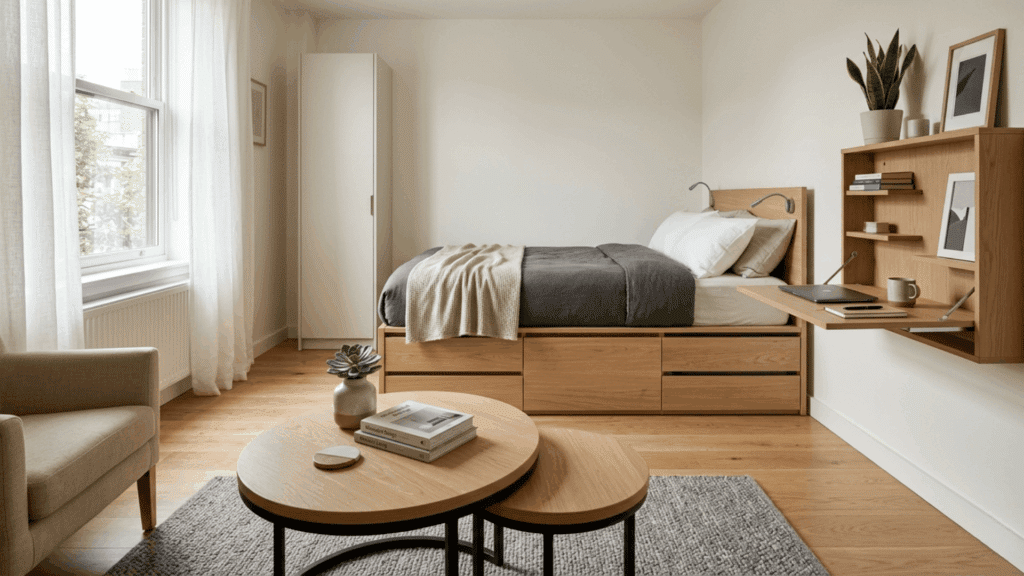
Multi-functional furniture solves two problems at once, limited space and limited storage. A bed with built-in drawers eliminates the need for a separate dresser. A dining bench with a hollow seat stores cushions or linens.
A nesting coffee table set can expand for guests and tuck away when not needed. Fold-down wall desks work well in bedrooms used as home offices.
When shopping for multi-functional pieces, focus on build quality, pieces that serve dual purposes should be durable enough to hold up to daily use over the long term.
16. Define Spaces with Layout Planning
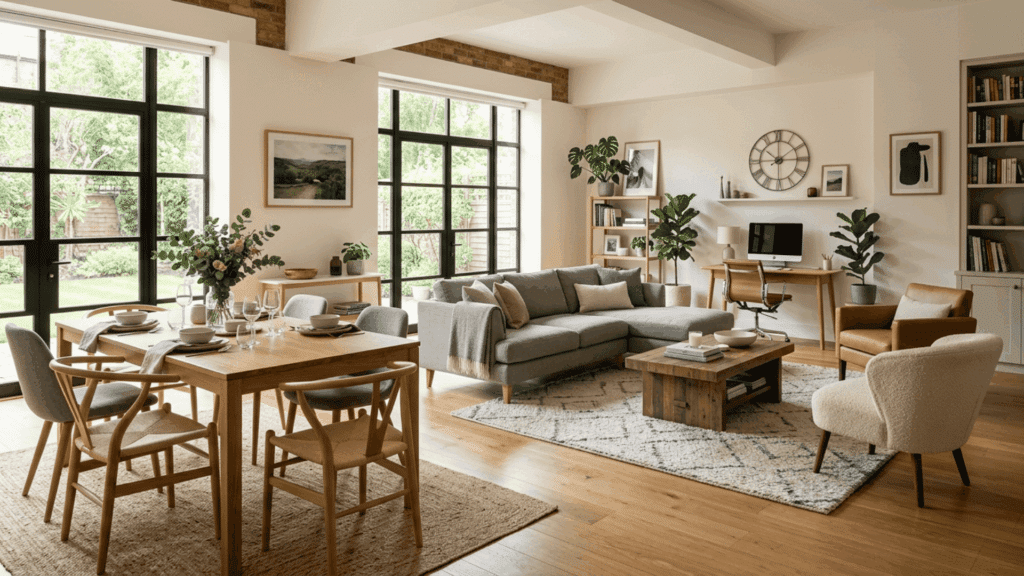
Furniture arrangement affects a room’s feel and function. In open spaces, groupings define zones like dining, lounge, and workspace, which can coexist if clearly positioned.
Avoid pushing all furniture against the walls; floating pieces slightly inward creates a more connected, intentional arrangement.
Area rugs, lighting placement, and the direction furniture faces all help reinforce these zones. A well-planned layout improves flow and makes a room easier and more comfortable to use daily.
17. Refresh Old Furniture with Slipcovers
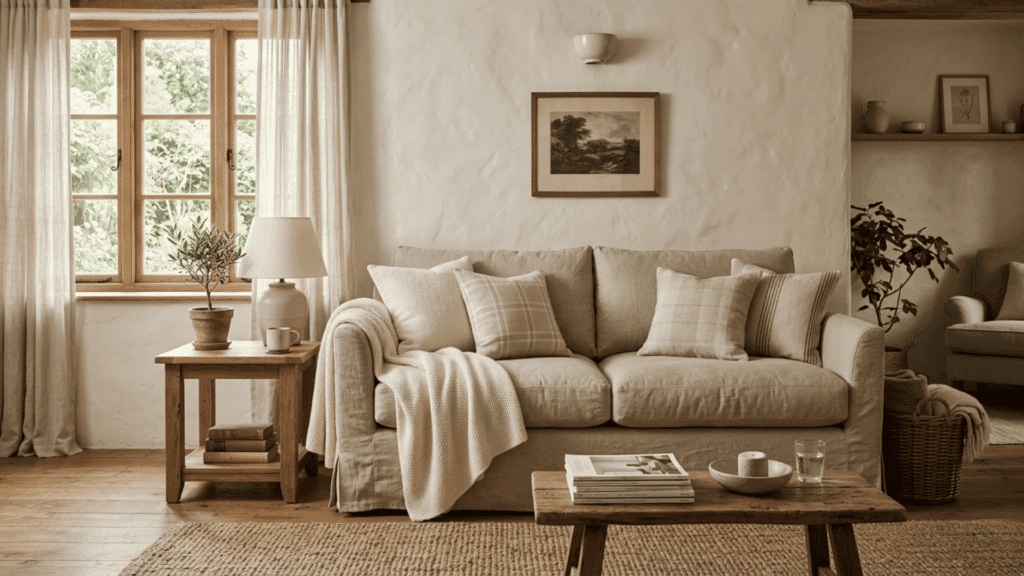
Slipcovers are one of the most practical ways to update worn or outdated furniture. A fitted slipcover in a fresh fabric, linen, cotton canvas, or velvet, can make an old sofa look nearly new.
Many slipcovers are machine washable, which adds a practical benefit for households with kids or pets. Neutral tones work across seasons and are easy to accessorize with changing throw pillows.
For chairs, a simple fitted cover or even a well-draped throw can provide a similar effect at an even lower cost.
18. Refresh Your Entryway With a Functional Landing Zone
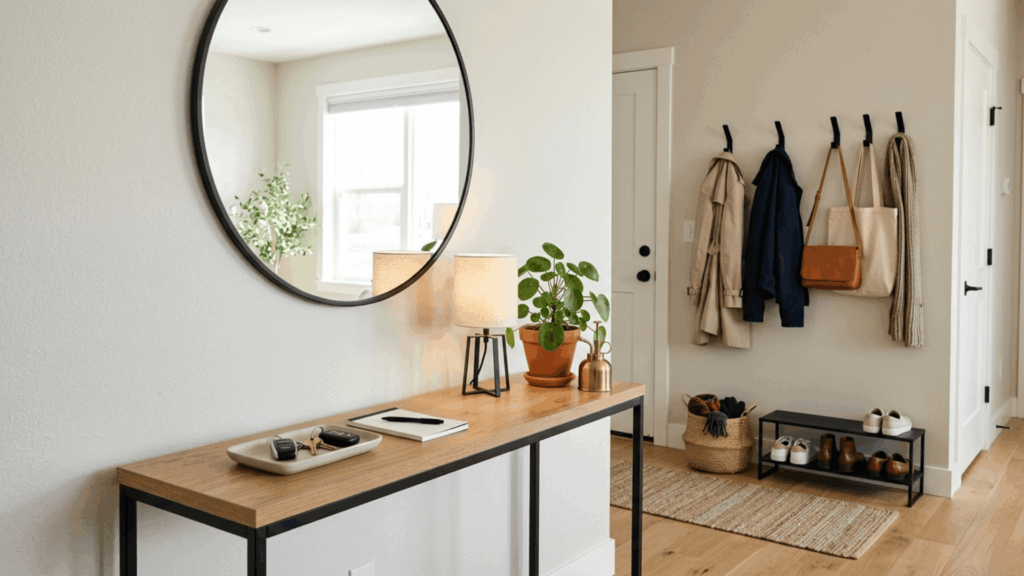
A well-set entryway makes daily life easier and creates a strong first impression. A narrow console table provides a surface for everyday items, such as a key tray, a small lamp, and a plant.
Wall hooks handle coats, bags, and umbrellas without taking up floor space. A mirror near a light source makes the area feel open and bright.
Choosing finishes that match other hardware in the space, such as matte black or brushed nickel, keeps the look cohesive and purposeful from the moment anyone walks through the door.
19. Add Neon and Decorative Lights
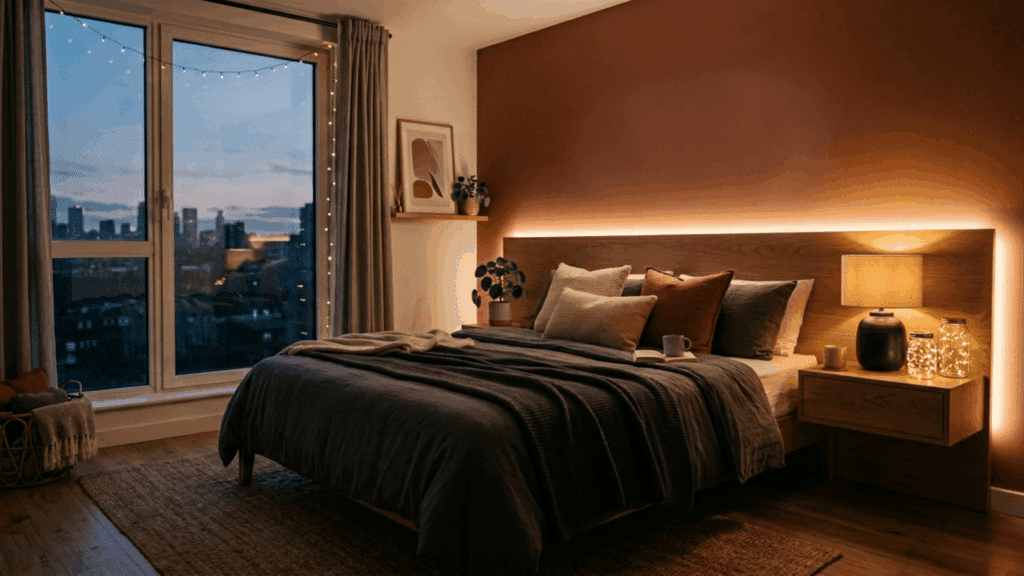
Accent lighting adds personality and warmth to a space beyond standard ceiling fixtures. Neon signs in custom shapes or short phrases work well in bedrooms, home offices, and bar carts.
LED strip lights placed behind a TV, under a bed frame, or along shelving add a soft glow that makes spaces feel more intentional at night.
Battery-powered fairy lights in glass jars or draped across a headboard provide a warm, low-effort effect. Choosing warm white or amber tones over cool white keeps the lighting feeling cozy rather than clinical or overly bright.
How to Choose the Right Home Decor Idea for Your Space
Choosing the right home decor idea becomes easier when you focus on size, lifestyle, color, and function, guiding every decision with clarity and confidence daily
- Consider room size, as large furniture overwhelms small areas, while lighter pieces maintain openness better
- Think about lifestyle, as busy homes need durable materials, while quieter spaces allow delicate decor
- Stick to a color theme using two or three shades repeated to create a consistent, clean flow
- Balance function and style so the item serves a purpose and avoids clutter while adding beauty
Start making changes gradually and trust your instincts because the best home decor supports your daily routine and makes your space feel comfortable and personal
Common Mistakes to Avoid in Home Decor
Small missteps can make even a well-planned room fall flat. Knowing what to watch out for saves time, money, and frustration.
| Mistake | What Happens | Simple Fix |
|---|---|---|
| Overcrowding the Space | Too much furniture makes the room feel tight and messy | Keep only what you need and leave open space |
| Ignoring Lighting | One light source makes the room look flat | Use lamps, natural light, and layered lighting |
| Using Too Many Colors | Too many shades create visual clutter | Stick to 2–3 main colors |
| Skipping Personal Touches | The room feels cold and generic | Add photos or meaningful decor |
Bottom Line
After putting together all 19 of these ideas, I can say one thing with confidence: You do not need a big budget or a complete home overhaul to make your space feel better.
I have seen how even the smallest changes, a new rug, a cluster of plants, or a well-placed mirror, can completely shift how a room feels day to day.
What I love most about these ideas is that they work for real homes, not just perfectly staged ones. Your space has its own personality, and these tips are here to bring that out, not cover it up.
Pick two or three ideas that feel right for your home and start there. You will be surprised how quickly things come together.
Which idea are you most excited to try? I would love to hear your thoughts, drop a comment below and share what has worked in your home!