

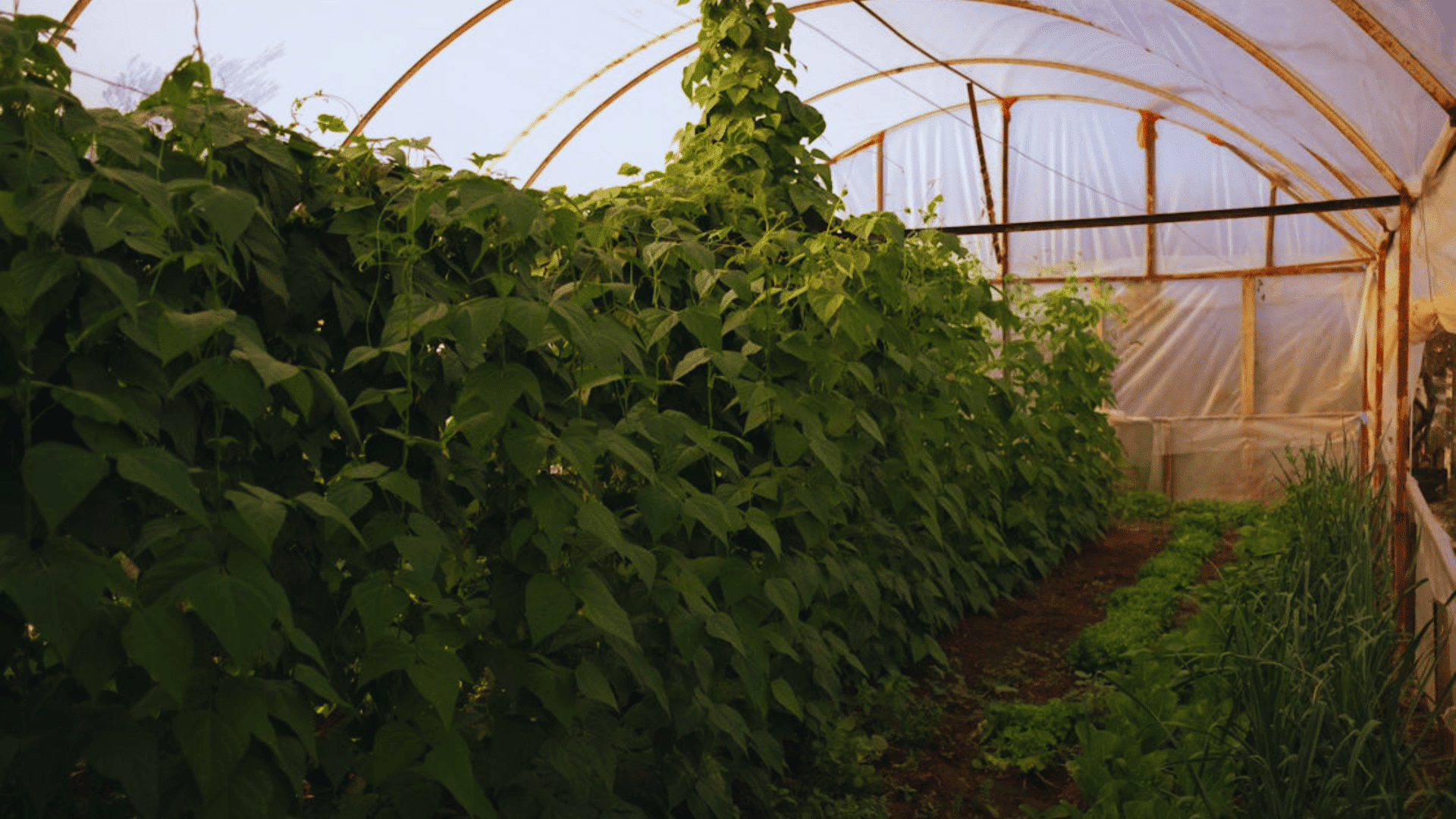
“Look after your plants, and they’ll look after you.” That thought stuck with me when I first started greenhouse gardening, and it proved true in more ways than I imagined.
I learned that small changes in how you manage your space can lead to better growth and fewer problems.
That is where greenhouse gardening tips really help. In this guide, I will share clear, practical tips you can use right away.
You will learn how to control temperature, properly water your plants, and set up your greenhouse more effectively.
I will also cover common mistakes so you can avoid them. If you are just starting or already growing plants, these tips will help you improve your results.
You can follow these ideas step by step and see steady progress in your greenhouse.
What Is Greenhouse Gardening?
Greenhouse gardening is growing plants in a closed space where the environment can be controlled.
The structure is often made of glass or plastic panels that let sunlight in while retaining heat. This helps create a steady growing space that supports plants in different weather conditions.
This method protects plants from heavy rain, cold winds, and sudden temperature changes. It also reduces the risk of pest infestations and plant damage.
By managing water, airflow, and temperature, plants can grow in a more stable, balanced environment.
Greenhouse gardening is used to grow vegetables, fruits, herbs, and flowers throughout the year.
It helps extend the growing season and allows better control of plant care, leading to healthier plants and improved harvests. It is also useful for growing plants that may not survive well in outdoor conditions.
Greenhouse Gardening Tips for Healthy Plant Growth
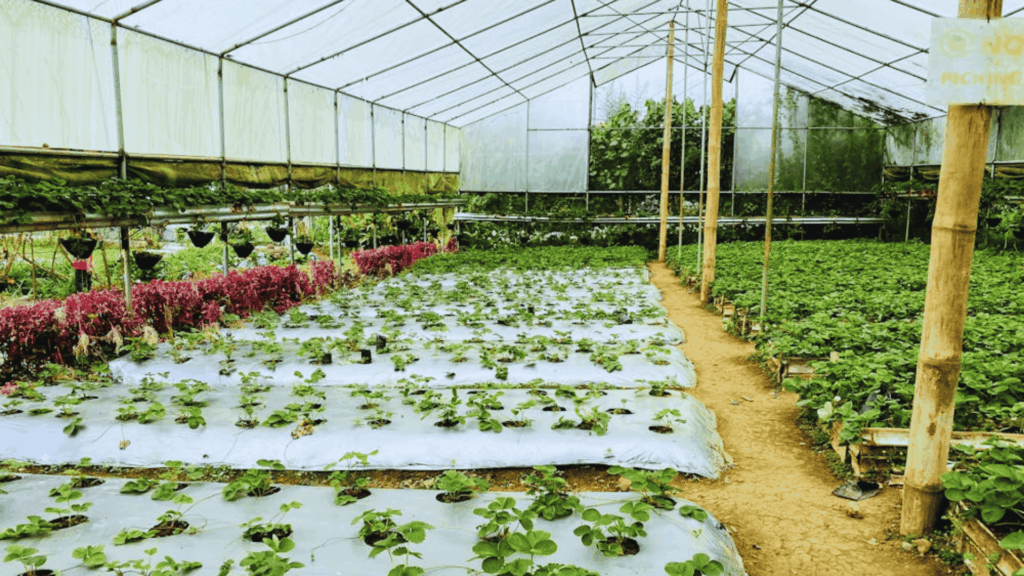
These tips help improve plant growth and make greenhouse care easier. They focus on better control, planning, and daily maintenance.
1. Choose the Best Spot for Your Greenhouse
A good location helps plants get enough sunlight and stay safe from damage. Place the greenhouse away from large trees that can block light or drop branches.
Open space allows better airflow and steady light throughout the day.
Avoid low areas where water may collect after rain. A stable surface also keeps the structure strong over time.
Sunlight is one of the most important parts of plant growth, so choosing the right spot from the start makes a big difference in how well plants grow and stay healthy inside the greenhouse.
2. Plan the Space Before Setup
Planning the size of your greenhouse depends on what you want to grow. Think about the number of plants and how much space each one needs.
A small setup may feel crowded if too many plants are added later.
Leave room for walking, watering, and moving tools. A well-planned layout helps plants grow without blocking each other.
It also makes daily tasks easier. Taking time to plan the space helps avoid future changes and gives plants enough room to grow steadily and in an organized way.
3. Begin with Easy-to-Grow Plants
Starting with easy plants helps build confidence and reduces early mistakes. Some plants need less care and can adjust well to greenhouse conditions.
Crops like lettuce, herbs, and spinach are good options for beginners.
These plants grow quickly and do not need strict control over temperature or humidity. Choosing simple plants helps better understand watering, light, and airflow.
It helps you understand how plants react to small changes.
Once you’re ready, you can add more demanding plants without affecting the setup.
4. Use Shelves to Save Space
Shelves and benches help use space more effectively inside the greenhouse. Instead of placing all plants on the ground, adding levels allows more plants to grow in the same area.
This setup also keeps plants off the floor, which can reduce pests and dirt. It becomes easier to check plants and manage watering.
Shelves also help separate plant types based on their needs. Using vertical space improves airflow and light reach.
This setup supports better growth and makes the greenhouse look more organized and easier to manage day to day.
5. Use High-Quality Soil or Compost
Good soil plays a key role in plant growth. Using quality soil or compost provides the nutrients plants need to grow strong. Poor soil can lead to weak plants and low yield.
Compost also helps improve soil structure and moisture retention.
It supports root development and allows plants to absorb nutrients more easily.
Regularly checking and improving soil quality keeps plants healthy over time. Healthy soil provides a strong foundation for consistent, reliable greenhouse gardening results.
6. Maintain Proper Airflow Inside
Ventilation keeps the air fresh and prevents heat from building up inside the greenhouse. Without airflow, the temperature can rise quickly, harming plants.
Adding vents, windows, or doors allows air to move in and out.
Fans can also help in larger setups. Good airflow keeps plants from overheating and reduces moisture buildup. This lowers the risk of disease and poor growth.
Regular ventilation checks help maintain a balanced environment where plants can grow without stress from heat or stagnant air.
7. Reduce Heat with Shade Cover
During hot days, too much sunlight can raise the temperature inside the greenhouse. Shade cloth helps reduce heat and protect plants from damage.
It blocks some sunlight while still allowing enough light for growth. This keeps the space cooler and more stable. Plants are less likely to dry out or get burned.
Shade cloth is easy to install and can be removed when not needed.
Using it at the right time helps maintain better growing conditions and protects plants during high heat periods.
8. Set up an Efficient Watering System
Watering plants the right way is important for healthy growth. Too much water can damage roots, while too little can slow growth. A proper watering system helps keep the balance.
Drip systems or simple watering setups can make this easier.
Having a water source close by also saves time. Regular checks help ensure plants get enough moisture.
Consistent watering supports steady growth and prevents stress. A planned system makes it easier to care for plants without missing or overwatering.
9. Use Grow Lights when Needed
Grow lights help plants get enough light when natural sunlight is not enough. This is useful on winter days or on cloudy days. Without enough light, plants may grow weak or slow.
Adding grow lights keeps growth steady and supports healthy leaves.
They can be placed above plants to give direct light where needed. Timers can help control how long the lights stay on.
This setup ensures plants receive the right amount of light each day, even when sunlight is limited outside the greenhouse.
10. Keep Plants Warm in Cold Weather
Cold weather can slow down plant growth or damage plants inside the greenhouse. Heaters help maintain a warm temperature during colder months.
This keeps the growing conditions steady and protects plants from freezing.
Different types of heaters can be used based on the greenhouse size. It is important to monitor temperature to avoid overheating.
A steady, warm environment supports plant health and allows growth even when outdoor conditions are unsuitable. Heating systems help extend the growing season and protect plants during winter.
11. Add Ground Cover to Control Weeds
Ground covering helps keep the greenhouse clean and reduces weed growth. It creates a barrier that stops weeds from spreading inside.
Materials like gravel, fabric, or mats can be used for this purpose.
This also helps with drainage and keeps the floor dry. A clean surface makes it easier to move around and manage plants.
Ground cover reduces maintenance work and helps keep the environment more controlled. It supports better hygiene in the greenhouse, helping plants grow without unwanted interference from weeds.
12. Manage Pests before they Spread
Pests can spread quickly if not managed early. Regular checks help spot problems before they grow. Keeping the greenhouse clean and controlling moisture levels can reduce pest activity.
Good airflow also helps prevent conditions that allow pests to grow. Removing affected plants or using safe treatments can stop the spread.
Early action is important to protect all plants inside.
Staying alert and maintaining a clean environment helps keep pests under control and supports healthy plant growth without major damage.
13. Grow Plants Based on the Season
Growing plants according to the season helps maintain better results.
Each plant has a preferred temperature range, and matching it with the right season improves growth.
Warm-season plants like tomatoes, cucumbers, and peppers grow better in higher temperatures, while cool-season plants like lettuce, spinach, and broccoli prefer lower temperatures.
Adjusting plant selection based on the time of year helps avoid stress and poor growth.
This approach also reduces the need for extra heating or cooling, making the process easier to manage.
14. Clean the Greenhouse Regularly
Keeping the greenhouse clean helps maintain a healthy growing space. Dirt, plant waste, and old leaves can attract pests and spread disease if not removed on time.
Regular cleaning keeps the area safe and supports better plant growth.
Wipe surfaces, clean tools, and remove dead plants to prevent problems. A clean space also improves airflow and light distribution inside the greenhouse.
Staying consistent with cleaning helps avoid issues and keeps the greenhouse in good condition throughout the growing season.
15. Monitor Greenhouse Conditions Daily
Regular monitoring helps keep plant growth on track and prevents sudden issues. Checking temperature, humidity, and soil moisture each day enables timely adjustments before problems worsen.
Small changes in heat or moisture can affect plant health. Tools like a thermometer can help track it.
It also helps identify early signs of pests, disease, or stress in plants.
Consistent daily checks create a stable environment, support steady growth, and reduce the chances of crop loss inside the greenhouse.
Benefits of Using a Greenhouse
A greenhouse gives better control over how plants grow. It helps manage conditions that are hard to control outdoors.
- Longer growing season: Plants can grow beyond normal seasons, including colder months, because the environment stays warm.
- Weather protection: Plants stay safe from heavy rain, strong winds, and sudden temperature changes that can damage growth.
- Better temperature control: The interior space retains heat, helping maintain steady conditions for healthy plant development.
- Pest and disease control: A closed setup reduces exposure to pests and lowers the risk of plant diseases.
- Improved plant growth: Stable conditions support faster, more consistent growth than in open gardens.
- Efficient use of space: Shelves and vertical setups allow more plants to grow in a smaller area.
How a Greenhouse Gardening Works?
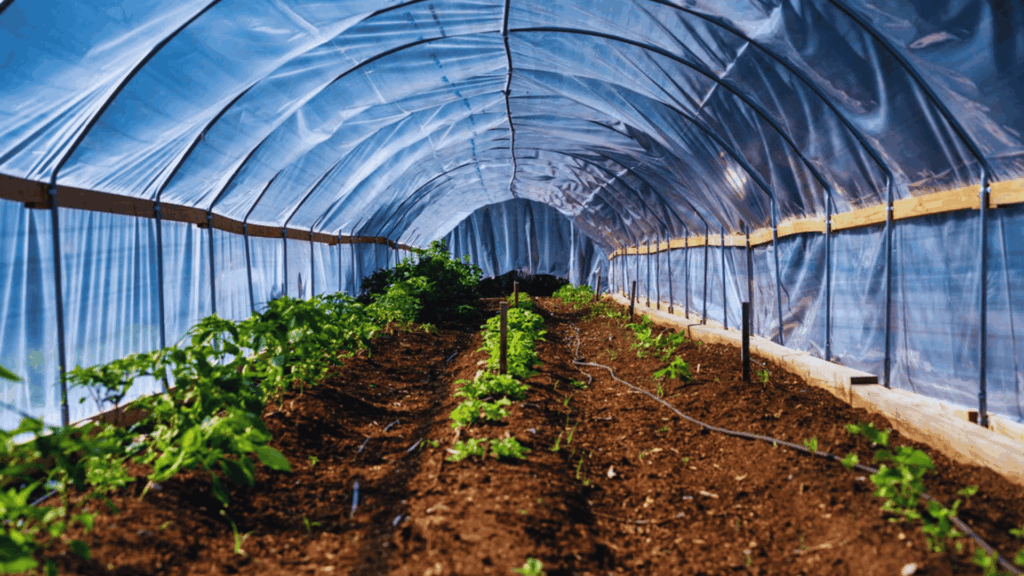
A greenhouse works by trapping sunlight’s heat to create a warm space for plants.
Sunlight enters through the clear panels and warms the air, soil, and plants inside. The heat stays inside rather than escaping, keeping the temperature higher than outside.
This process is known as the greenhouse effect. Light passes through the covering, but the heat builds up and stays inside longer.
This helps keep the environment steady, even when outdoor temperatures drop. Airflow is also important for plant health. Vents and fans help move air and prevent the space from overheating.
Without airflow, plants may face stress or poor growth.
Water and humidity need attention as well. Moisture levels are managed to support steady growth and prevent issues such as mold or dryness.
Tools and Supplies for Greenhouse Gardening
Having the right tools makes plant care easier and more organized. They help manage watering, temperature, and overall plant health.
Common Greenhouse Gardening Mistakes to Avoid
Small mistakes can slow plant growth and reduce your results. I learned that fixing simple habits early makes a big difference over time.
- Overwatering: Many people think more water helps, but it can rot roots. I always check the soil first and water only when it feels dry on top.
- Poor ventilation: A closed greenhouse traps heat and moisture. I keep vents open or use a fan to allow fresh air to move through.
- Wrong plant spacing: Crowded plants block light and airflow. I space them well so each plant gets enough room to grow.
- Ignoring temperature control: Heat can rise quickly inside a greenhouse. I monitor temperature daily and use shade or vents when needed.
- Using low-quality soil: Poor soil limits plant growth. I use fresh, nutrient-rich soil to support strong roots and healthy plants.
- Skipping pest checks: Pests can spread fast in a closed space. I inspect leaves often and act early if I spot any signs.
- Growing unsuitable plants: Not all plants do well in a greenhouse. I choose plants that match the temperature and humidity conditions.
Conclusion
Greenhouse gardening gets better with time as you learn what works best for your plants and space.
With the right setup, steady care, and a bit of patience, you can see clear improvements in plant health and growth.
These tips are not about doing everything perfectly, but about building a routine that works for your space and your plants.
Start small and focus on what you can manage well at first. Pay attention to how your plants respond and adjust your approach step by step.
This helps create a steady system that feels easier to handle over time.
If you have tried greenhouse gardening, share your experience in the comments below. Your feedback could help someone avoid common mistakes and grow better plants.