

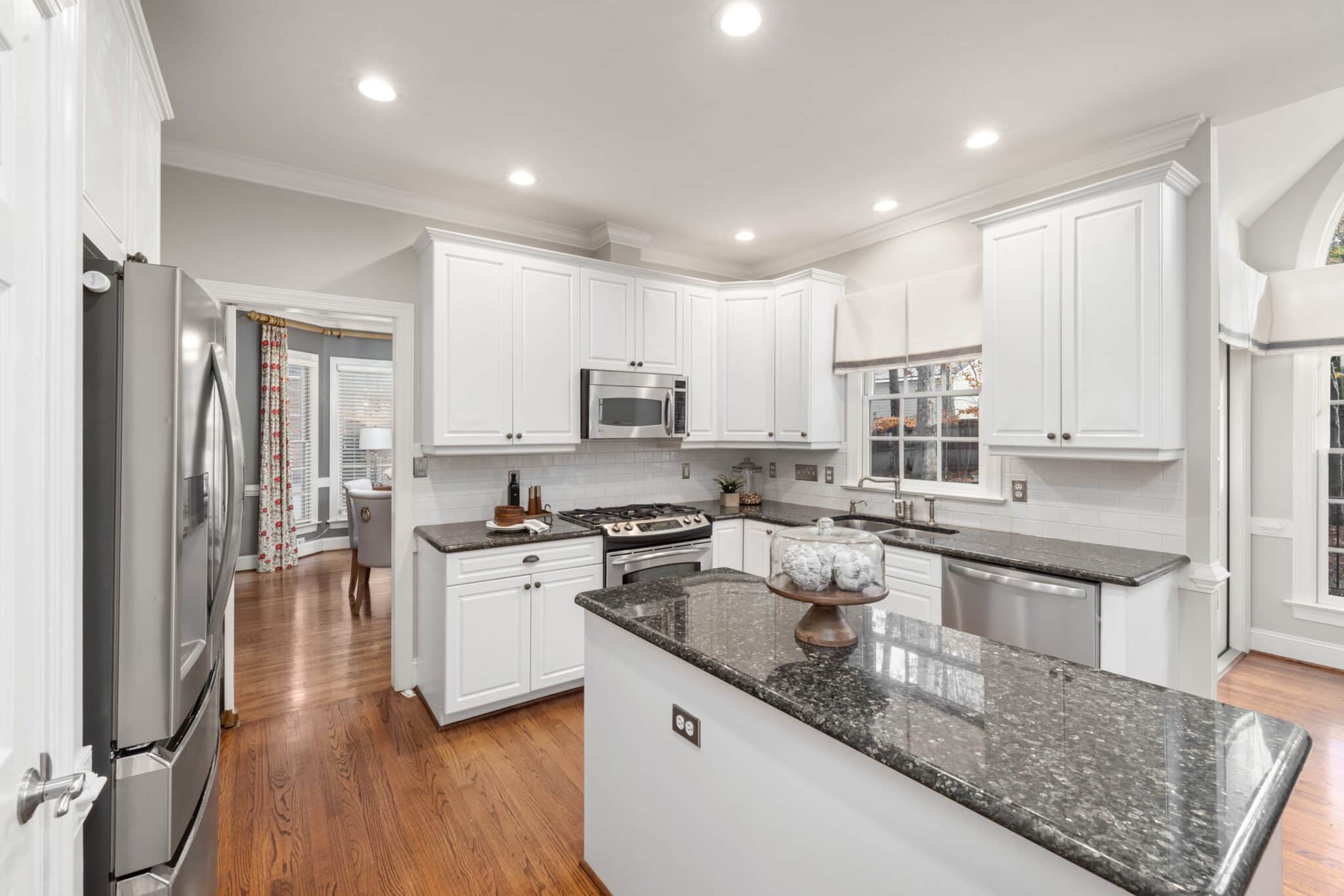
When buyers walk through a home for the first time, the kitchen is almost always the room that makes or breaks their decision.
They picture daily routines in it, they know what a full renovation costs, and they factor its condition directly into what they’re willing to offer.
If you’re planning to sell in the next few years, the upgrades you make to your kitchen now can either add real, measurable value — or quietly drain your budget without much payoff.
The key is knowing which improvements actually move the needle at resale, and which ones simply look good on the surface.
Start With What Buyers Actually Pay Attention To
Not every kitchen upgrade carries the same weight from a resale standpoint. A brand-new appliance package might photograph well, but most buyers expect appliances to come with the home anyway.
What truly shapes perceived value — and what appraisers take note of — are the permanent, structural features: the countertops, cabinetry, flooring, and fixtures. These are the elements that feel baked into the home itself, not just layered on top of it.
Before you start pulling permits or calling contractors, take an honest look at which features are dragging down first impressions the most.
A warped cabinet door or a dated countertop will cost you more at the negotiation table than it would have cost you to fix it beforehand.
Countertops: Where Visual Impact Meets Long-Term Value
Countertops are one of the first things buyers assess, and they carry real weight in how a kitchen is priced. Quartz has become a dominant choice in today’s resale market because it’s non-porous, extremely durable, and available in a wide range of neutral tones that appeal to a broad audience.
Granite remains a strong performer as well, particularly in higher-end markets where buyers expect natural stone as a baseline.
When evaluating your options, consider how the material holds up to daily use and how it photographs — both matter when you’re listing.
The countertop options that tend to perform best for resale include:
- Quartz – non-porous, low maintenance, available in buyer-friendly neutral tones
- Granite – premium look and feel, strong ROI in mid-to-upper price brackets
- Porcelain slab – a newer alternative gaining traction for its durability and seamless appearance
What to Avoid
Laminate countertops can work in a budget-conscious flip, but they tend to signal to buyers that other corners may have been cut elsewhere in the home.
If your countertops are original to a kitchen from the 1990s or early 2000s, replacing them is one of the highest-ROI moves you can make before listing.
Cabinetry: The Feature With the Most Influence on the Room
Cabinets occupy more visual real estate in a kitchen than anything else, which means they have an outsized effect on how buyers experience the space.
If your existing cabinets are structurally sound but simply dated, a professional refinishing or paint job can make a significant difference without the expense of full replacement.
However, if the doors are warped, the hardware is worn through, or the layout creates genuine inefficiency, a more complete cabinet update will deliver a stronger return.
If you’re planning to sell within the next few years, investing in kitchen cabinets made in the USA can be a strong selling point, as buyers increasingly value durability and domestic craftsmanship over cheaper imported alternatives.
American-made cabinetry typically features better joinery, thicker box construction, and finish quality that holds up over time — all details that show up during an inspection and in buyer confidence.
Think Beyond Listing Day
Cabinets that look great at the open house but show wear within a couple of years aren’t doing you any favors on resale.
Today’s buyers are more informed than ever, and many will ask about materials and construction before submitting an offer.
Quality cabinetry signals that the rest of the home received the same level of care — and that’s a message worth sending.
Flooring: Consistent, Durable, and Move-In Ready
Kitchen flooring absorbs more daily punishment than almost any other surface in the home, and buyers factor that into their assessment.
Hardwood is generally the most desirable option where the budget allows, especially when it runs continuously from the kitchen into adjacent living areas.
Luxury vinyl plank has become a practical and increasingly respected alternative, offering water resistance and durability at a considerably lower price point.
From a resale perspective, what matters most is consistency and condition. Cracked tile, mismatched materials, or flooring that ends abruptly at a threshold can make an otherwise solid kitchen feel patched together.
If you’re replacing the floor, take the opportunity to run it through to adjoining spaces if possible — buyers notice seamless transitions.
Fixtures and Hardware: Small Swaps With Real Returns
Not every improvement requires a major renovation. Updating dated faucets, cabinet hardware, and light fixtures can meaningfully shift how buyers perceive the kitchen — and these swaps are relatively inexpensive compared to structural work.
The goal is to bring every visible element into a cohesive, current feel without creating a mismatch between the upgrades and the rest of the home.
The fixture and hardware updates that consistently deliver a strong return include:
- Pull-down faucets in matte black or brushed nickel — neutral, modern, and broadly appealing
- Under-cabinet lighting to draw attention to countertop quality
- Consistent hardware finishes across all cabinet doors and drawers
- Replacing an outdated overhead fixture with recessed or pendant lighting
Don’t Overlook the Sink
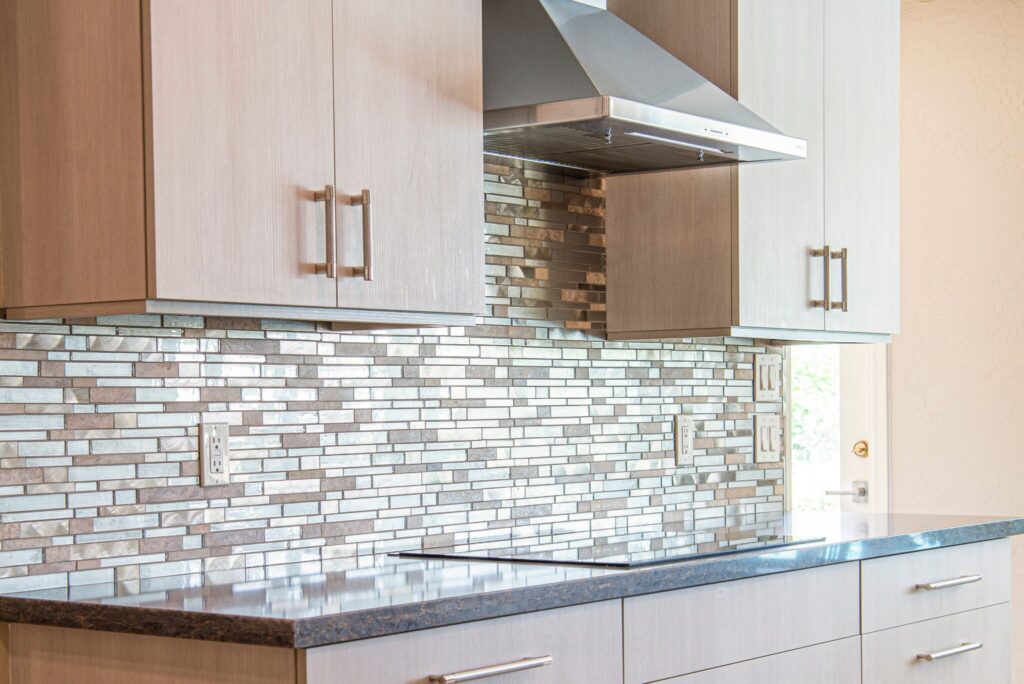
A stainless steel or farmhouse-style sink can feel like a minor detail, but it’s one buyers notice almost immediately. If your current sink is discolored, cracked, or visually out of step with the rest of the kitchen, it’s worth replacing before listing.
Sinks are far less expensive to swap than countertops or cabinetry, and the visual payoff at listing time is meaningful.
Know Where Your Upgrades Should Stop
One of the most common mistakes homeowners make before selling is over-improving the kitchen relative to the rest of the home and the surrounding neighborhood.
A high-end renovation in a mid-range market rarely returns dollar for dollar. Industry data consistently shows that mid-range kitchen remodels outperform upscale remodels in terms of ROI percentage, because they align with what buyers at that price point actually expect to find.
The goal here isn’t to build your dream kitchen — it’s to create a kitchen that makes buyers confident they’re getting a well-maintained, move-in ready home.
That distinction is everything when it comes to turning your upgrade investment into real returns at the closing table.