

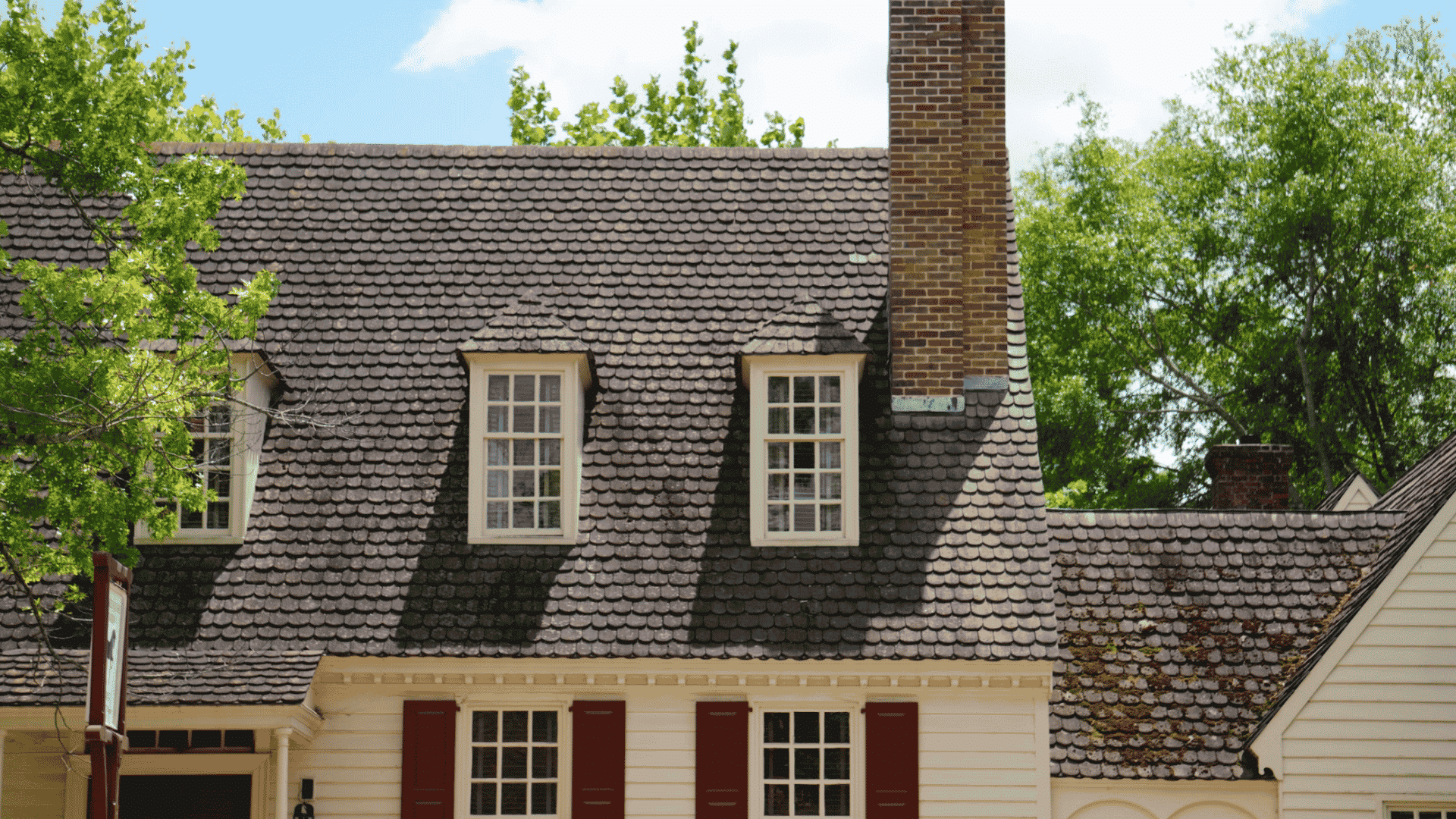
Choosing the right roofing material is an important part of protecting your home. A roof does more than keep out rain and snow.
It also affects how long your home stays in good condition, energy use, and how attractive it looks from the outside.
The roofing material you choose affects durability, maintenance, energy efficiency, and long-term costs. Some materials last for decades with little upkeep, while others may need more frequent repairs.
The right roof can make your home look better, raise its value, and help reduce heating and cooling costs.
In some cases, it may also help lower your home insurance premiums.
Knowing the pros and cons of each roofing material helps you choose the best option for your budget, climate, and needs.
Quick Answer: What Are the Best Roof Replacement Options?
Roof replacement options include asphalt shingles, metal roofing, clay tiles, concrete tiles, slate roofing, and wood shakes.
The best choice depends on your budget, climate, and maintenance preferences. Asphalt shingles are affordable, while metal roofs offer long-lasting performance.
Tile and slate roofs offer excellent durability but entail higher upfront costs.
Comparing lifespan, weather resistance, and upkeep needs can help homeowners choose the right roofing material.
Signs Your Roof Needs Replacement
Knowing the warning signs early can help prevent costly repairs and protect your home from further damage.
- Missing Shingles: Missing shingles expose the roof to water intrusion, increasing the risk of leaks, mold growth, and structural damage.
- Frequent Leaks: Repeated leaks often indicate widespread roof deterioration that simple repairs can no longer effectively address.
- Sagging Roof Sections: Sagging areas may indicate serious structural issues, moisture damage, or weakened roofing materials that require prompt replacement.
- Granules in Gutters: Excessive shingle granules in gutters indicate aging materials and reduced protection against weather and sunlight.
- Roof Age Exceeds Expected Lifespan: Older roofs often become less reliable, making replacement more cost-effective than ongoing repairs and maintenance.
Where to Buy Roofing Materials?
Roofing materials can be purchased from several trusted sources depending on your project needs. Home Depot is a popular option for homeowners because it offers a wide range of shingles, roofing products, and installation supplies.
Lowe’s is another well-known retailer that carries roofing materials from major brands and often provides delivery services.
For larger projects, ABC Supply is one of the largest roofing distributors in the United States and offers a broad selection of professional-grade products.
Beacon Building Products is another trusted supplier that serves both contractors and homeowners with roofing materials, accessories, and expert support.
Before purchasing, compare product quality, warranty coverage, delivery options, and pricing to ensure you get the best value for your investment.
Best Roofing Options for Roof Replacement
Choosing the right roofing material can improve durability, energy efficiency, appearance, and long-term value while reducing maintenance and repair costs.
1. Asphalt Shingles
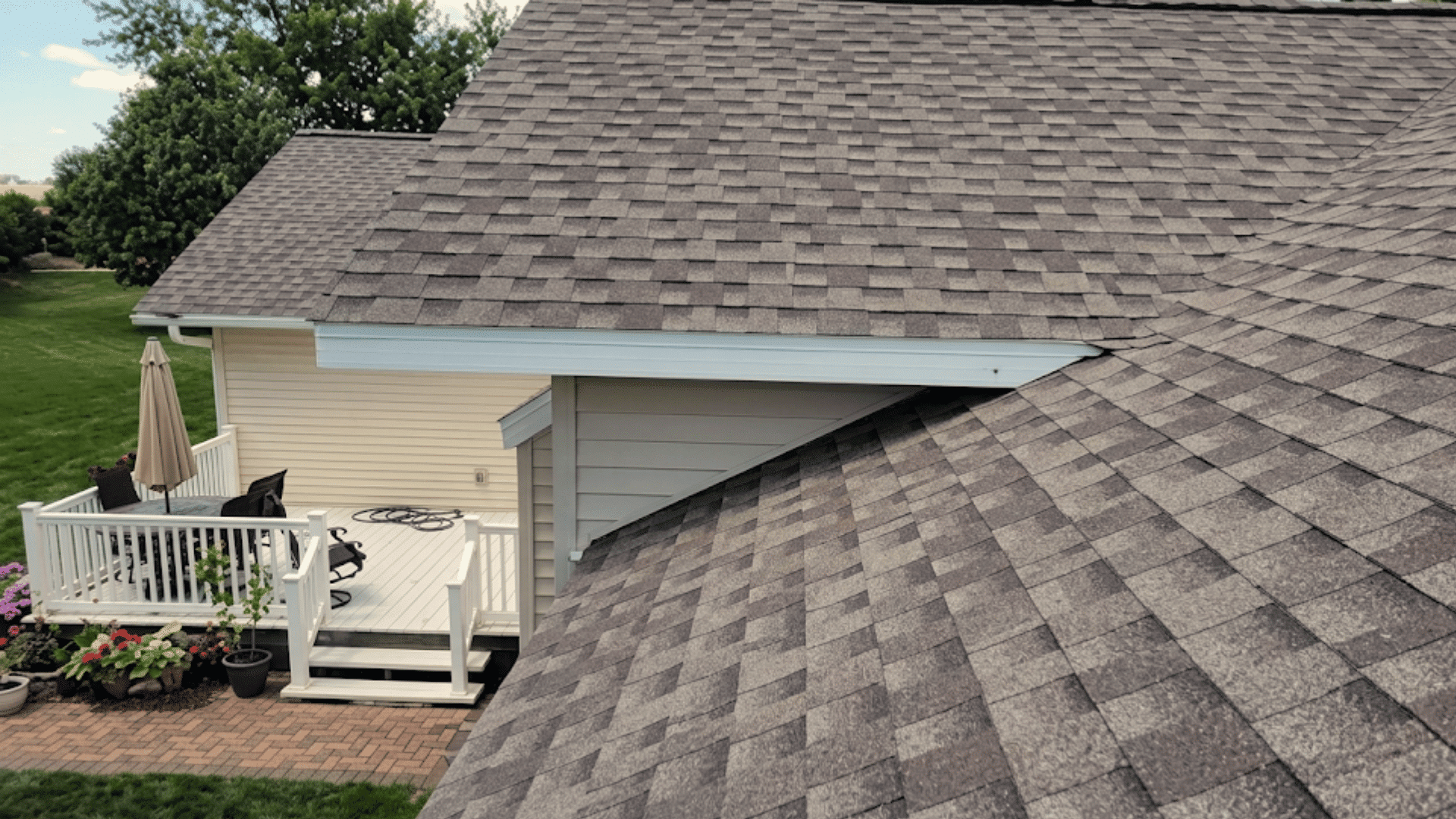
Asphalt shingles are one of the most popular roofing materials because they offer a good balance of cost, performance, and appearance.
They are available in many colors and styles, making them suitable for different home designs. Most asphalt shingle roofs last between 15 and 30 years with proper maintenance.
They are also easier and faster to install than many premium roofing materials, helping reduce labor costs.
Their affordability and reliable weather protection make them a common choice for homeowners seeking a practical roofing solution.
- Pros: Affordable, widely available, easy to install, and offered in many colors and styles.
- Cons: Shorter lifespan than metal or slate roofing and may be more vulnerable to extreme weather.
- Best For: Homeowners looking for a budget-friendly roofing option with dependable performance.
2. Metal Roofing
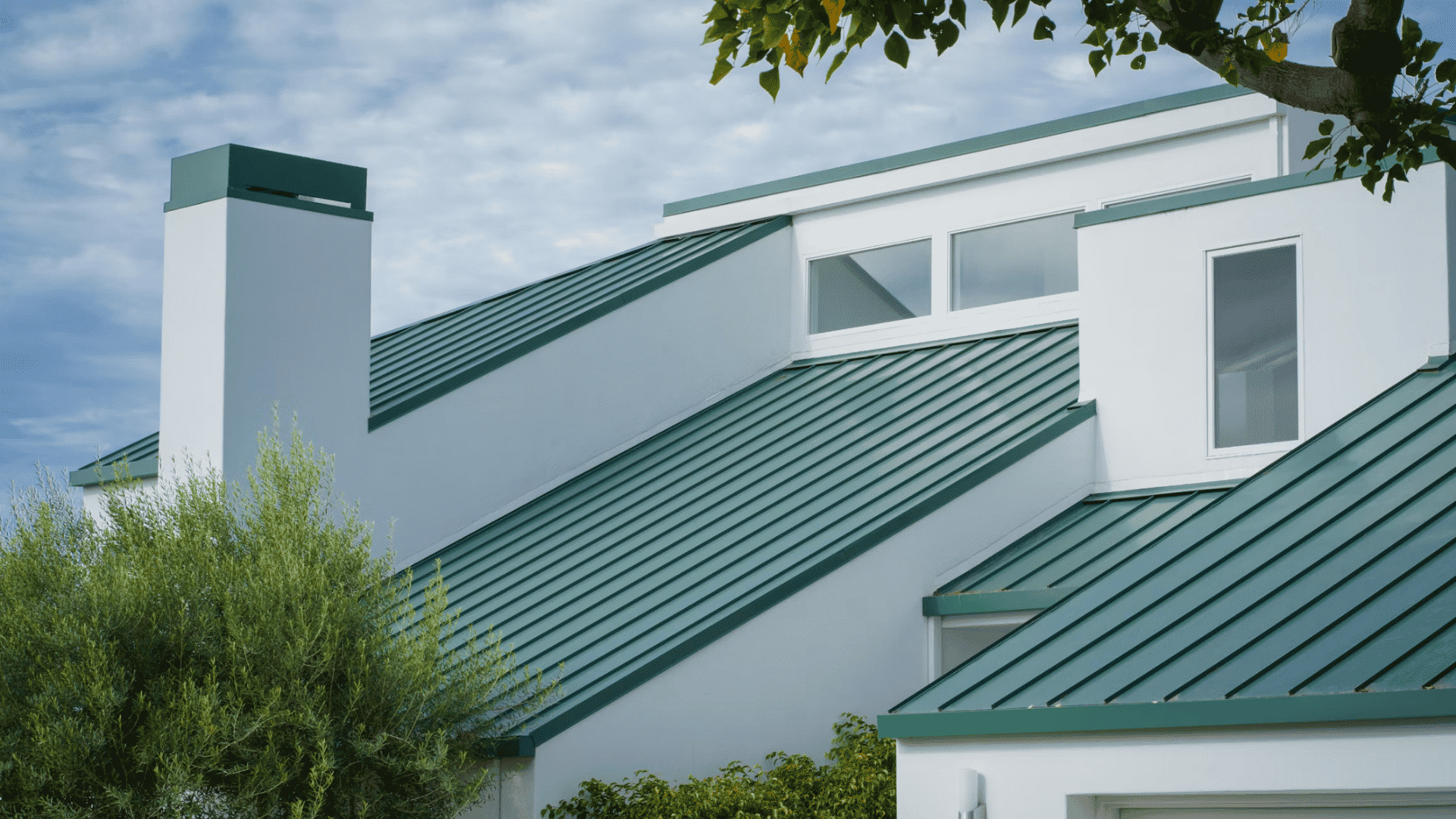
Metal roofing is valued for its durability, energy efficiency, and long lifespan. It can withstand harsh weather conditions, including heavy rain, snow, and strong winds.
Many metal roofs last 40 to 70 years with minimal maintenance.
The reflective surface helps reduce heat absorption, which can lower cooling costs during warmer months.
Although the upfront investment is higher than asphalt shingles, the long service life and reduced maintenance needs often make it a cost-effective option over time.
- Pros: Long lifespan, energy efficient, fire resistant, and performs well in extreme weather.
- Cons: Higher installation cost and may produce noise during heavy rain without proper insulation.
- Best For: Homeowners seeking a durable, low-maintenance roof with long-term value.
3. Clay Tile Roofing
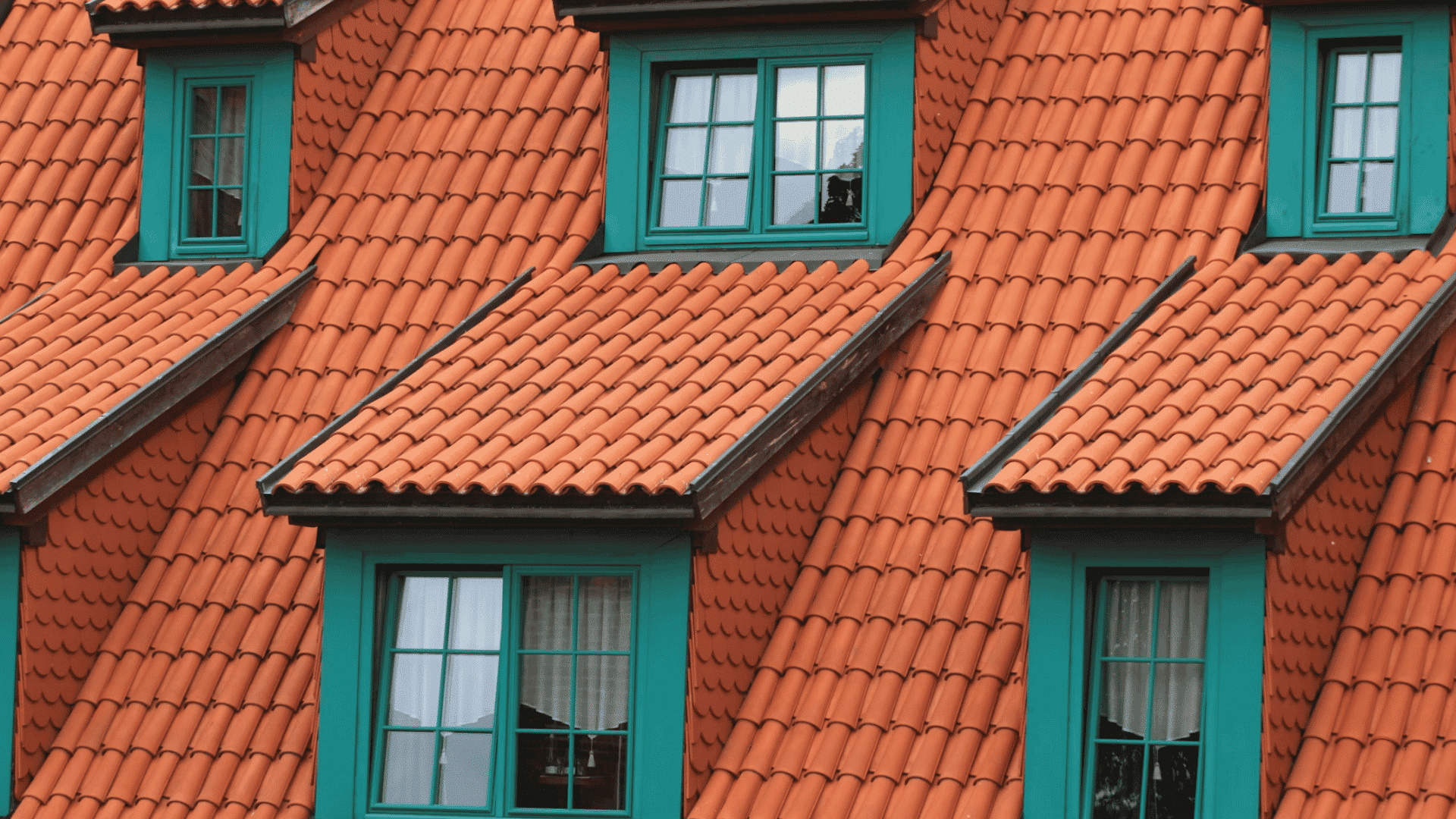
Clay tile roofing is known for its distinctive appearance and impressive durability. It is commonly used on Mediterranean and Spanish-style homes.
Clay tiles resist fire, insects, and harsh weather while providing natural insulation.
Their ability to maintain performance for decades makes them a premium roofing choice. Because clay tiles are heavy, some homes may require structural reinforcement before installation.
Despite the higher cost, many homeowners appreciate their longevity and visual appeal.
- Pros: Extremely durable, fire resistant, energy efficient, and visually appealing.
- Cons: Expensive and may require additional structural support due to weight.
- Best For: Homes in warm climates and owners wanting a long-lasting premium roof.
- Average Lifespan: Commonly lasts 50 to 100 years with proper maintenance.
4. Concrete Tile Roofing
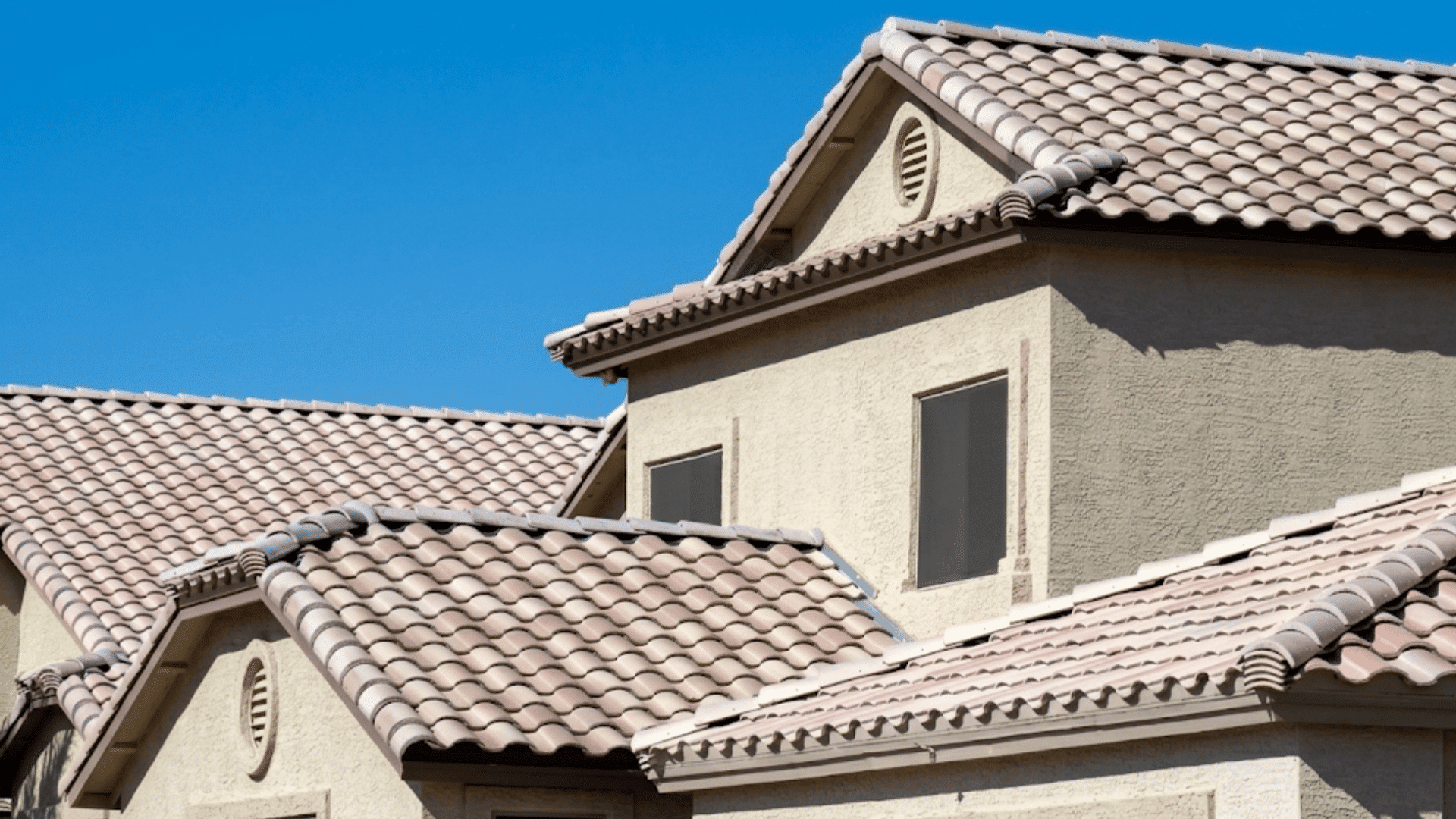
Concrete tile roofing offers strength, durability, and versatility. It can mimic the appearance of clay, slate, or wood while providing excellent protection against weather and fire.
Concrete tiles are available in a wide range of colors and profiles, allowing homeowners to match various architectural styles.
They require less maintenance than some natural materials and can last for decades.
Like clay tiles, concrete roofing is heavy and may need structural evaluation before installation. Its durability makes it a strong long-term investment.
- Pros: Durable, fire resistant, versatile appearance, and long-lasting.
- Cons: Heavy material and higher installation costs than asphalt shingles.
- Best For: Homeowners wanting durability and a premium appearance without slate pricing.
- Average Lifespan: Usually lasts 50 years or longer with proper care.
5. Slate Roofing
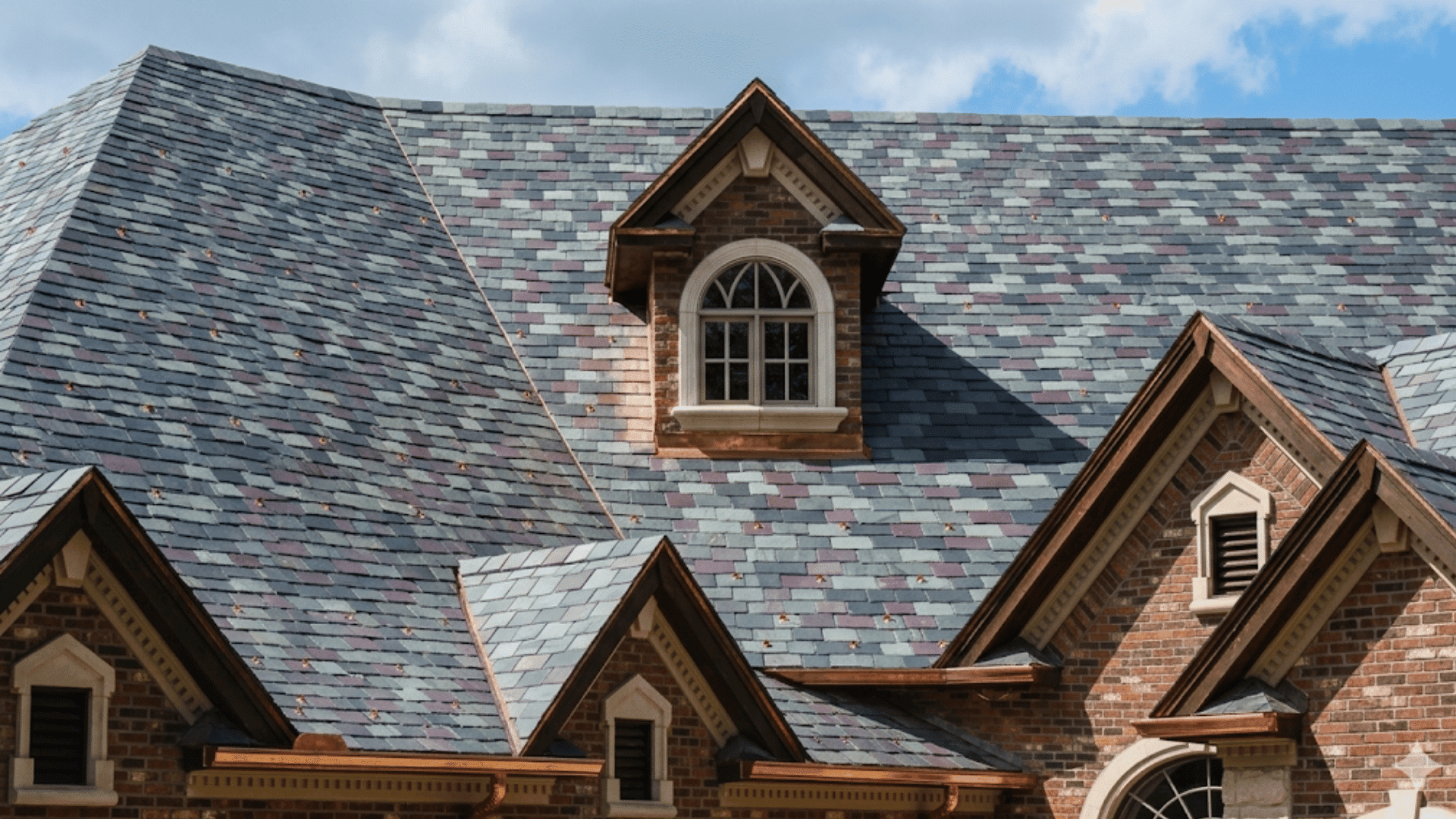
Slate roofing is one of the longest-lasting roofing materials available. Made from natural stone, it offers exceptional durability and a distinctive appearance that can increase property value.
Slate is highly resistant to fire, moisture, and severe weather conditions. While it requires a larger initial investment, its longevity often offsets the higher cost over time.
Due to its weight and specialized installation requirements, professional installation is essential.
Slate remains a preferred option for homeowners seeking a premium and highly durable roof.
- Pros: Extremely durable, attractive, fire resistant, and requires little maintenance.
- Cons: Very expensive and requires specialized installation and structural support.
- Best For: High-end homes where longevity and appearance are top priorities.
- Average Lifespan: Often lasts 75 to 100 years or more.
6. Wood Shingles
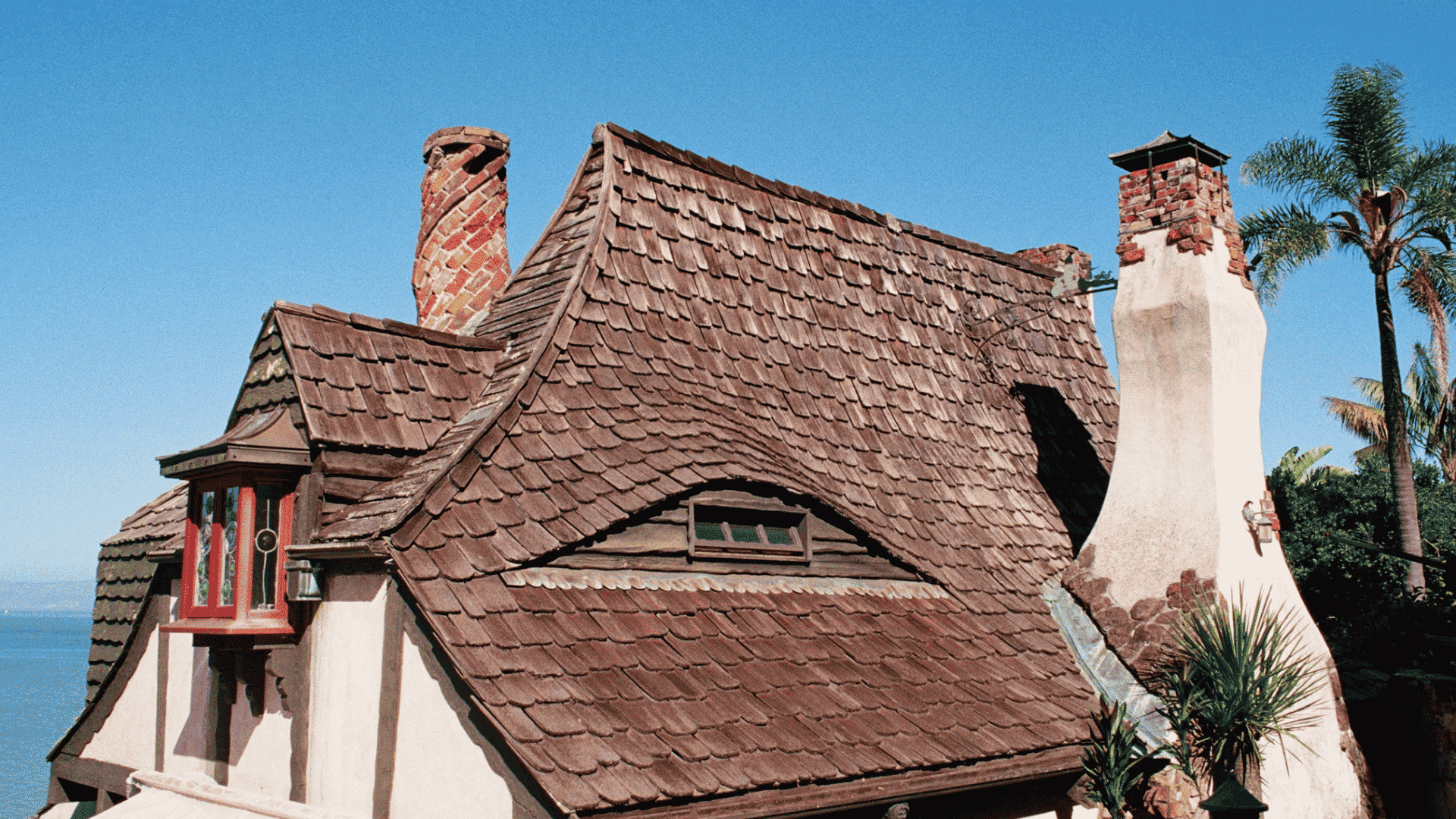
Wood shingles provide a natural appearance that works well with traditional, cottage, and coastal-style homes. Typically made from cedar or similar woods, they offer a warm and attractive look.
Wood shingles can provide moderate insulation and improve a home’s exterior appearance.
However, they require routine maintenance to prevent moisture damage, mold, and insect problems.
Homeowners who prefer natural materials often appreciate the character wood shingles add. Proper care is important to maximize their lifespan and performance.
- Pros: Natural appearance, good insulation, and complements many home styles.
- Cons: Requires regular maintenance and may be vulnerable to moisture and insects.
- Best For: Homeowners who prefer natural roofing materials and classic designs.
- Average Lifespan: Generally lasts 20 to 30 years with proper maintenance.
7. Synthetic Roofing
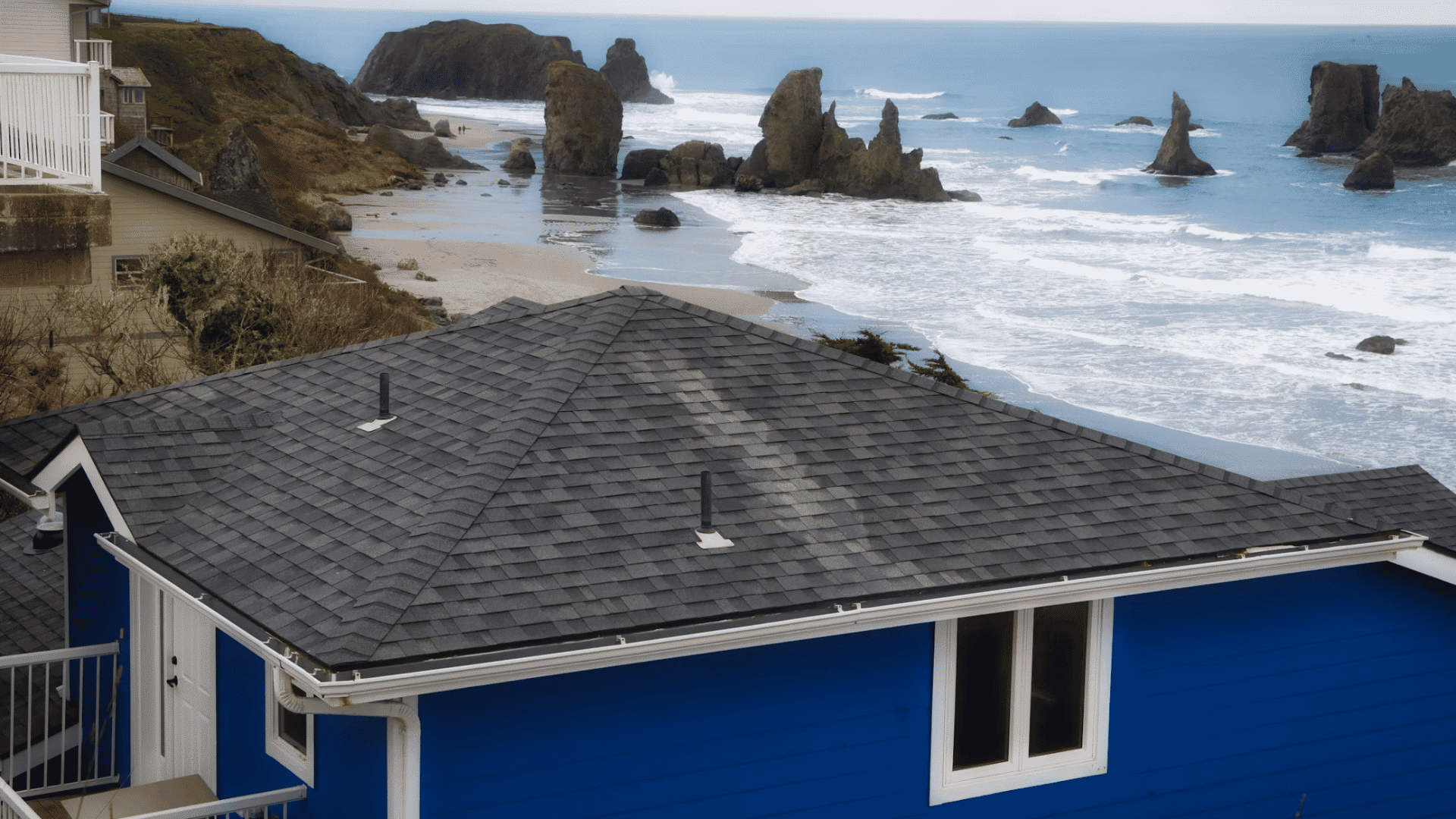
Synthetic roofing is designed to replicate premium materials such as slate, wood, or clay while reducing weight and installation challenges.
These products are often made from engineered polymers or recycled materials. Synthetic roofing offers excellent durability and resistance to moisture, impact, and weather damage.
Many products require little maintenance and are easier to install than natural alternatives.
Homeowners can achieve the look of high-end roofing materials without the associated structural concerns or premium installation costs.
- Pros: Lightweight, durable, low maintenance, and available in many styles.
- Cons: Quality varies by manufacturer and some products can be expensive.
- Best For: Homeowners wanting premium looks without the weight of natural materials.
- Average Lifespan: Commonly lasts 30 to 50 years or more.
8. Solar Roofing
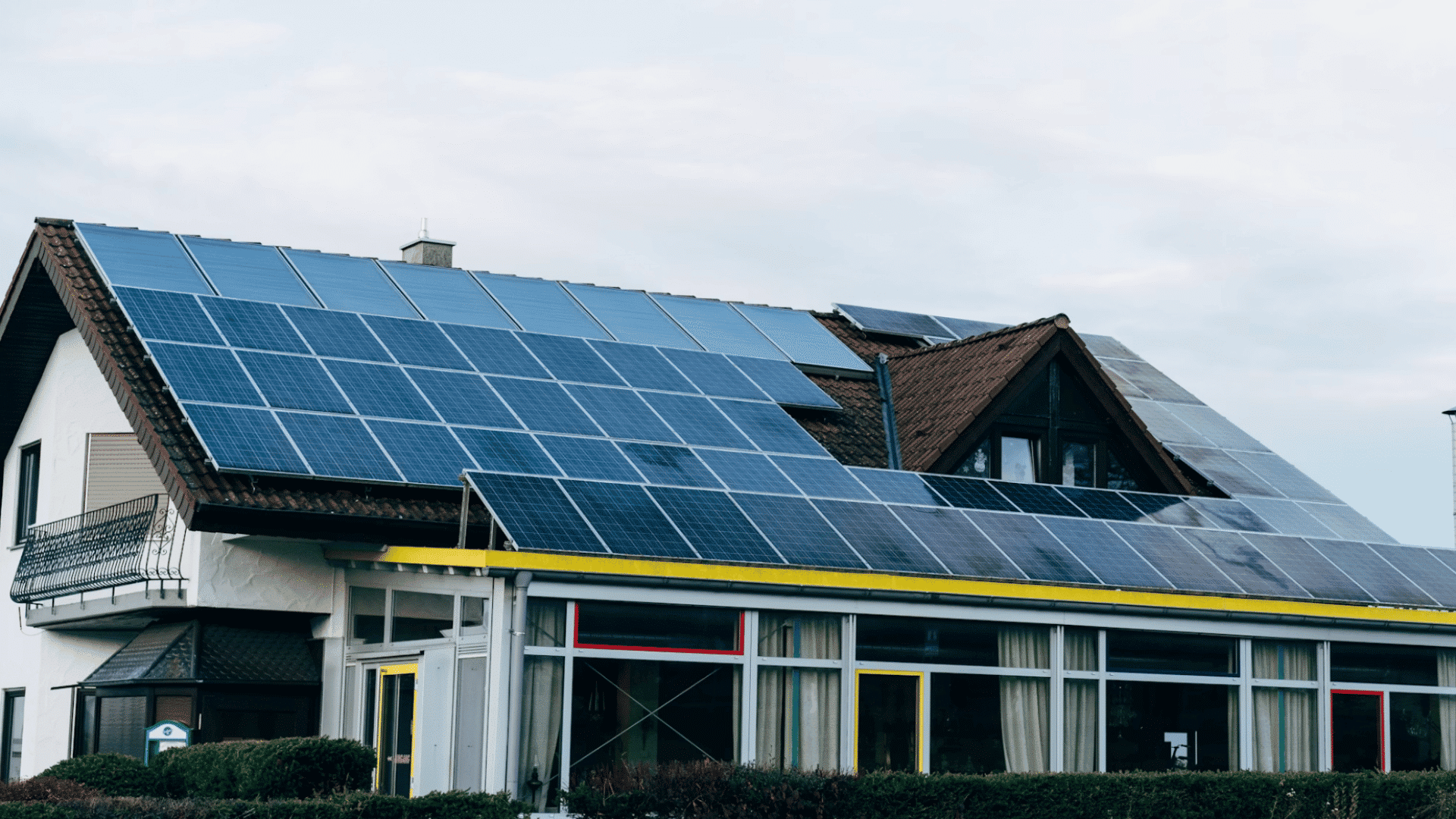
Solar roofing combines roof protection with energy production. Integrated solar shingles or tiles generate electricity while functioning as roofing materials, which can lower utility bills and reduce dependence on grid energy.
The return-on-investment timeline typically runs 8 to 12 years depending on local electricity rates and available tax credits.
The federal residential clean energy credit currently covers 30% of installation costs through 2032, according to the U.S. Department of Energy, which meaningfully shortens that payback window.
- Pros: Produces renewable energy, lowers utility costs, and improves energy efficiency.
- Cons: High upfront cost and longer return-on-investment period.
- Best For: Homeowners interested in reducing energy expenses and environmental impact.
- Average Lifespan: Roofing materials often last 25 to 40 years.
9. Rubber Roofing
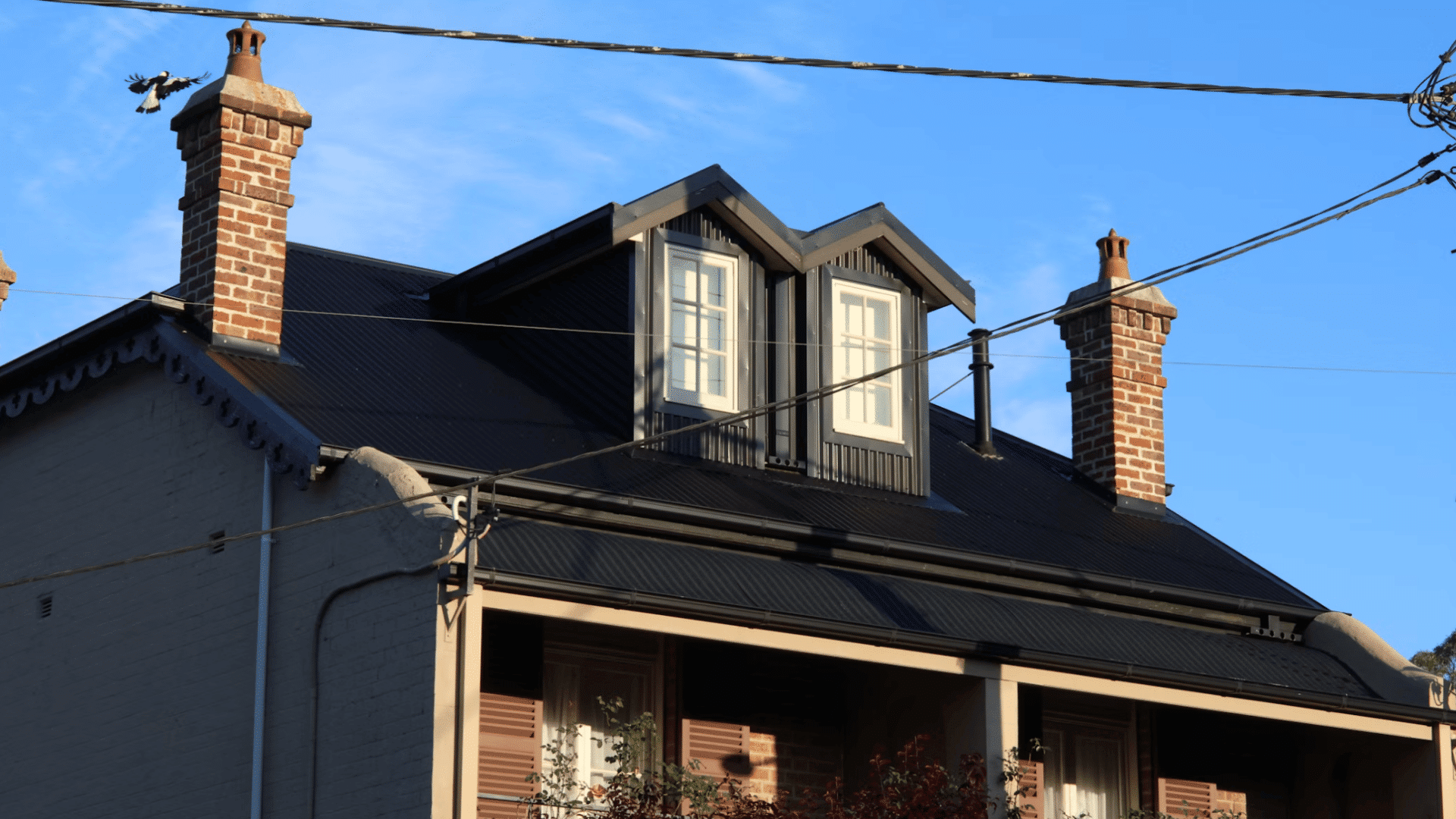
It is made from durable synthetic rubber materials, it provides strong resistance to water, sunlight, and changing weather conditions.
Rubber roofing is lightweight and flexible, making installation relatively simple. It also offers good energy efficiency because many products reflect sunlight and reduce heat absorption.
Maintenance requirements are generally low, and minor repairs are often easy to perform.
Its durability makes it a dependable choice for specific residential applications. Rubber roofing is a practical option for flat and low-slope roofs.
- Pros: Waterproof, lightweight, energy efficient, and easy to maintain.
- Cons: Limited style options compared to traditional roofing materials.
- Best For: Flat or low-slope residential roofs.
- Average Lifespan: Typically lasts 30 to 50 years with proper maintenance.
10. Standing Seam Metal Roofing
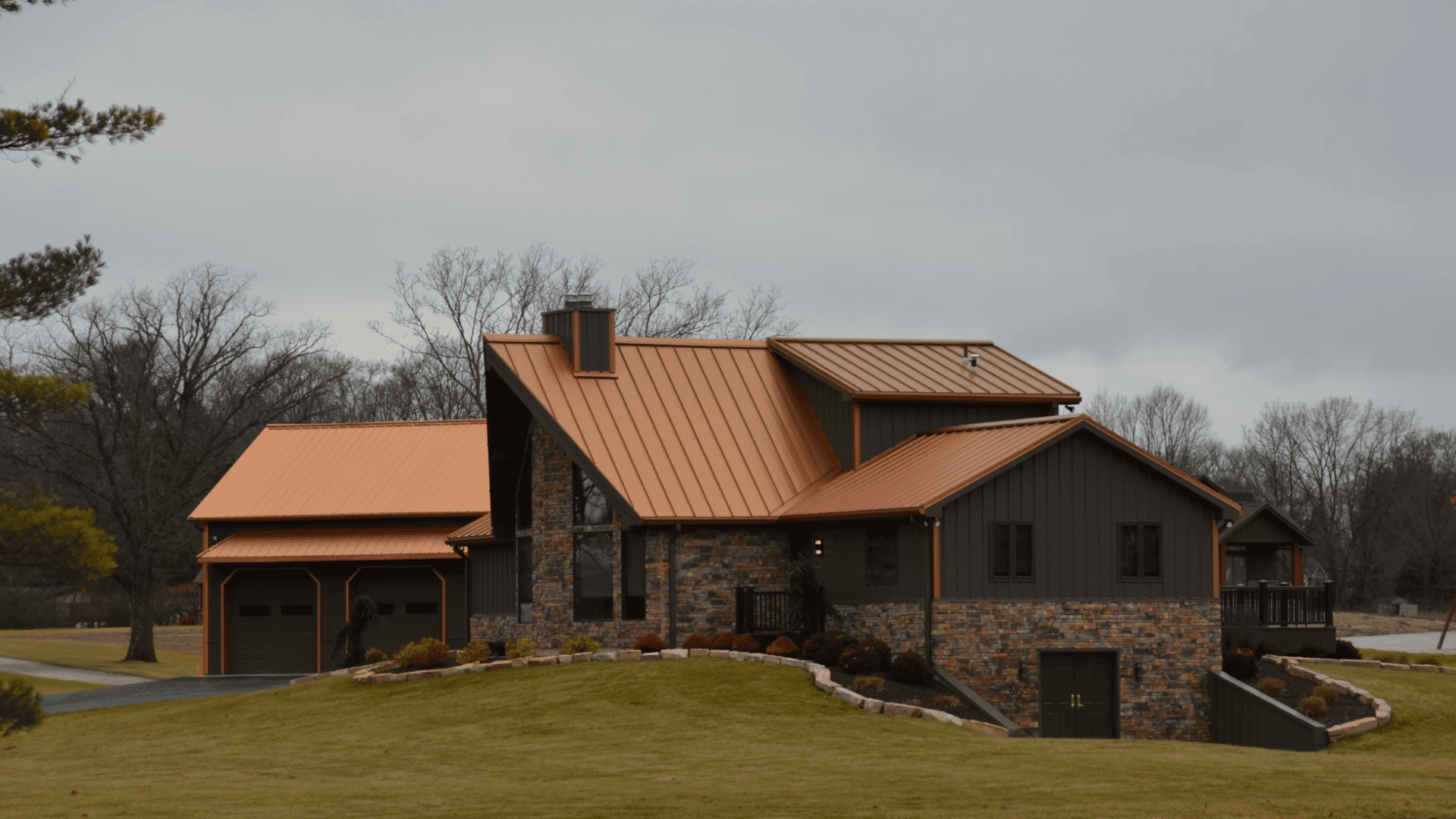
Standing seam metal roofing features raised seams that interlock panels for superior weather protection.
The concealed fastener design helps reduce the risk of leaks and enhances durability. This roofing system is highly resistant to wind, rain, snow, and fire.
It also reflects sunlight, helping improve energy efficiency. While installation costs are higher than standard metal roofing, many homeowners value its clean appearance and long lifespan.
Standing seam systems are commonly used on modern and contemporary homes.
- Pros: Excellent weather resistance, long lifespan, low maintenance, and modern appearance.
- Cons: Higher installation cost than many other roofing materials.
- Best For: Homeowners seeking premium metal roofing with maximum durability.
- Average Lifespan: Commonly lasts 50 years or longer.
Price Comparison: Installed Cost and Annual Cost
Installed cost is the upfront price of materials and installation, while annual cost reflects the yearly expense over the roof’s lifespan. Comparing both helps homeowners find the best balance between cost and value.
| Roofing material | Min Roof Pitch | Installed cost (USD/sq ft) | Estimated cost per year of service (USD/yr) |
|---|---|---|---|
| Asphalt shingles | 2:12* | $3.70 – $12.25 | $0.12 – $0.82 |
| Metal roofing (standard panels) | 3:12** | $7.00 – $35.00 | $0.10 – $0.88 |
| Concrete tile | 4:12 | $7.35 – $12.95 | $0.15 – $0.26 |
| Clay tile | 4:12 | $10.50 – $18.50 | $0.11 – $0.37 |
| Slate roofing | 4:12 | $12.50 – $25.00+ | $0.13 – $0.33 |
| Wood shingles | 3:12 | $8.00 – $14.00 | $0.27 – $0.70 |
How to Choose the Best Roofing Material?
Choosing the right roofing material depends on your budget, climate, maintenance preferences, and long-term home improvement goals.
- Consider Your Climate: Select a roofing material that can withstand local weather conditions, including heavy rain, snow, heat, or strong winds.
- Set a Realistic Budget: Compare upfront installation costs with long-term maintenance and replacement expenses before making a final decision.
- Check Durability: Choose materials with a proven lifespan that match your expectations for long-term performance and protection.
- Evaluate Energy Efficiency: Energy-efficient roofing materials can help reduce cooling and heating costs while improving indoor comfort year-round.
- Review Maintenance Requirements: Some roofing materials need regular upkeep, while others offer reliable performance with minimal maintenance.
- Match Your Home’s Style: Select a roofing material that complements your home’s design and improves its overall appearance and value.
- Compare Insurance Benefits: Certain roofing materials may qualify for insurance discounts due to their durability and resistance to damage.
Climate-Based Roofing Material Comparison
A quick comparison table can help readers choose the right roofing material based on their local weather conditions.
| Climate Type | Best Roofing Material | Why It Works Well |
|---|---|---|
| Hot Climates | Clay Tiles | Reflects heat, improves airflow, and helps keep homes cooler. |
| Snowy Areas | Metal Roofing | Sheds snow easily and prevents heavy snow buildup on the roof. |
| High Winds | Metal Roofing | Strong wind resistance and secure fastening reduce storm damage. |
| Heavy Rainfall | Asphalt Shingles | Reliable water protection with proper installation and maintenance. |
| Coastal Regions | Aluminum Roofing | Resists rust and corrosion caused by salt air and moisture. |
Common Roof Replacement Mistakes to Avoid
Avoiding common mistakes during a roof replacement project can save money, improve performance, and extend the lifespan of your new roof.
- Choosing Based on Price Alone: Selecting the cheapest roofing option may reduce upfront costs, but it can lead to lower durability, frequent repairs, and higher long-term expenses.
- Ignoring Local Weather Conditions: Roofing materials should match the local climate. A roof that performs well in one region may struggle in areas with heavy rain, snow, or extreme heat.
- Hiring Unlicensed Contractors: Working with unlicensed or inexperienced contractors can result in poor installation, code violations, safety risks, and costly repairs later.
- Overlooking Warranty Details: Failing to review warranty coverage may leave homeowners responsible for unexpected repair costs that could have been covered by the manufacturer or installer.
- Not Checking Roof Ventilation: Poor ventilation can trap heat and moisture in the attic, reducing roof lifespan and increasing energy costs throughout the year.
- Choosing the Wrong Material for Roof Pitch: Some roofing materials work better on specific roof slopes. Using the wrong material can lead to drainage problems and roof failure.
Conclusion